
In this guide
- How to soundproof windows: the short answer
- Where outside noise gets through a window
- How to soundproof windows without replacing them
- DIY window soundproofing at home: what is safe to try
- Heavy curtains, window plugs and secondary glazing against noise
- Soundproofing windows in an apartment
- Soundproofing windows in a rental, without drilling
- Double glazing and laminated glass for outside noise
- What soundproof windows cannot do
- A step-by-step plan to soundproof a bedroom window
Key takeaways
- Seal first. Much of the traffic noise in a room enters through gaps around the window, and sealing is the cheapest real fix.
- You can soundproof a window without replacing it, up to a point. New seals, a sealed frame joint and firm glass make a clear difference.
- Curtains soften a room; they do not block a road. Heavy curtains help a little with sharp sounds and echo.
- Glass is the last step. Double glazing and laminated glass cut the noise that comes through the pane itself.
- No window makes a room silent. The deep rumble of trucks and generators is the hardest sound to stop.
How to soundproof windows: the short answer
To soundproof a window, work in order of cost. First close every gap around the frame and the moving shutter. Then add a layer on the room side, such as heavy curtains or a second pane. Last, change the glass to double glazed or laminated. Sound follows air, so a window that leaks air will leak noise, whatever glass it has.
Be clear about the goal. No window makes a room silent. A well sealed window with the right glass makes a busy road much less tiring to live with. Voices, horns and scooters usually fade the most. The low rumble of trucks, buses and generators fades the least.
This guide follows the questions people type: at home, in an apartment, in a rental, DIY, and without replacing the window. Each step says what it does and where it stops.

Where outside noise gets through a window
A window has four weak points for sound. Check them before you spend anything.
- The joint between frame and wall. Sealant cracks with sun and age. A thin crack all round the frame adds up to a large opening.
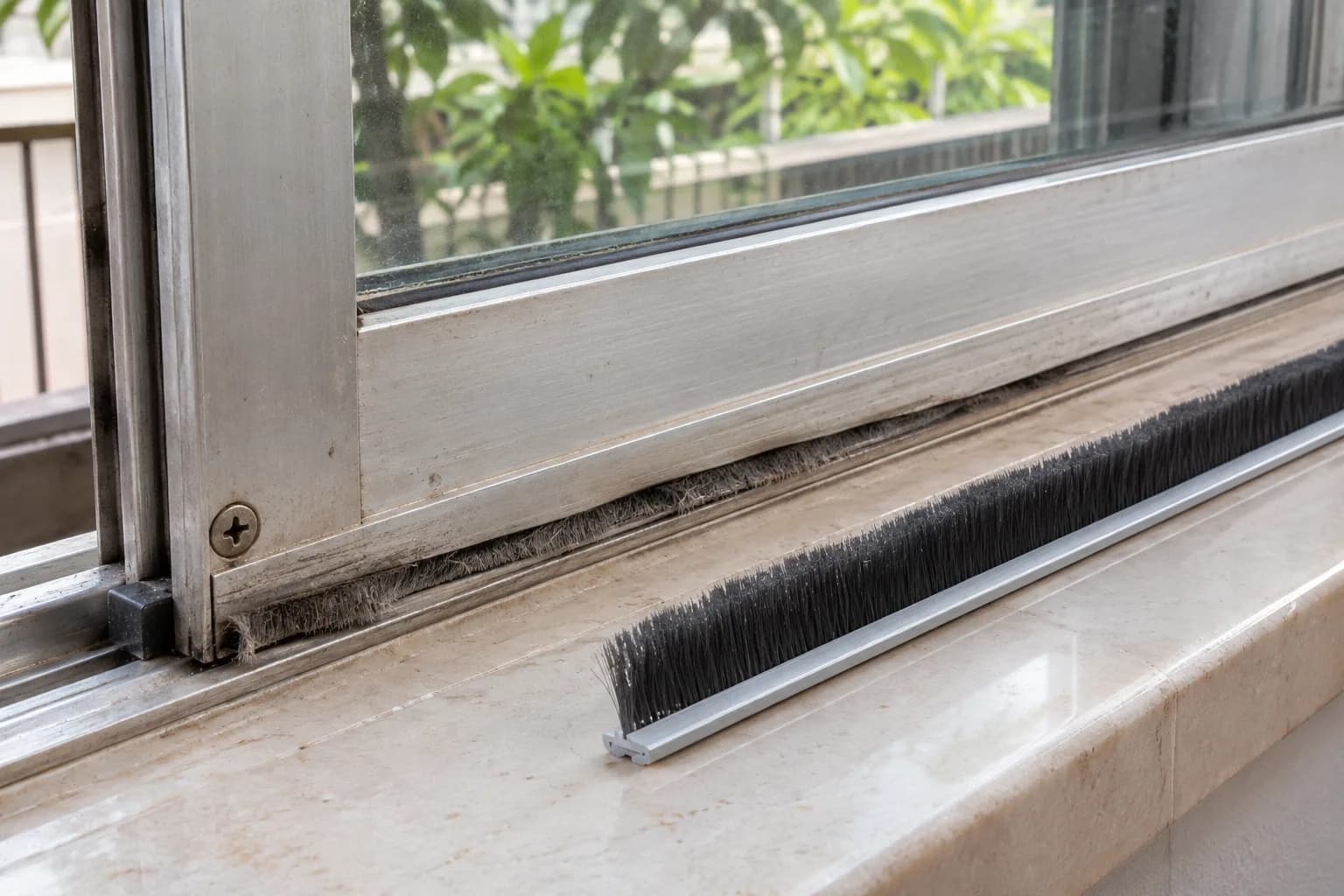
- The seals on the moving part. The moving part is called the shutter or the sash. Its brush and rubber strips flatten over the years.
- The glass in its frame. A rubber strip, called glazing rubber, holds the pane. When it shrinks, the glass rattles and buzzes.
- The glass itself. A single thin pane vibrates with the sound outside and passes it into the room.
Sliding windows usually leak more sound than hinged ones. A slider must leave a small gap so the shutter can move. A hinged window, called a casement, presses against its seal all round when you lock it. This does not mean you must replace a slider. It means its seals matter more.
How to soundproof windows without replacing them
Most people should start here. These repairs keep your window and change only the worn parts.
| Fix | What it does | Where it stops |
|---|---|---|
| Window gap sealing | Closes the joint between the frame and the wall | Does nothing for the glass |
| Window seal replacement | New strips between shutter and frame, for a tight close | A slider still needs a small running gap |
| Aluminium window seal replacement | New rubber around the pane, so the glass sits firm | The pane is still single glass |
| Aluminium window lock replacement | A catch that pulls the shutter tight against its seals | Only helps if the seals are good |
| Window air leakage repair | Finds and closes the air paths around one window | Sound through a wall or a vent stays |
These fixes usually give the most quiet for the least money. They also keep out dust and keep AC air in. Our page on traffic noise coming through windows helps you work out which gap is yours. If the glass buzzes when a bus passes, read window glass rattling too.
Sealing has a limit. Once the gaps are closed, the noise that remains is coming through the glass. If that is still too much, the next steps are inside layers and better glass.
Book a visit. We find the gaps that let the noise in, and quote in writing before any work.
DIY window soundproofing at home: what is safe to try
Some jobs are safe for any careful person. Do these before you call anybody.
- Lock every window fullyA sliding window lock pulls the shutter against its seals. A window pushed shut but not locked leaks more sound.
- Clean the tracksGrit in the track stops the shutter reaching the frame. A clean track lets it close fully. Our quiet, cool and dry home guide shows how to clean one.
- Fit stick-on foam or rubber stripHardware shops sell this as weatherstrip tape. Stick it where a hinged window meets its frame. It does not suit the sliding faces of a slider, where it stops the shutter moving.
- Fill small cracks on the insideA hairline crack between the frame and the inside plaster can take a thin bead of paintable sealant. Do this from inside the room only.
- Close the gap under the bedroom doorNoise from the corridor and the living room comes under the door. A stick-on door bottom strip or a fabric draught stopper helps.
Heavy curtains, window plugs and secondary glazing against noise
The next group of fixes adds a layer on the room side of the window. None of these is our trade. We describe them so you can compare fairly.
- Heavy curtains. Thick, lined curtains that cover the whole window wall soften the room. They reduce echo and take the edge off sharp sounds. They do little against low rumble. Treat curtains sold as soundproof as good heavy curtains, not as a wall.
- Soft furnishing. Rugs, a full bookshelf and upholstered furniture stop sound bouncing around. The room feels calmer, though the same noise still enters.
- A window plug. This is a removable board backed with dense foam, cut to fit tightly inside the window recess. It blocks sound well for its cost. It also blocks all light and air, so it suits a day sleeper more than a living room.
- Secondary glazing. This is a second window fitted on the room side of the first one. The wide air gap between the two does the work. It is a well-known method and can do as much as new double glazing. It needs a deep enough sill, and you then have two windows to open and clean.
Secondary glazing and acoustic curtains are sold by specialist firms. Fabrockers does not fit either. Ask those firms for a site visit, and ask to hear a fitted example if you can.

Soundproofing windows in an apartment
A flat adds two things: the society and the other openings. Most societies want the outside of the building to look the same on every floor. Sealing and seal replacement change nothing outside, so they rarely need permission. A new window in a different colour or design usually does. Ask the society office before you order.
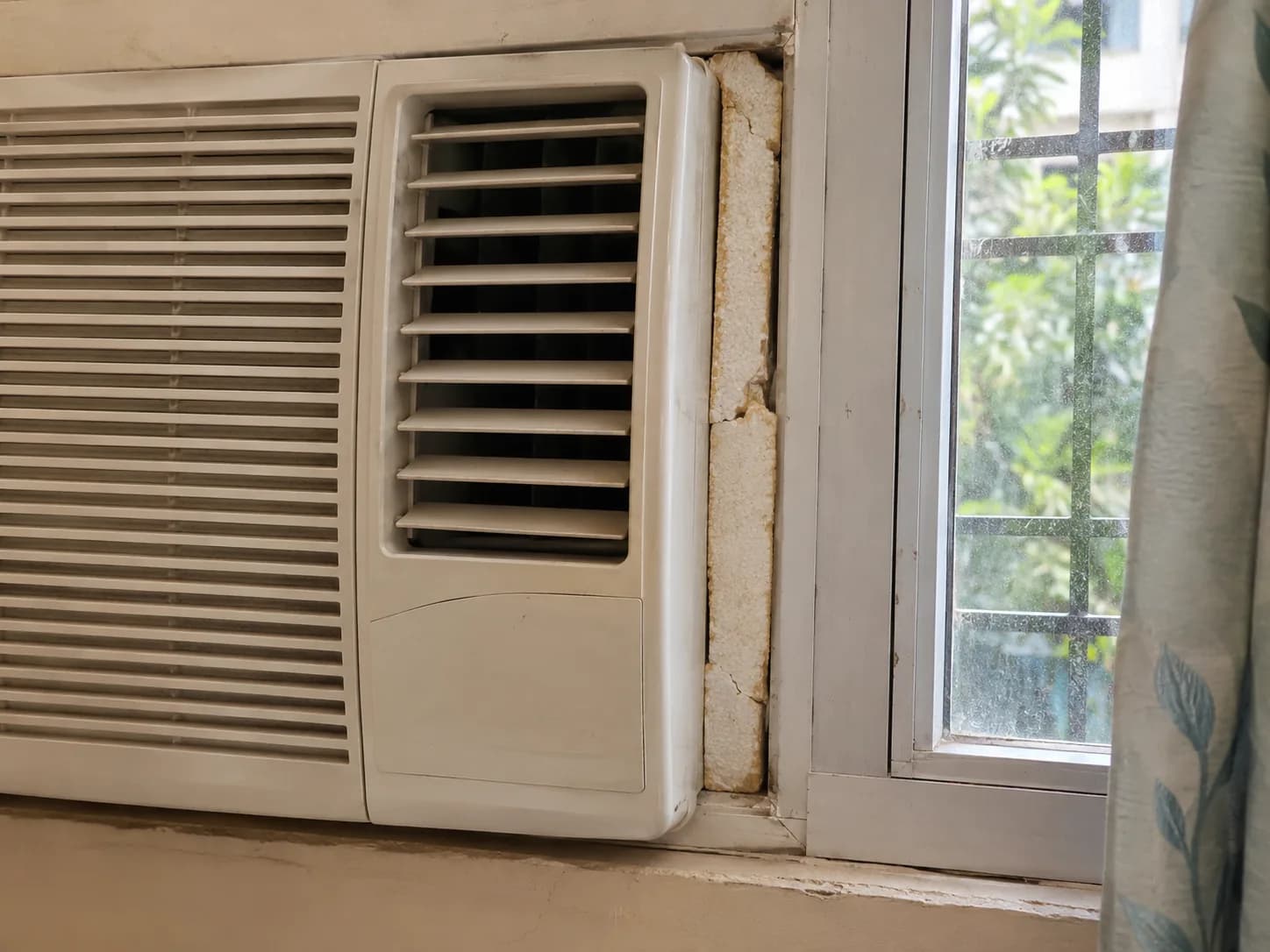
In a flat, check the other paths too. Noise also enters through the balcony door, the kitchen exhaust opening, bathroom ventilators and the space beside a window AC. A well sealed bedroom window will not help much if the balcony door beside it has flat seals. Sliding glass door repair and door gap sealing cover those. For the space beside an AC unit, see gap around window AC.
Noise from inside the building is different. Footsteps from the flat above and a neighbour's television come through the floor slab and the walls. No window work changes that.
Soundproofing windows in a rental, without drilling
A tenant needs fixes that come off cleanly and leave no marks. Start with the owner, then use layers you can take with you.
- Ask the owner about seals. New seals are a repair to the owner's window. It is fair to ask the owner to agree, or to share the cost.
- Use removable layers. Heavy curtains on the existing rod, a thick rug and a window plug all leave with you.
- Test stick-on strips first. Weatherstrip tape peels off, but some adhesives mark paint. Try a small piece in a corner.
- Move the bed. Put the head of the bed on the wall farthest from the window. It costs nothing and often helps sleep.
- Do not drill or change glass without permission. Get the owner's agreement in writing before any permanent work.
Double glazing and laminated glass for outside noise
When the gaps are closed and the road is still too loud, the pane is the limit. Two kinds of glass help.
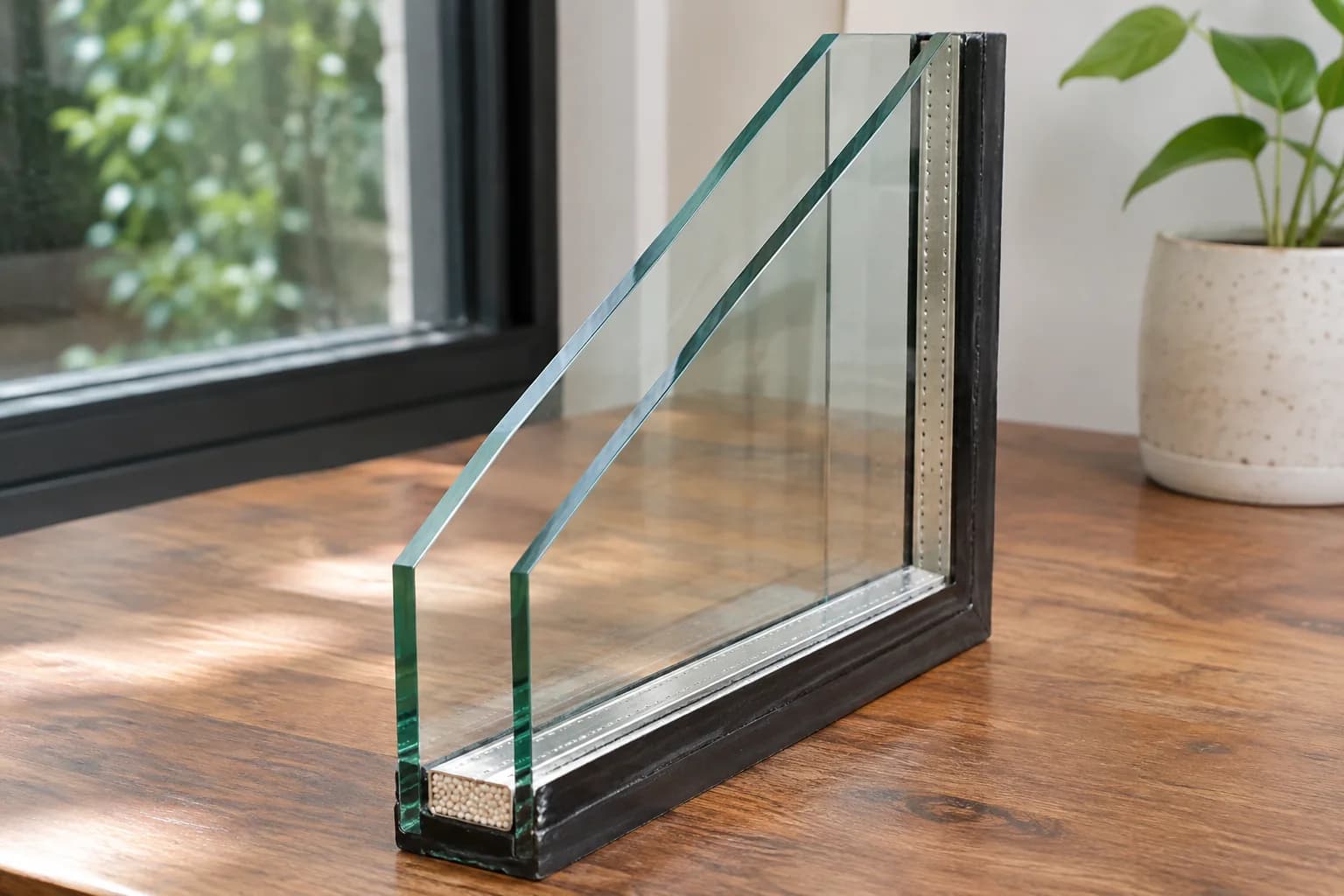
Double glazing is two panes with a sealed gap between them. The sealed unit is often called a DGU. Sound loses energy crossing the two panes and the gap. A common trade practice is to use two panes of different thickness, so they do not vibrate together. Laminated glass is two sheets bonded with a plastic layer. The layer damps vibration, so a laminated pane usually passes less sound than a plain pane of similar thickness. The two can be combined in one unit.
| Glass | Noise through the pane | Good to know |
|---|---|---|
| Single pane | Passes the most sound | What most flats were built with |
| Thicker single pane | A little better | The frame and rollers must carry the extra weight |
| Laminated pane | Better than plain glass of similar thickness | Also holds together if it breaks |
| Double glazed unit | Better again, and it slows heat too | Needs a frame deep enough for the unit |
| Double glazed unit with one laminated pane | Usually the strongest common choice | The heaviest and costliest; the frame must suit it |
The frame matters as much as the glass. Good glass in a leaky frame is money wasted, so the frame and its seals are chosen together with the glass. Many old sliding frames cannot take a double glazed unit, because the groove for the glass is too narrow. So this step usually means a new window.
We fit soundproof double glazed windows in Bengaluru, in new uPVC or aluminium frames. That page shows the live starting rate. The size of the opening, the glass combination and the frame type move the cost. Our windows and doors guide compares uPVC with aluminium, and the guide to types of glass for homes explains each glass.
In Delhi NCR we do not fit new windows at present. There we seal gaps, renew seals and repair the windows you have. If a double glazed unit you already own has turned misty, see double glazed window foggy inside.
What soundproof windows cannot do
- They do not work when open. Quiet and fresh air through the same window do not come together. Many people on loud roads sleep with the window shut and a fan or AC on.
- They do not stop deep rumble well. Low sounds from trucks, buses, generators and loud music pass through glass, walls and floors more easily than voices do.
- They do not fix other paths. A ventilator, a thin wall or a gap under the door can carry as much noise as the window.
- They do not come with a promise of silence. Be careful with anybody who promises a silent room before seeing it.
None of this is a reason to do nothing. It is a reason to go step by step, and to check the result after each step.
A step-by-step plan to soundproof a bedroom window
- Find the loudest window and the loudest hour. Stand in the room at that hour and listen at each opening in turn.
- Lock, clean and test. Lock the window, clean the track and try the tissue test at the edges.
- Seal the gaps. Renew the worn seals and seal the frame joint. This is the cheapest step that really changes the room.
- Live with it for two weeks. Your ears need time to judge. Decide after that, not on the first night.
- Add an inside layer if needed. Heavy curtains for a little more, a window plug or secondary glazing for a lot more.
- Change the glass last. If the road still wins, ask for double glazing in a frame that seals well.
Most rooms improve clearly by step three. The later steps are for bedrooms on main roads, near flyovers, or beside a busy junction.
Common questions
How can I soundproof my windows without replacing them?
Close the gaps. Have the joint between the frame and the wall sealed. Renew the flattened seals on the shutter and the shrunken rubber around the glass. Make sure the lock pulls the shutter tight. After that, heavy curtains or secondary glazing add another layer on the room side.
What is the cheapest way to soundproof a window from outside noise?
Start with what is free: lock the window fully and clean the track so the shutter closes properly. The cheapest paid step is sealing gaps and renewing worn seals. It usually gives more quiet for the money than any curtain or new glass.
Do soundproof curtains really block traffic noise?
They help a little. Thick, lined curtains reduce echo and soften sharp sounds such as horns and voices. They do very little against the low rumble of trucks and buses. Think of them as an extra layer, not as the main fix.
How do I soundproof windows in a rented apartment?
Use fixes that come off cleanly. Heavy curtains on the existing rod, a rug and a removable window plug all leave with you. Stick-on weatherstrip suits hinged windows. Ask the owner to agree to new window seals, since that is a repair to their window. Do not drill or change glass without written permission.
Is double glazing or laminated glass better for noise?
Both are better than a single plain pane, and they work in different ways. Double glazing uses two panes and a sealed gap. Laminated glass uses a plastic layer that damps vibration. A double glazed unit with one laminated pane combines the two. The frame must seal well for any of them to work.
Can a sliding window be made soundproof?
It can be made much quieter, though a slider never seals as tightly as a hinged window. New brush seals, firm glass, a good lock and a sealed frame joint all help. If you are buying new sliding windows, choose a system with good seals and consider double glazing.
Have a question this guide did not answer? Call us or send a photo on WhatsApp and we will tell you what it needs.
