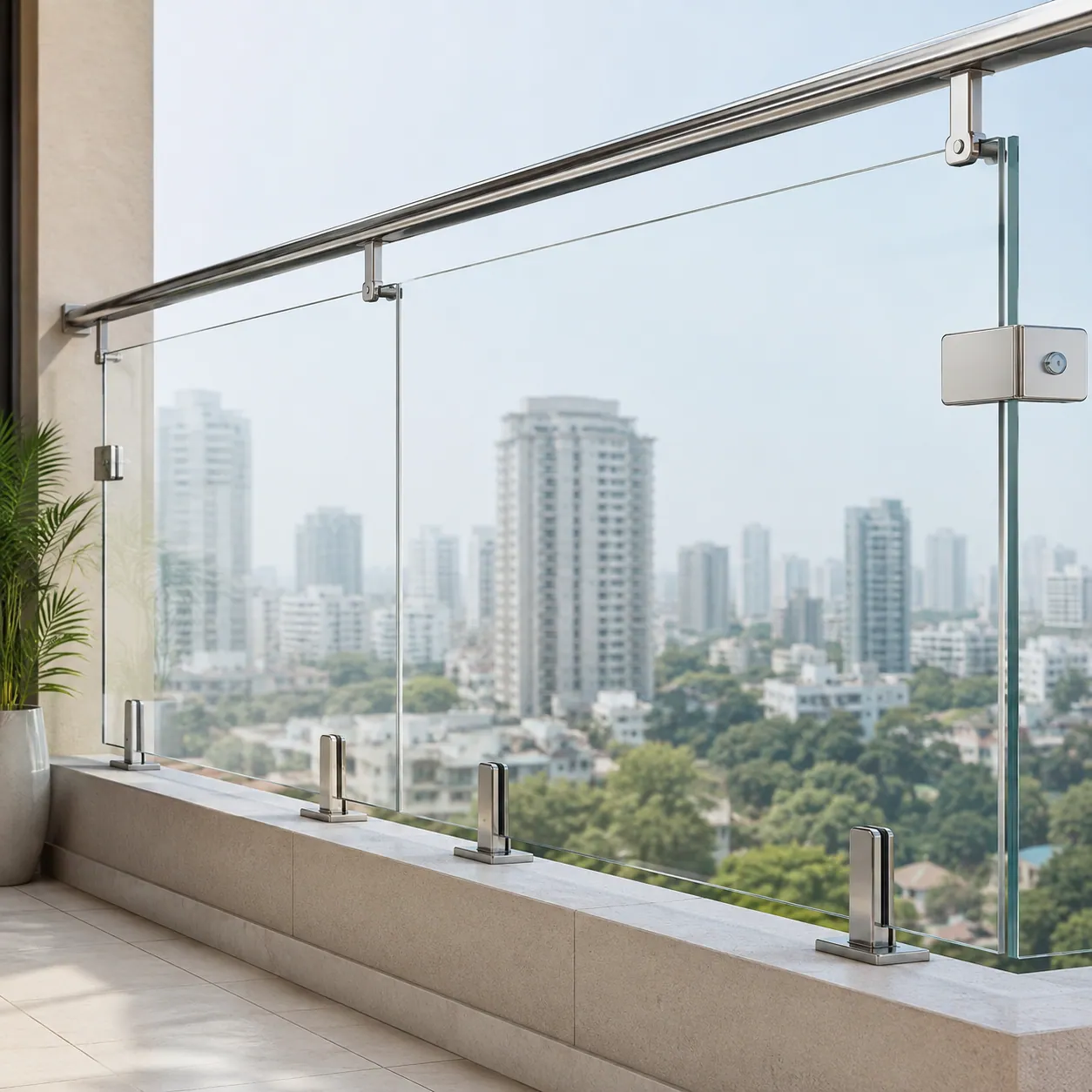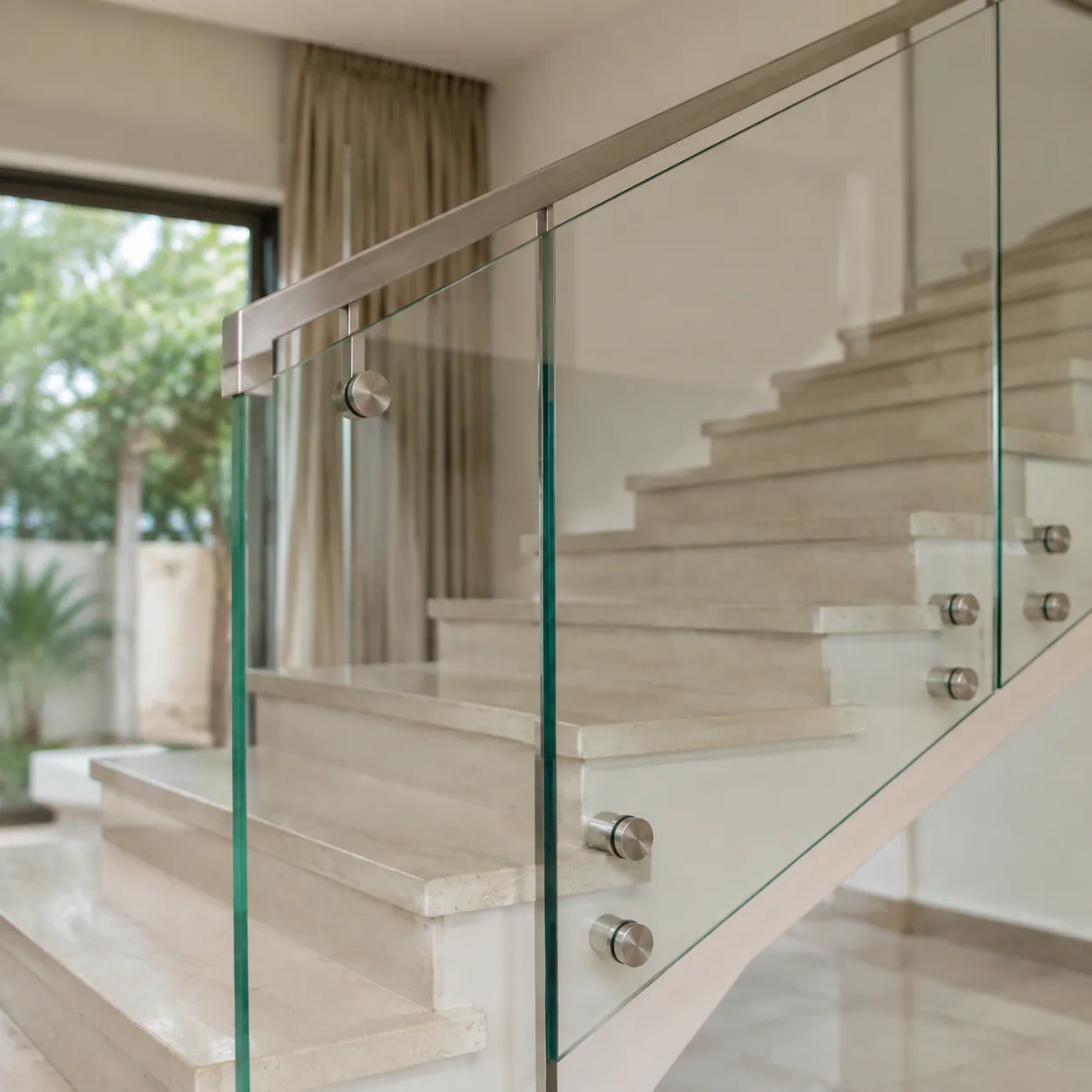
We repair glass railings across Bengaluru. A glass railing on a balcony, terrace or staircase is a system: panels, clamps or spigots, base fixings, and sometimes a handrail, all sharing loads. When any link loosens, the railing starts to move, rattle in wind, or flex under a hand, and every loose cycle works the next fixing looser. A railing should feel like a wall. Our repair visit inspects every fixing on the run, tightens, re-gaskets and resets what has drifted, and names anything that needs a part. ₹2,300 per visit.
How railings loosen, one cycle at a time
Nobody unbolts a railing. It loosens itself, slowly: wind rocks the panels daily, hands and laundry lean on it, temperature walks the metal against the glass, and each micro-movement works at the clamps and base bolts.
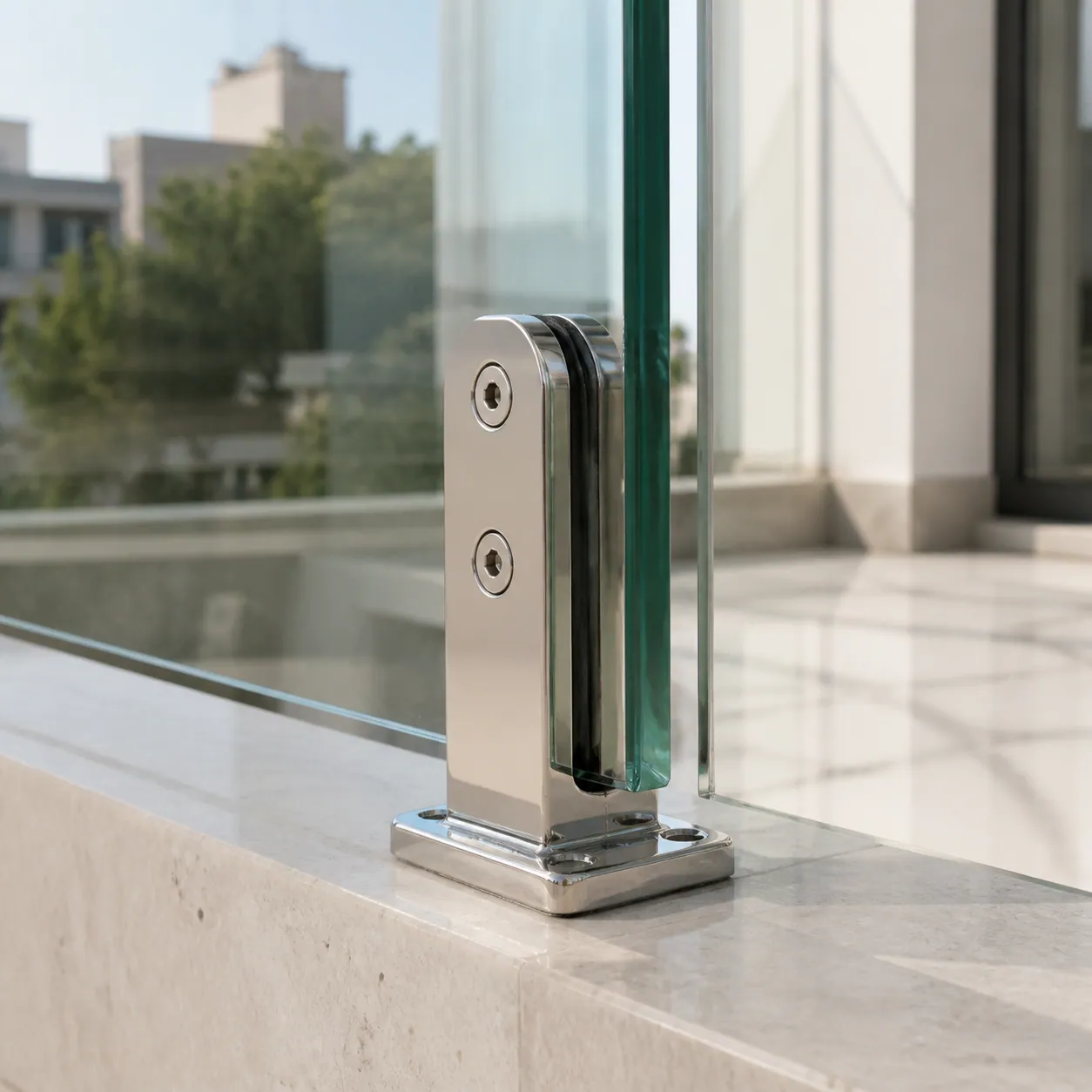
Gaskets are the usual first domino. The rubber inside every clamp perishes with sun and age, shrinks, and suddenly the clamp's grip has slack inside it. The panel rocks in its clamp, the rocking loads the base fixing, and a season later the whole run wobbles.
On spigot railings, the base fixings into the slab do the same dance. On staircases, the top and bottom posts take the most cycling and go first.
None of this is visible from a metre away, which is why the test is a firm hand, not a look.
The inspection, fixing by fixing
The visit works the full run methodically. Every clamp is checked for grip and its gasket for life. Every spigot and base plate is tested for movement and its anchors for bite. Panels are checked for seat and alignment, edges sighted for chips, and the handrail, where one exists, checked at every joint.
What we are separating is the three kinds of looseness: fixings that need torque, gaskets that need replacing, and hardware that needs to be a new part. Most wobbles are the first two.
You get the findings as a list along the run: this clamp re-gasketed, these anchors re-set, this one spigot recommended for replacement, and the panel at the corner carrying a chip worth watching. The railing's condition stops being a feeling and becomes a list.
What gets fixed within the visit
Tightening is done to firm, correct torque, never gorilla-tight, because over-tightened clamps on glass are their own failure. Perished gaskets are replaced with fresh rubber as we go, clamp by clamp, so metal never bears on glass. Anchors with lost bite are re-set or upsized in their holes. Panels are re-seated and aligned so the run reads straight again.
That combination cures the large majority of wobbly railings in the one visit, and the test at the end is the same as the complaint: a firm lean along the whole run, which the railing should now meet without a millimetre of protest.
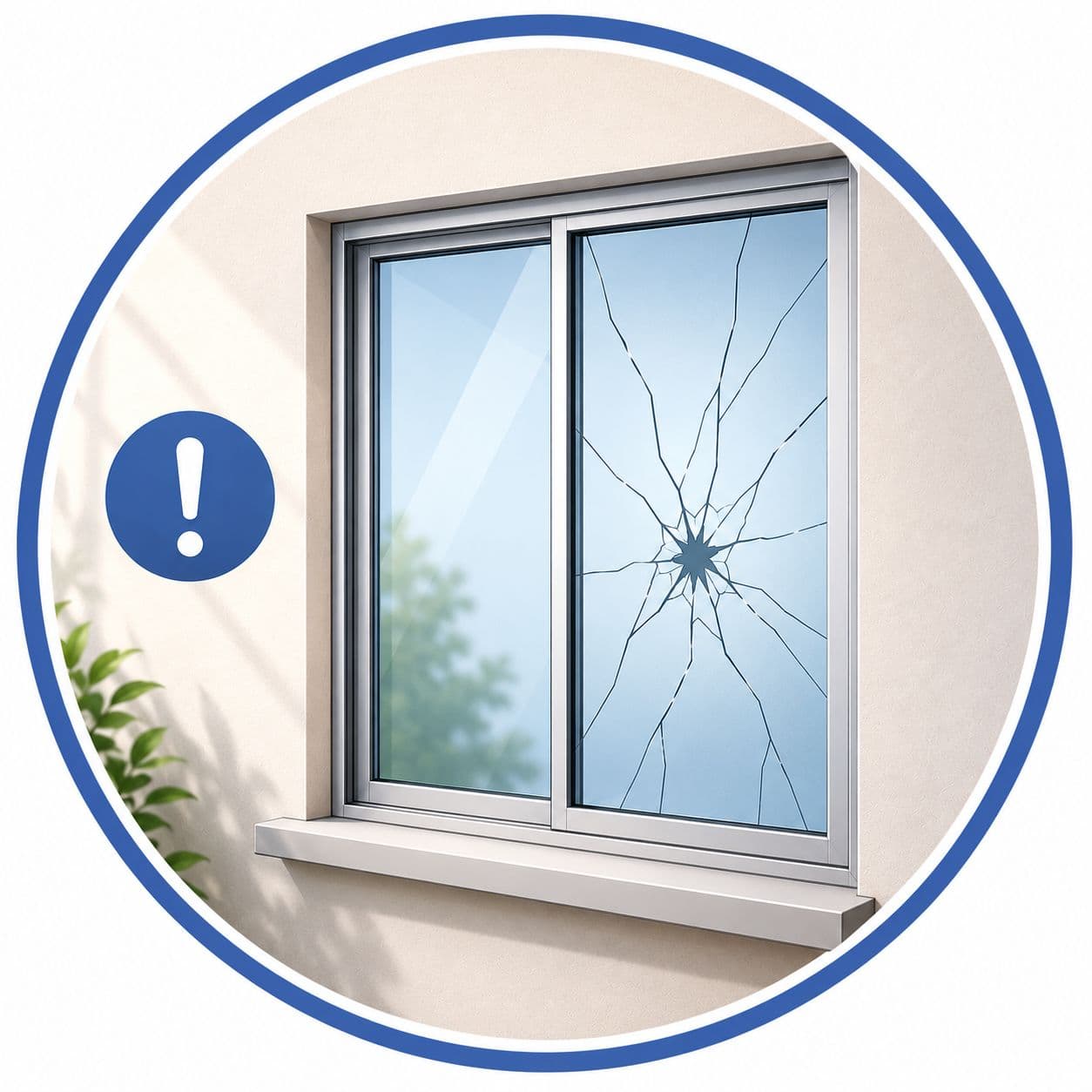
Where a part is genuinely past service, a cracked clamp, a corroded spigot, a chipped panel, it is priced separately, and the railing is left safe in the meantime.
The visit price, and railing seasons
The repair visit is ₹2,300, covering travel and up to two hours: the full inspection, re-gasketing with standard gaskets, torquing and resetting. Parts beyond that, clamps, spigots or glass, carry their own fixed prices, and glass panels have their own page.
Railings deserve a calendar. The pre-monsoon check matters because wind season is load season, and a slightly loose railing meets its hardest weeks. High terraces and west-facing balconies age fastest.
A leaning habit is worth breaking too: a railing is a barrier, not furniture, and flower pots hung on glass panels are a load the engineer never planned. The visit ends with the run firm and a straight answer on when, if ever, we should see it again.