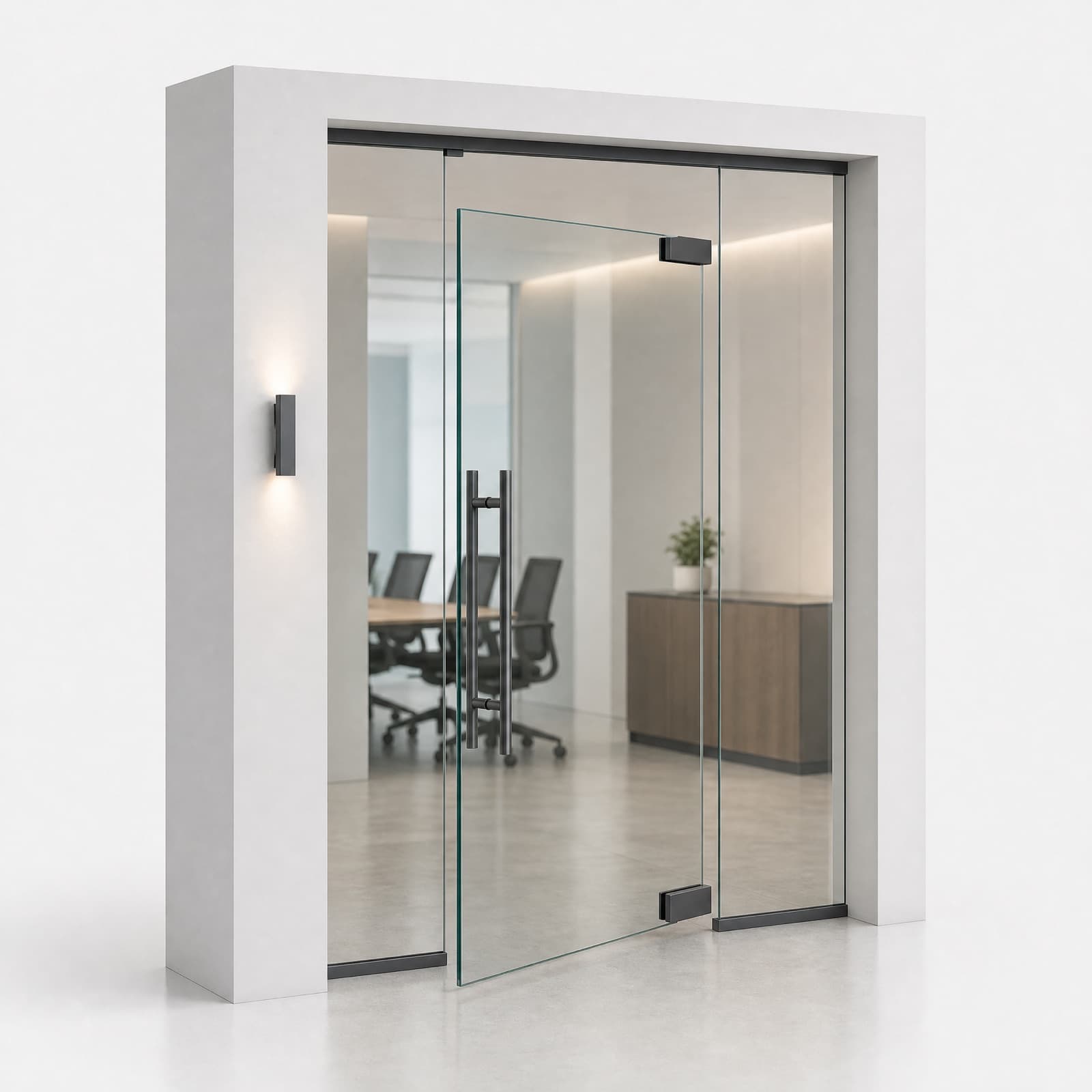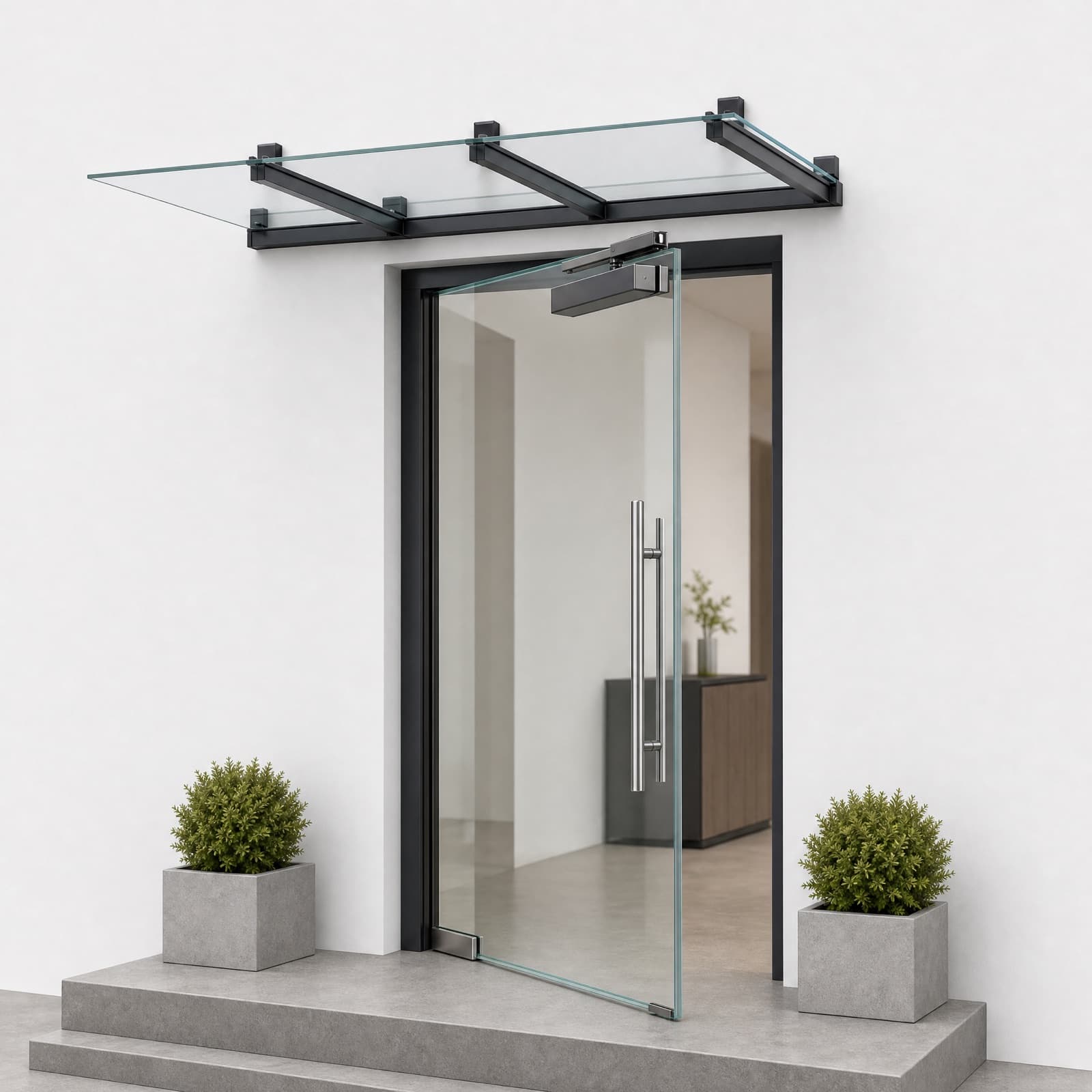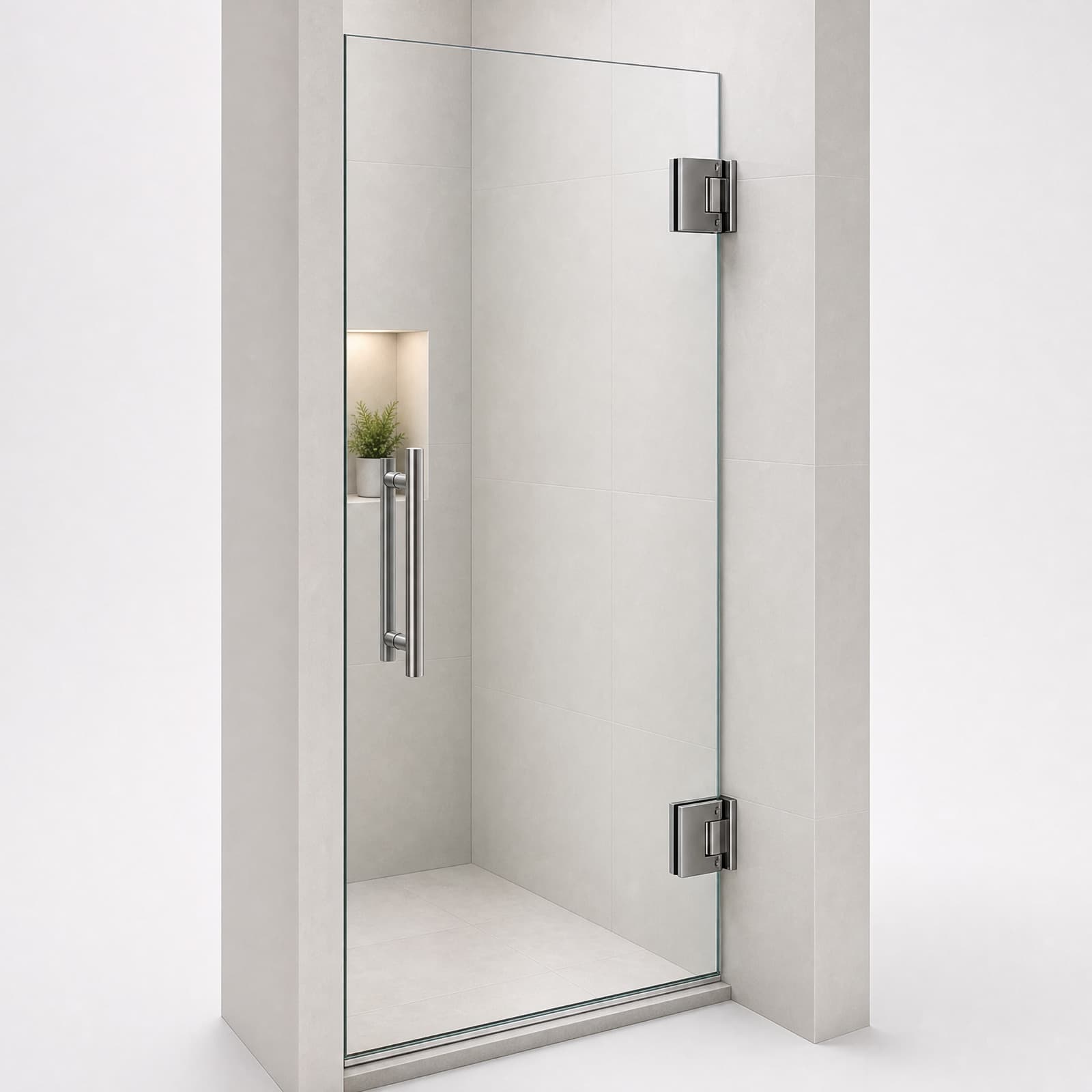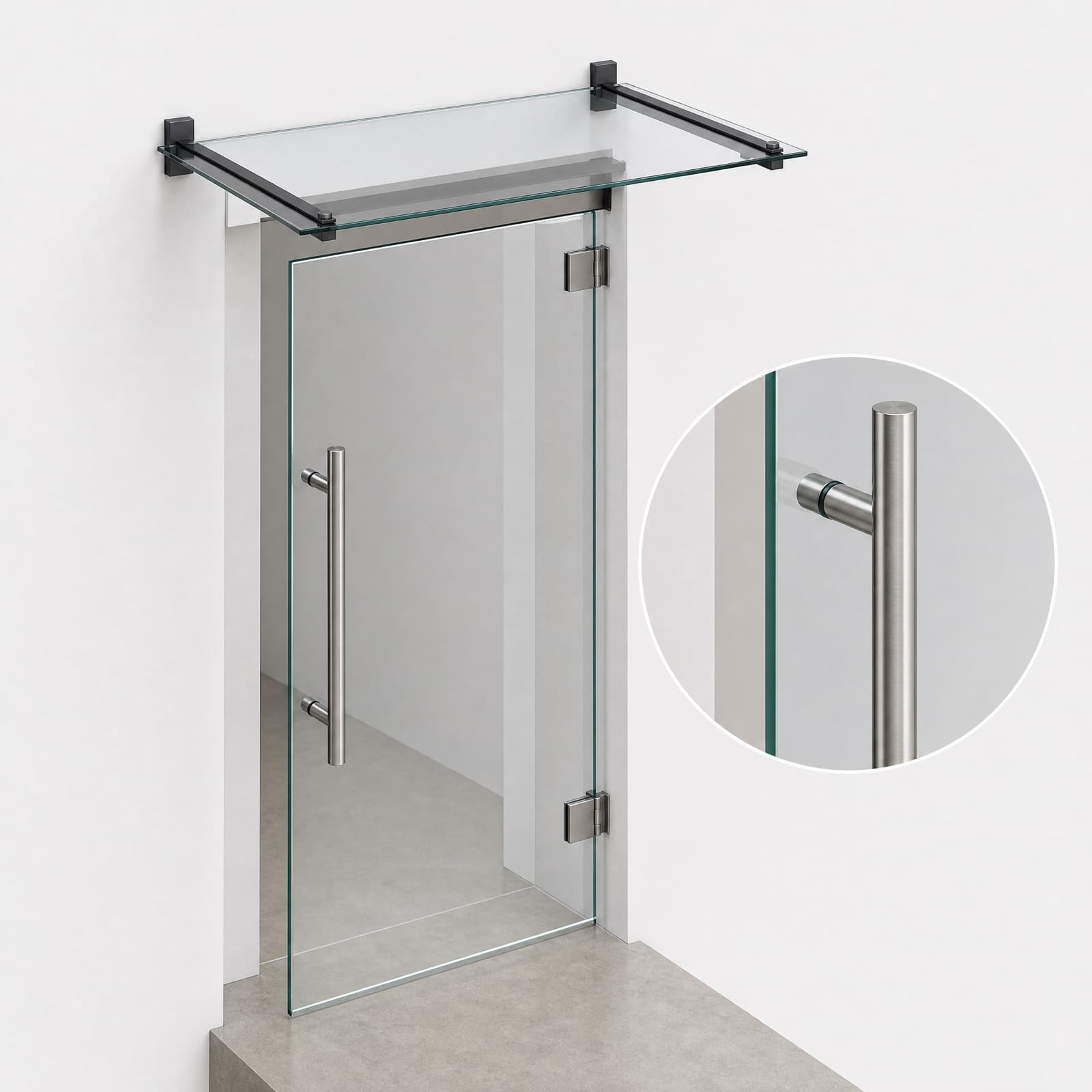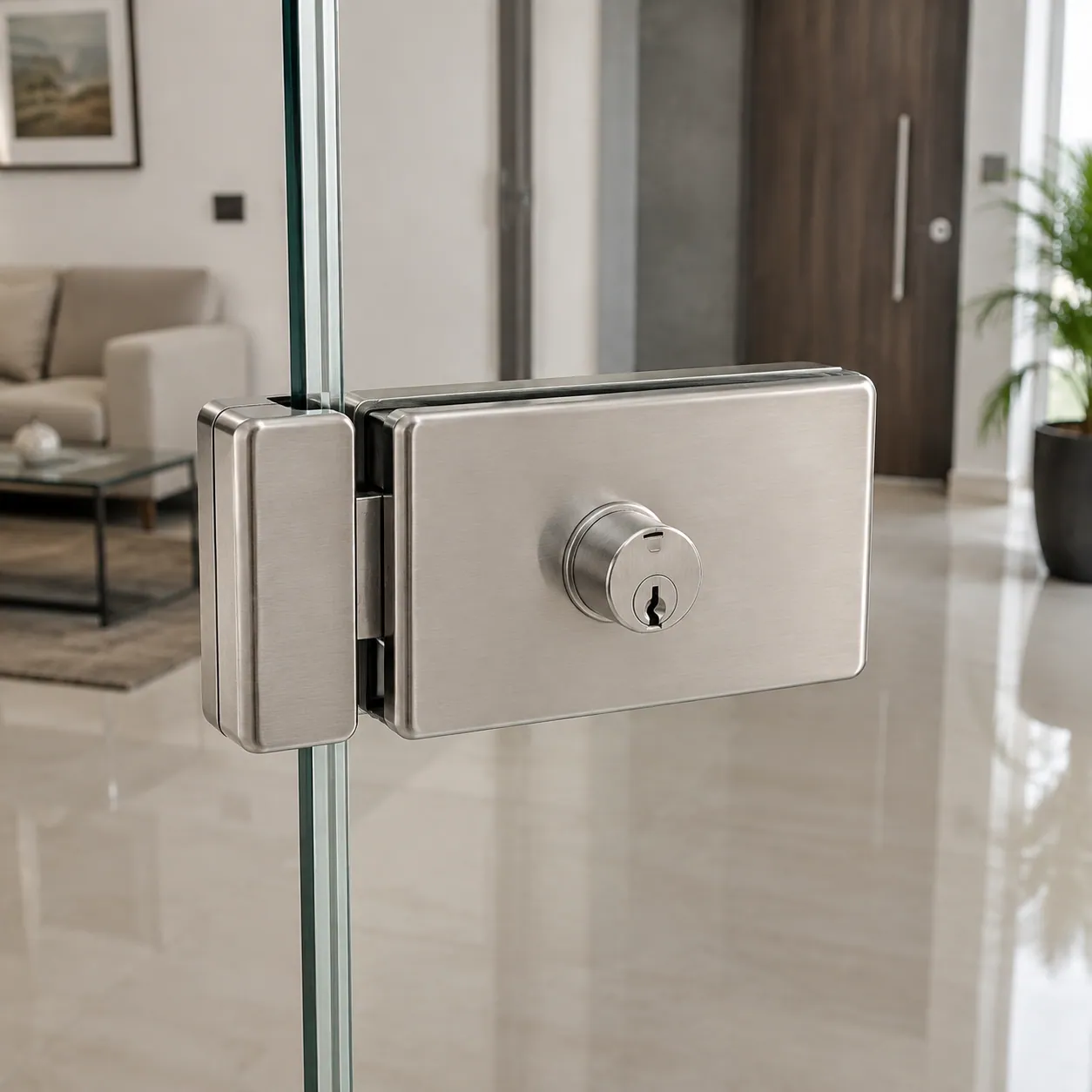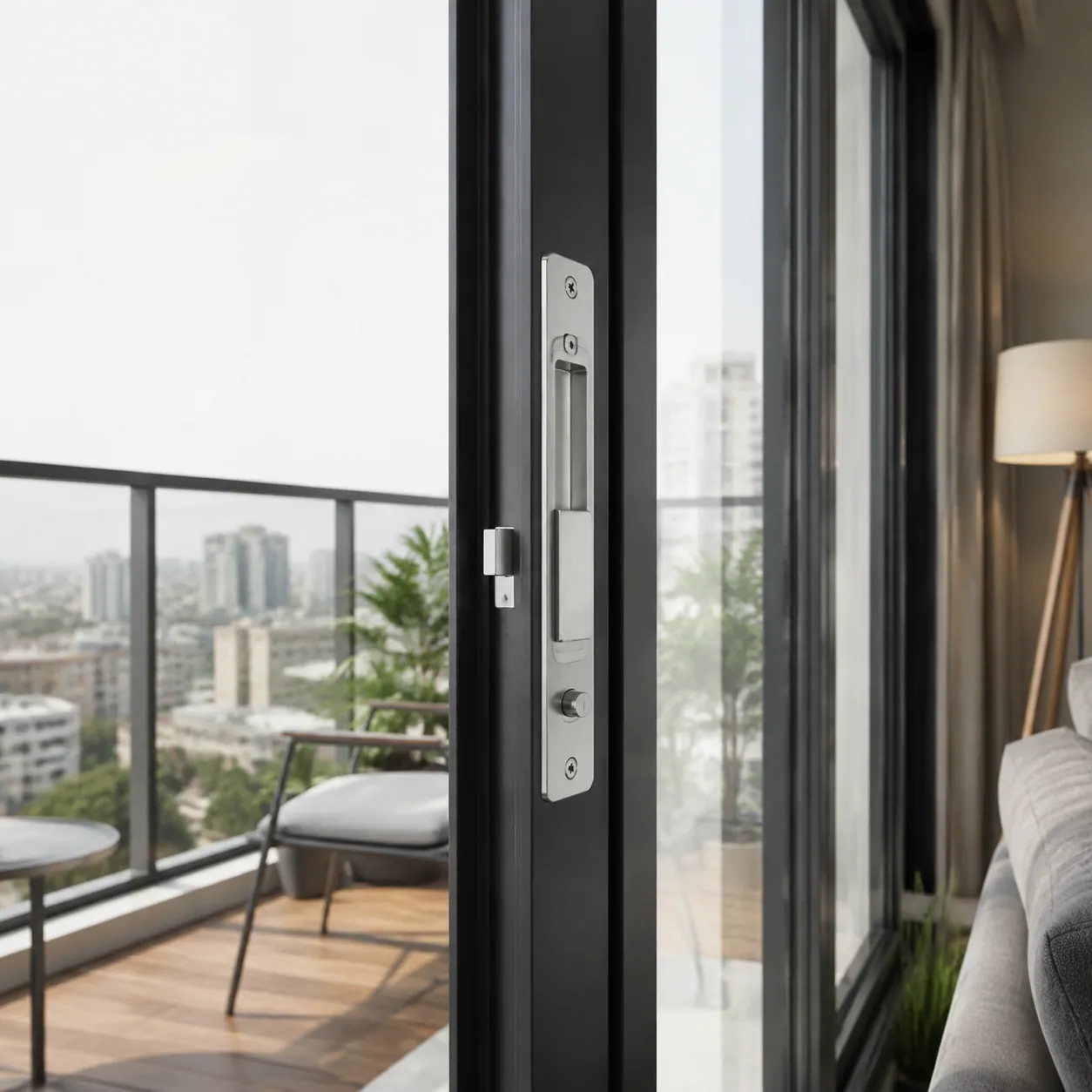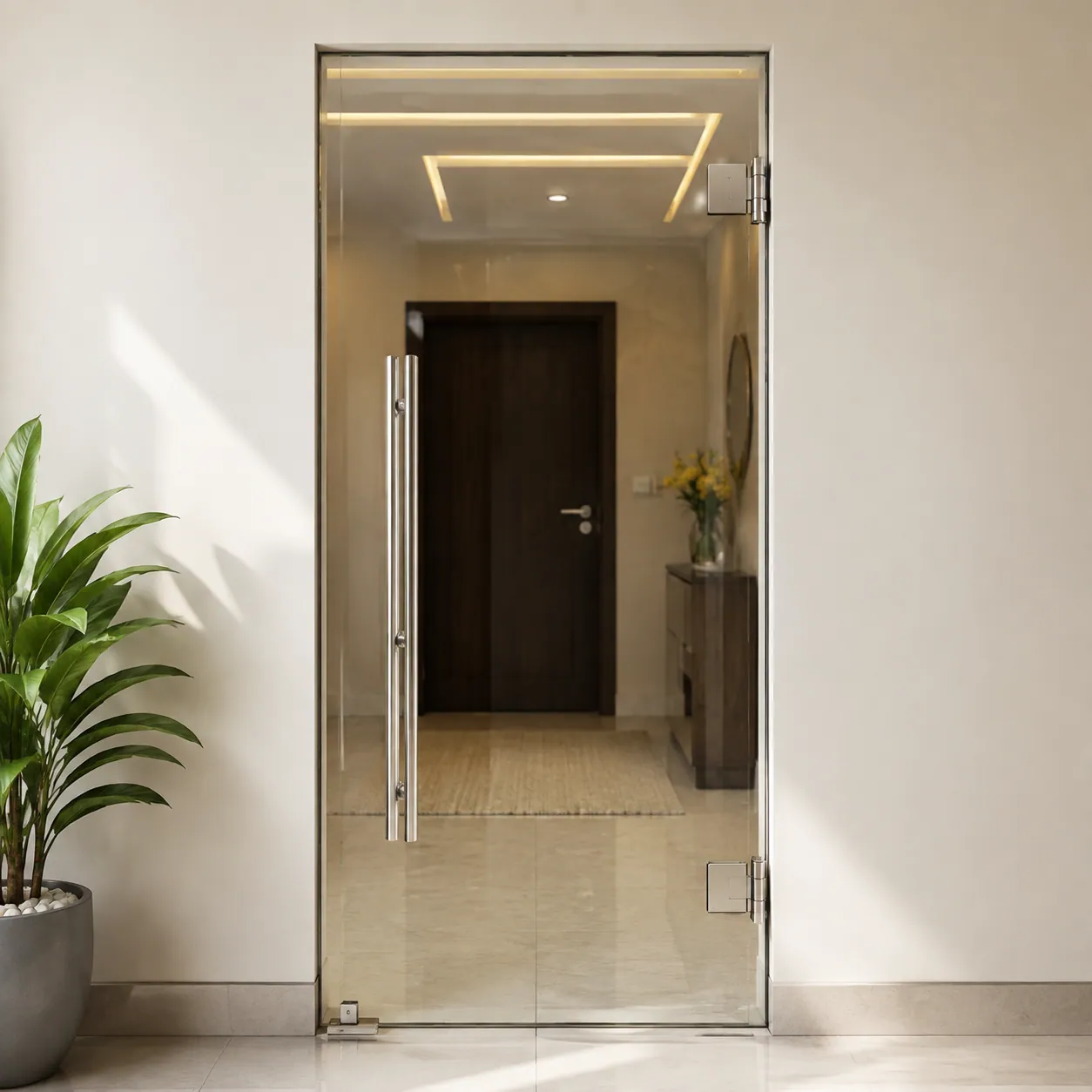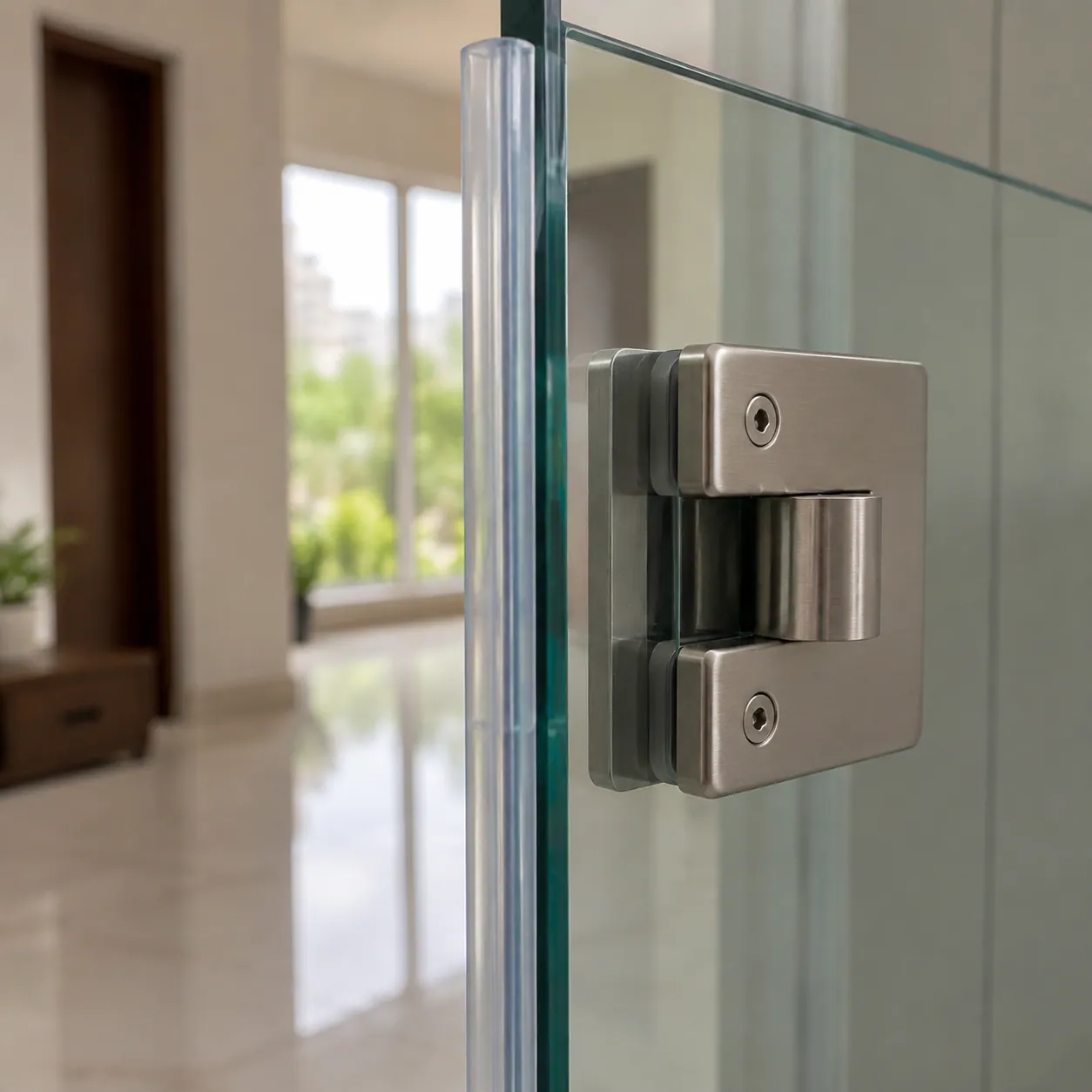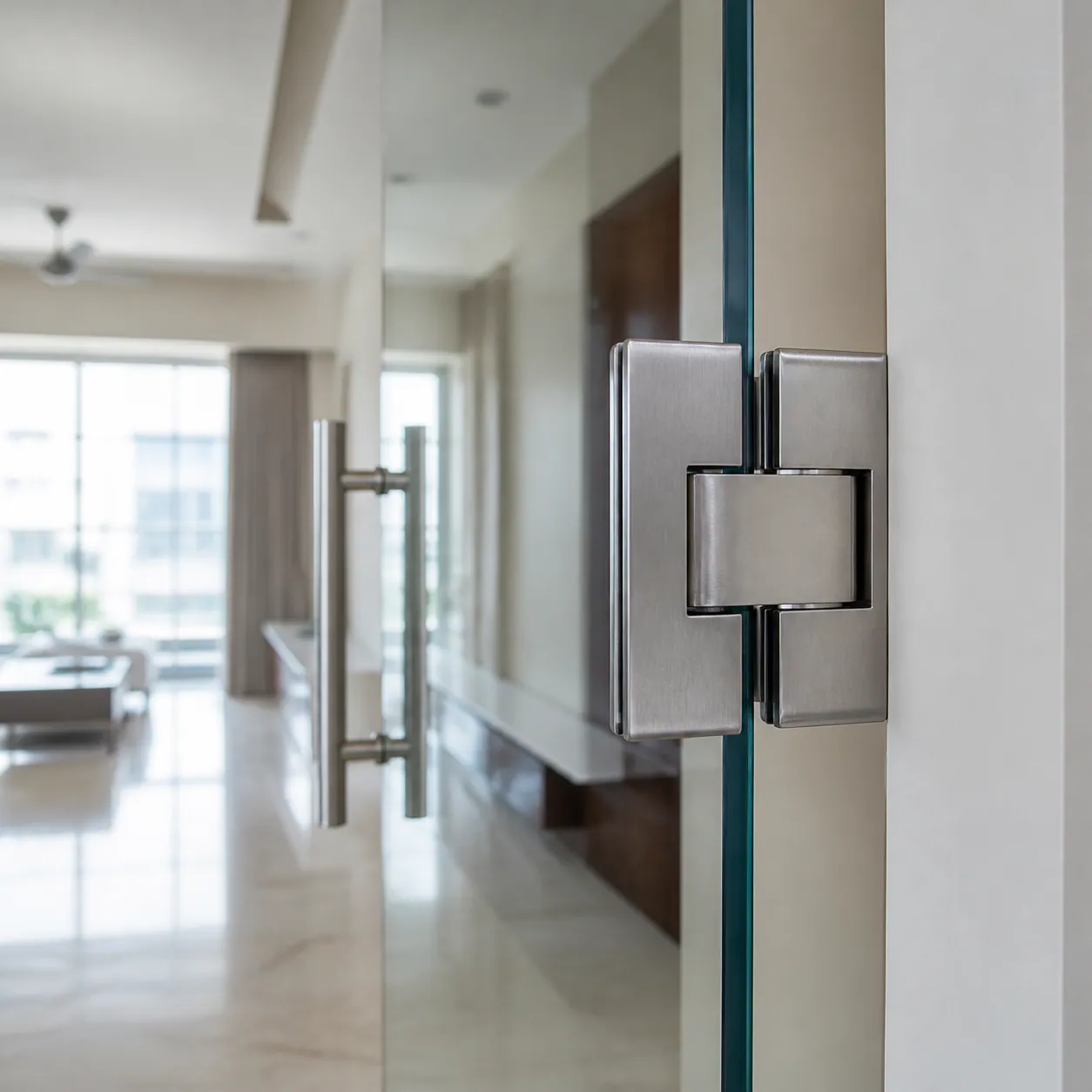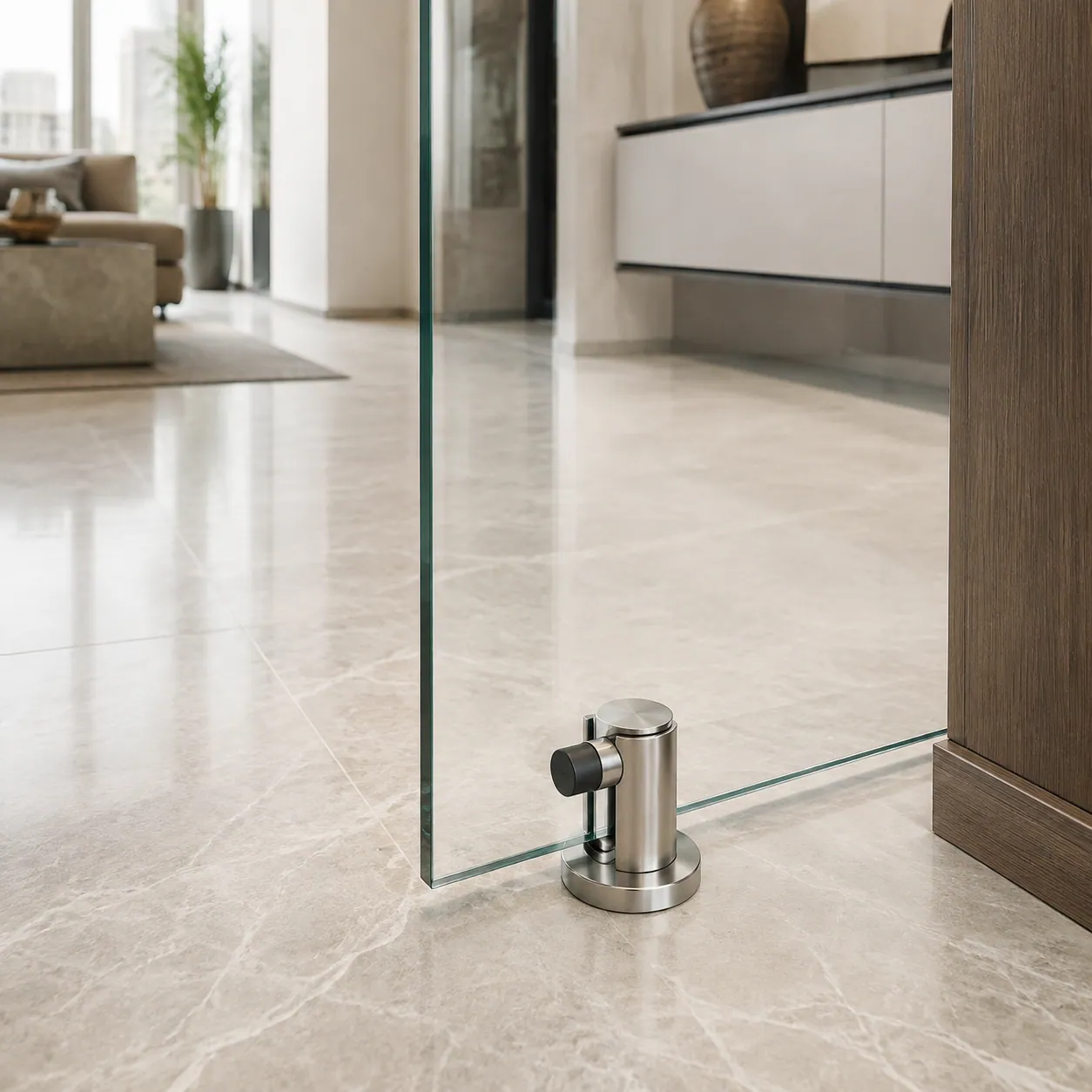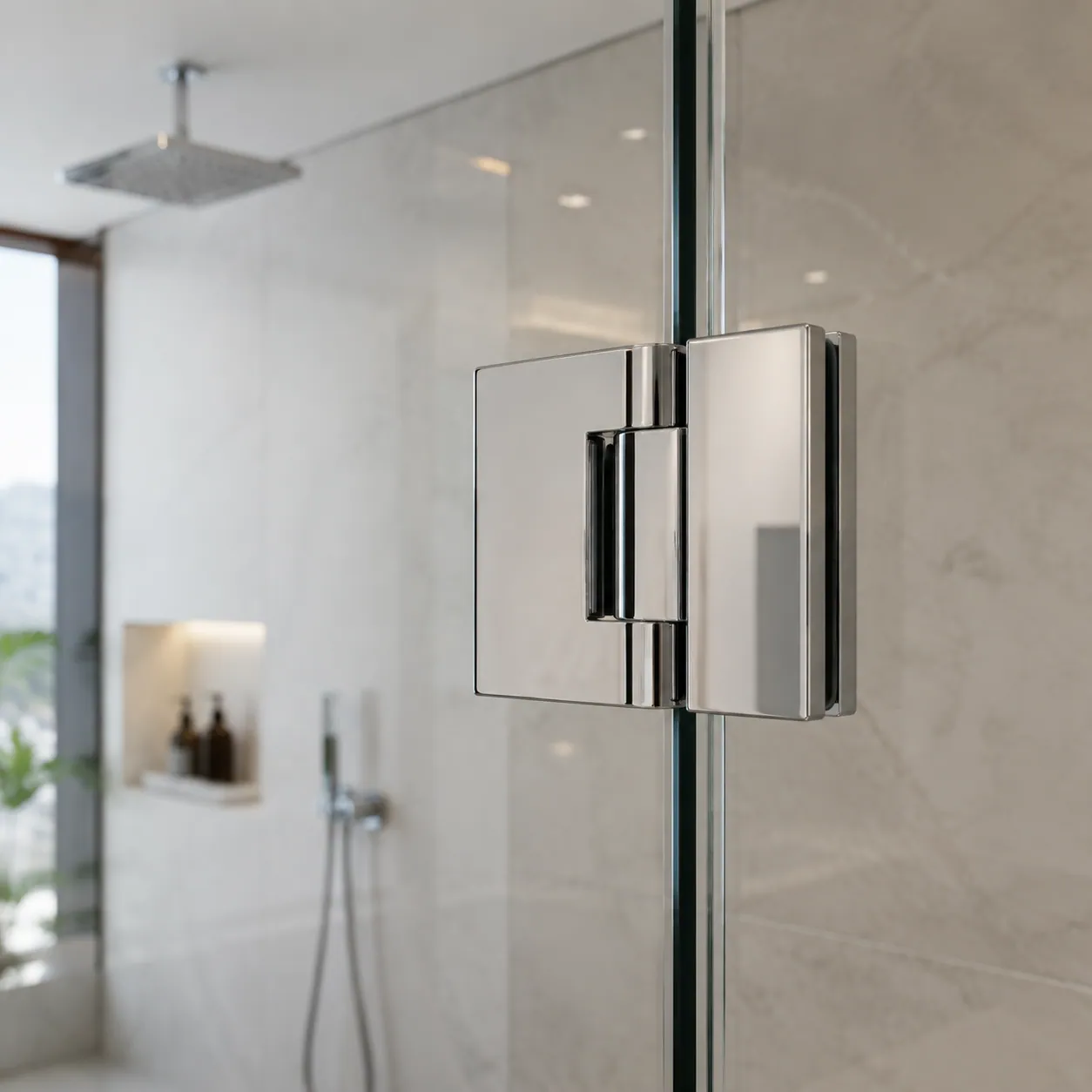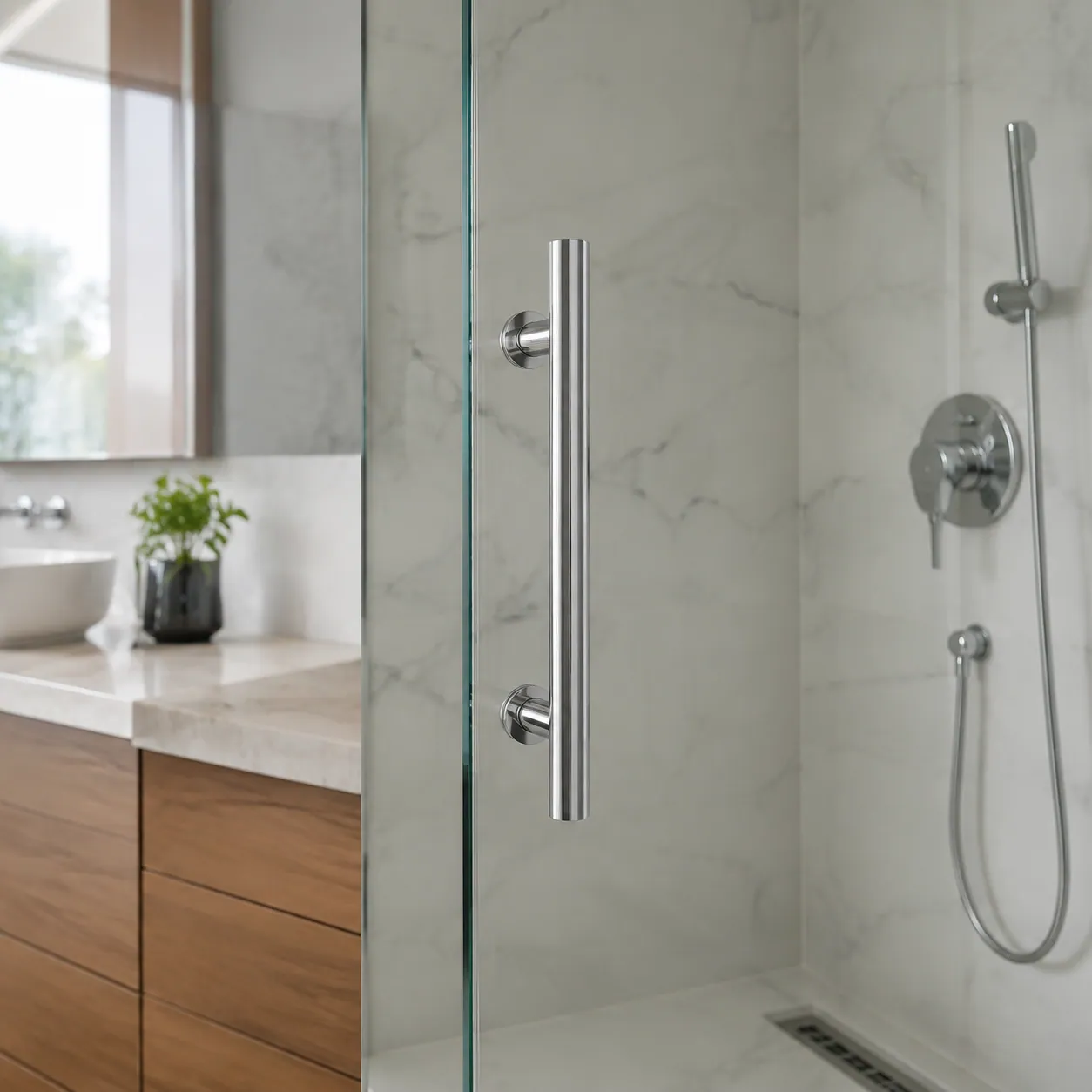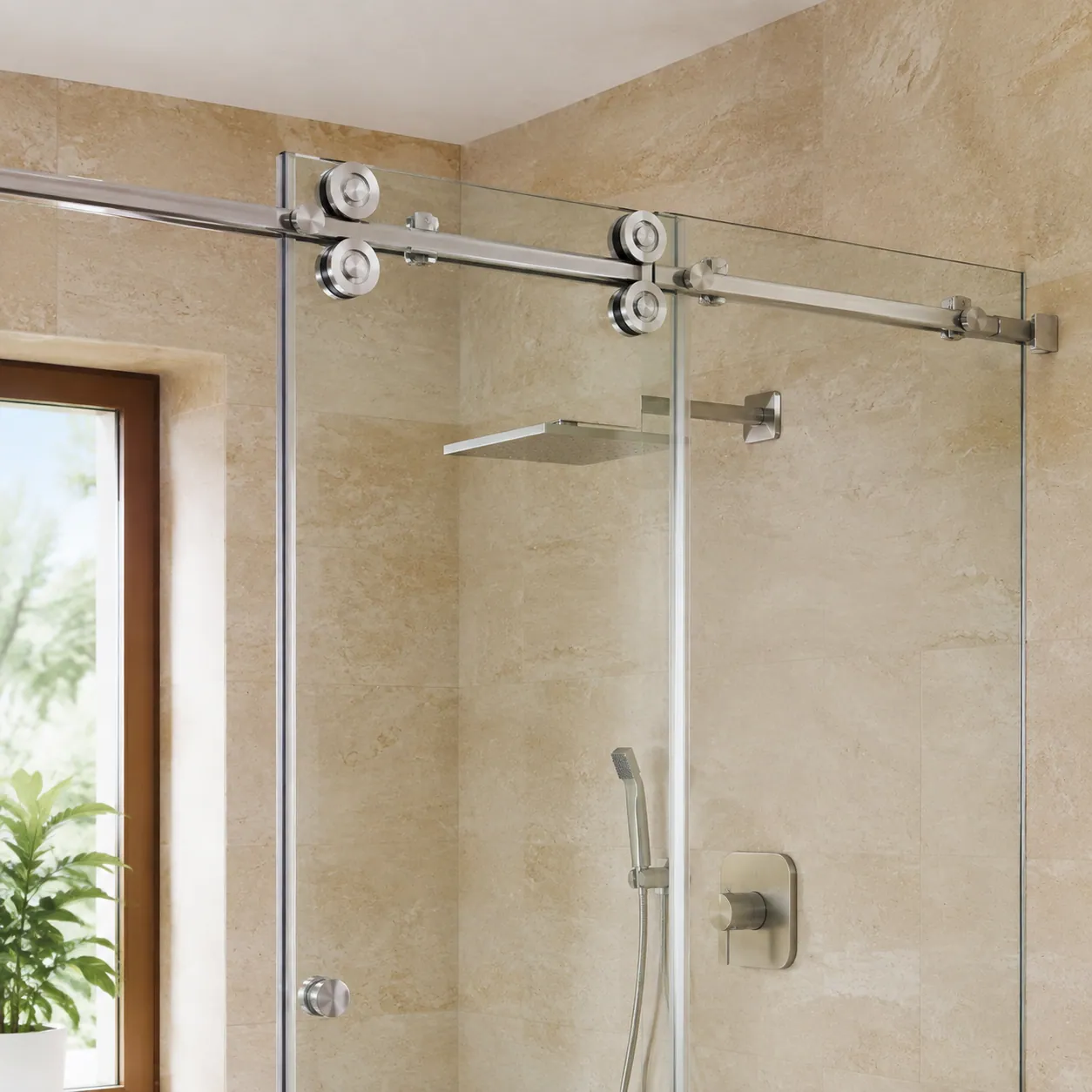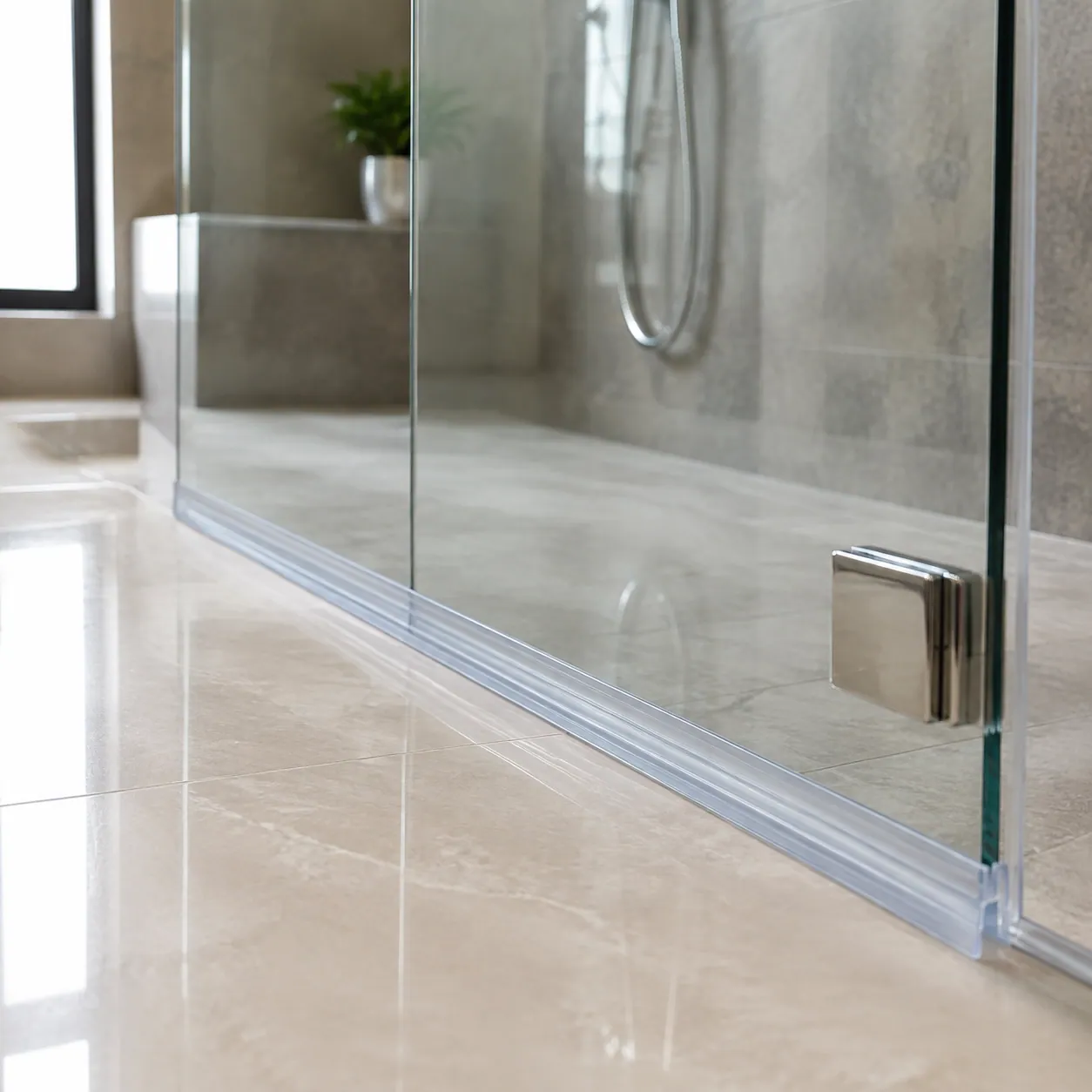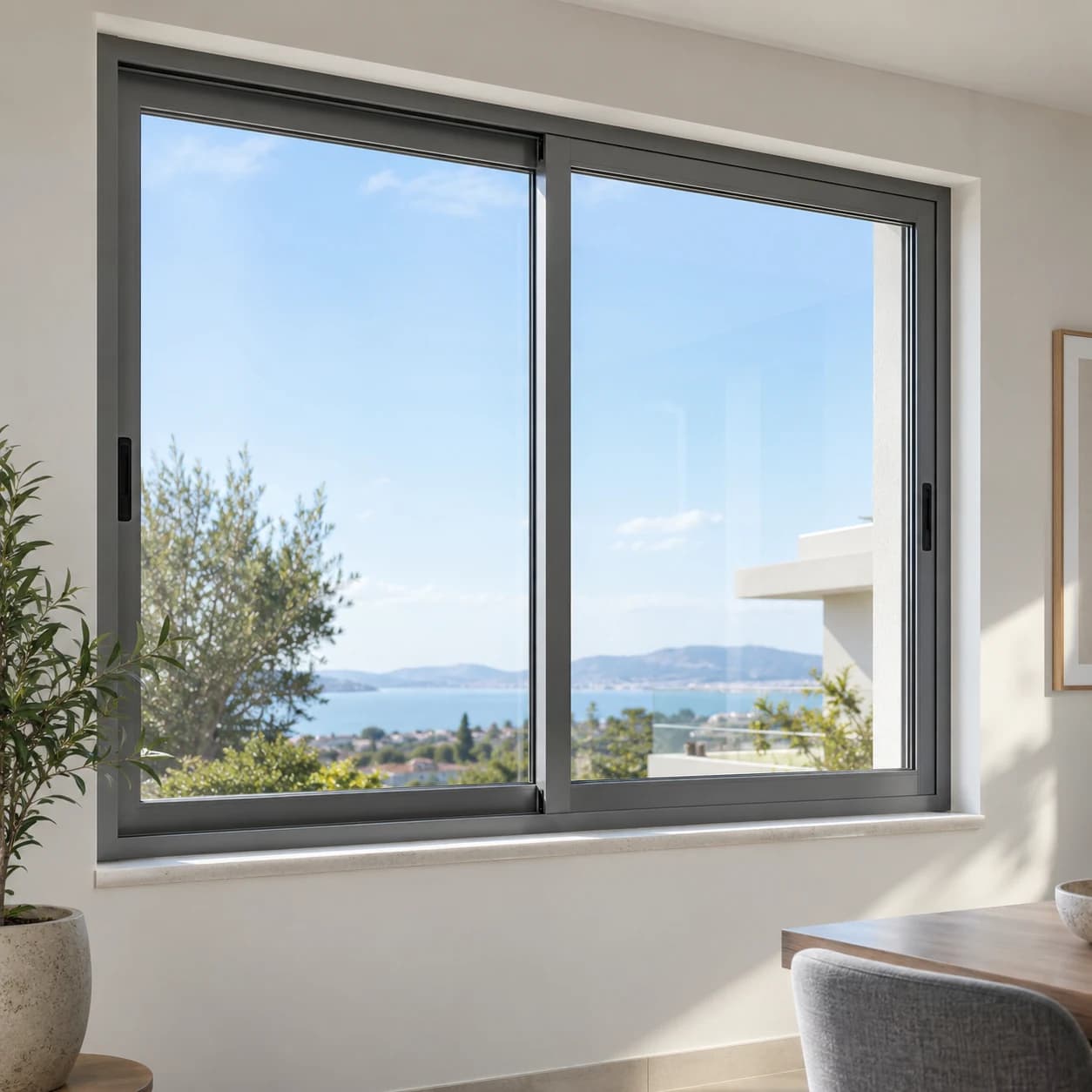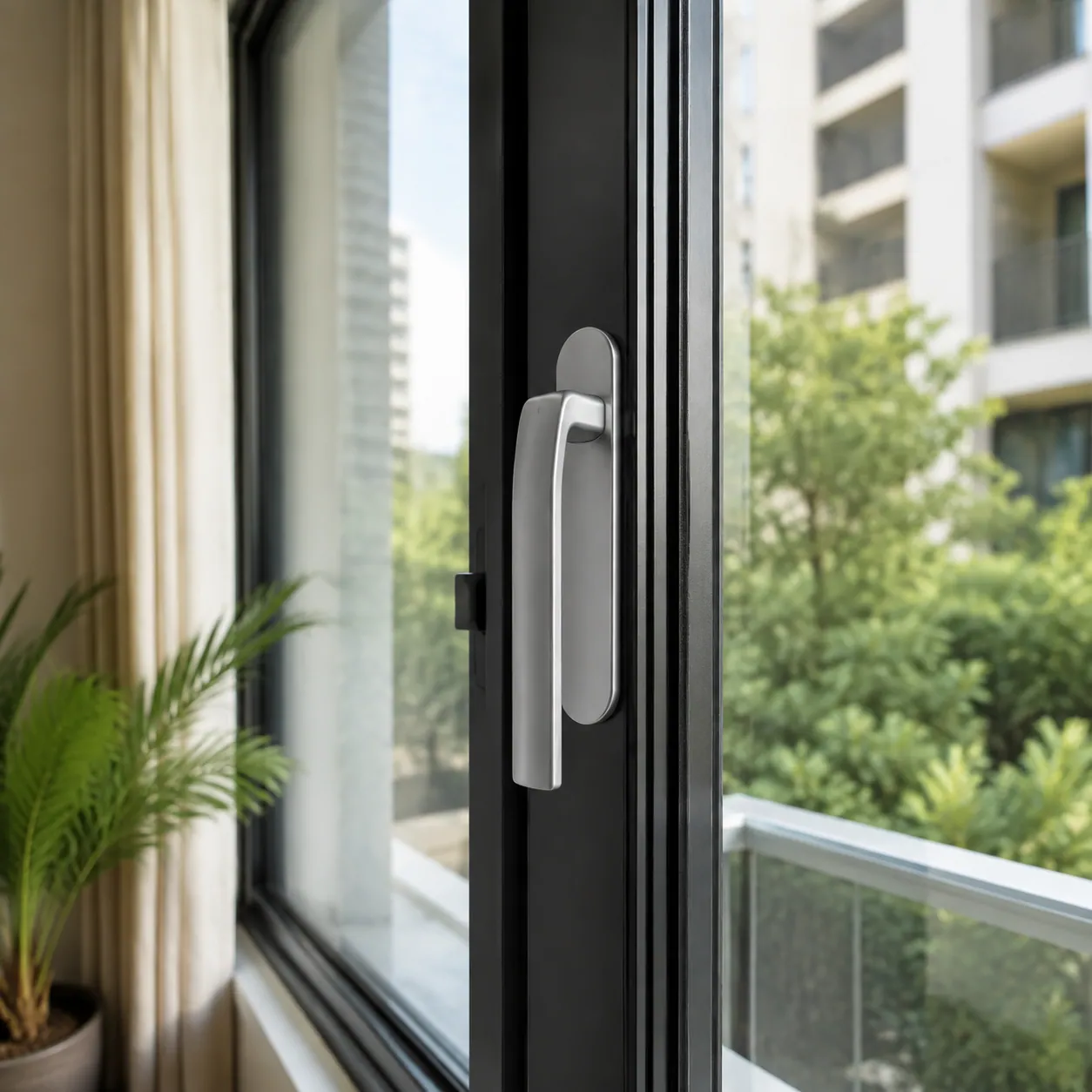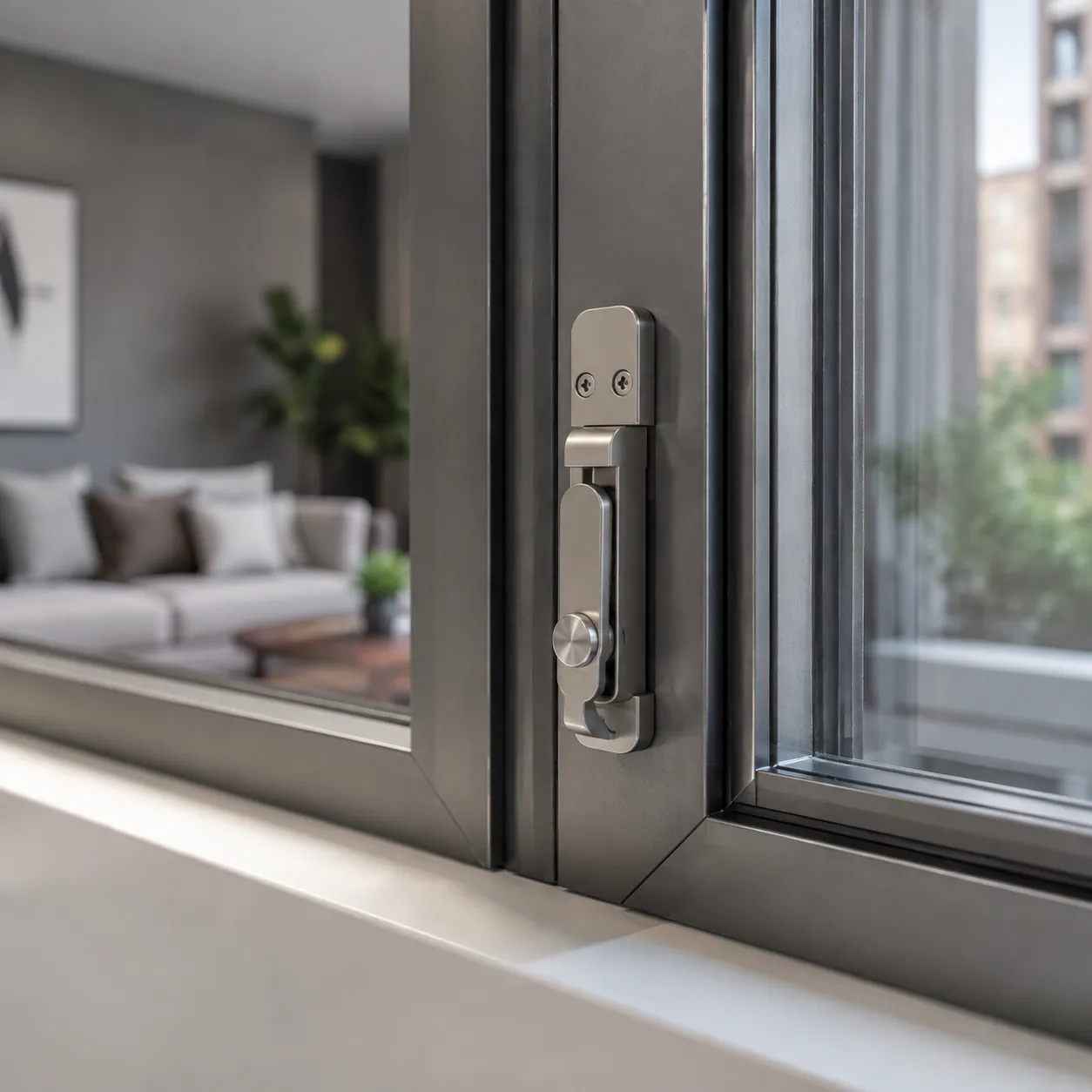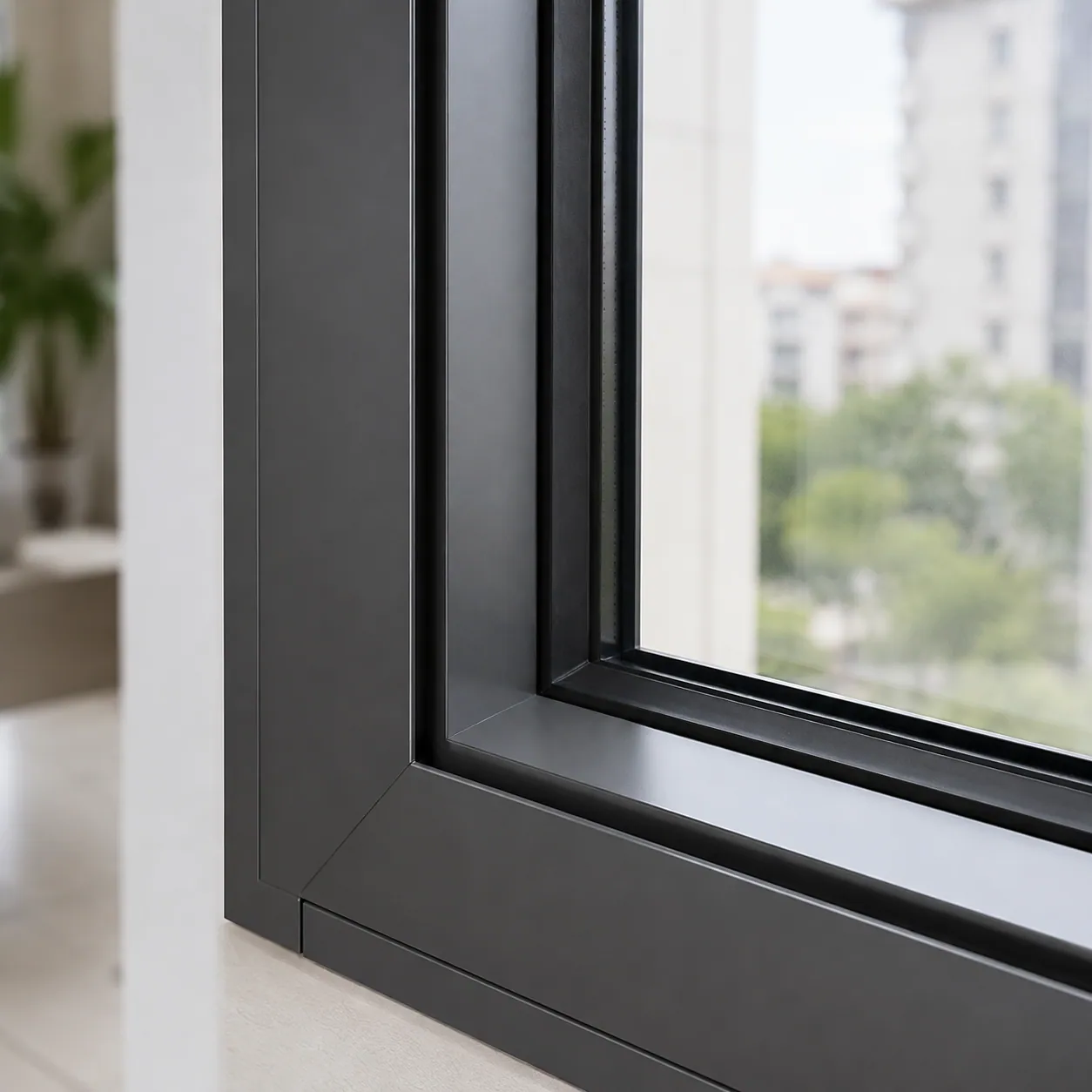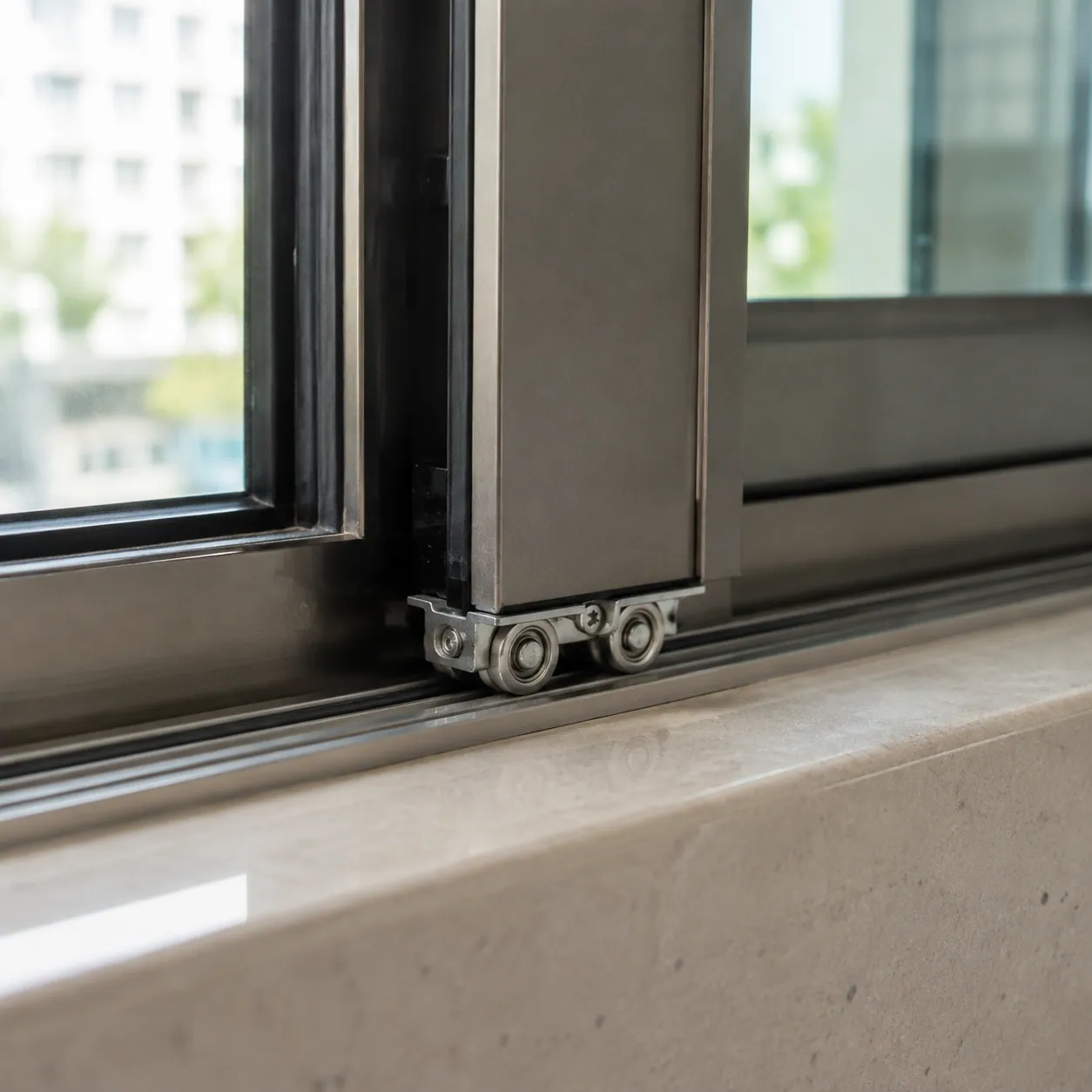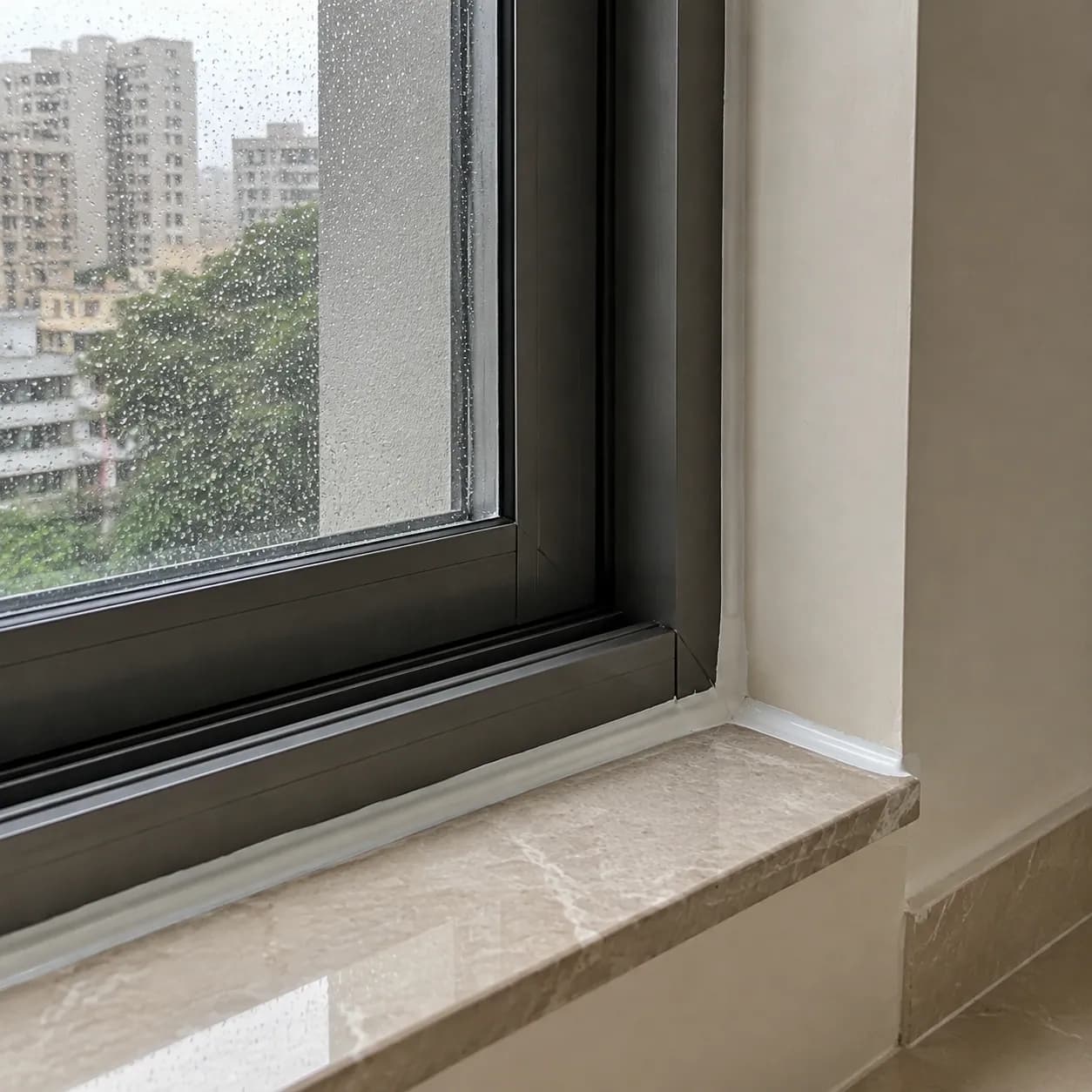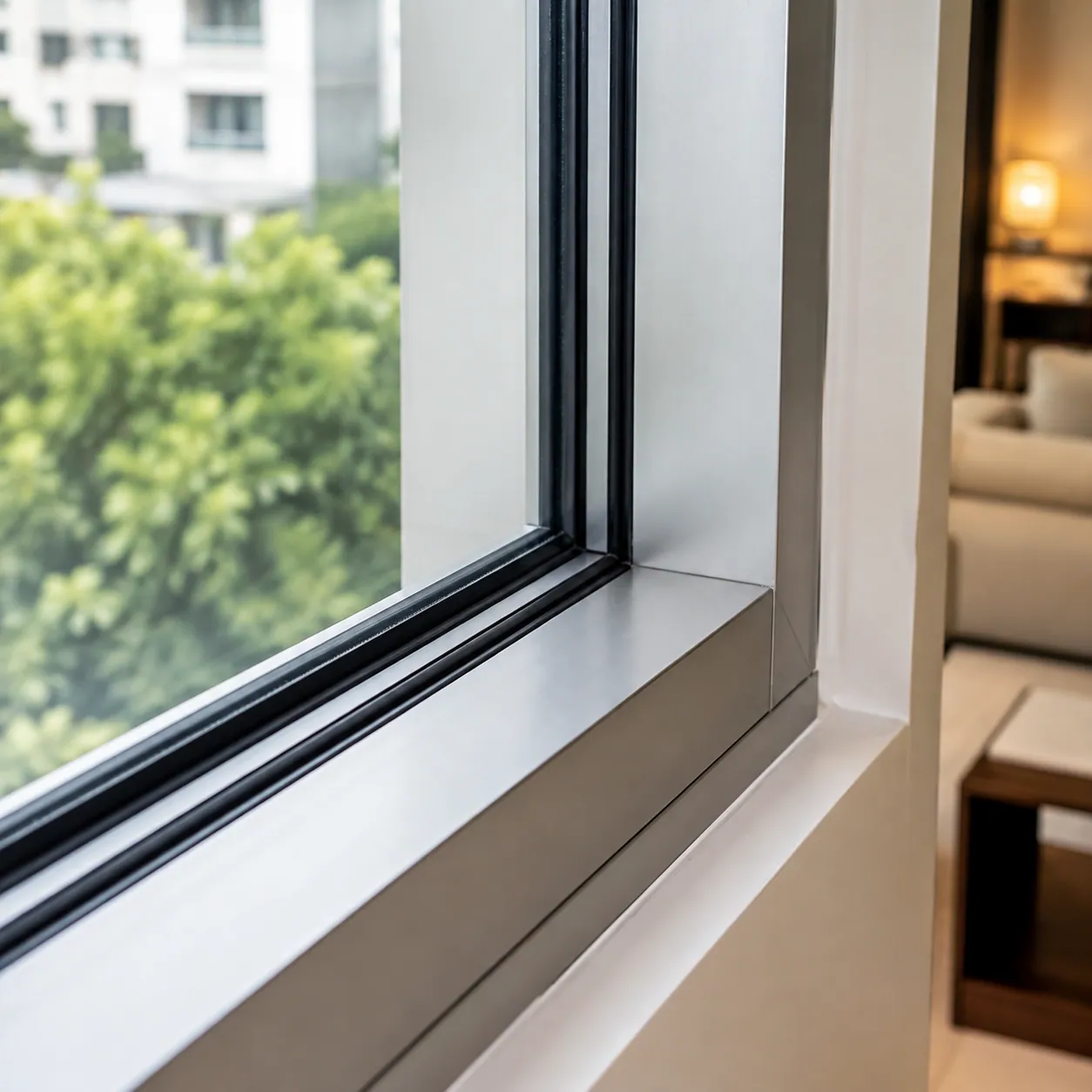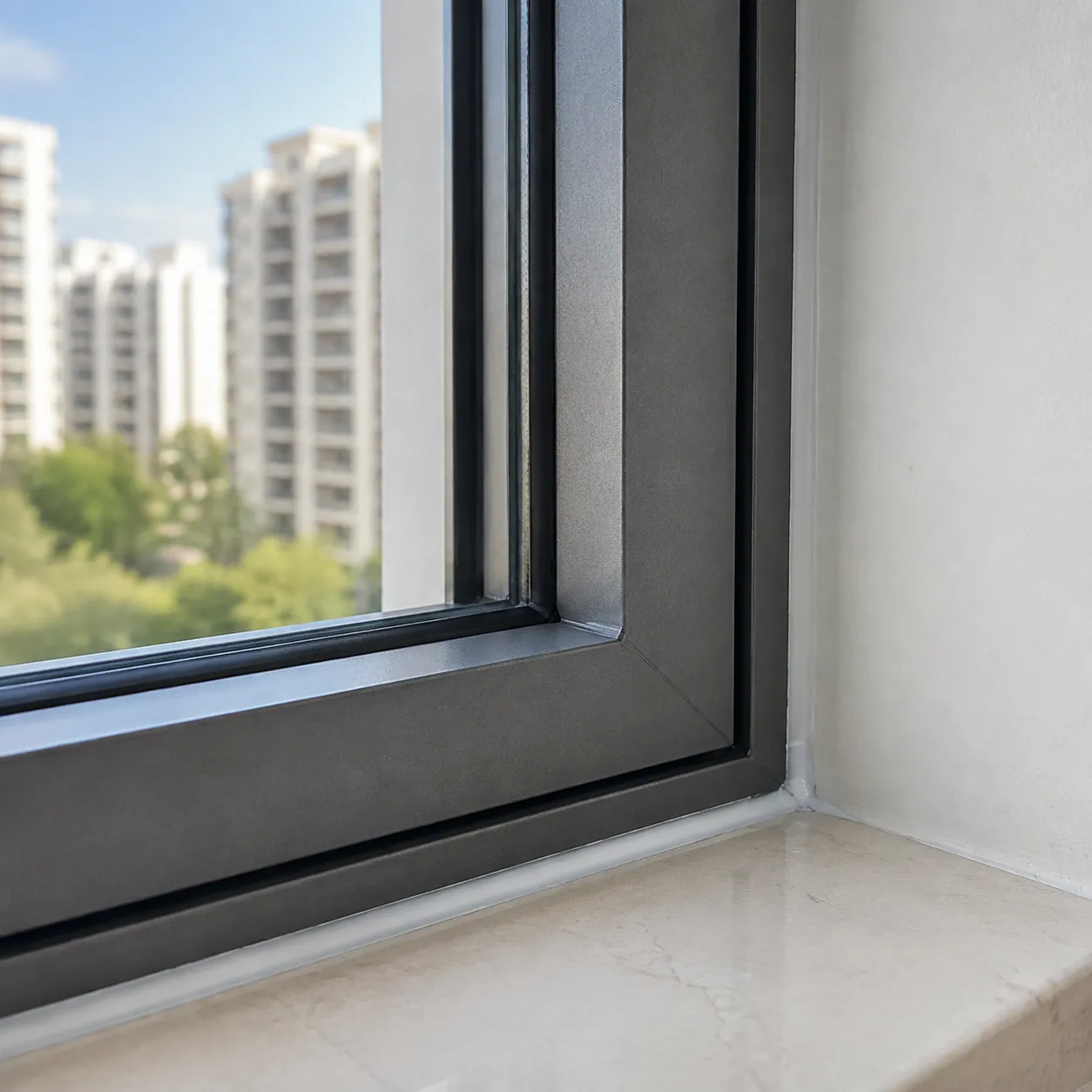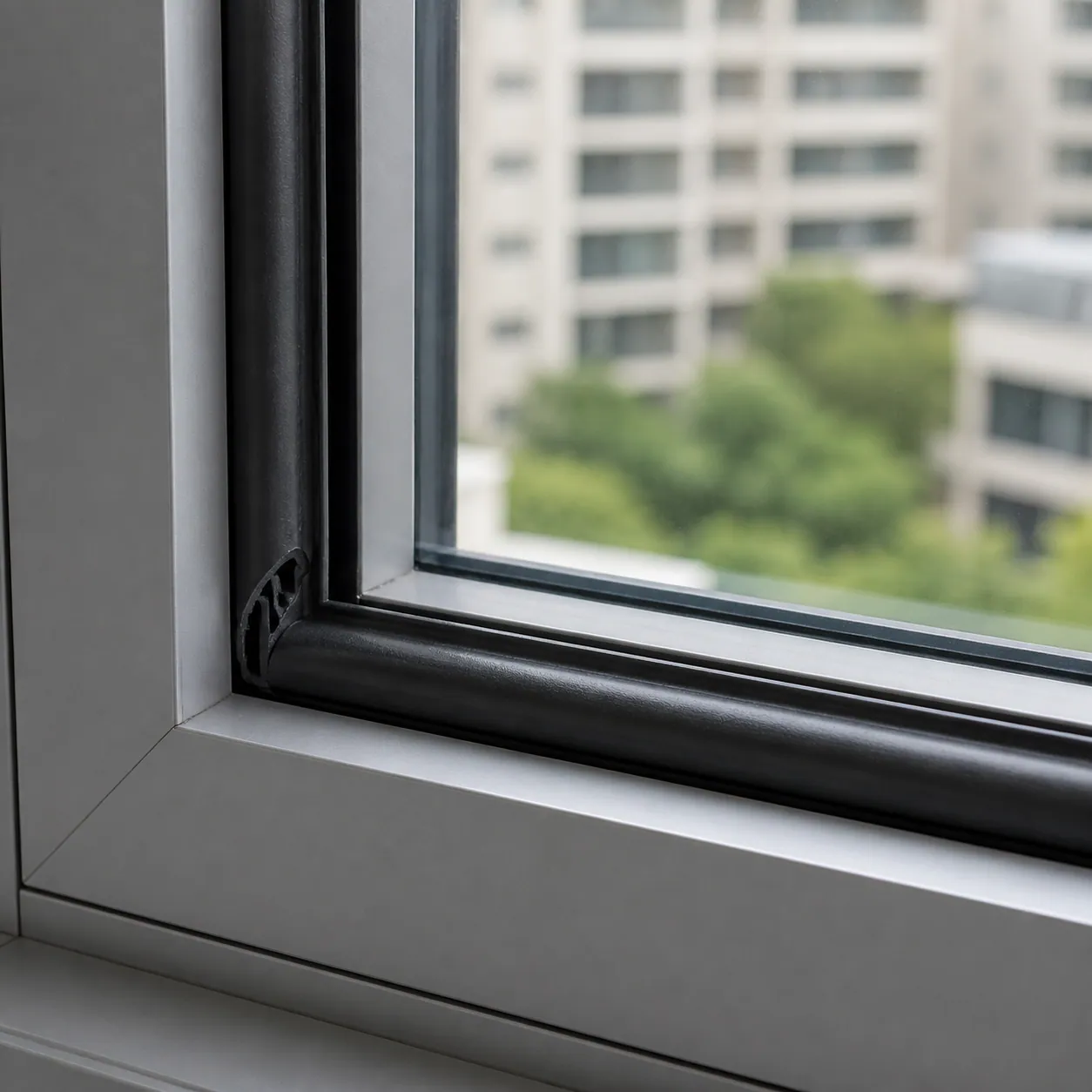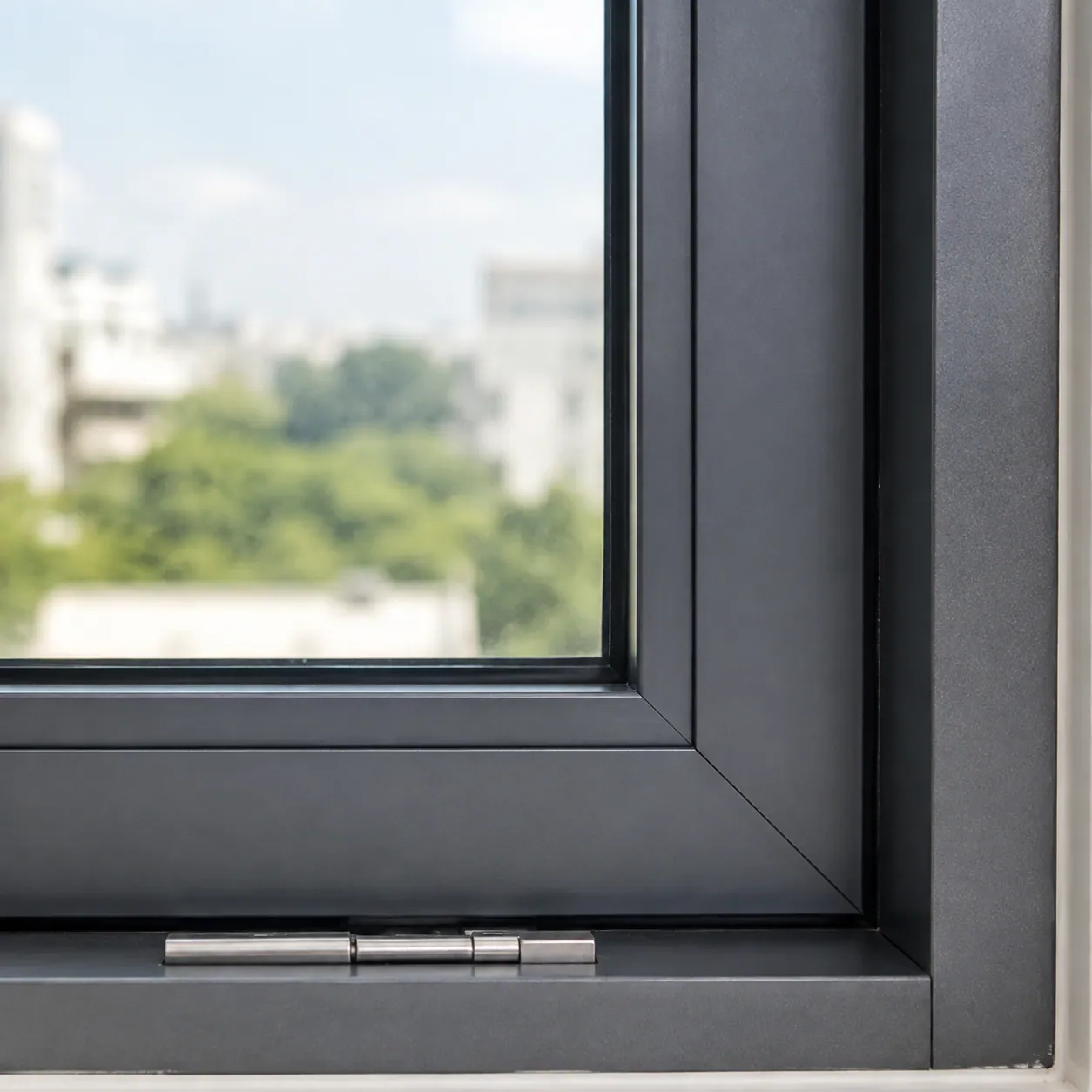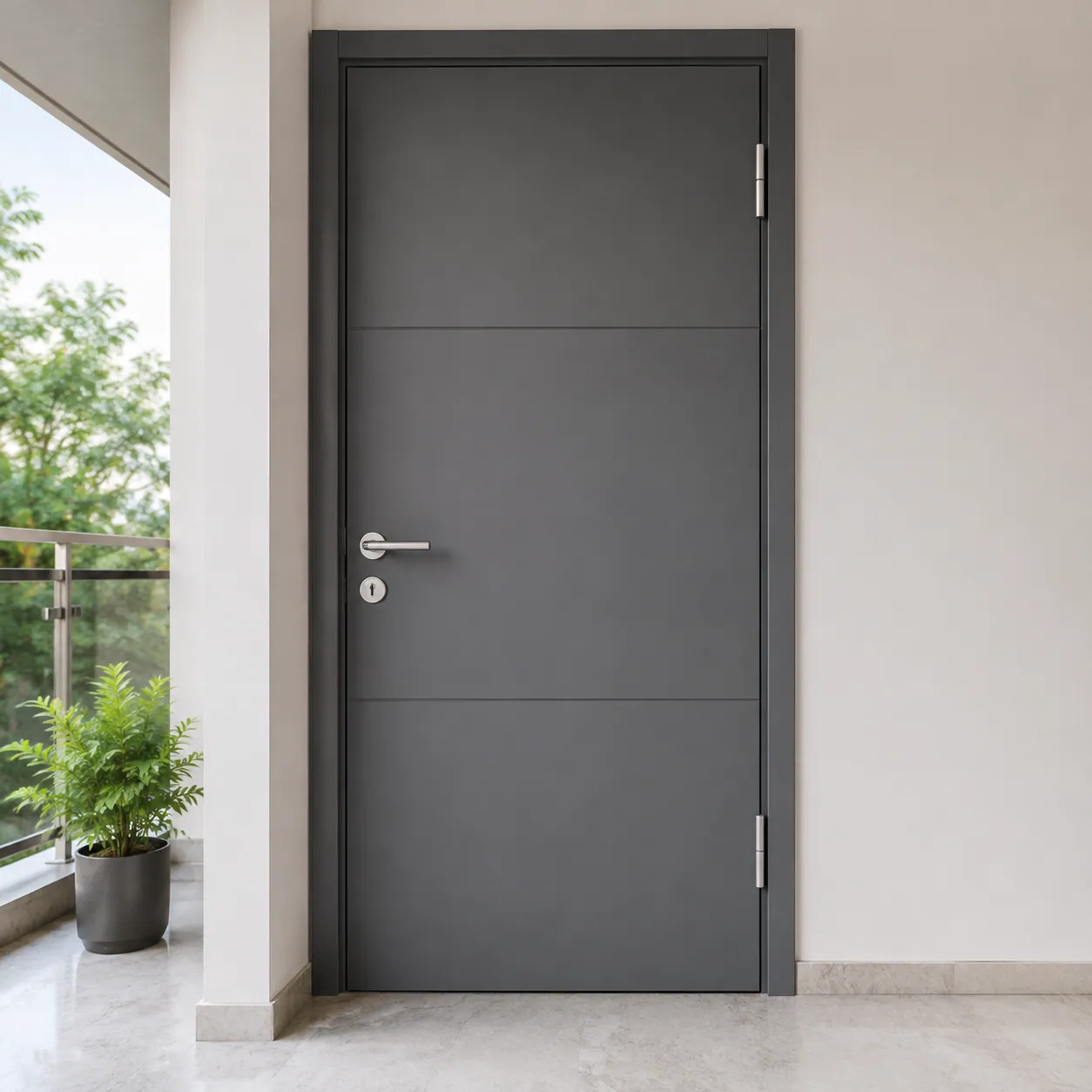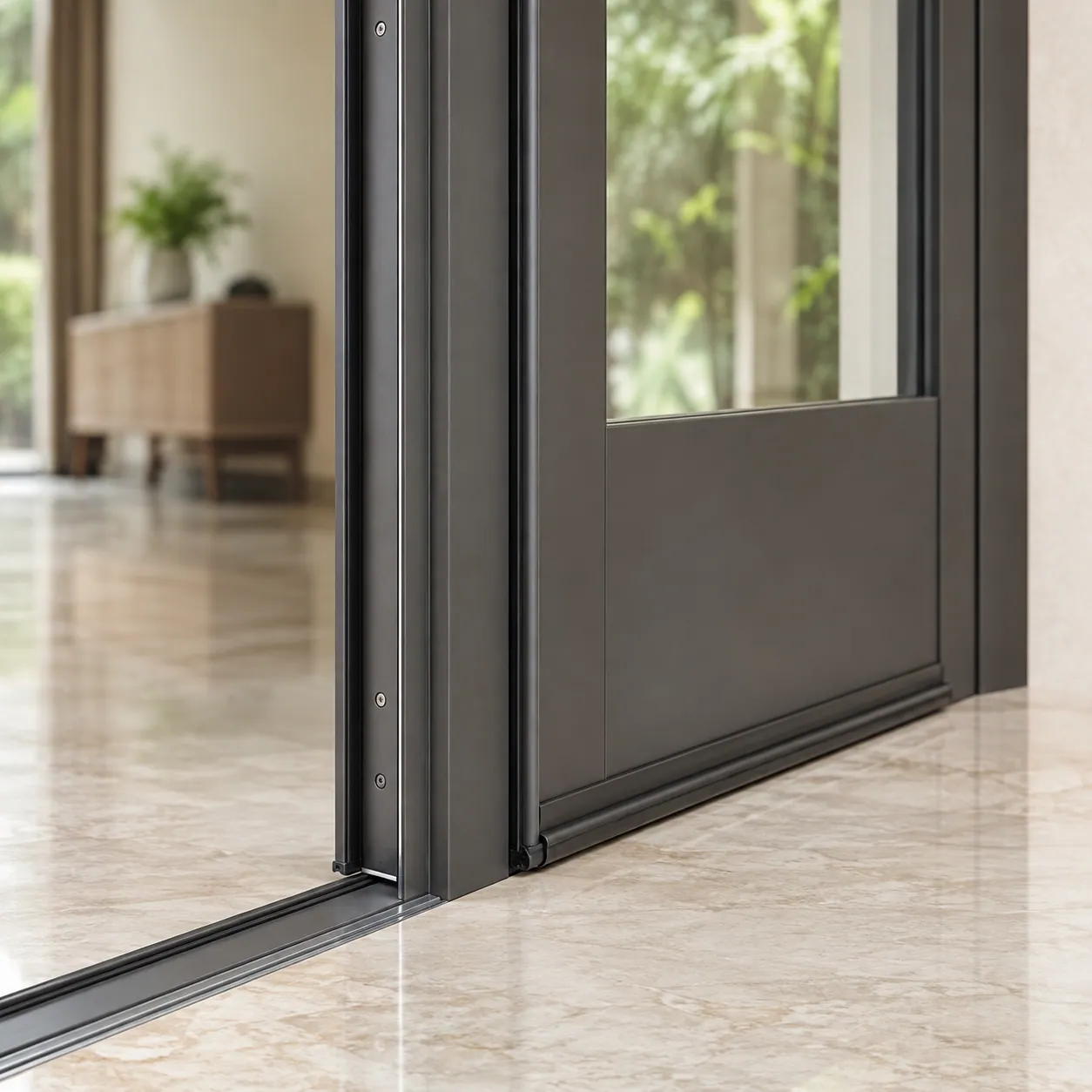
In these houses and older flats, a repair may involve fittings rather than glass. Hinges go loose, rollers wear flat, seals go hard and stop touching the glass. The panel itself is usually fine. Knowing which of the two you have saves a lot of money.
What fails, and in what order
Seals go first. A shower seal is a soft strip. It goes hard after a few years. That is why water starts leaking at the door long before anything looks broken.
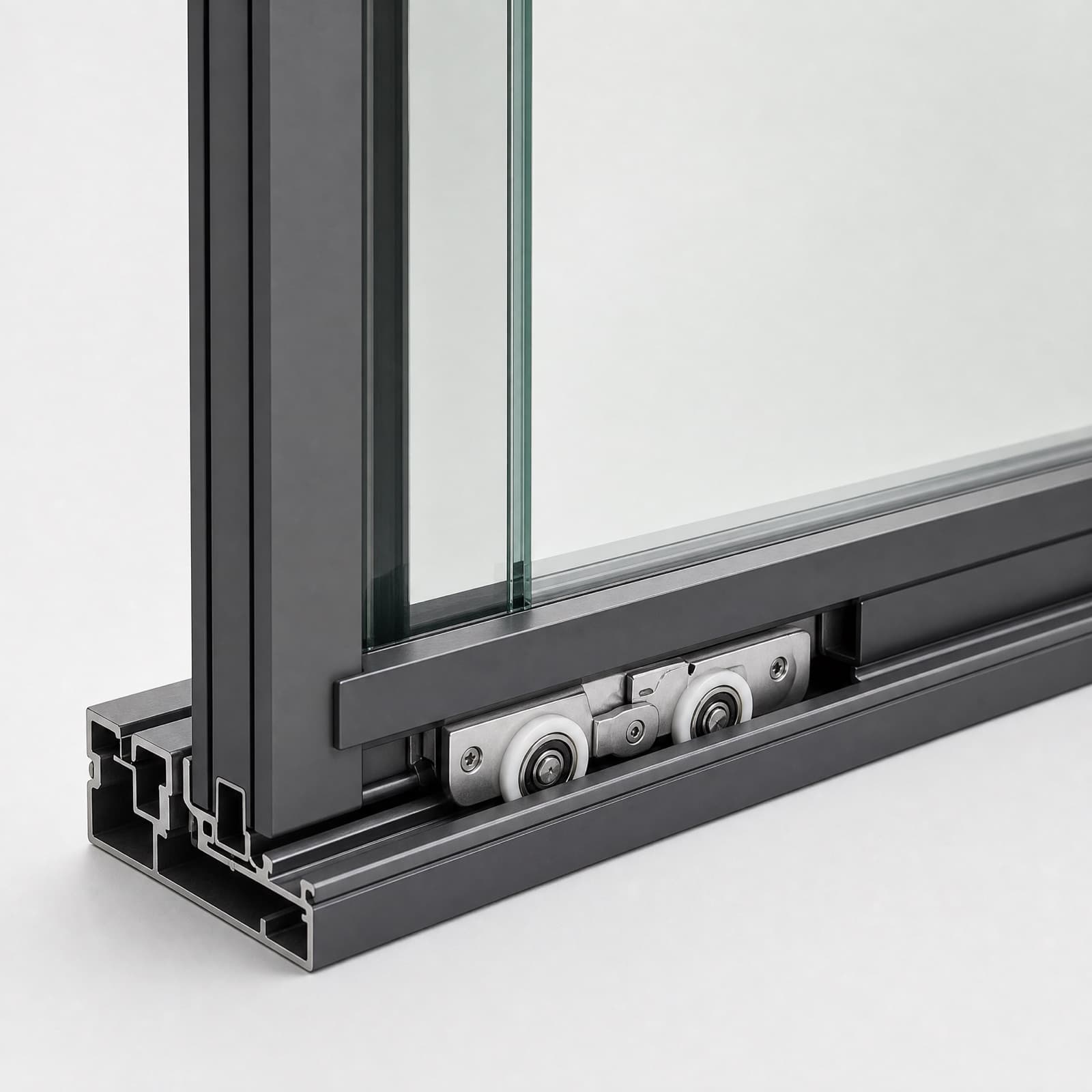
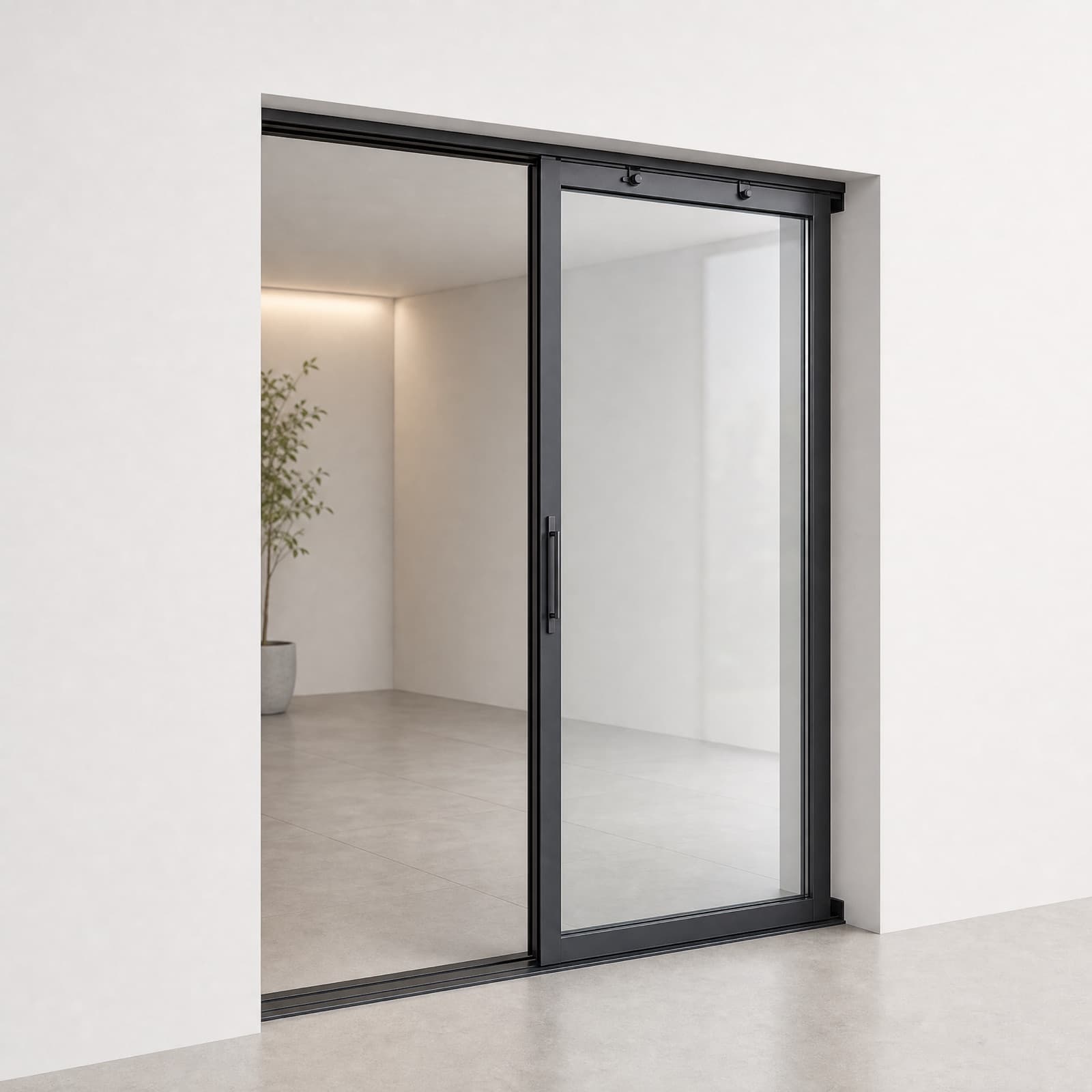
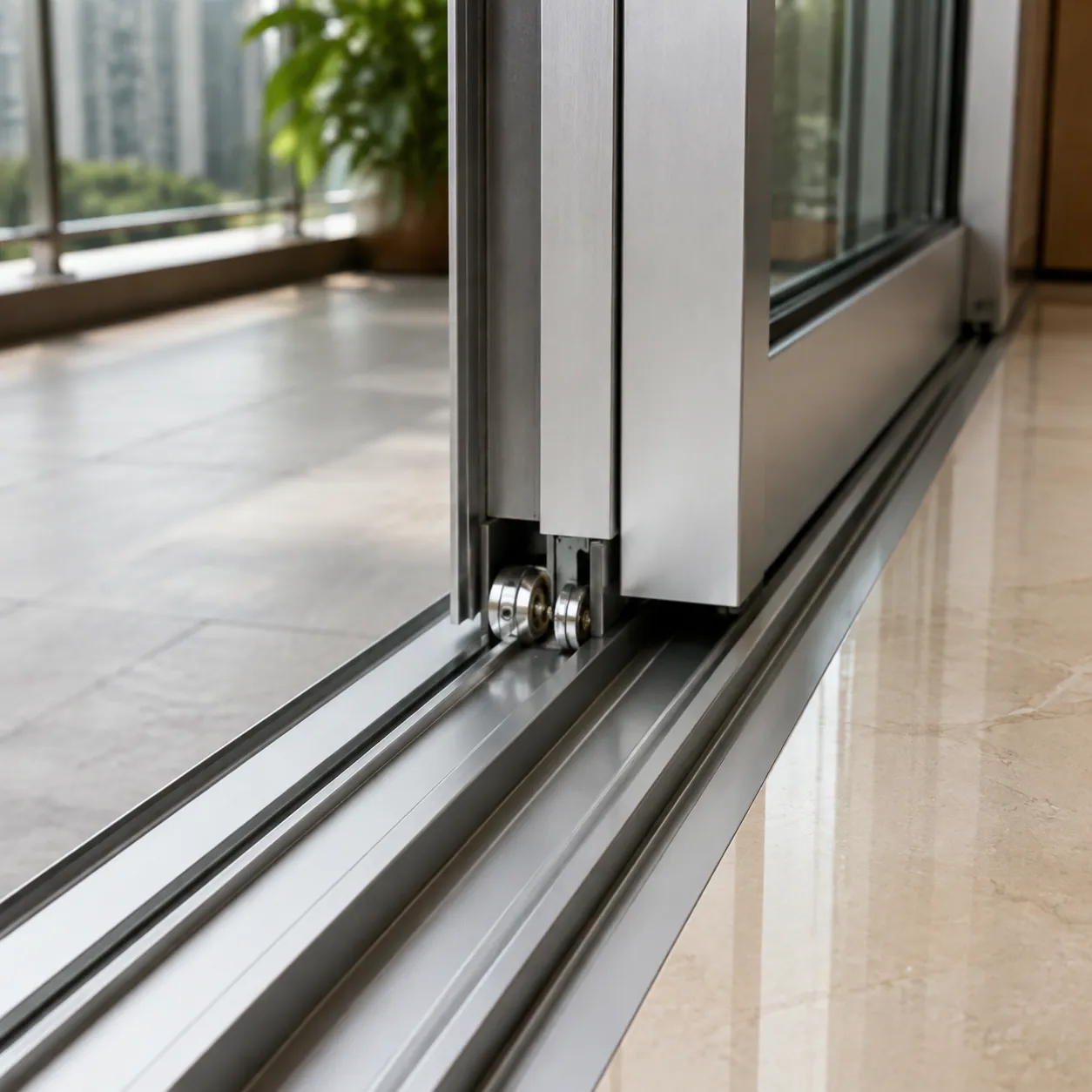
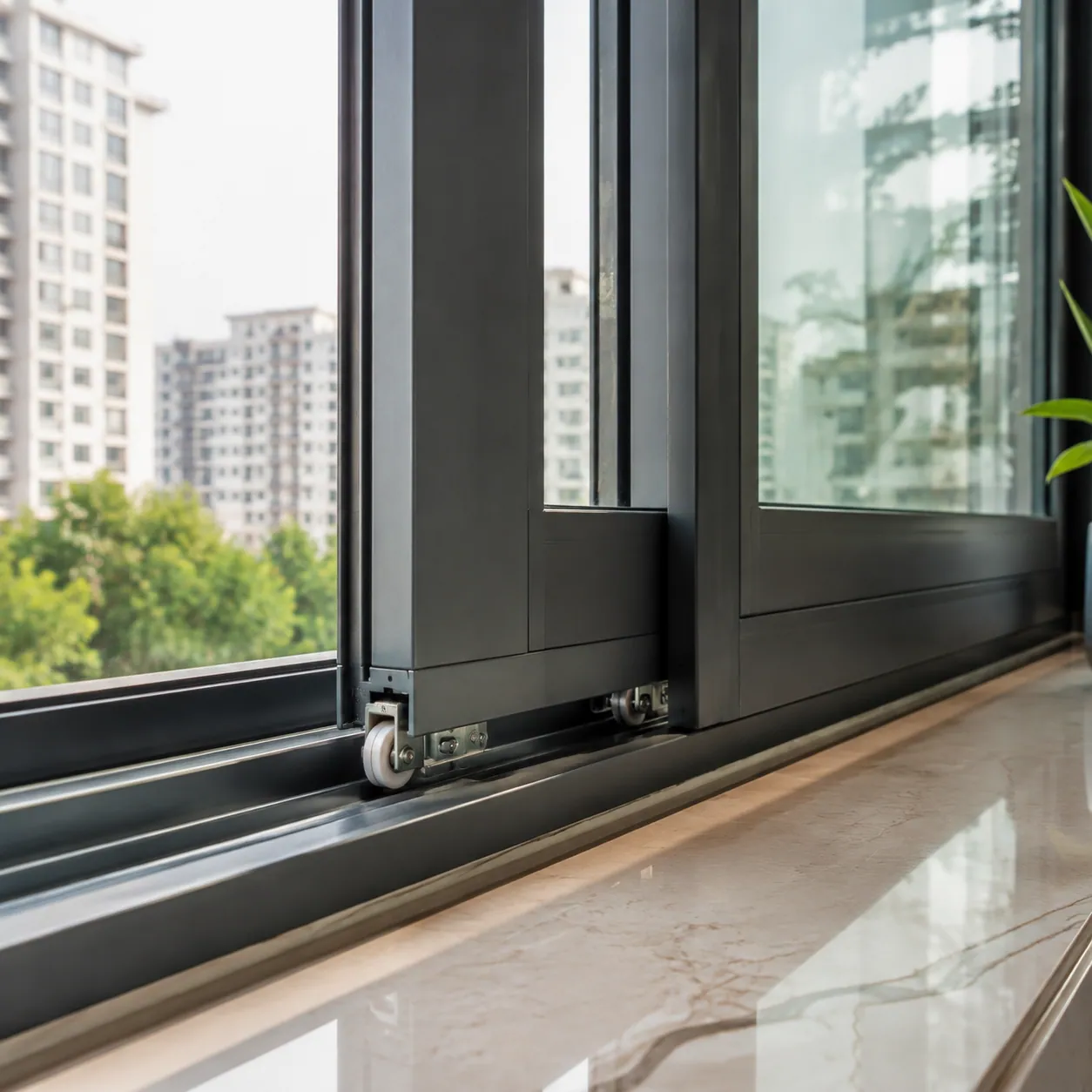
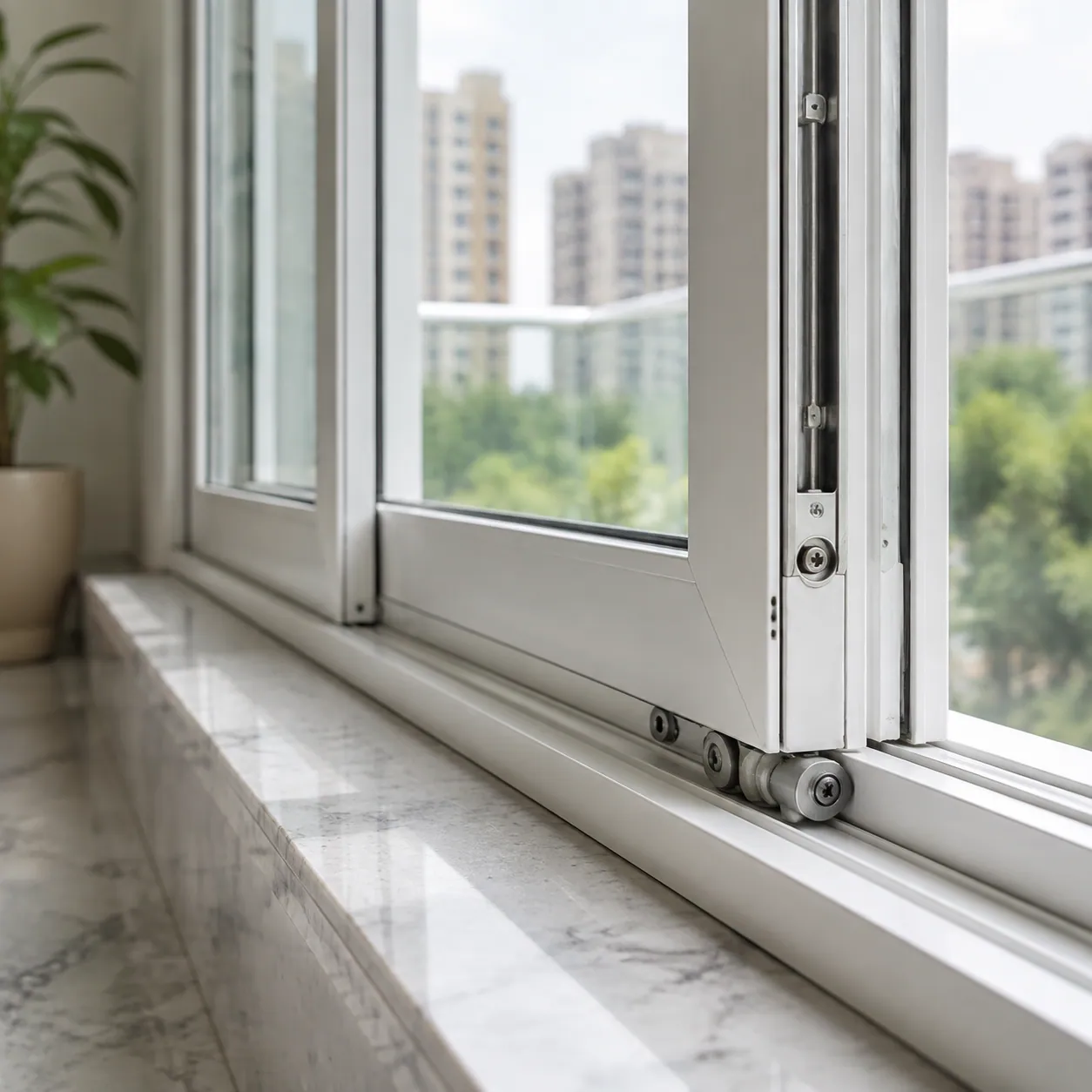
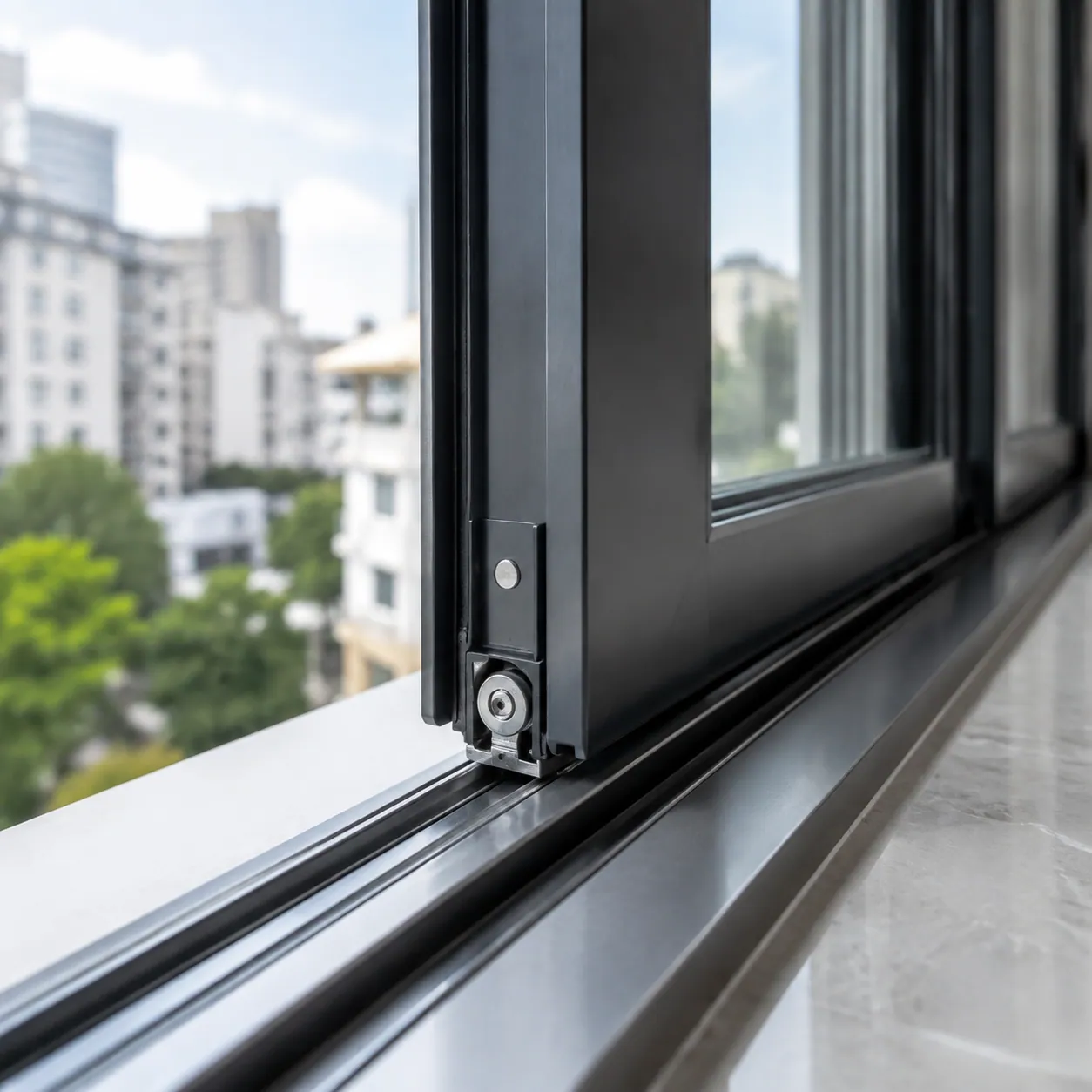
Rollers go next on a slider. They wear flat on one side, the door starts to drag, and then it jumps off the track.
Hinges are last. A shower hinge stays tight for a long time. But once it gives way, the door hangs low and stops meeting the seal. All three can be changed on their own. A visit for any of them is normally under two hours.
When a repair is not worth doing
There are two cases where we will tell you to replace, not repair.
The first is a chip on the edge of a toughened panel. The edge is where the strength of toughened glass (safety glass) lives. Damage there means the panel can break later with nothing touching it. We do not patch those.
The second is a frame that has rusted through at the floor. New rollers in a rotten track last a few months. We would rather lose the small job than take money for something we know is coming back.
Why a window that leaks in the monsoon drags by October
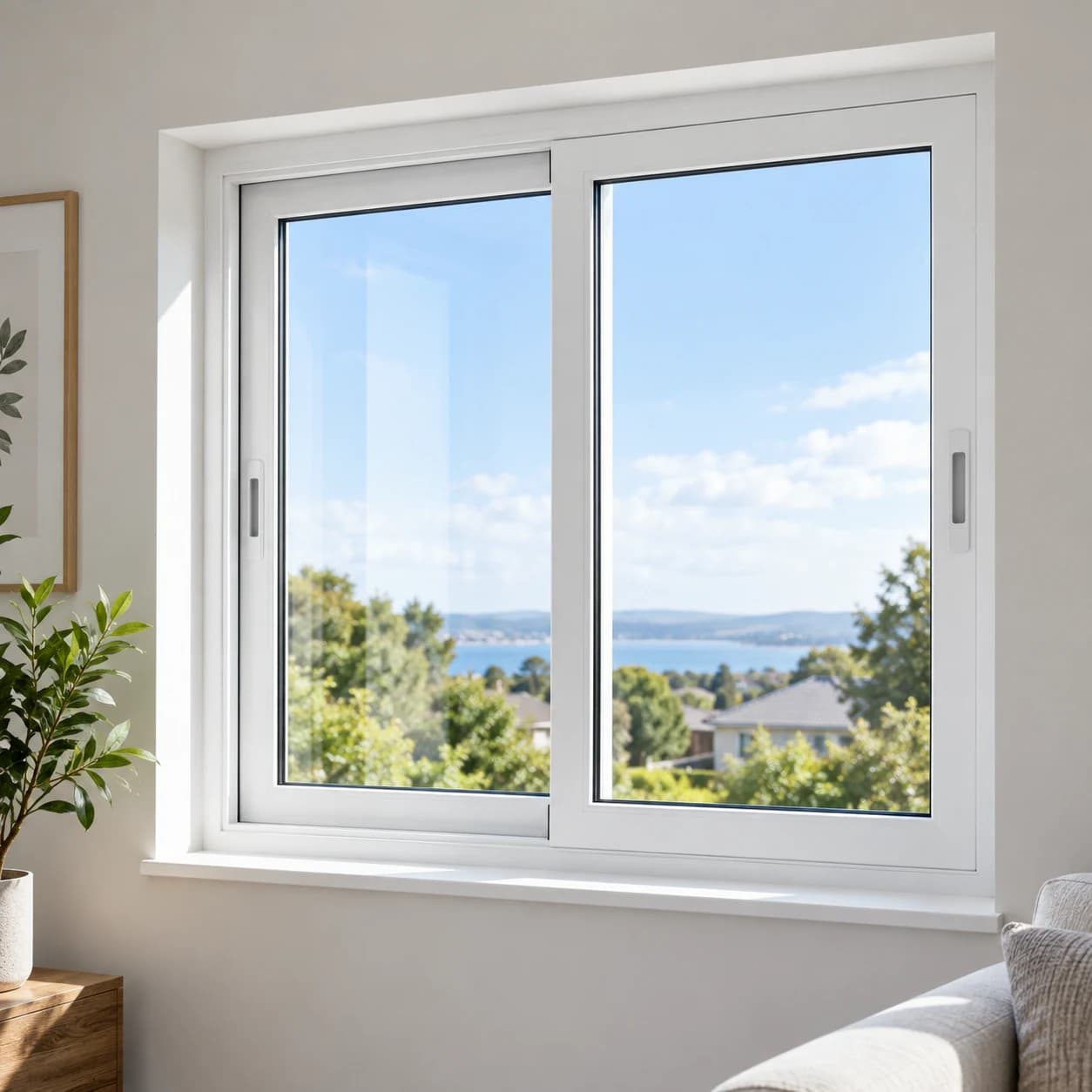
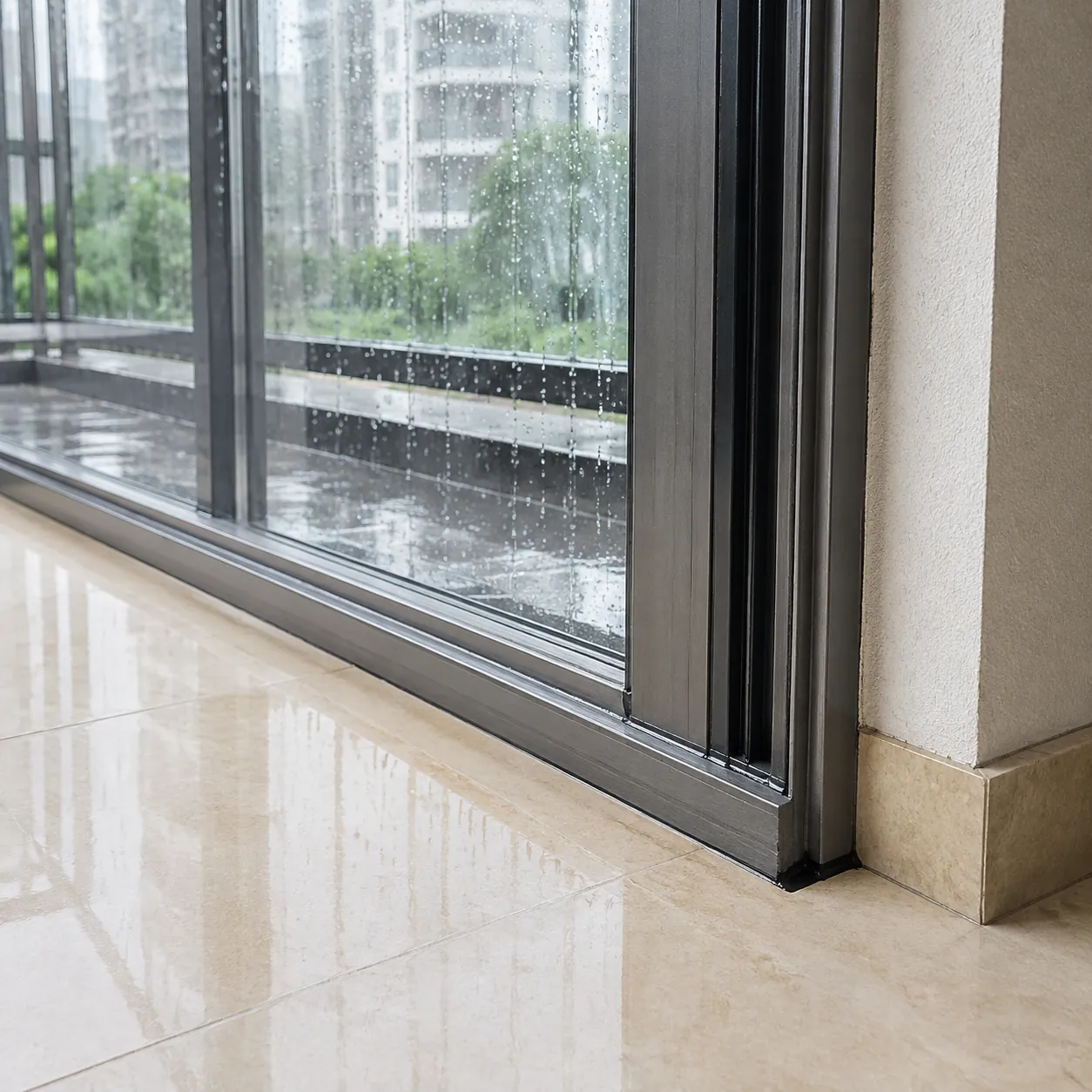
A window that leaked in July often drags by October. Rain lands in a sliding window track and should drain out through small holes. When dust blocks those holes, water stands in the track. Standing water wears the rollers, the small wheels the shutter runs on. That is why one fault follows the other.
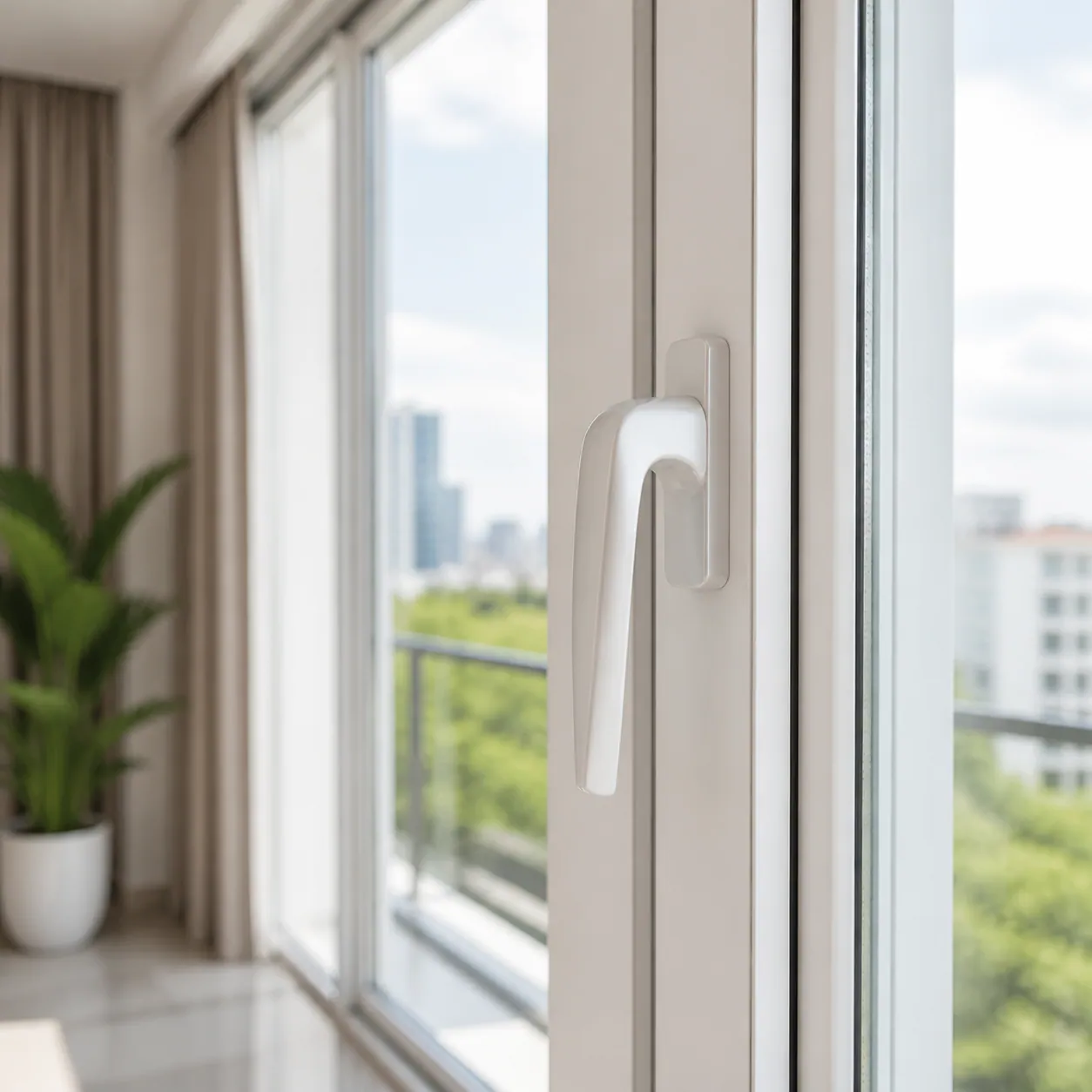
In a Vijayanagar house we treat both at once. We clear the drain holes, flush the track, and fit new rollers where they have worn. On a uPVC window, a dropped shutter makes the handle stiff too. Setting it level usually frees the handle without a new part.
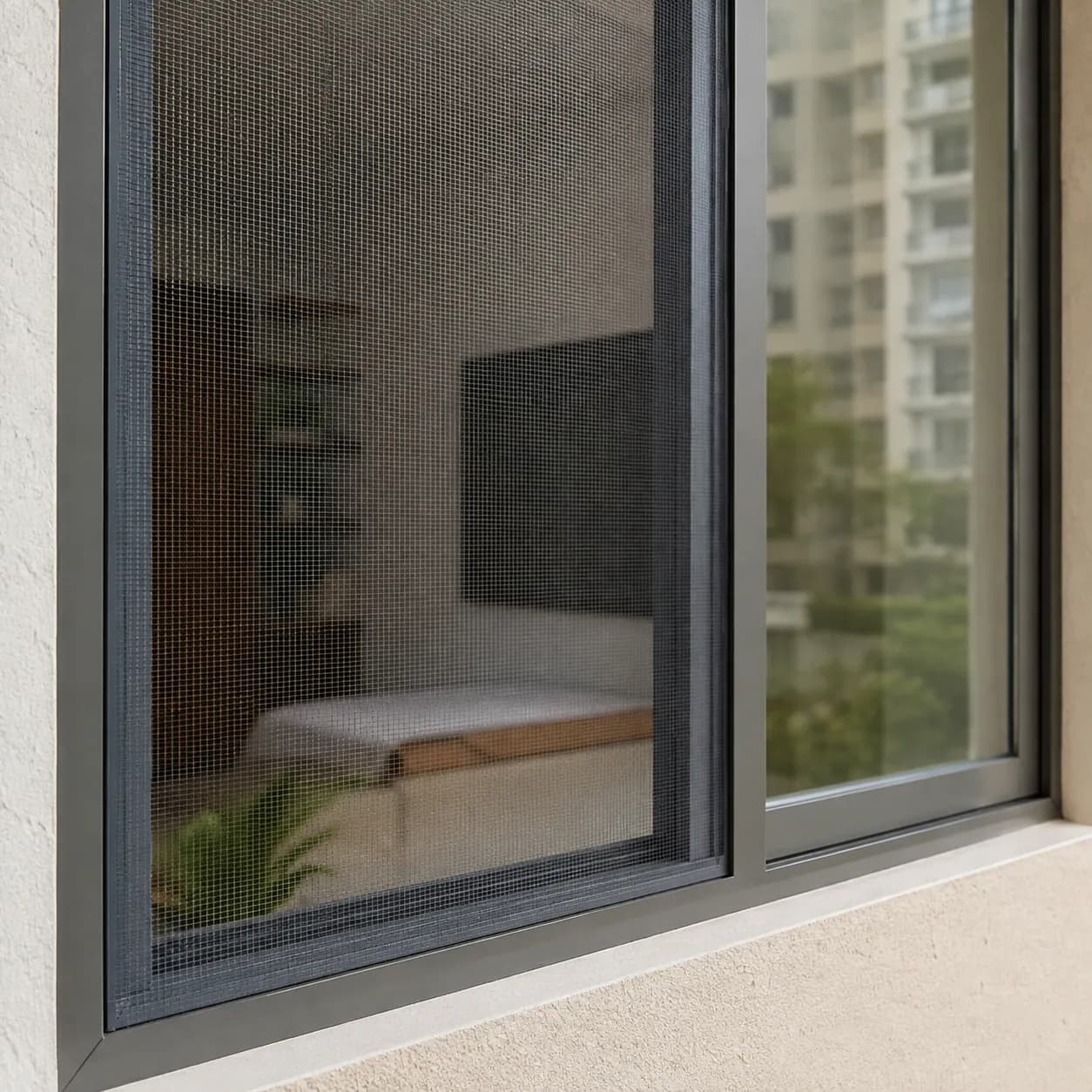
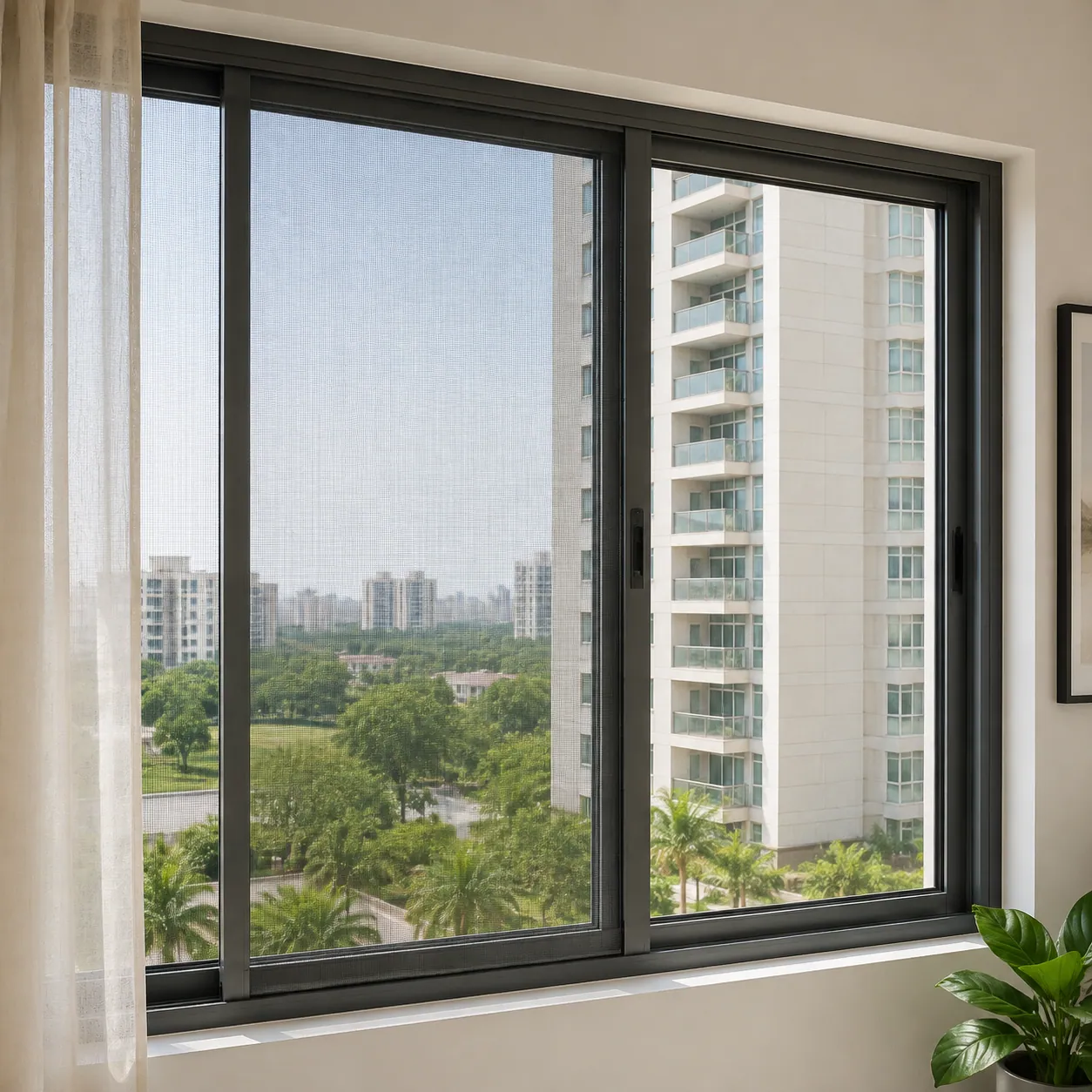
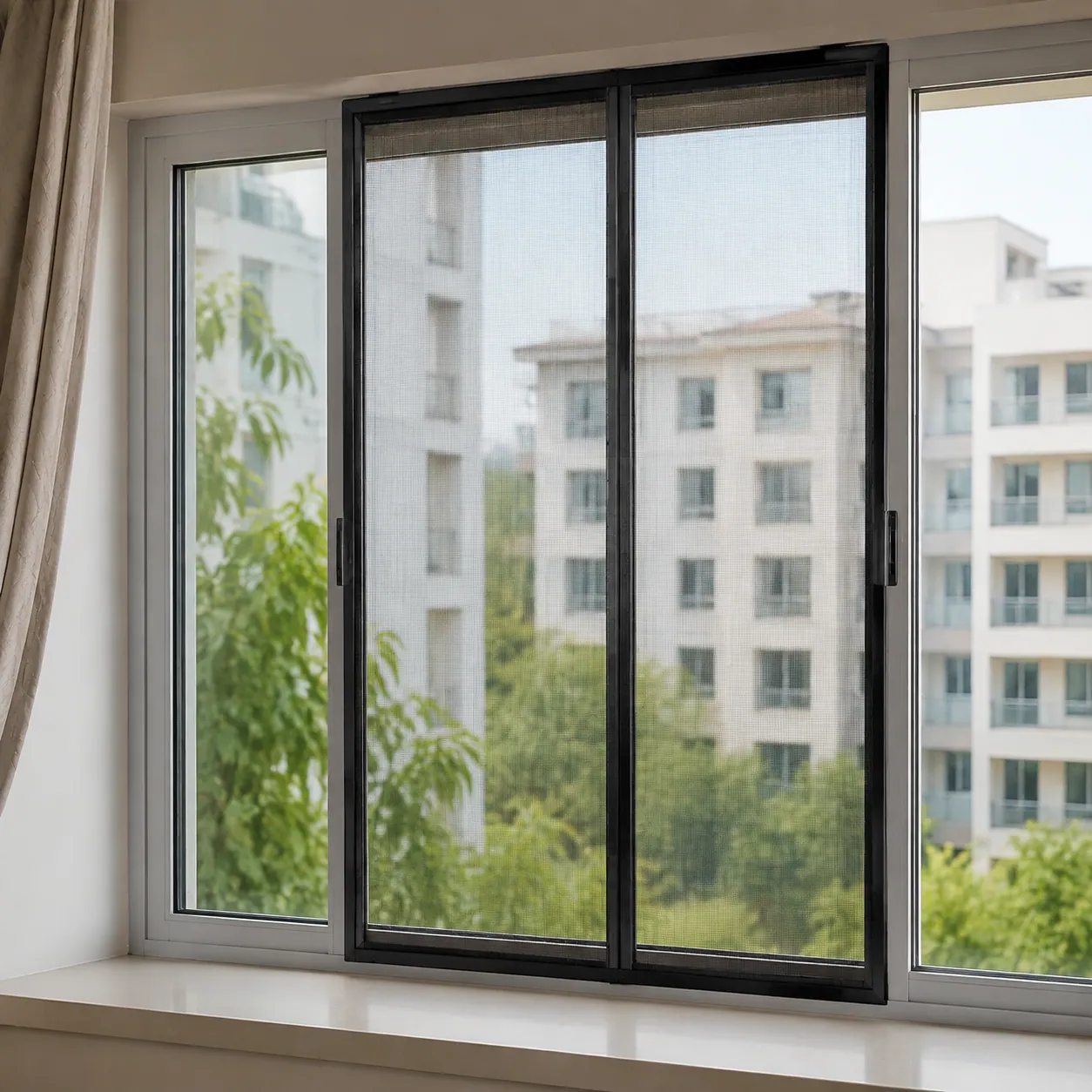
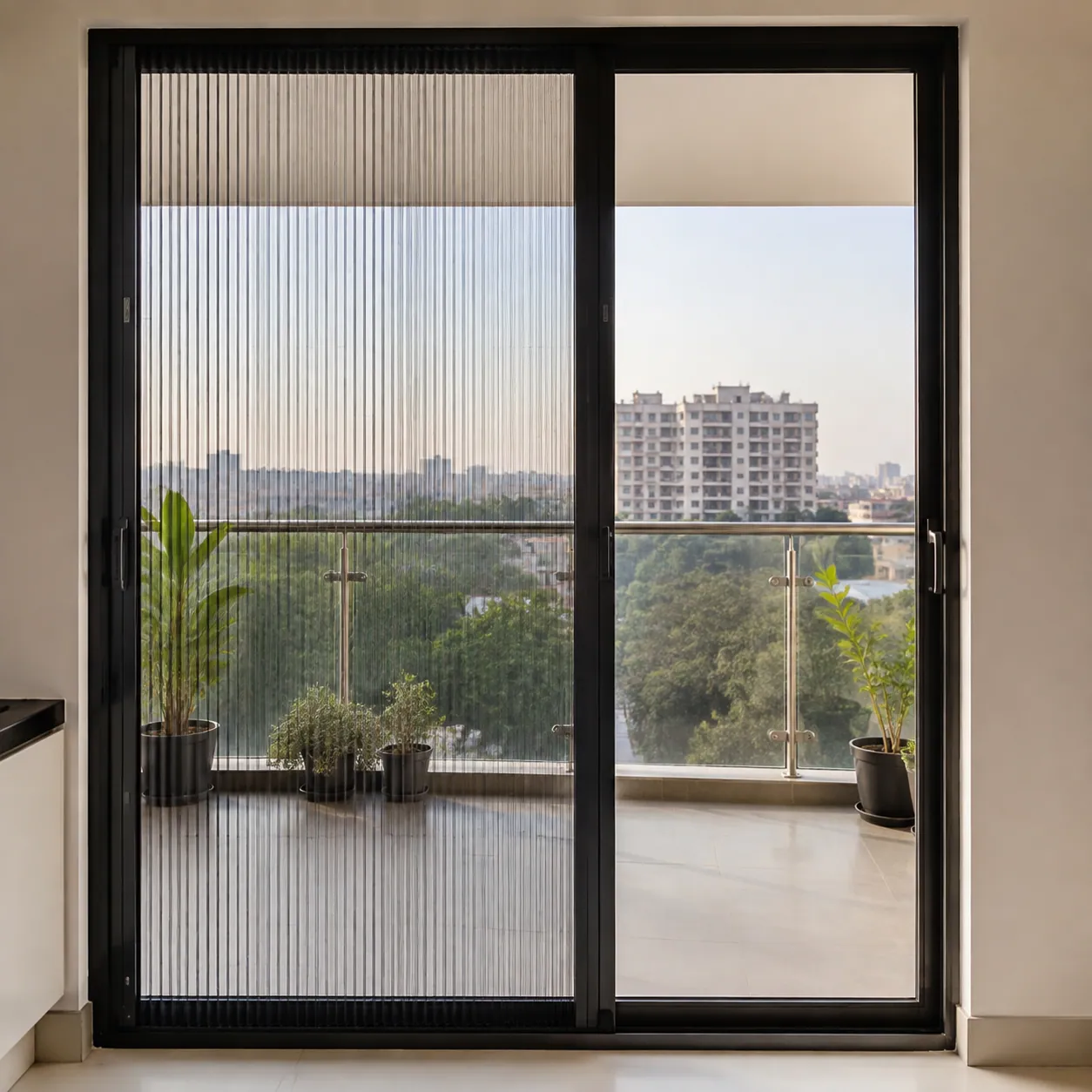
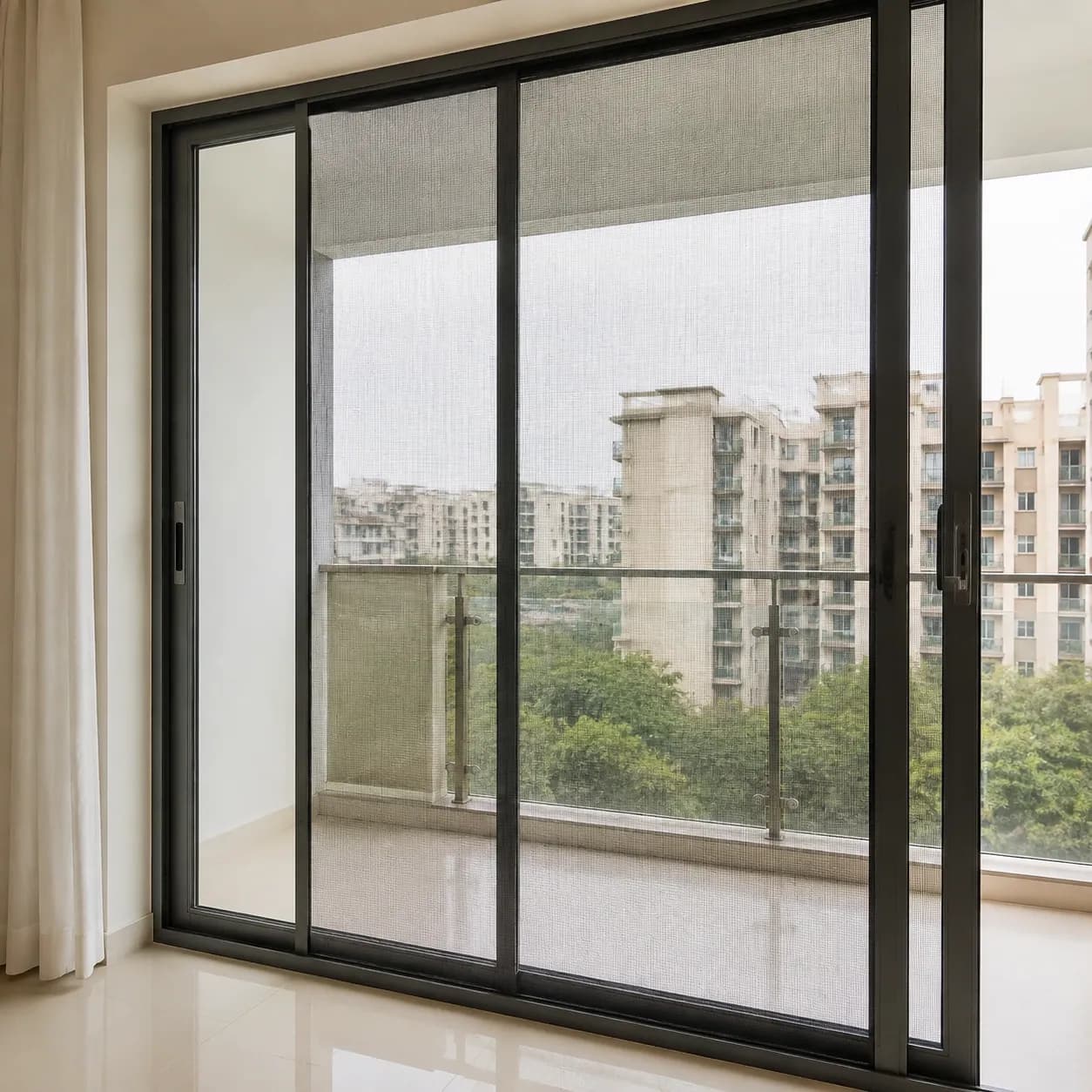
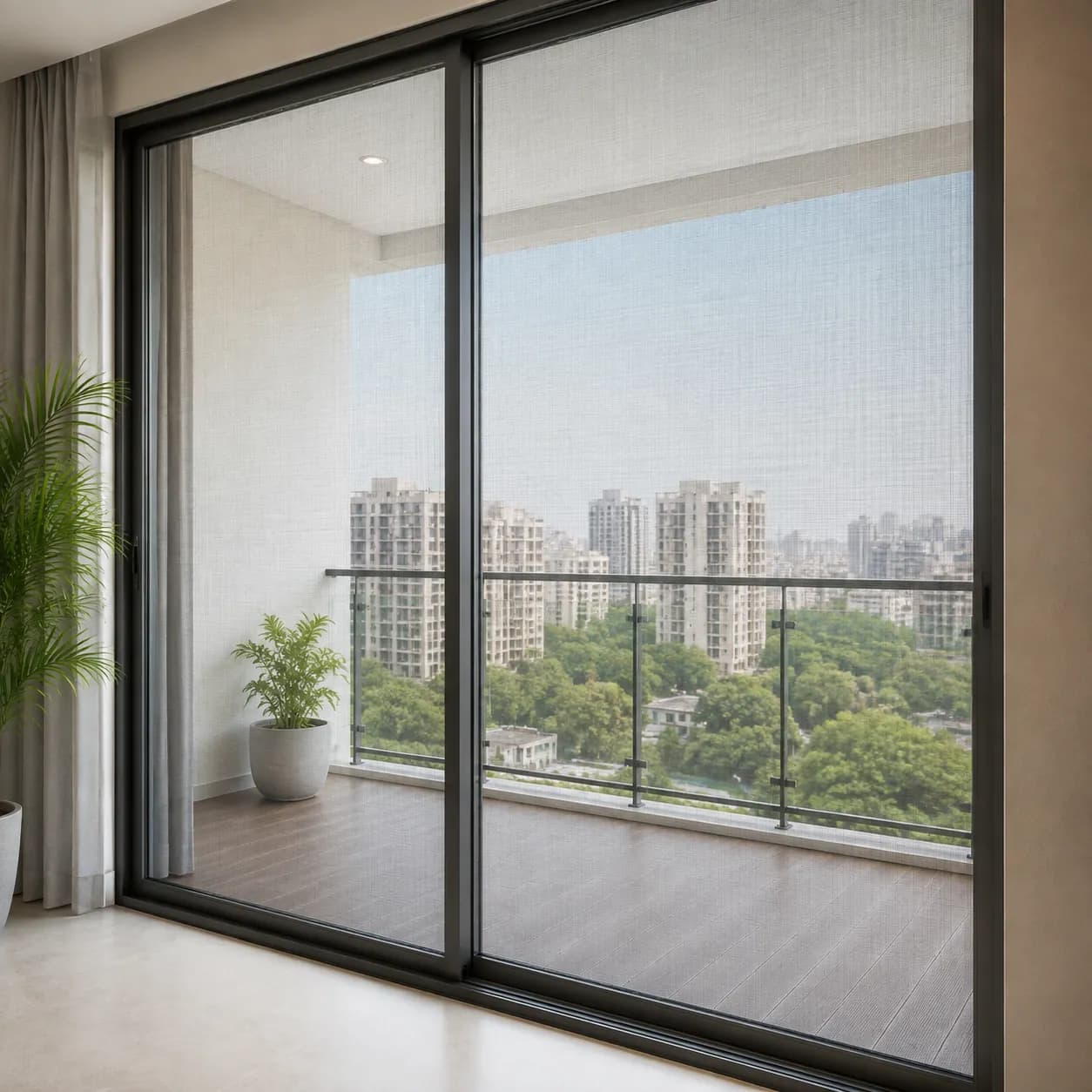
A mosquito net shares that track. Its mesh shutter runs in a spare channel beside the glass. So a clean track keeps the net moving too. We make nets to fit aluminium and uPVC windows.
How the job works
- Tell us about the jobSend a few photos, rough sizes and what you need. Use WhatsApp or the form. For a repair, a short video of the door moving helps a lot.
- We call you back in about 2 minutesWe confirm what you need and a time to visit. Where we can, we give you a rough price on the call.
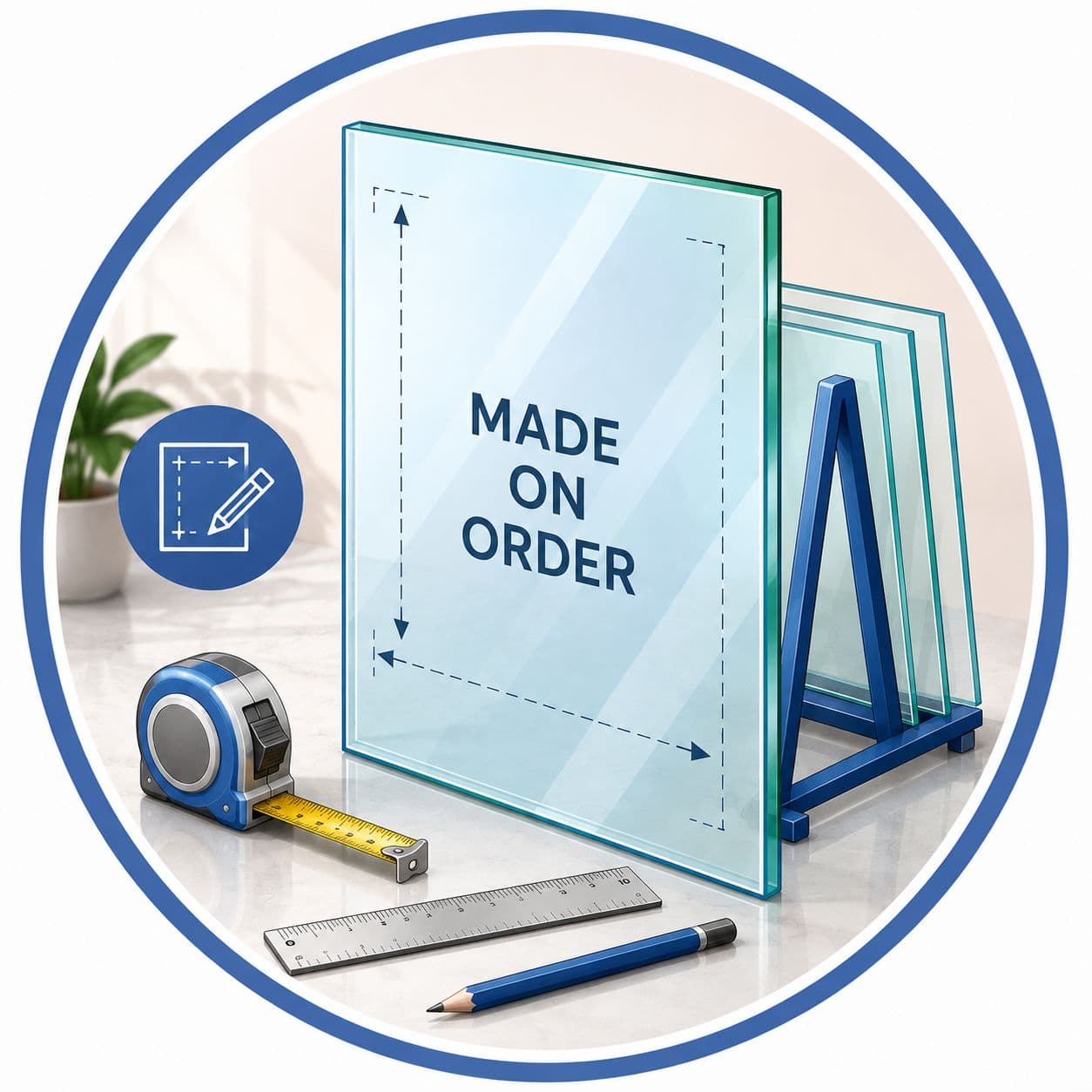
- We come and measureWe measure the opening and check the walls, floor and ceiling around it. Anything made to size is made to these measurements, so they must be right.
- You get a written priceIt lists each item, with GST as its own line. If anything about the job changes, we tell you before we go ahead.
- We fit itYou approve the price and pay the advance. Our own team fits the work, checks that every door and window opens and closes properly, and clears up. Most jobs are done in 3 to 4 days.