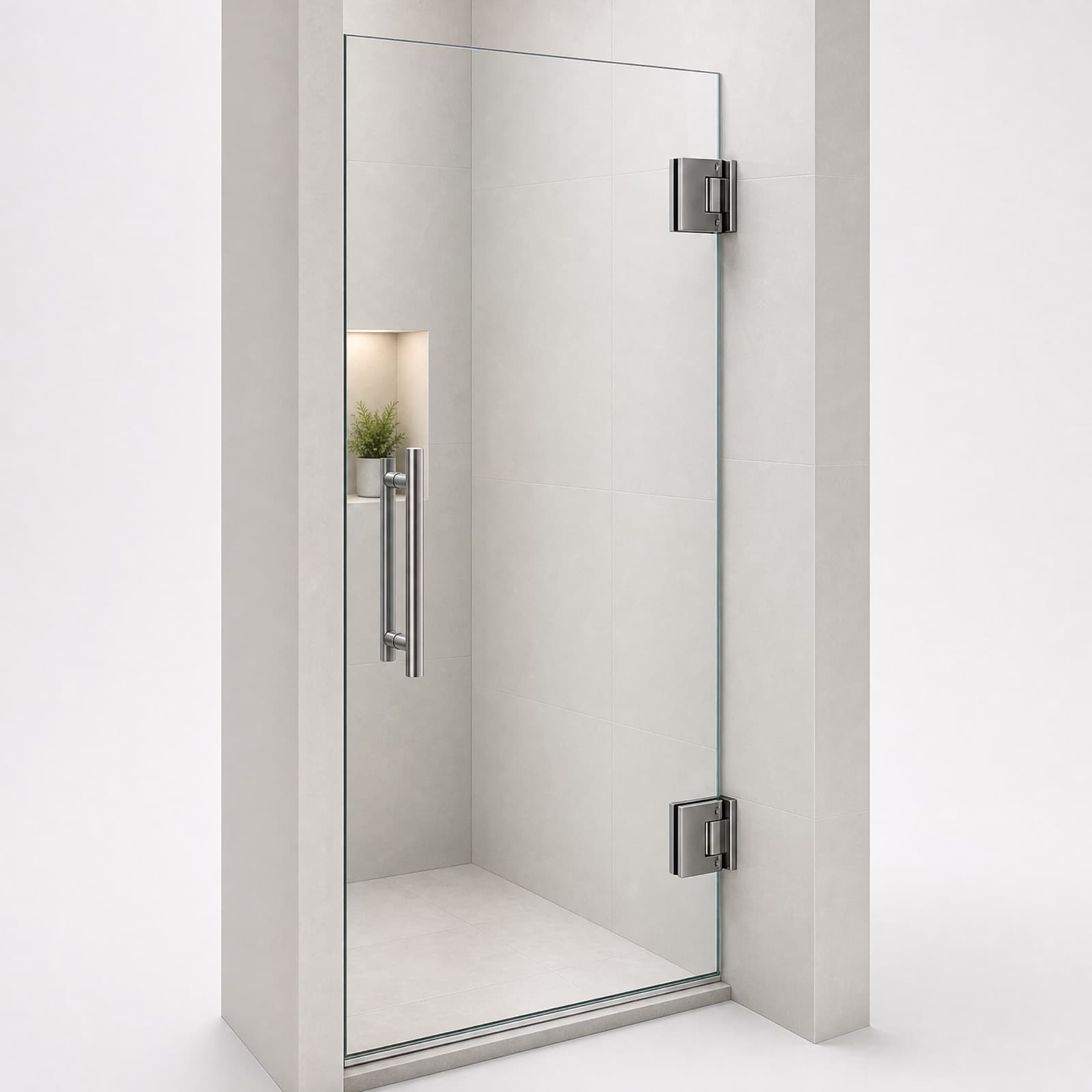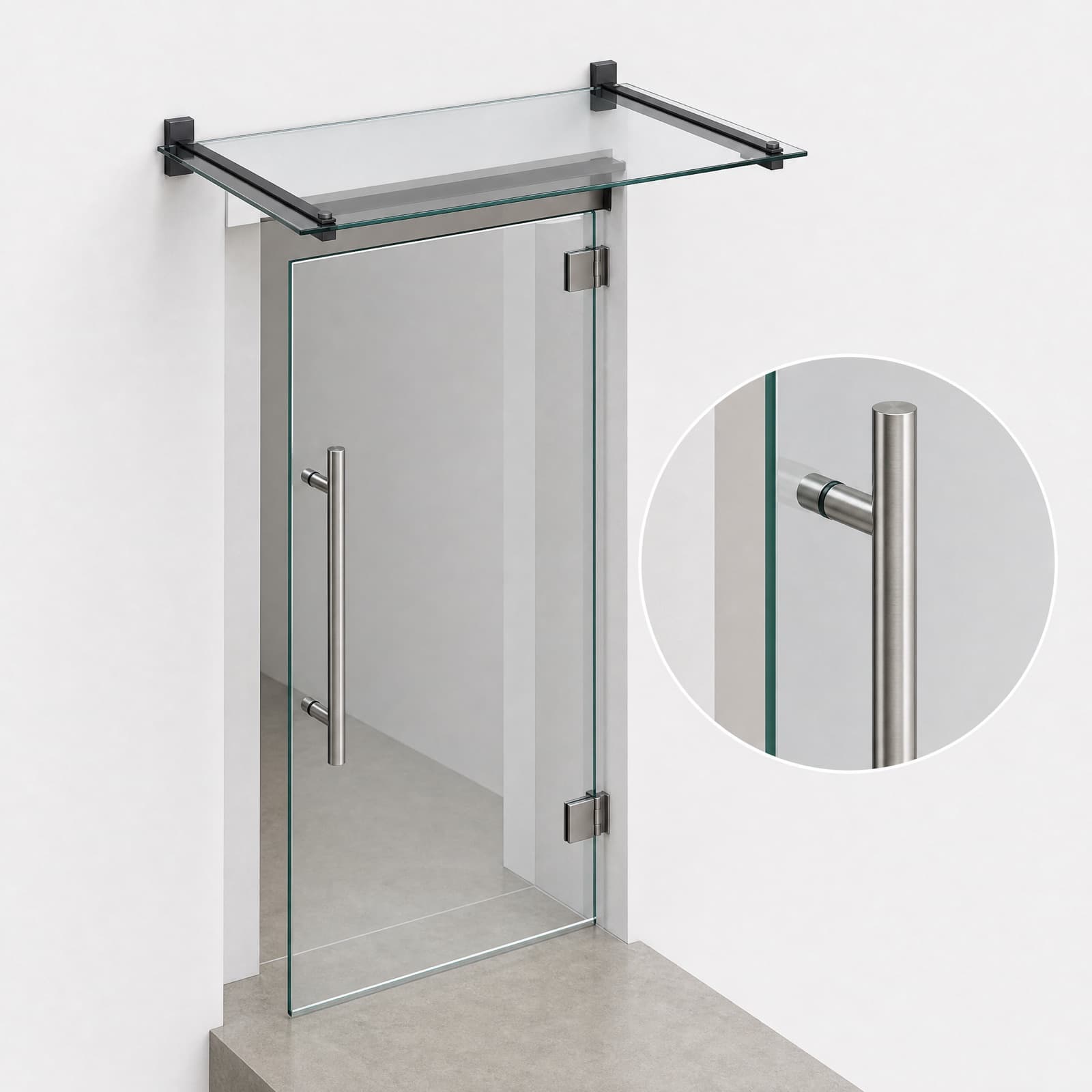


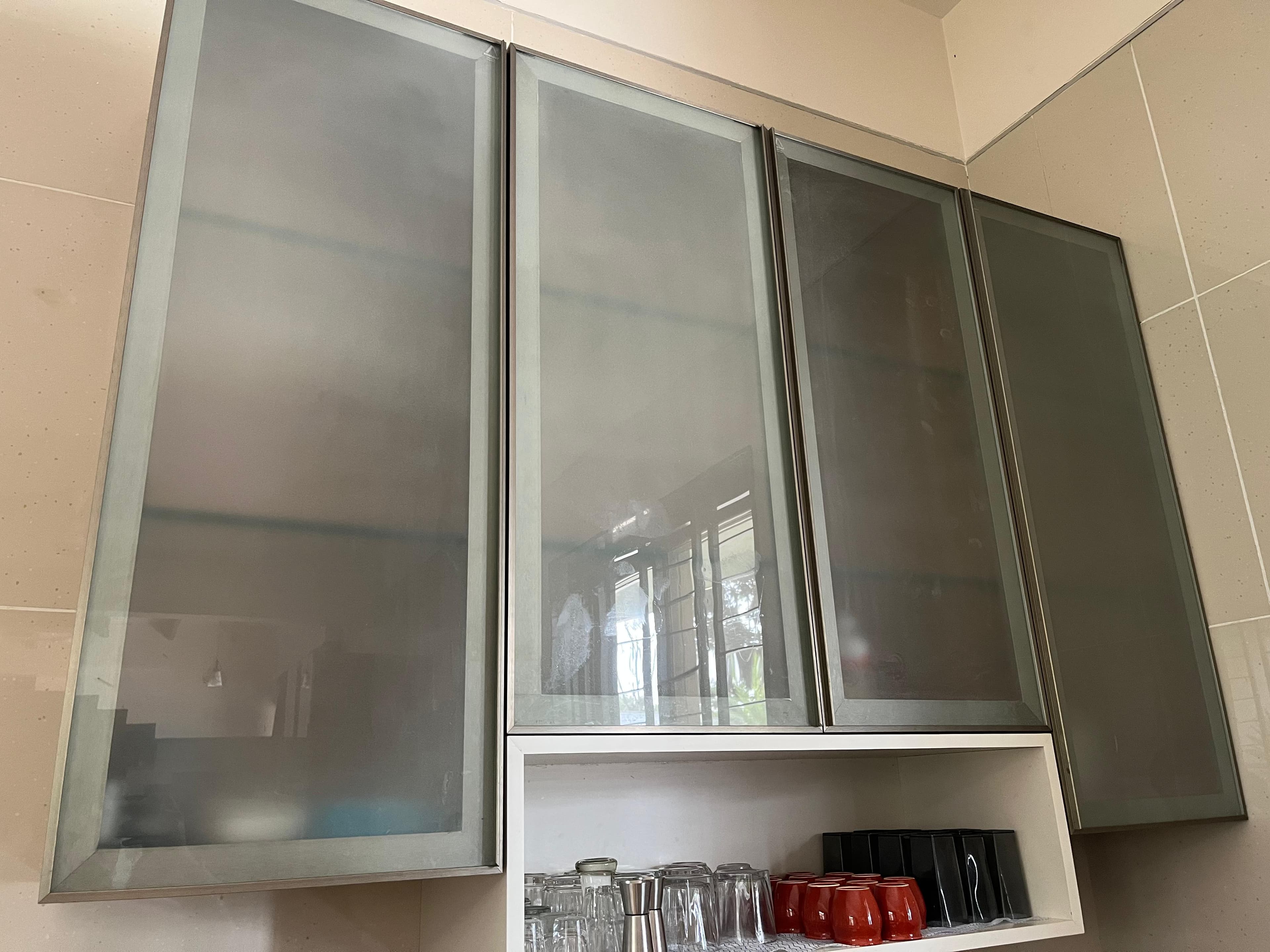
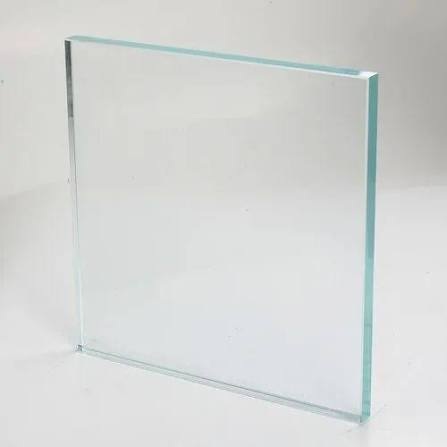
 10mm Clear Toughened Glass
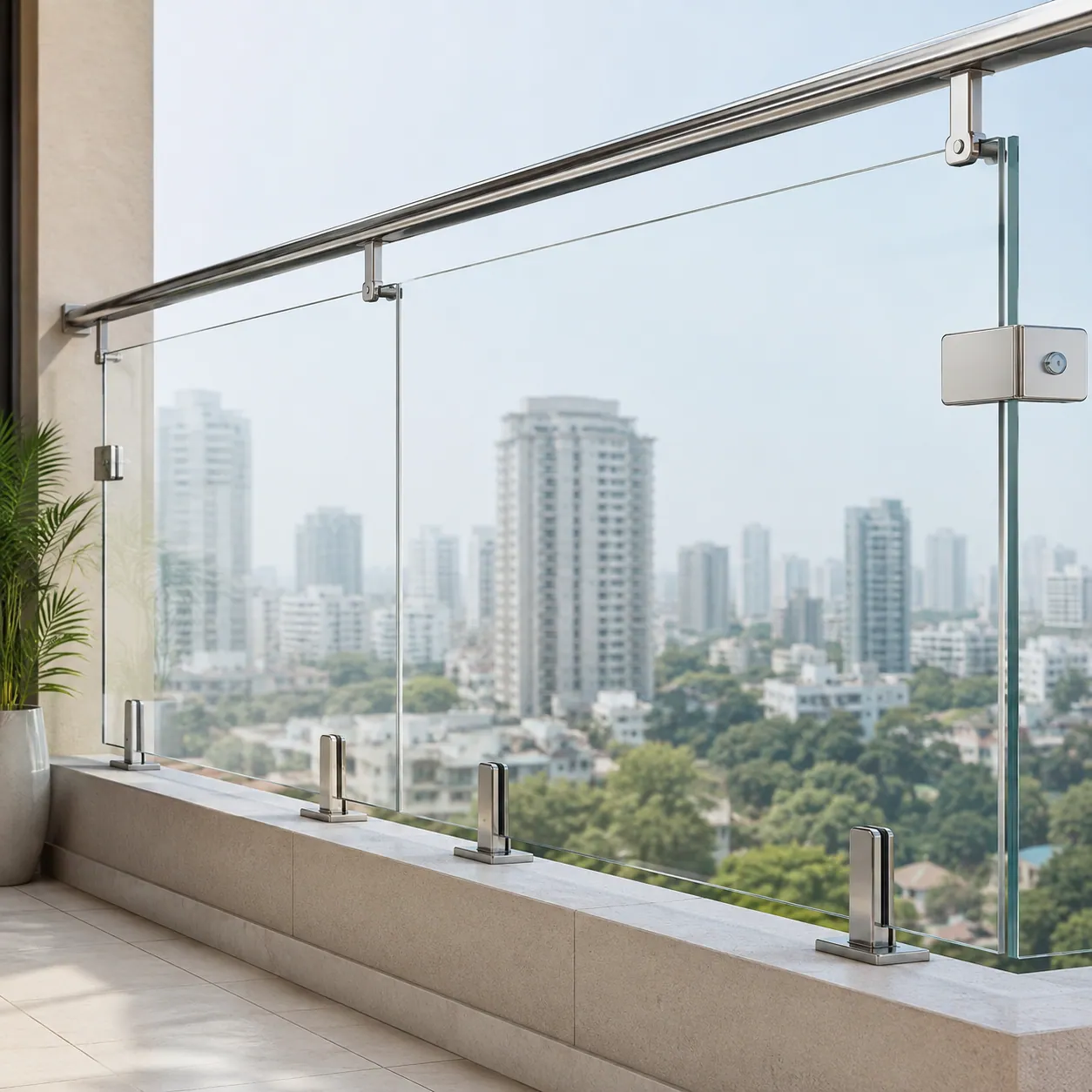
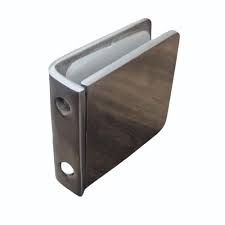 U Glass connector
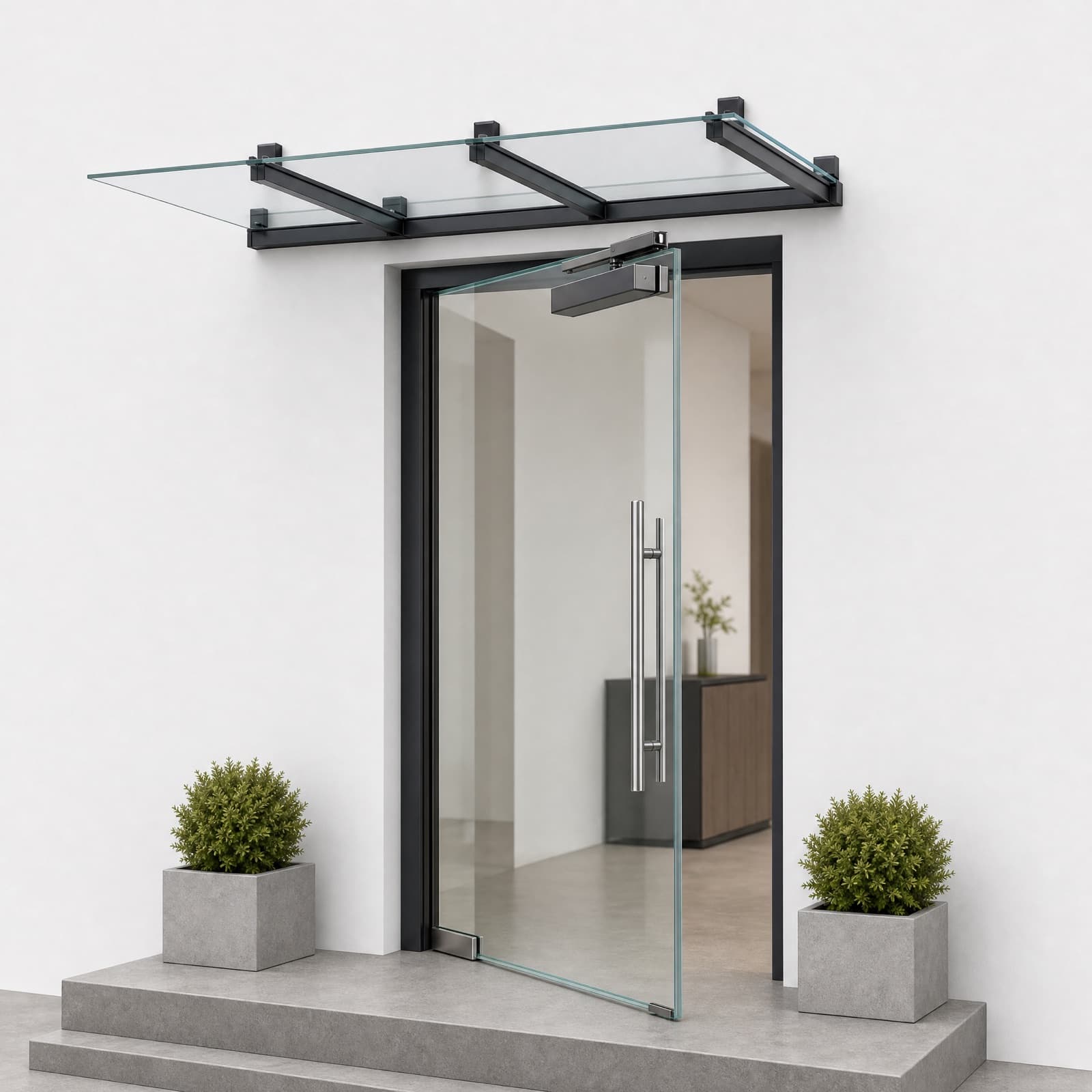
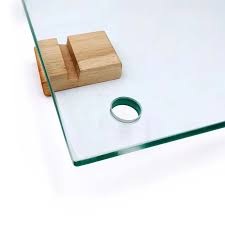 Hole drilled for fittings
Is this the right service for your job?
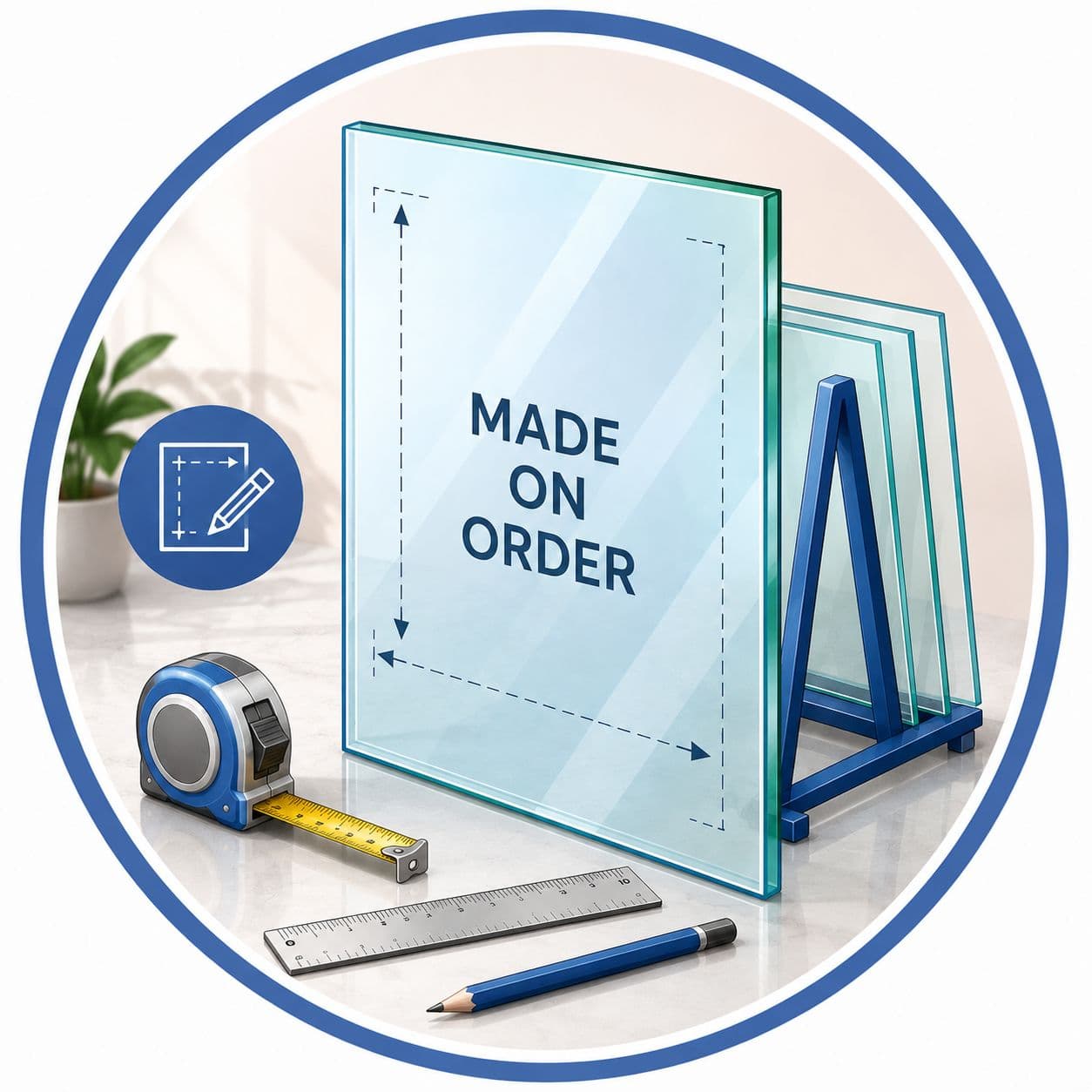
Choose this for a glass shelf, table top, mirror or panel made to your measurements.
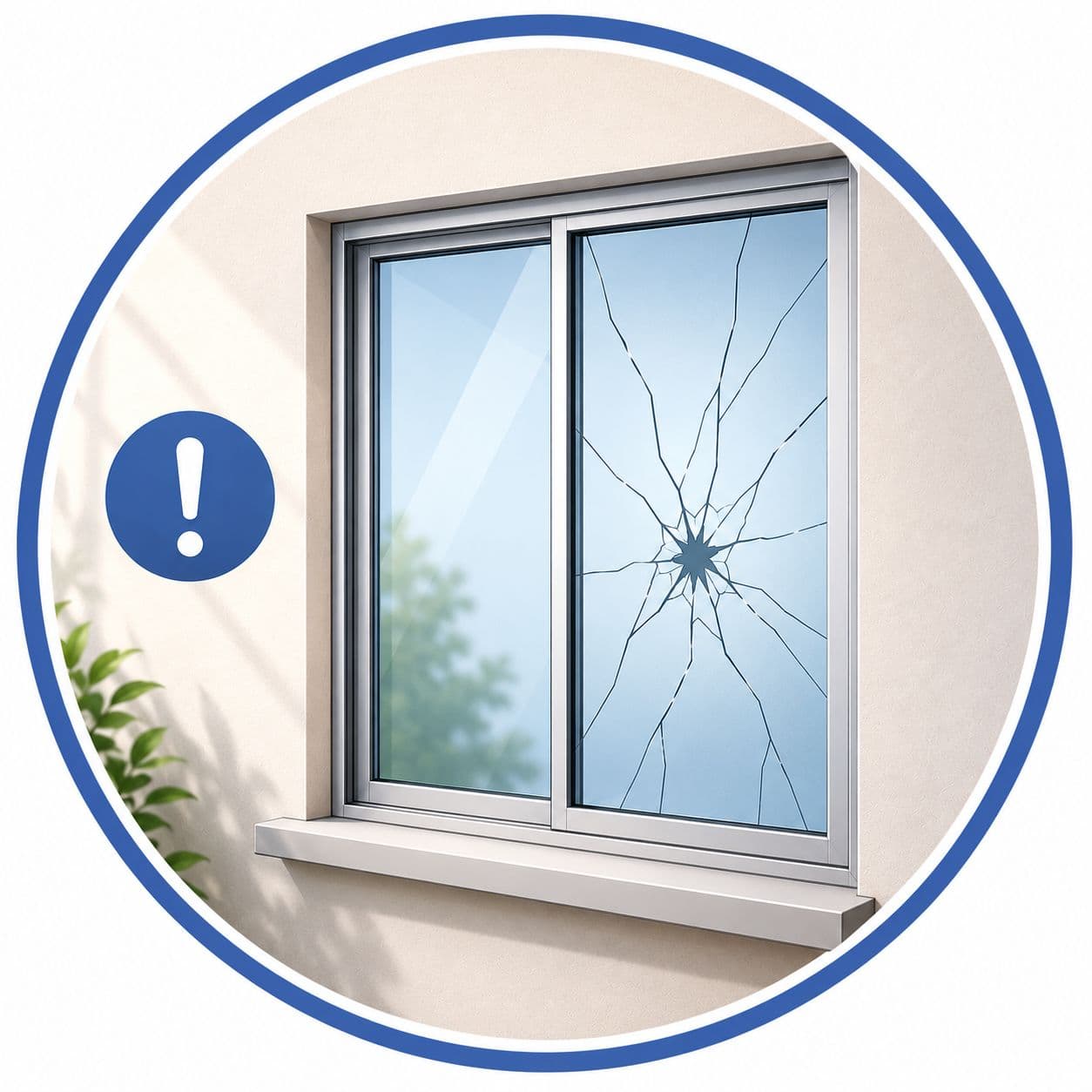
- If you are replacing a damaged pane in an existing fitting, see the Broken Glass Replacement. It matches the old glass and checks what can be reused.
- If you need a full glass wall to divide an office, see the Fixed Glass Office Partition Wall. It includes the supports and joints for a fixed partition.
The kinds of job this covers
Table and counter tops, cut to shape and finished at the edges so they are safe to touch.
Shelves in alcoves, kitchens and shops, fixed on brackets or studs chosen for what they will really carry.
Mirrors, including full-height and bathroom mirrors, fixed on studs or glue depending on the wall.
Kitchen splashbacks in back-painted toughened glass, made to fit around sockets and switches.
Wash-basin screens, fixed panels in odd openings, and glass for furniture. If it is flat glass and it has to fit a set space, it usually comes under this.
Choosing the right glass for the piece
The right glass depends fully on what the piece has to do.
A table top needs toughened glass thick enough not to bend, with the edges polished or bevelled so they feel nice to touch. Toughened glass is safety glass. A shelf needs toughening, and the right bracket spacing for its span and load.
Mirrors in a bathroom should be copper-free. That resists the black spotting at the edges that normal mirror gets in damp air.
Splashbacks behind a hob must be toughened, because normal glass will not take the heat. They are back-painted before toughening, so you choose the colour when you order.
We tell you which glass we suggest and why. Then the choice is yours, not ours.
Measurement to fitting, step by step
Send photos and rough sizes. For custom work, photos matter more than usual, because the fixing method depends on what is really there.
We measure on site. For an alcove or an odd-shaped opening we make a template, instead of working from sizes, because very few openings are square.
You get a written price covering the glass, the edge finish, the fixings and the fitting.
Then we make the piece. That takes about four to seven working days, depending on the edge work and any holes or cut-outs. All of it happens before toughening, so the final design has to be settled before the order goes in.
Fitting is usually short, and we bring the correct fixings rather than make do on site.
Why two custom jobs never cost the same
Because almost everything changes between one piece and the next.
The glass type and thickness. The edge finish, where a bevelled edge costs more than a polished one. The number of holes and cut-outs, each priced on its own, and all made before toughening.
The shape, because a rectangle is far cheaper to make than a curve or an angled corner.
And the fixing method, which depends on the wall or the furniture, and on how much weight the piece has to carry.
That is why we quote each piece on its own instead of using a flat rate, and why the written price lists each part on its own line.