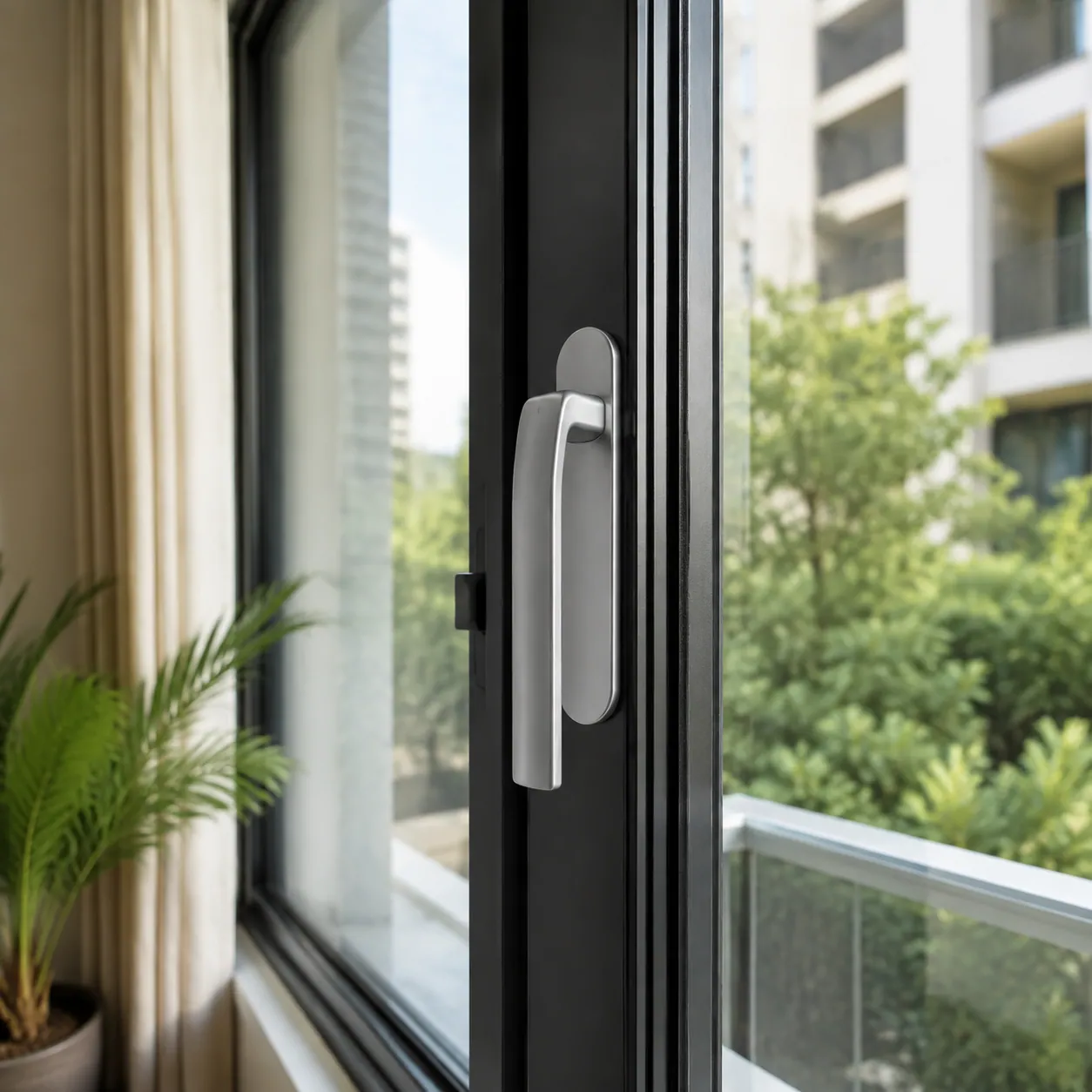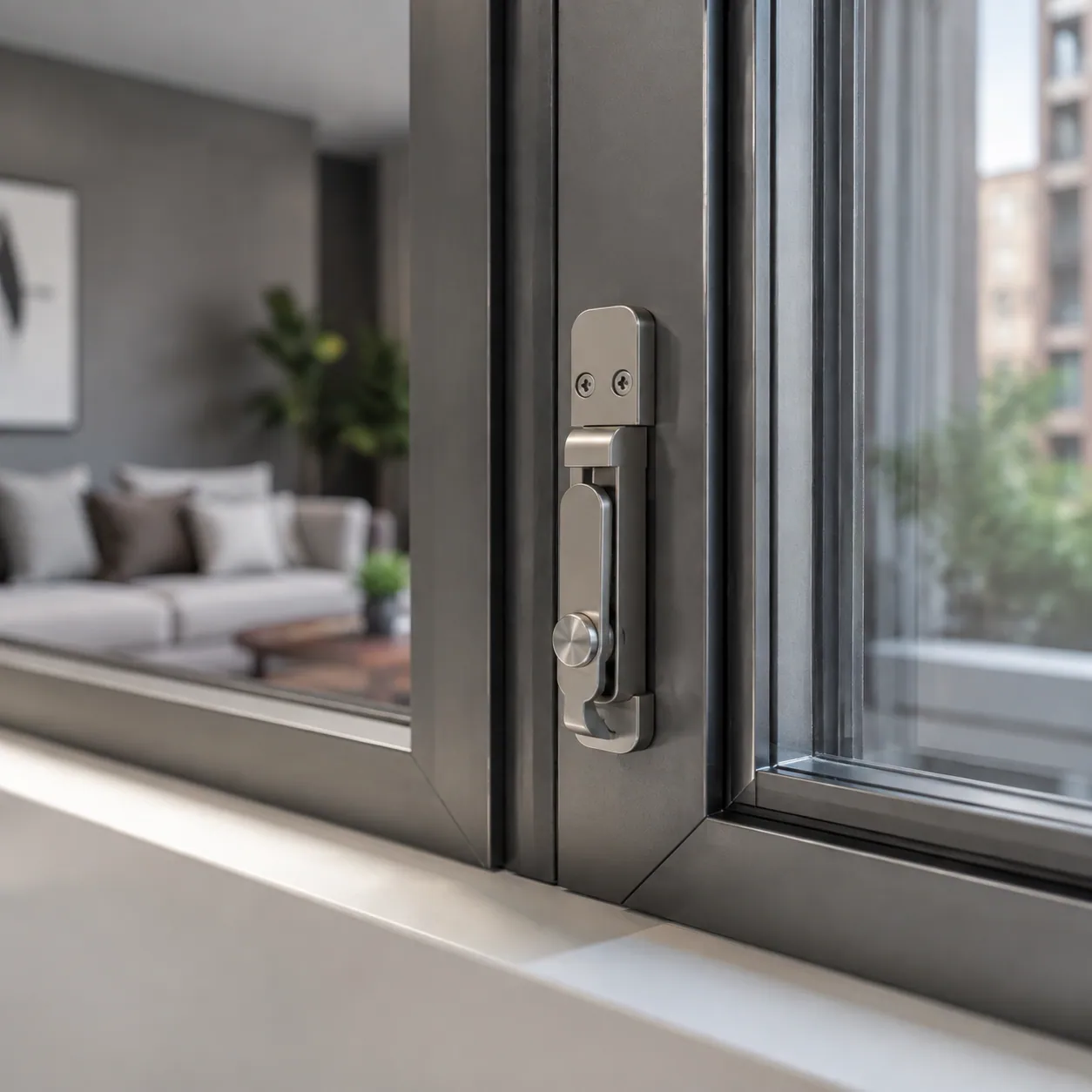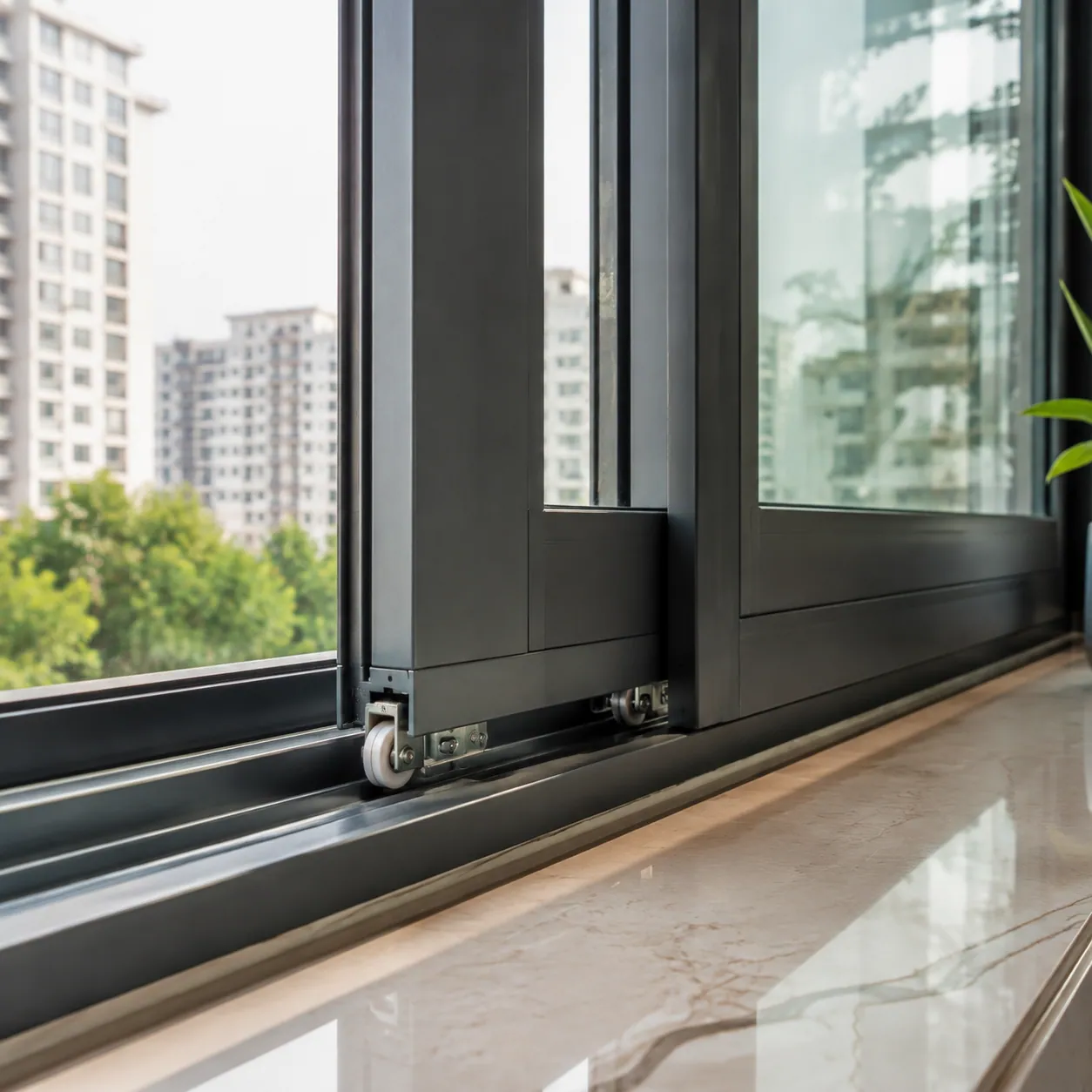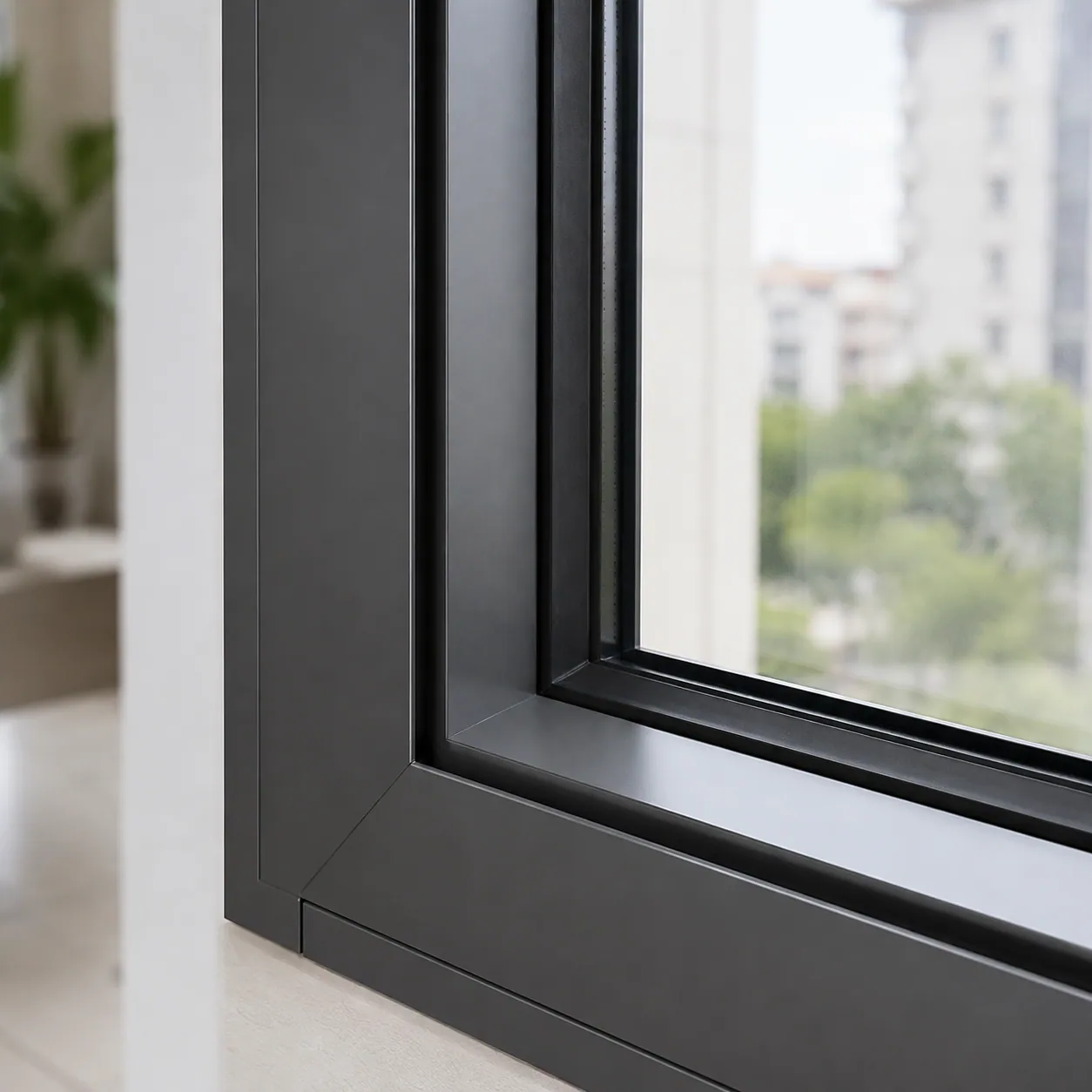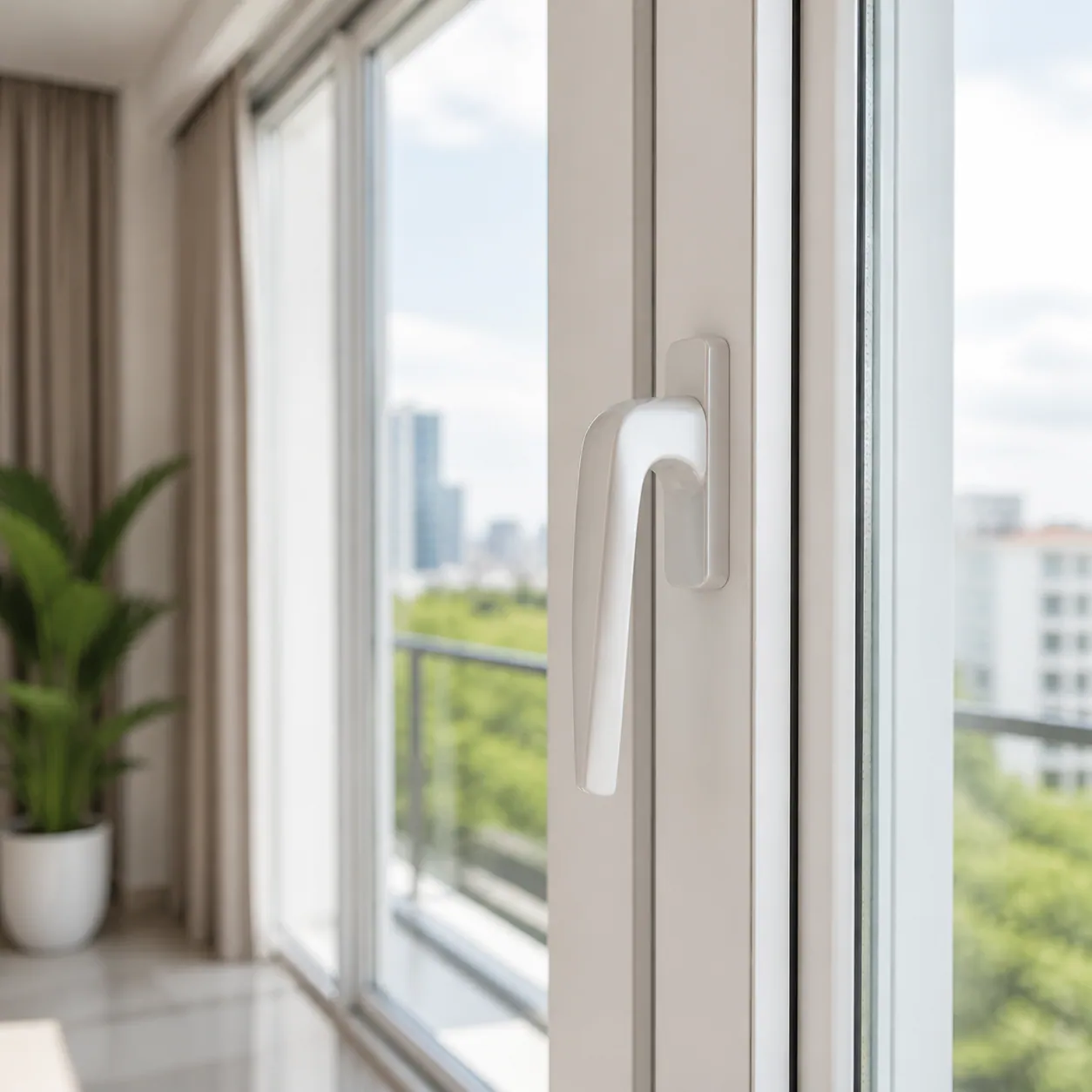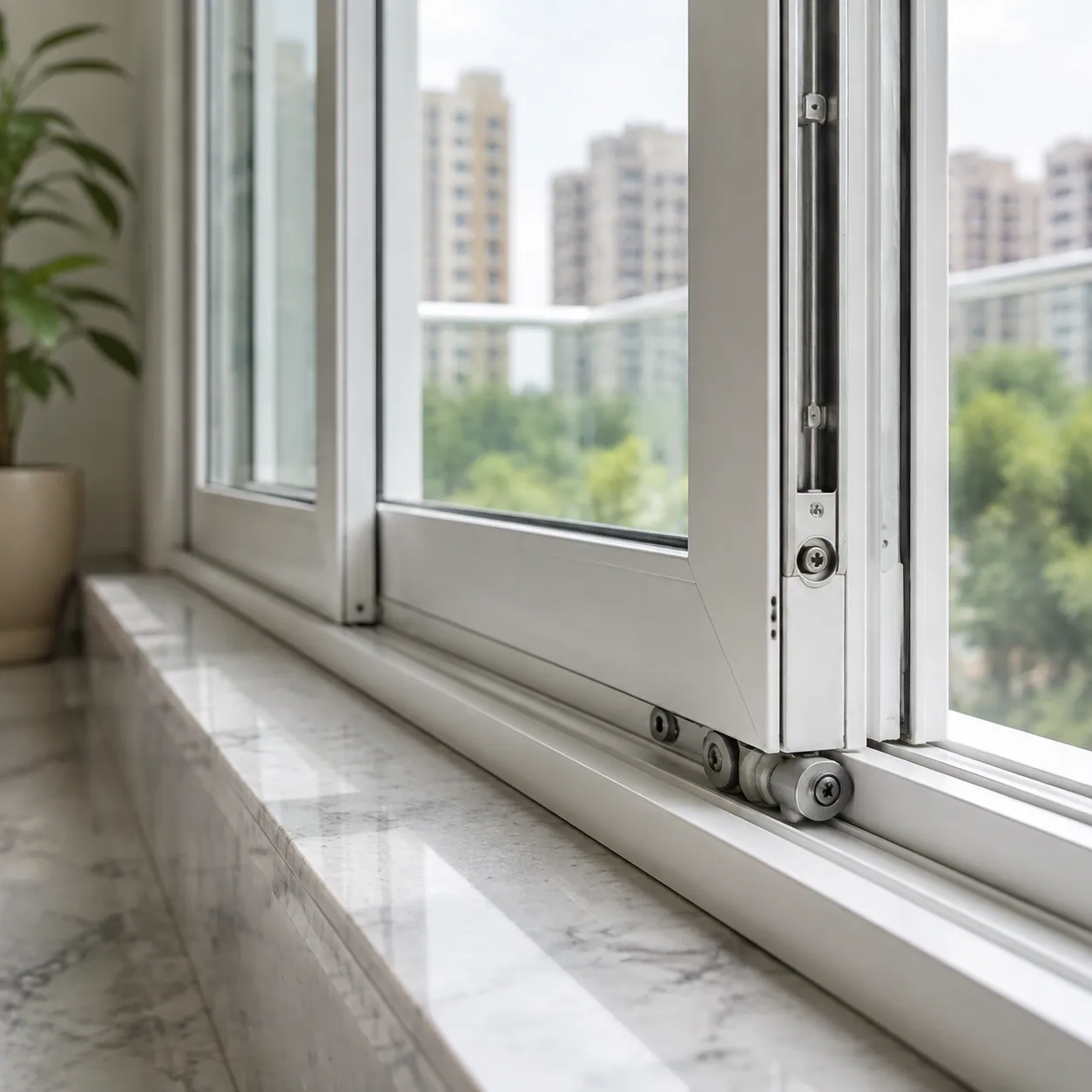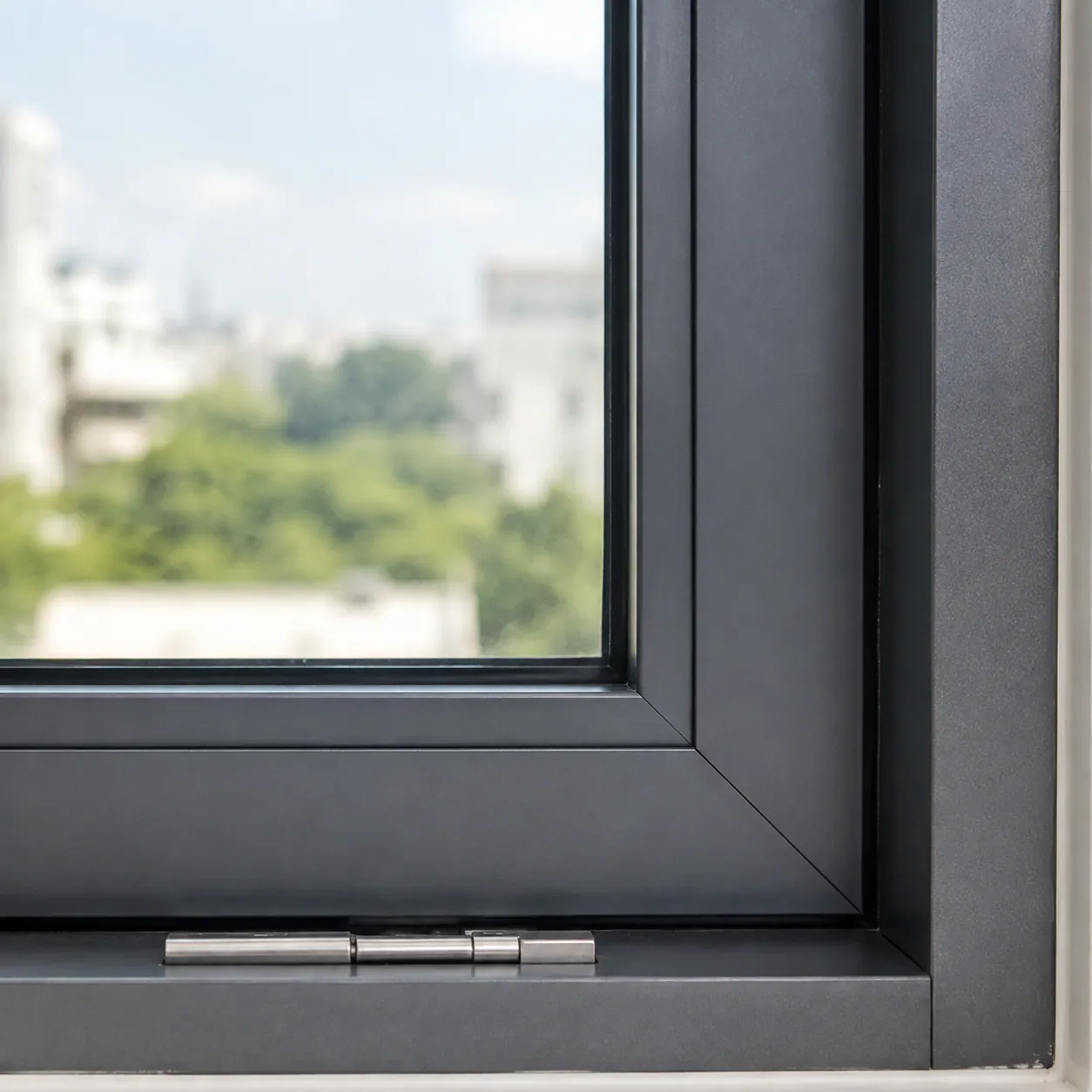
We fix loose window glass across Bengaluru. A pane that shifts, clicks or rattles when you press it is not held any more. What holds it is a slim strip, aluminium or PVC, clipped into the frame around the glass. The trade calls it beading. Most people never notice theirs until a length drops onto the sill, or a pane moves under a cleaning cloth. A window missing beading is a pane held by habit: the glass sits in its channel but nothing is locking it there against wind or a knock. We re-bed the glass, renew the rubber beneath, and fit new beading matched to your frame, from ₹1,100 per window.
What beading is and how it fails
A window pane sits in a channel, cushioned by gasket, and the beading strip snaps or screws in behind it to close the channel and clamp everything tight. It is the removable side of the glass's cage, there so panes can be replaced without cutting frames apart.
PVC beading fails by sunlight: it goes brittle, shrinks off its clips, and finally cracks and drops off in lengths, usually starting on the sun-facing side.
Aluminium beading fails at its clips and screws: corrosion loosens the grip, and the strip works free with the window's vibration.
Either way the sequence ends the same: a strip on the sill, a line of exposed gasket, and a pane with real play in it.
Why a missing strip is not cosmetic
The beading is load-bearing in the moment that matters. Day to day, gravity and the remaining strips hold the pane. In a storm gust, or against a football, a slammed shutter or a leaning ladder, the beading is what keeps the pane in its frame instead of out of it.
A pane with a missing strip also works looser with every vibration, chattering in its channel, and glass that chatters against aluminium chips at the edge, which is where cracks begin.
And the open channel drinks water. Rain runs into the exposed gasket line, sits in the channel, and shows up as the mystery damp at the corner of the frame.
Ten minutes after a strip falls is the cheap moment to act. The pane is still perfect, and the fix is purely the beading.
The replacement work
Remaining old beading comes off carefully, the pane is supported, and the channel is cleared of crumbled gasket and debris.
The glass is then re-bedded: fresh gasket or setting strip under and around it, so it sits cushioned and centred with the right clearance all round. Glass must never touch metal directly, and re-bedding is what guarantees it does not.
New beading, profile-matched to your frame section and colour-matched as closely as the section allows, snaps or screws in to clamp the pane at the designed pressure. Corners are mitred clean.
The finish check is simple: the pane pressed at its corners and centre should feel like part of the wall, no shift, no click, no chatter.
Cost and the whole-window question
Renewing the beading on one window, with the pane re-bedded, starts at ₹1,100. Where only one strip has failed and the rest are sound, a single-side repair is possible and cheaper, but on age-brittled PVC we will say honestly that its siblings are close behind, and one visit for all four sides beats four visits.
Beading pairs naturally with our gasket work: the rubber and the strip age together, and renewing both returns the window to factory grip.
If a pane is found cracked once the beading is off, replacement glass is priced by the square foot, and the beading work proceeds around the new pane instead. Nothing is hidden back behind fresh strips.