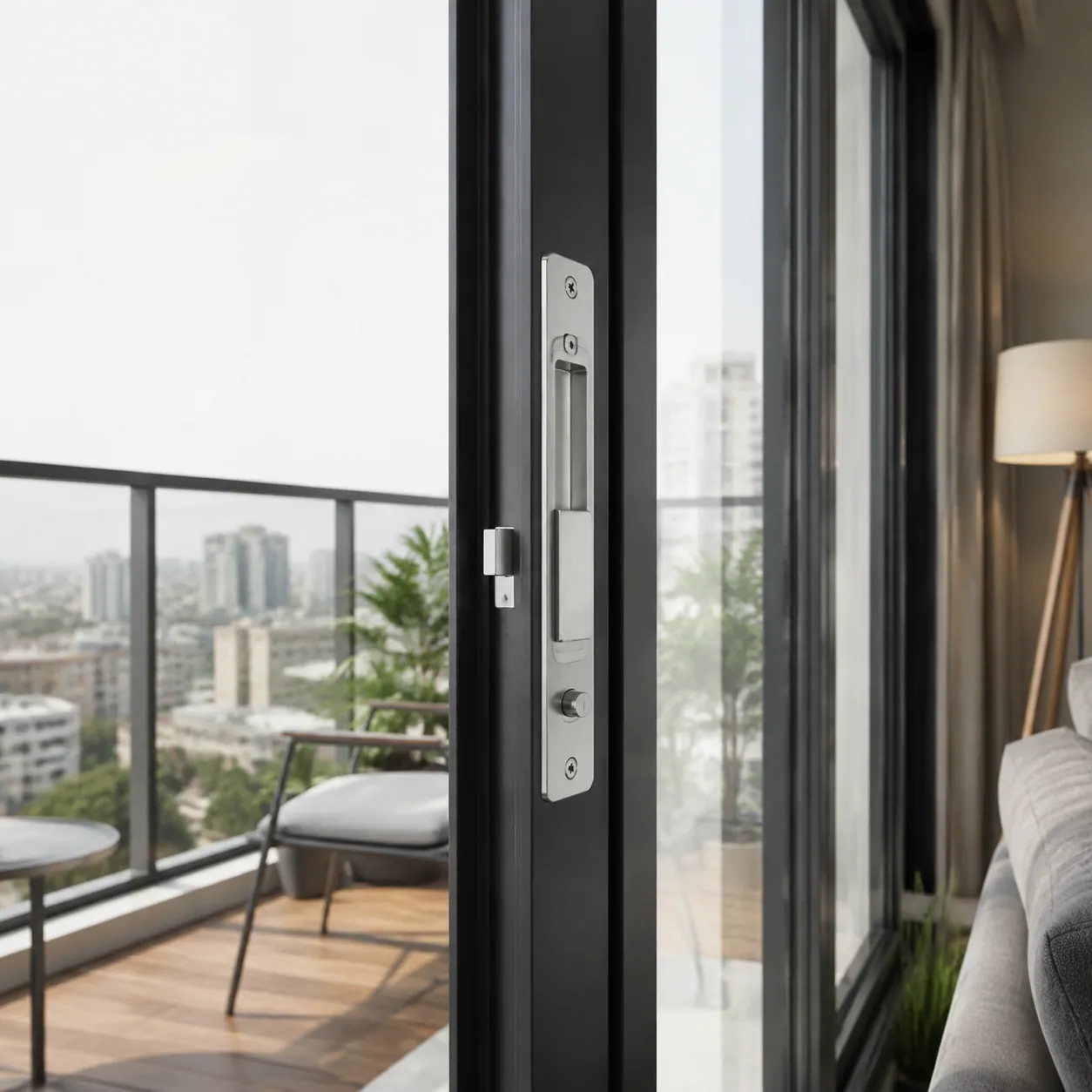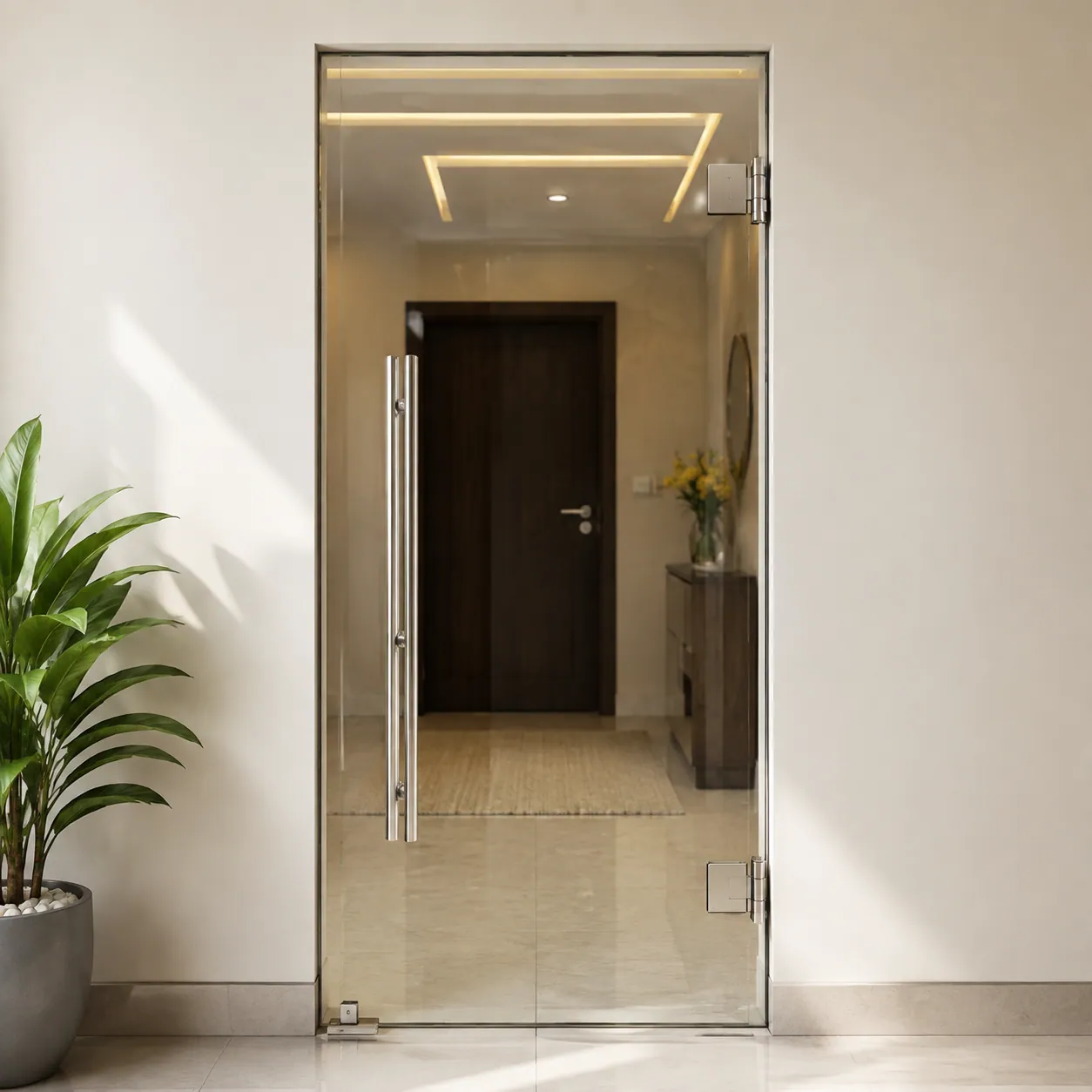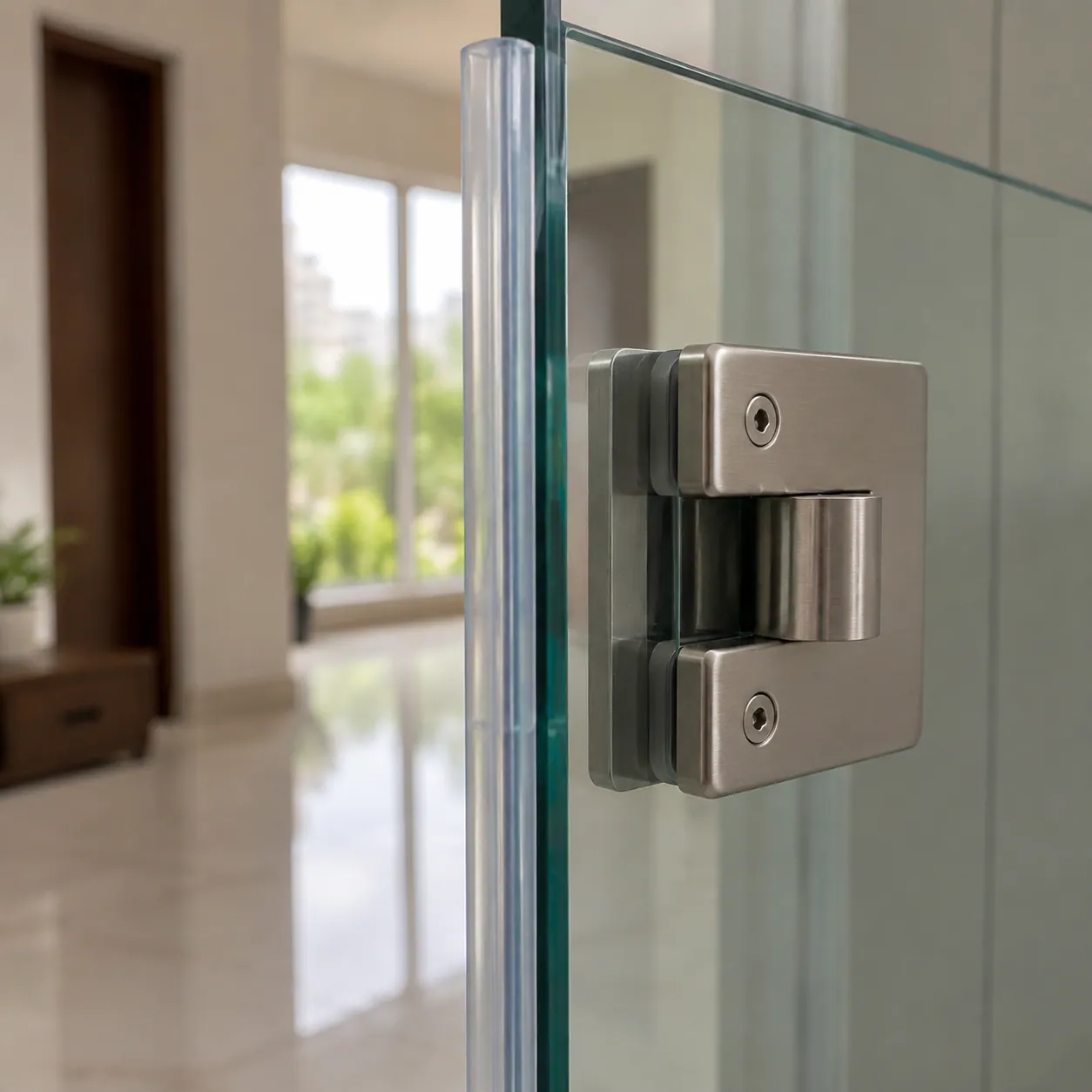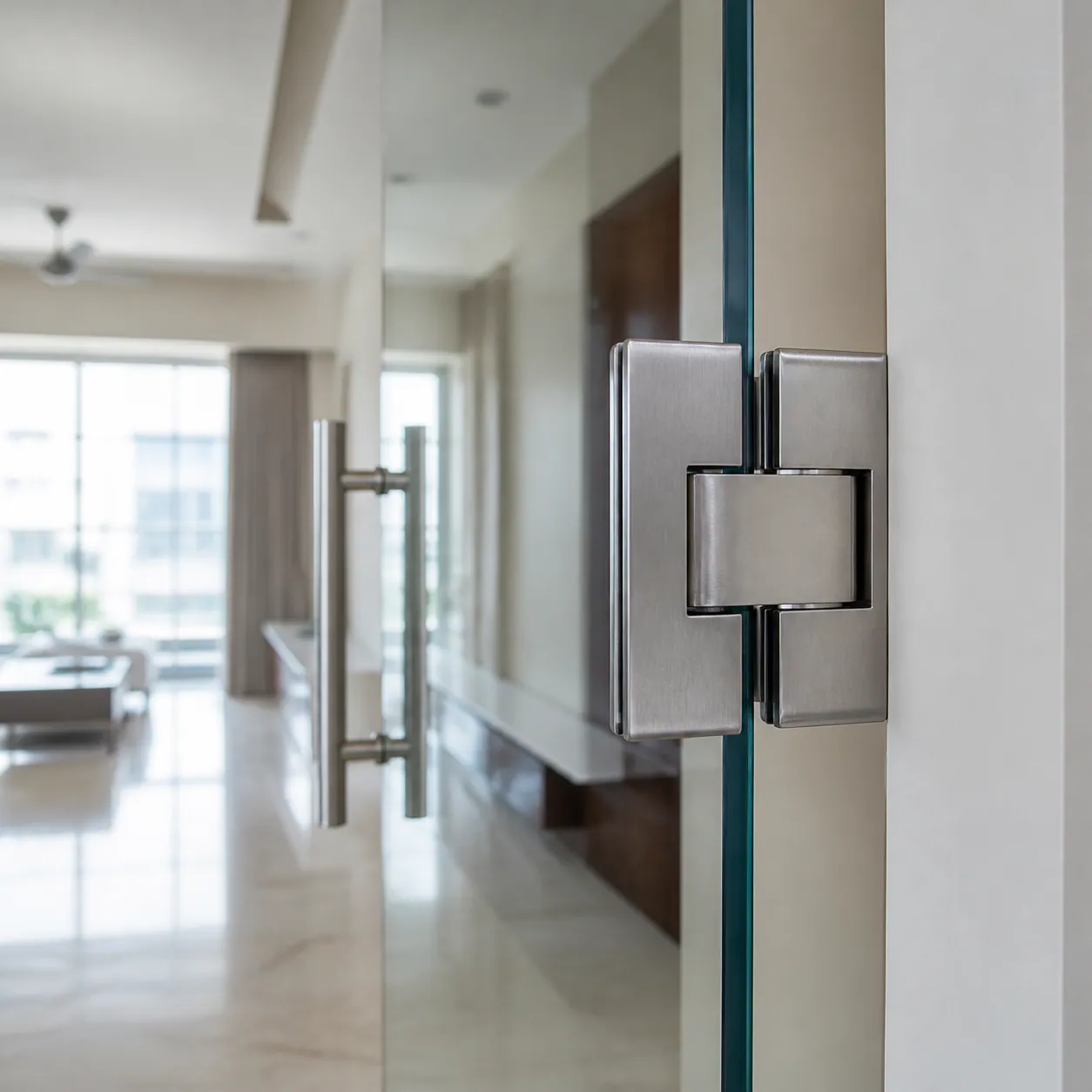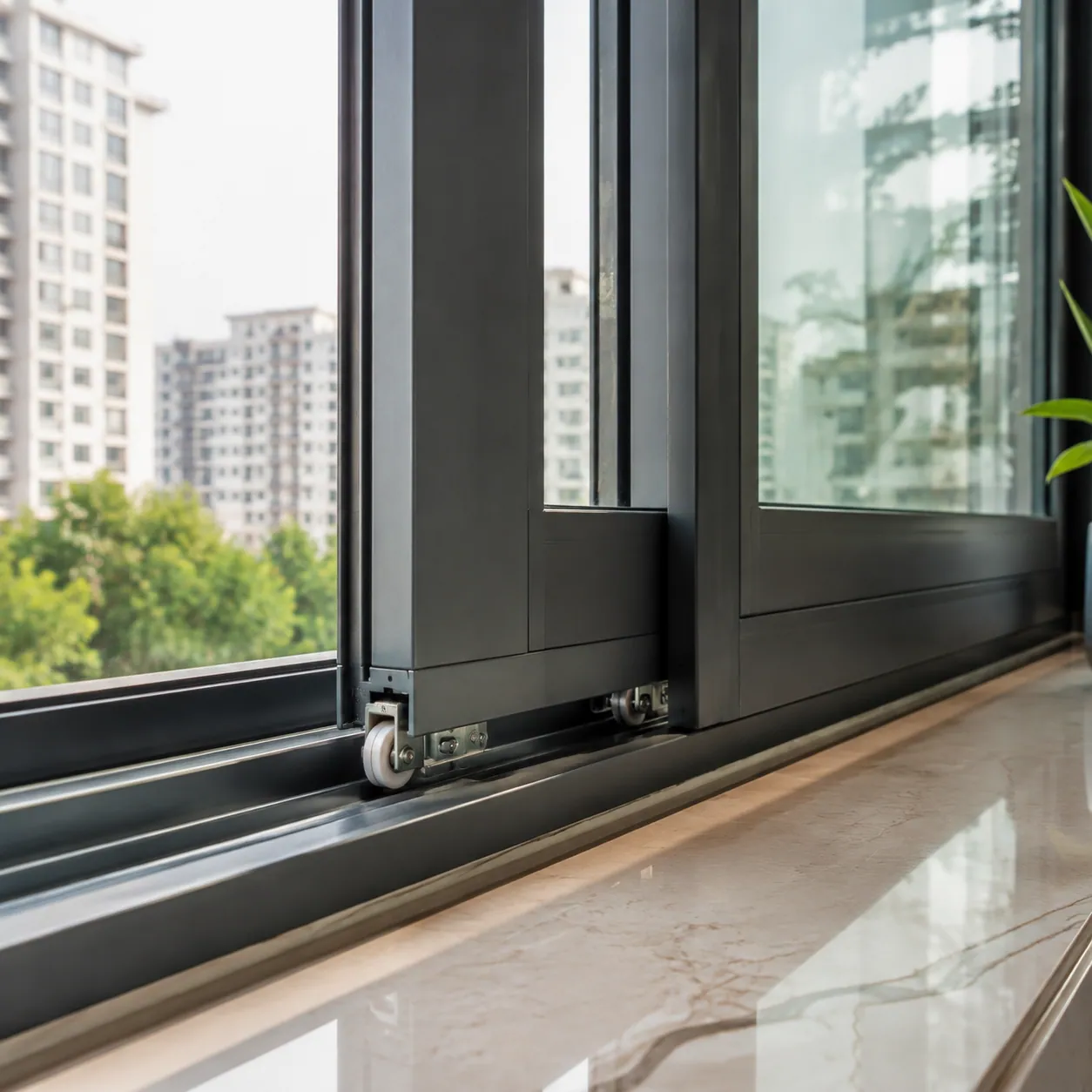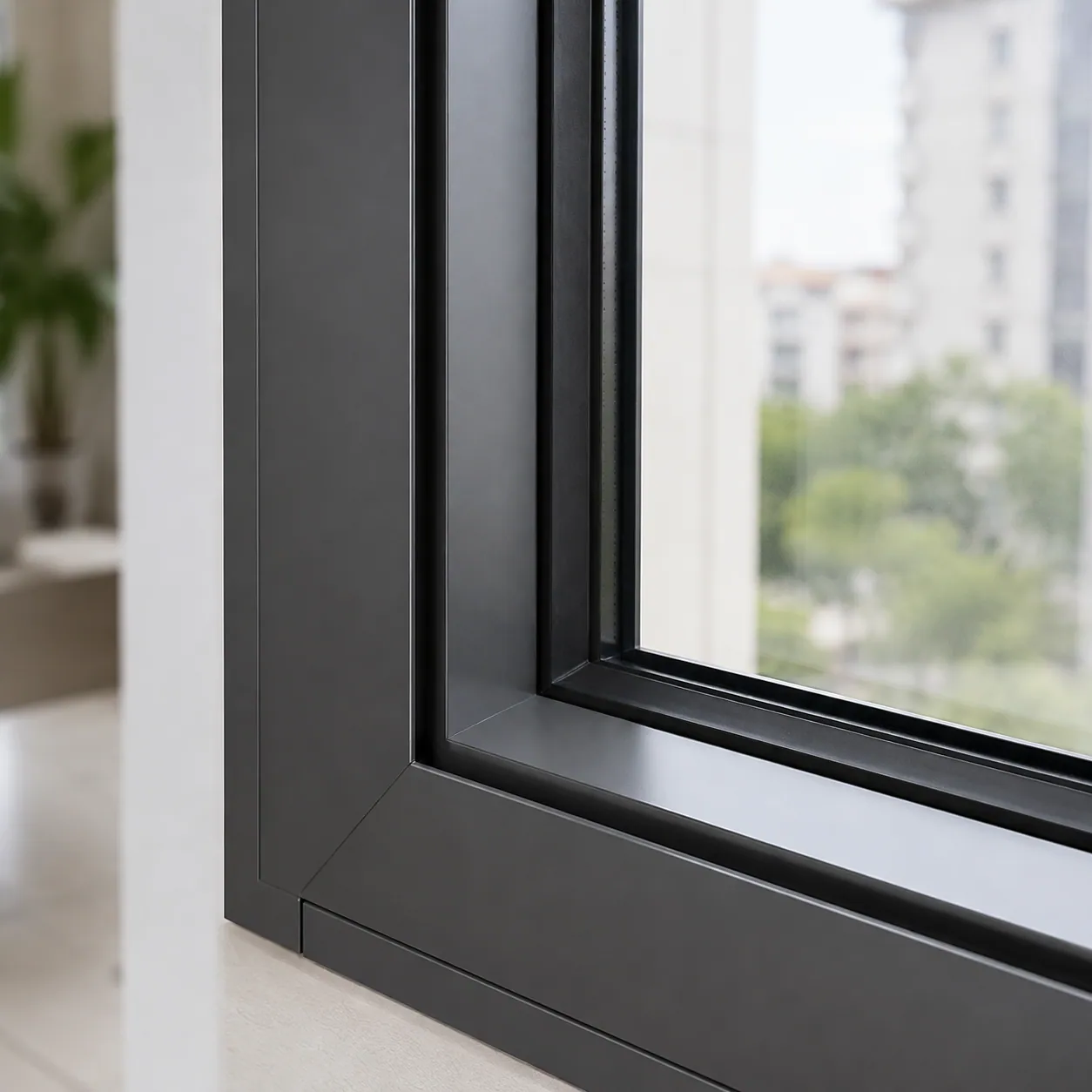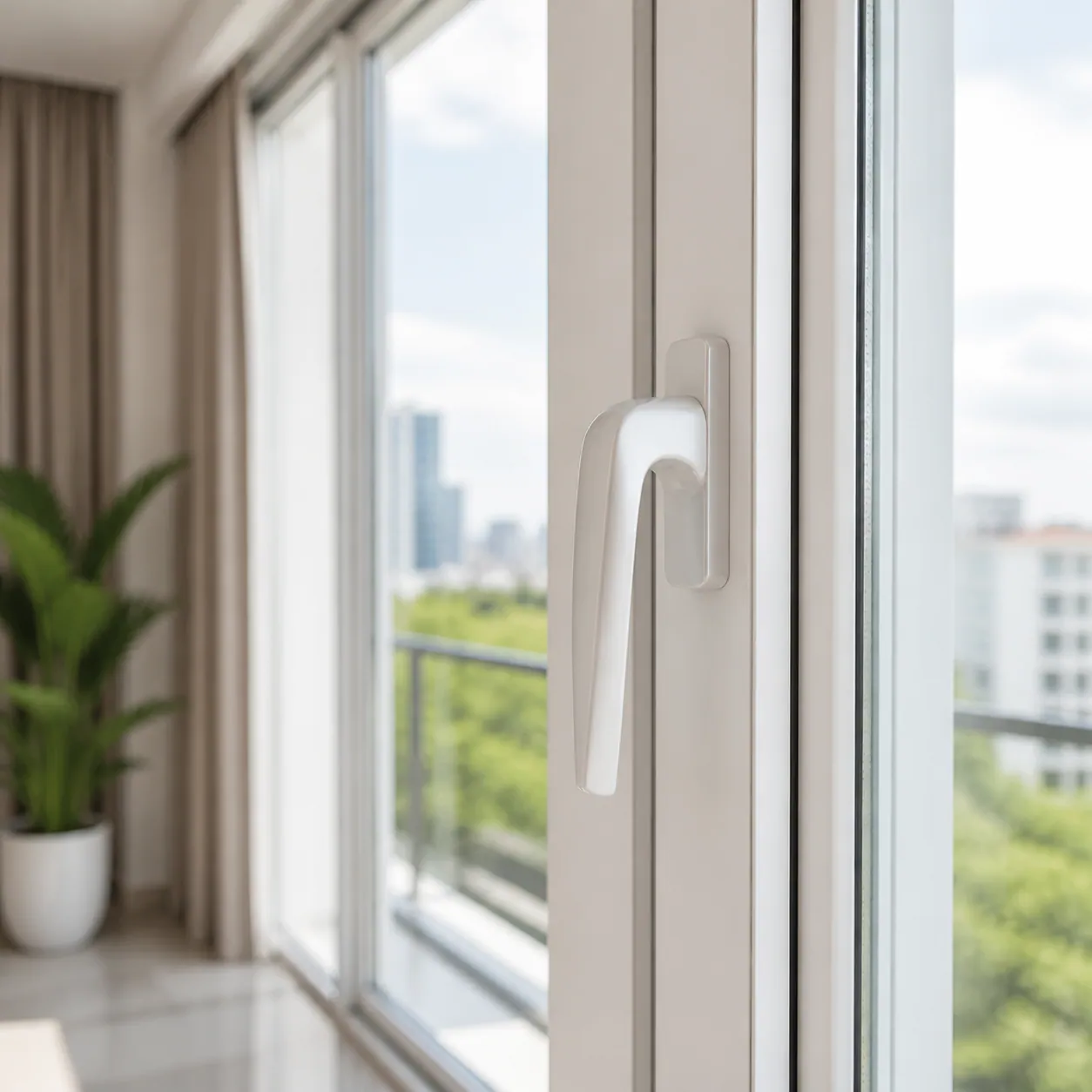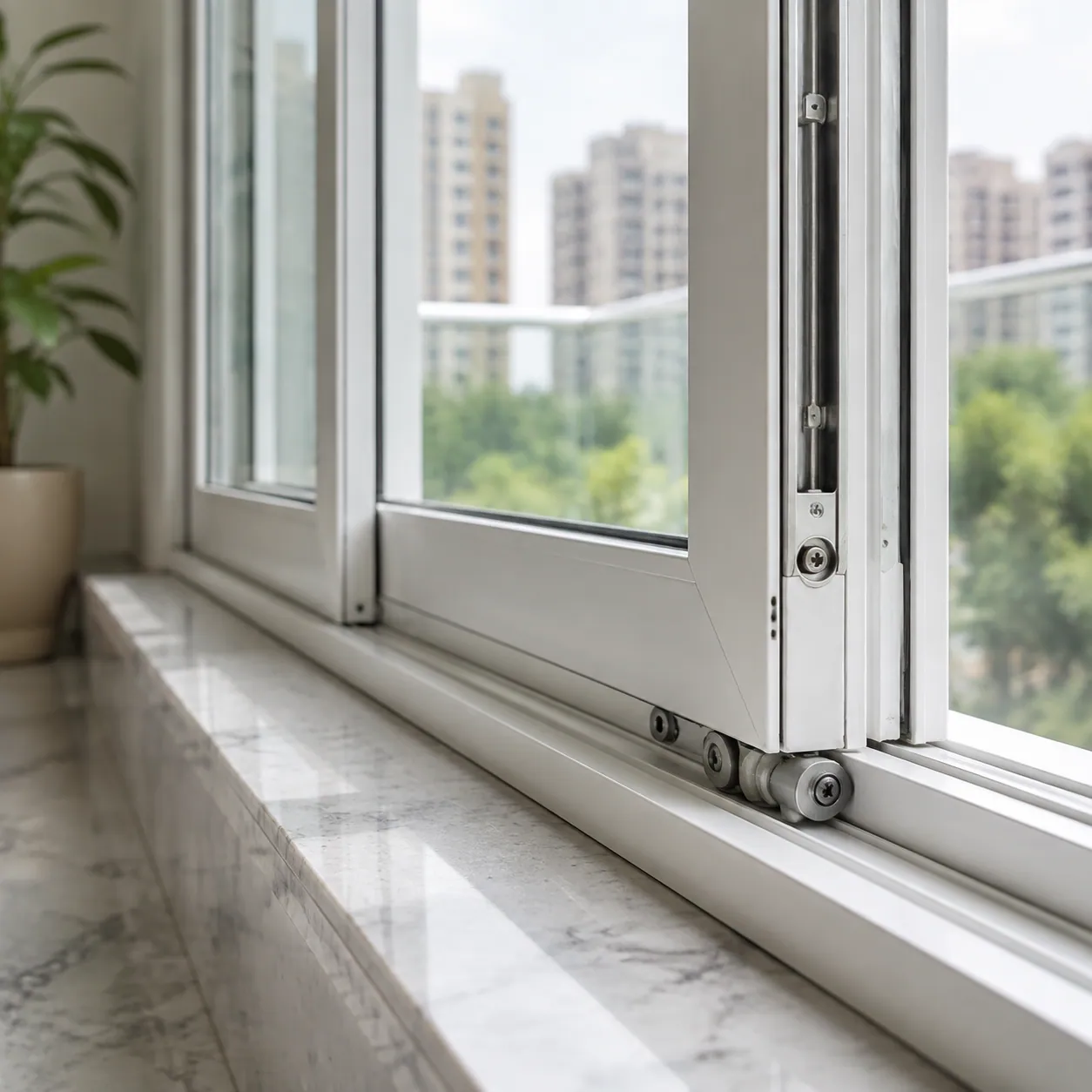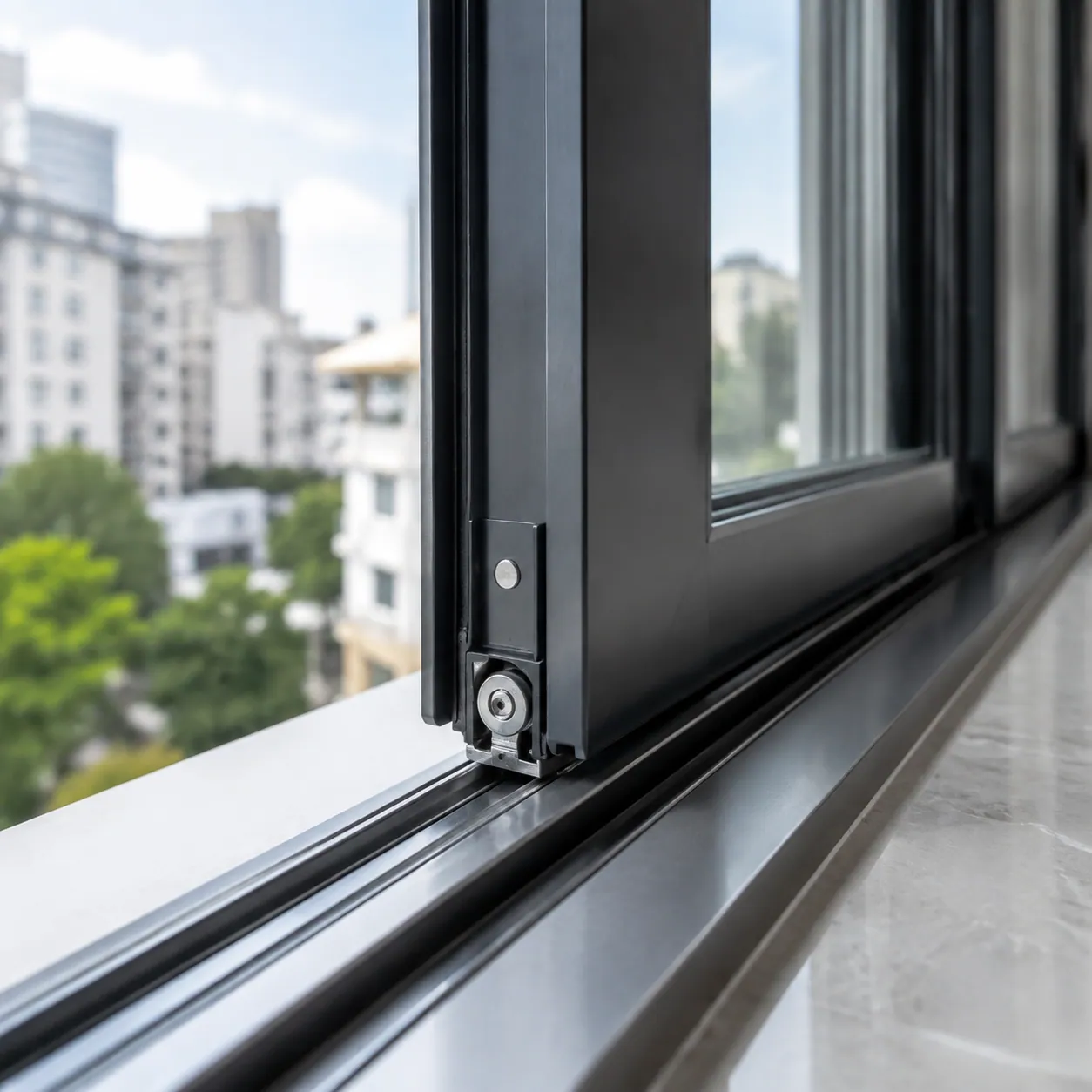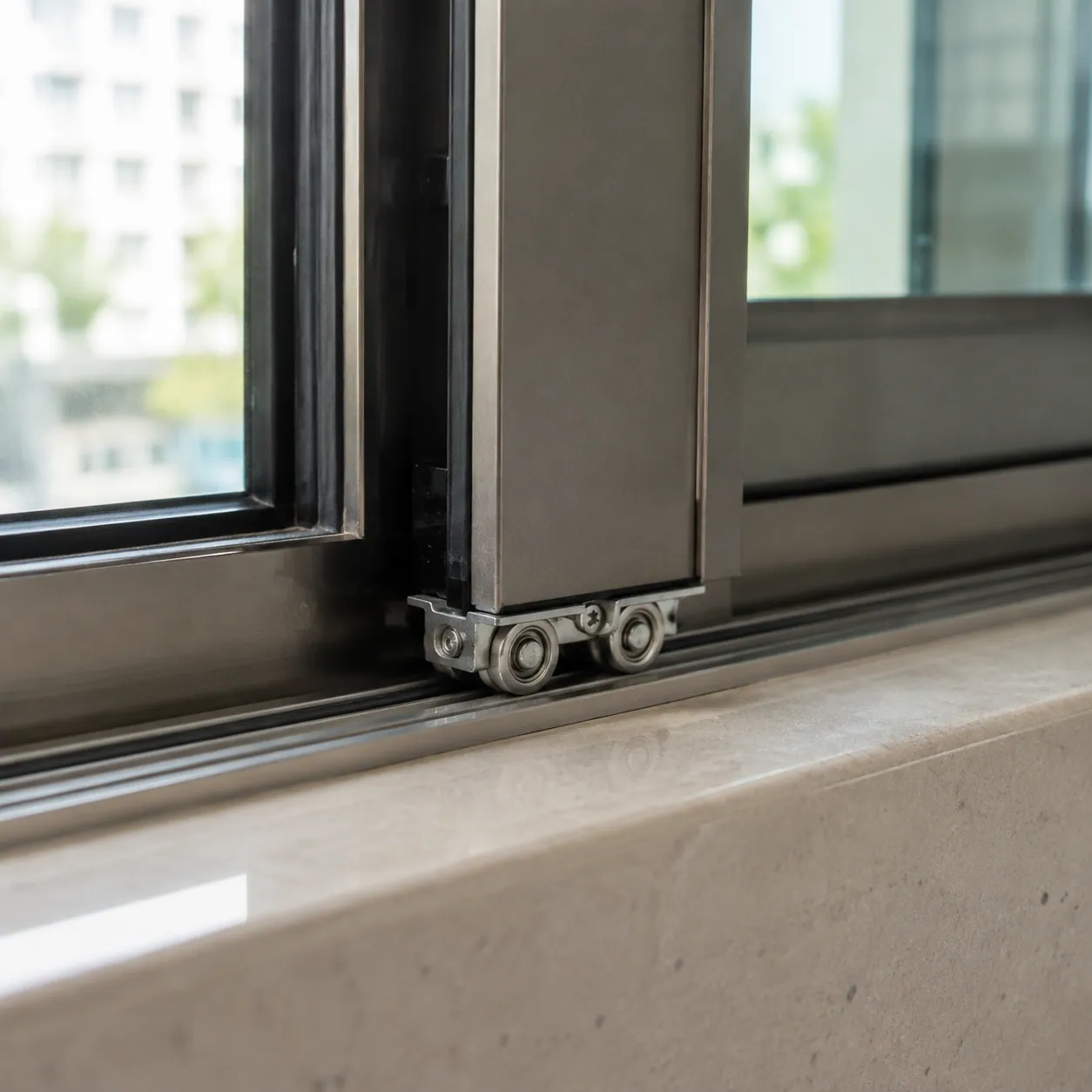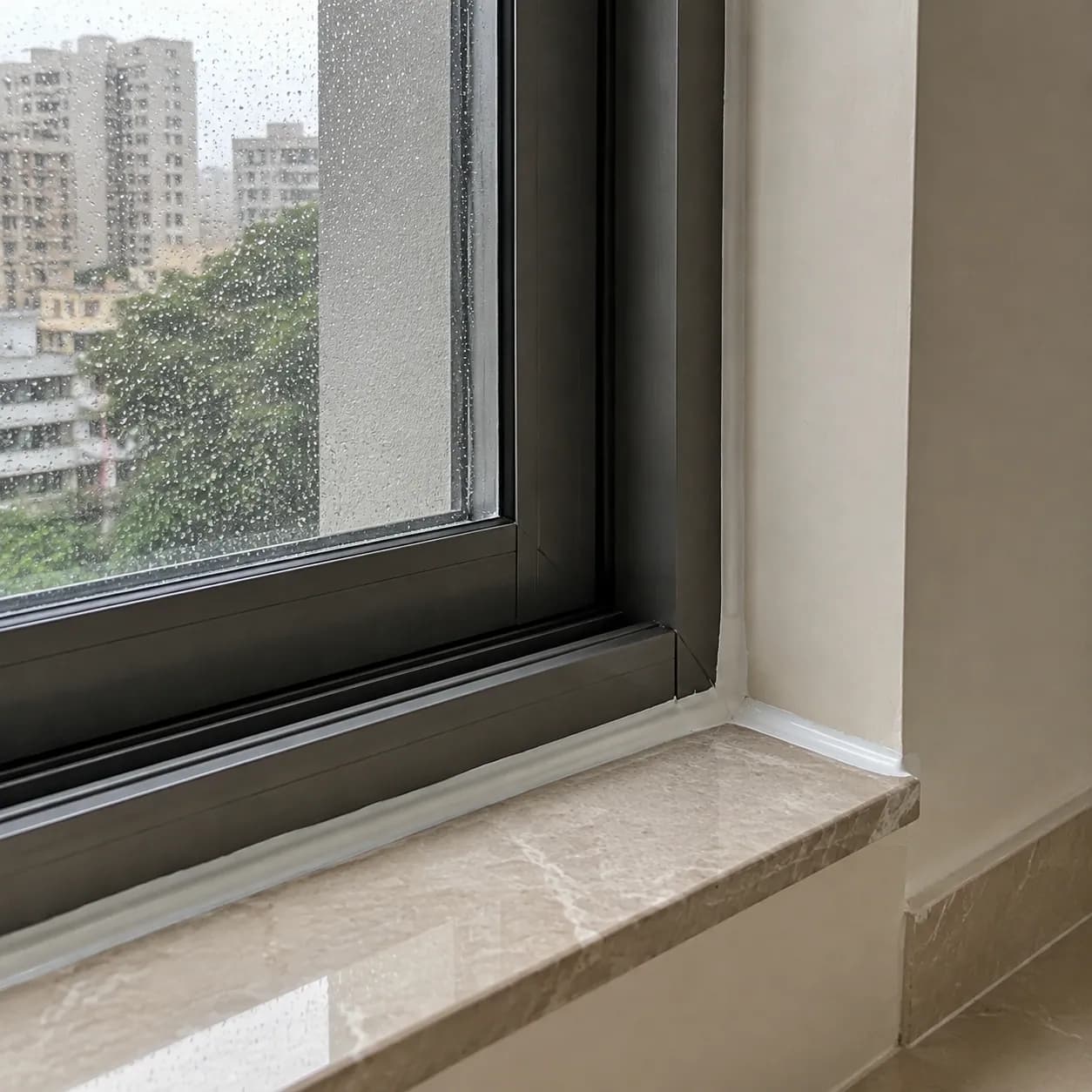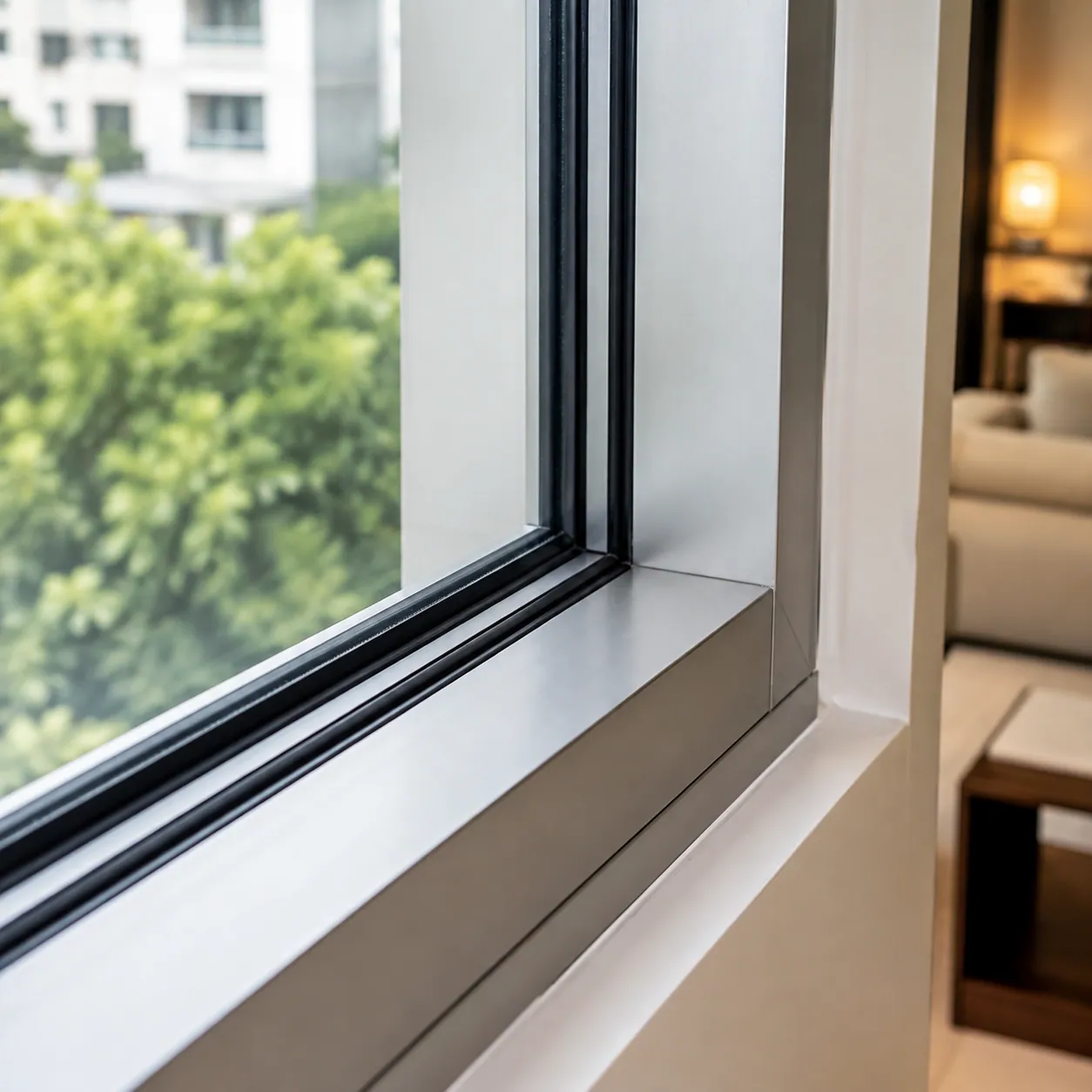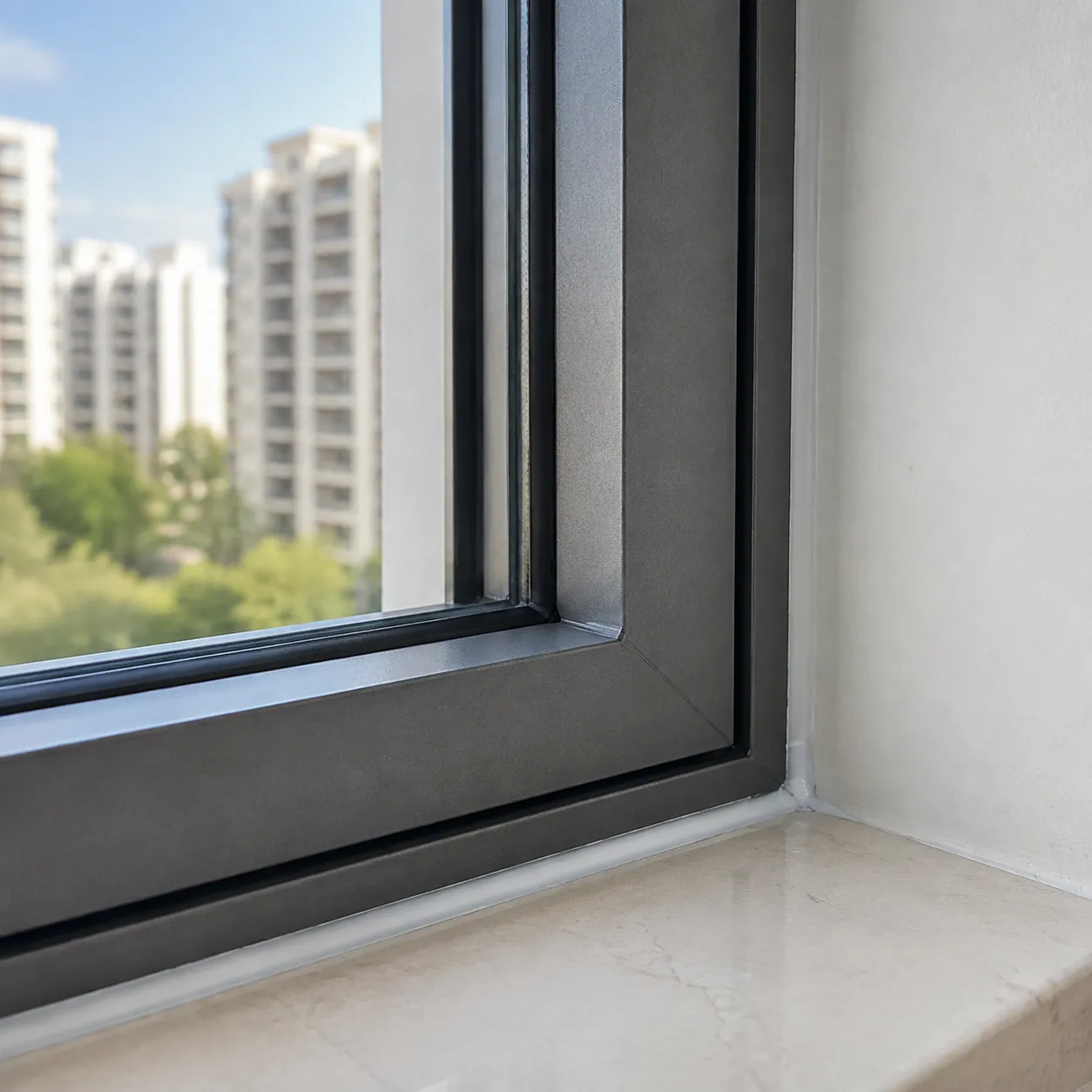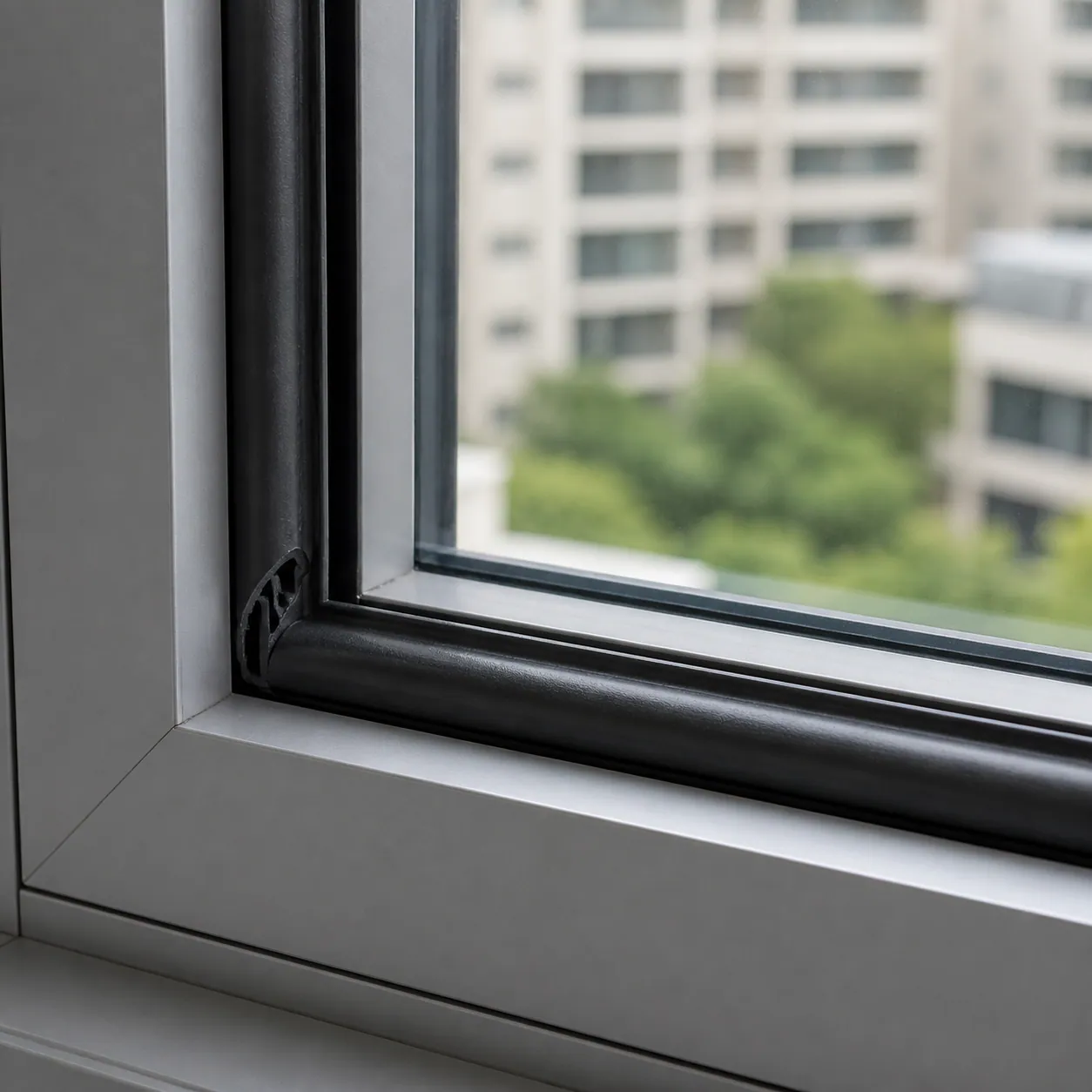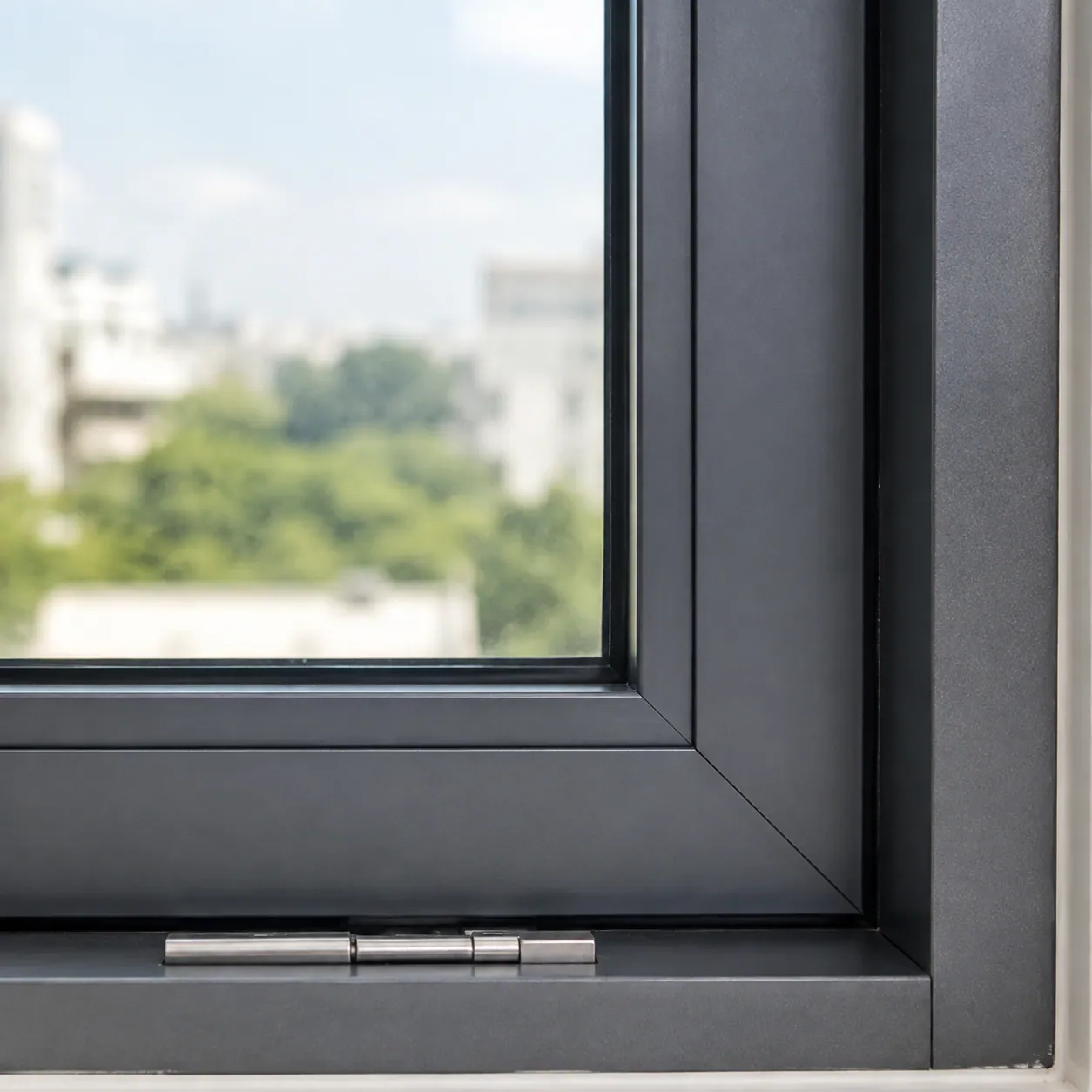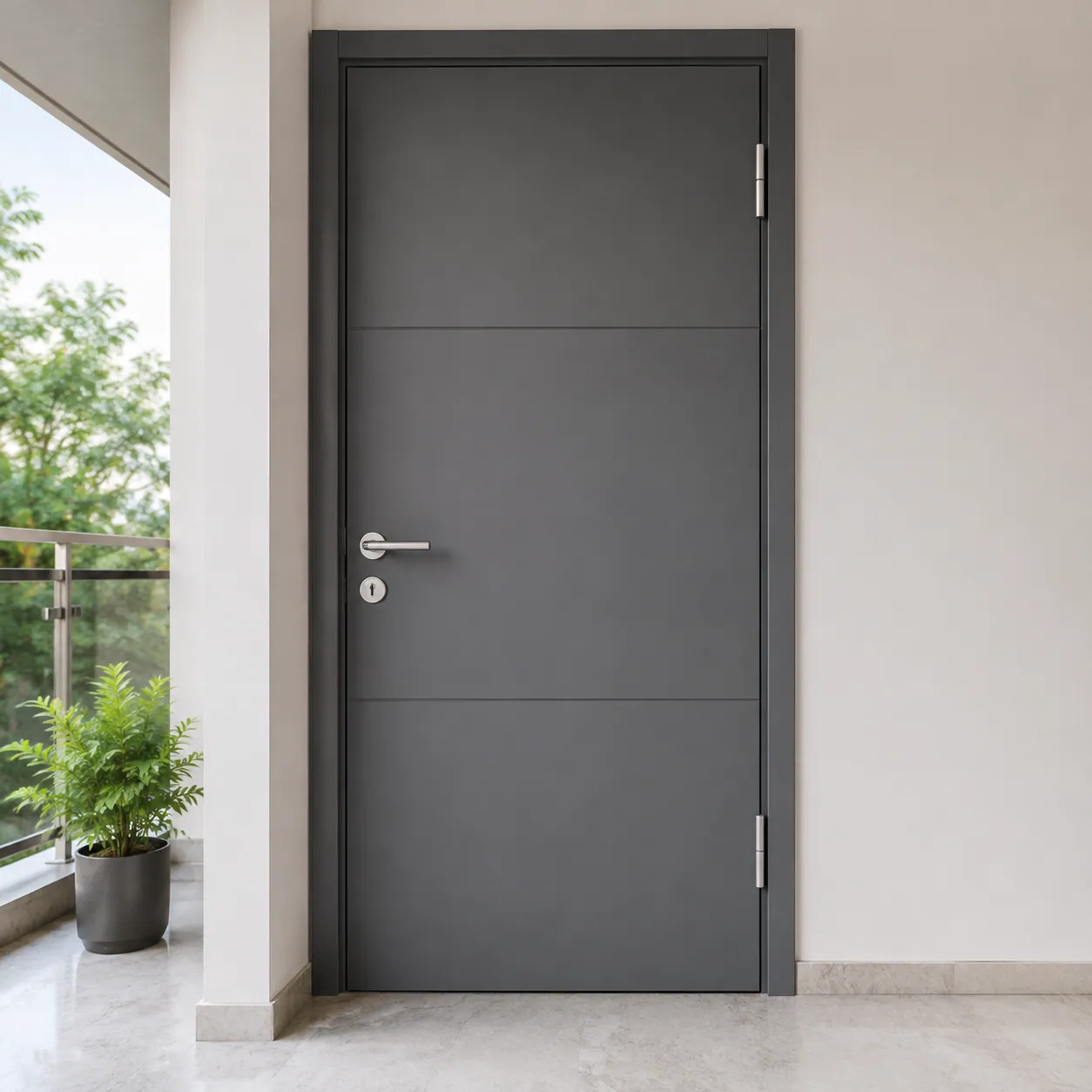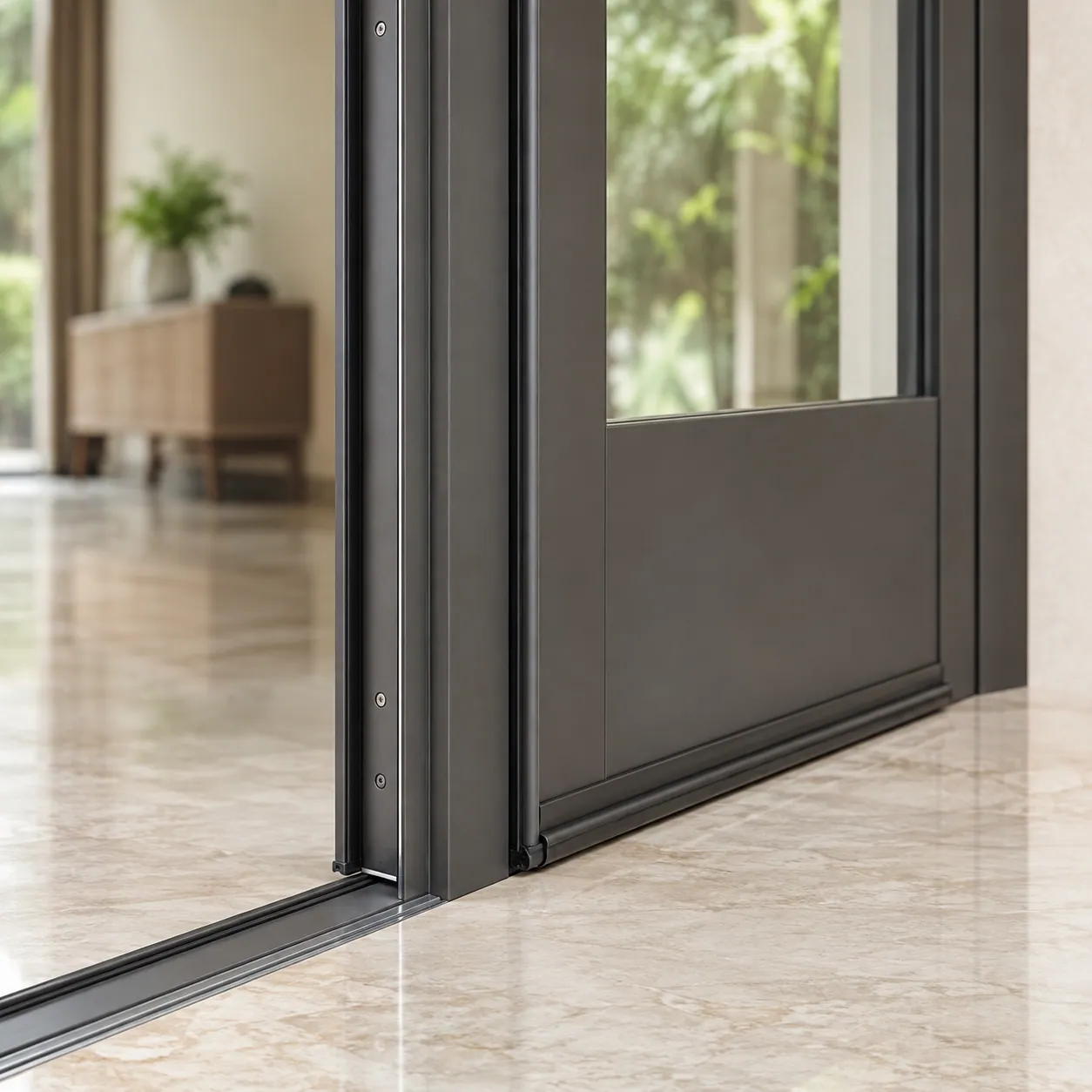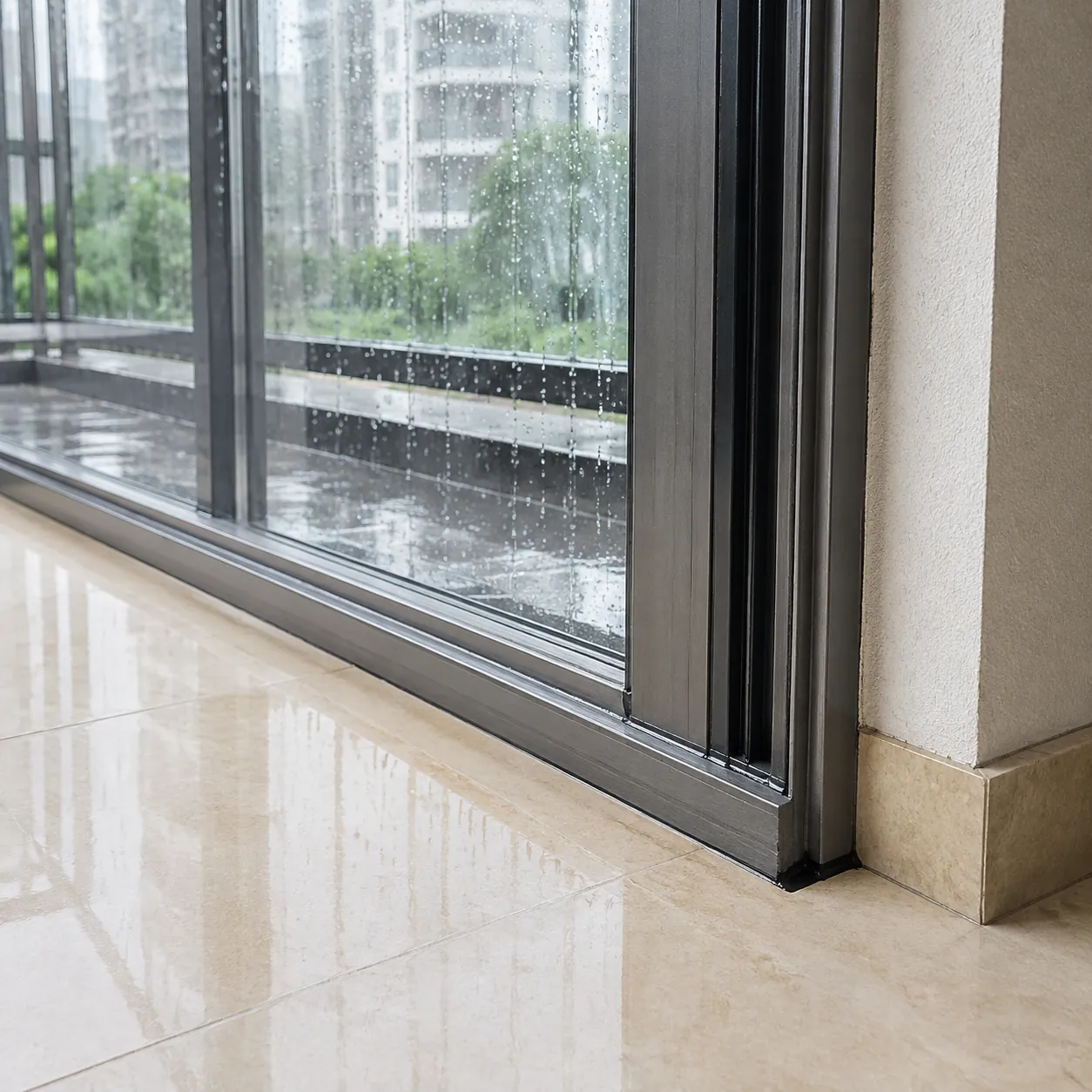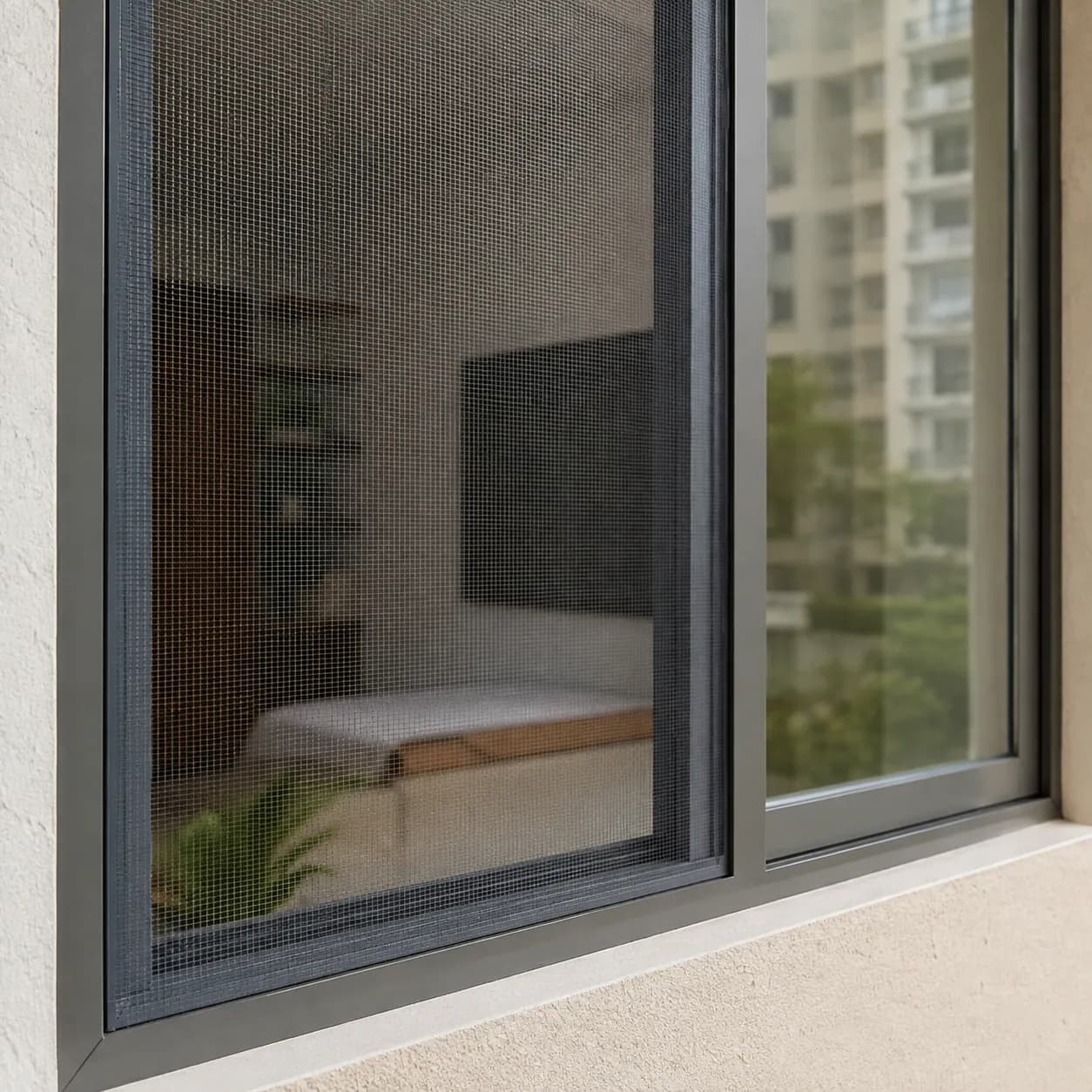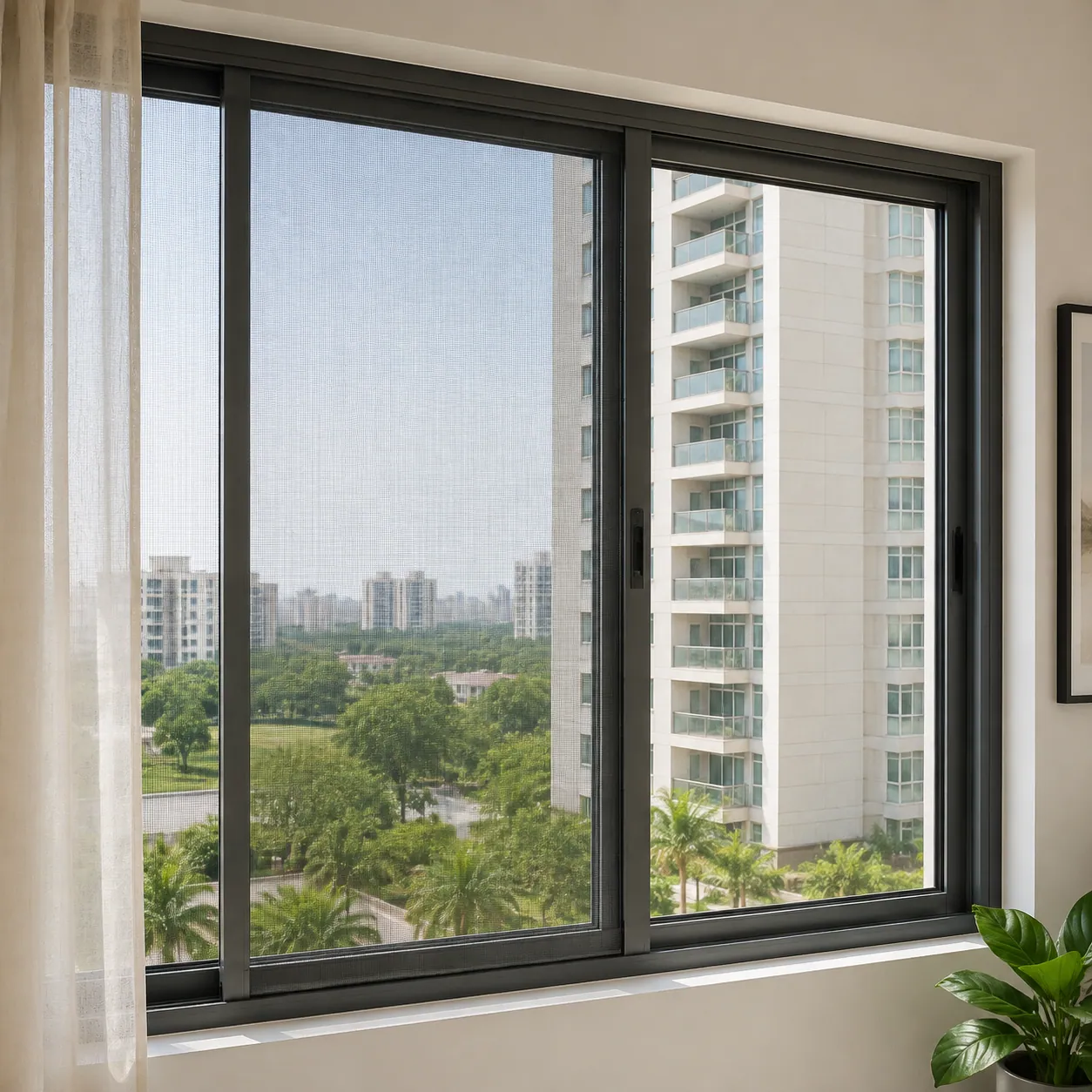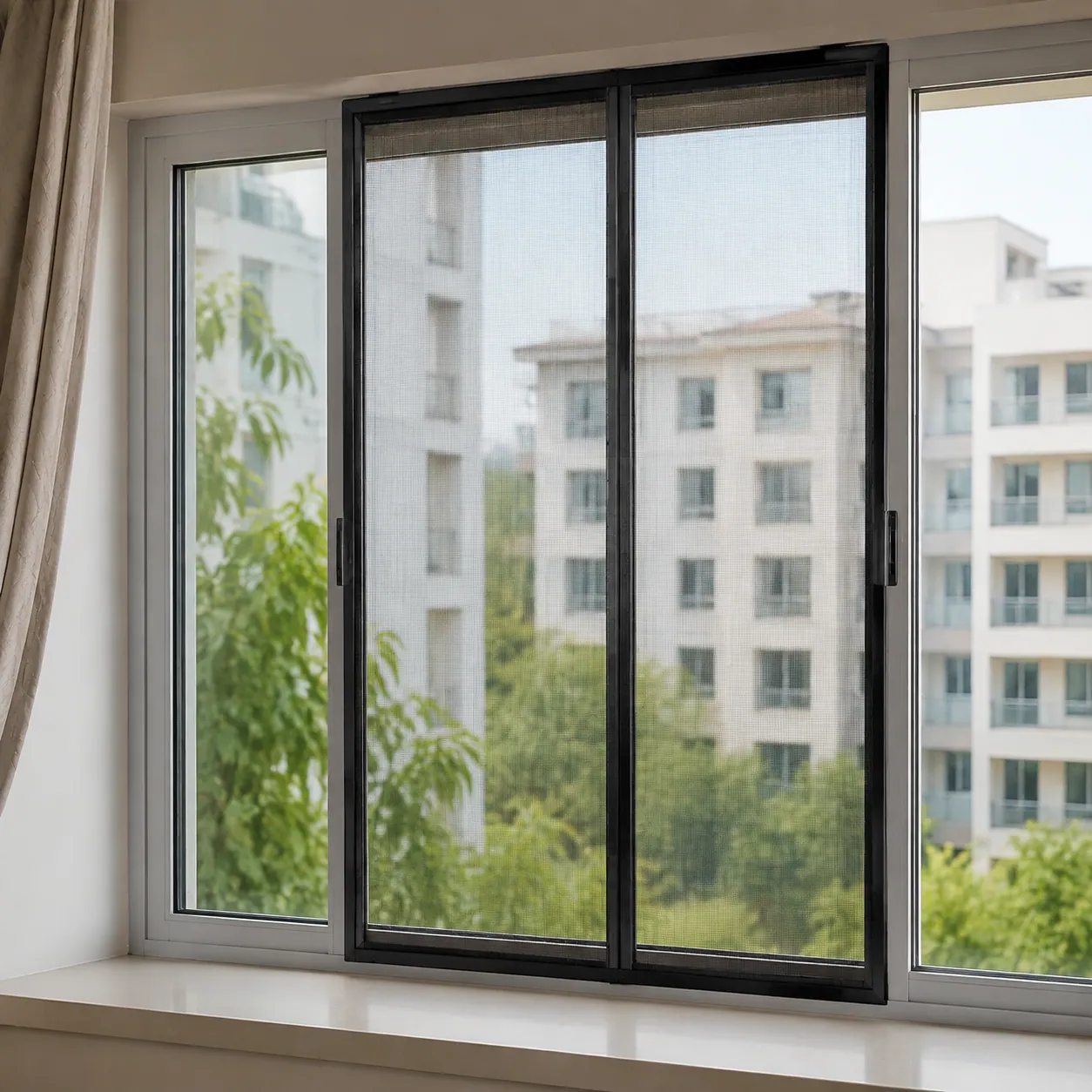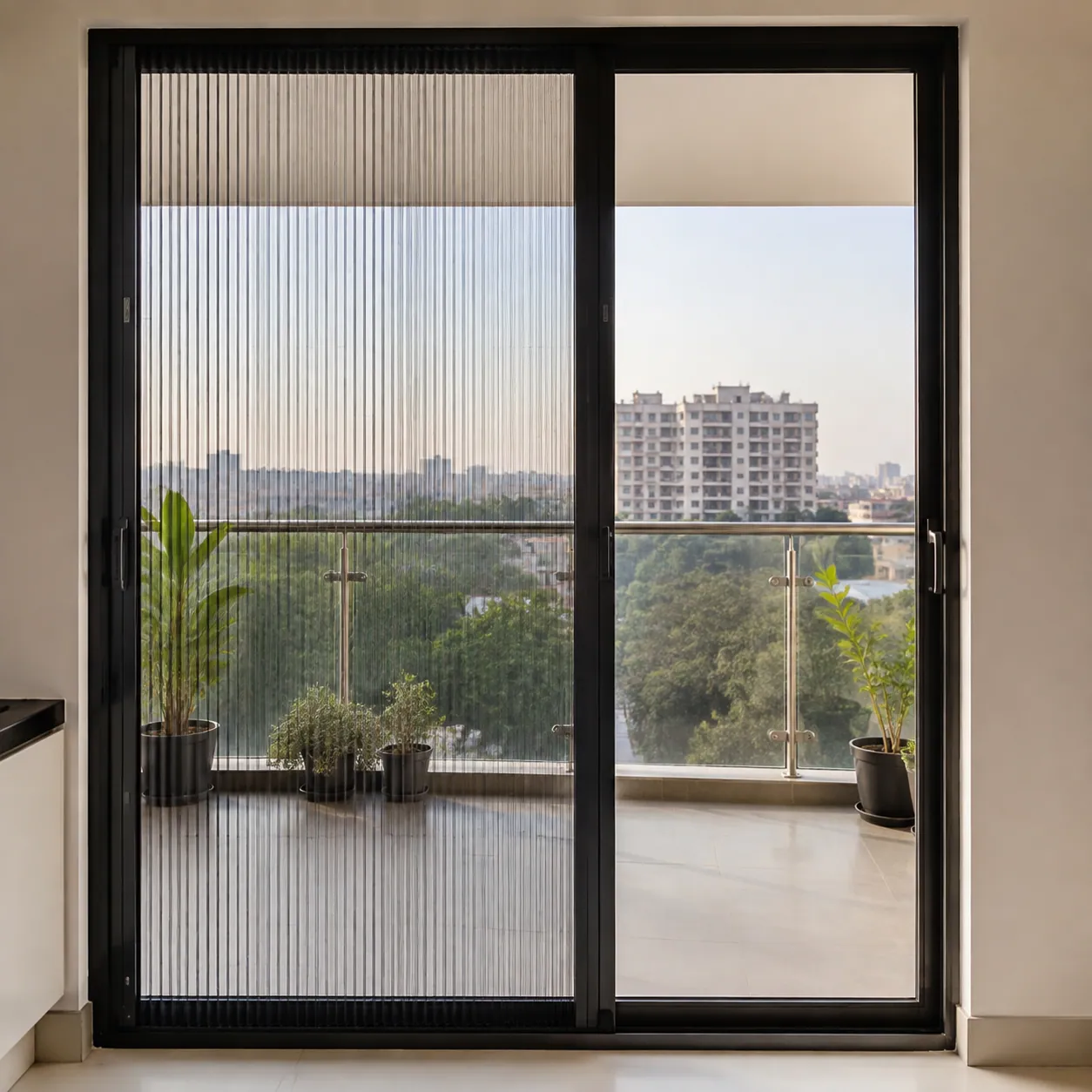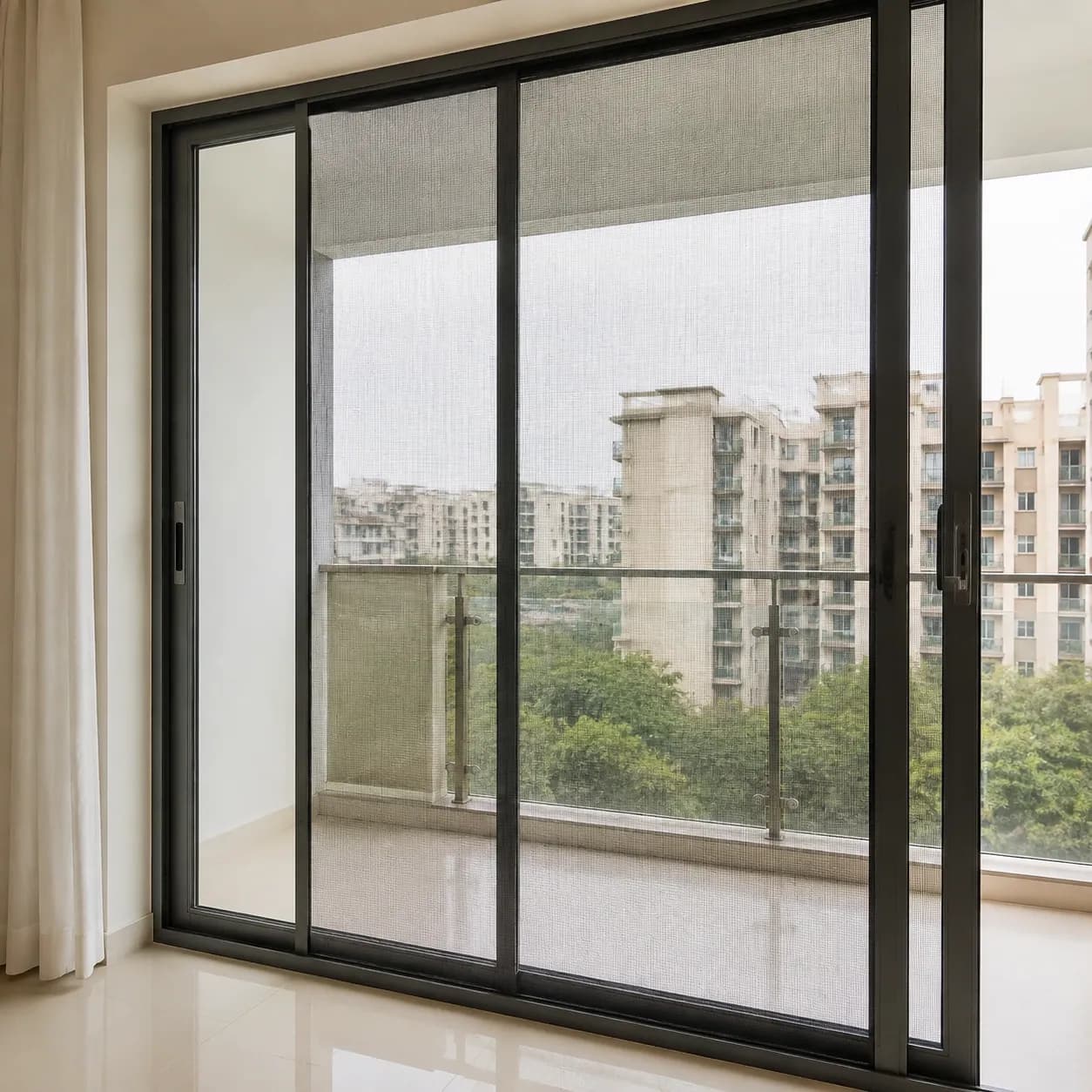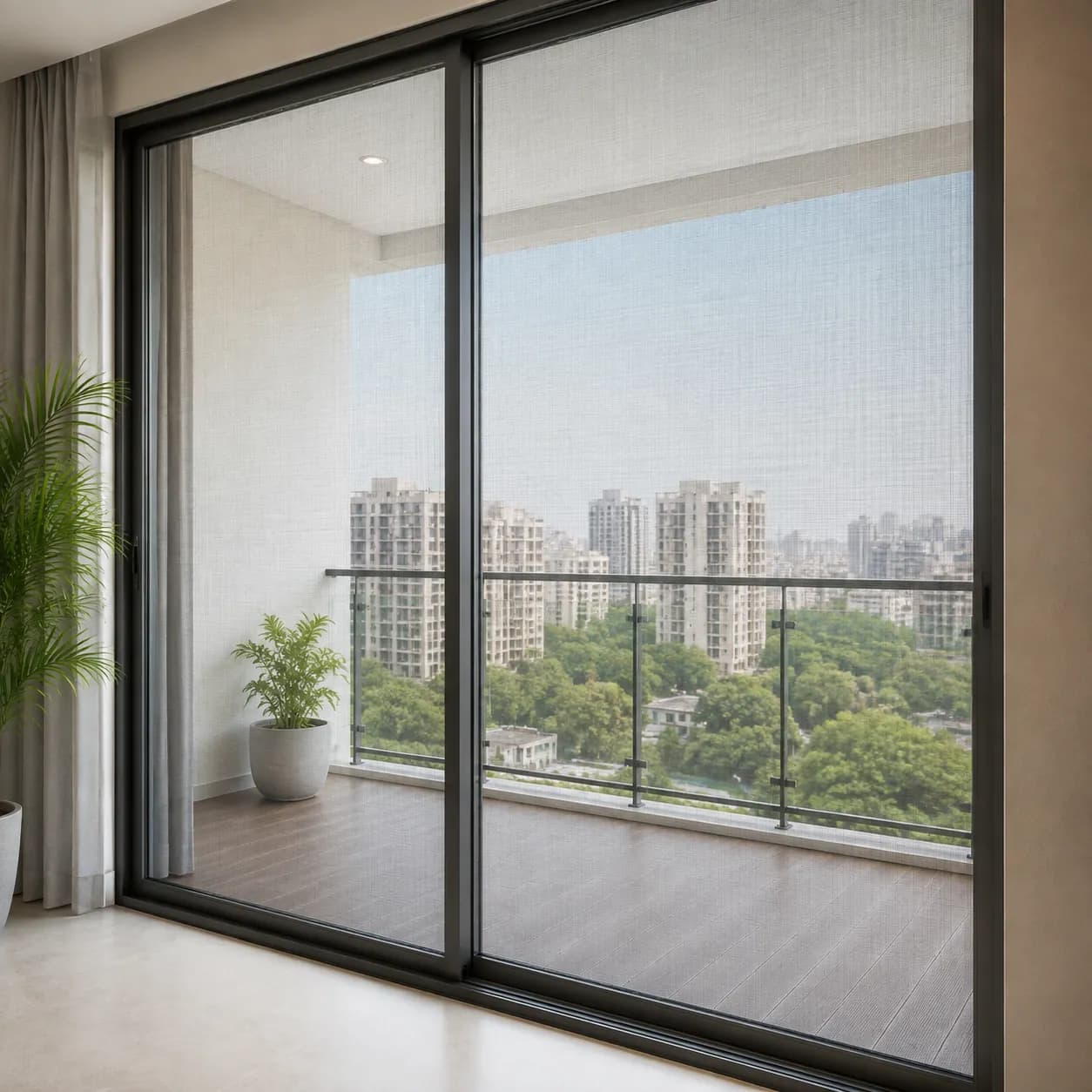
The windows in these buildings are mostly original and many are now genuinely beyond repair rather than merely worn. So this is one of the areas where replacement really is the right answer more often than not, and the useful conversation is about what to put in and in what order.
Which windows to replace first
Replacing every window at once is a large cost and it does not have to happen at once.
The ones that matter are those facing weather and noise, and those are usually a minority of the house.
So we list them in priority order and you can do two or three a year. The one thing to settle at the start is the specification, so the last ones match the first — that costs nothing to decide now and cannot be corrected later.
Choosing between uPVC and aluminium per opening
Both are good and they suit different openings, so the honest answer varies within one house.
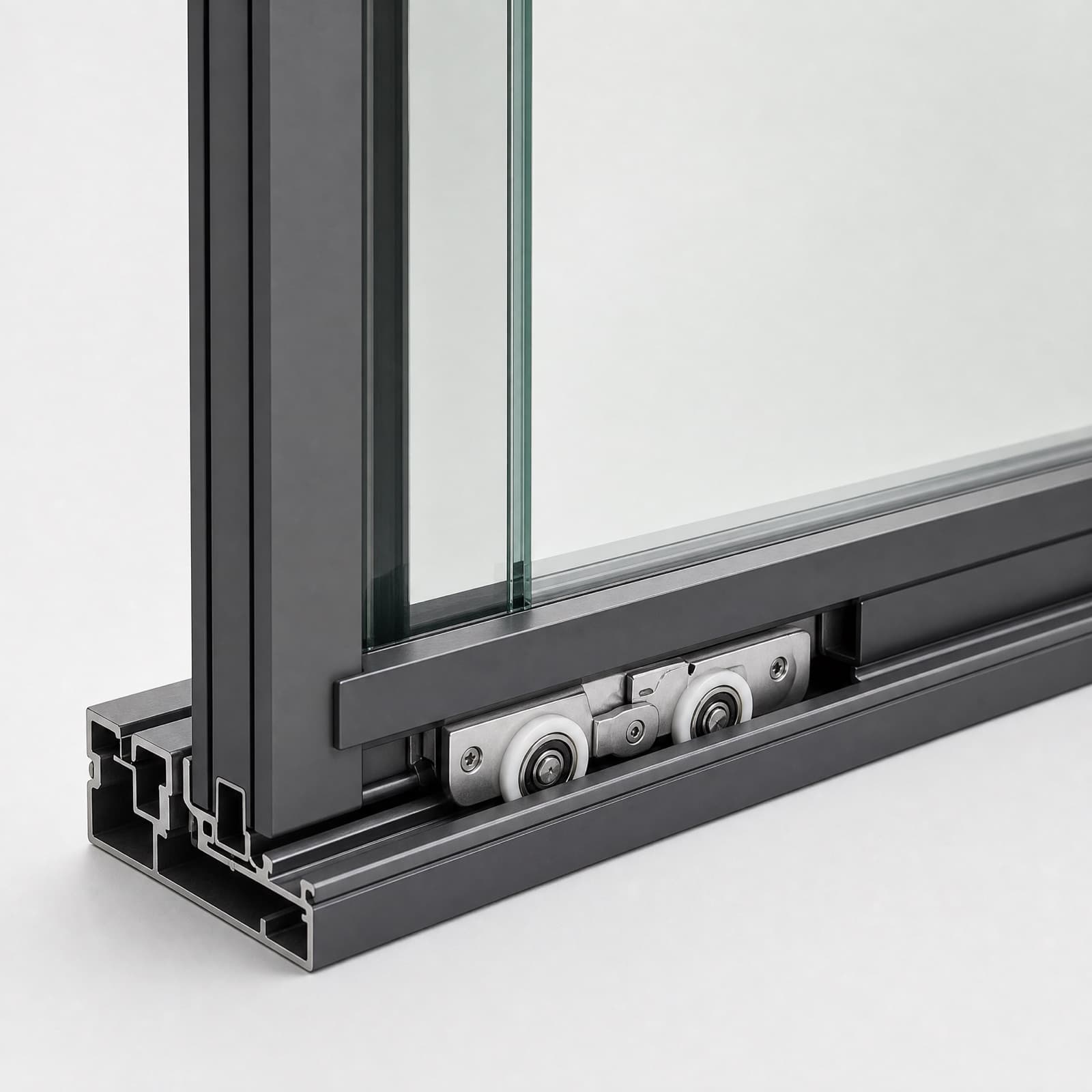
uPVC seals and insulates better, and its frames are thicker, which eats into the glass area on a small window.
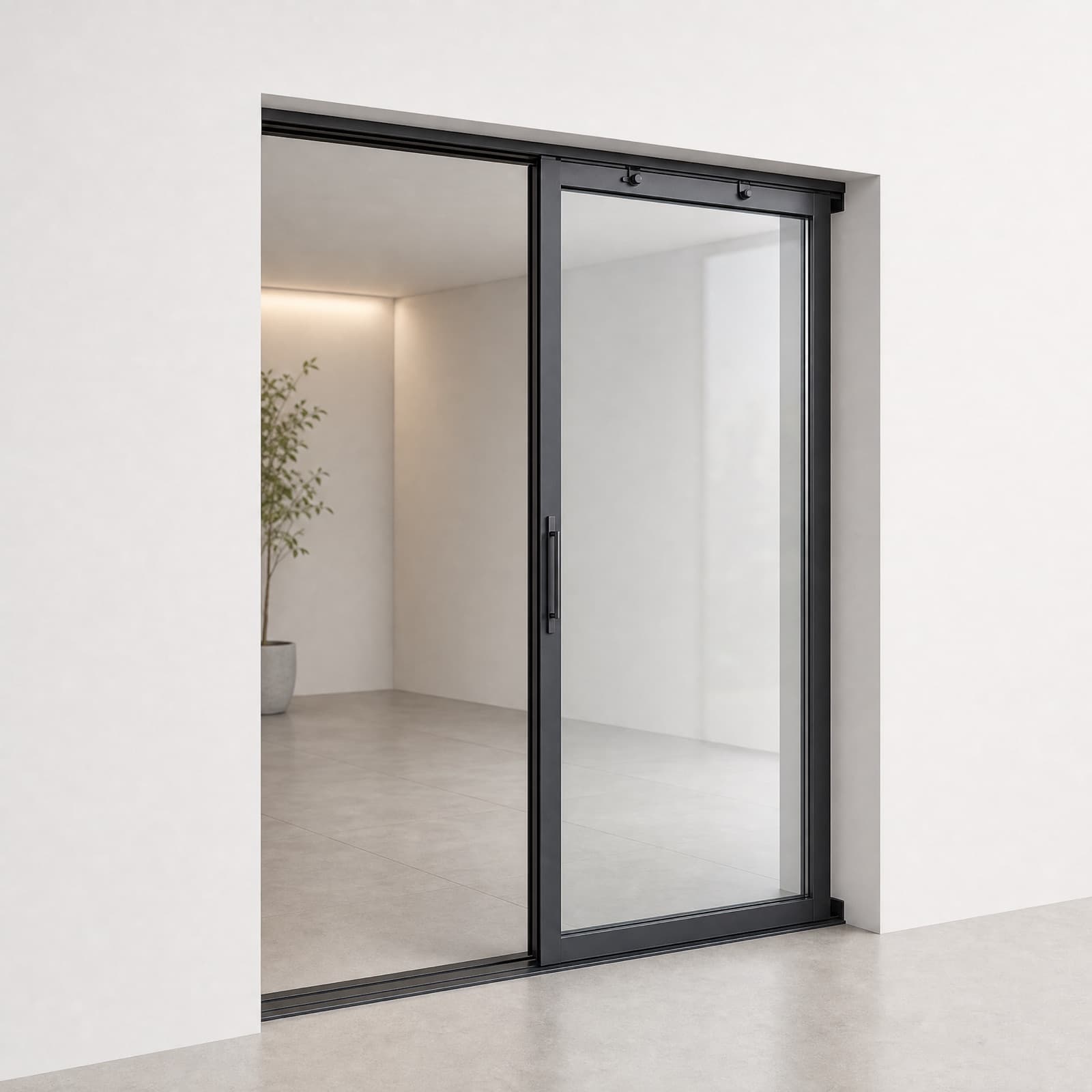
Aluminium has slimmer sections, so a small opening keeps more light, and it handles a large span better. We would suggest uPVC on the noisy or weather-facing sides and aluminium where the opening is small, rather than quoting one material throughout.
What replacing a window disturbs
Taking an old window out affects the plaster and paint around the opening, and that is the part people are not warned about.
Cutting the old frame out rather than levering it keeps the damage to a narrow band around the frame, which is easily made good.
It is slower and it is the difference between touching up around a window and replastering a wall. We include making good in the quote rather than leaving it as somebody else's problem.
Survey every elevation before choosing the first phase
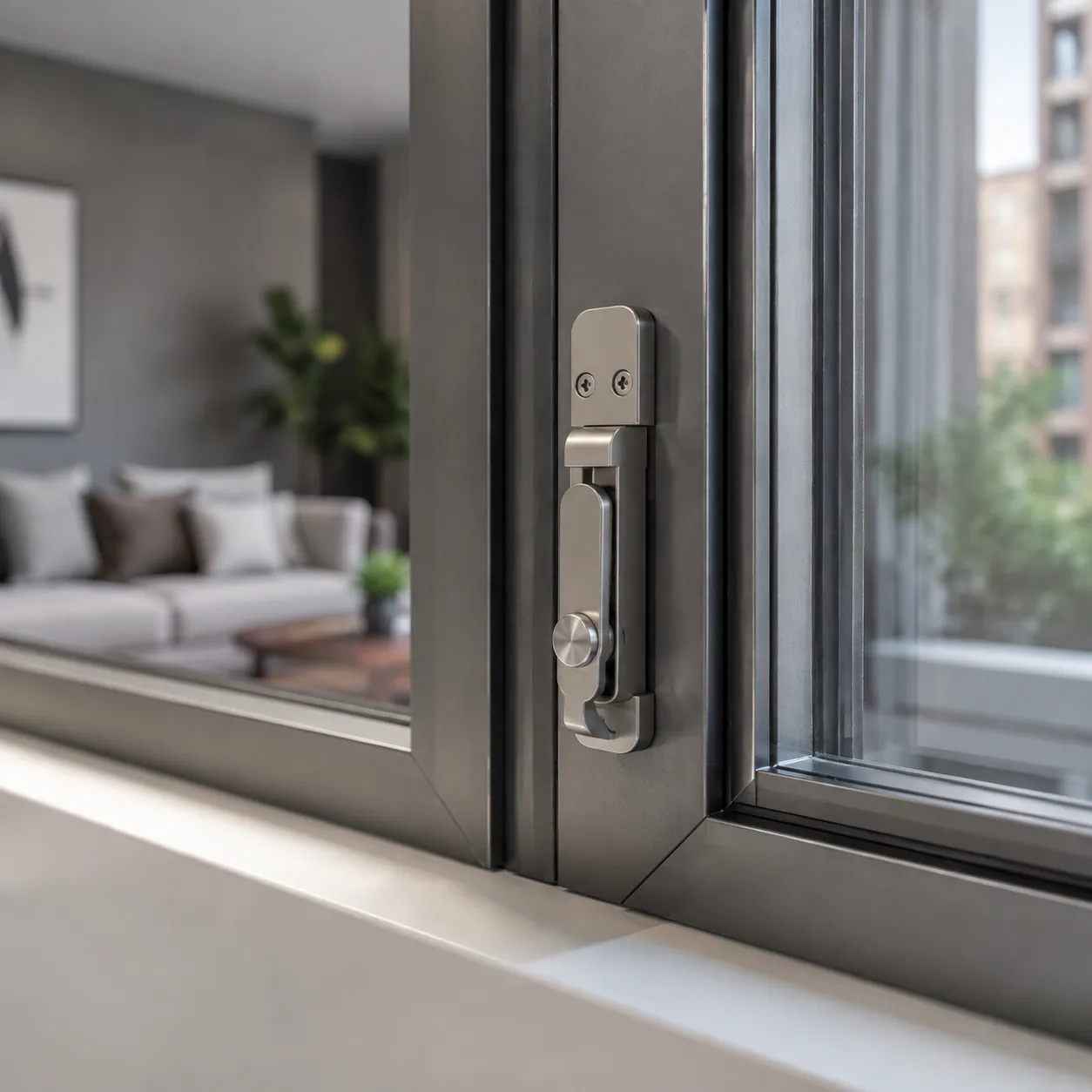
Label each opening by room and direction, then test it individually. Record air gaps, water marks, loose corners, failed locks and damaged glass. A noisy window may only need a seal. A distorted frame may need complete replacement.
The survey separates urgent safety work from comfort improvements. Bedrooms facing the loudest side can lead the first phase. Bathrooms with sound frames may only need hardware. Windows sheltered from weather can wait. This produces an order based on condition and use, rather than replacing one visible side while a worse opening remains elsewhere.
Freeze one specification for a replacement done in stages
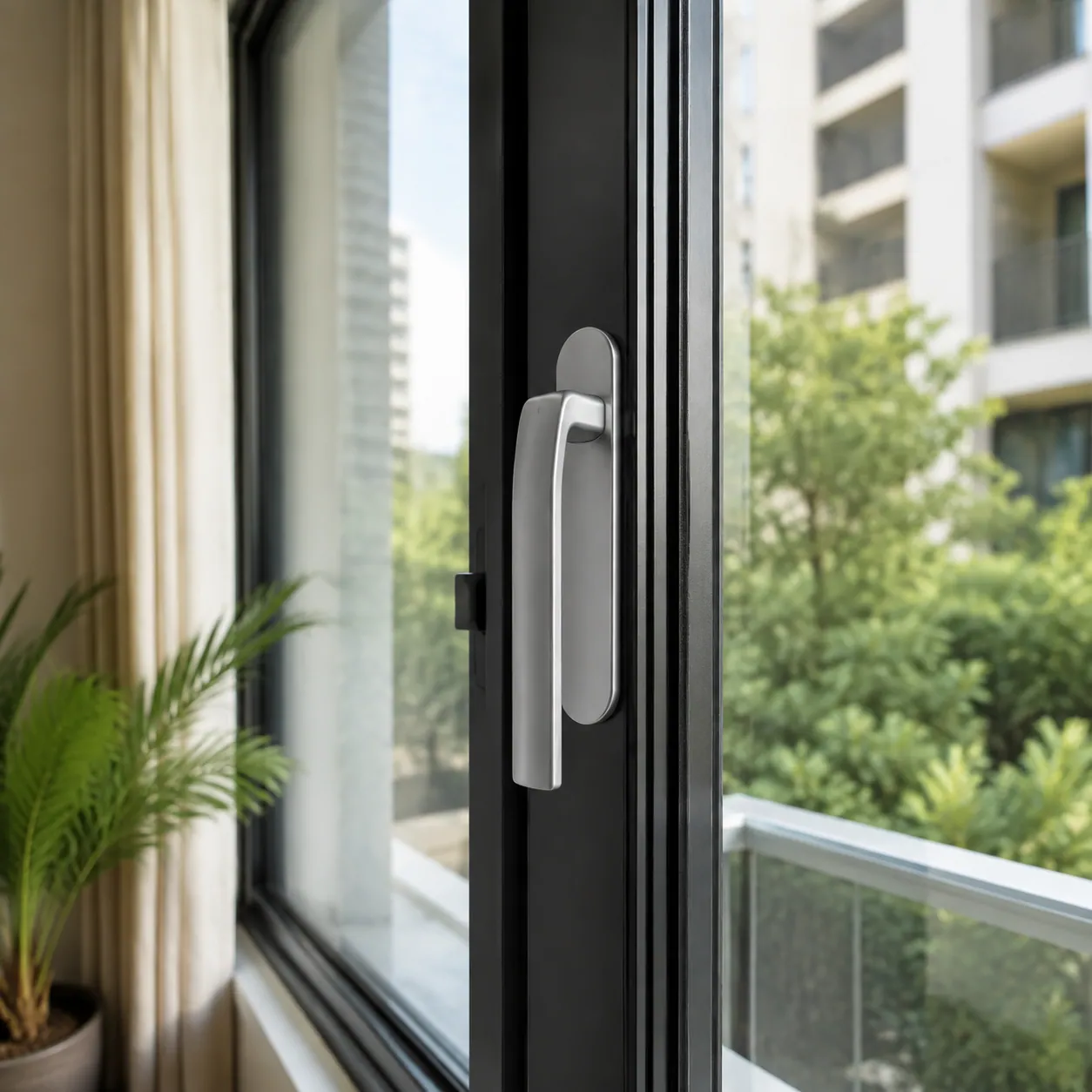
A staged project needs a schedule before its first frame is ordered. We record the system, profile colour, glass build-up, mesh detail, handle finish and opening direction for every type. The next phase follows that schedule even if it starts a year later.
Without it, small choices drift between orders. Handles change shade, mullions move and two windows beside each other no longer align. The written schedule also lets another family member understand what was approved. If a product is discontinued, the difference can be discussed before ordering instead of appearing after installation.
Plan the making-good work room by room
Window replacement is easier when the repair around it is planned simultaneously. We mark the expected plaster strip, existing paint finish and any sill damage during the survey. Curtains, furniture and air-conditioner lines are noted before removal.
The installer can then protect the room and cut the old frame in controlled sections. After fixing and sealing, the disturbed edge is filled and left ready for matching paint. If exact paint is unavailable, the owner knows before work begins. This is especially useful across several phases, because each room can be finished before the next one starts.
How the job works
- Tell us about the jobSend a few photos, rough sizes and what you need. Use WhatsApp or the form. For a repair, a short video of the door moving helps a lot.
- We call you back in about 2 minutesWe confirm what you need and a time to visit. Where we can, we give you a rough price on the call.
- We come and measureWe measure the opening and check the walls, floor and ceiling around it. Anything made to size is made to these measurements, so they must be right.
- You get a written priceIt lists each item, with GST as its own line. If anything about the job changes, we tell you before we go ahead.
- We fit itYou approve the price and pay the advance. Our own team fits the work, checks that every door and window opens and closes properly, and clears up. Most jobs are done in 3 to 4 days.