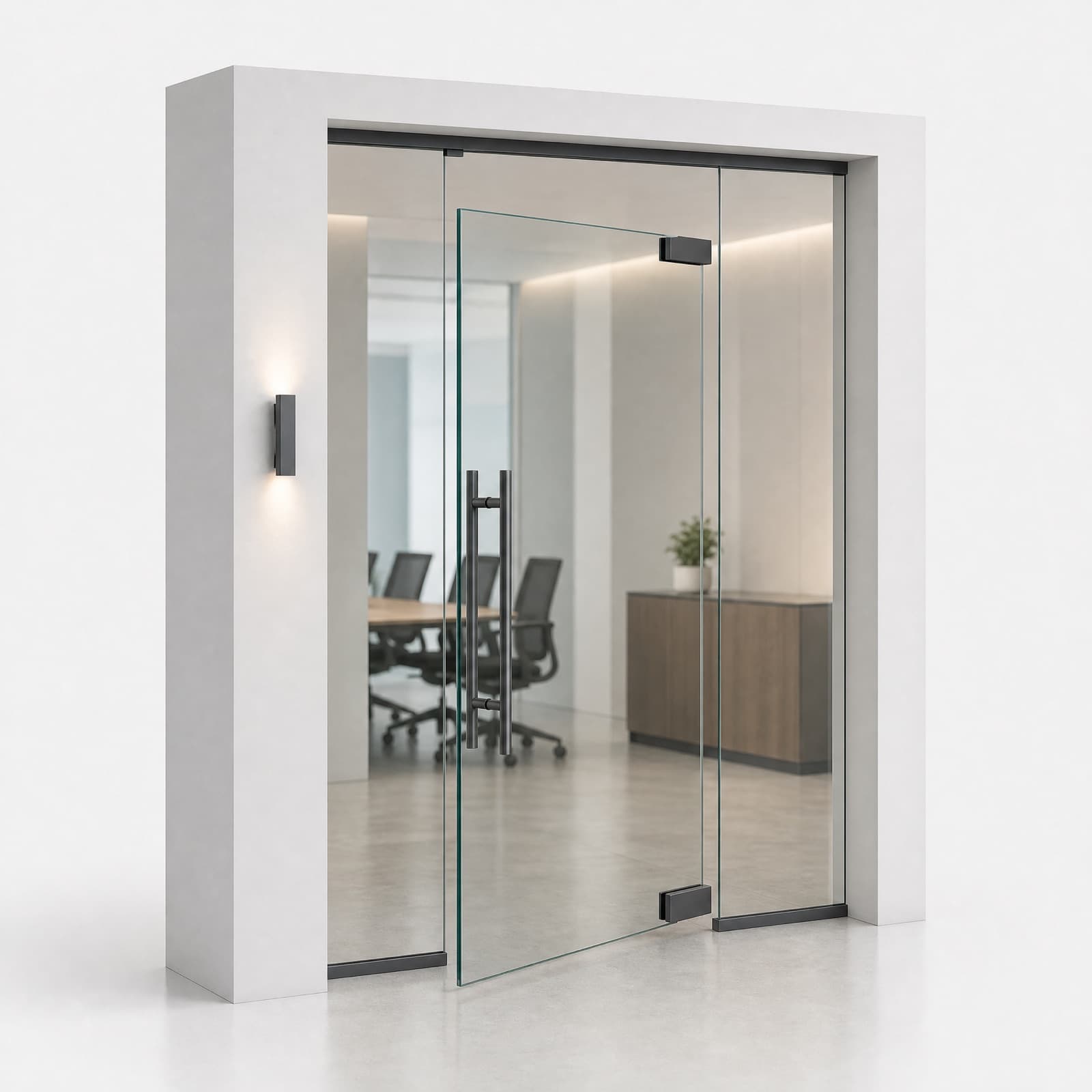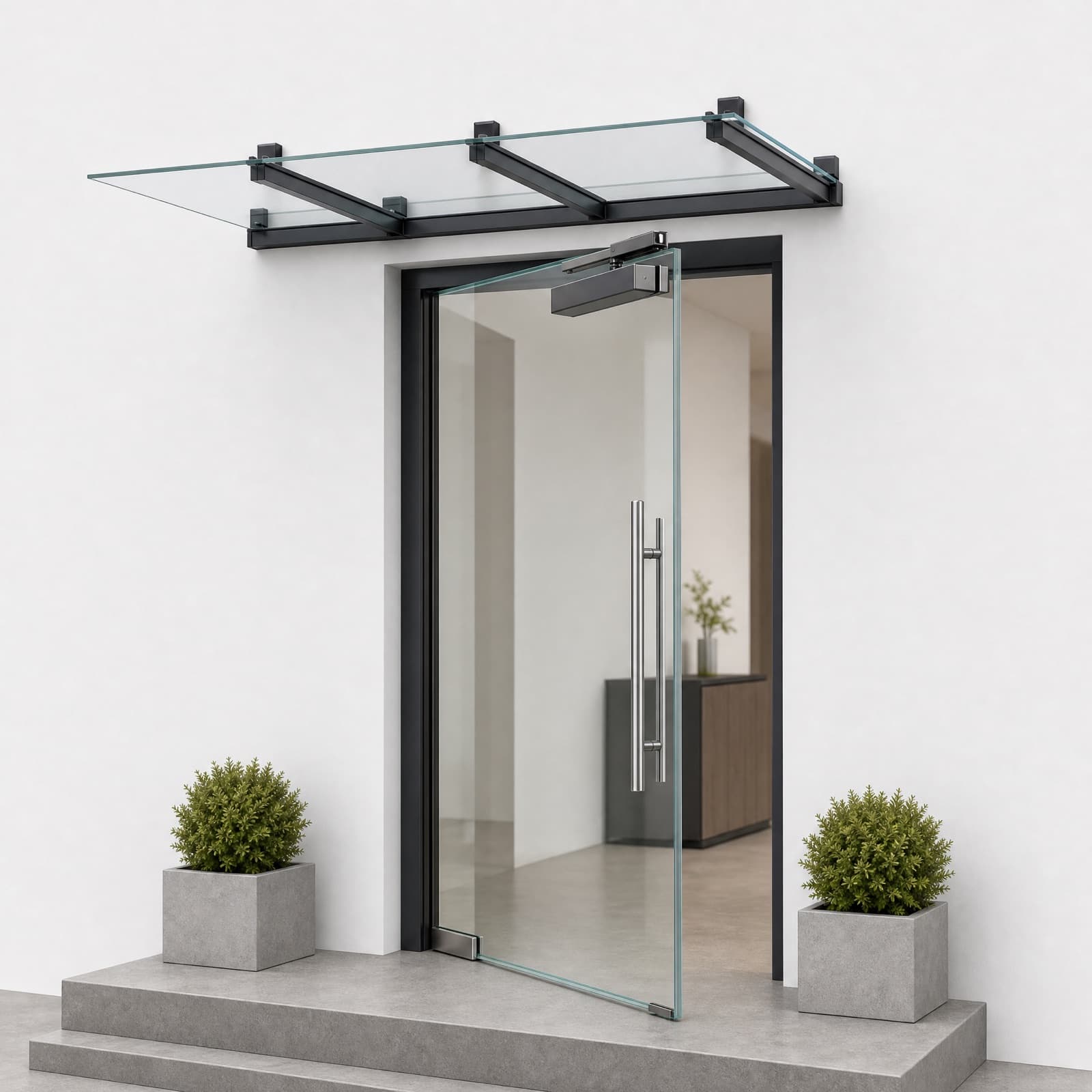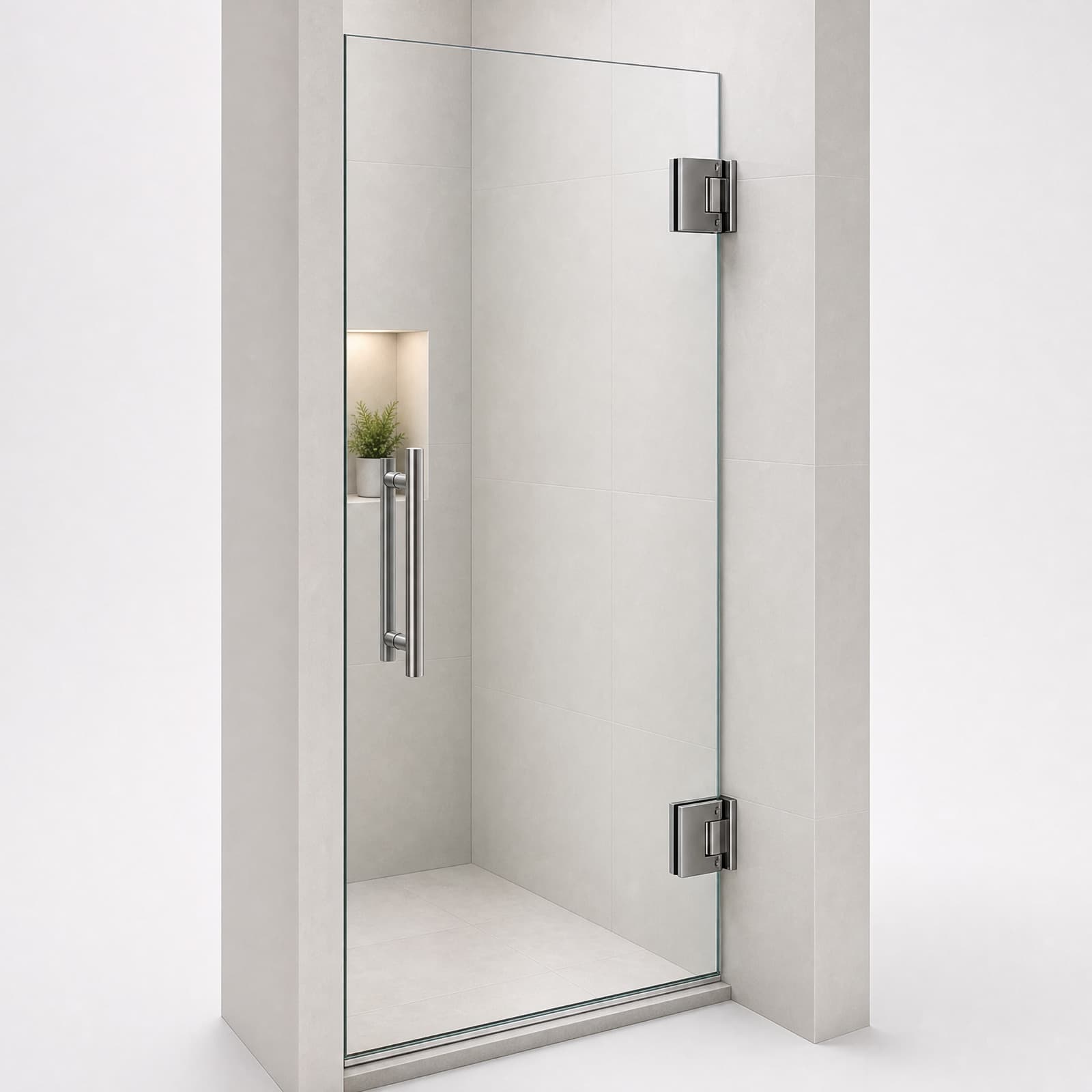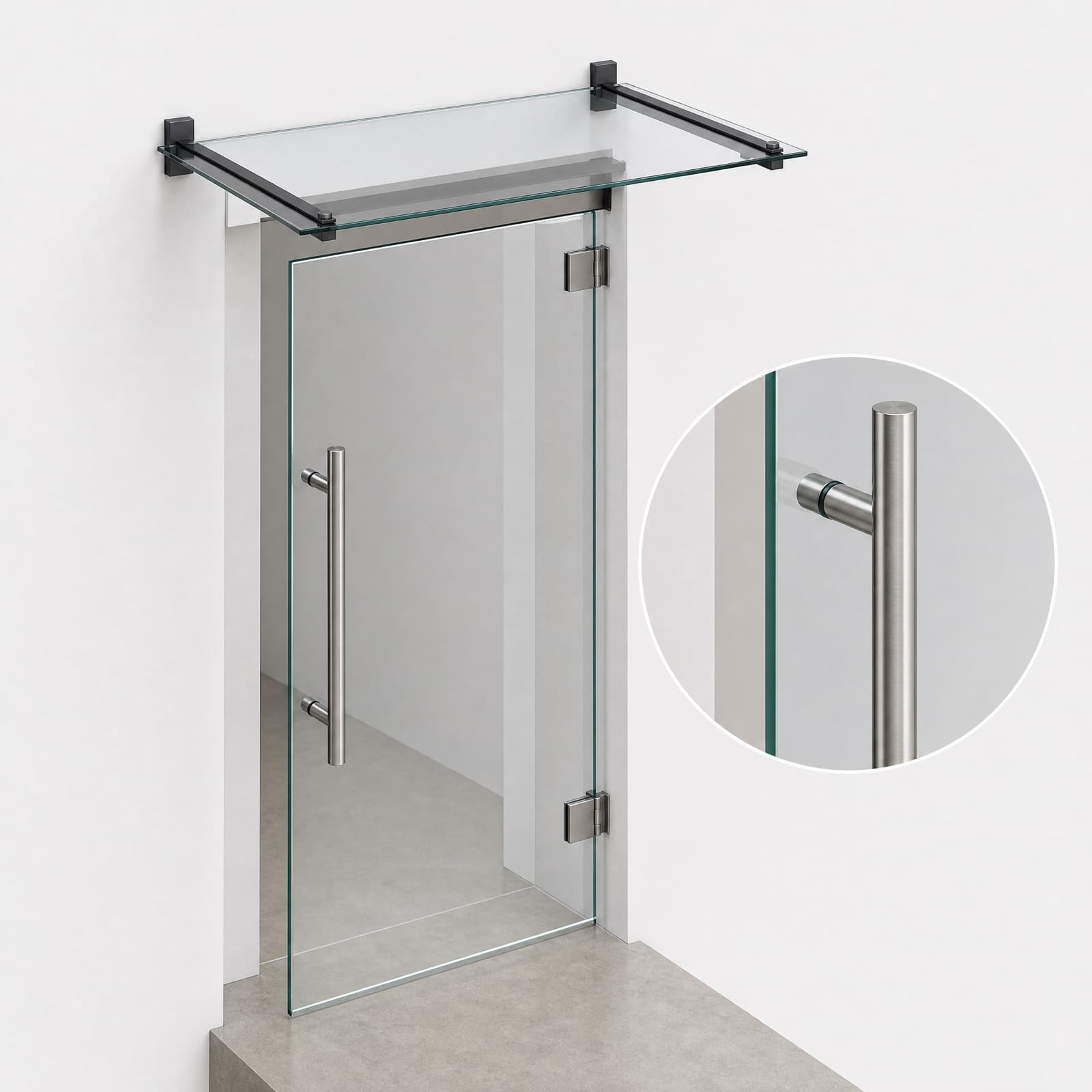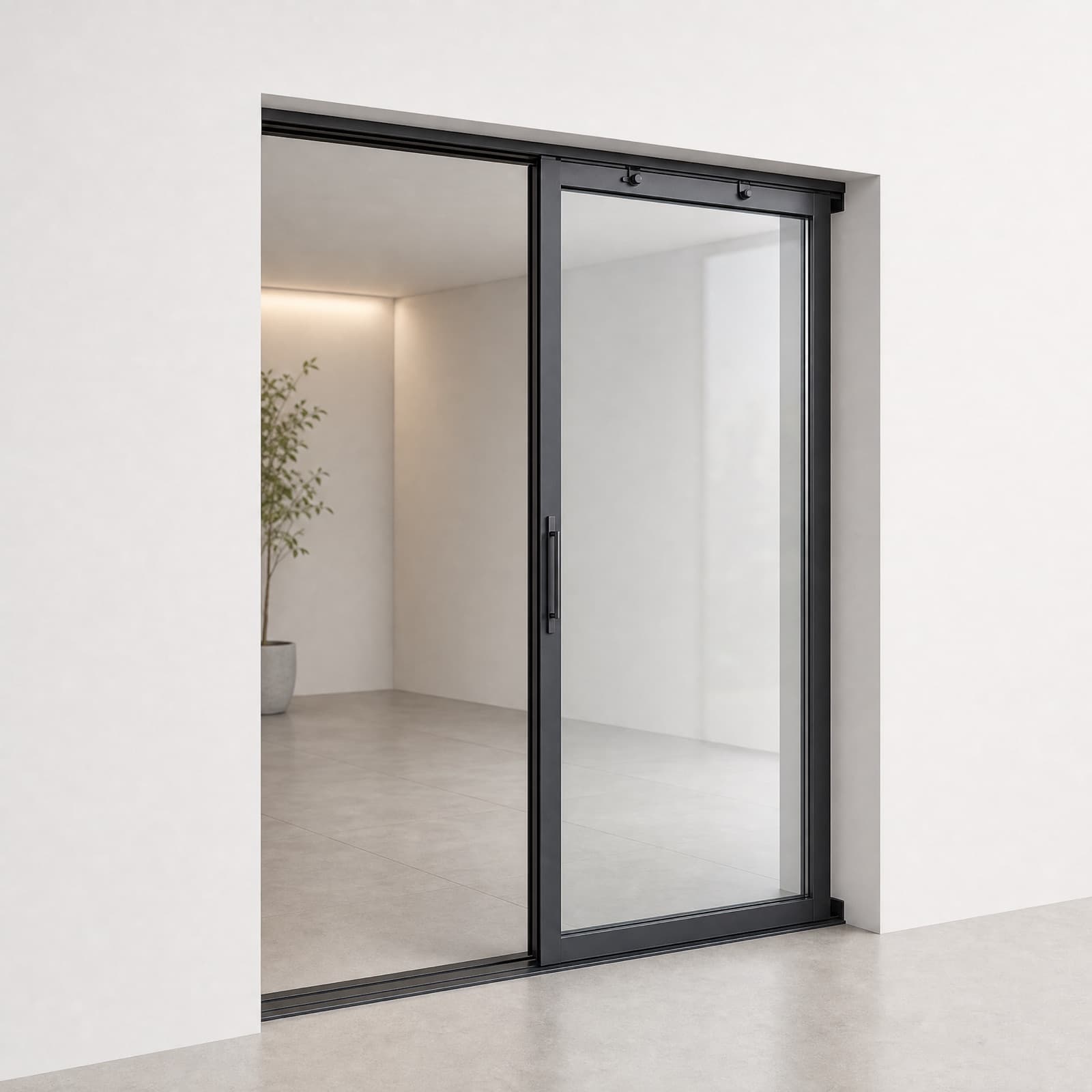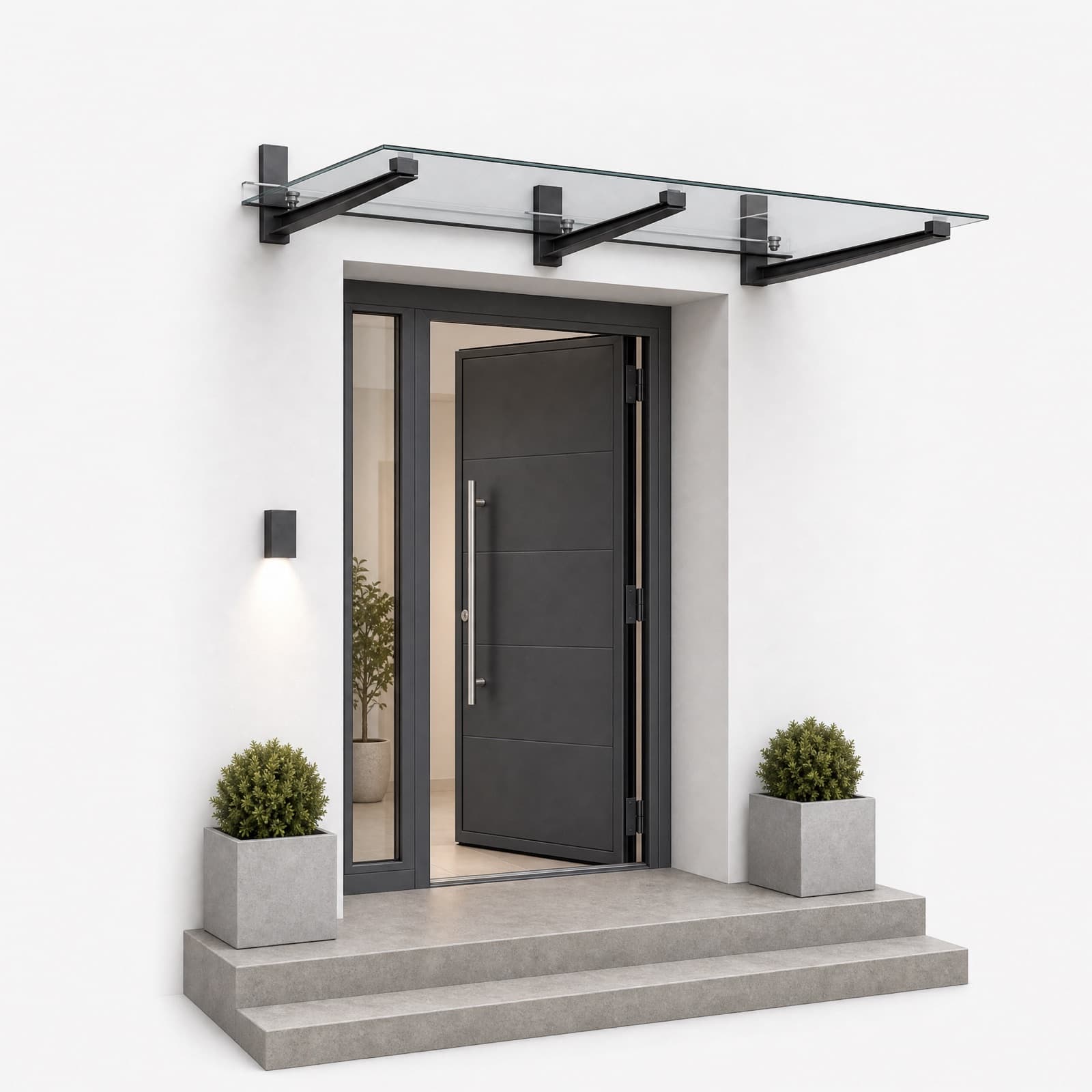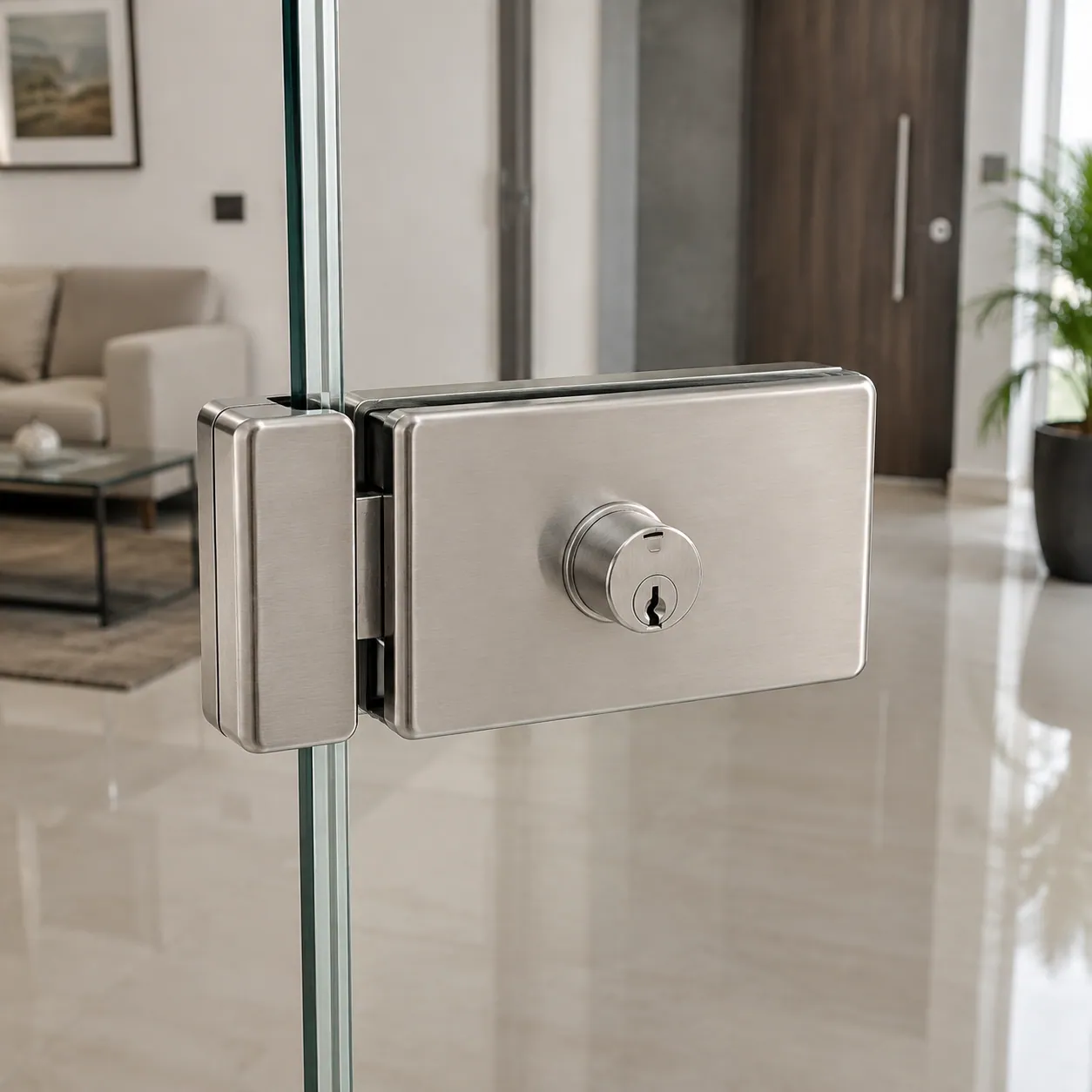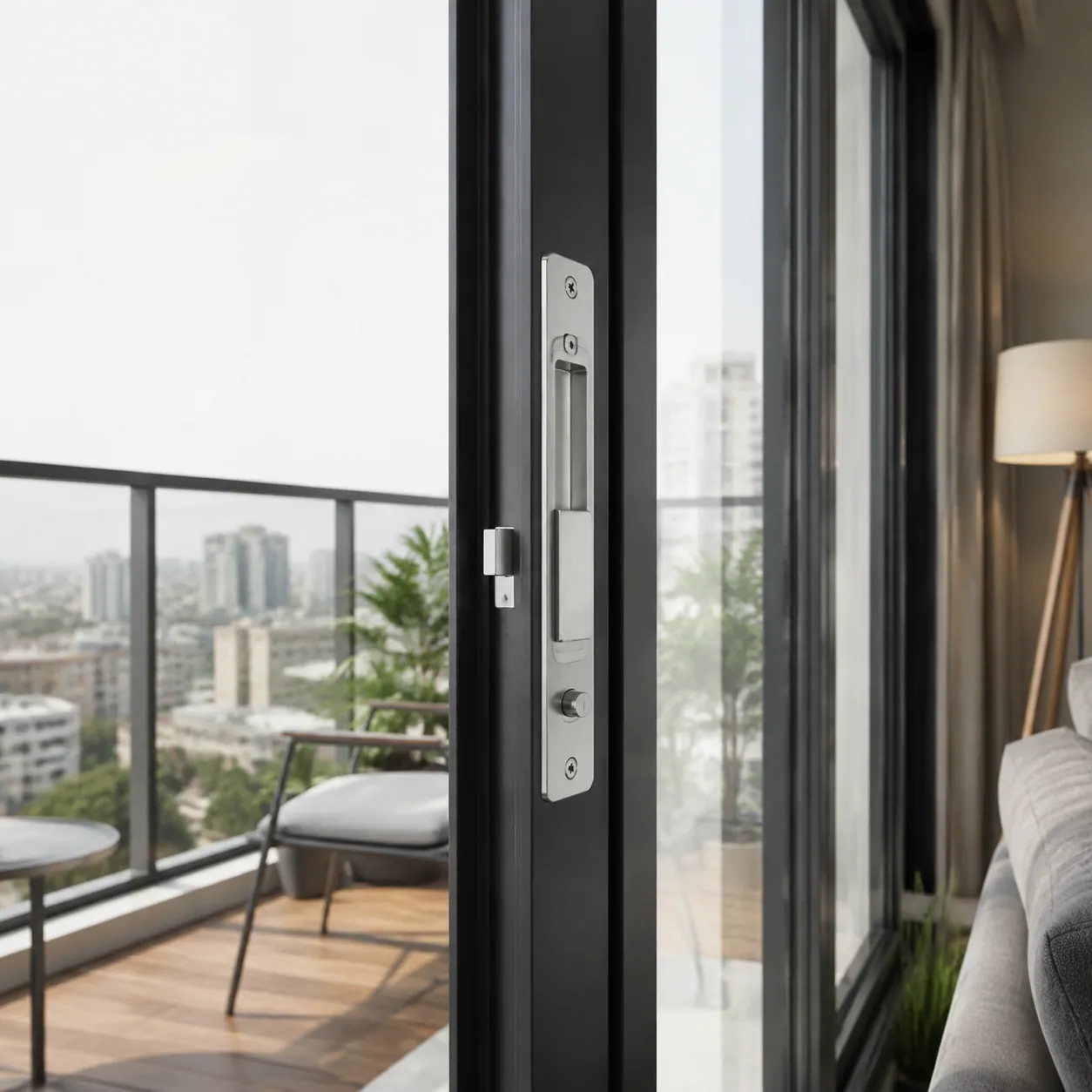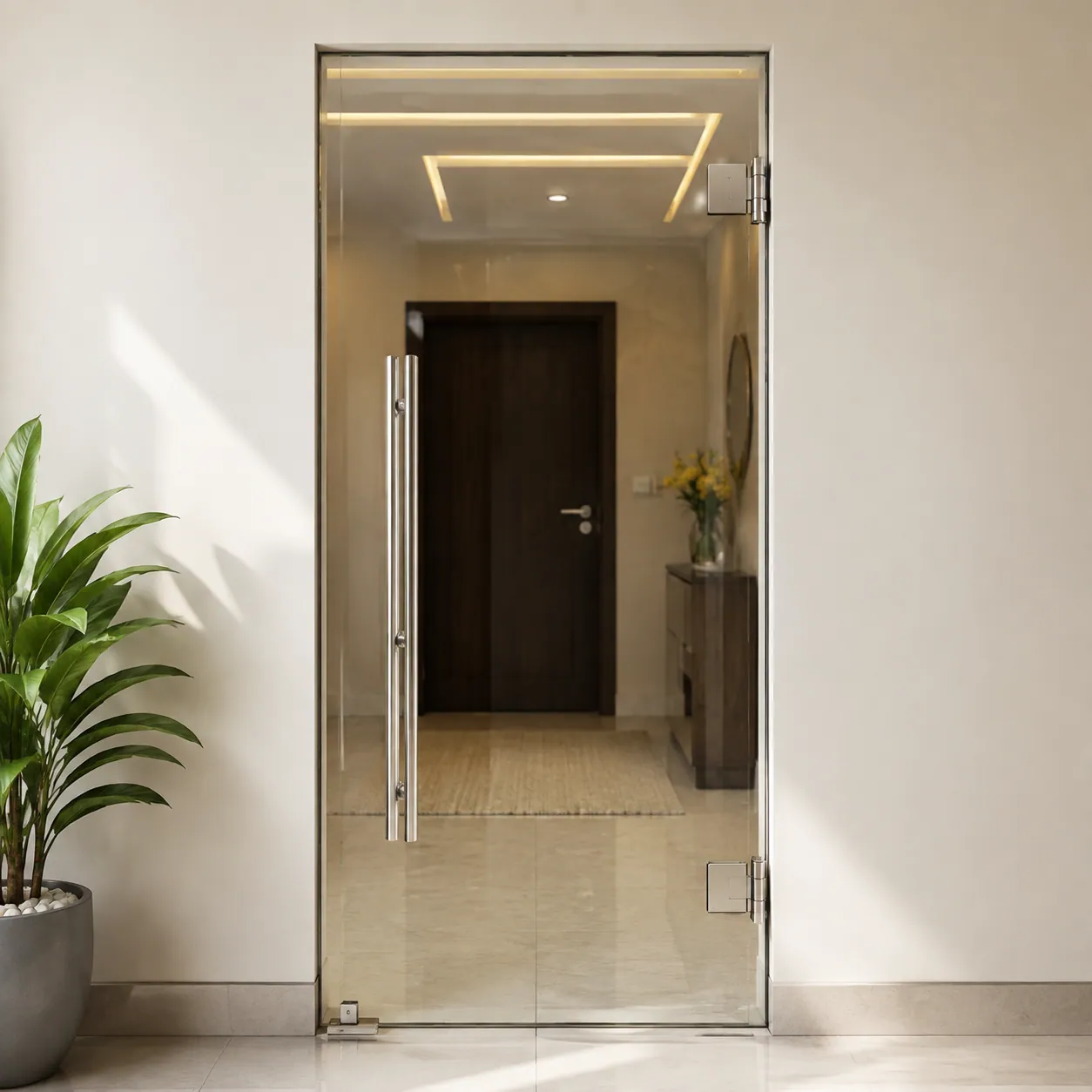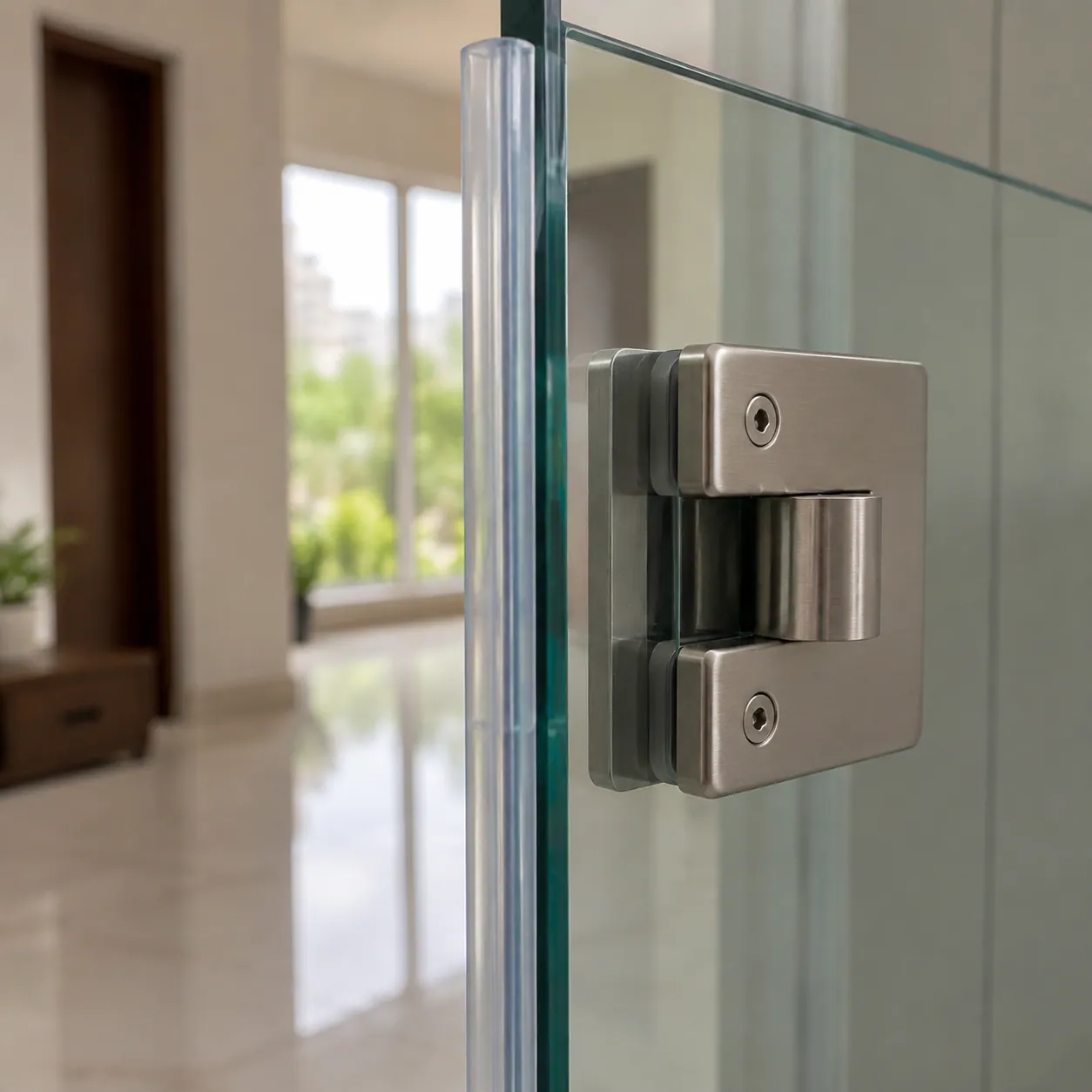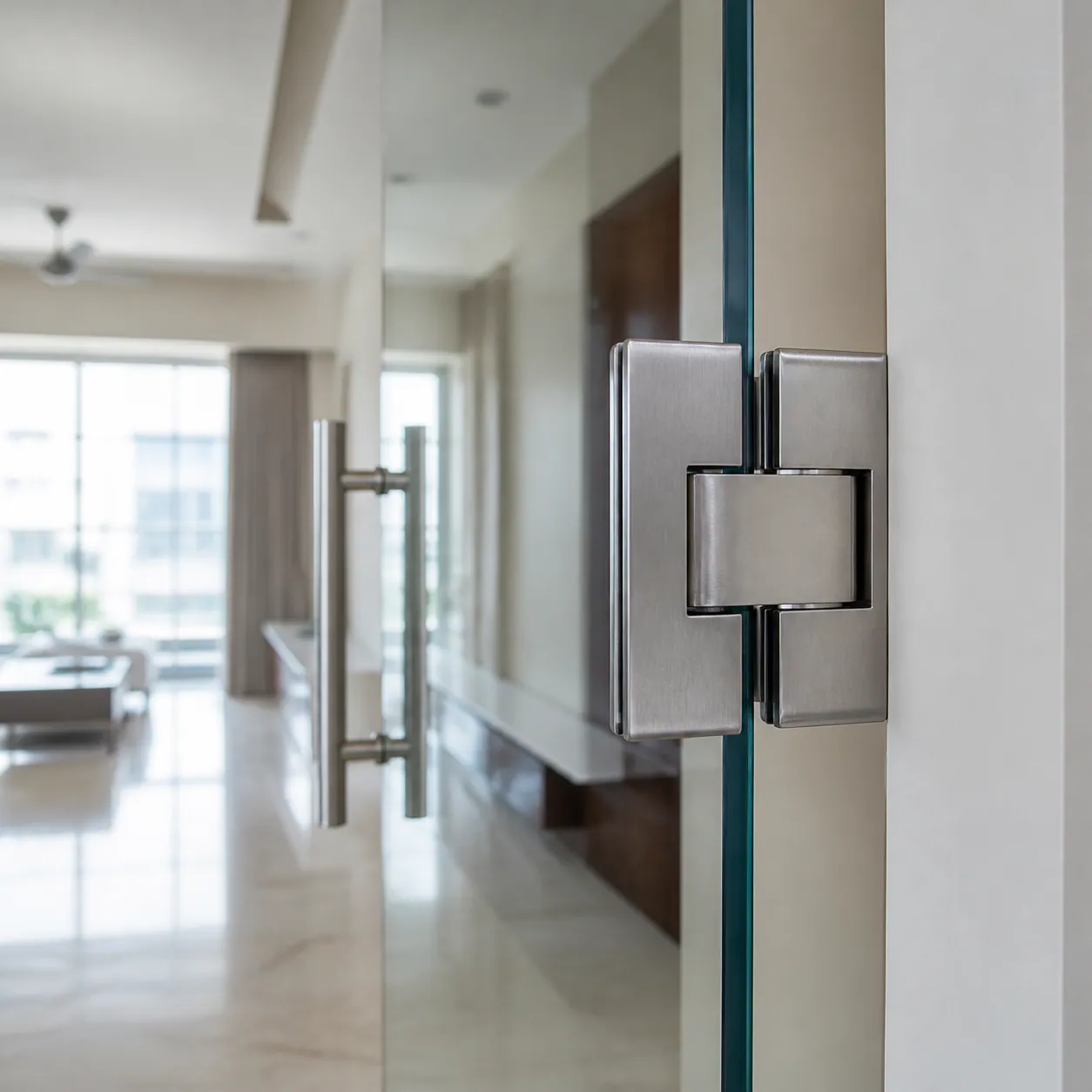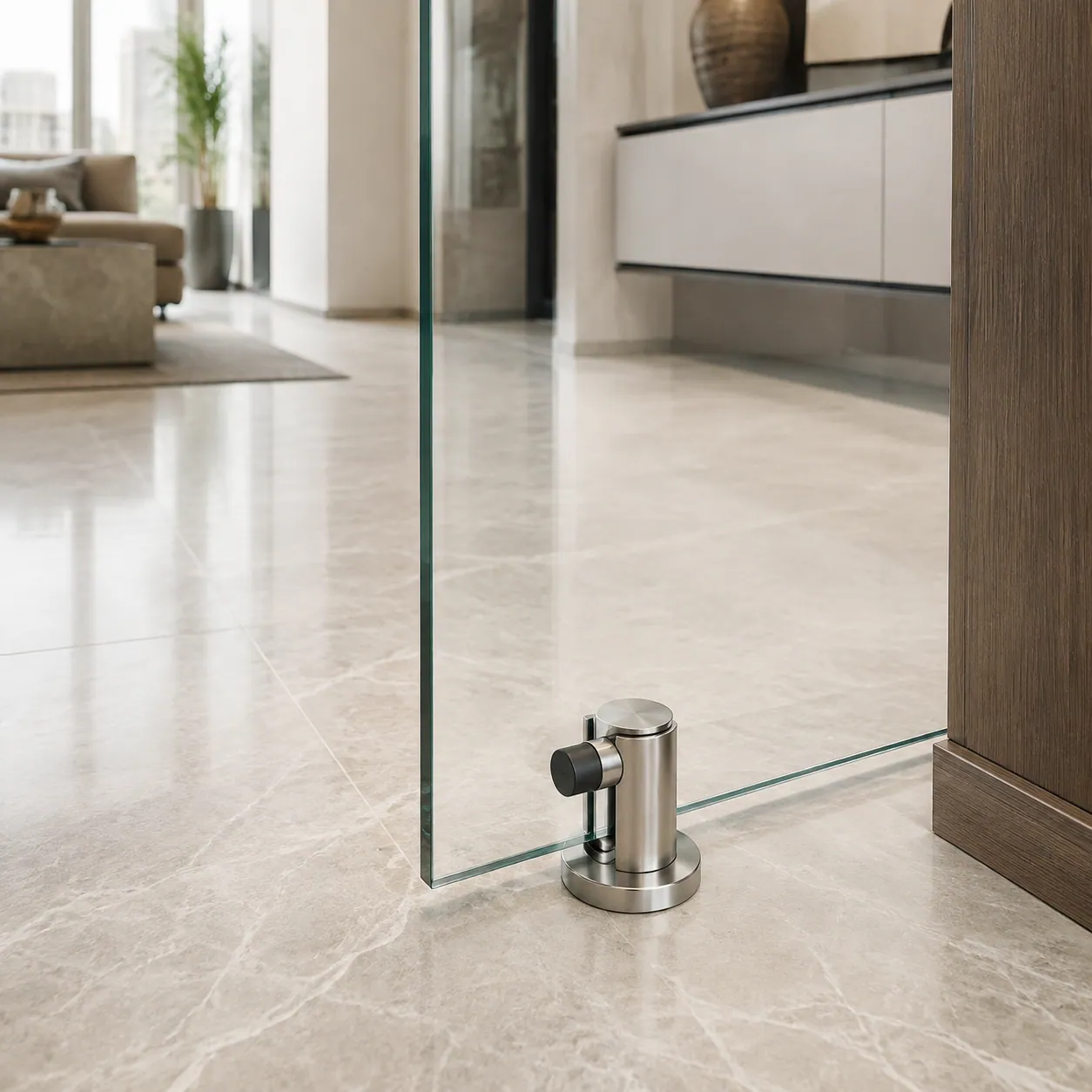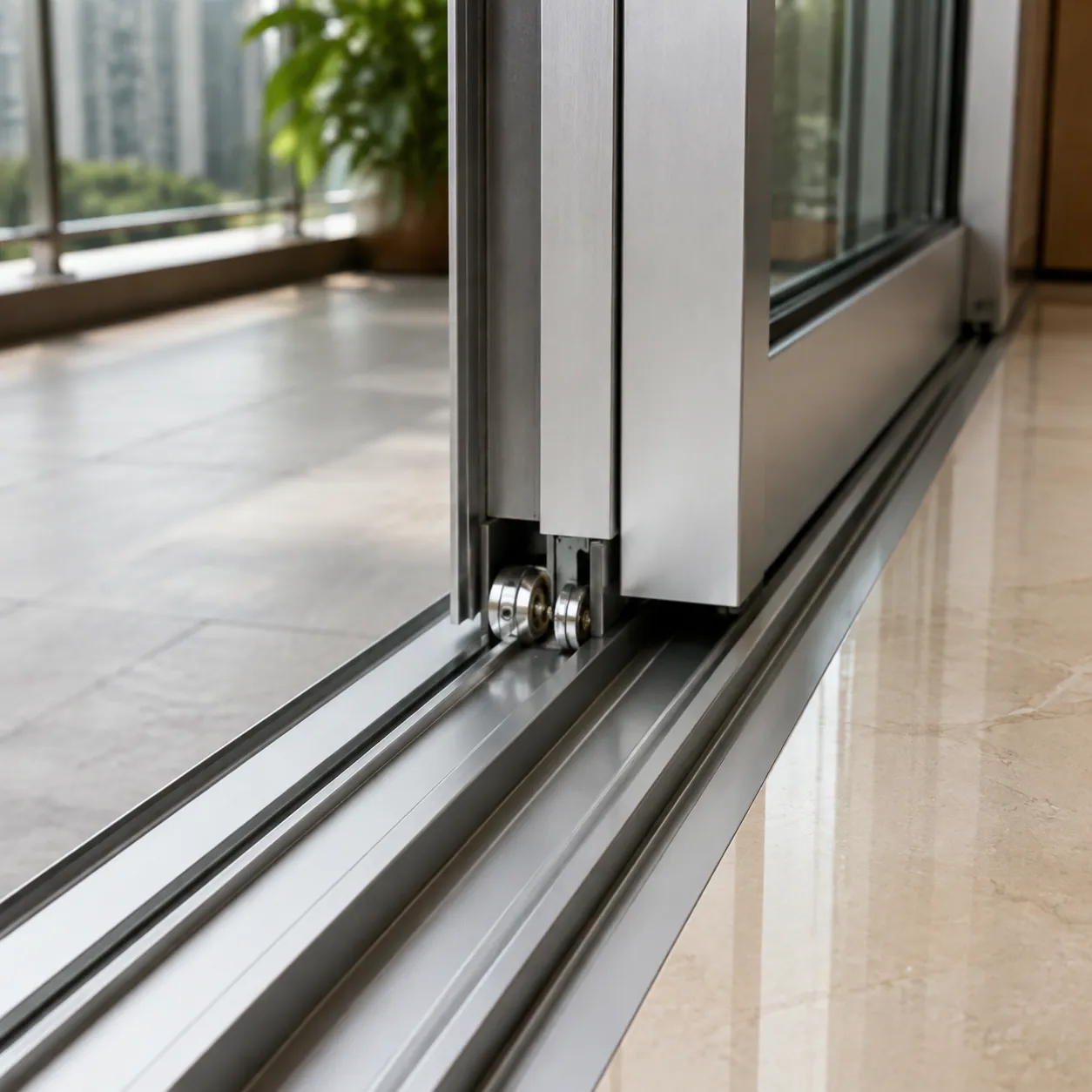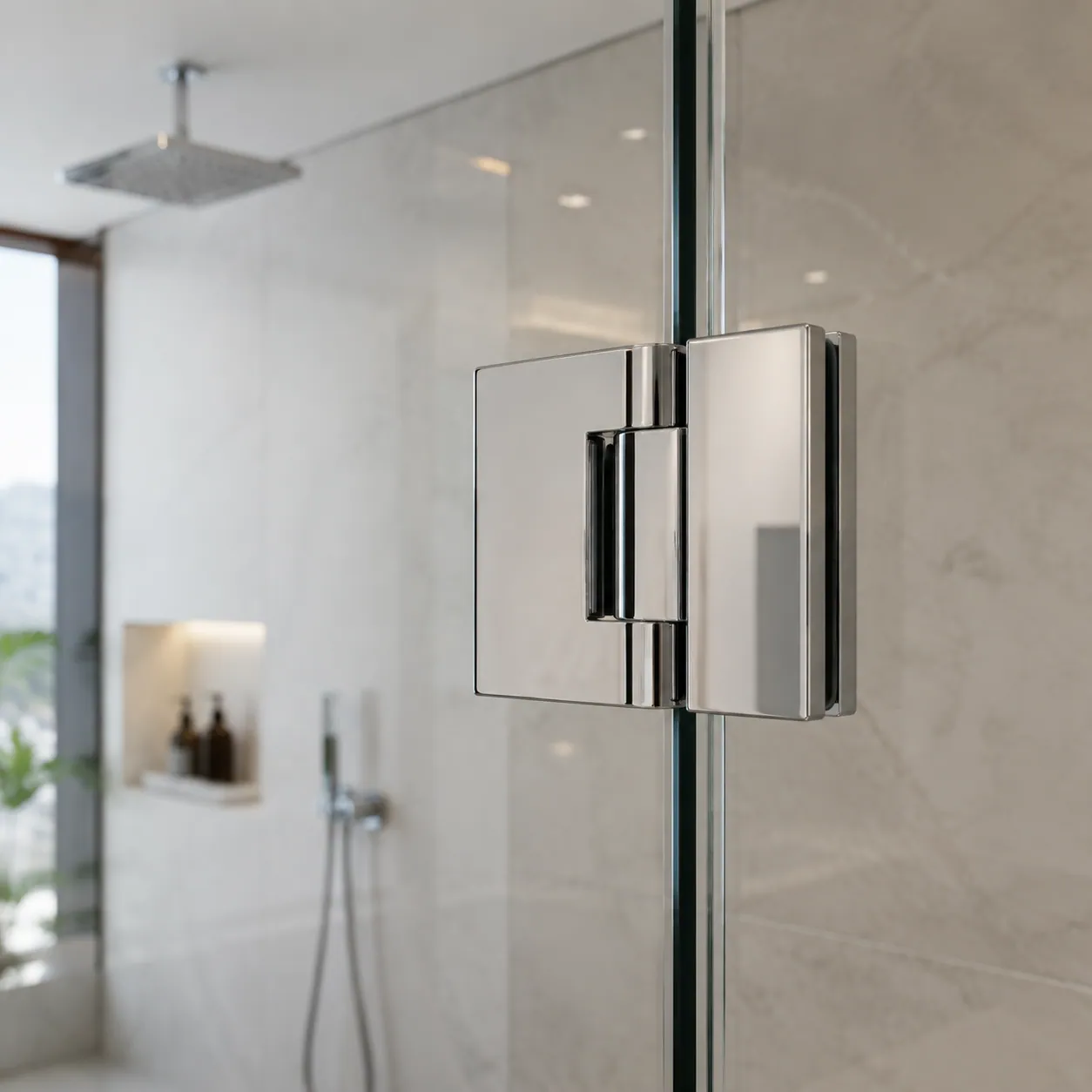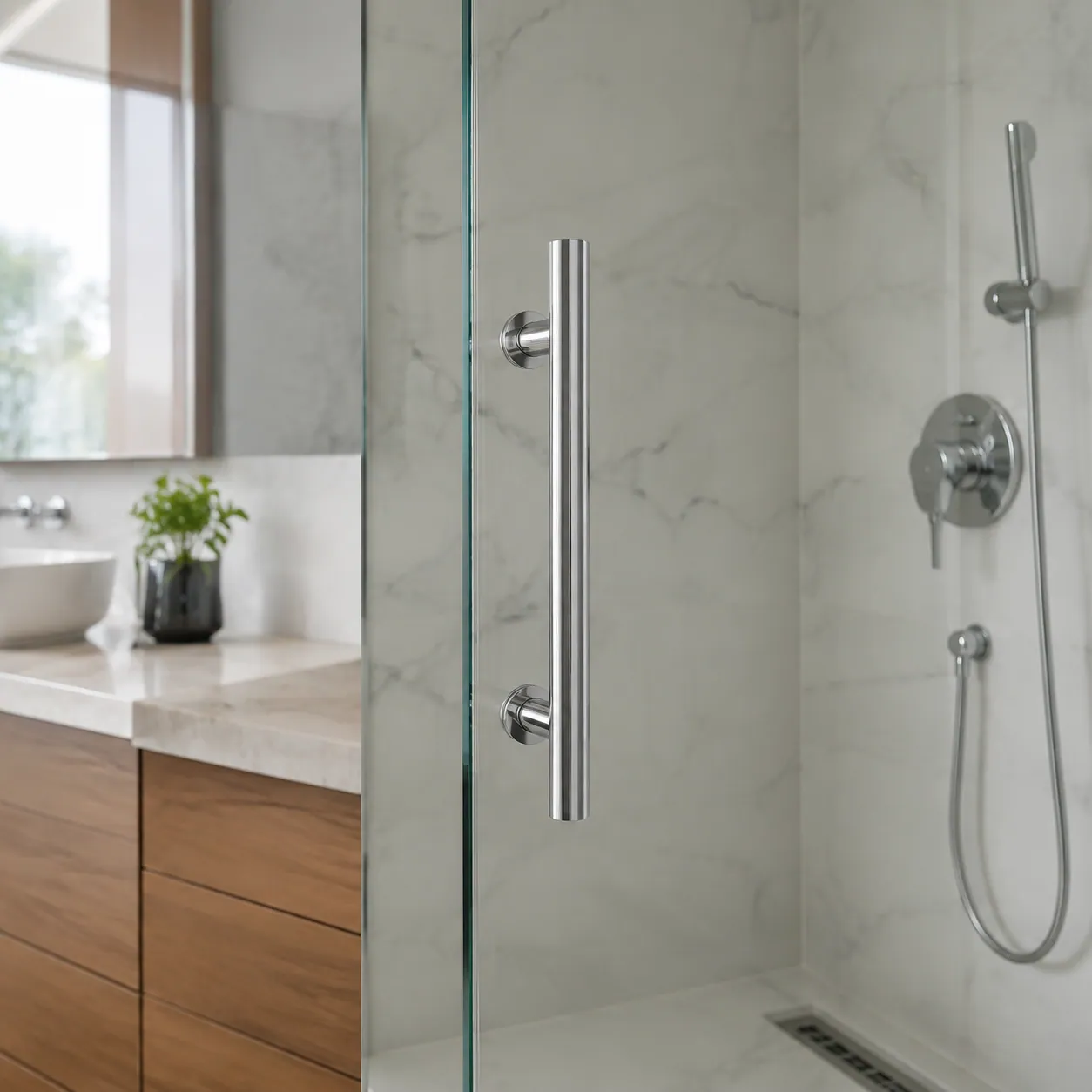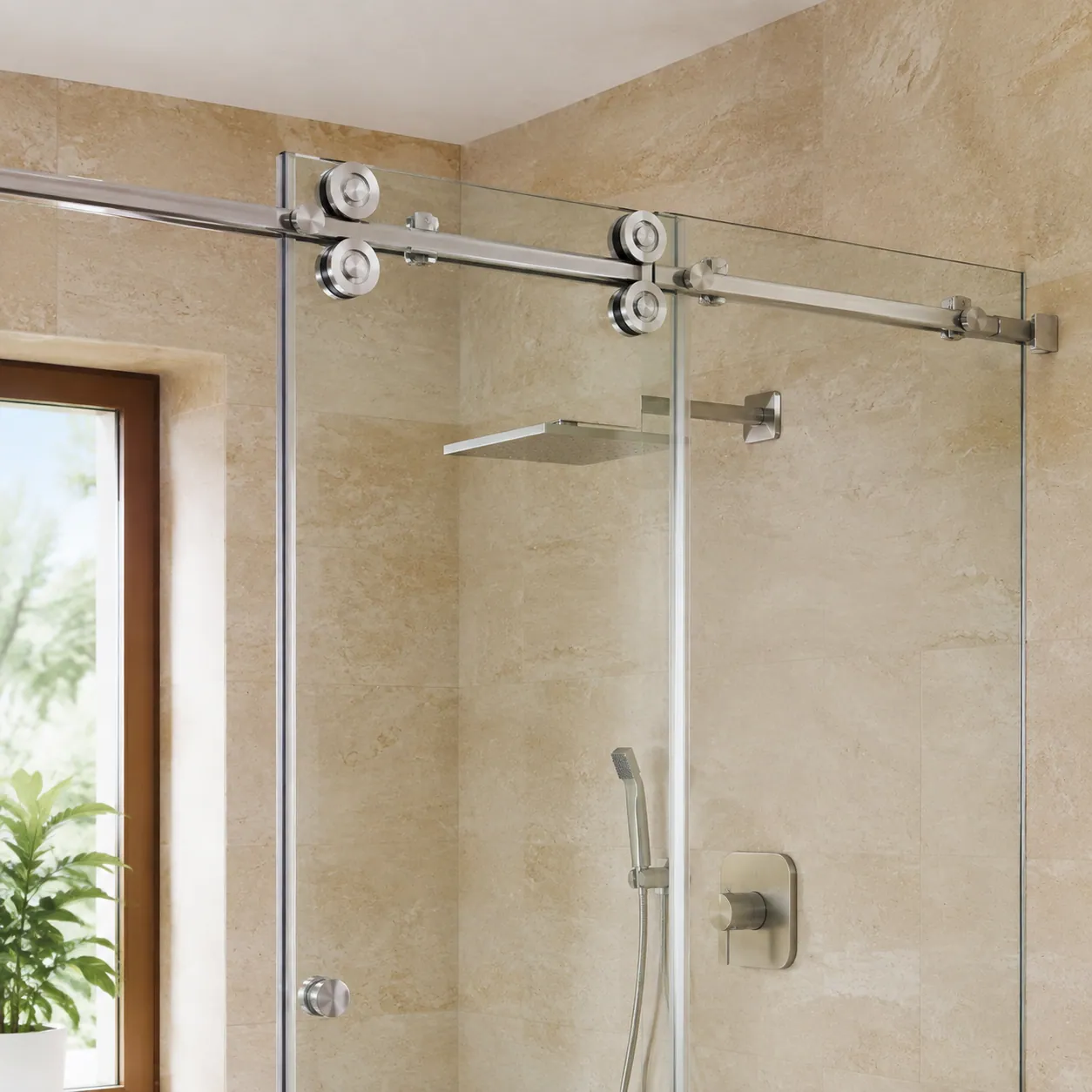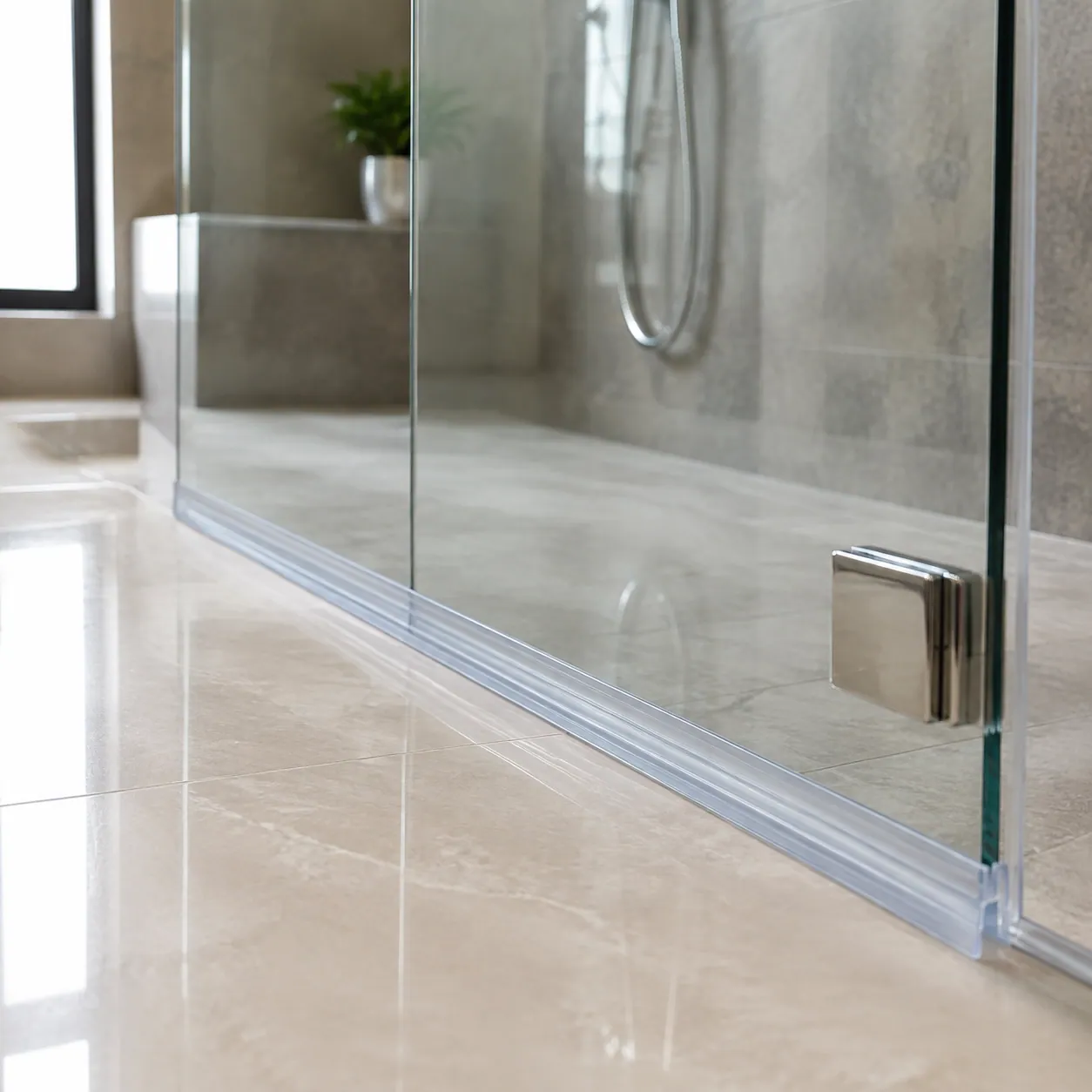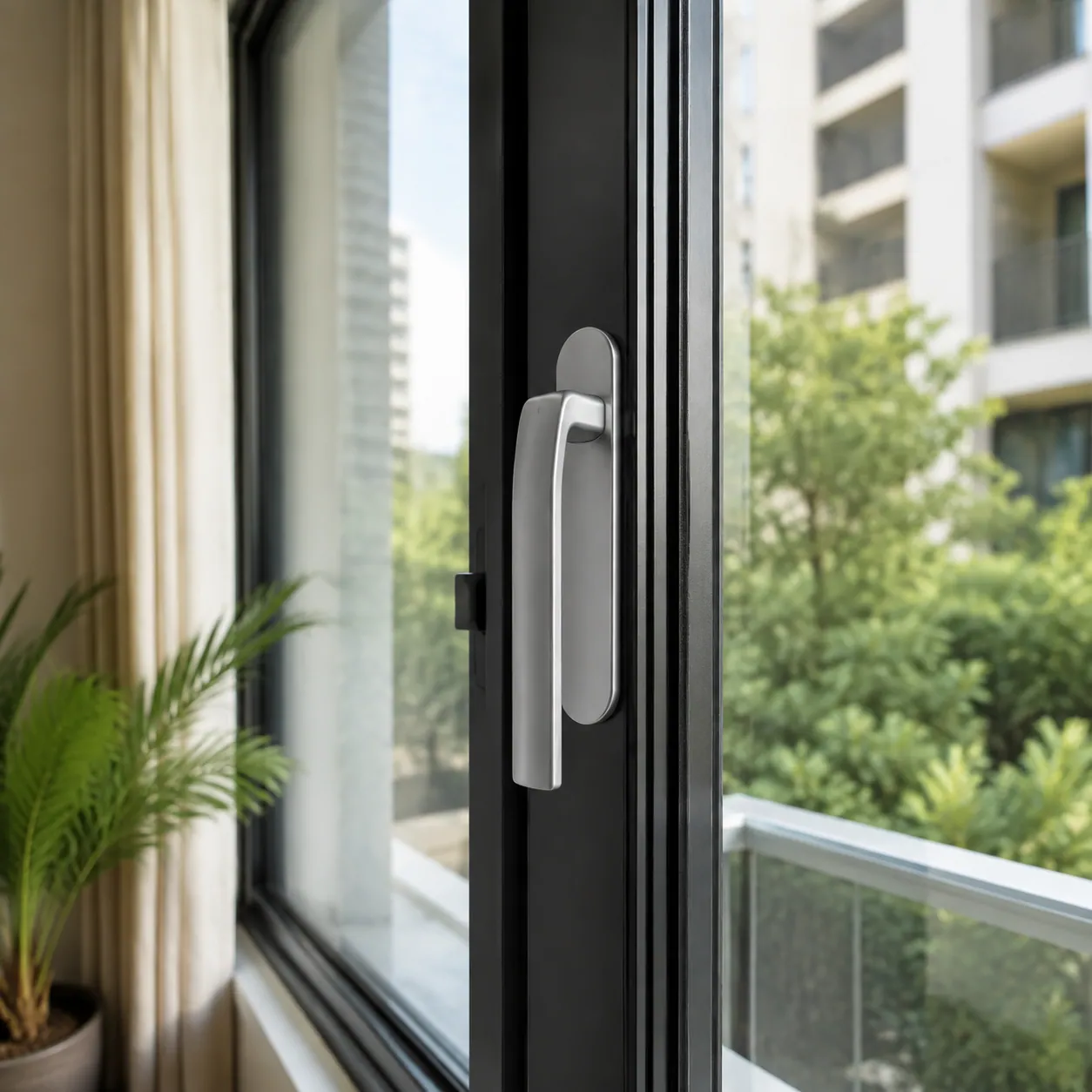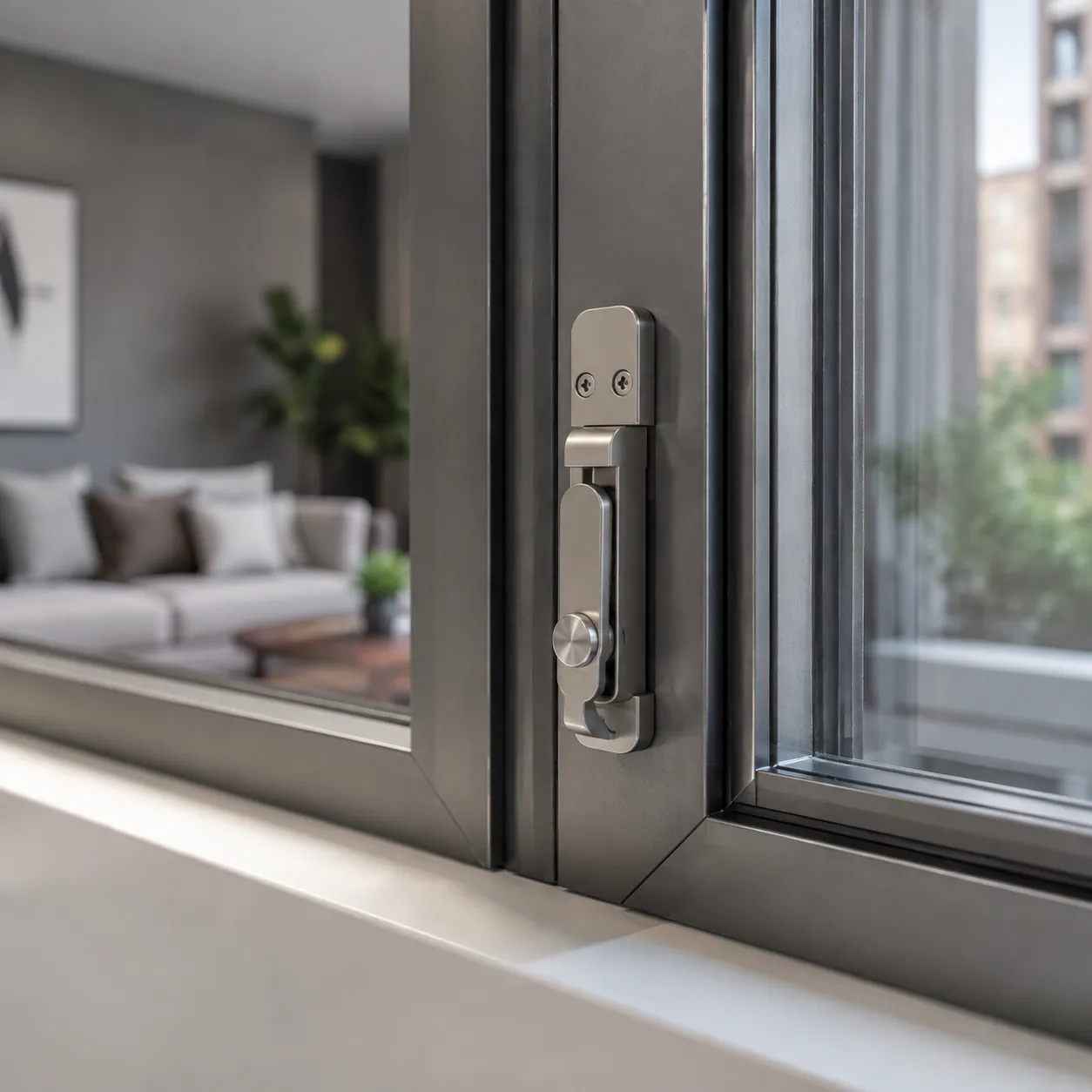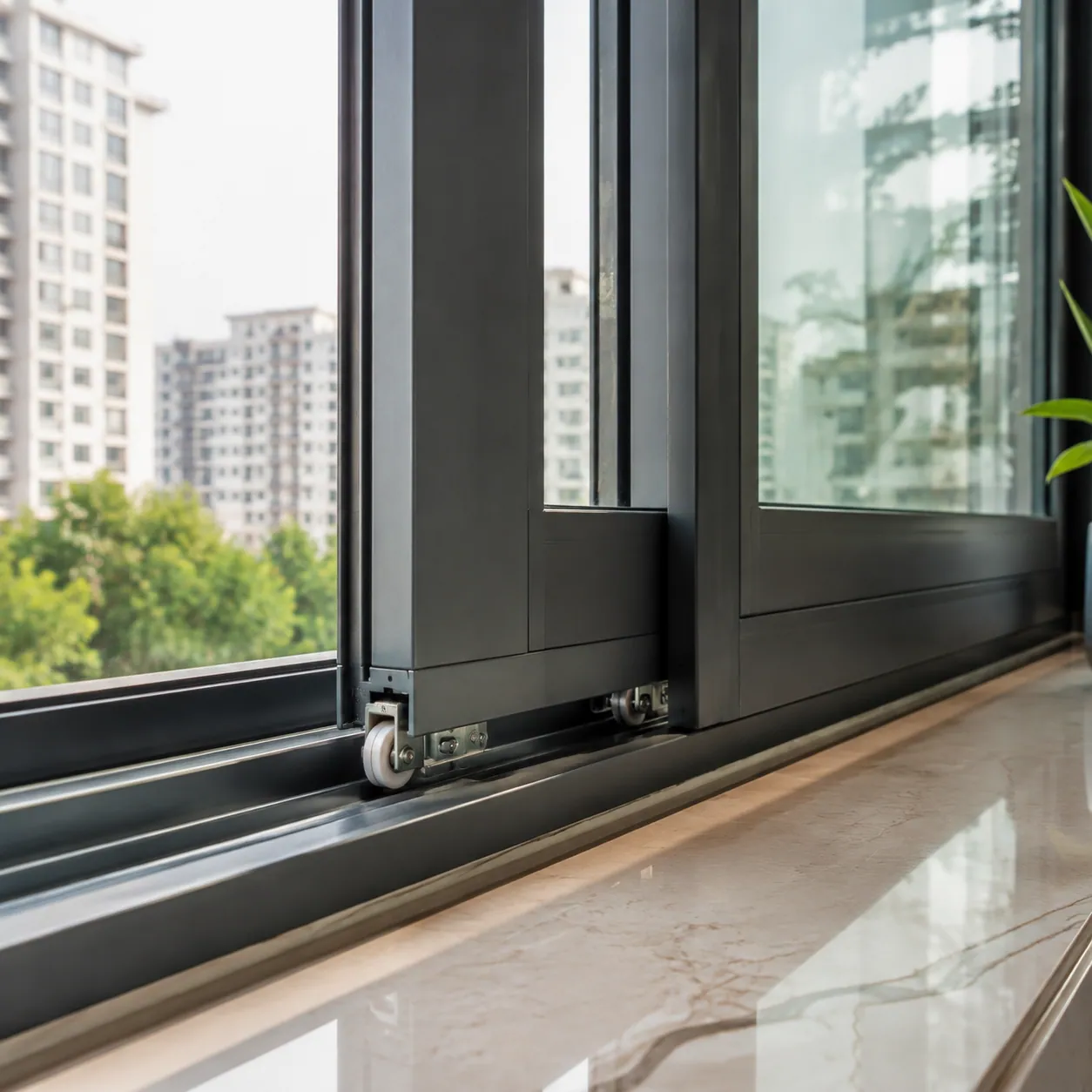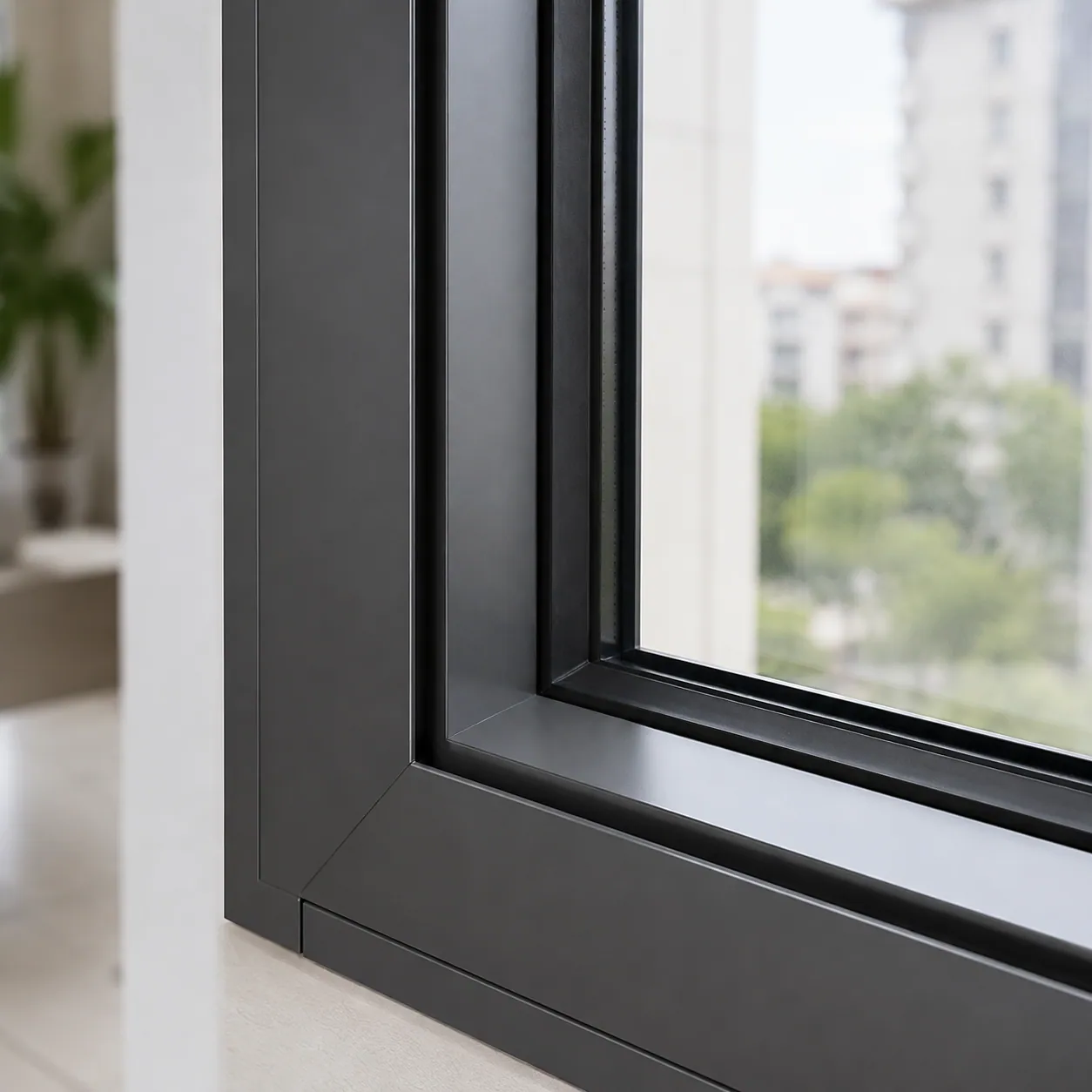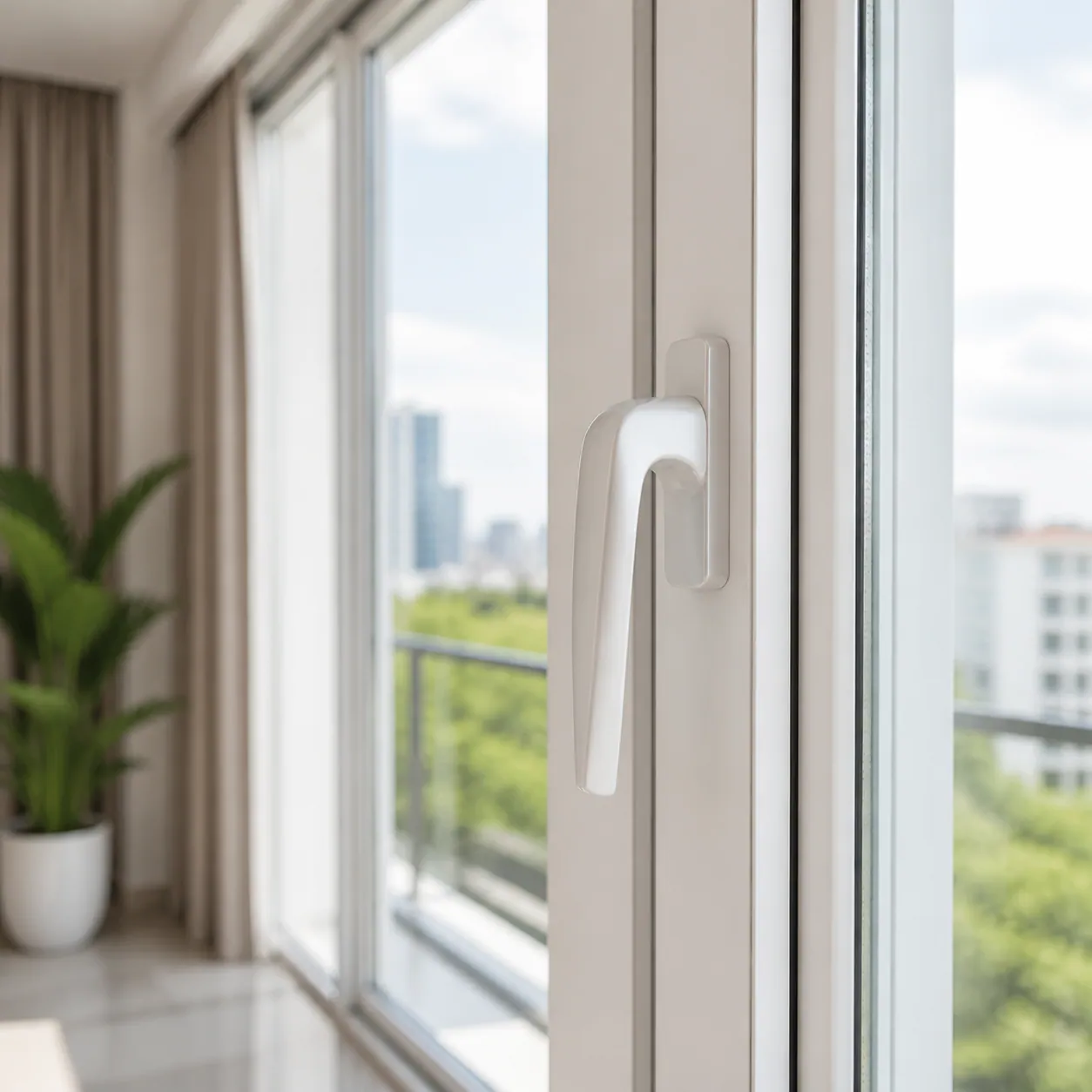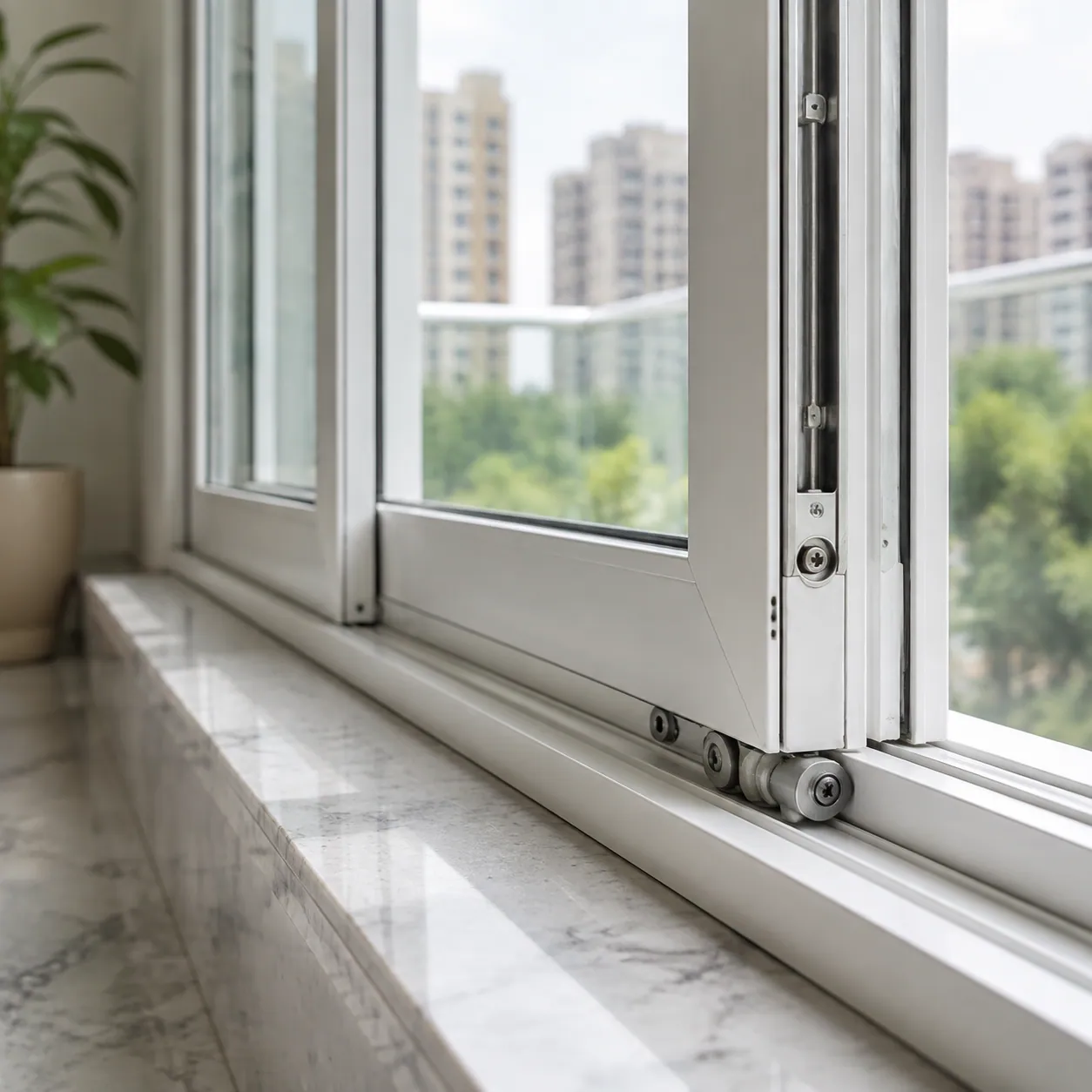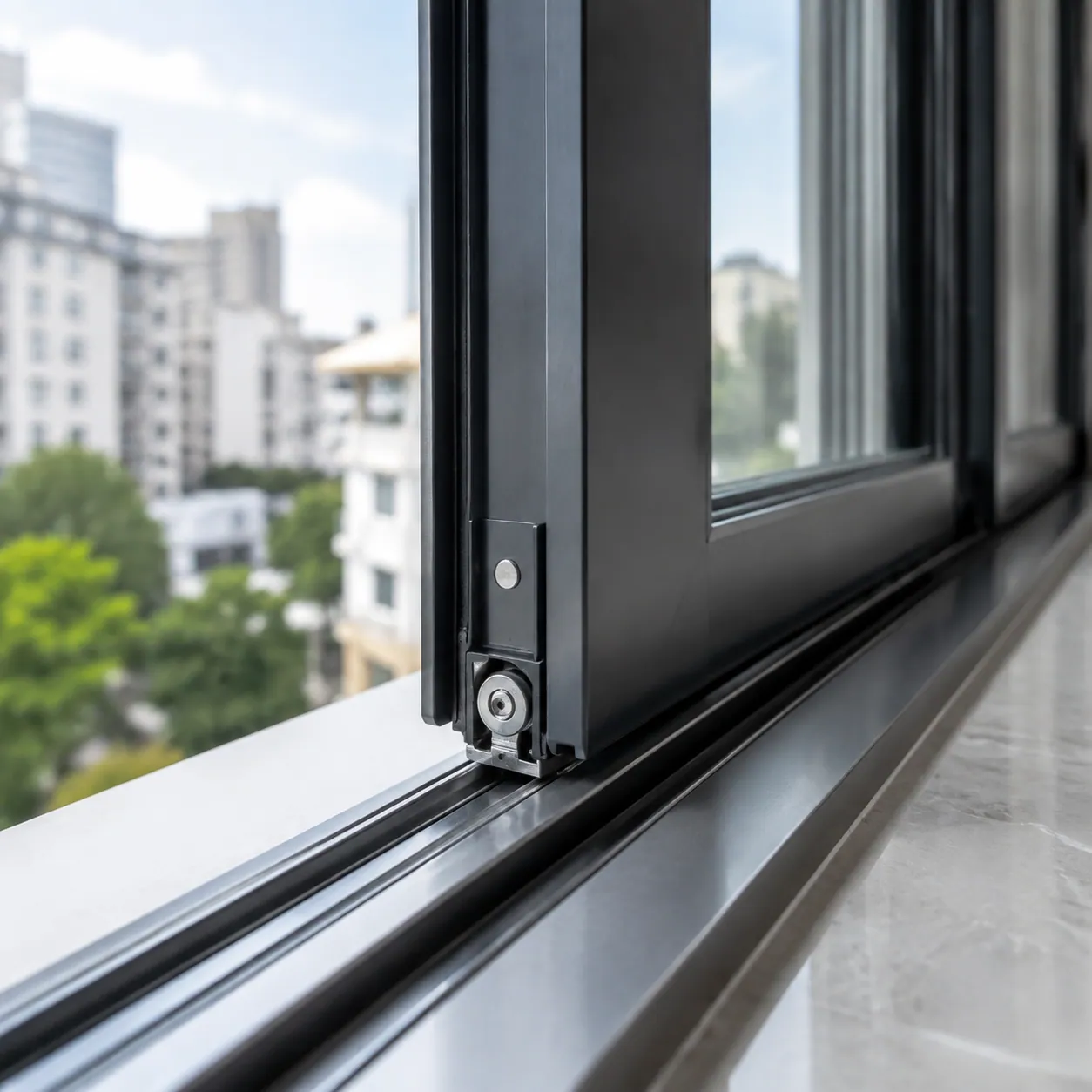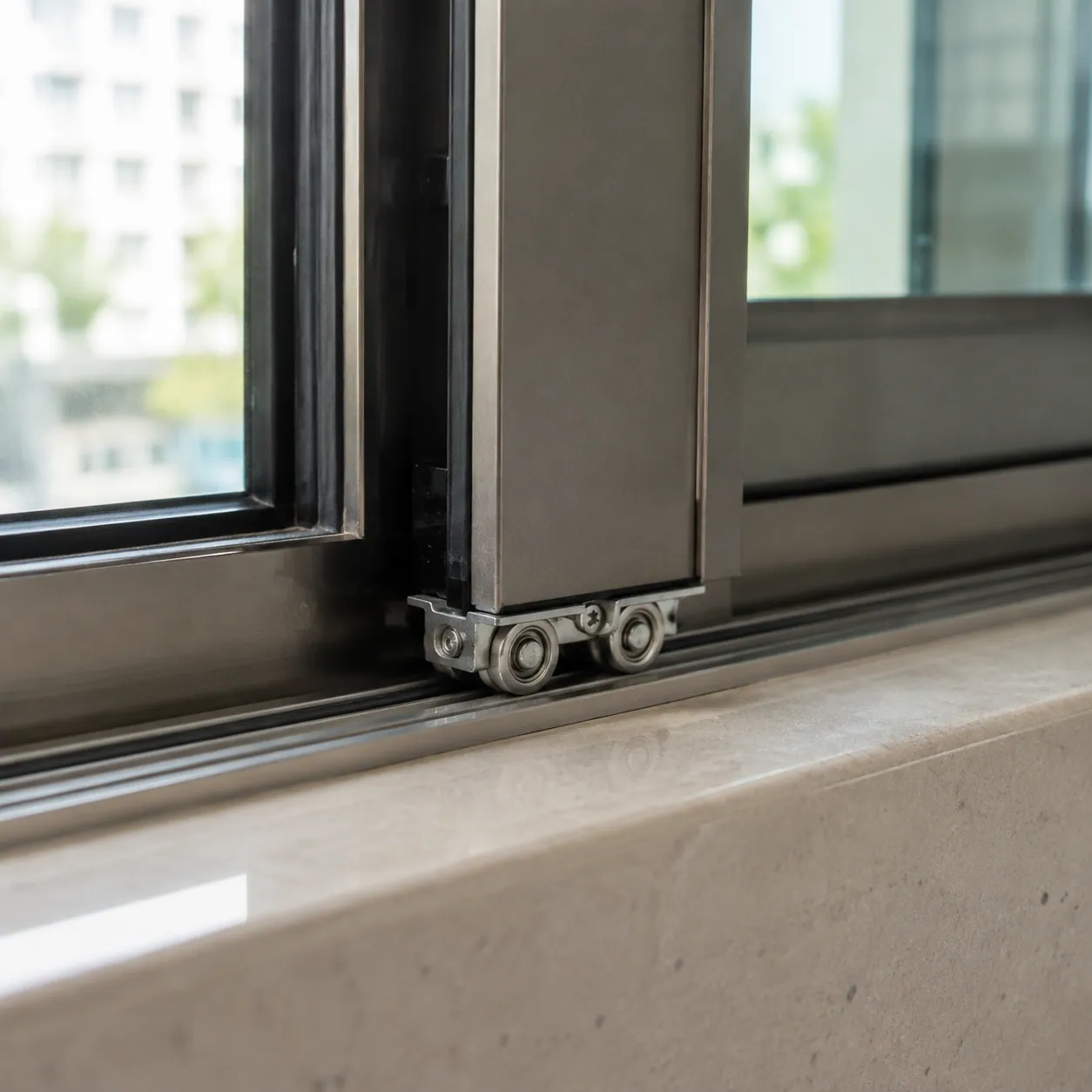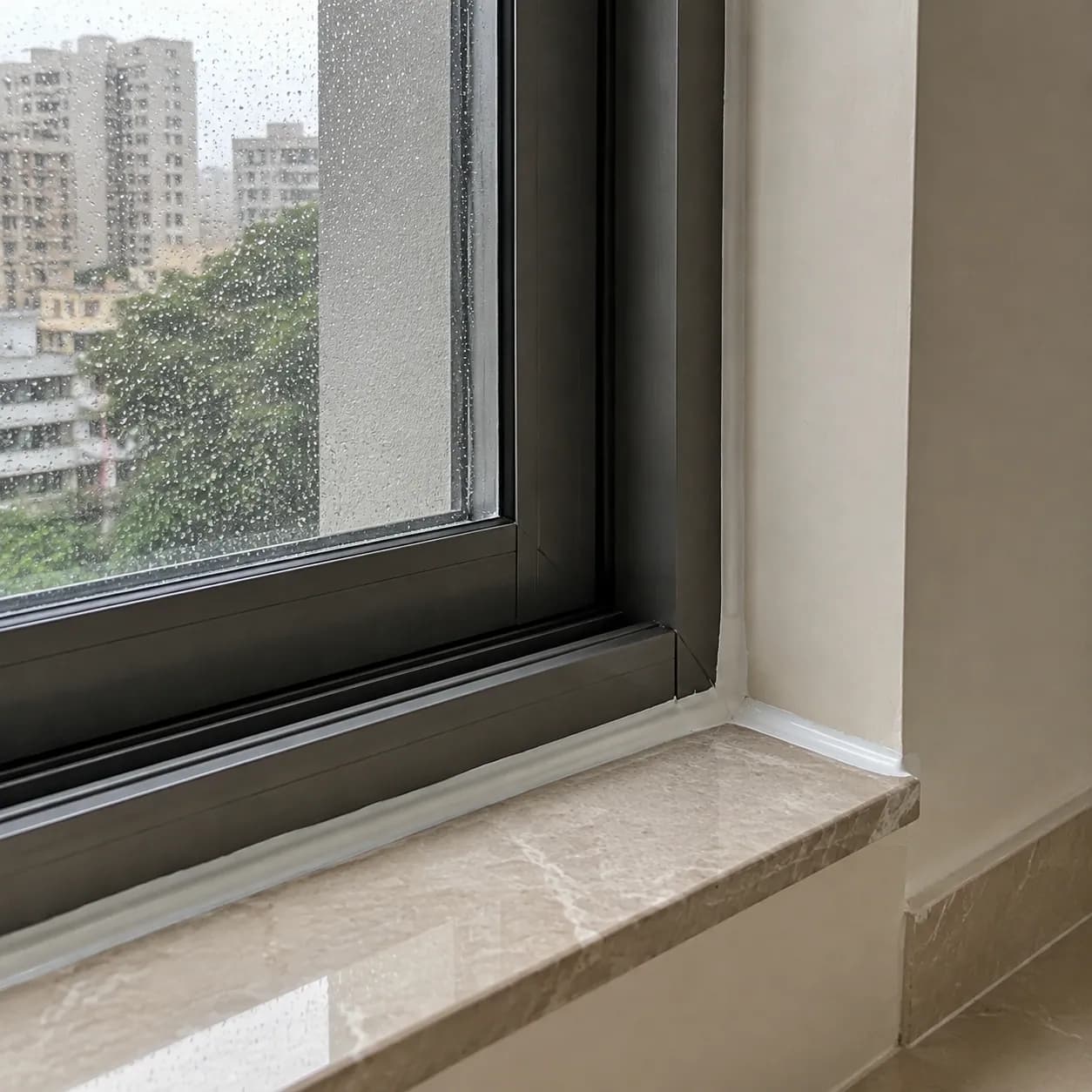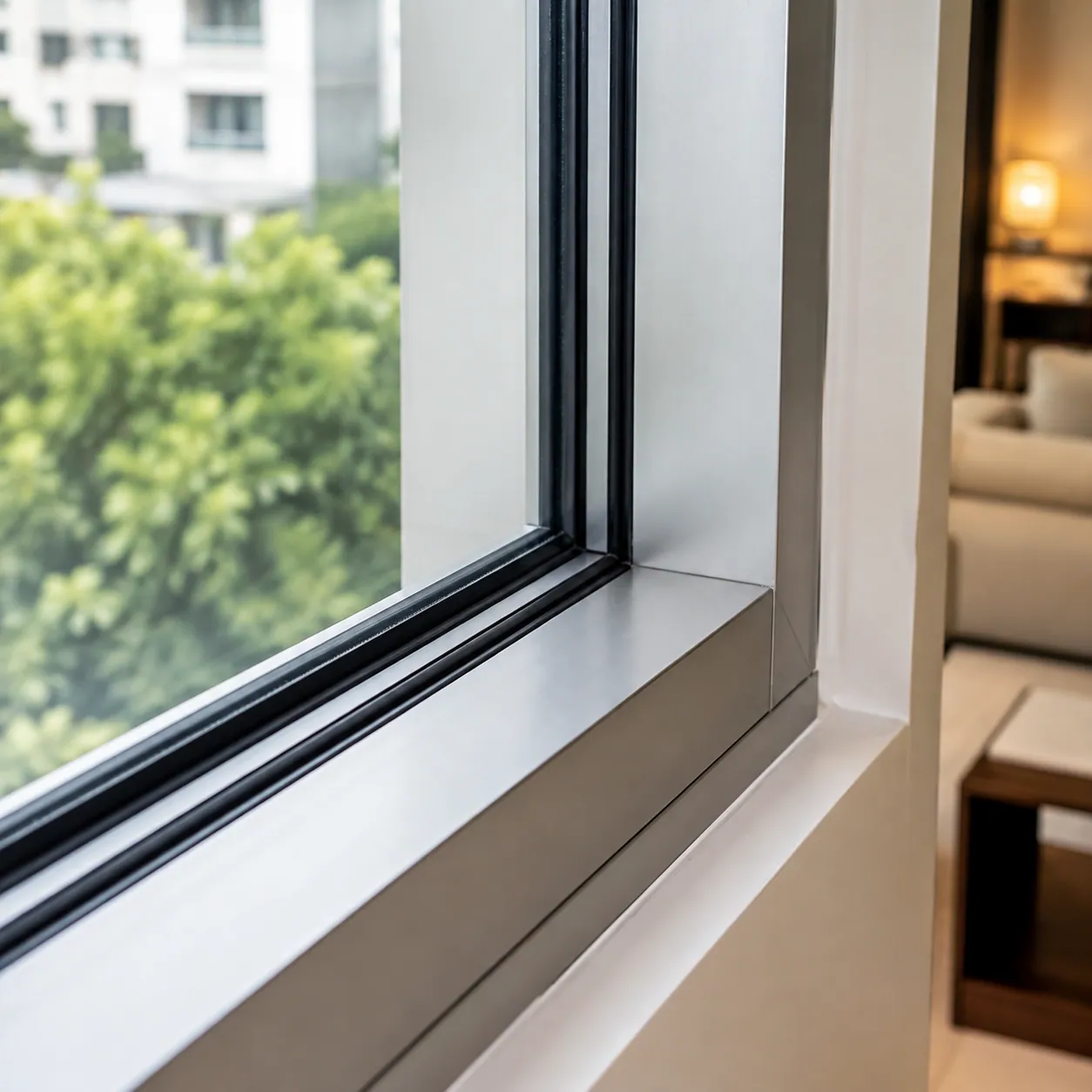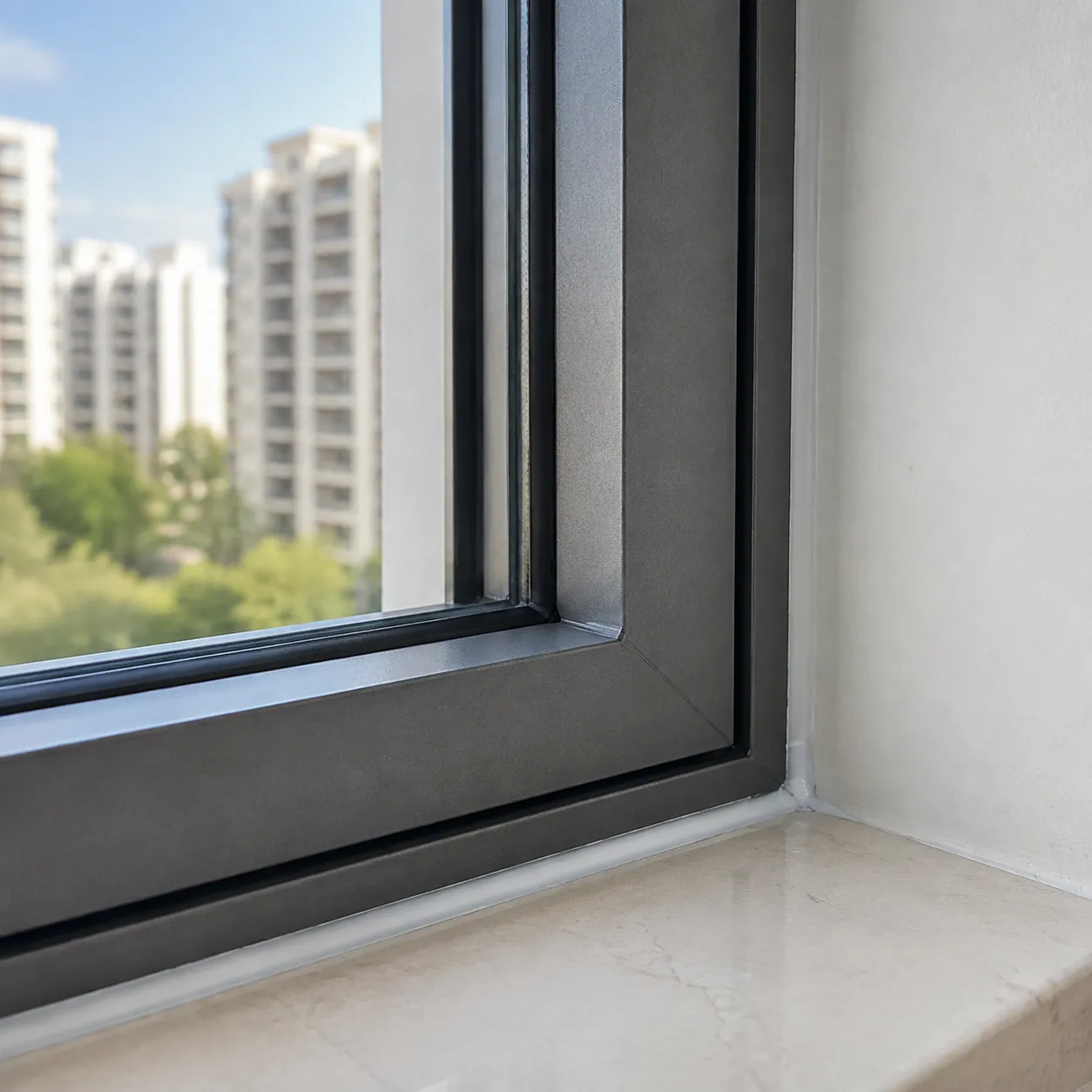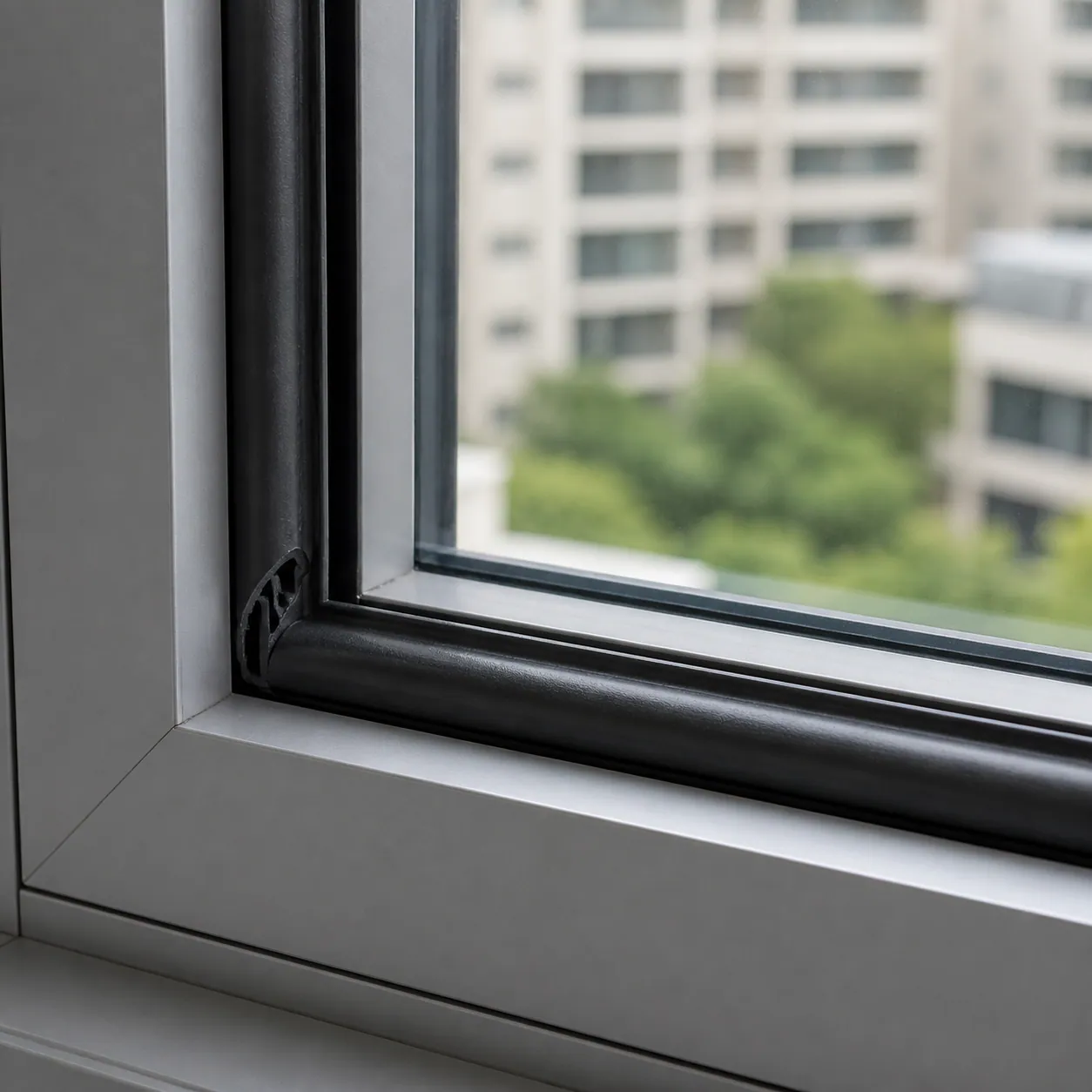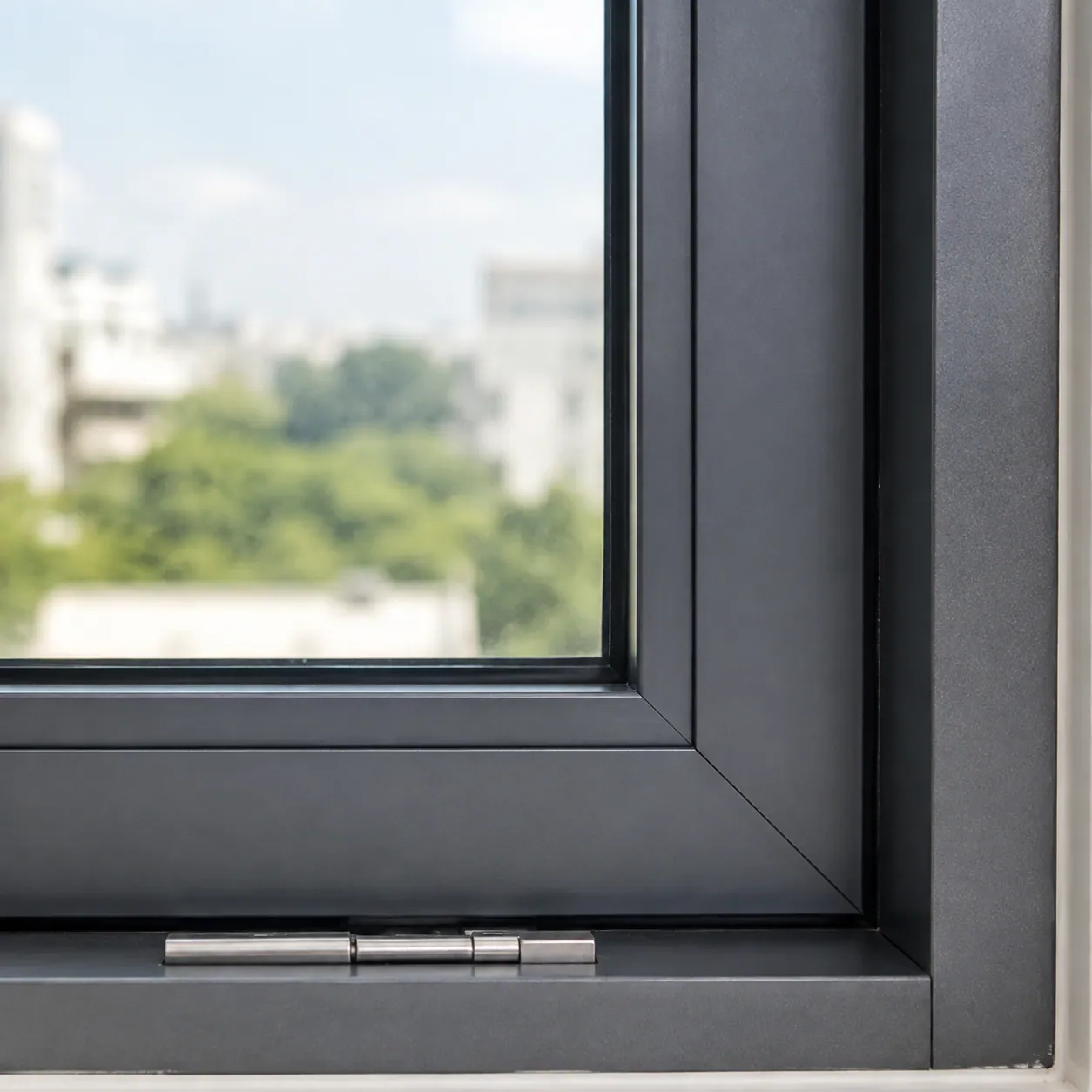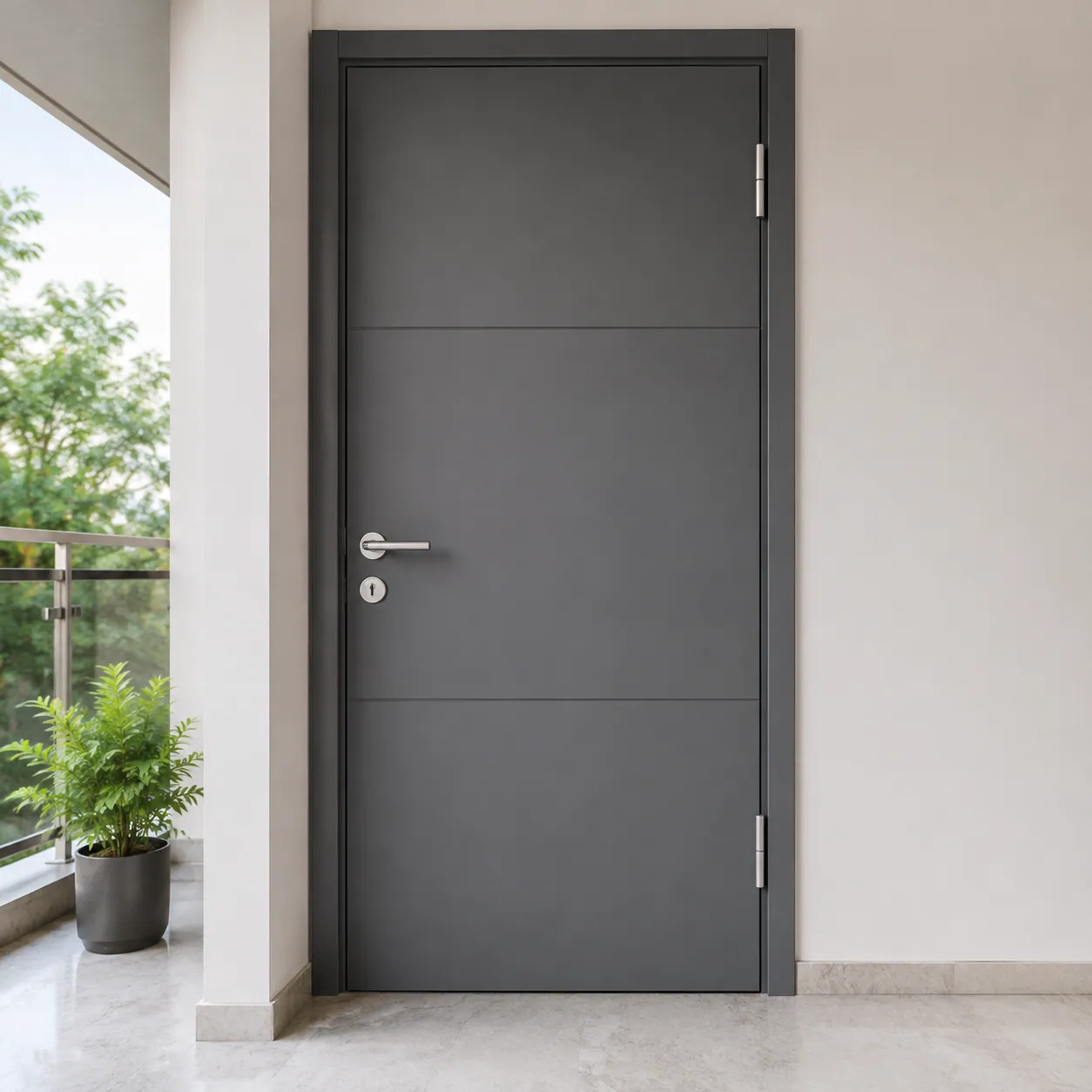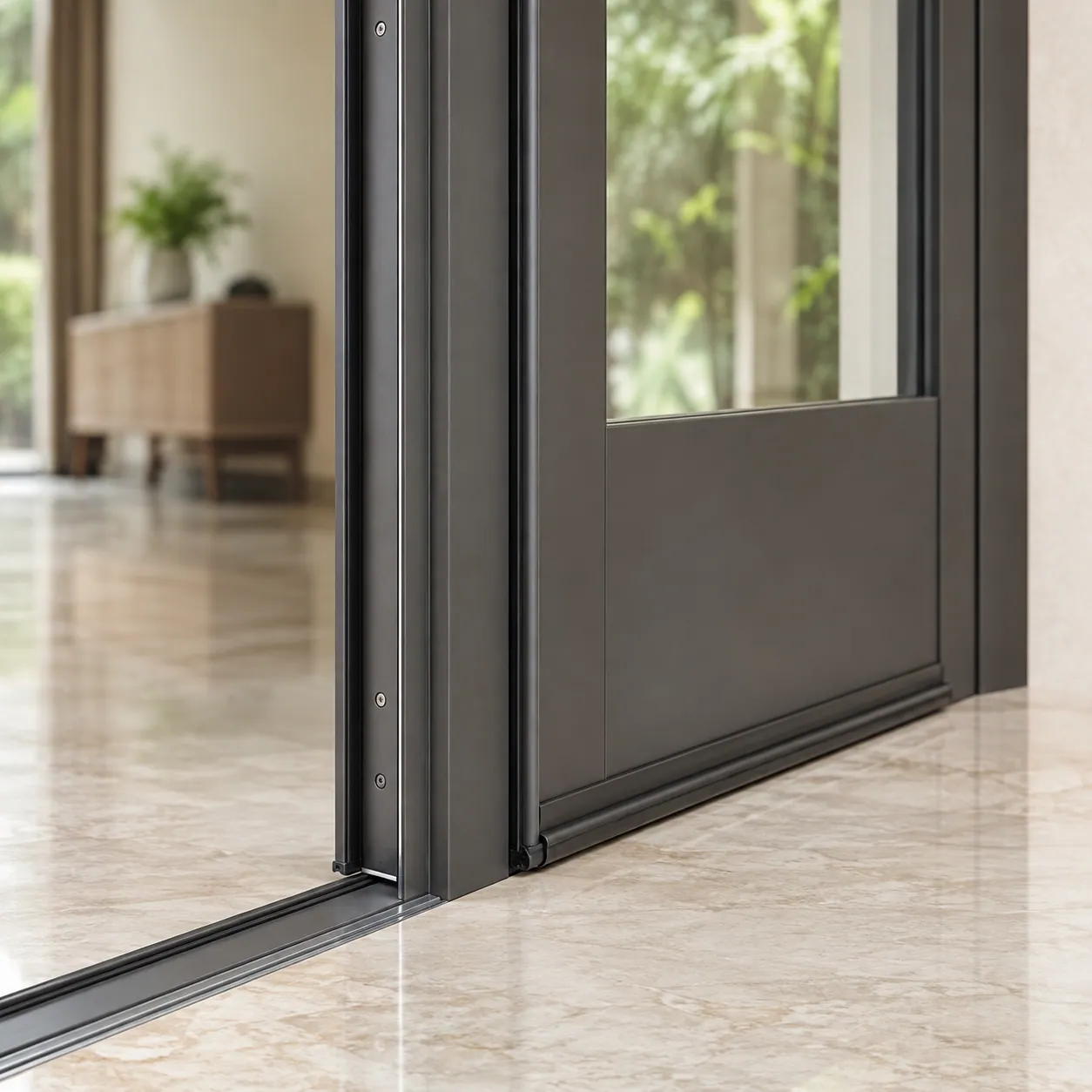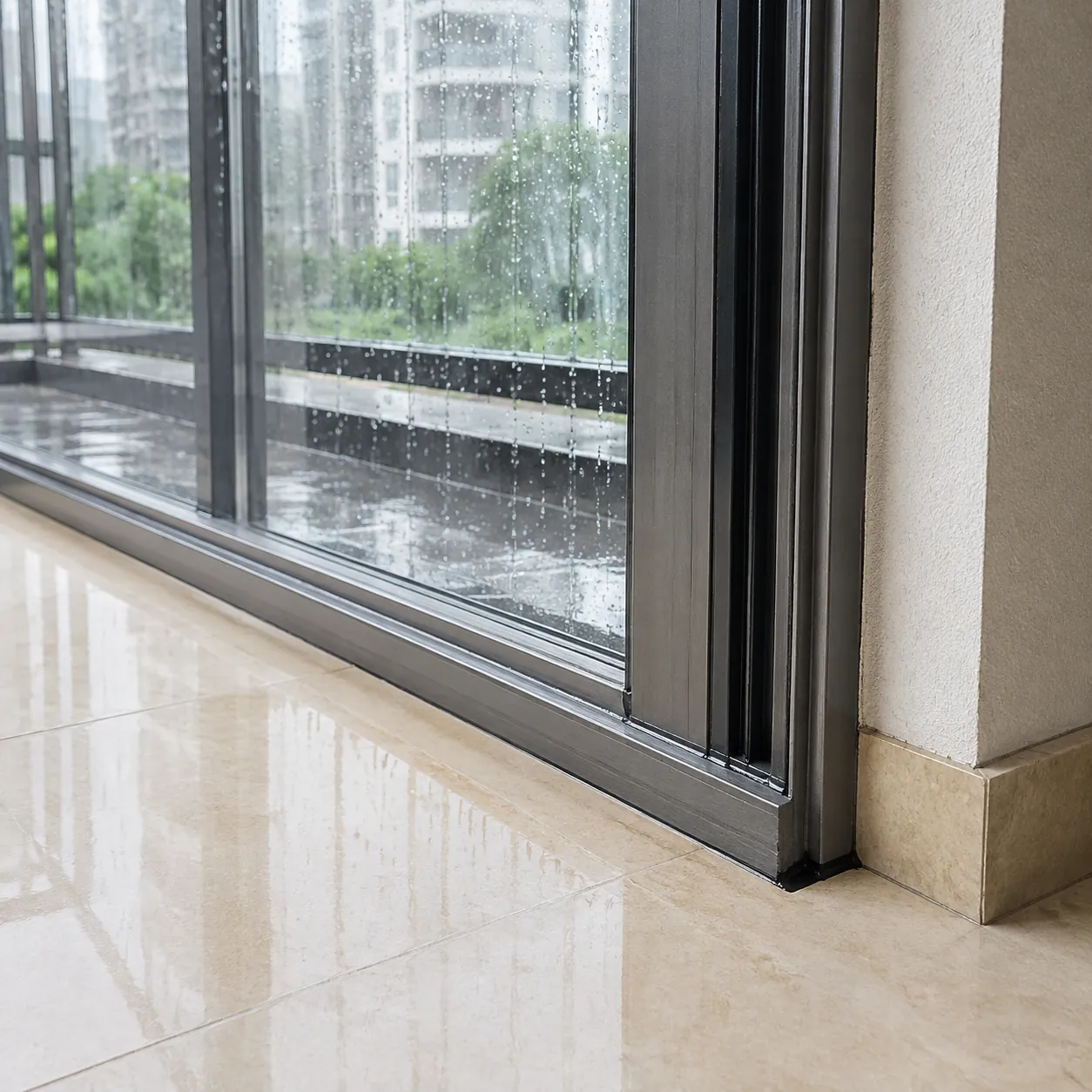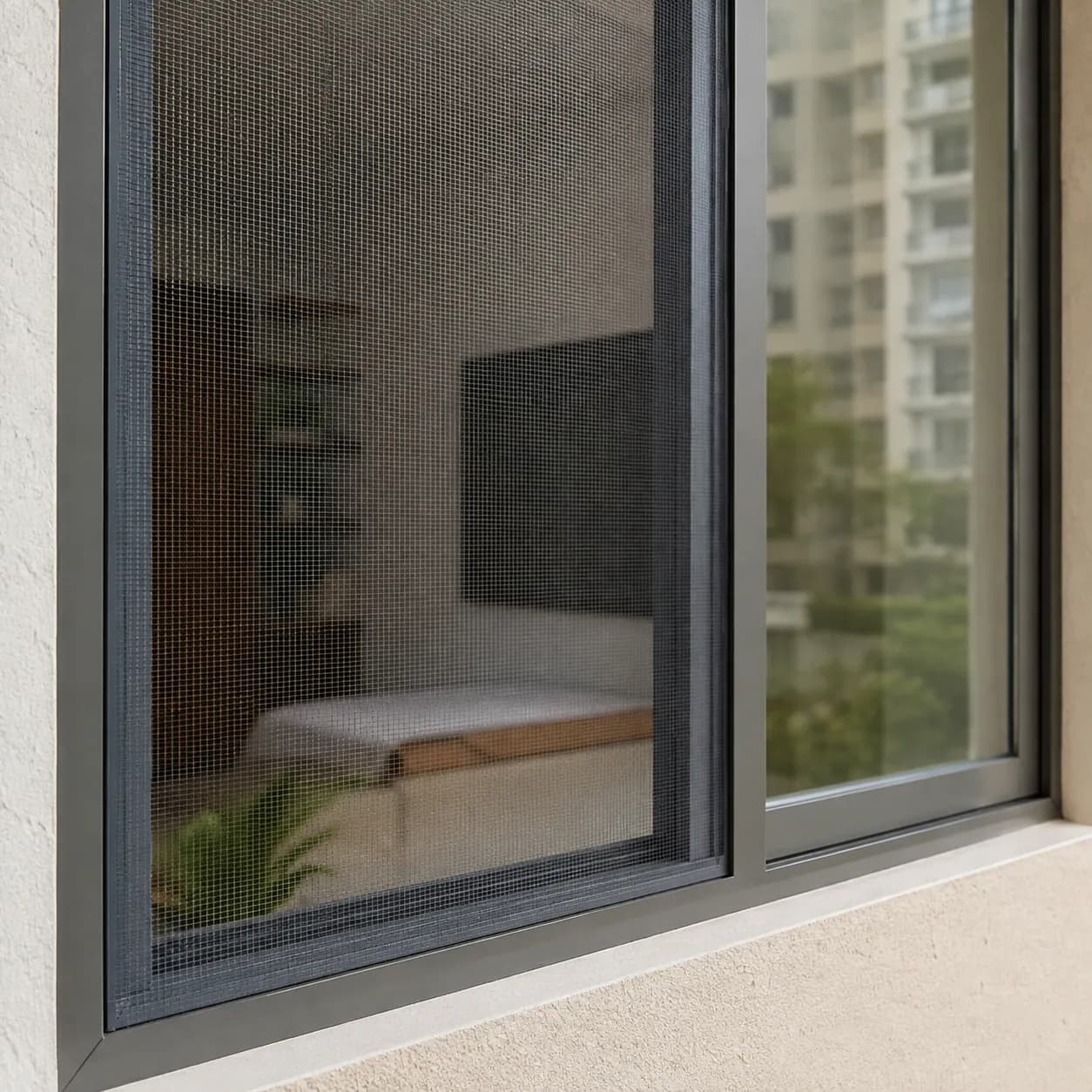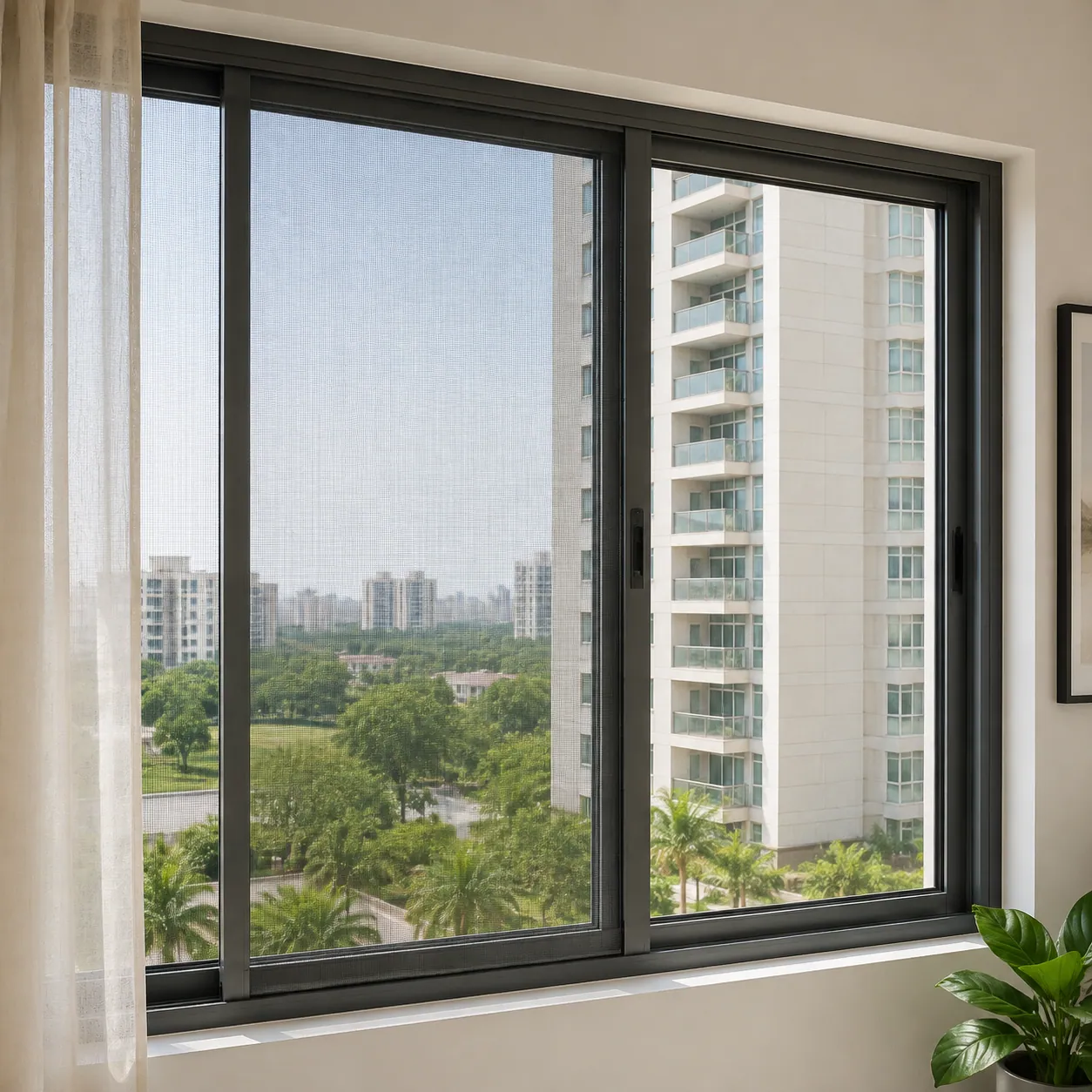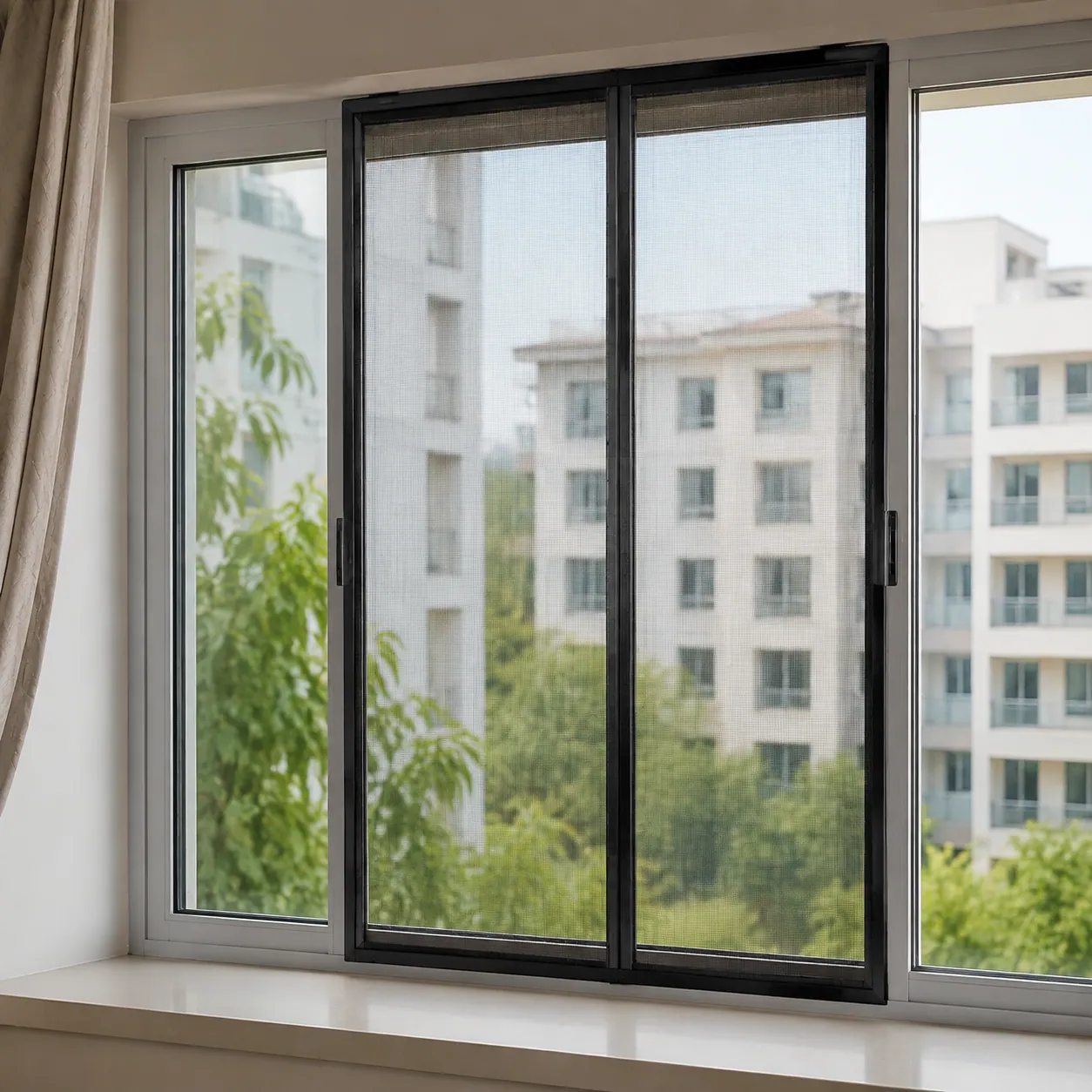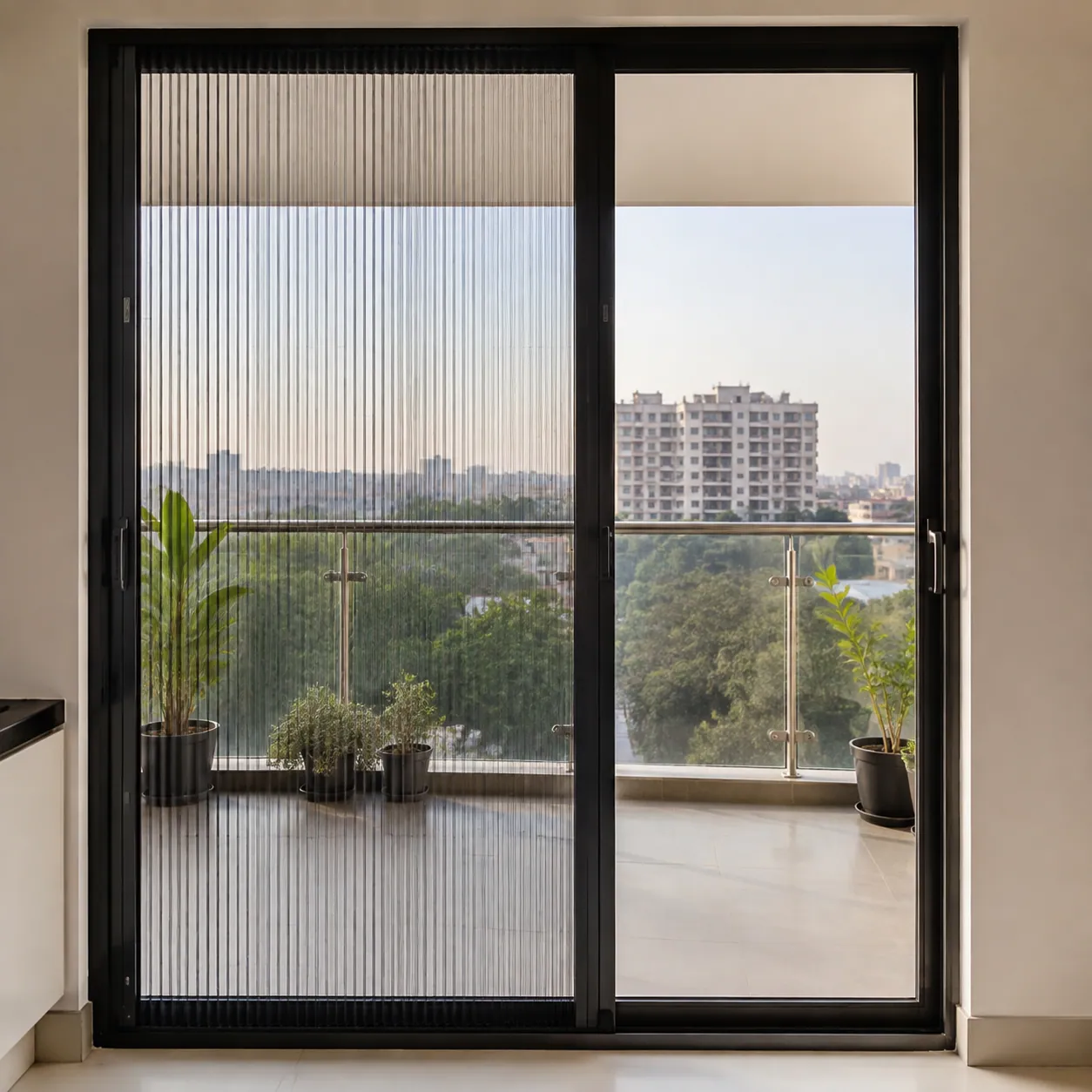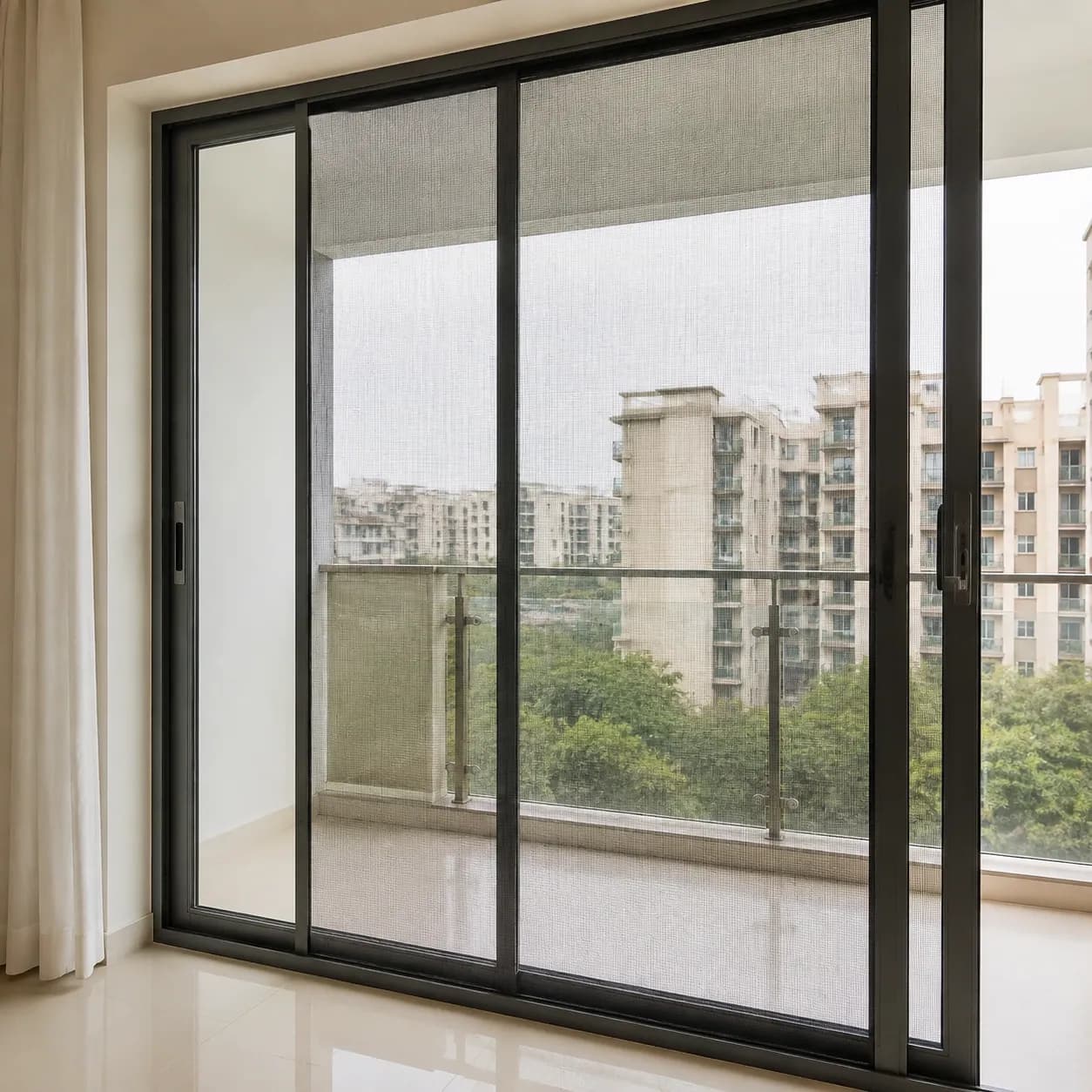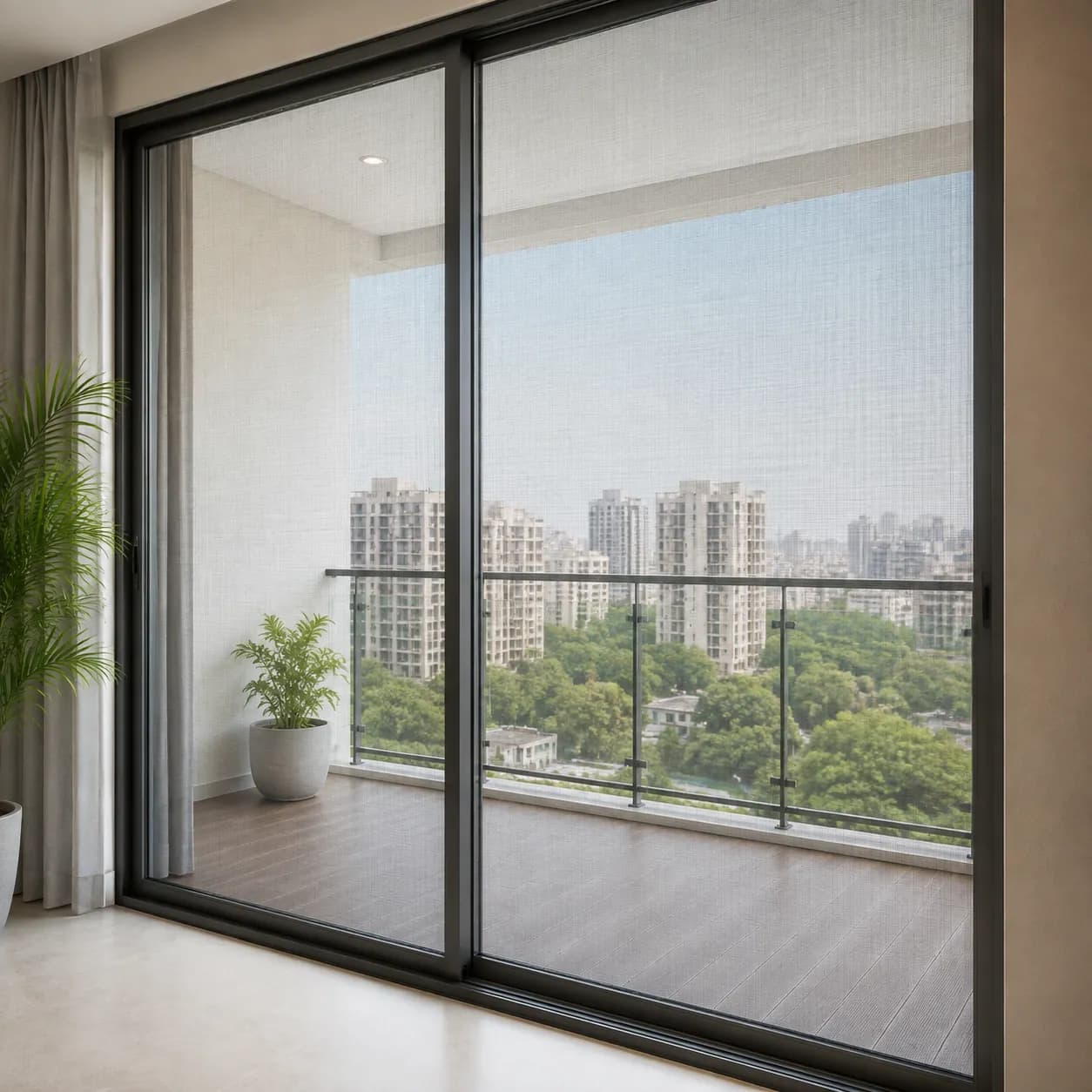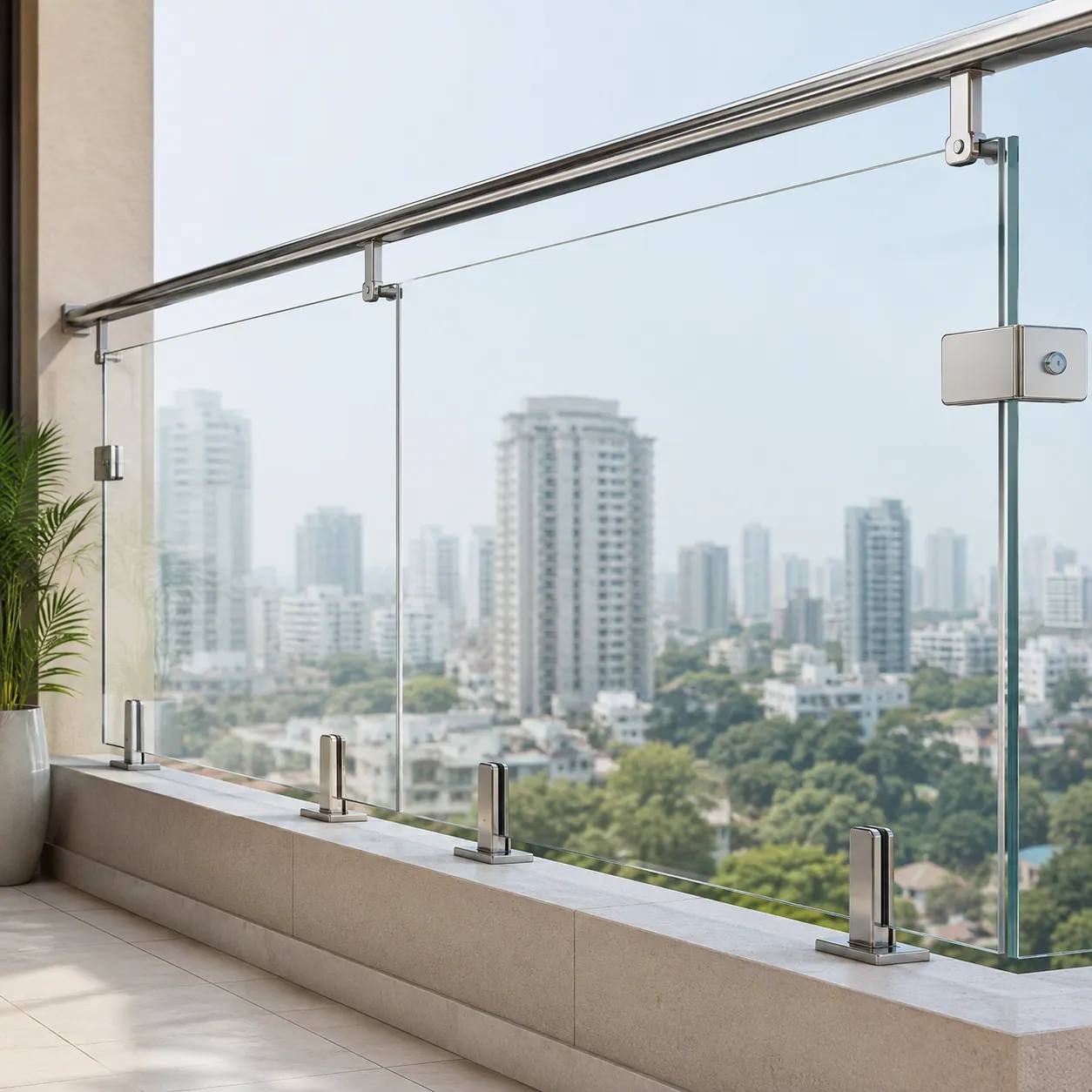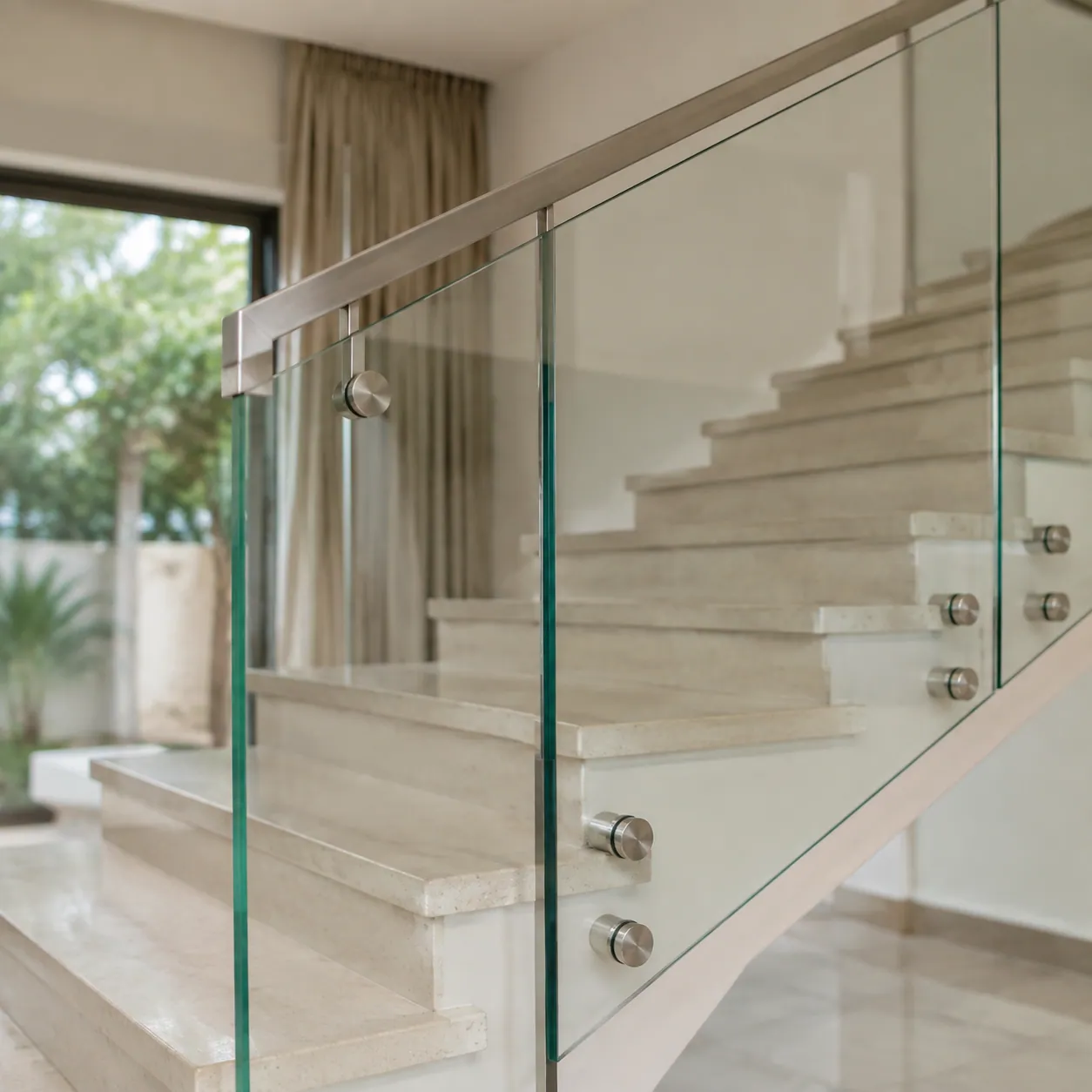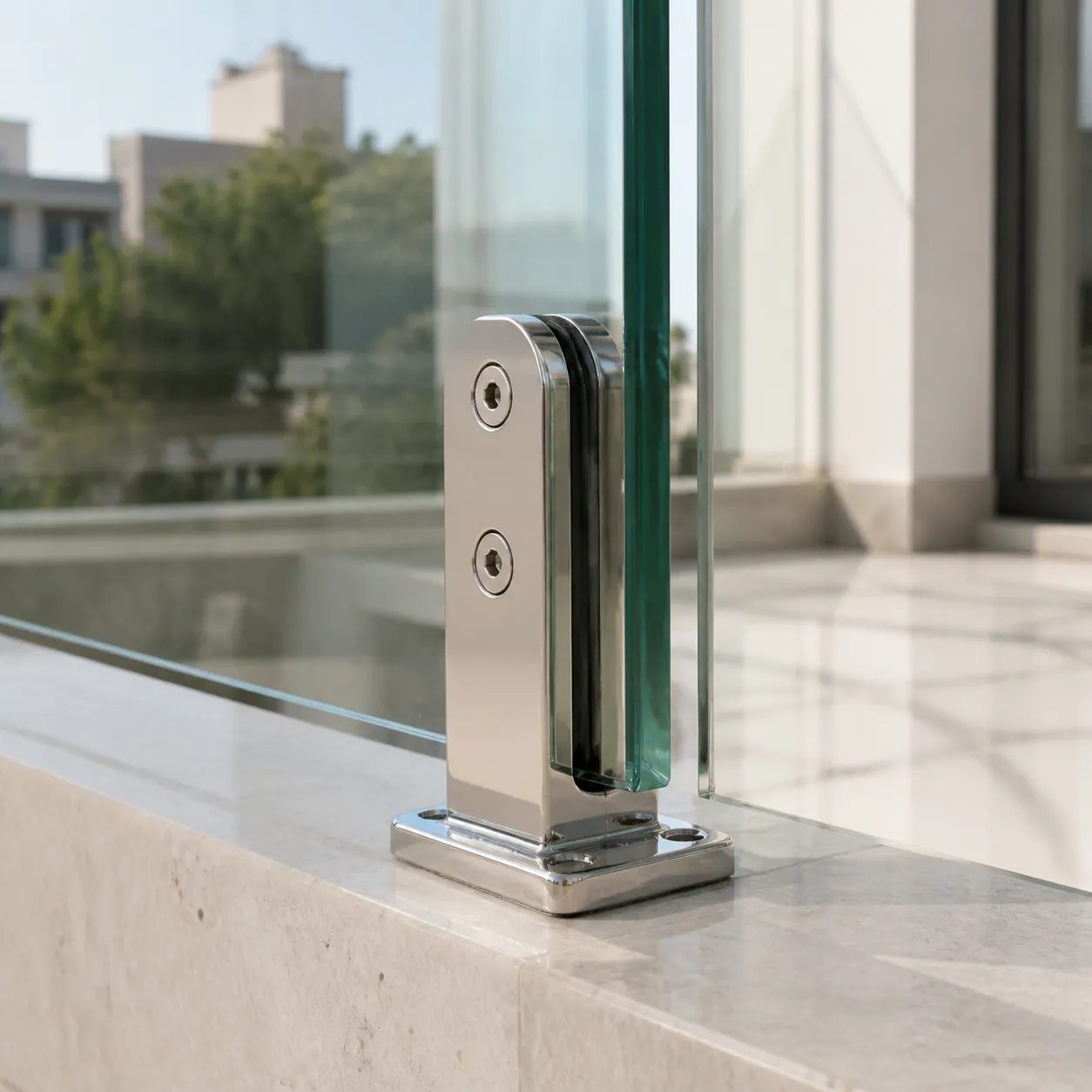
Because each plot here was built separately, the windows, doors and railings differ house to house — different systems, different sections, different hardware. That matters for repairs, because a part that fits one house will not fit the next, and identifying what is actually installed is most of the work.
Identifying the system before ordering anything
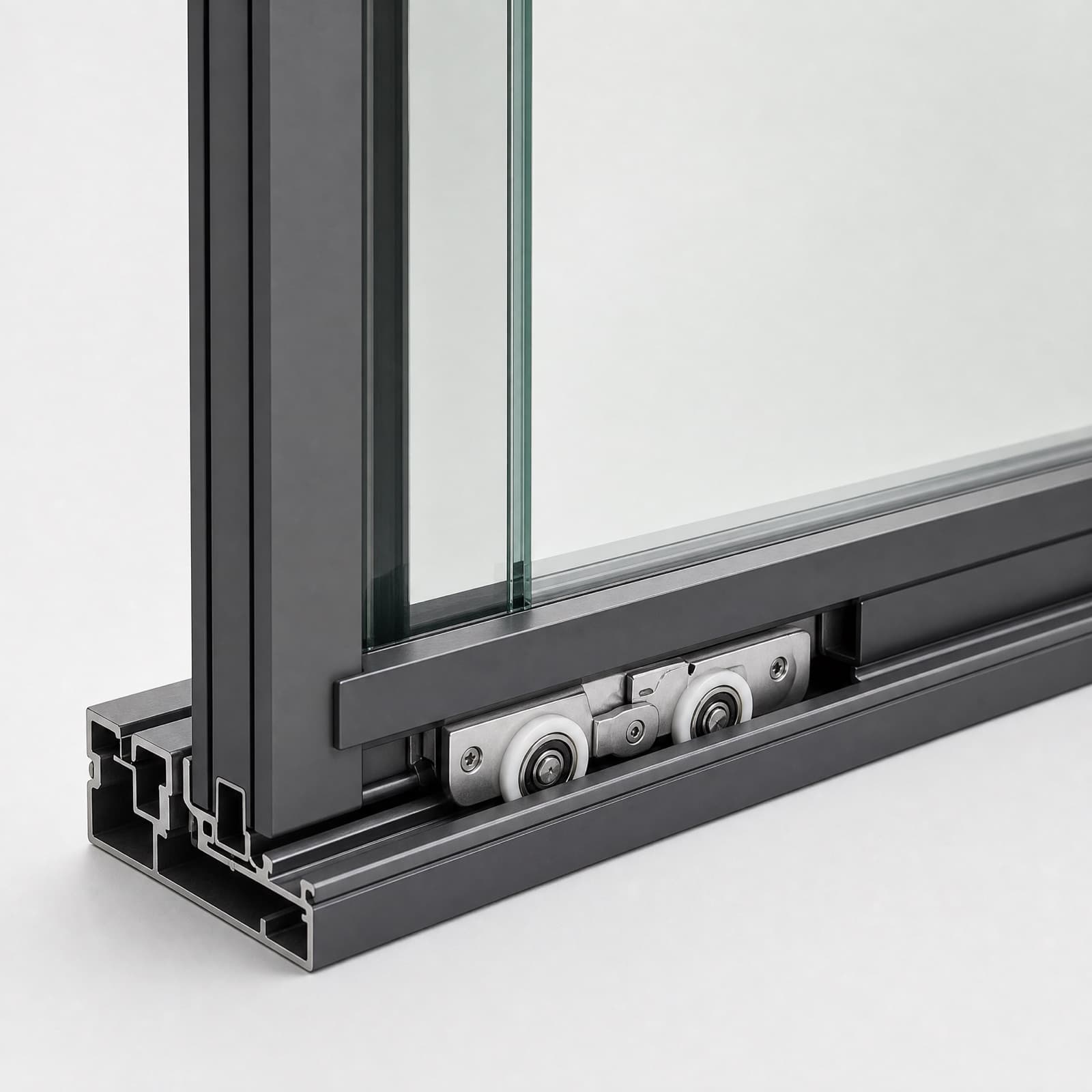
Aluminium and uPVC windows are made in dozens of systems, and their rollers, handles and locks are not interchangeable.
They look similar enough that ordering by description almost never works.
So we photograph the section and take out a sample part before ordering. That adds a day to a simple repair and it is why we arrive with a part that fits. Forcing in the nearest equivalent leaves the window worse than it started.
Parts that are no longer manufactured
On a house fitted out fifteen or twenty years ago, some hardware is simply not made any more.
There are then three honest options: find old stock, adapt a current part, or change the hardware on every window so they match.
Adapting is usually right for a single window; changing the lot makes sense when several are failing anyway. What we will not do is fit something that nearly fits, because it puts the load in the wrong place and damages the frame next.
Mixed materials on one house
It is common here to find wooden frames at the front, aluminium at the side and uPVC where something was replaced.
Each has a different lifespan and a different failure mode, so they should not go on one maintenance cycle.
We list them separately and say which need attention now and which have years left. On a mixed house that is far more useful than a single figure, because it lets the work be spread over two or three years sensibly.
Build a hardware register before the first repair order
We give every opening a room name and simple reference number. The register records frame material, section photograph, opening type and each removable part. Handle spindle lengths, roller dimensions and lock backsets are measured rather than guessed.
Parts can then be grouped by exact match. One sample comes out for comparison while the remaining windows stay closed. Where several openings use the same hardware, one spare can be kept for the house. The register becomes more valuable over time because the next repair starts with known dimensions. It also prevents a similar-looking part being forced into the wrong system.
Separate safety work from comfort and appearance
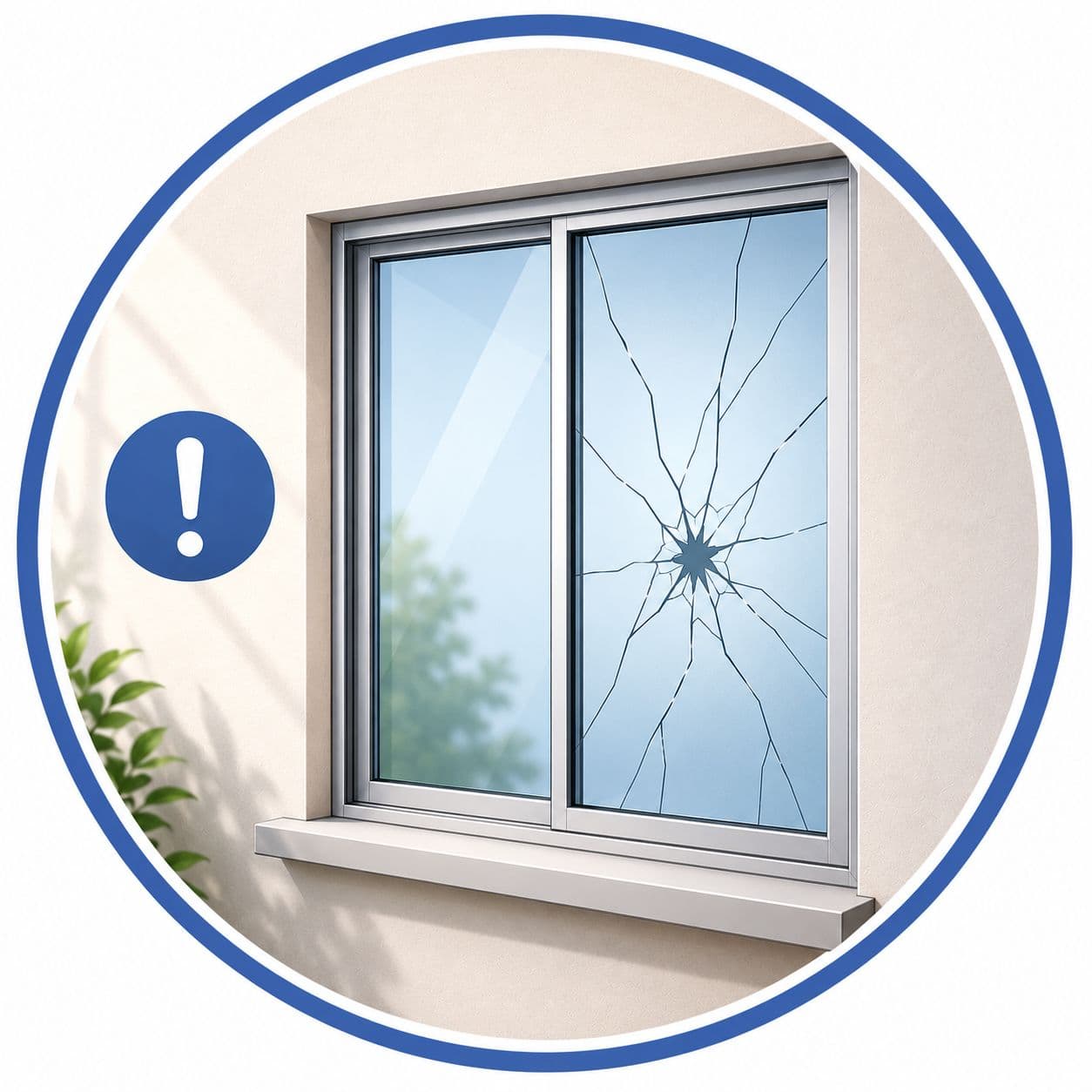
A loose railing panel or cracked door glass needs action before a stiff handle. A window that cannot lock comes before faded mesh. Scratched frames may remain serviceable for years. We mark each finding as make safe, restore operation or improve appearance.
That order keeps the first visit focused on risk. It also makes the quote easier to trim without accidentally removing essential work. The owner can approve safety items immediately, group functional repairs by floor and leave cosmetic changes for a later phase. Every deferred item stays on the register, so it is not lost when the urgent job is complete.
Test each material by its own failure pattern
Wood needs checks for softness, split joints and movement around fixings. Aluminium needs straight tracks, sound corner joints and drainage paths. uPVC needs intact reinforcement, sealed corners and hardware that pulls the sash evenly. Treating all three as generic windows misses the cause.
We test operation before removing anything and again after repair. Water paths are cleared without blocking designed drain slots. New screws go into sound material, not enlarged old holes. The handover notes state what was changed and what remains original. That makes future maintenance specific to the installed system instead of starting the diagnosis again.
Store one labelled spare for repeated hardware
When several openings use the same roller, catch or handle, keeping one labelled spare avoids another sourcing delay. We verify the match first and note which room codes accept it. The spare stays packaged with its measurements, while discontinued or adapted parts remain clearly separate. This is useful stock, not a box of unidentified leftovers.
How the job works
- Tell us about the jobSend a few photos, rough sizes and what you need. Use WhatsApp or the form. For a repair, a short video of the door moving helps a lot.
- We call you back in about 2 minutesWe confirm what you need and a time to visit. Where we can, we give you a rough price on the call.
- We come and measureWe measure the opening and check the walls, floor and ceiling around it. Anything made to size is made to these measurements, so they must be right.
- You get a written priceIt lists each item, with GST as its own line. If anything about the job changes, we tell you before we go ahead.
- We fit itYou approve the price and pay the advance. Our own team fits the work, checks that every door and window opens and closes properly, and clears up. Most jobs are done in 3 to 4 days.