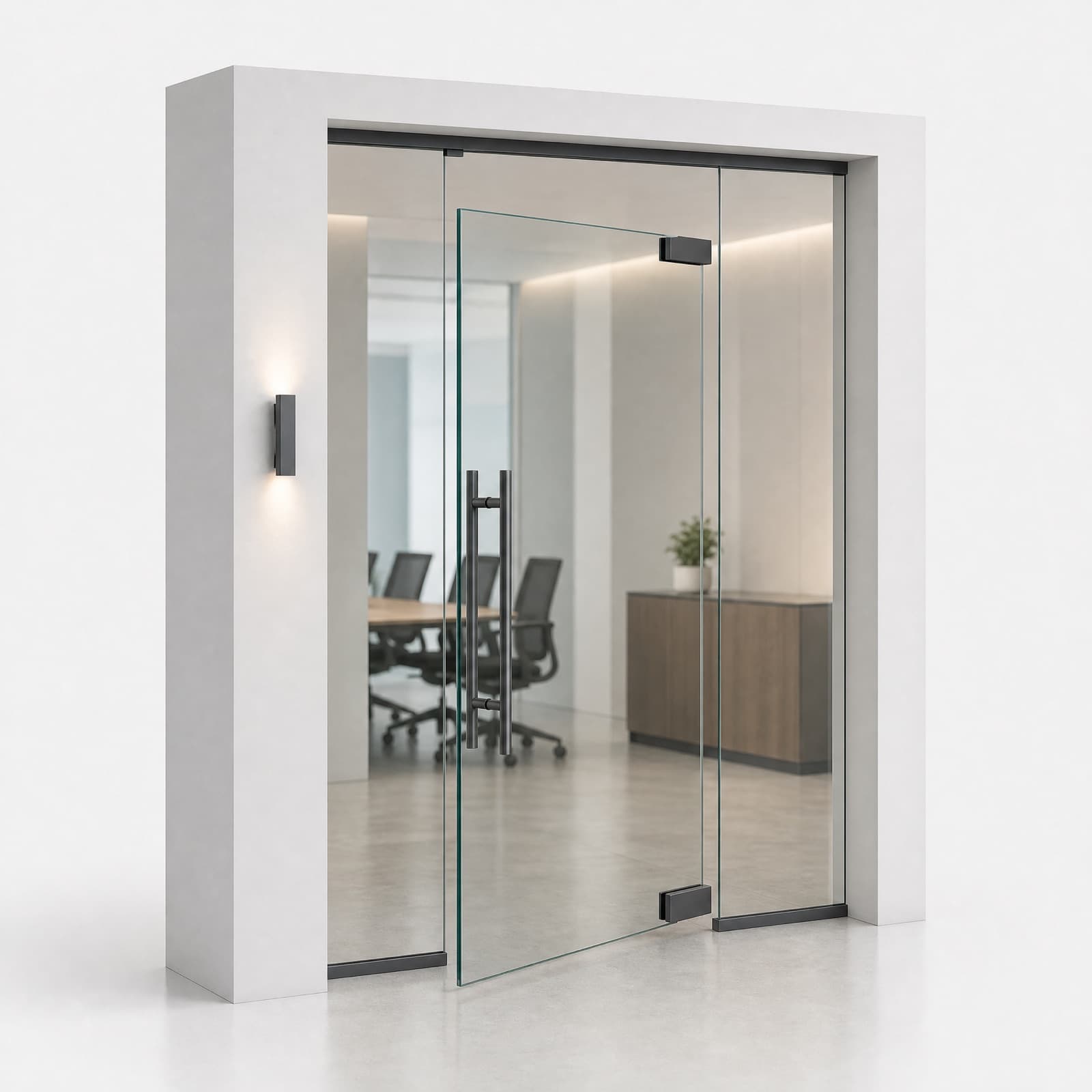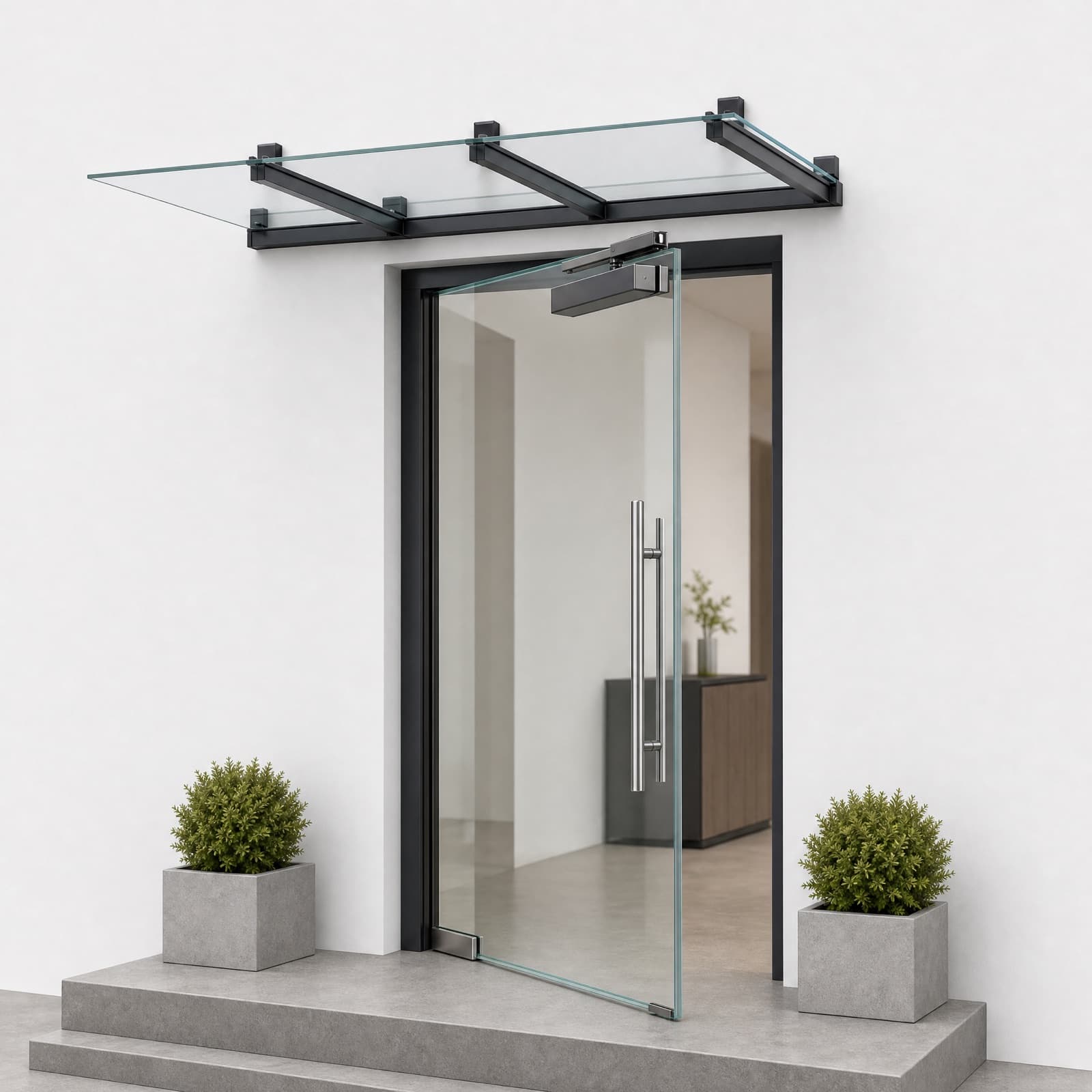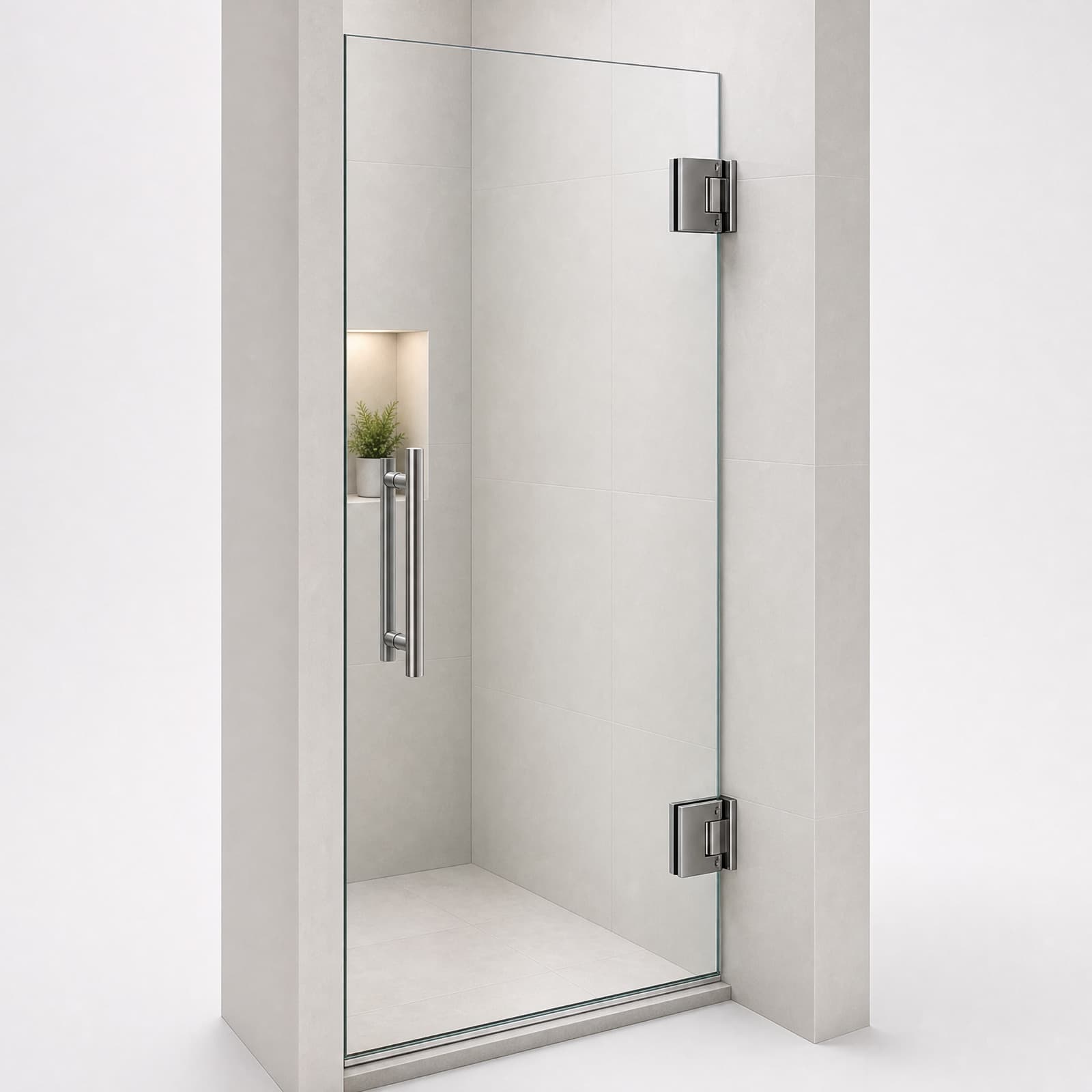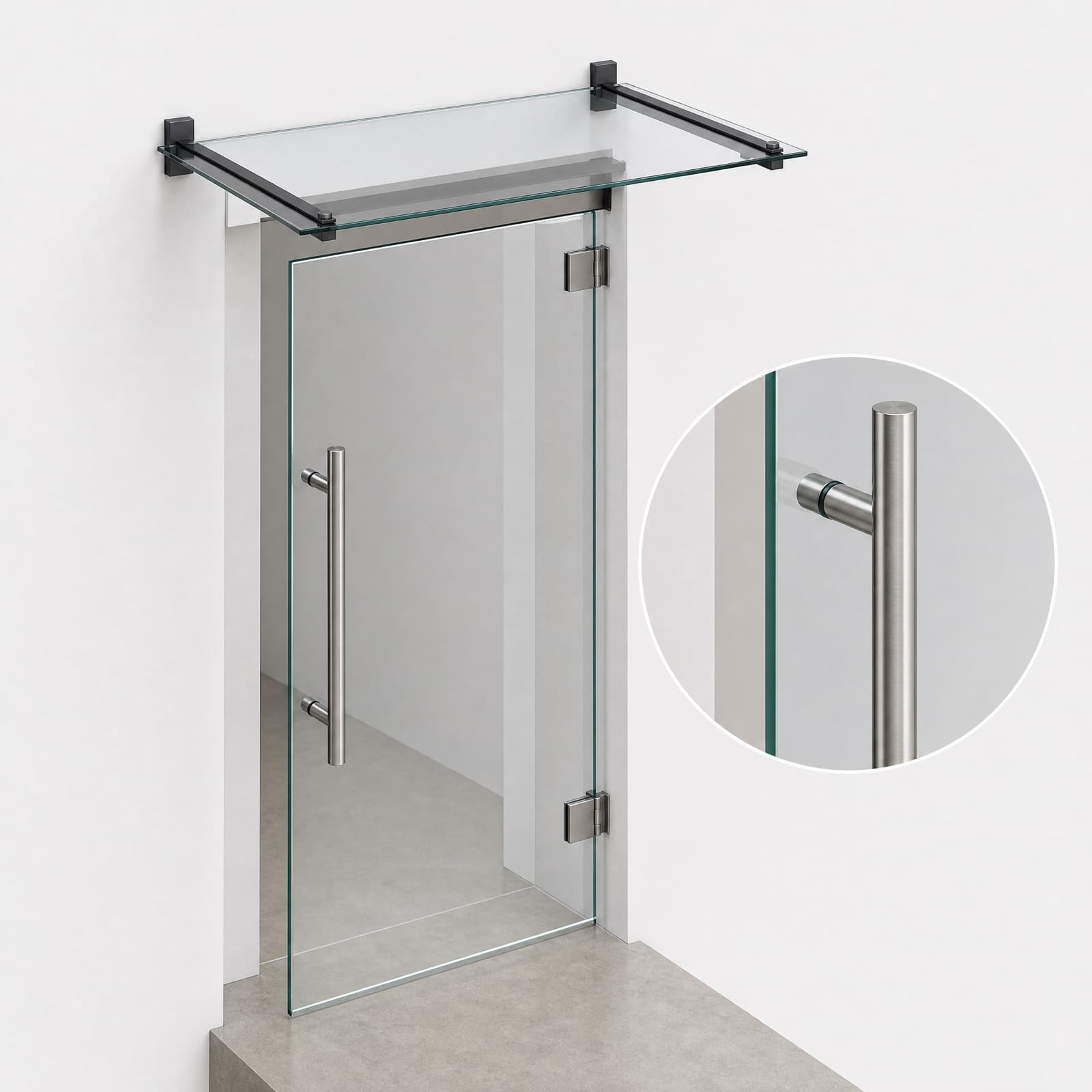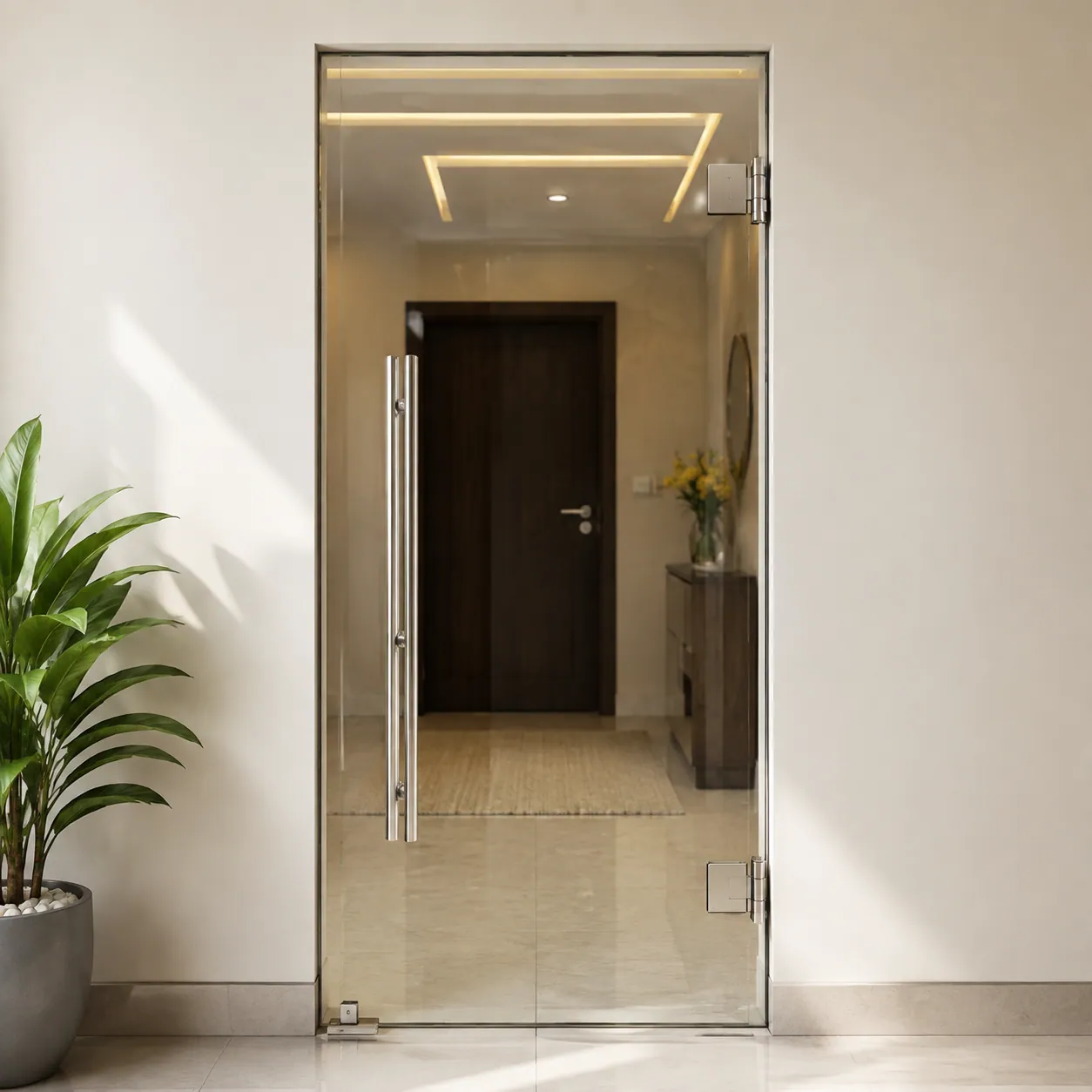
Whitefield gives us two very different repair calls. Inside the campuses it is nearly always a cabin door that has lost its closing control. In the towers it is a shower enclosure whose hinges or seals have gone. In both cases the glass itself is usually fine. Knowing that before anyone travels is what keeps the visit short.
Office doors on a working floor
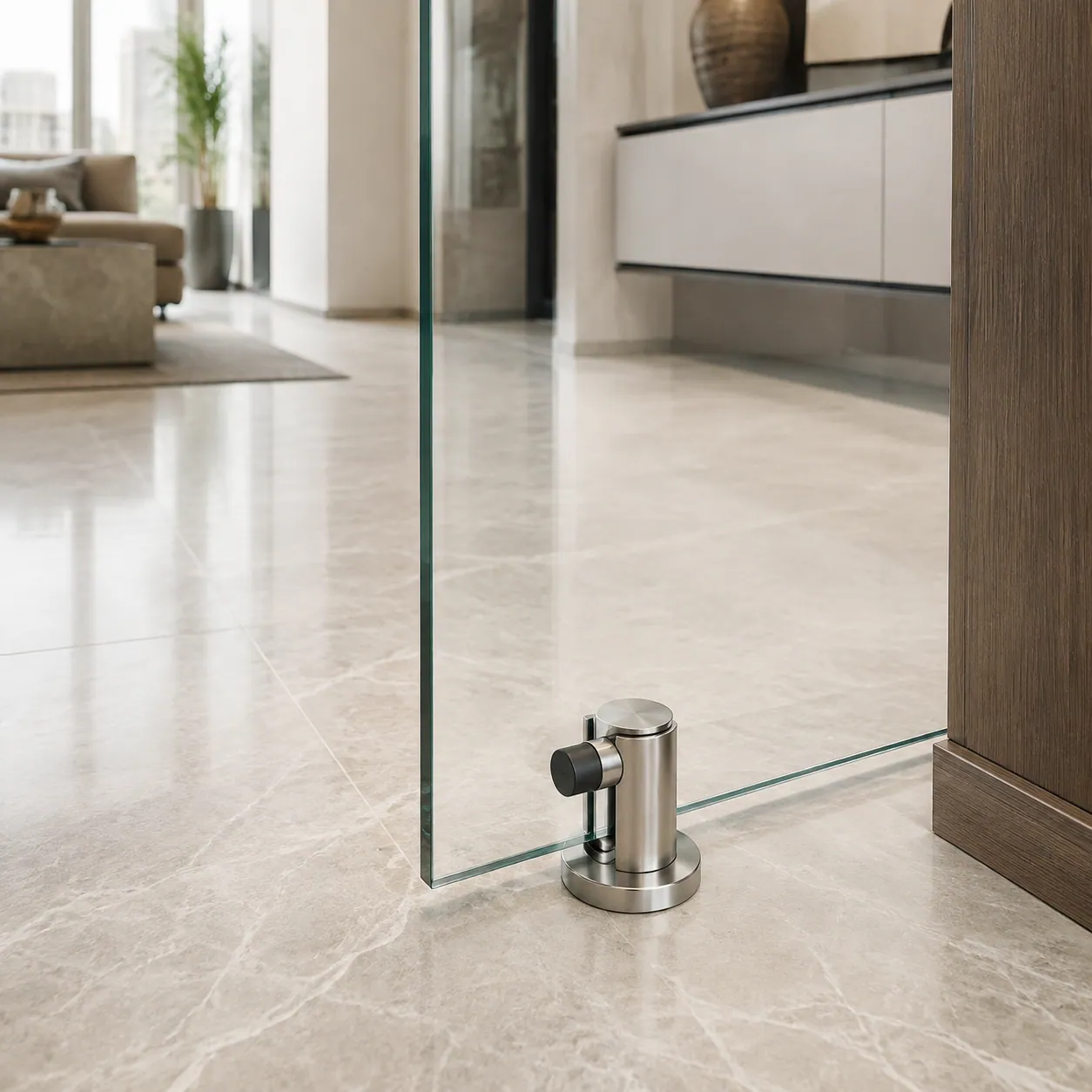
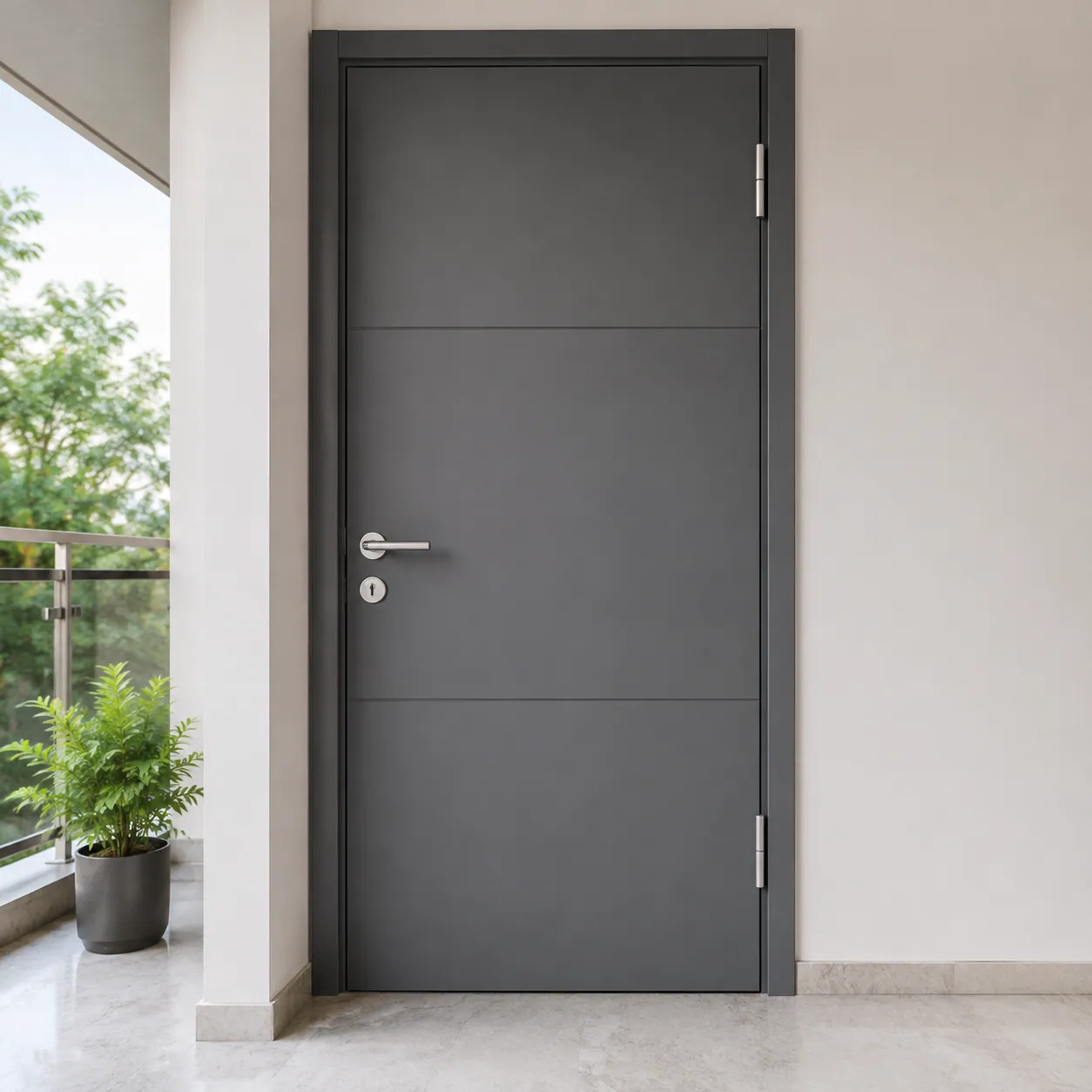
The most common fault is the floor spring. A cabin door opened hundreds of times a day slowly loses its control. You see it slam, drift open, or fail to shut.
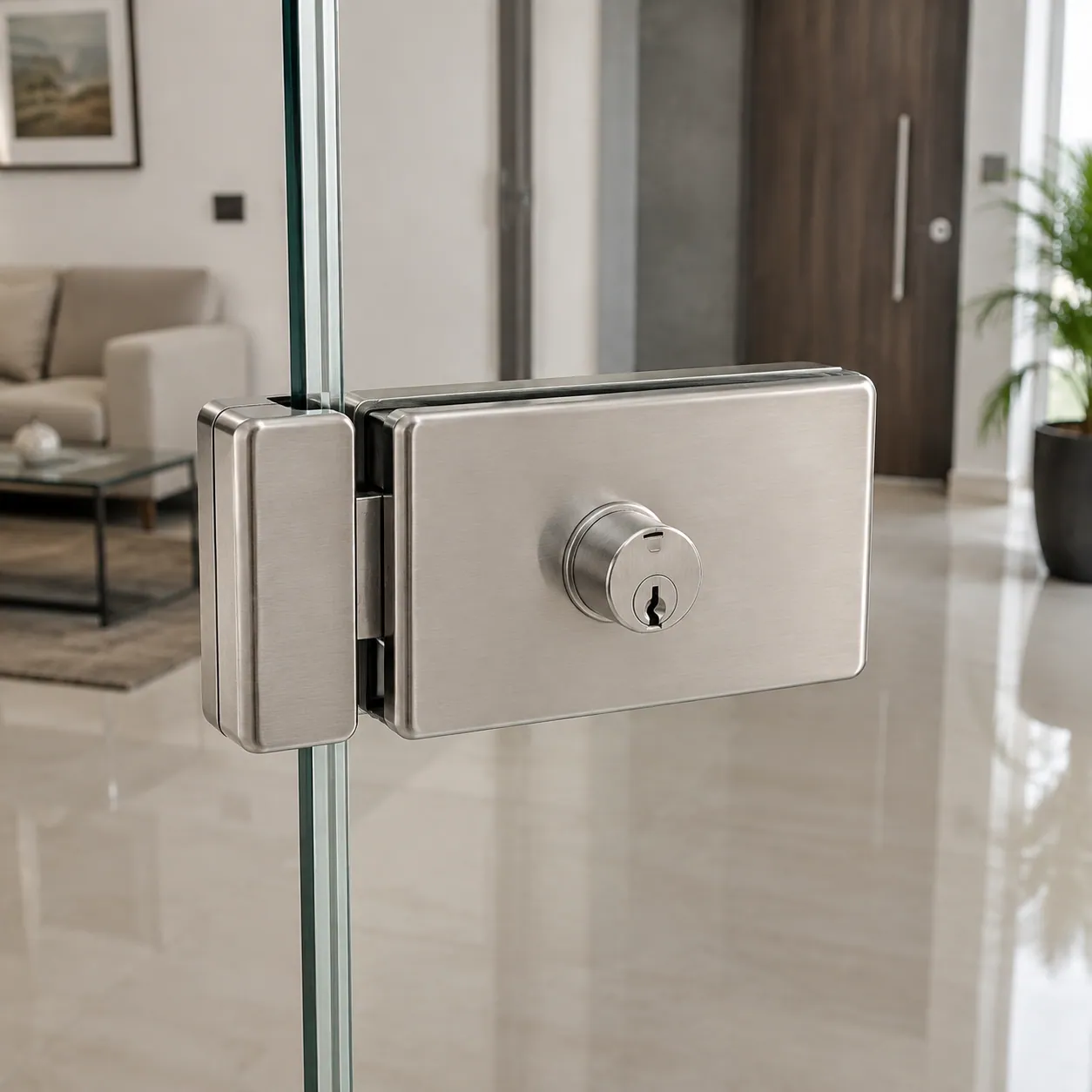
The rest is alignment. A lock that no longer meets its catch. A handle out of line. Or clamps that need tightening.
Getting a repair team in still needs worker IDs, and often a lift slot. But campuses are usually easier about a two hour repair than a full night of fitting. Send a short video of the door moving and we will bring the right part on the first visit.
Shower fittings in the towers
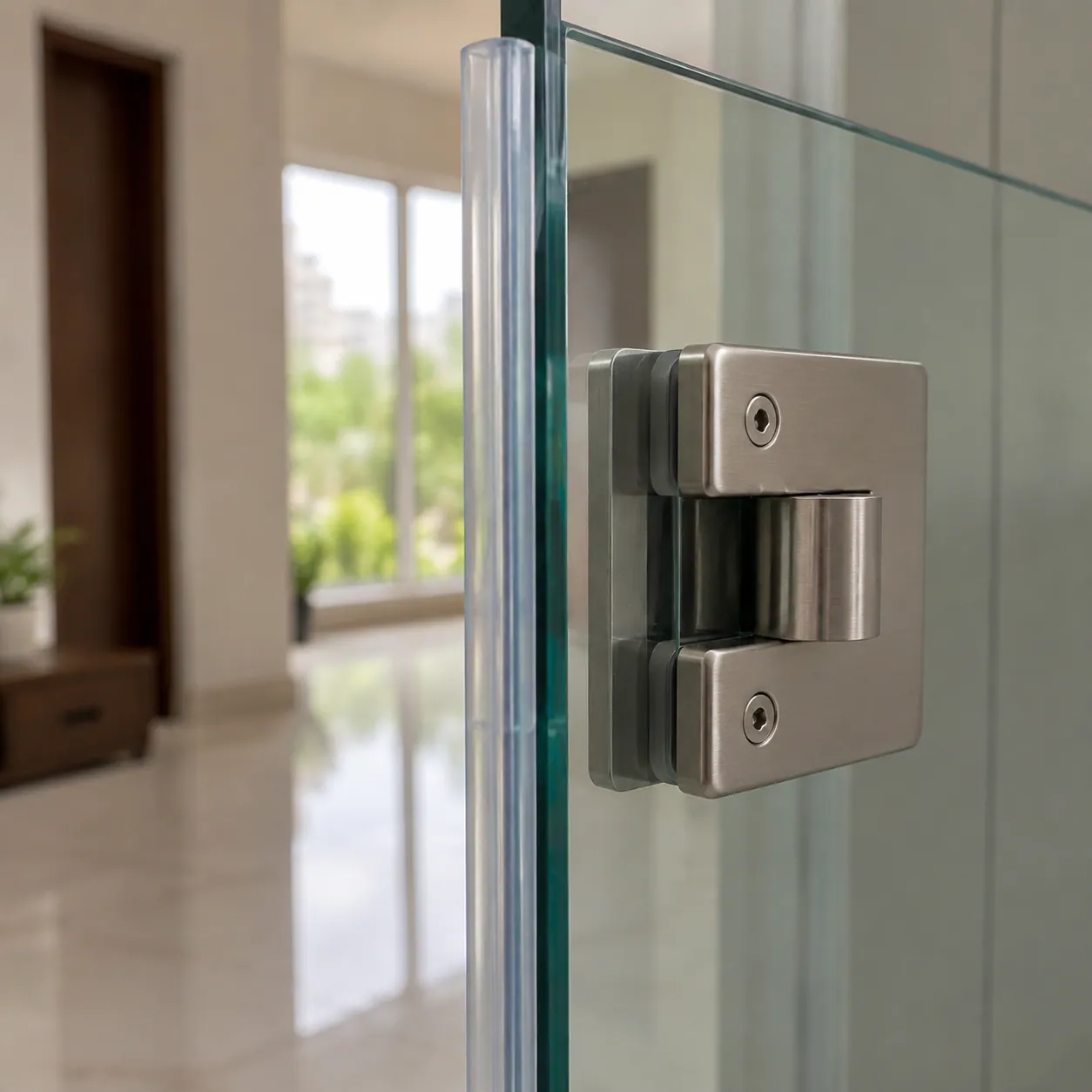
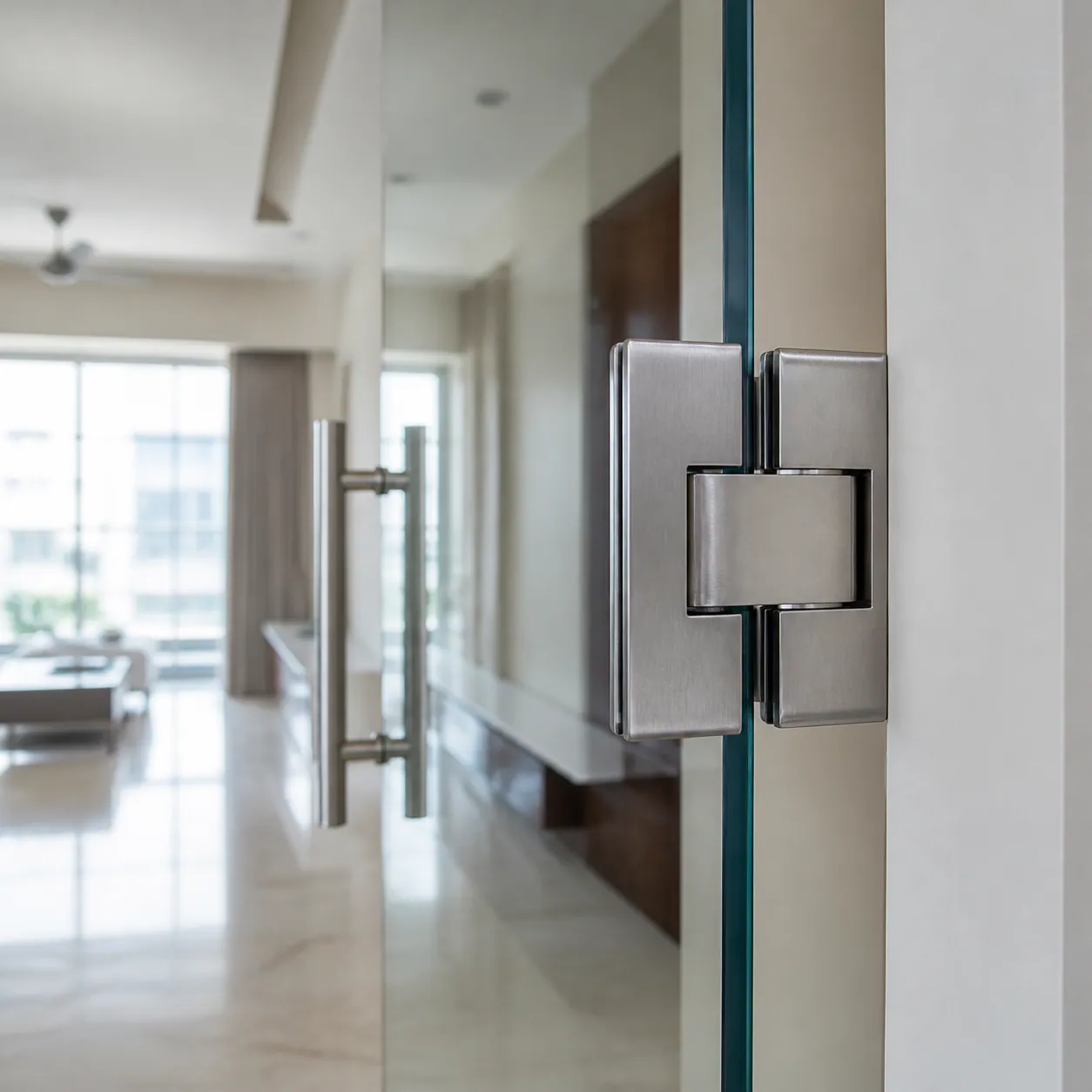
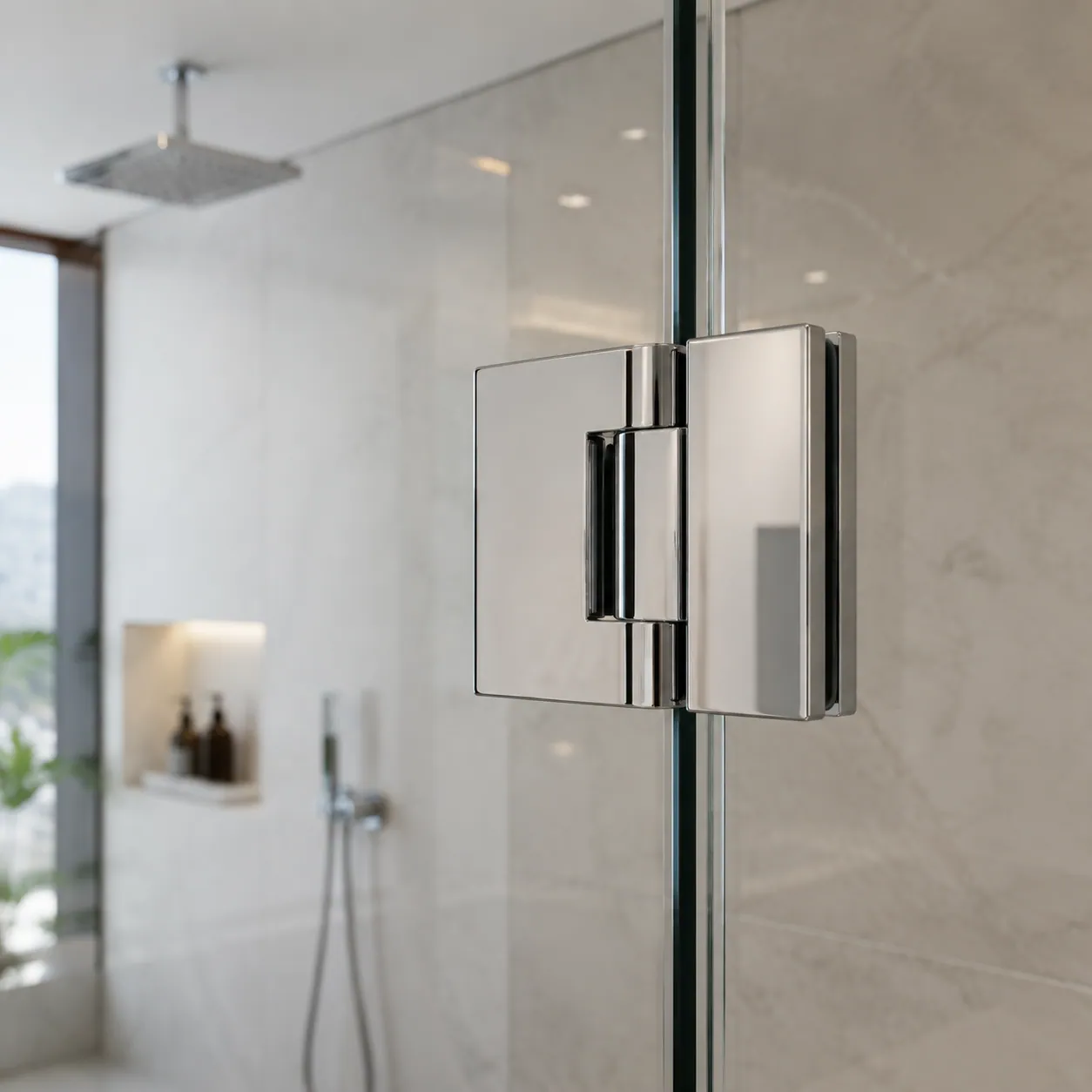
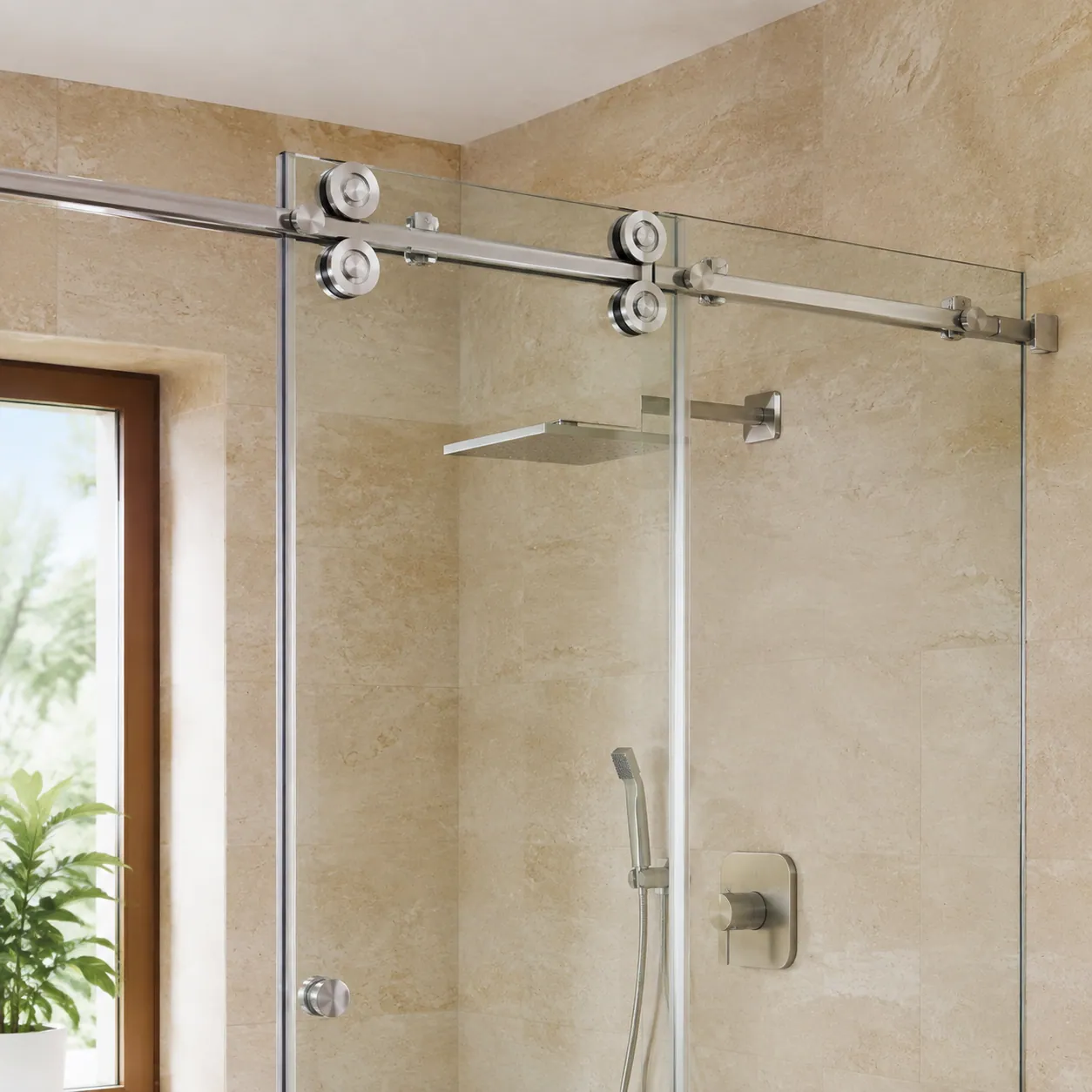
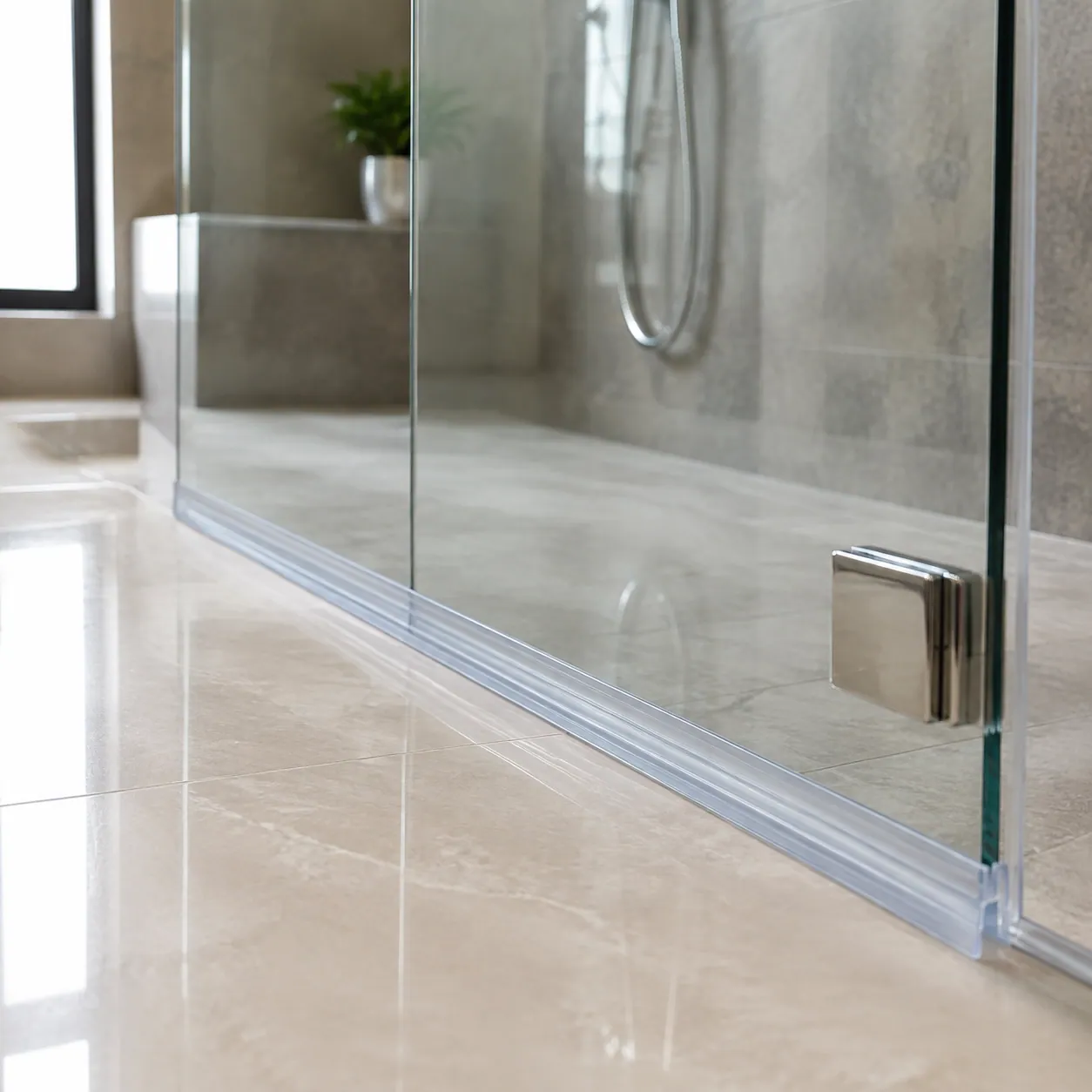
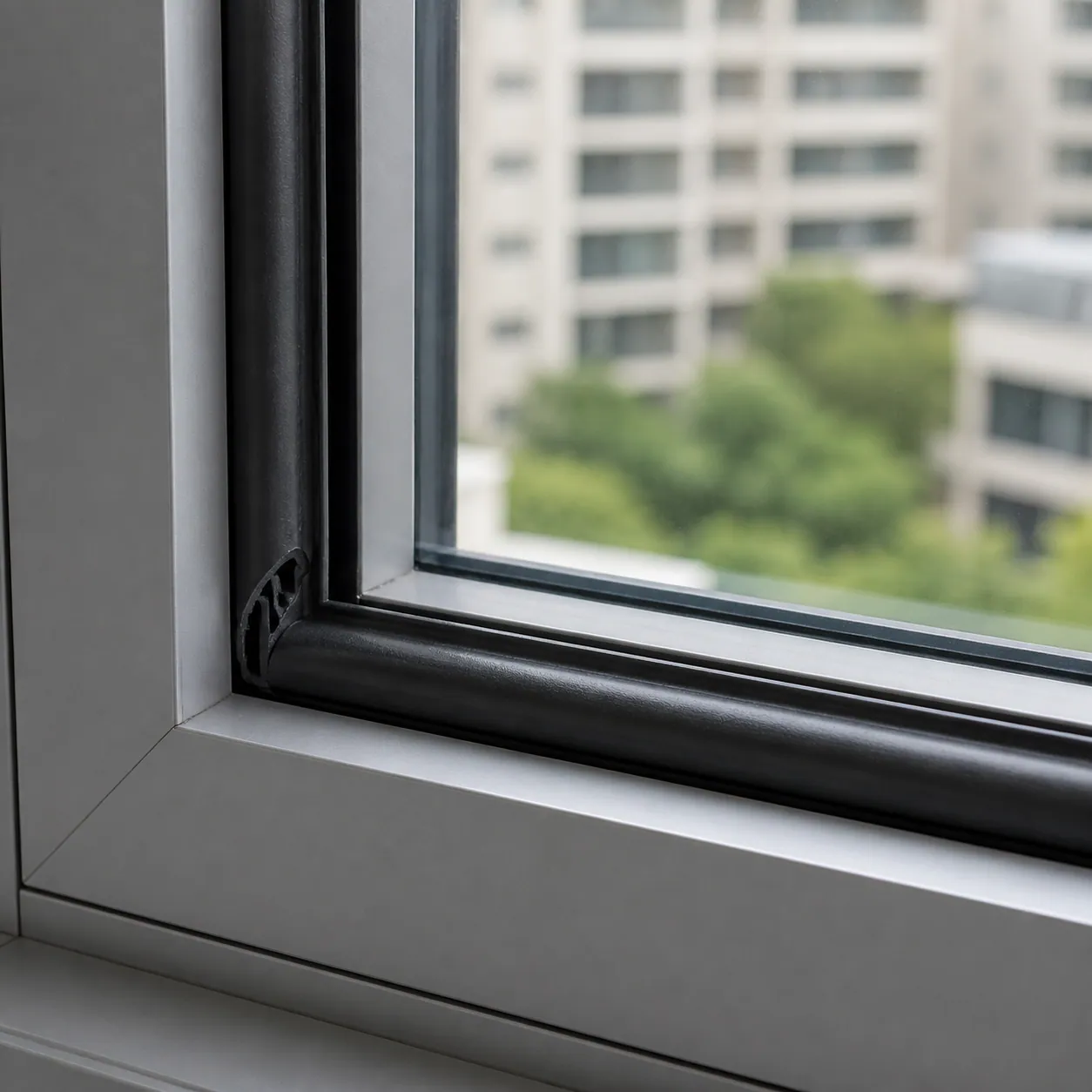
In a bathroom the parts that fail first are the hinges, the door seal and the silicone. The glass is almost never the problem.
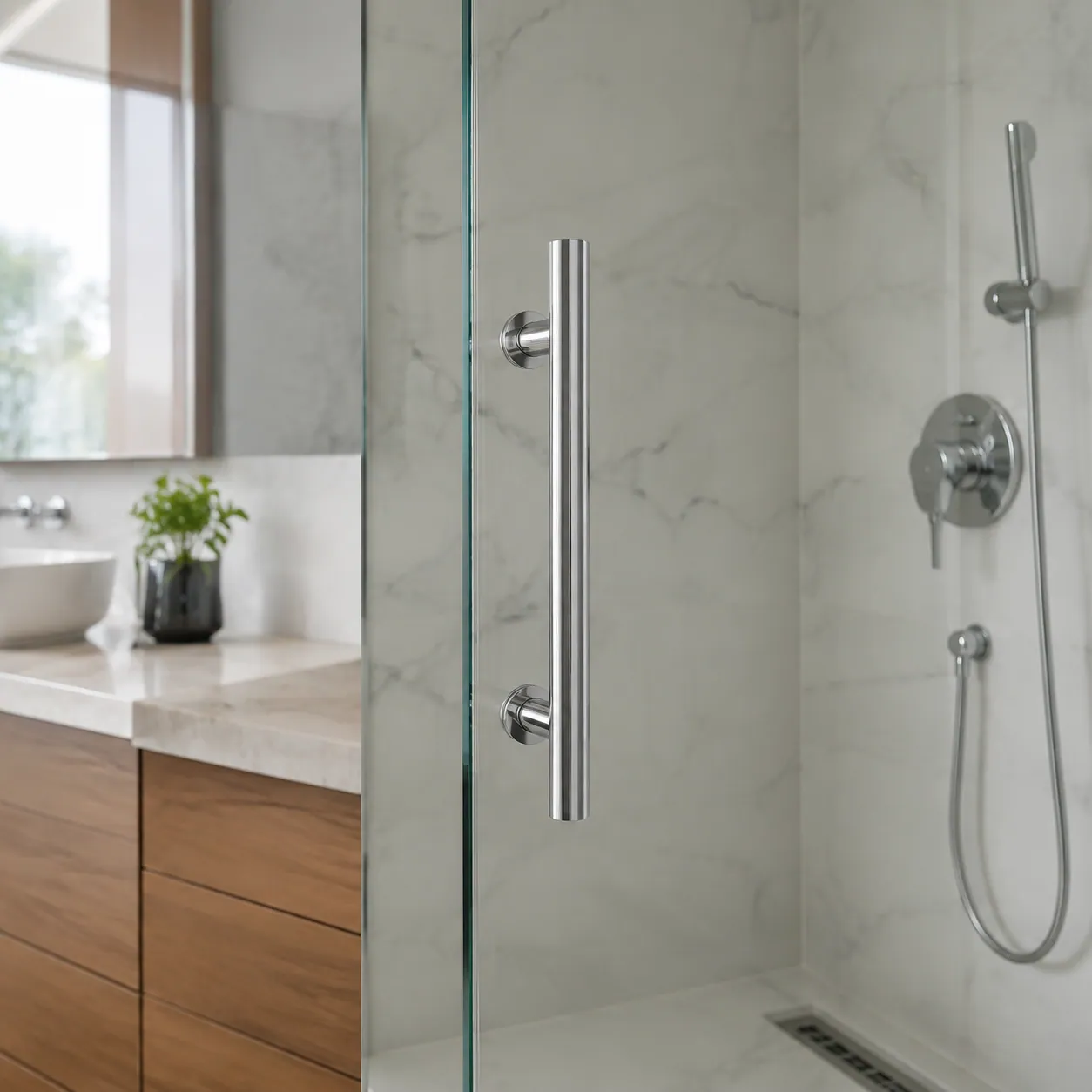
If the glass is sound and only the hinges, seals or handle have gone, that is a real repair. It costs a small part of a new enclosure, and we will say so instead of quoting a new one.
If the frame has rusted and the silicone has failed behind the tiles as well, fixing one of the three only lasts a few months. Send a photo of the door edge and the bottom track, and we will tell you which one you have before anyone travels.
Record a Whitefield repair so the right route is booked
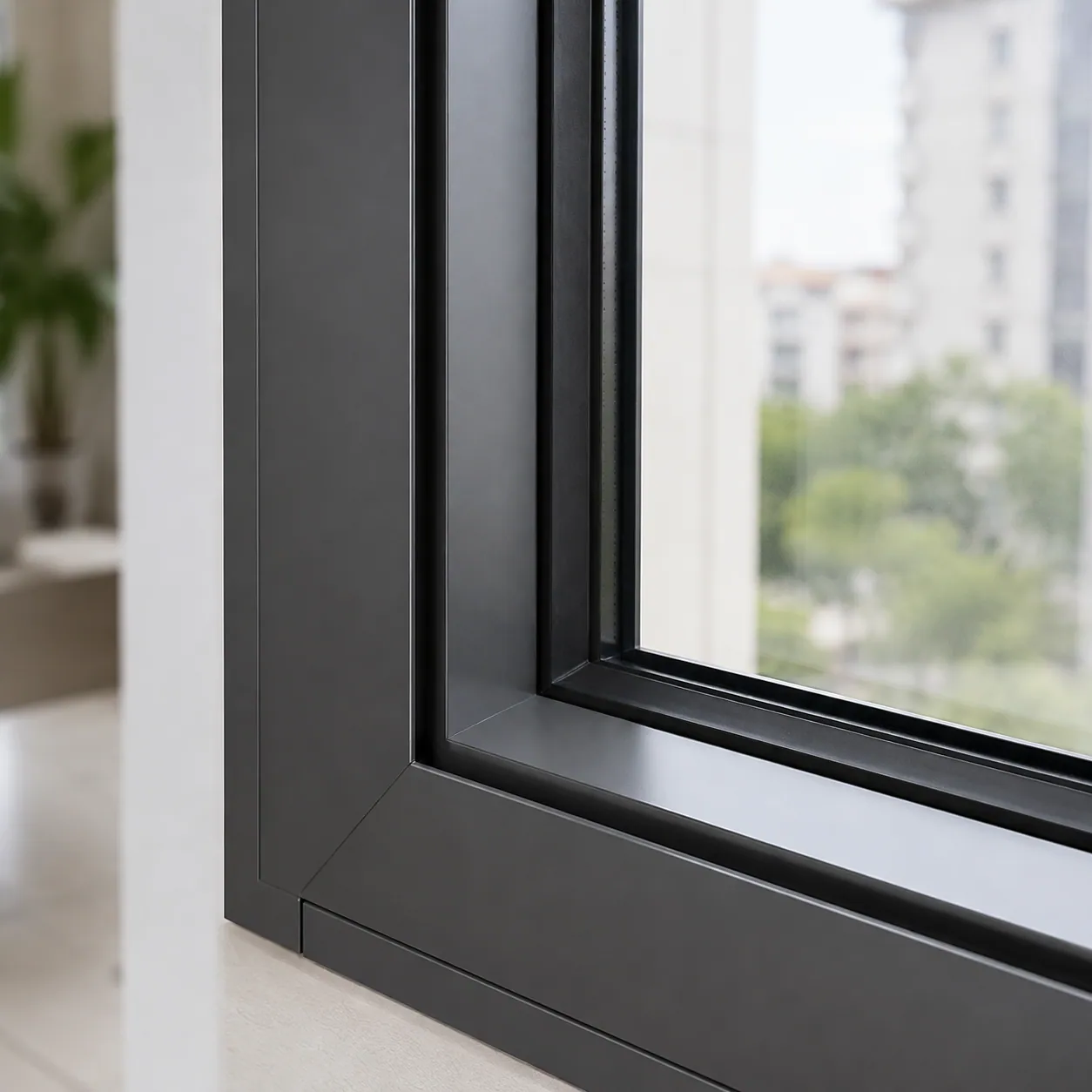
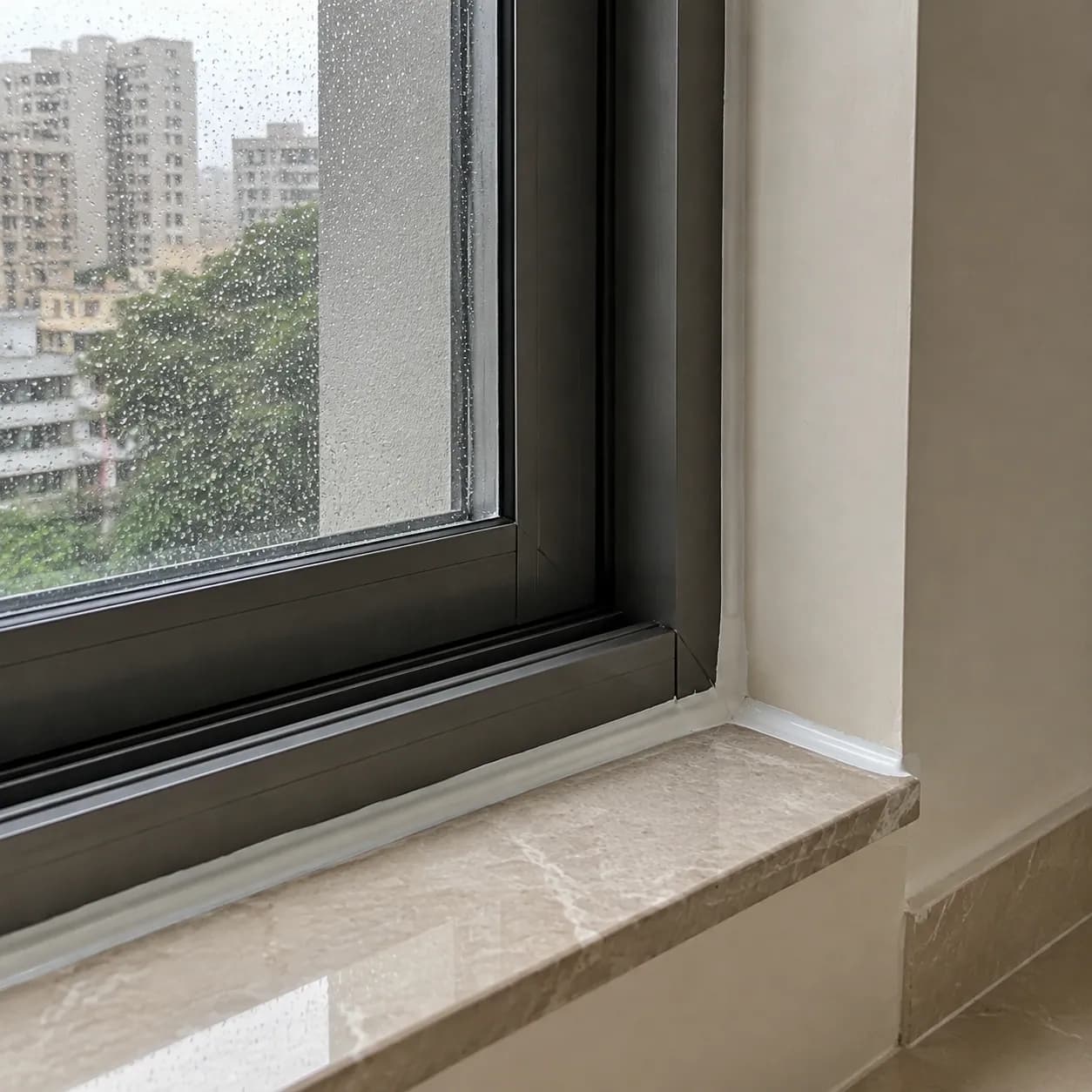
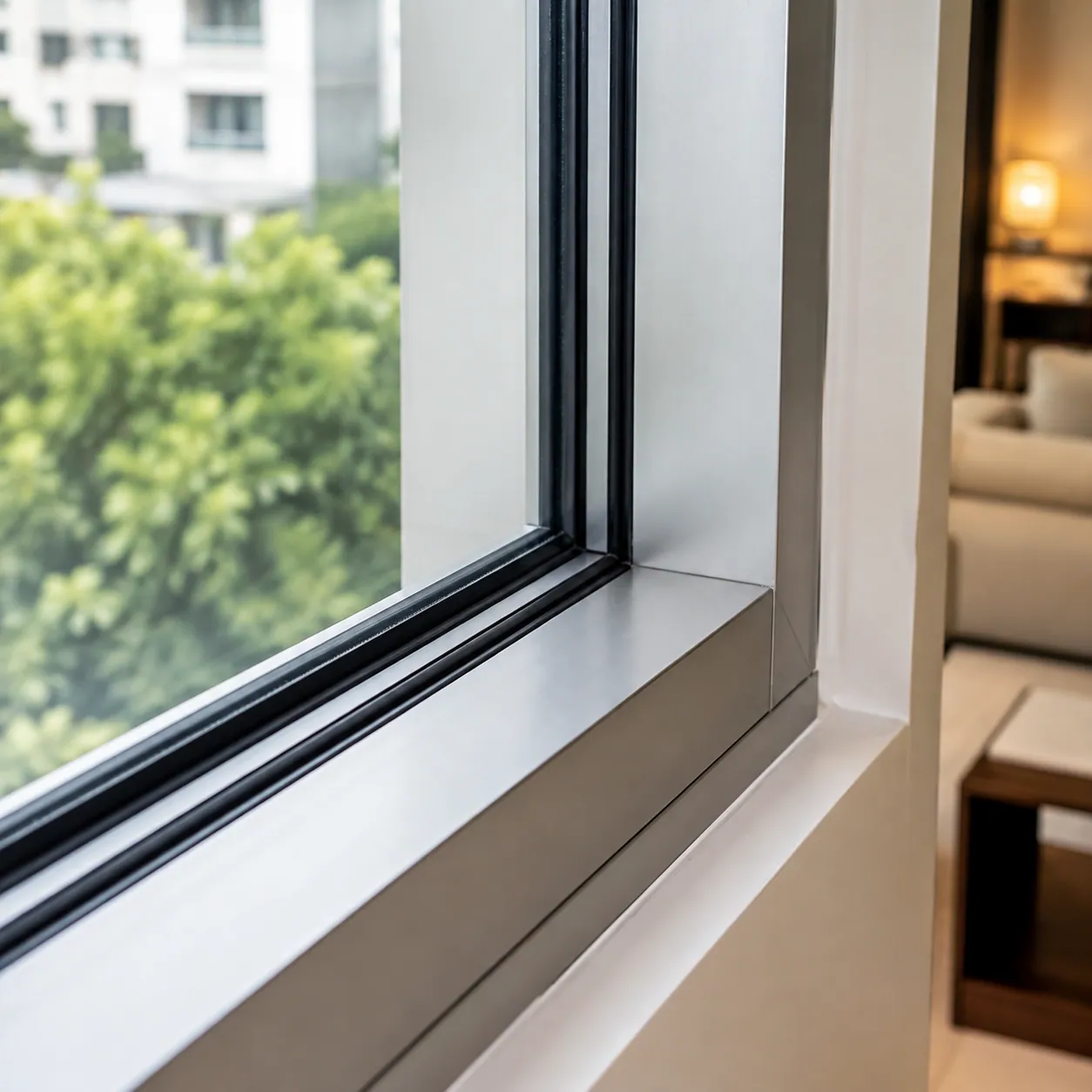
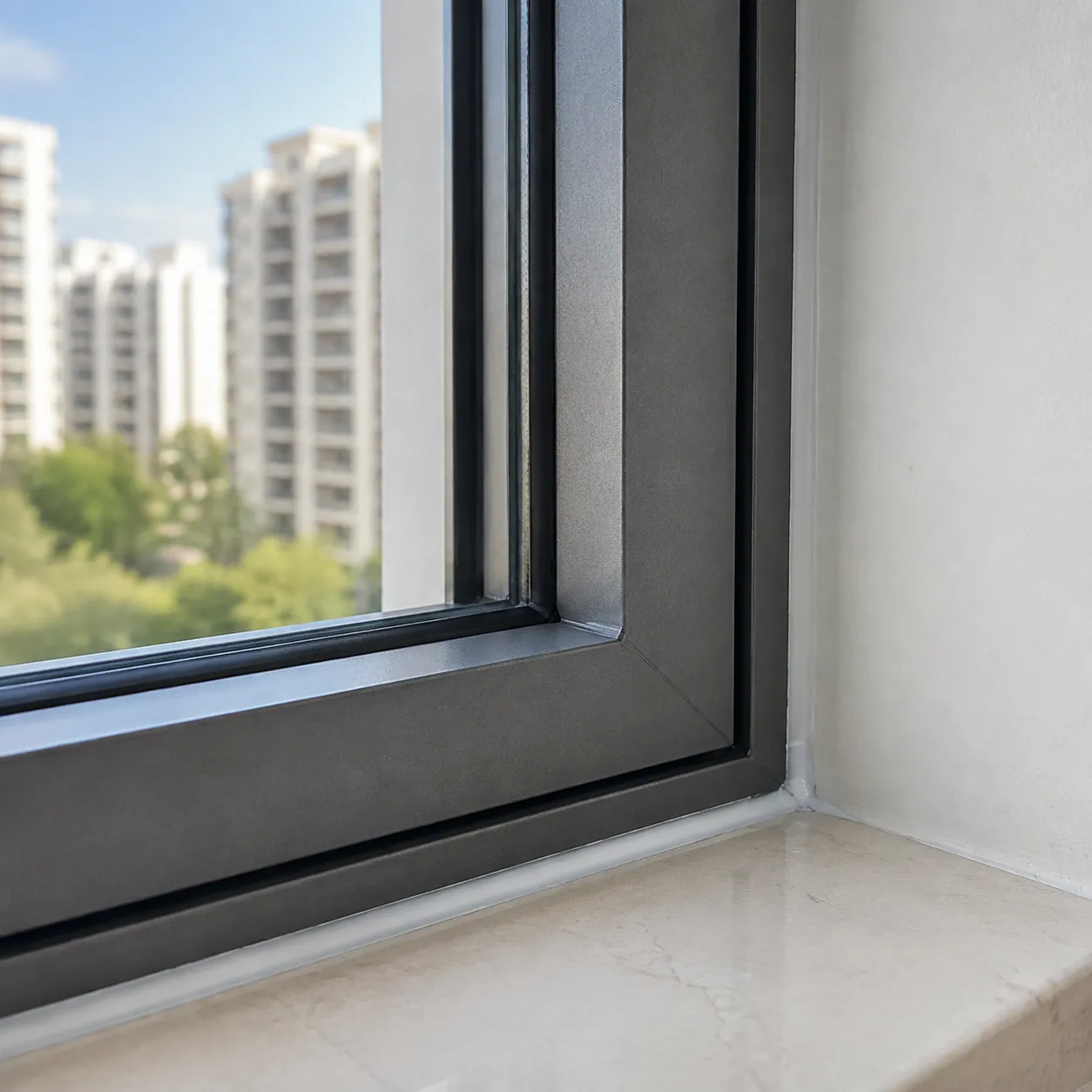
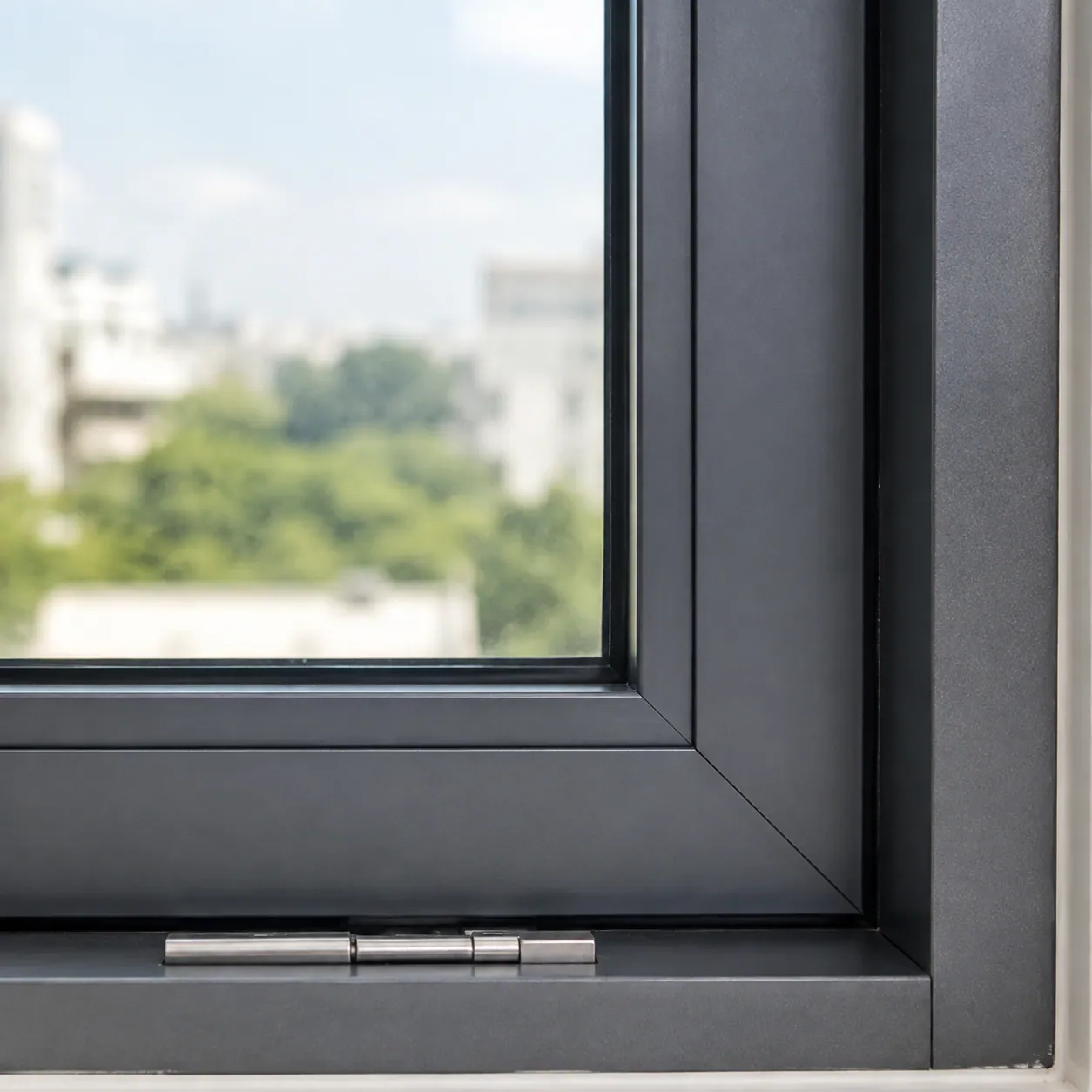
Send the building name, floor, one full photo and the fault in motion where it is safe to film. An office door needs its closer, pivots and lock visible. A shower needs its hinges, seals and wet joints. A window needs the complete frame as well as the failed handle or roller.
Those details separate a part carried to site from glass that must be measured and fabricated. They also let the team plan worker access and material movement before the appointment rather than using your booked slot to discover the building route.
Balcony sliding doors and mosquito net doors for tower flats
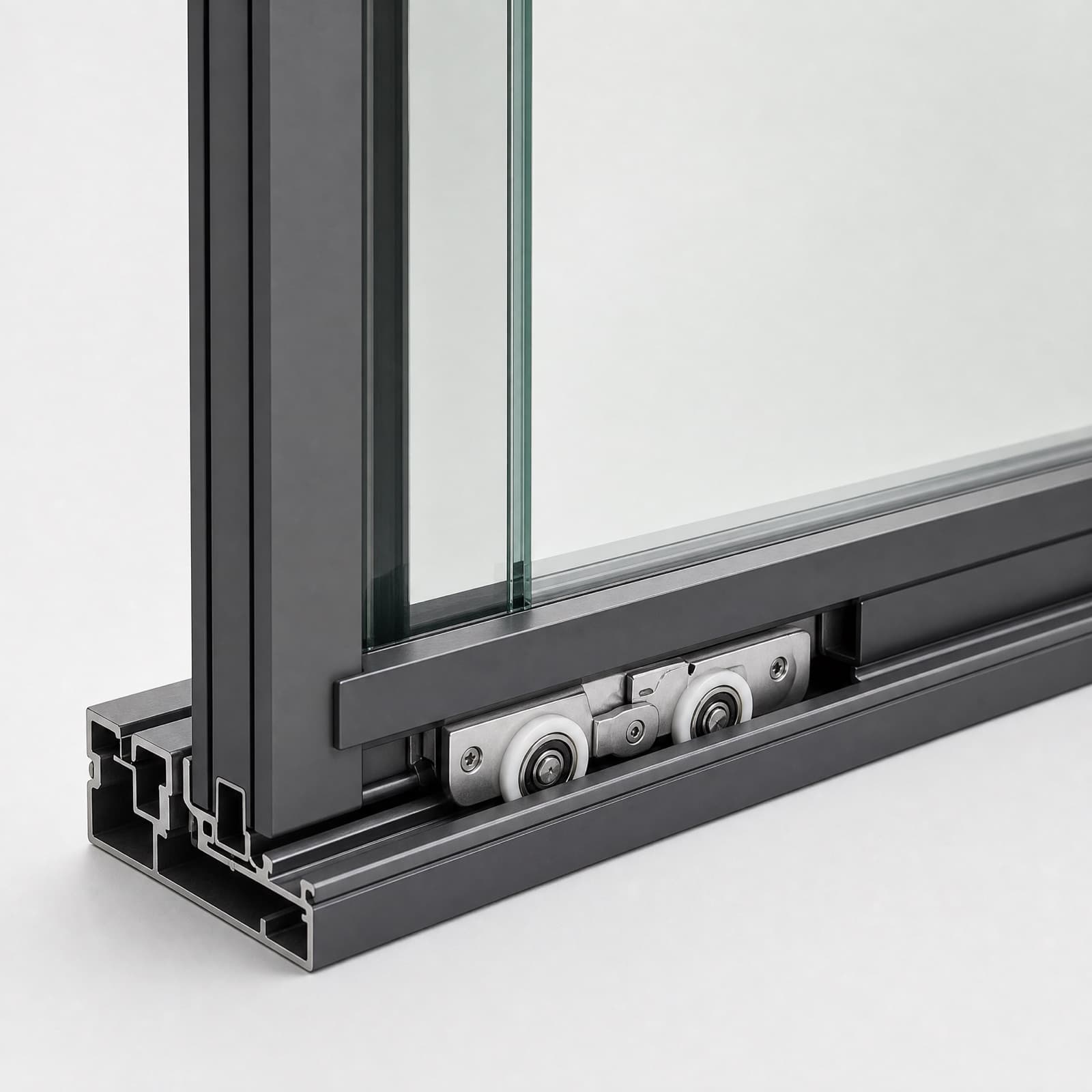
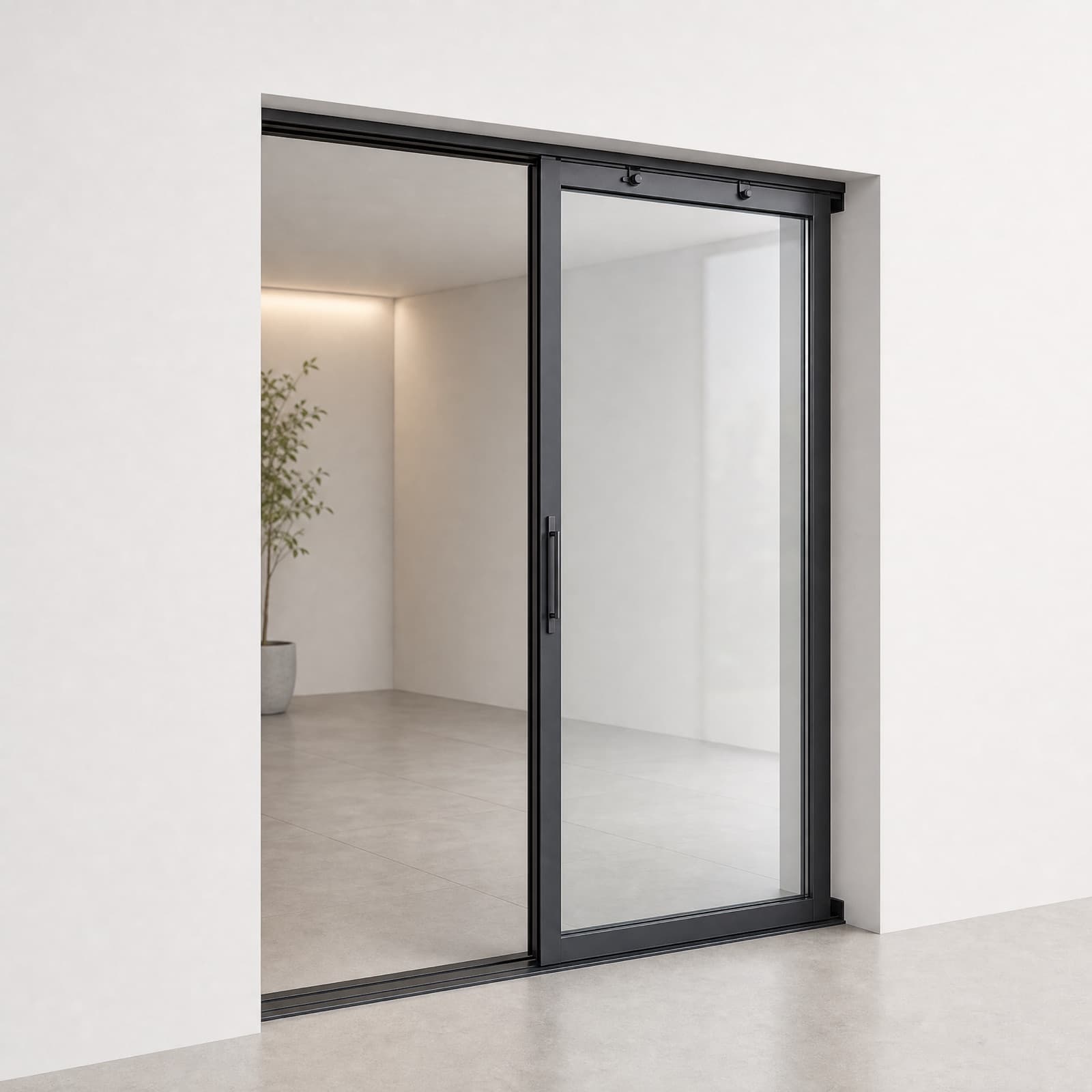
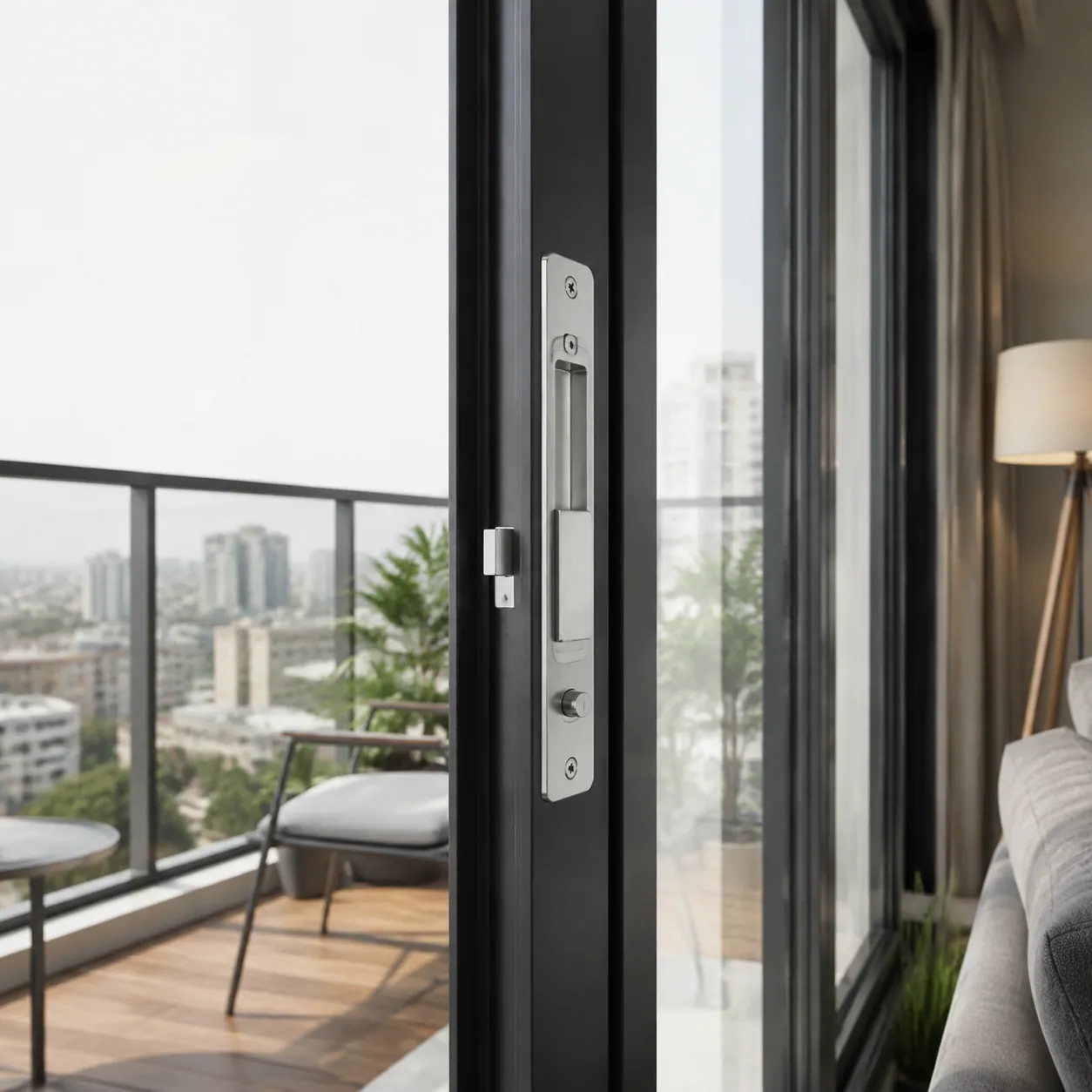
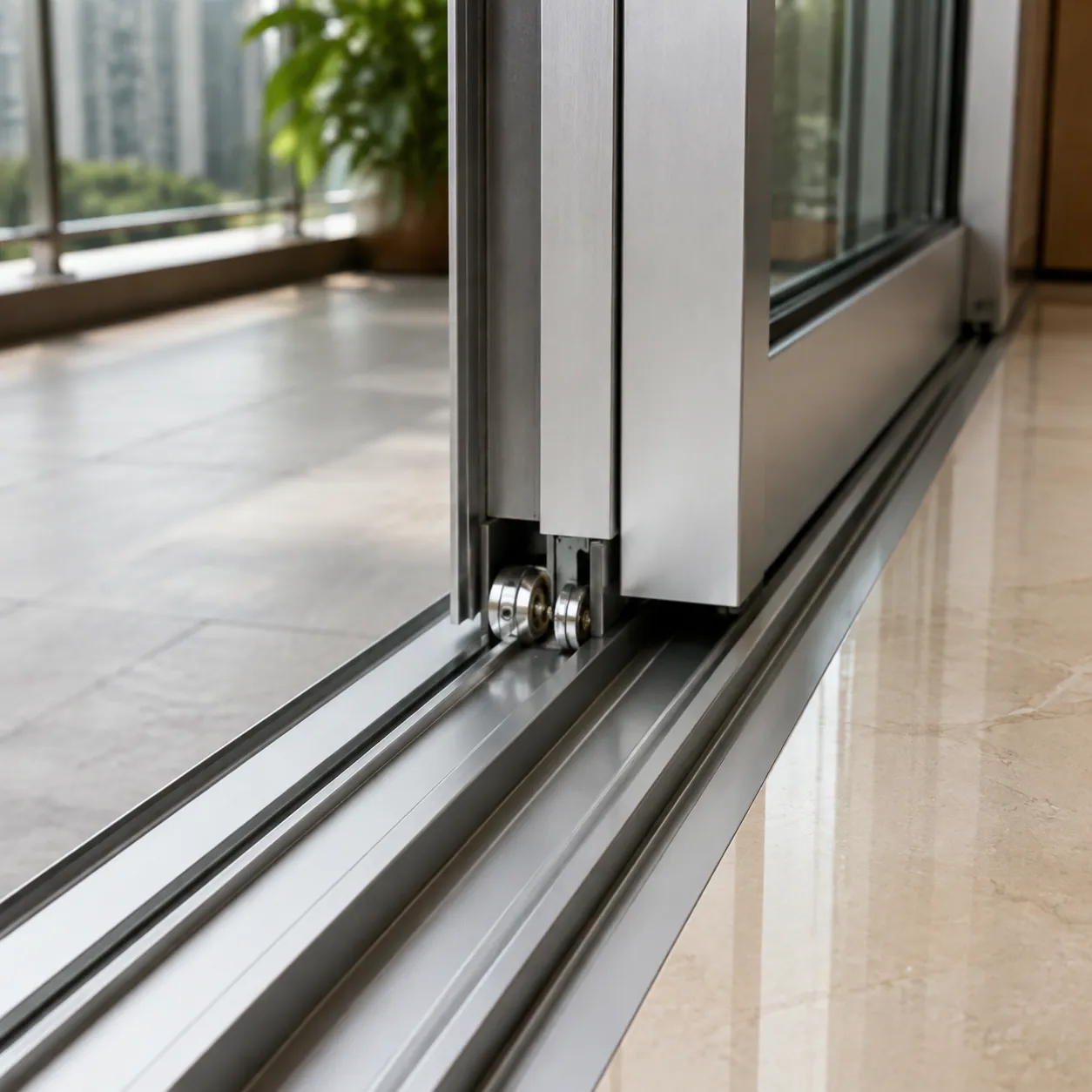
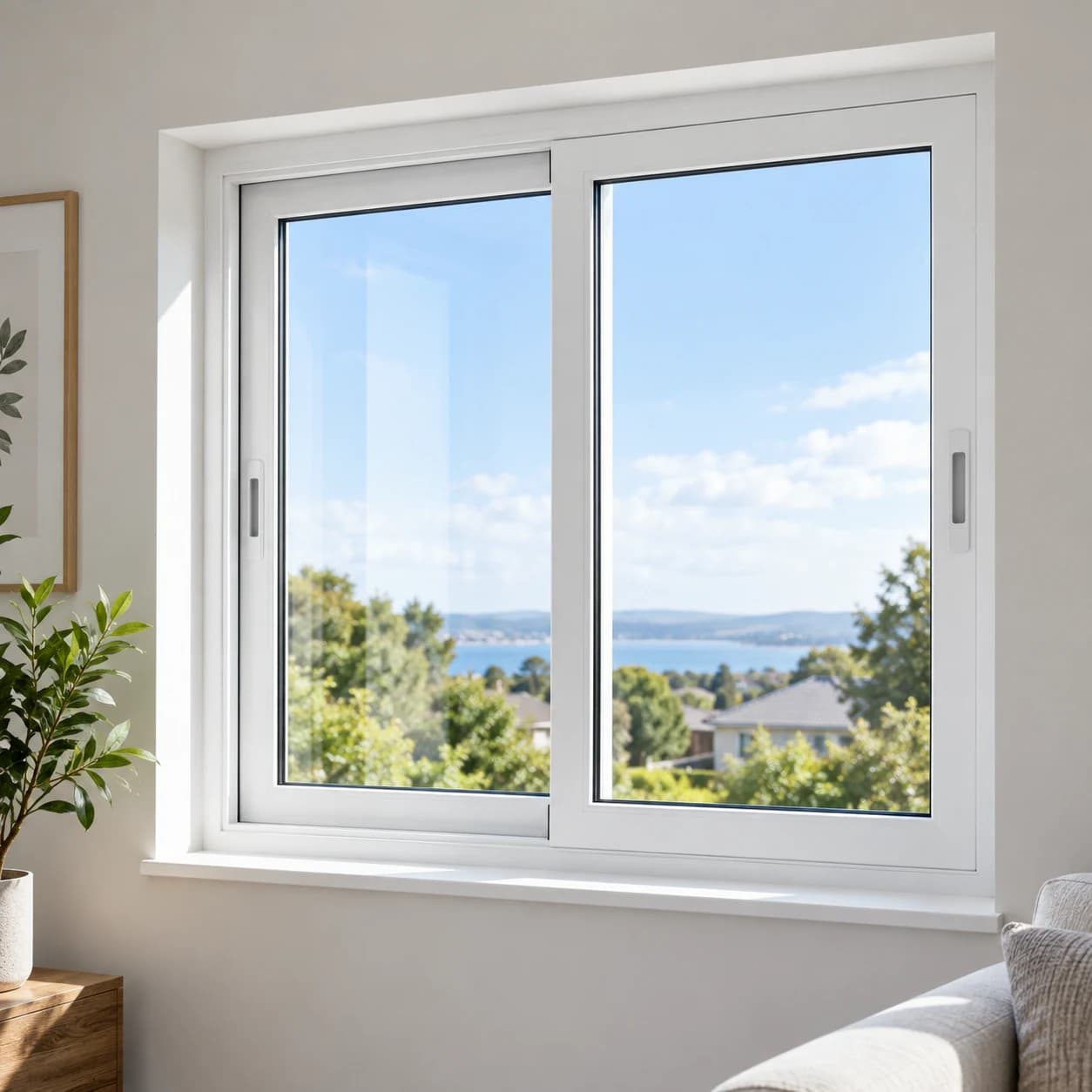
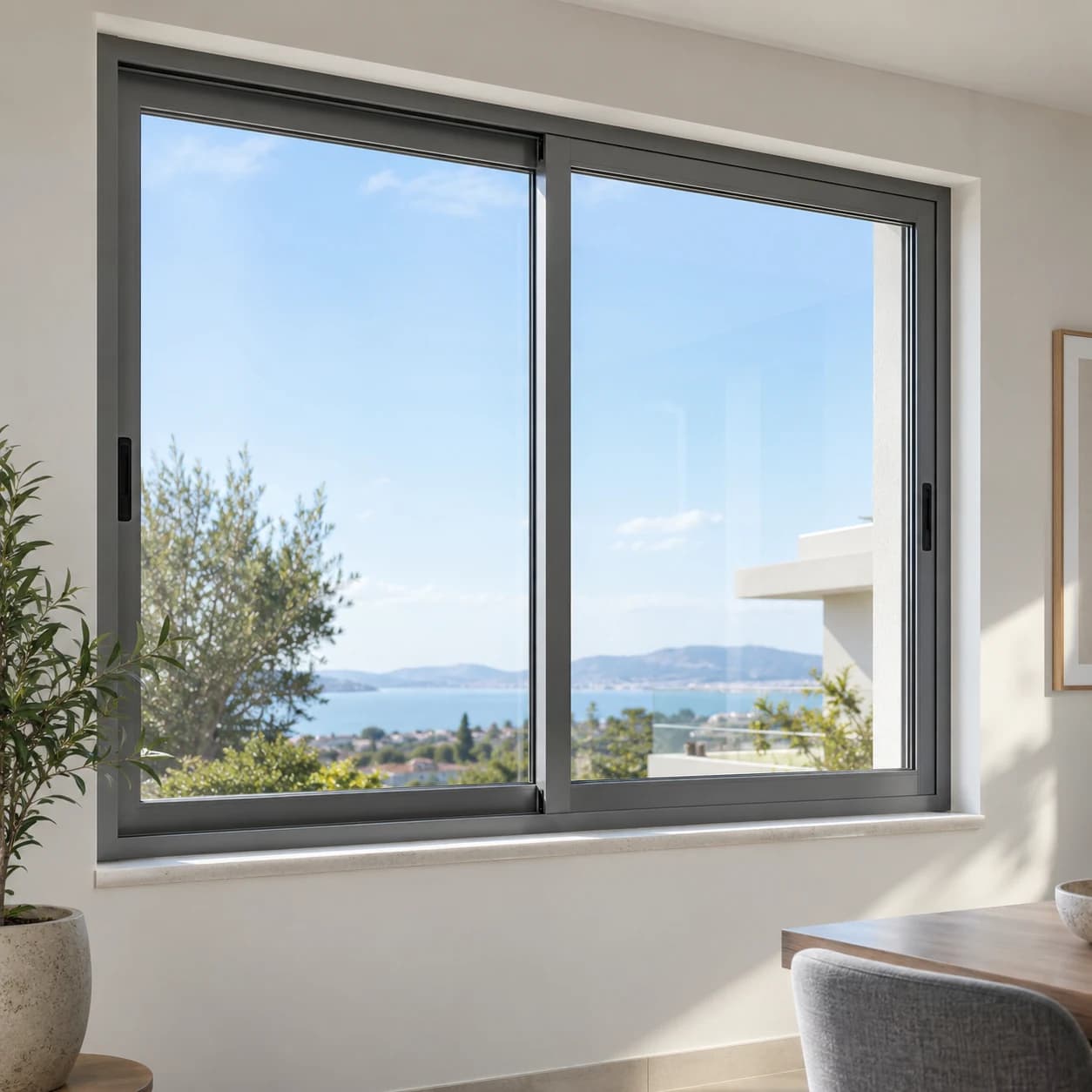
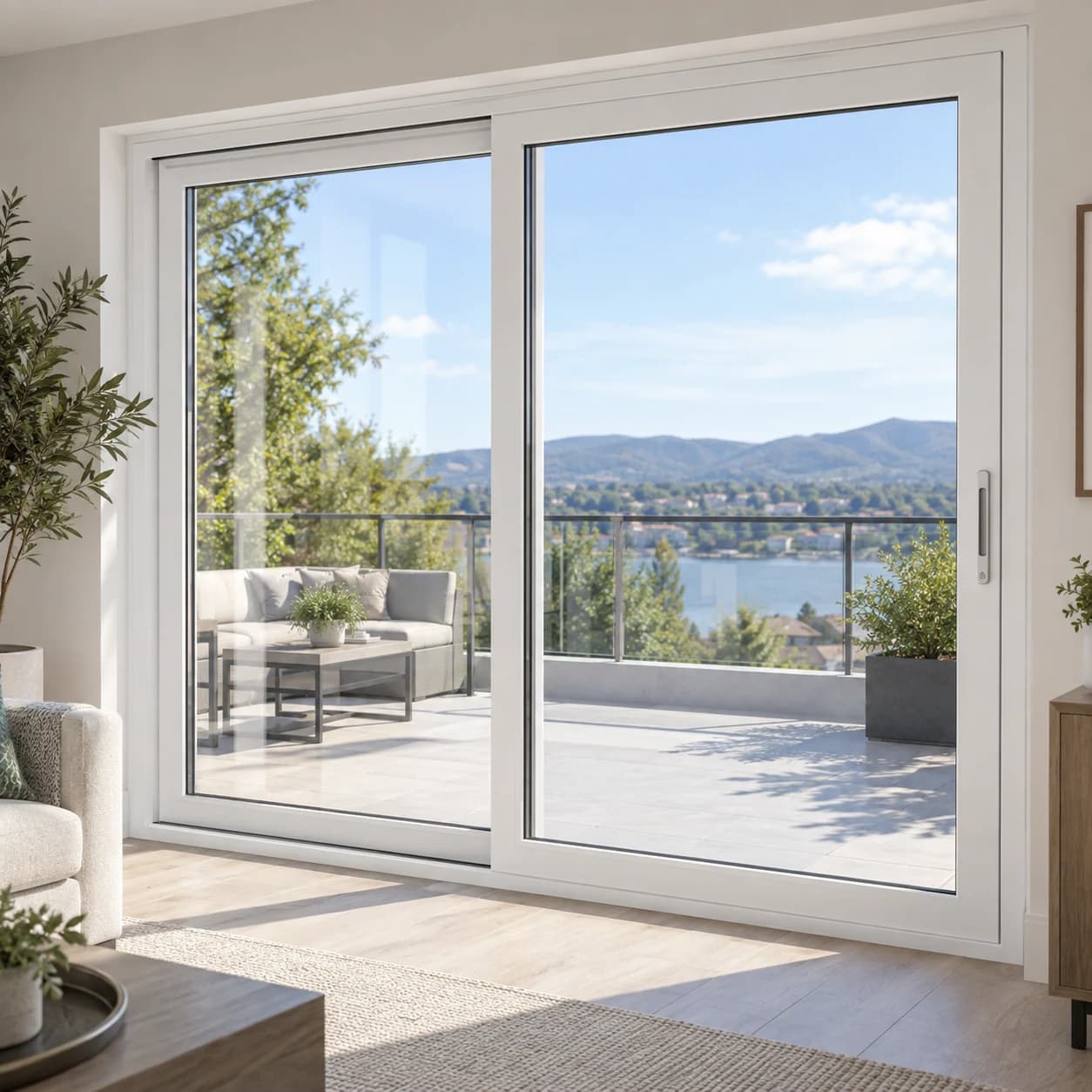
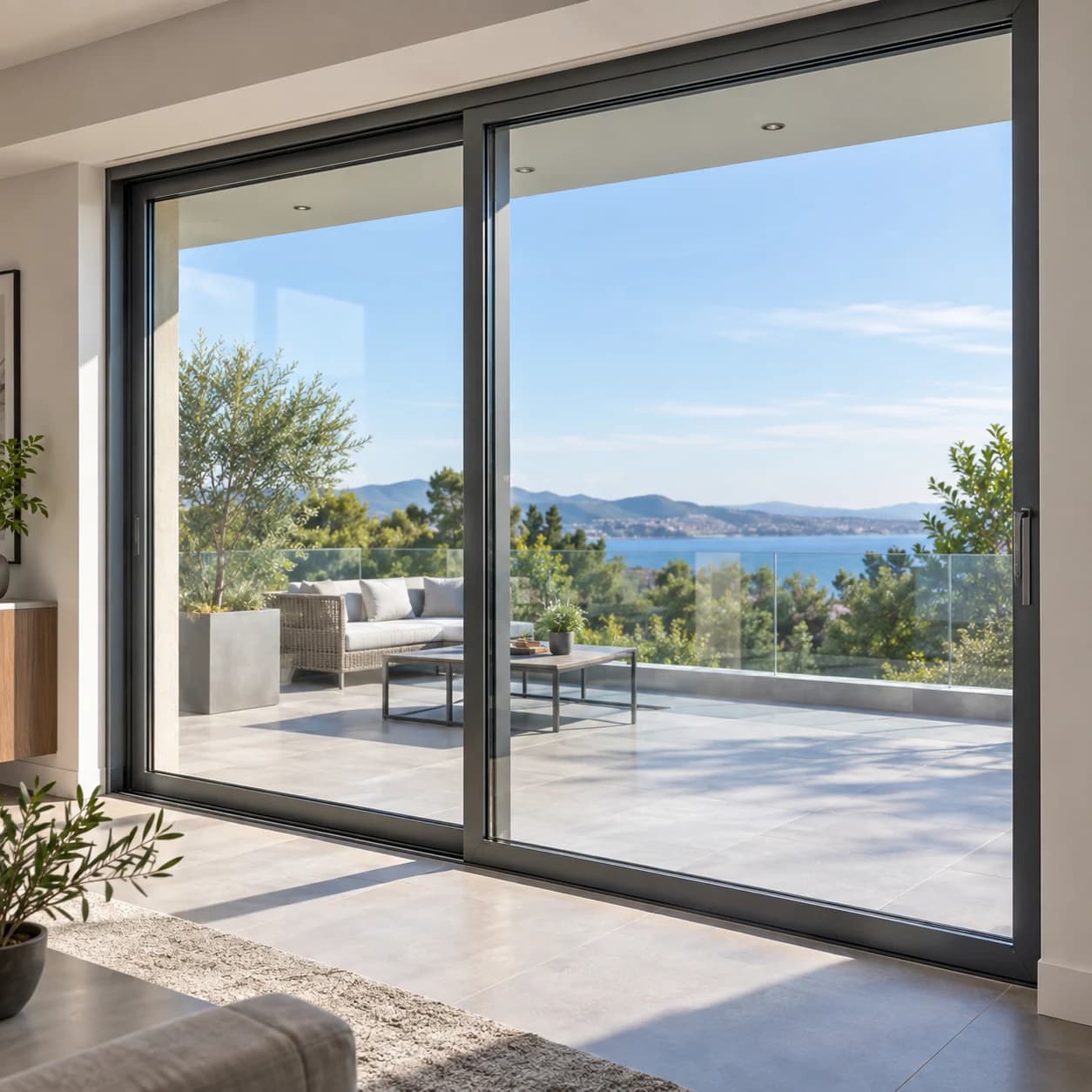
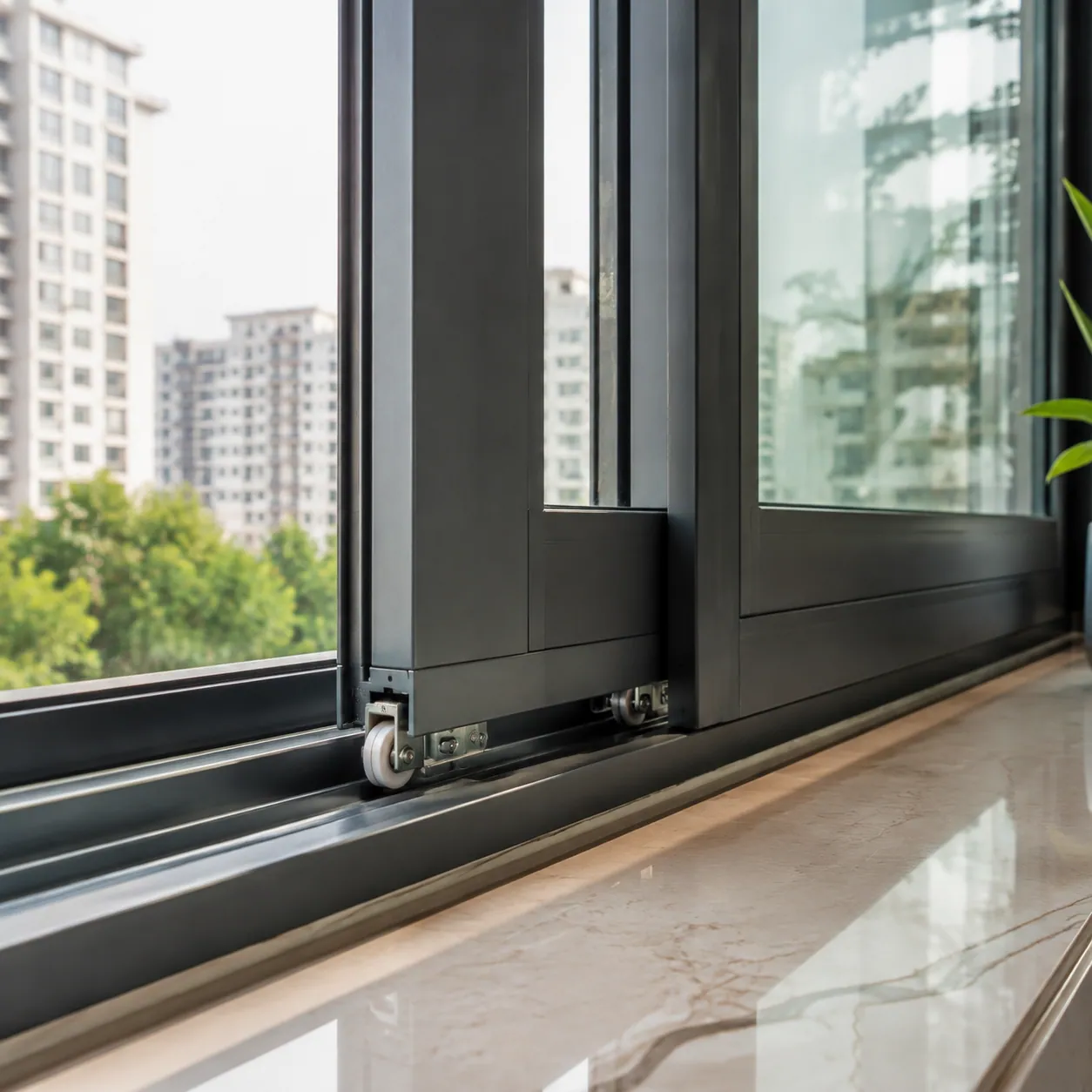
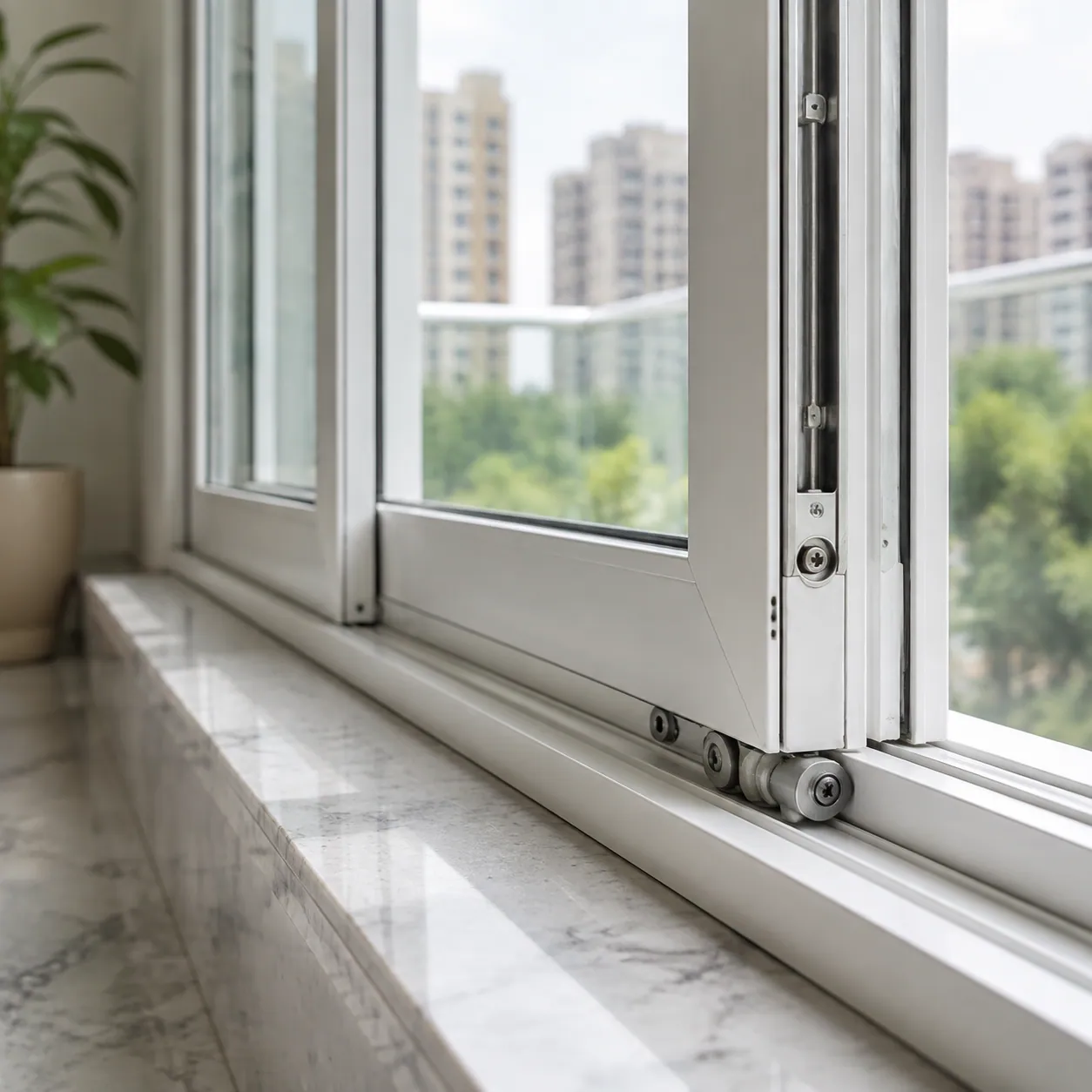
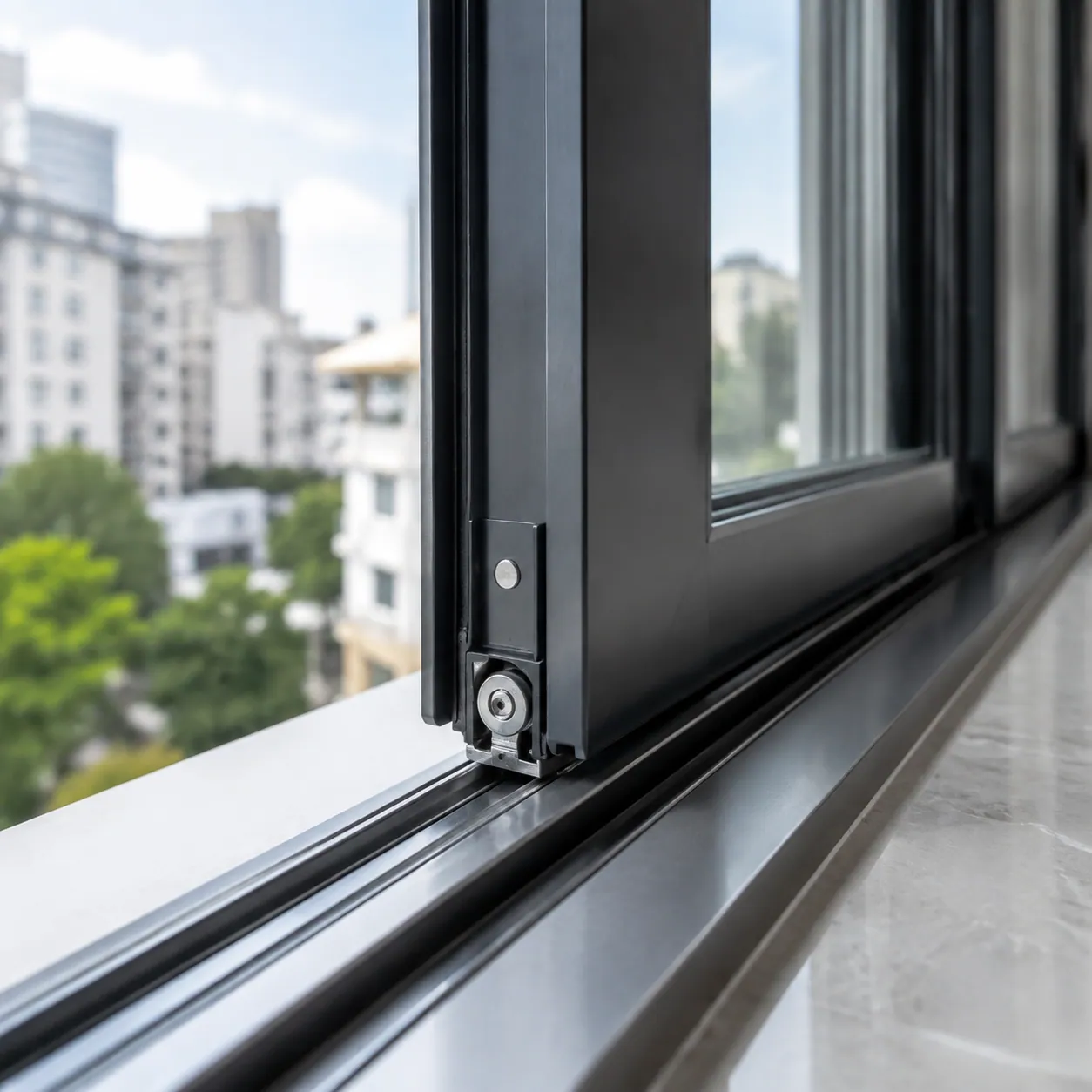
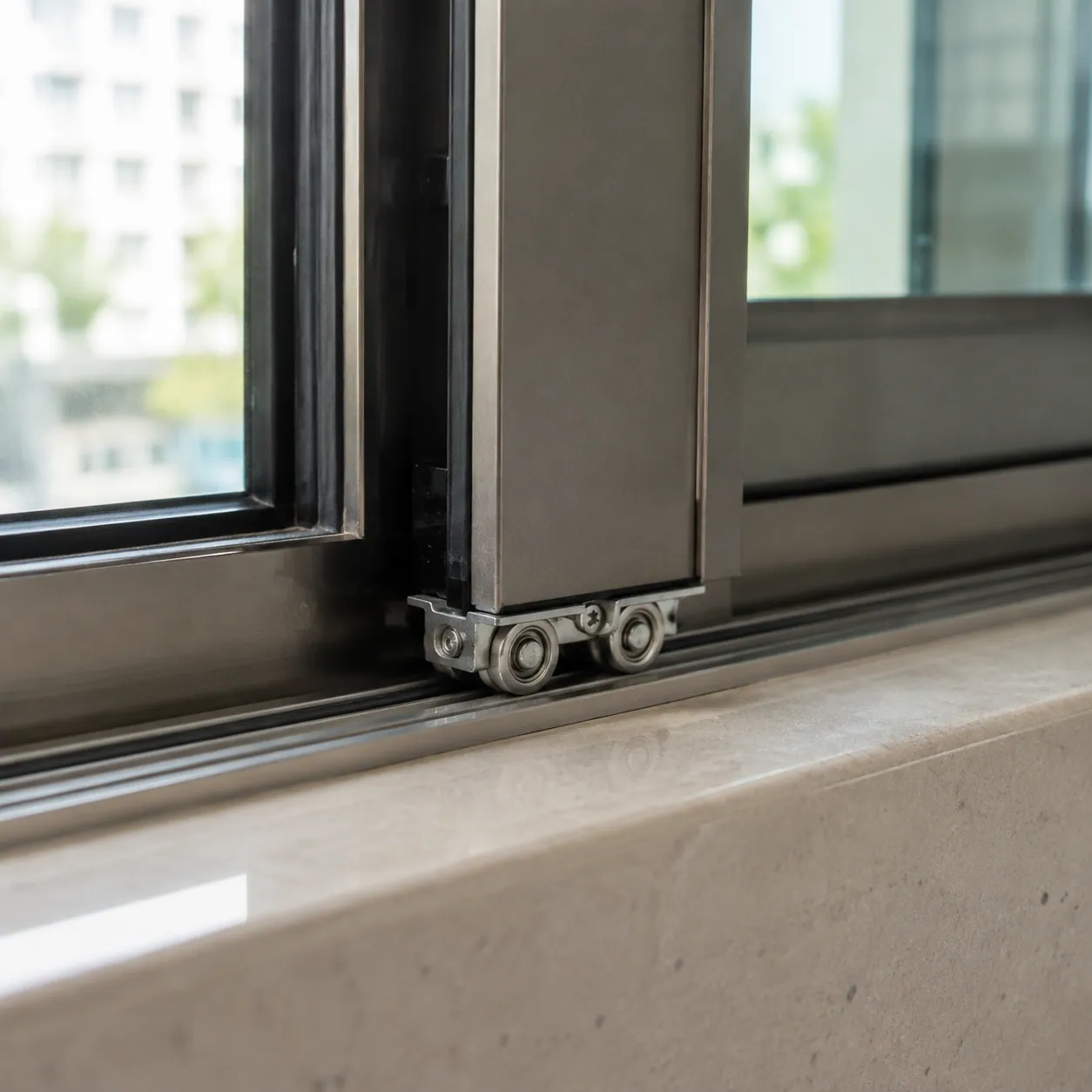
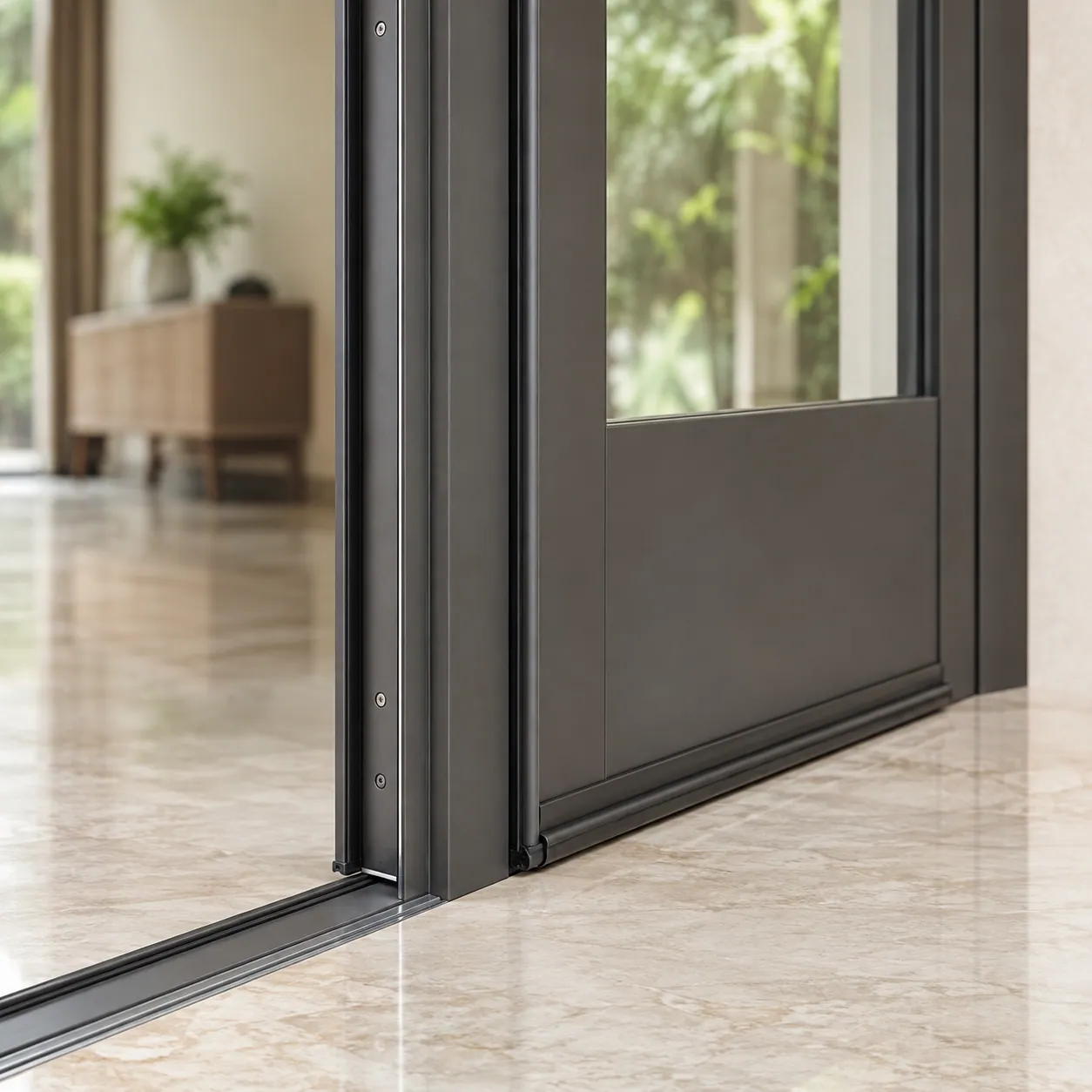
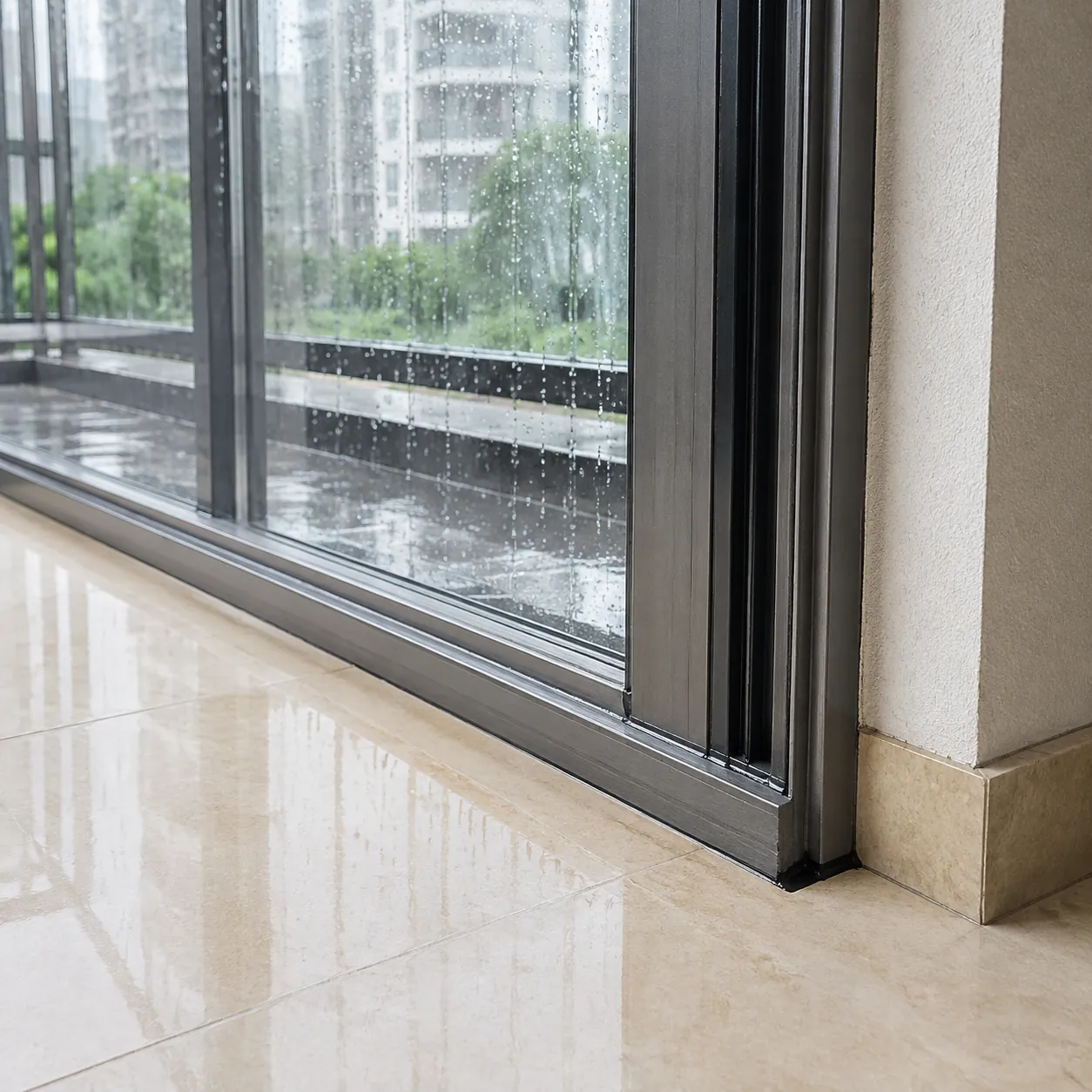
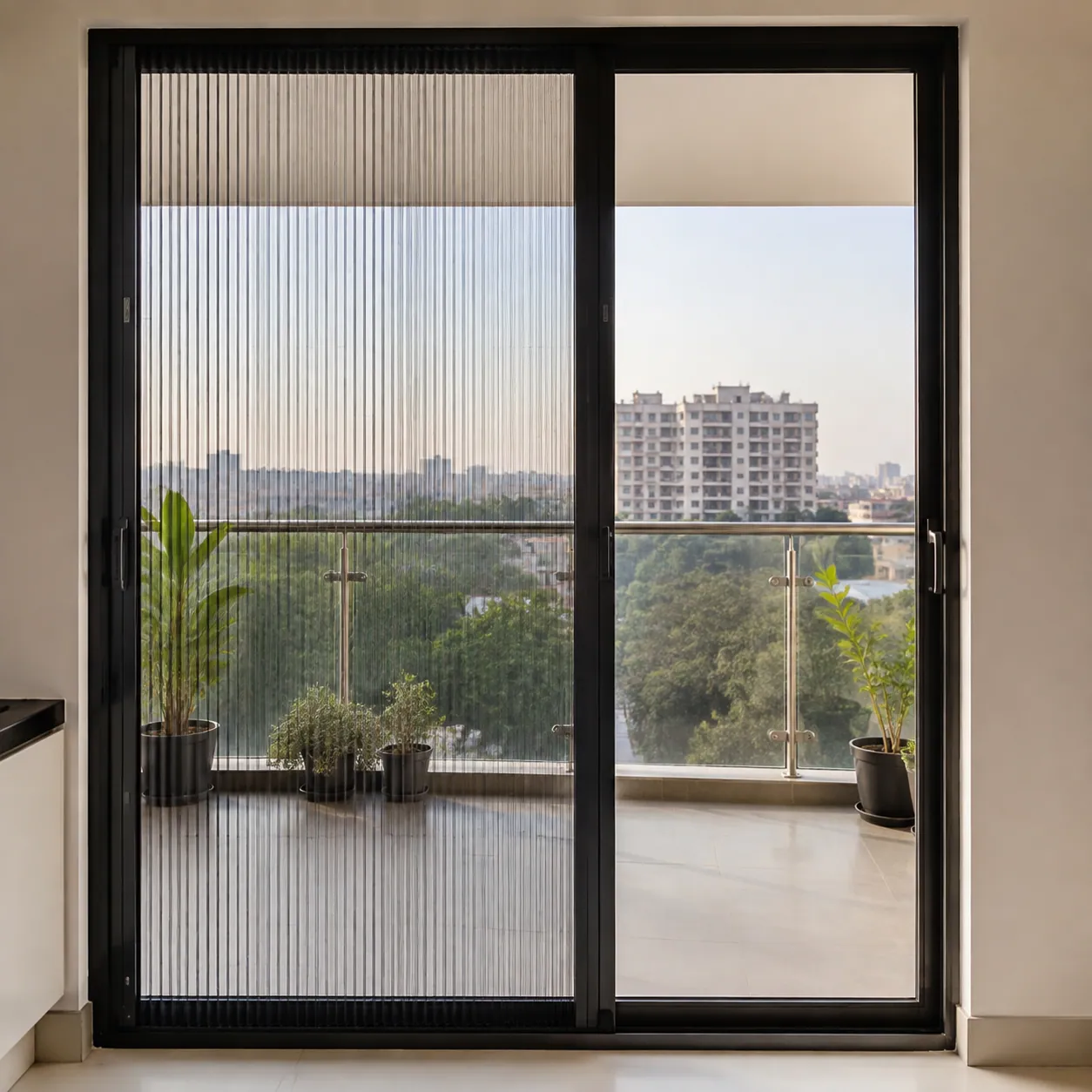
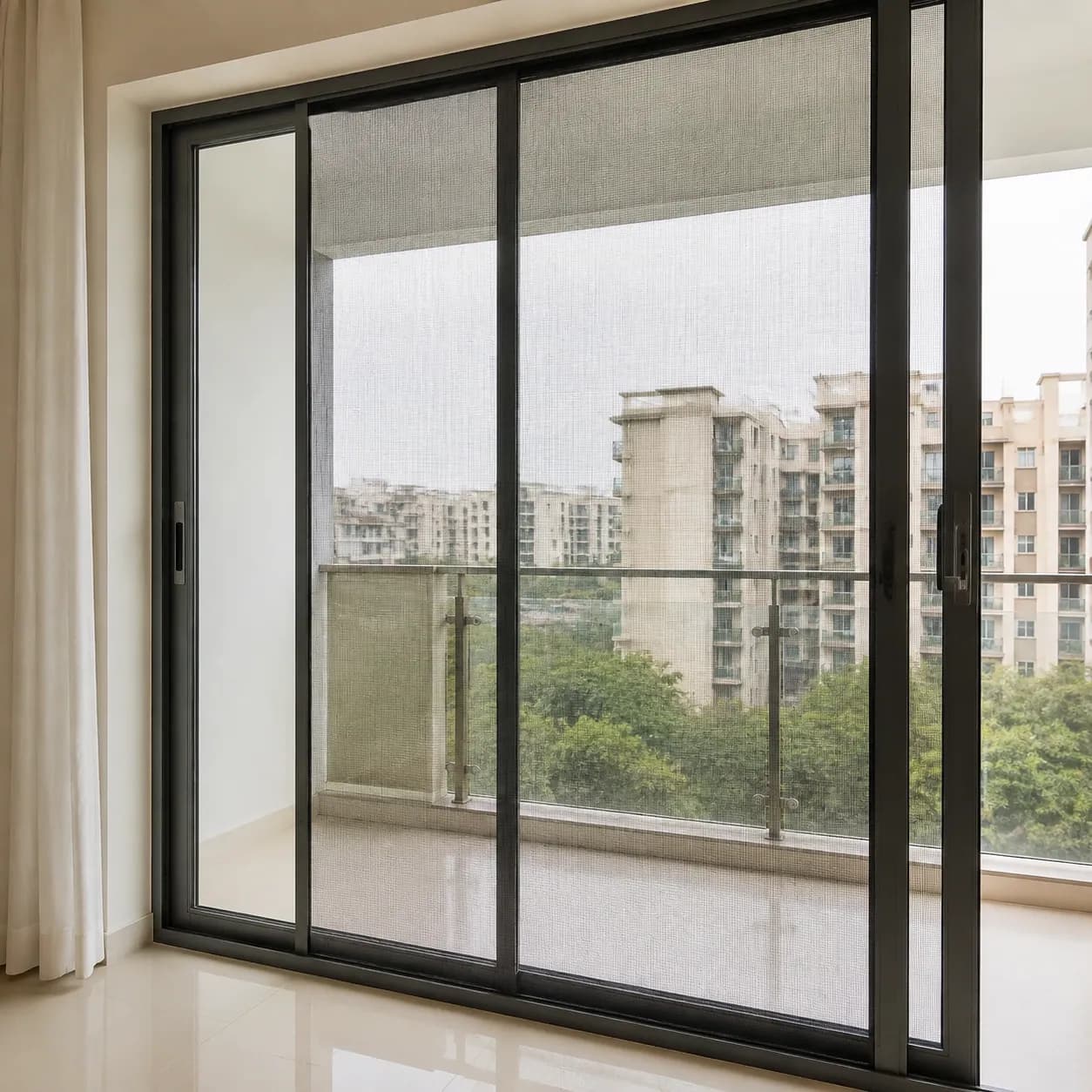
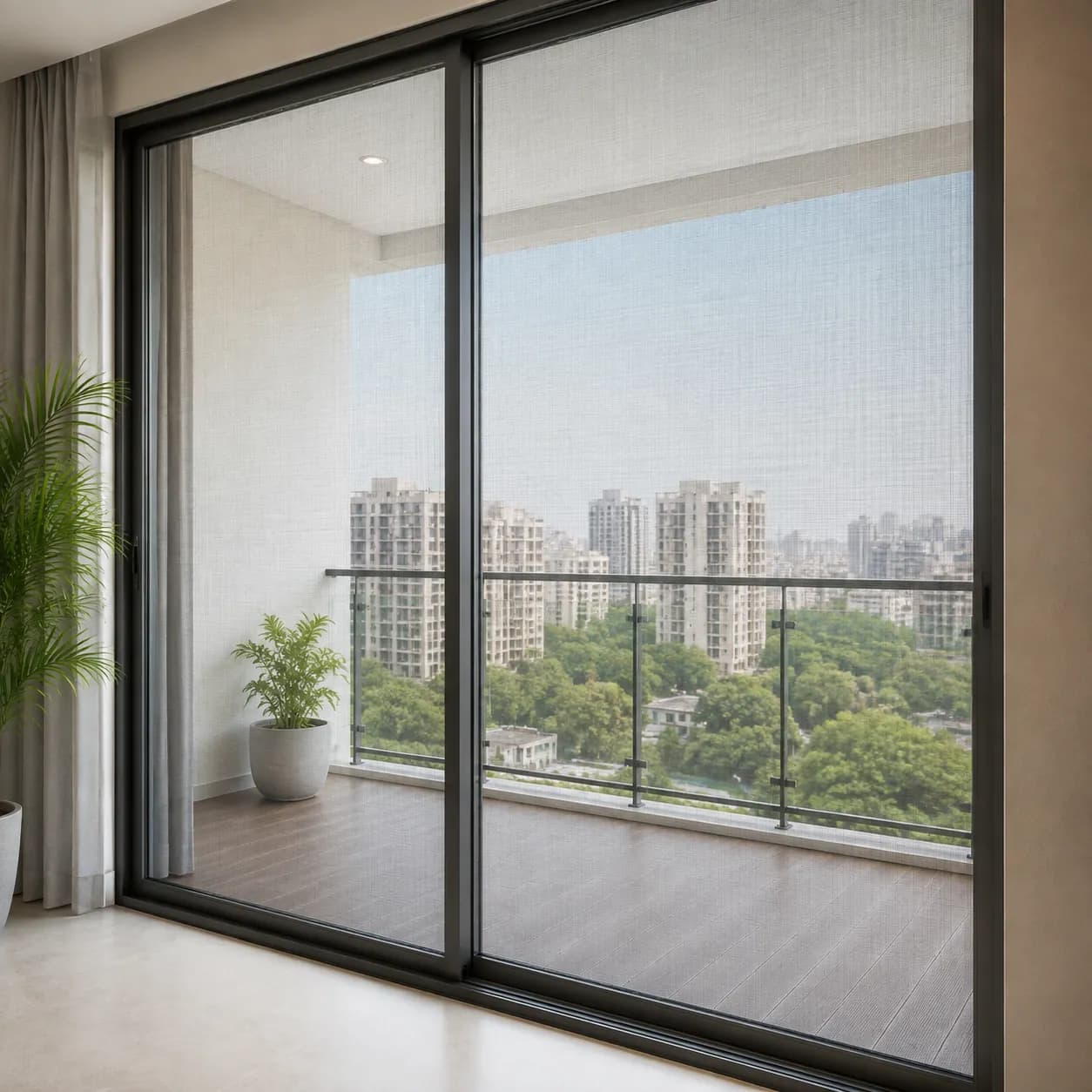
In a Whitefield tower flat, the balcony sliding door is usually the heaviest door in the home. When it drags or jumps its track, the rollers underneath have usually worn. Rollers are the small wheels the door runs on. We fit new ones made for the weight of the door, and we clean the track.
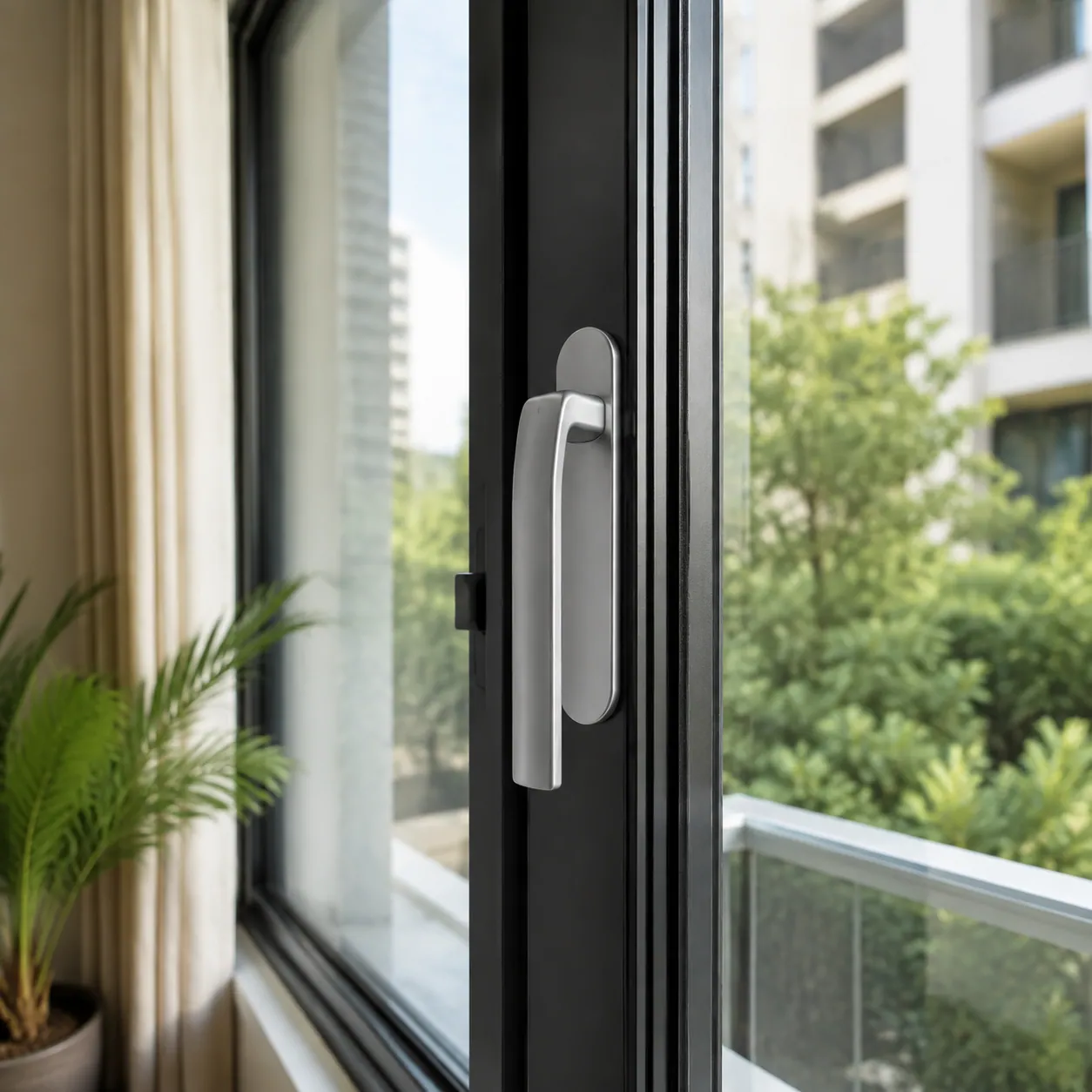
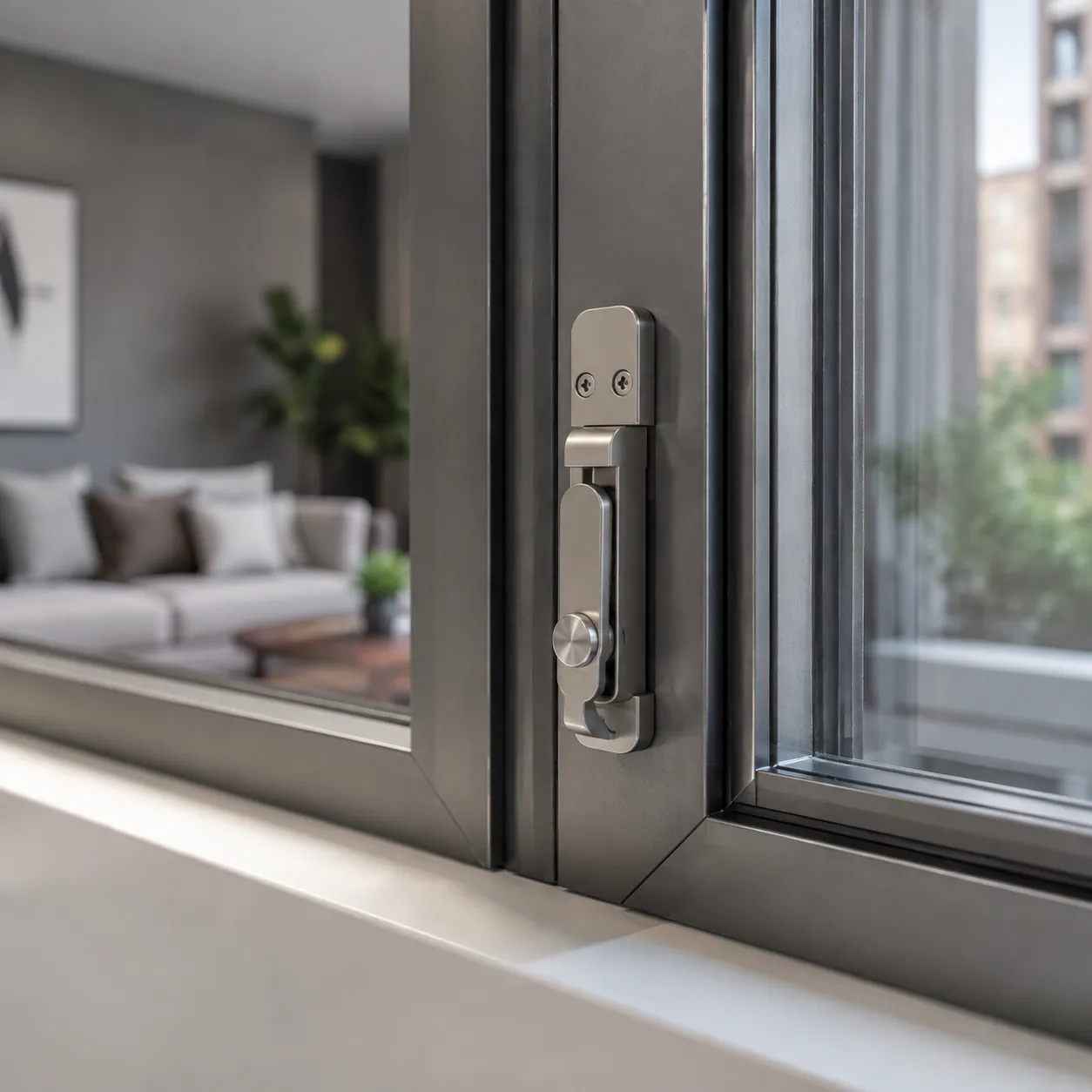
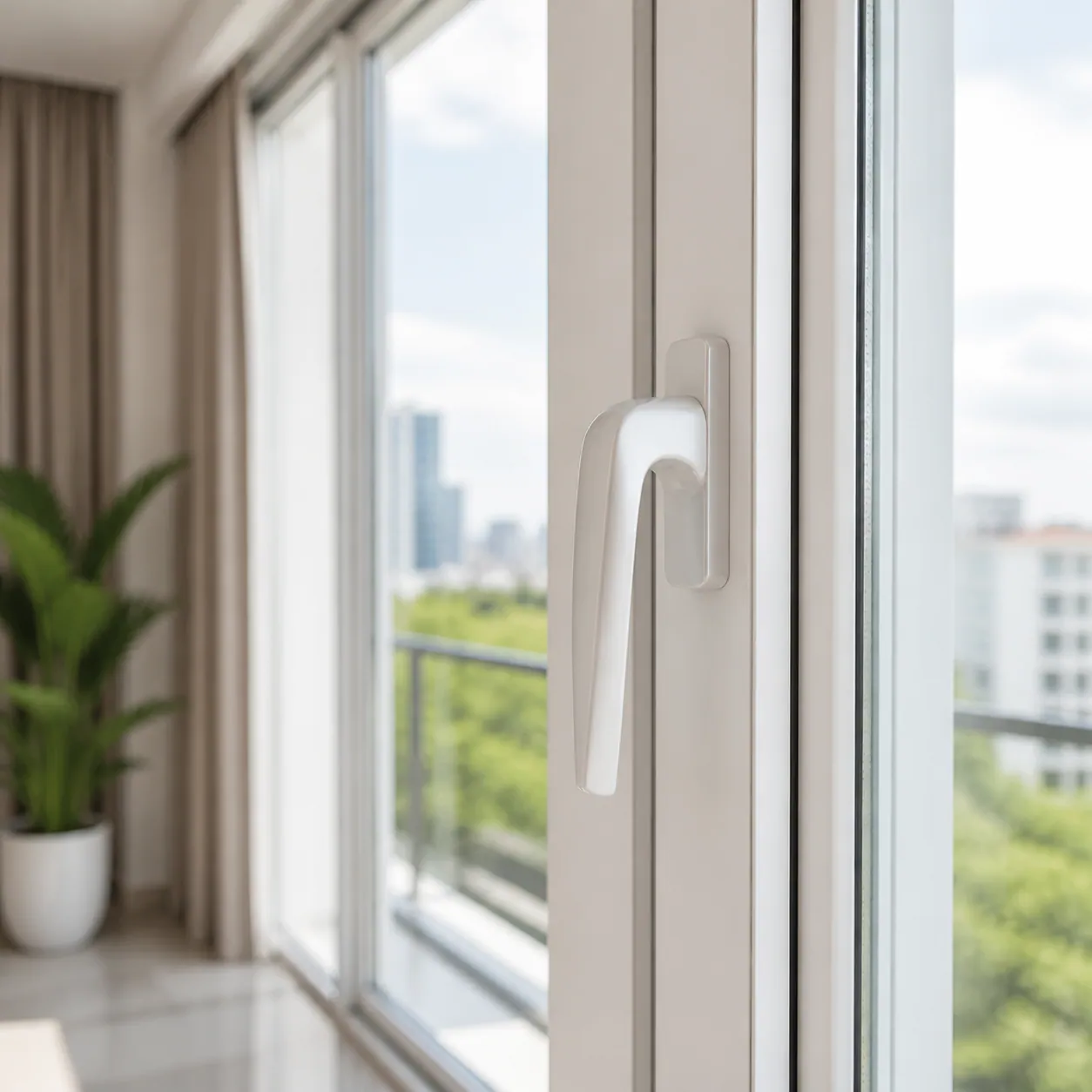
A uPVC balcony door that is hard to lock has usually dropped a little. So we set the alignment before we change any handle or lock.
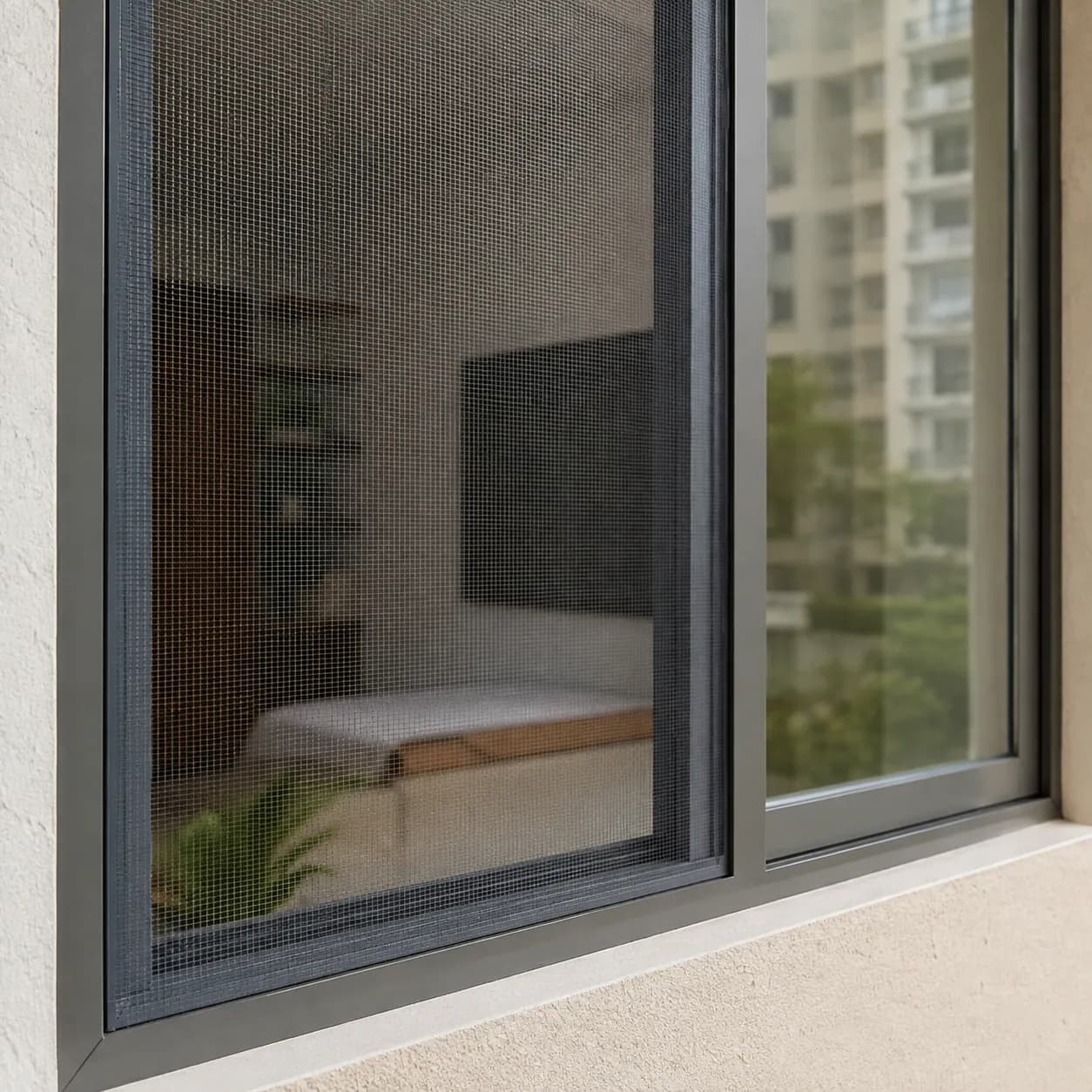
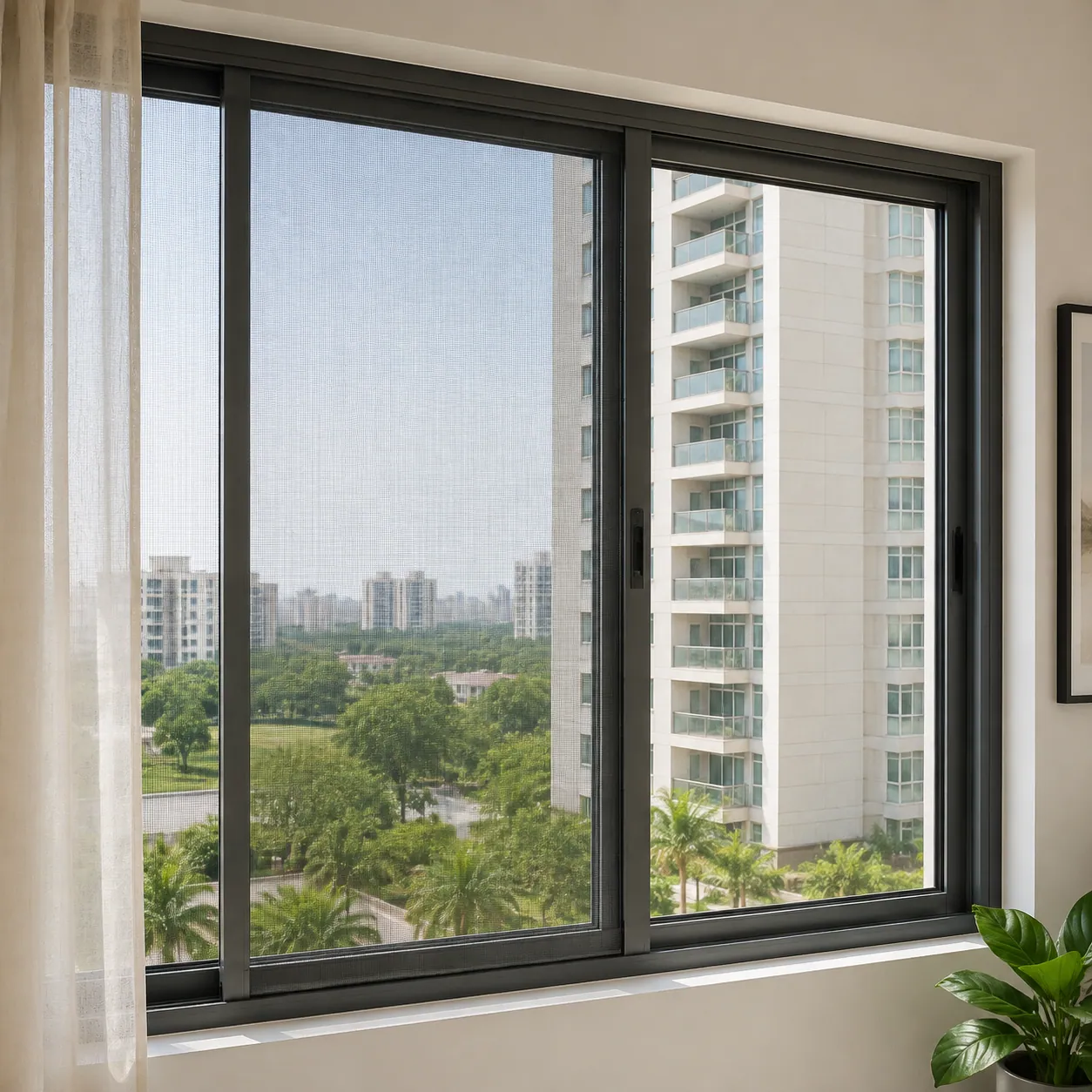
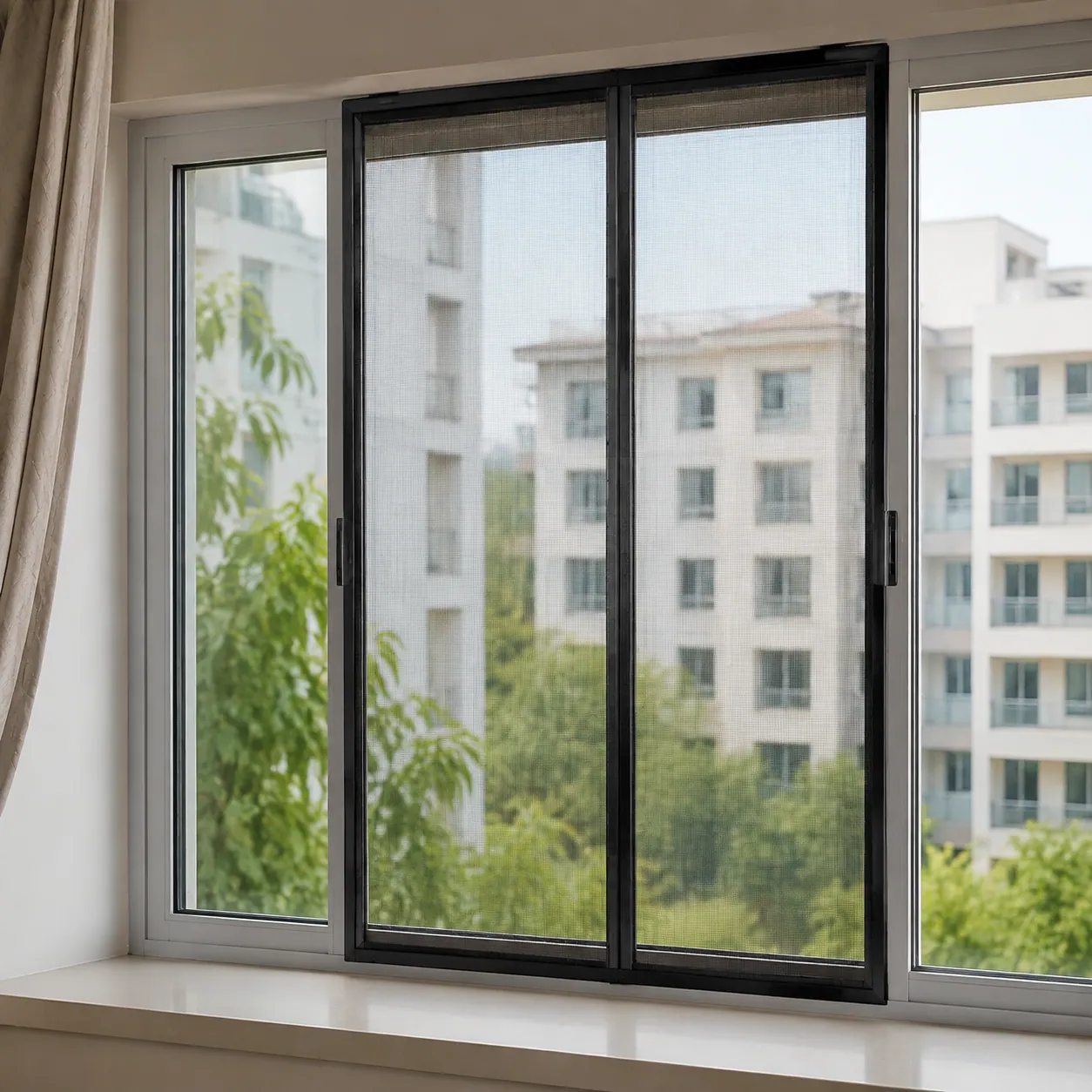
You can also add a sliding mosquito net door beside the glass. It is a mesh door on its own track, so the balcony can stay open in the evening. In a newly handed-over flat, we can fit a net on every window before you move in.
How the job works
- Tell us about the jobSend a few photos, rough sizes and what you need. Use WhatsApp or the form. For a repair, a short video of the door moving helps a lot.
- We call you back in about 2 minutesWe confirm what you need and a time to visit. Where we can, we give you a rough price on the call.
- We come and measureWe measure the opening and check the walls, floor and ceiling around it. Anything made to size is made to these measurements, so they must be right.
- You get a written priceIt lists each item, with GST as its own line. If anything about the job changes, we tell you before we go ahead.
- We fit itYou approve the price and pay the advance. Our own team fits the work, checks that every door and window opens and closes properly, and clears up. Most jobs are done in 3 to 4 days.