Is this the right service for your job?
Choose this for dragging or misaligned wardrobe shutters. It covers sliding hardware, not cabinet rebuilding.
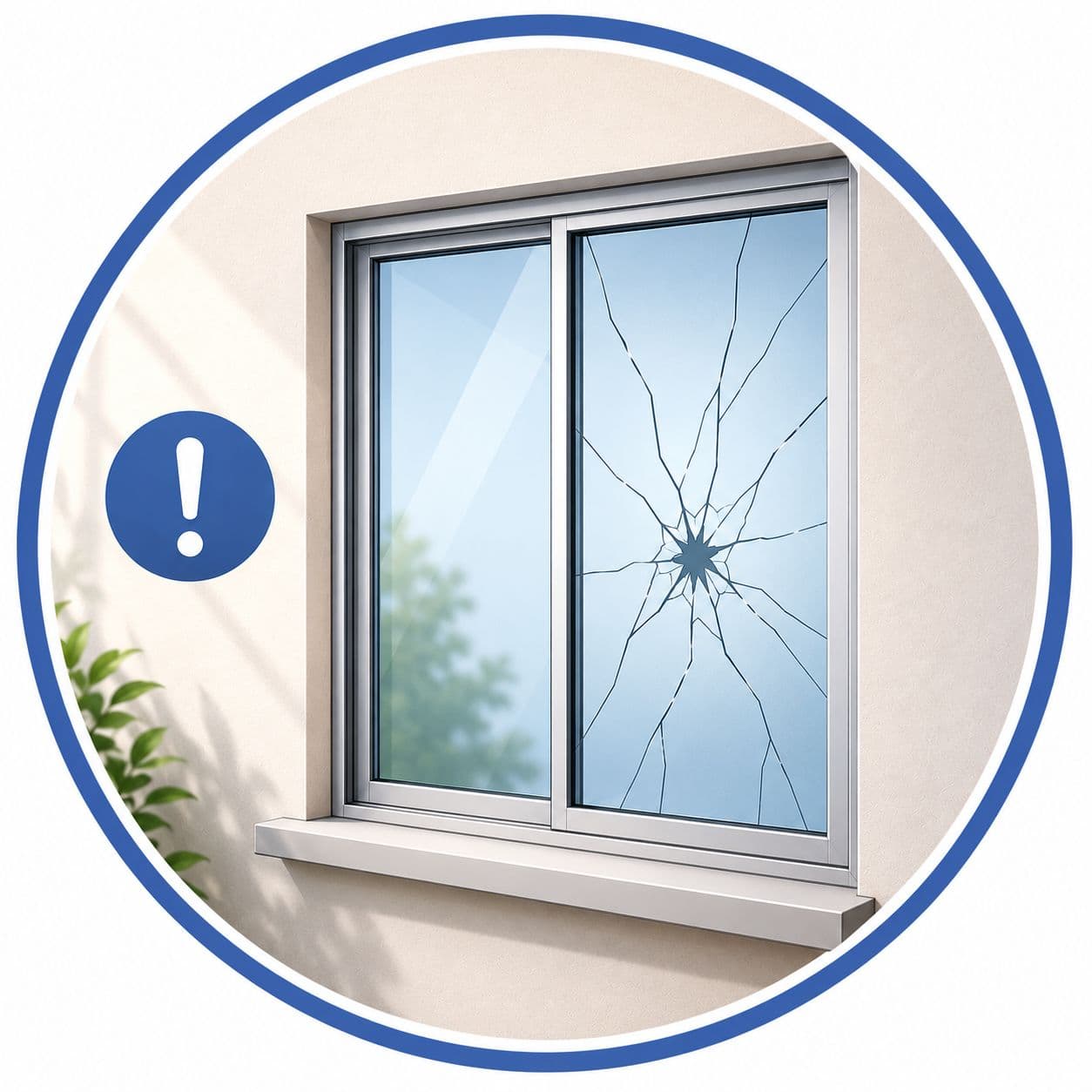
- If you need a new made-to-size mirror or glass panel, see the Mirror & Custom Glass Installation. Hardware adjustment cannot replace a damaged panel.
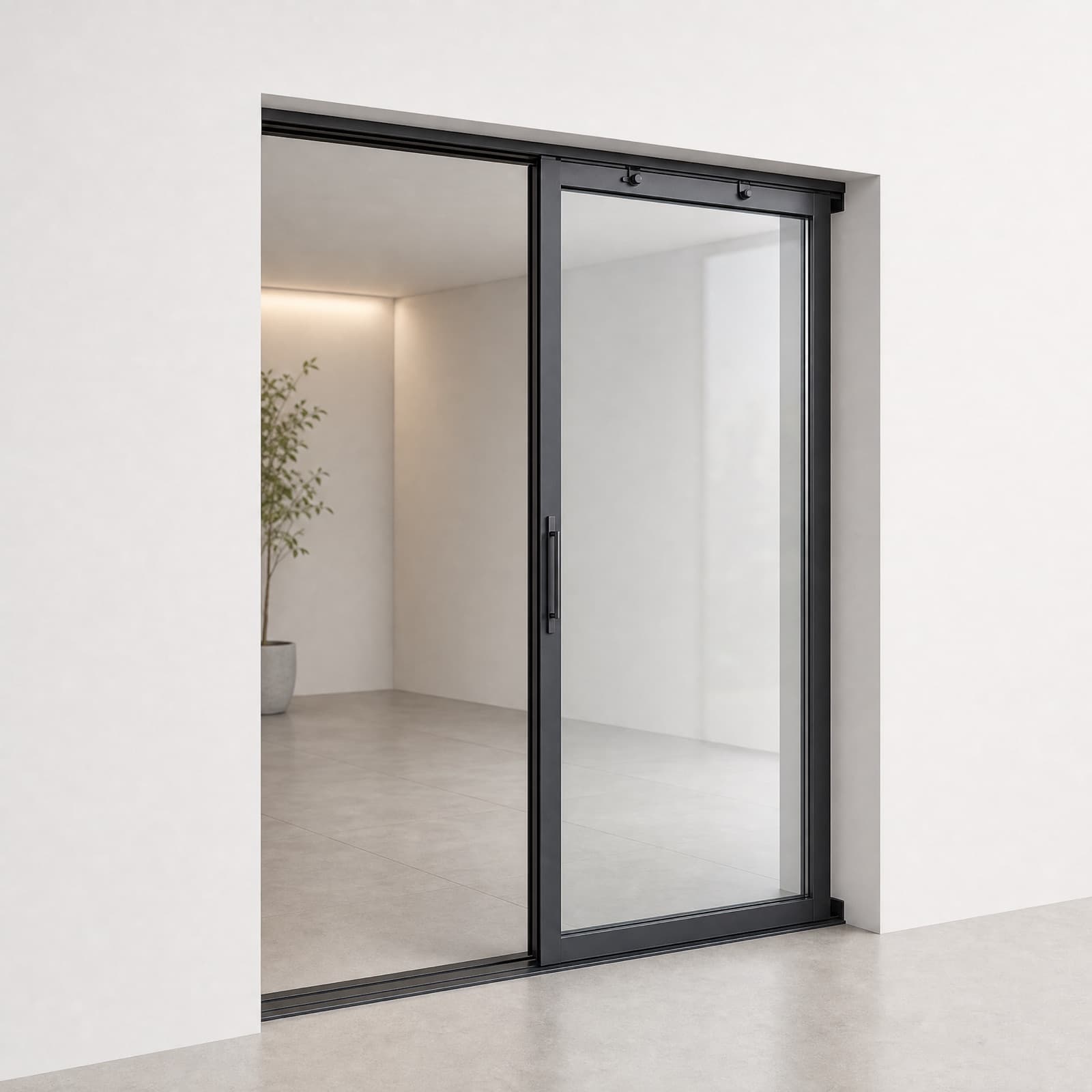
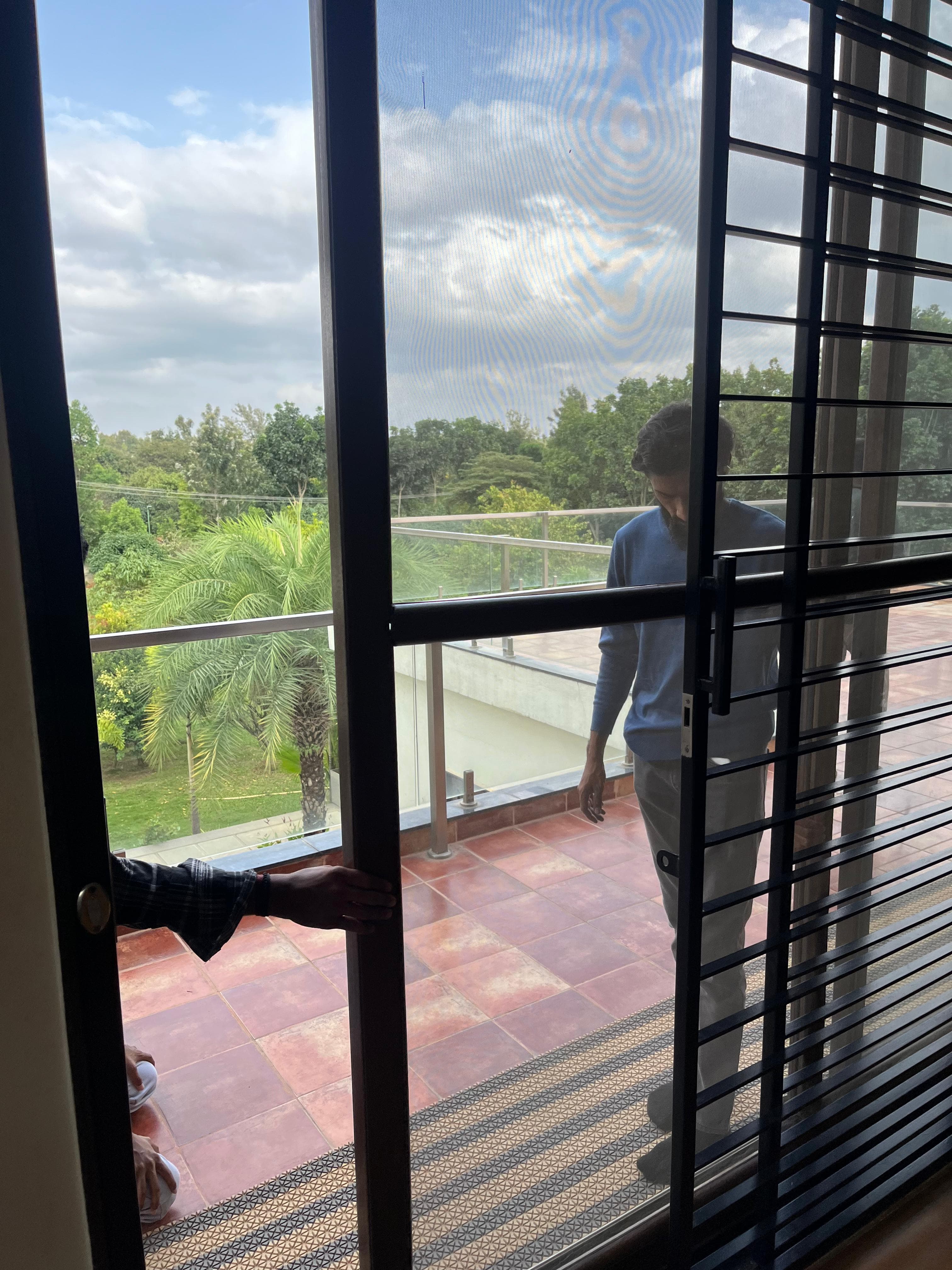
- If this is a balcony or room slider rather than a wardrobe, see the Sliding Glass Door Repair. It checks the door's track, guides, lock and weather strips.
Problems we fix on sliding wardrobes
We repair shutters that drag, judder, scrape, overlap badly, leave a gap, jump the track or make grinding noise. We work on framed glass, mirror and board shutters where the fault is in the sliding hardware.
We do not rebuild damaged wooden cabinets. A photo of the full wardrobe and a close view of the lower channel helps us tell the difference before booking.
Why guides and anti-jump stops matter
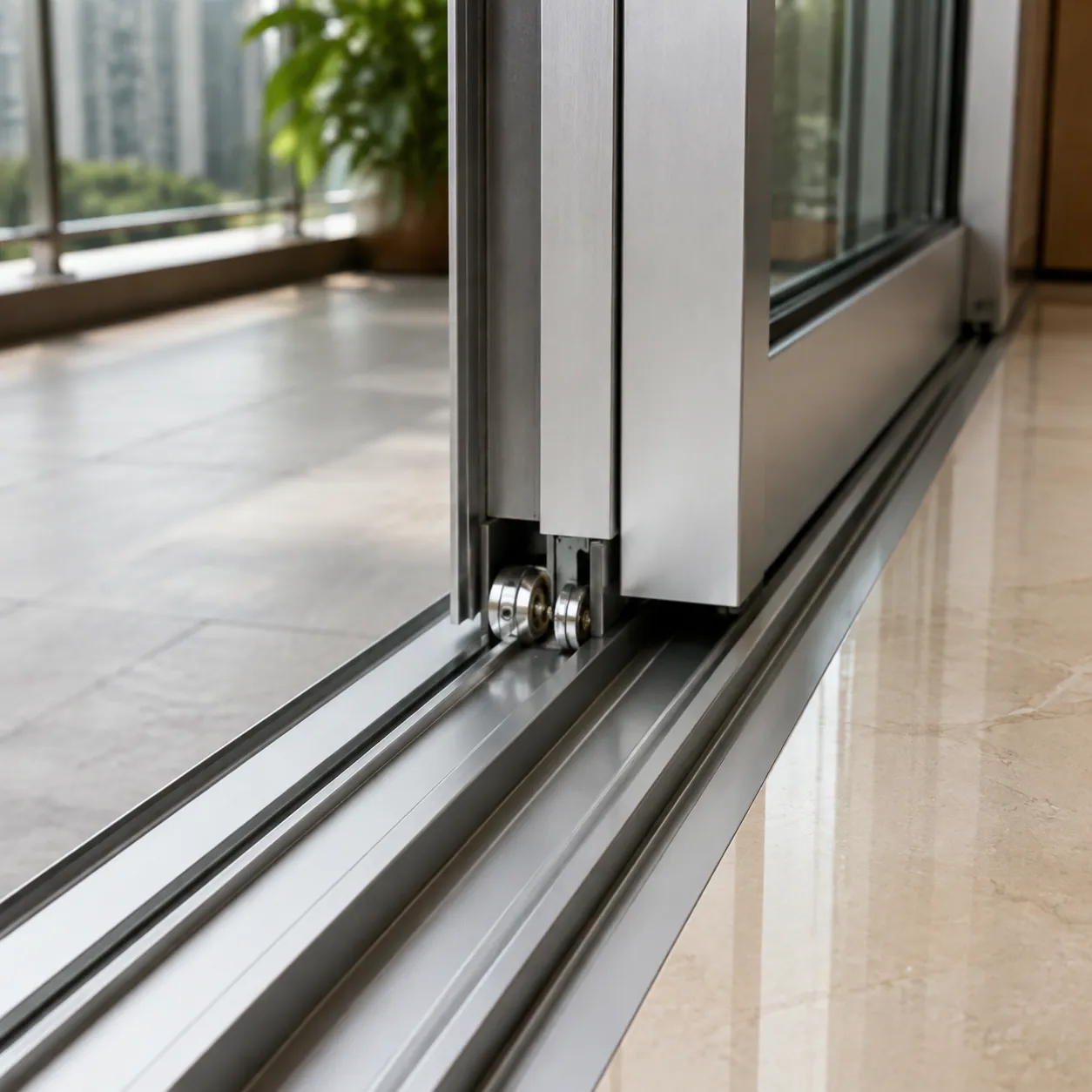
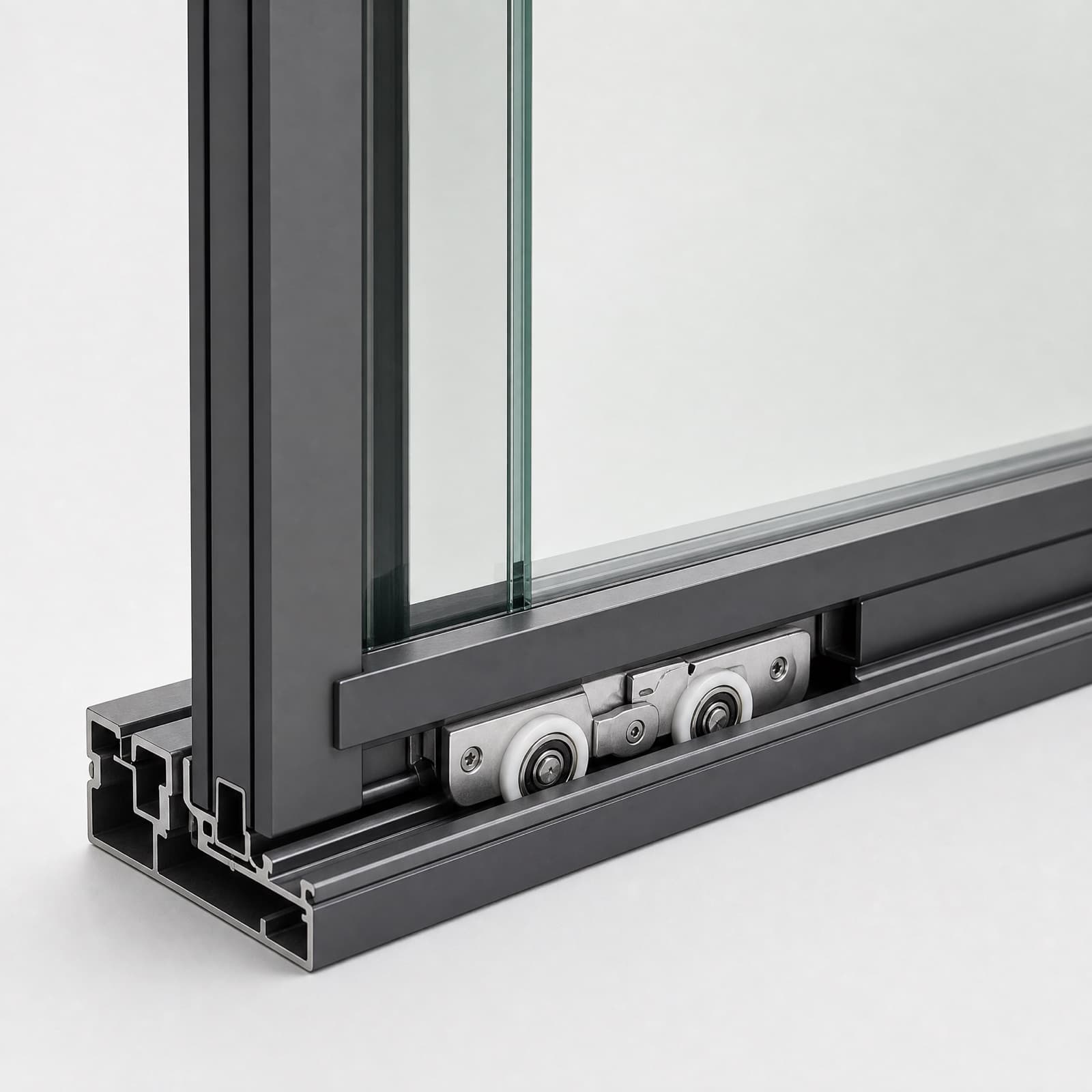
Rollers carry the weight at the bottom. Guides keep a tall shutter upright, and stops prevent it travelling out of its safe range. When any one is missing, the door may still slide while becoming less secure each day.
We support the shutter before lifting it out, inspect every contact point and never leave a heavy panel balanced on one working roller.
Repair method and price
The ₹1,710 visit includes diagnosis, lifting and refitting the shutter safely, cleaning and dressing the channel, resetting guides and aligning the doors. Worn roller assemblies, damaged guides and broken stops are separate parts.
You approve each part first. Several shutters in the same wardrobe share the visit, which is usually the sensible time to check the full set.
What a finished wardrobe should do
Every shutter should run smoothly, remain upright and overlap evenly when closed. Handles must clear the neighbouring door, and the end stops must catch without a hard impact.
We run each panel repeatedly and ask you to try it before the tools are packed.
Bottom-running and top-hung wardrobes need different parts
Most wardrobe shutters sit on rollers in the bottom channel while a guide at the top keeps them upright. Some glass systems hang from rollers in a top track instead. The visible fault can look the same, but the load is carried in a different place.
We identify the system before lifting a shutter. A bottom-running door needs its lower rollers and channel checked together. A top-hung door needs its hangers, stops and floor guide checked. Parts are matched to the track profile and the shutter weight, not chosen only by how a wheel looks.
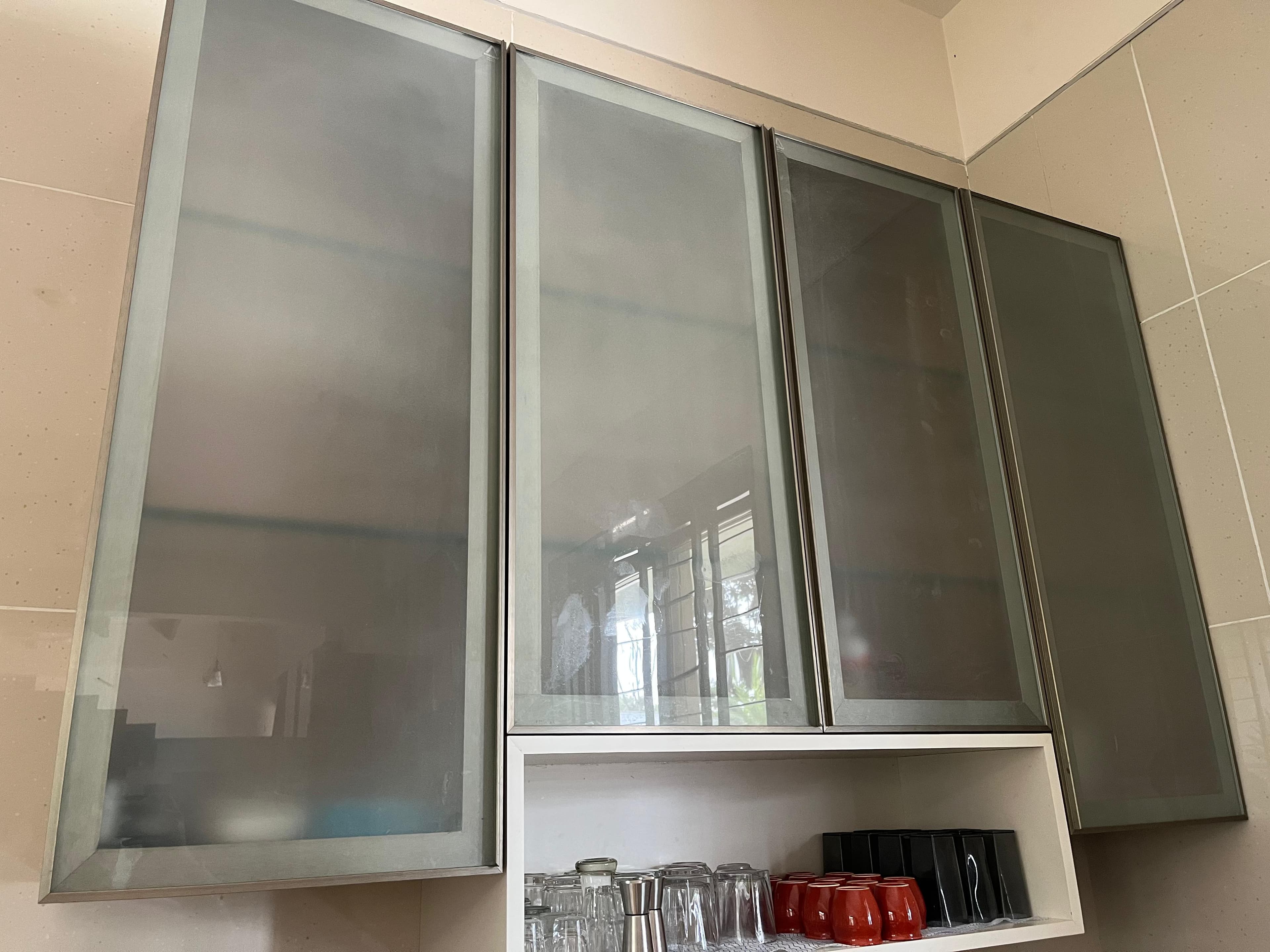
Mirror and glass shutters are handled as safety work
A tall mirror shutter is heavy and awkward even when the glass is unbroken. If it leans out after a guide fails, stop using the wardrobe and keep the floor around it clear. Do not ask one person to push it back into the channel.
We support the panel with two people before releasing any roller or guide. Edges and corners are checked while the shutter is out, because a chip there matters more than a surface scratch. A damaged safety film, loose mirror backing or cracked panel is reported before the hardware repair continues.
When the cabinet, not the slider, is the cause
Sliding hardware can only run straight when its top and bottom channels stay parallel. A cabinet that has sagged, spread or pulled away from the wall can pinch the shutters even with new rollers. Loose shelves or a bowed base can create the same problem.
We measure the opening at both ends before selling parts. Small guide and height corrections belong to the repair. A distorted cabinet needs a carpenter or cabinet maker to restore the opening first. We explain that boundary at the visit so new rollers are not fitted into a channel that will damage them again.