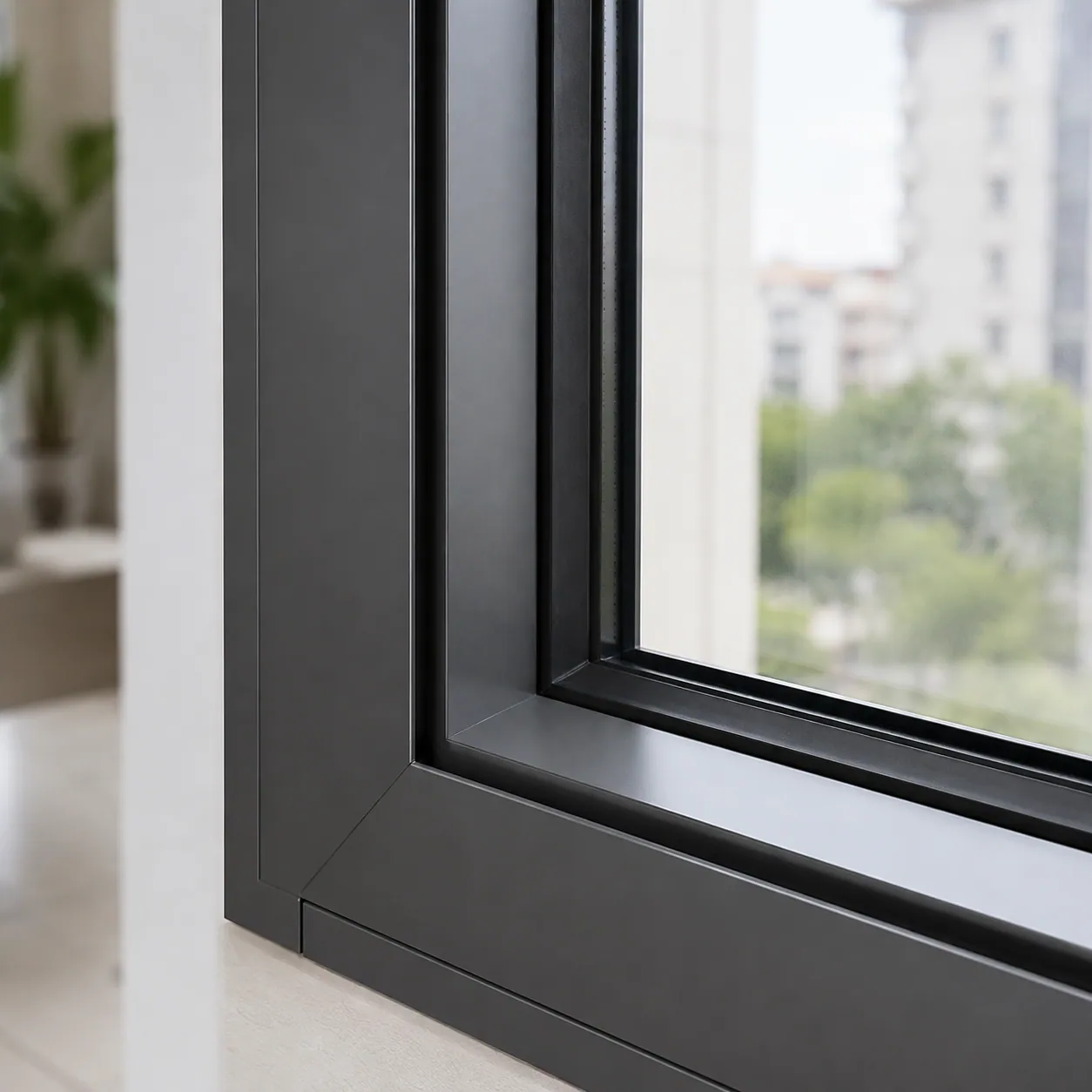
We replace window shutter seals across Bengaluru. Every window closes against seals: rubber strips on casements that squash gently shut, brush pile on sliders that sweeps the gap. They are wear parts, flattened by every close and baked by every summer, and when they die the window still closes but stops sealing. Dust arrives faster, rain mist finds the sill, latches rattle, and rooms leak their cool. Renewing the seals on one window, all round, starts at ₹900, and it is among the quickest window refreshes there is.
Which seal your window has
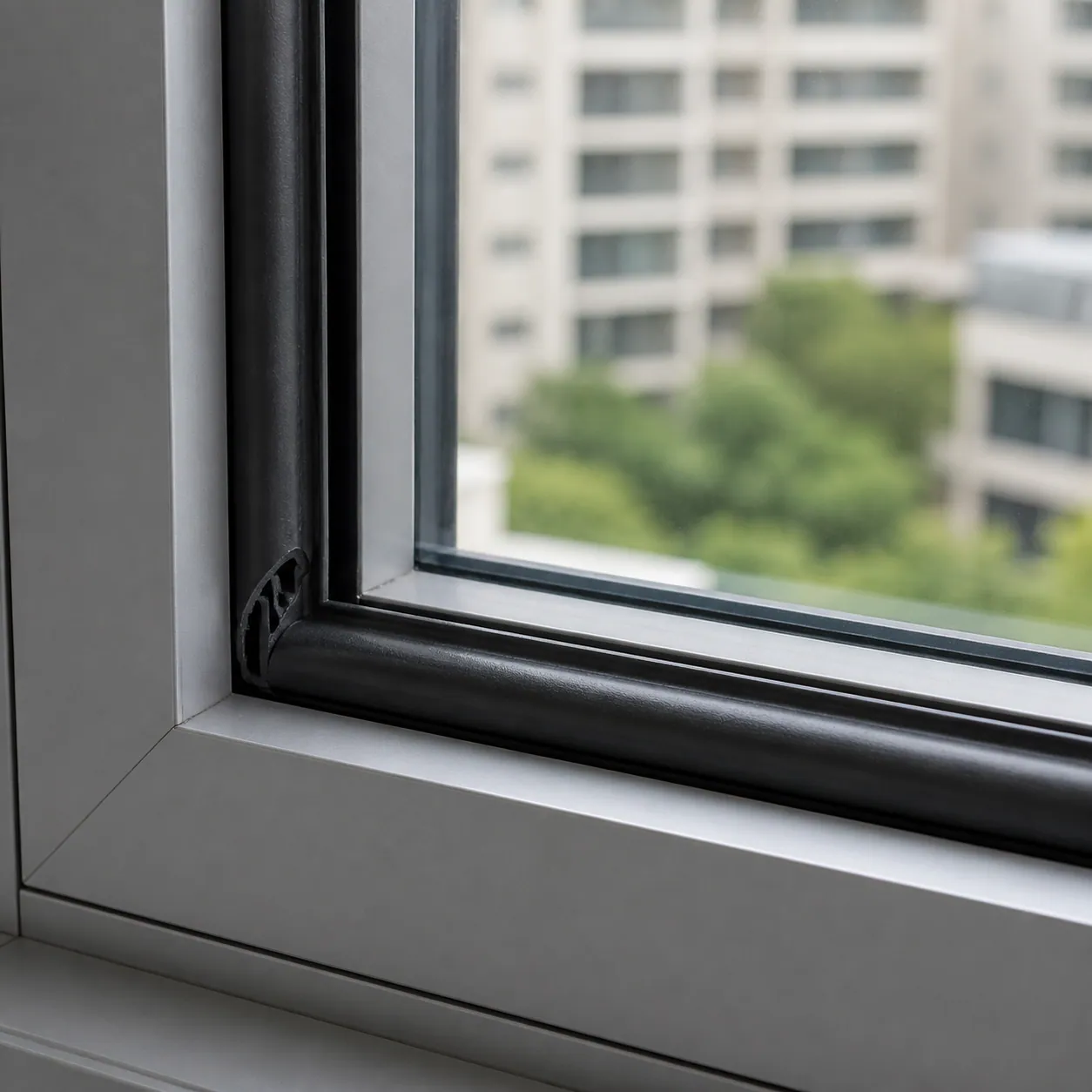
Casement windows, the swing-open kind, seal with compression: a soft EPDM rubber strip runs around the frame or the shutter, and closing squashes it a little. It seals superbly when fresh. Age flattens it into a hard ribbon with a permanent crease, and the squash is gone.
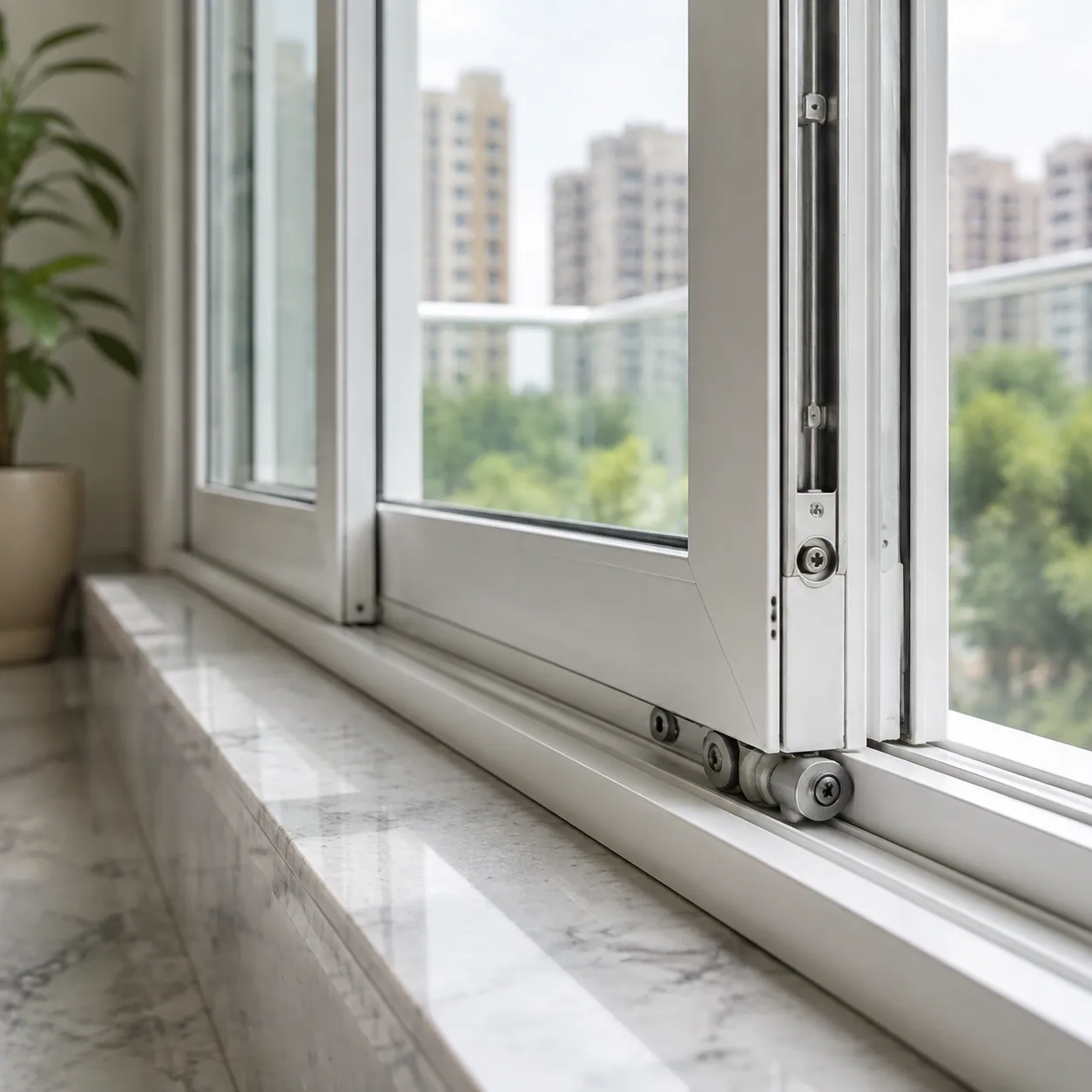
Sliding windows cannot squash anything, so they sweep: brush pile strips line the shutter edges and brush against frame and rails. Pile flattens and moults over the years, and a bald strip sweeps nothing.
uPVC windows carry the plumpest compression gaskets and rely on them the most, and even these harden eventually, especially on sun-facing walls.
Each kind is renewed with its own correct profile, and matching that profile is the crux of the job.
The signs of dead window seals
Press test on a casement: with the window latched, its rubber should hold the shutter firm. If the shutter can be rattled by hand against the latch, the rubber has flattened and stopped filling its gap.
Sight test on a slider: look at the pile strips edge-on. Healthy pile stands dense like a new brush. Dead pile lies flat, shows gaps, or has gone shiny.
And the room tells you daily: dust returning to the sill within a day of cleaning, the window audibly rattling on windy nights, a mist line inside after driven rain, and a latch that needs slamming to reach its keep because the geometry has changed as the seals collapsed.
Any two of these together, and the seals are due.
Renewal, profile by profile
Old seals strip out of their grooves or channels, along with the crumbs and the hardened adhesive of any past quick fixes. The groove is cleaned, because new seal seats properly only in a clean channel.
New seal goes in matched on three counts: profile shape to the groove, section size to the gap it must fill, and material to the job, EPDM rubber for compression lines, silicone-tolerant pile for sliders. Corners are cut and joined so they seal rather than gap, which is where hurried jobs give themselves away.
Then the latch geometry is rechecked, because fresh, plump seals slightly change how the shutter meets the frame. Keeps are adjusted so the window closes with an easy, definite action: shut, snug, silent.
What it costs and what it pairs with
One window resealed all round starts at ₹900. It is a per-window price, and additional windows on the same visit stay at it, so whole-bedroom or whole-flat bookings are the norm rather than the exception.
Seal renewal pairs naturally with two neighbours. On sliders, if rollers have dropped the shutter, we set the height first, because seals cannot fill a crooked gap. And where the frame-to-wall joint is also leaking, that is our gap sealing service, and doing both in one visit gives the window a genuinely sealed perimeter, moving parts and fixed.
We will always name the cheaper sufficient option when only one of these is truly needed. A window should be sealed exactly as much as it needs, not as much as can be sold.