Footfall near the station is heavy and concentrated into bursts, and the entrance door is what takes it. Choosing the right kind of entrance for that pattern is the decision that matters most in these units, and it is usually made on price rather than on how the shop is actually used.
Swing, sliding or automatic
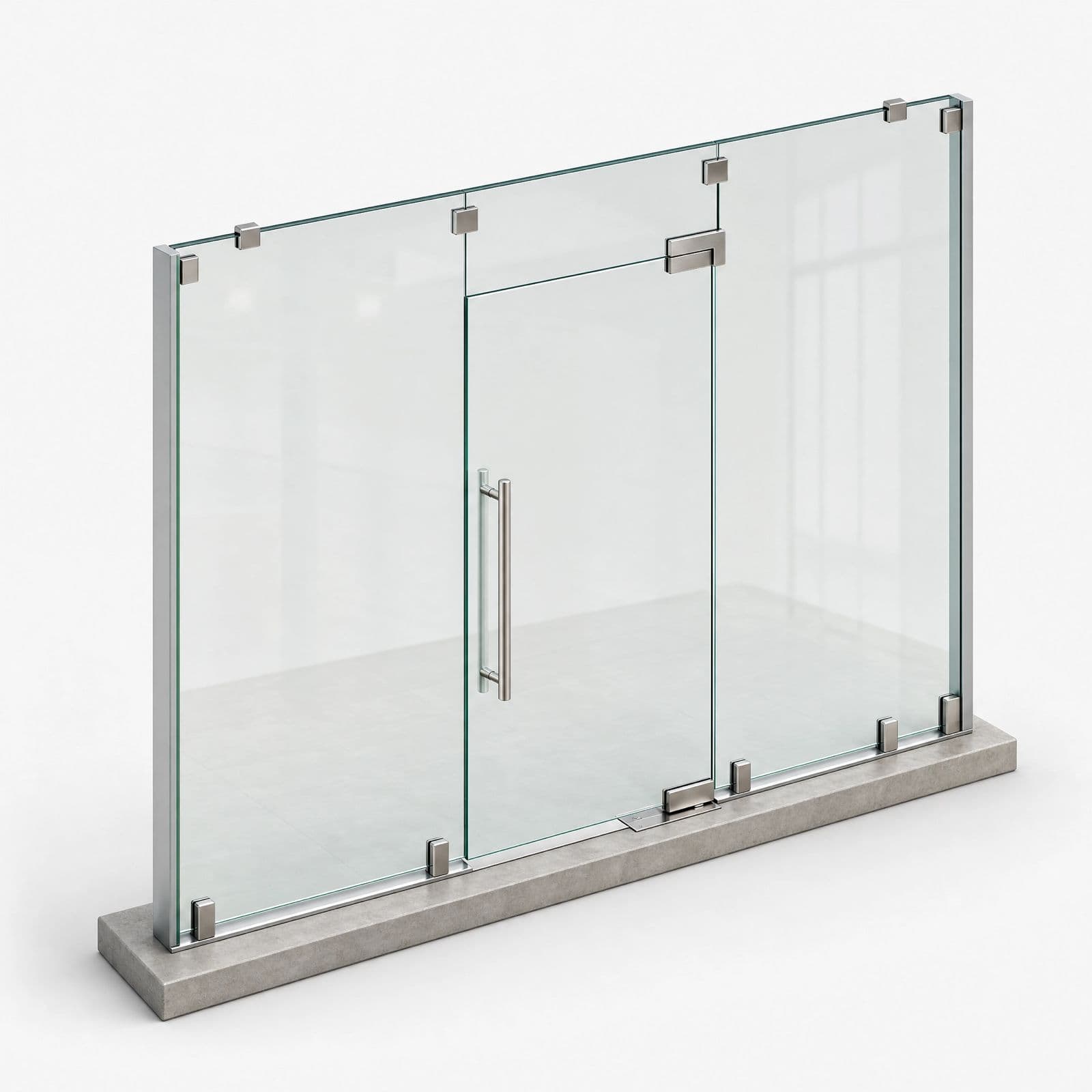
A swing door on a busy frontage is opened by hand every time and is the cheapest to fit and the most to maintain.\n\nA manual sliding door takes no swing space, which matters where the pavement is narrow.\n\nAn automatic sliding door handles bursts of people best and costs considerably more, and it has a motor and sensors that need servicing. So the choice follows the footfall pattern: steady trade suits a swing door, bursts suit automatic, and a narrow frontage suits sliding whichever way it is driven.
What an automatic door actually needs
Where an automatic door is fitted, it wants a clear zone in front and behind that stays clear, sensors set for the height of your customers, and a manual release everybody who works there knows how to use.\n\nStock placed inside the sensor zone is the commonest reason one starts misbehaving.\n\nIt also needs a service interval rather than a repair when it fails, because when an automatic door fails it usually fails closed. That is worth building into the decision rather than discovering in the first year.
Keeping the frontage clear in a burst
Near a station, people arrive in groups rather than steadily, and a frontage that works at eleven in the morning can jam at six.\n\nSo the useful test is not whether the entrance is wide enough but whether people can get past whoever has stopped just inside it.\n\nThat means keeping the first two metres inside the door free of anything that makes people pause — no counter, no display that stops traffic. It is a layout decision made when the partitions go in, and it decides how the shop behaves at its busiest.
How the job works
- Tell us about the jobSend a few photos, rough sizes and what you need. Use WhatsApp or the form. For a repair, a short video of the door moving helps a lot.
- We call you back in about 2 minutesWe confirm what you need and a time to visit. Where we can, we give you a rough price on the call.
- We come and measureWe measure the opening and check the walls, floor and ceiling around it. Anything made to size is made to these measurements, so they must be right.
- You get a written priceIt lists each item, with GST as its own line. If anything about the job changes, we tell you before we go ahead.
- We fit itYou approve the price and pay the advance. Our own team fits the work, checks that every door and window opens and closes properly, and clears up. Most jobs are done in 3 to 4 days.