Planning work at DLF Centre
Define the occupied-office scope before choosing the glass
Mark the work on a floor plan: entrance door, meeting-room partition, workstation boundary or damaged pane. Include door swings and the usable opening. For a replacement, record what exists before deciding which components can remain.
A partition can affect lighting, air-conditioning and other services. Confirm the responsibilities for these interfaces with the office or fit-out manager. If sound isolation, fire performance or security is required, name the requirement in the brief and ask for evidence for the complete proposed system.
Agree how staff will move around the work, where materials can stand, and who signs off the finished opening. Work outside occupied hours is an arrangement to confirm, not an automatic entitlement at a named building. Ask the quotation to identify any separate access equipment or protection.
Confirm these details before the visit
- Is the building occupied during measurement and installation?
- Are rated partitions or controlled-access doors involved?
- Who coordinates power, cooling and other affected services?
- Who tests and accepts doors and locks after the work?
Choose the job by the fault or the result you need
Use the checks below to describe the job. They do not assume which fittings are installed at DLF Centre.
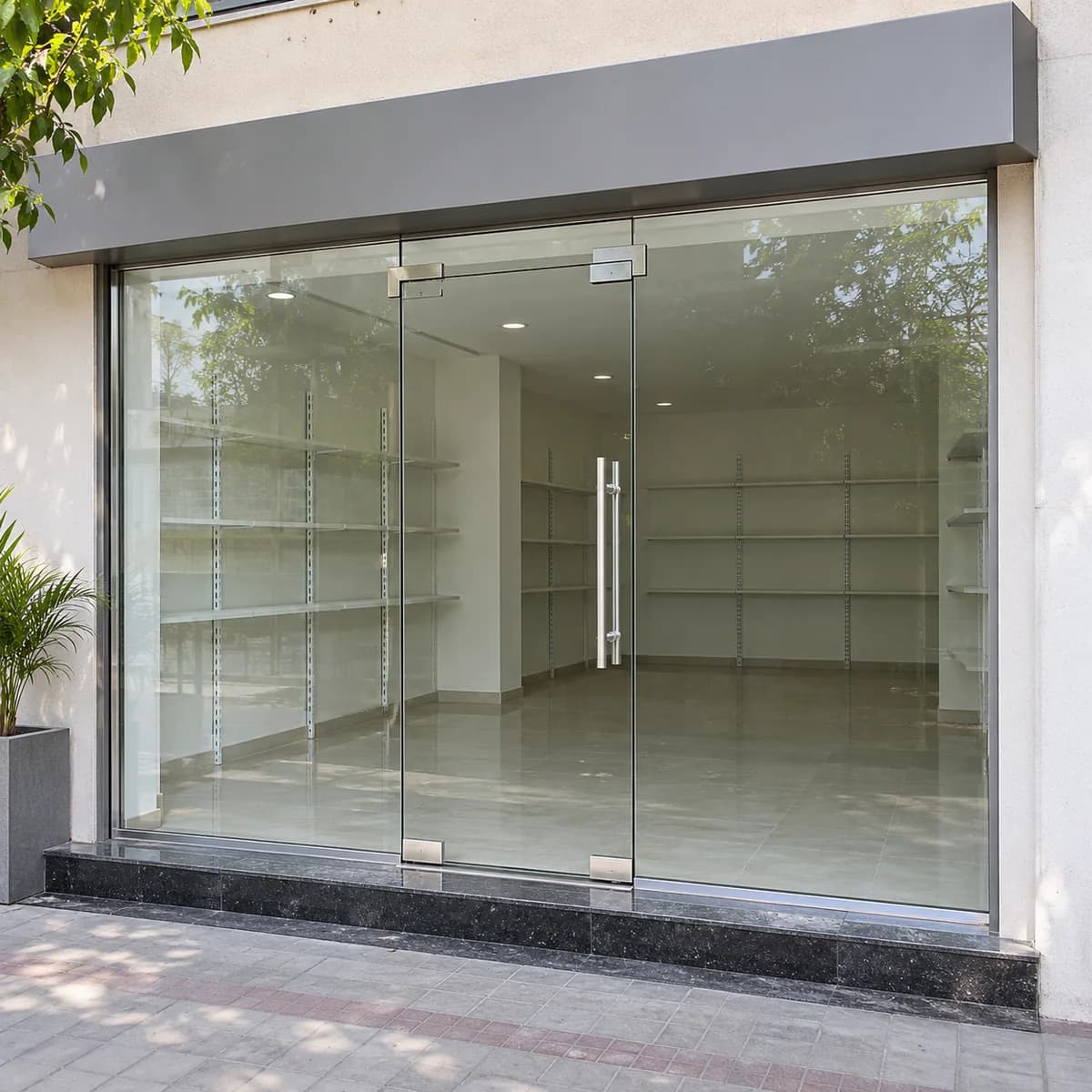
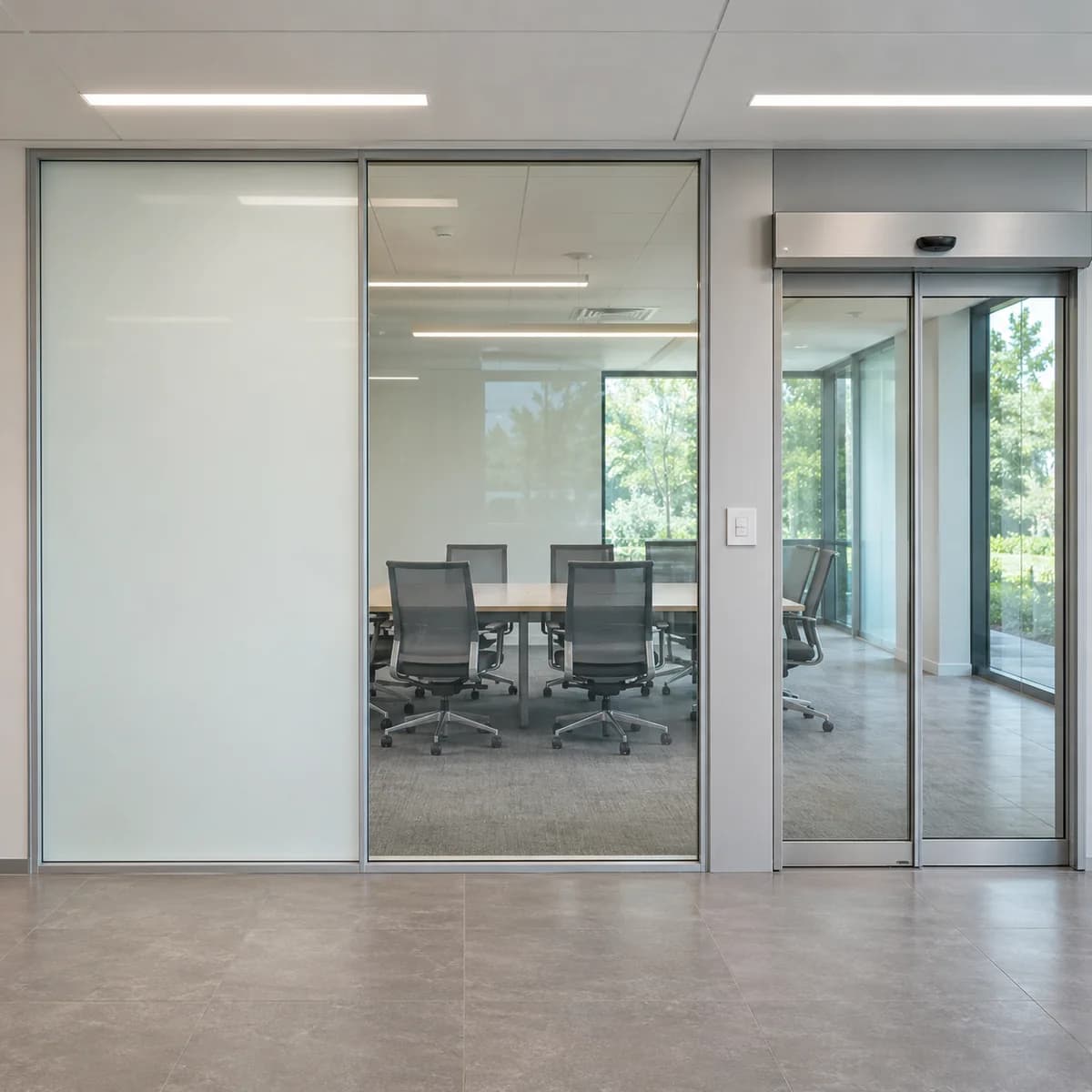
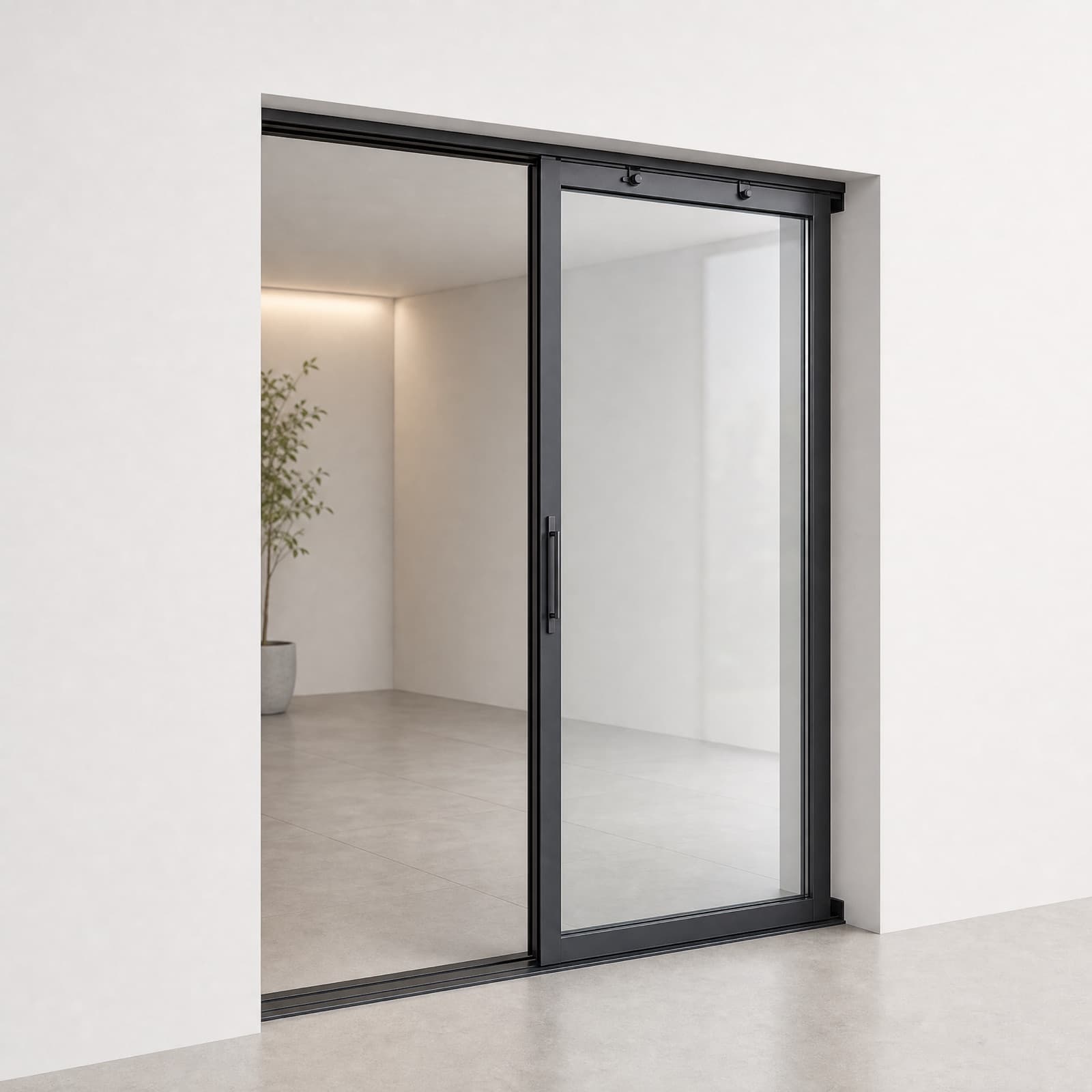
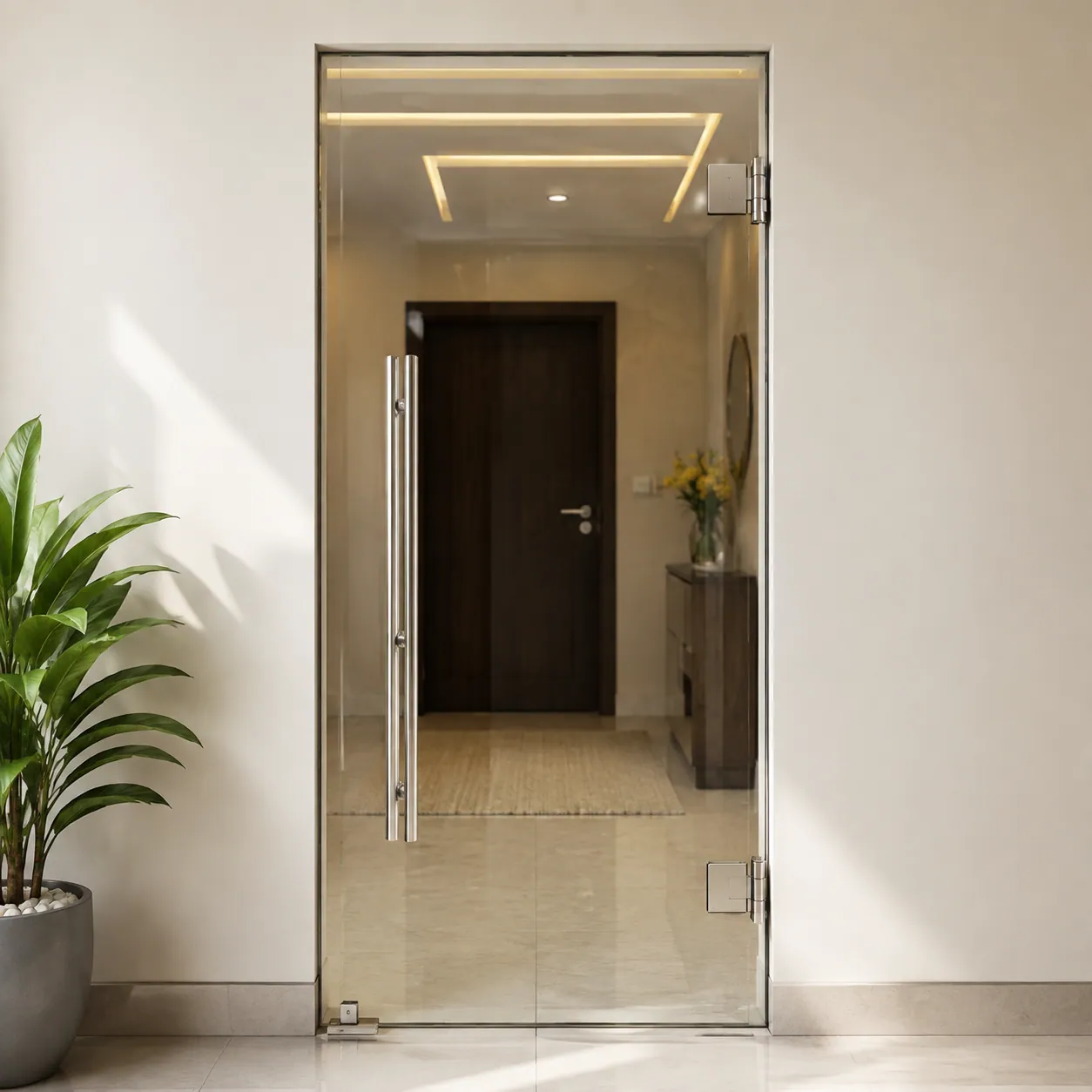
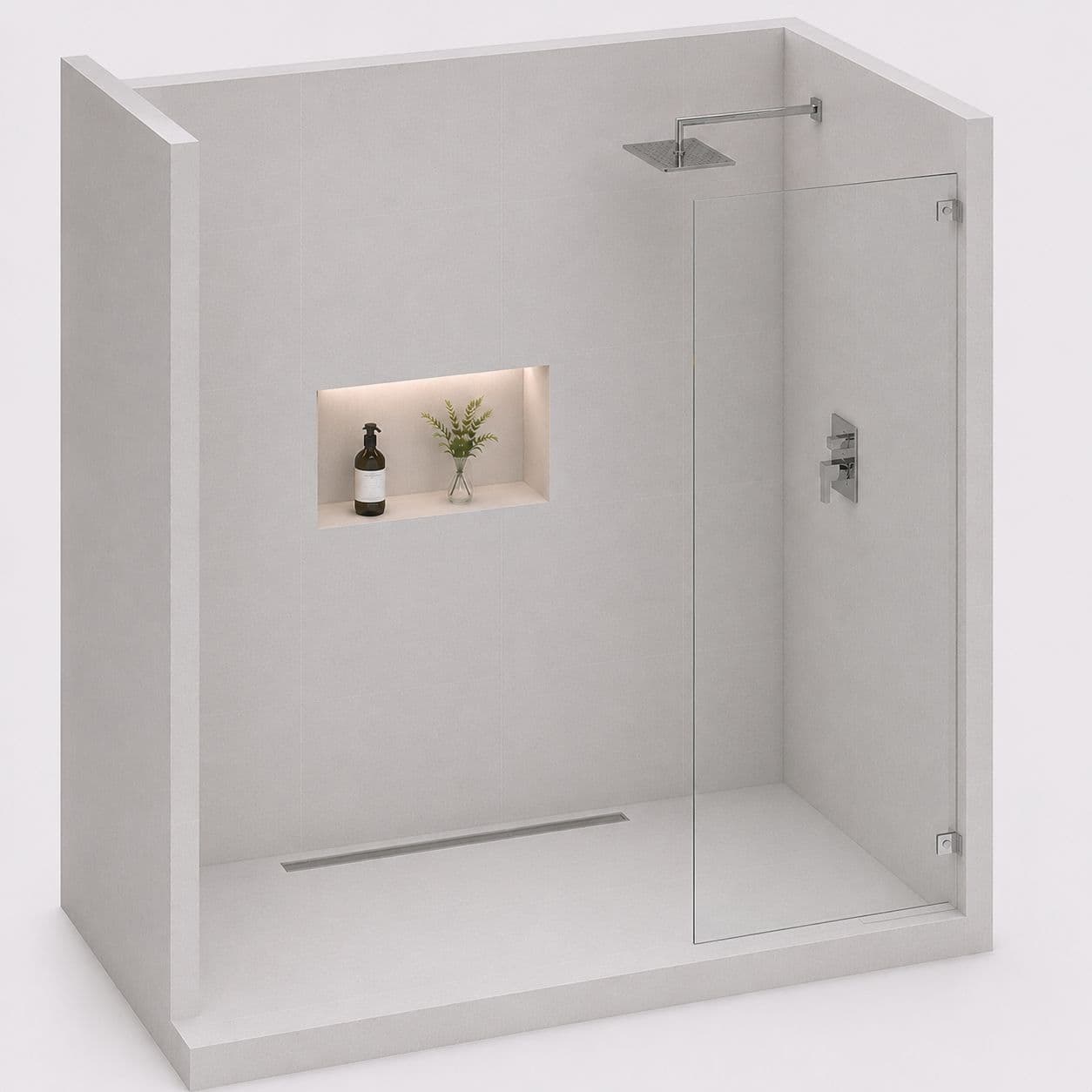
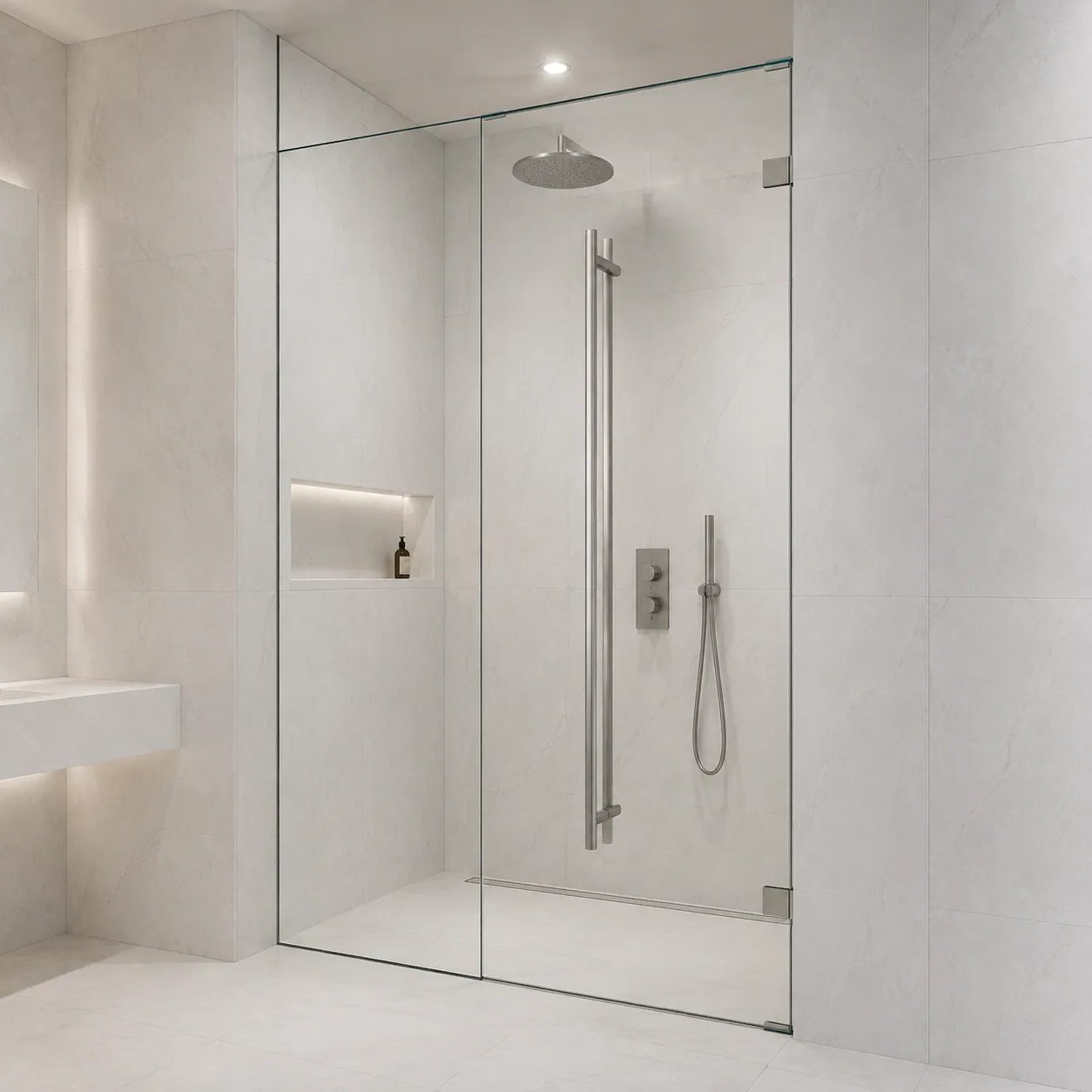
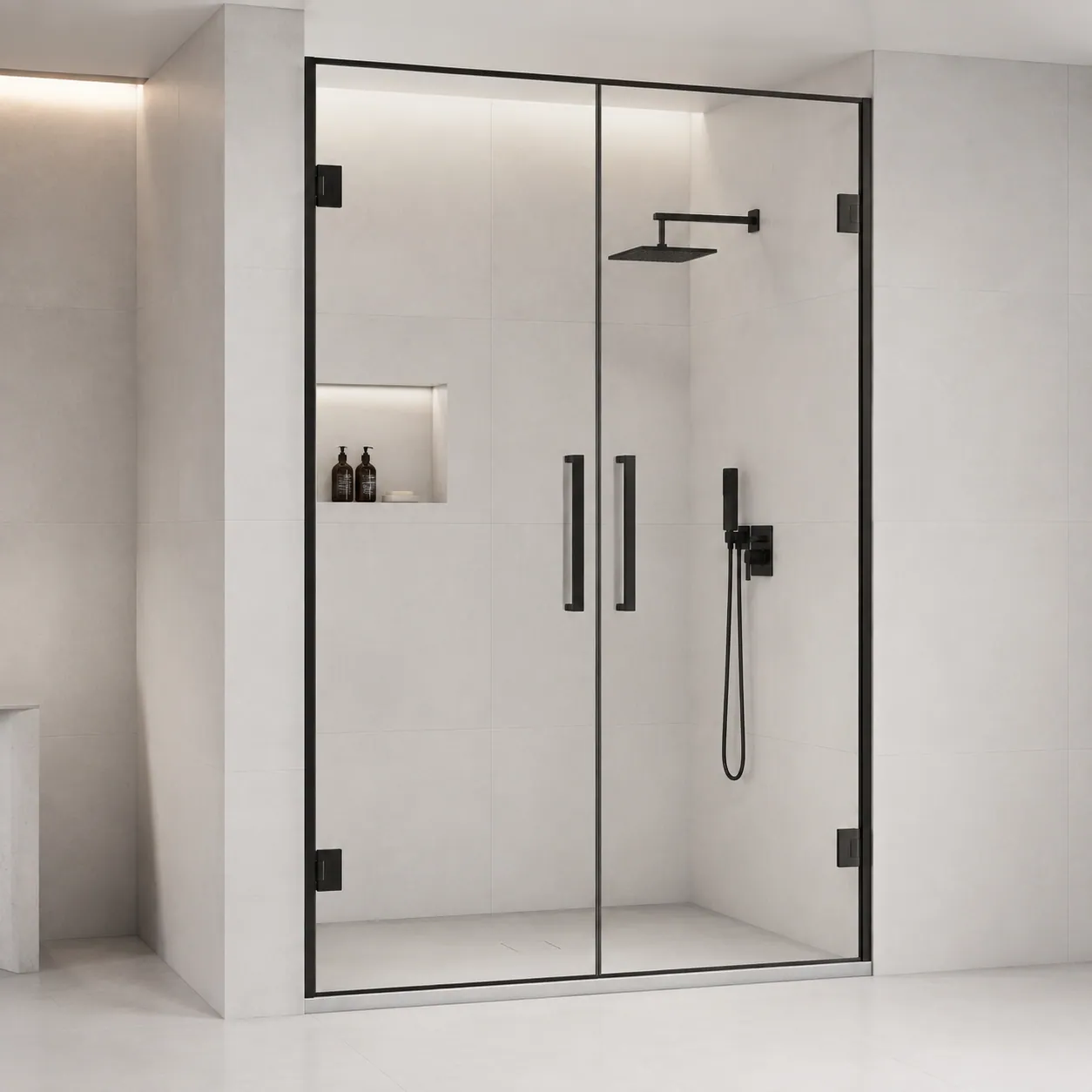
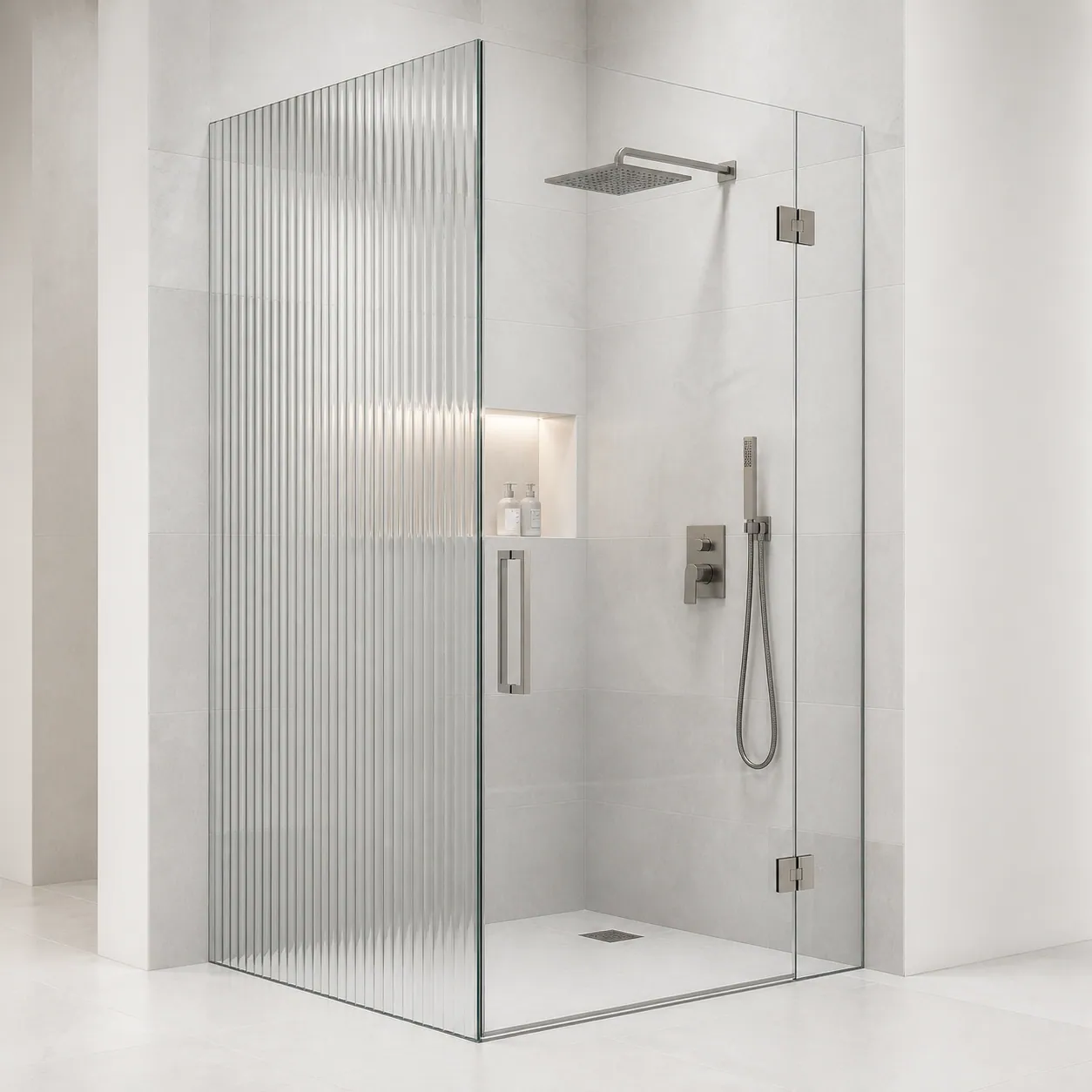
Planning a glass partition or shop front
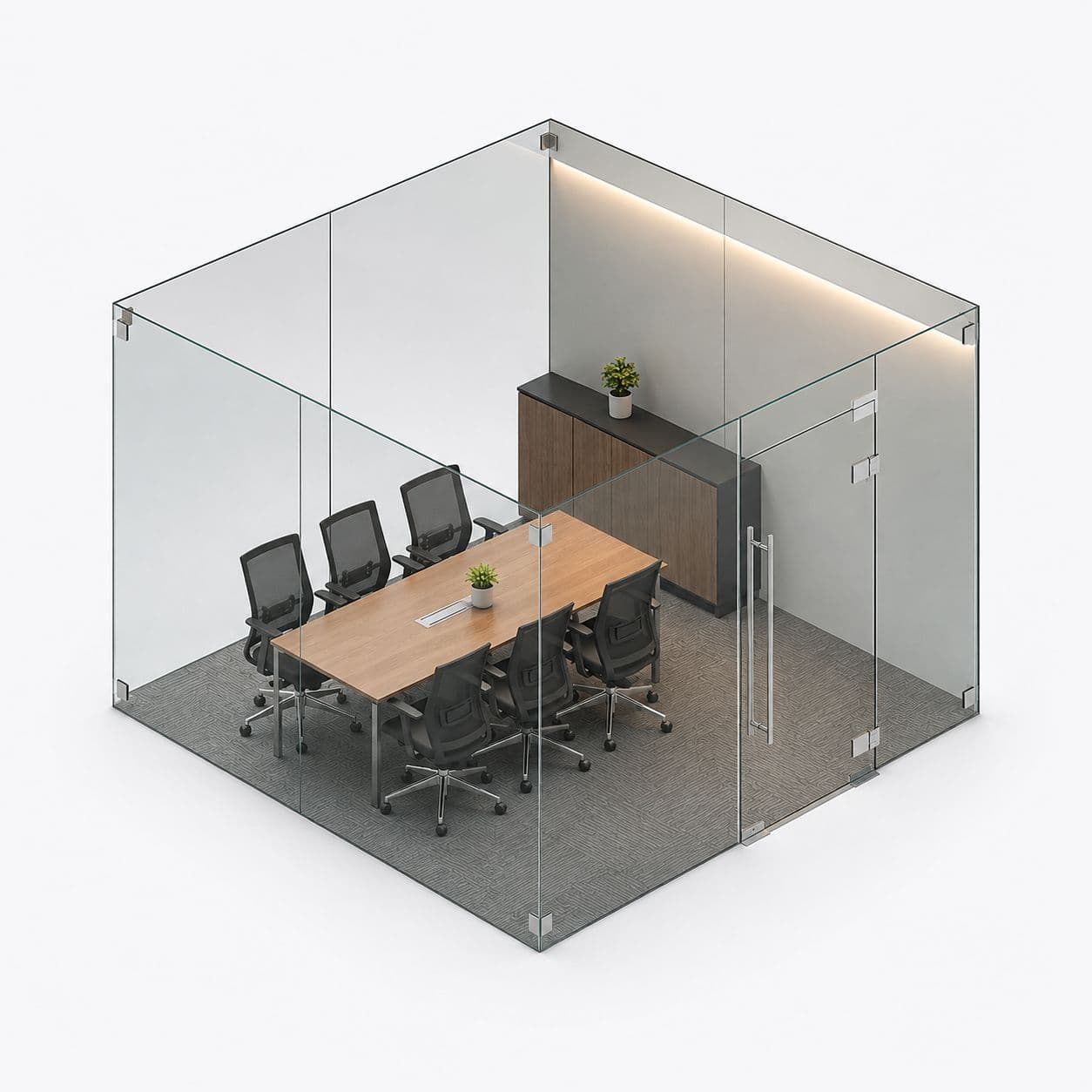
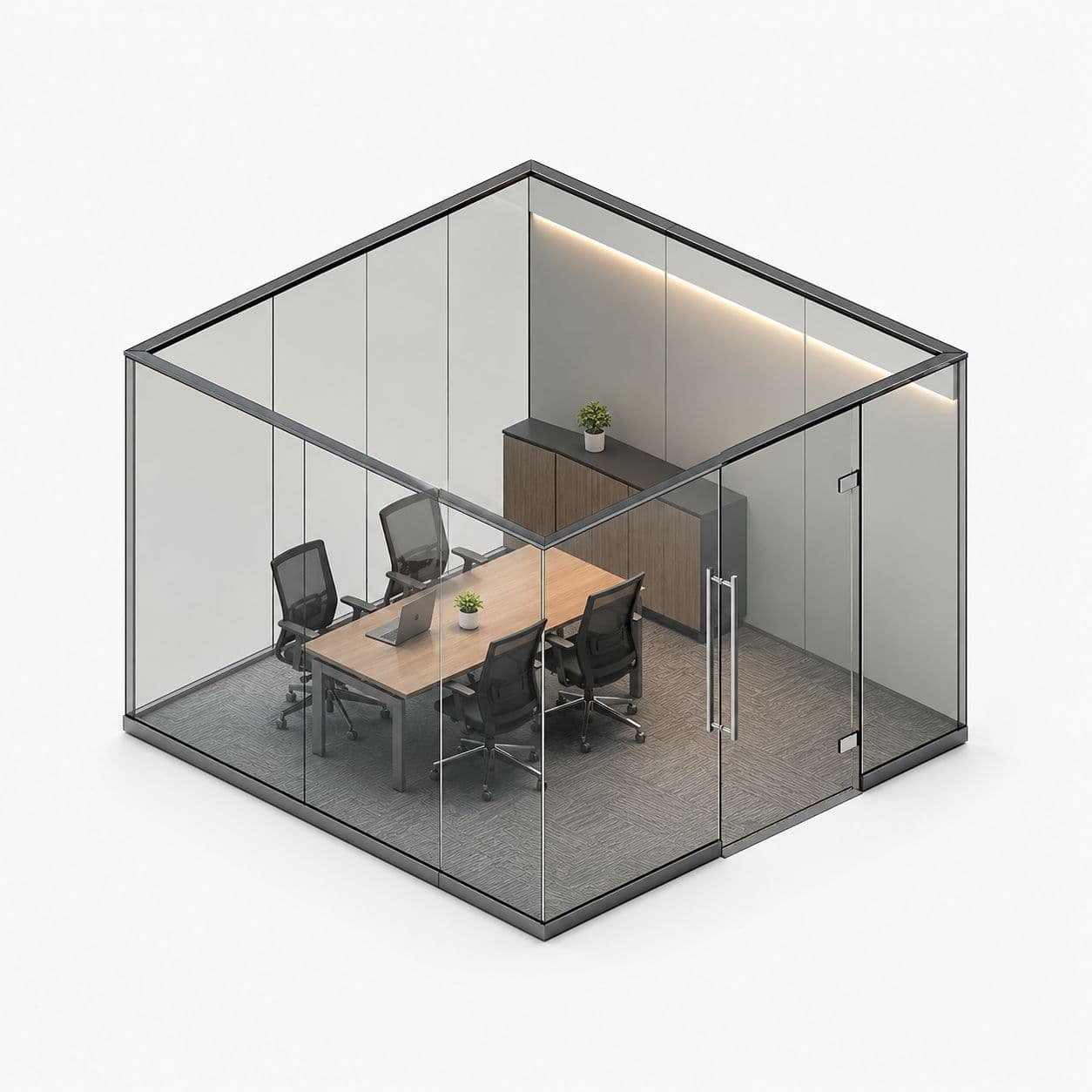
Describe the purpose: separating desks, making a meeting room, enclosing a reception or replacing a display frontage. State what must stay usable during the work.
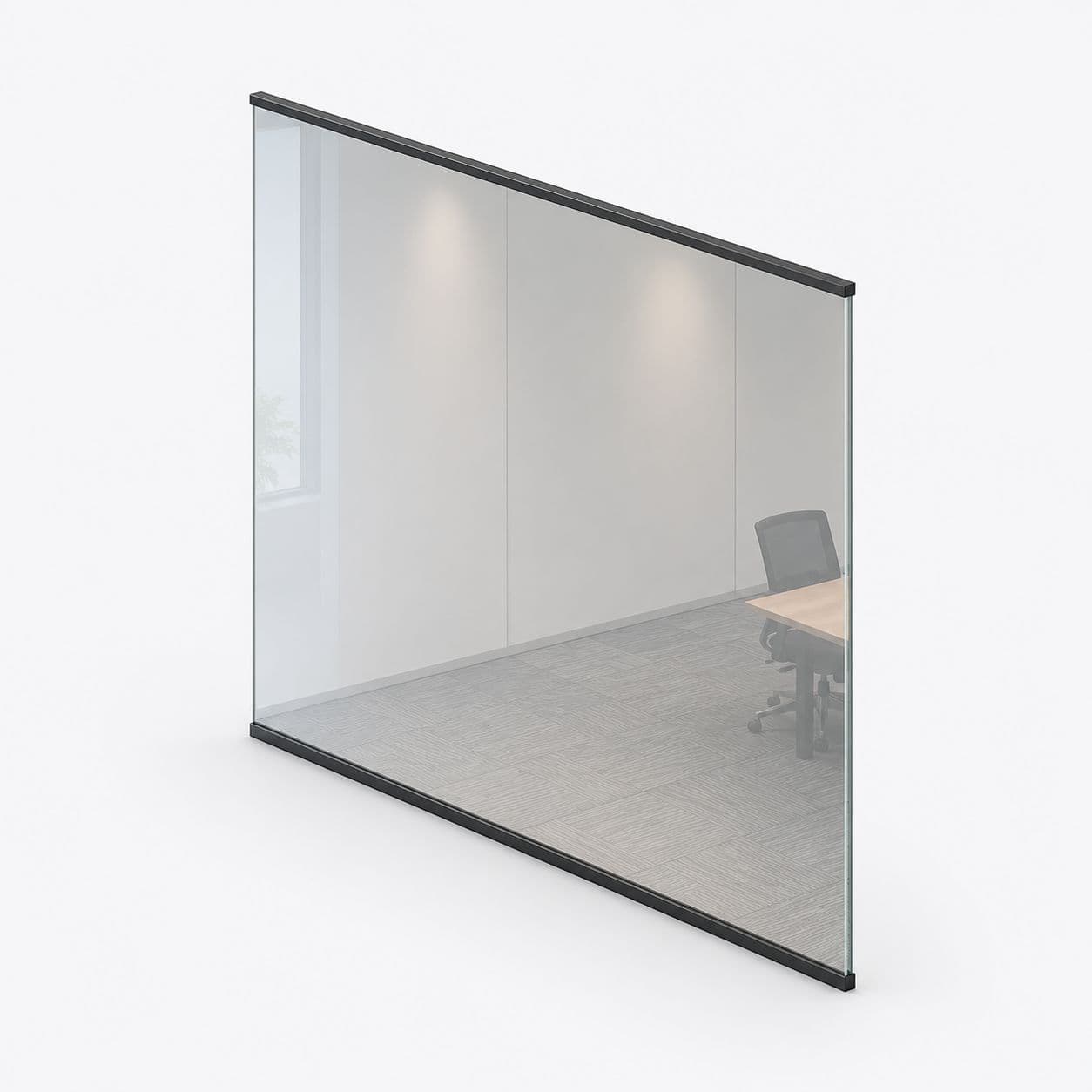
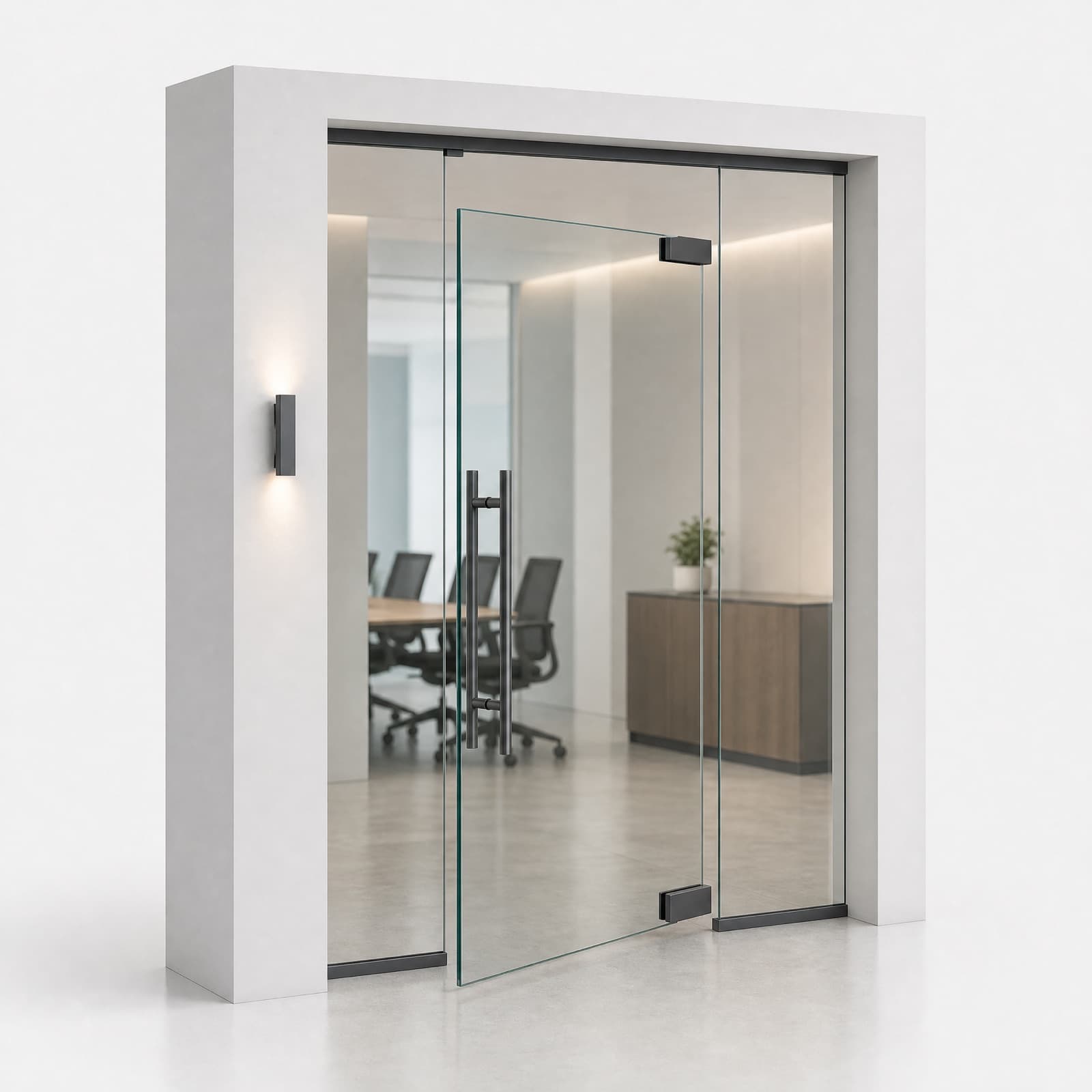
Measure the opening and confirm the supporting floor, walls and ceiling. Agree door position, clear opening, handles, locks and any privacy treatment. Glass alone does not establish an acoustic, fire or security rating; request evidence for the complete system if a rating matters.
Bring the proposed layout and identify lighting, power, air-conditioning and sprinkler conflicts. Ask who is responsible for moving these items. Confirm the permitted work window before a manufacturing or installation date is agreed.
Relevant services: Office Glass Partition with Door · Aluminium Glass Partition · Toughened Glass Shop Front
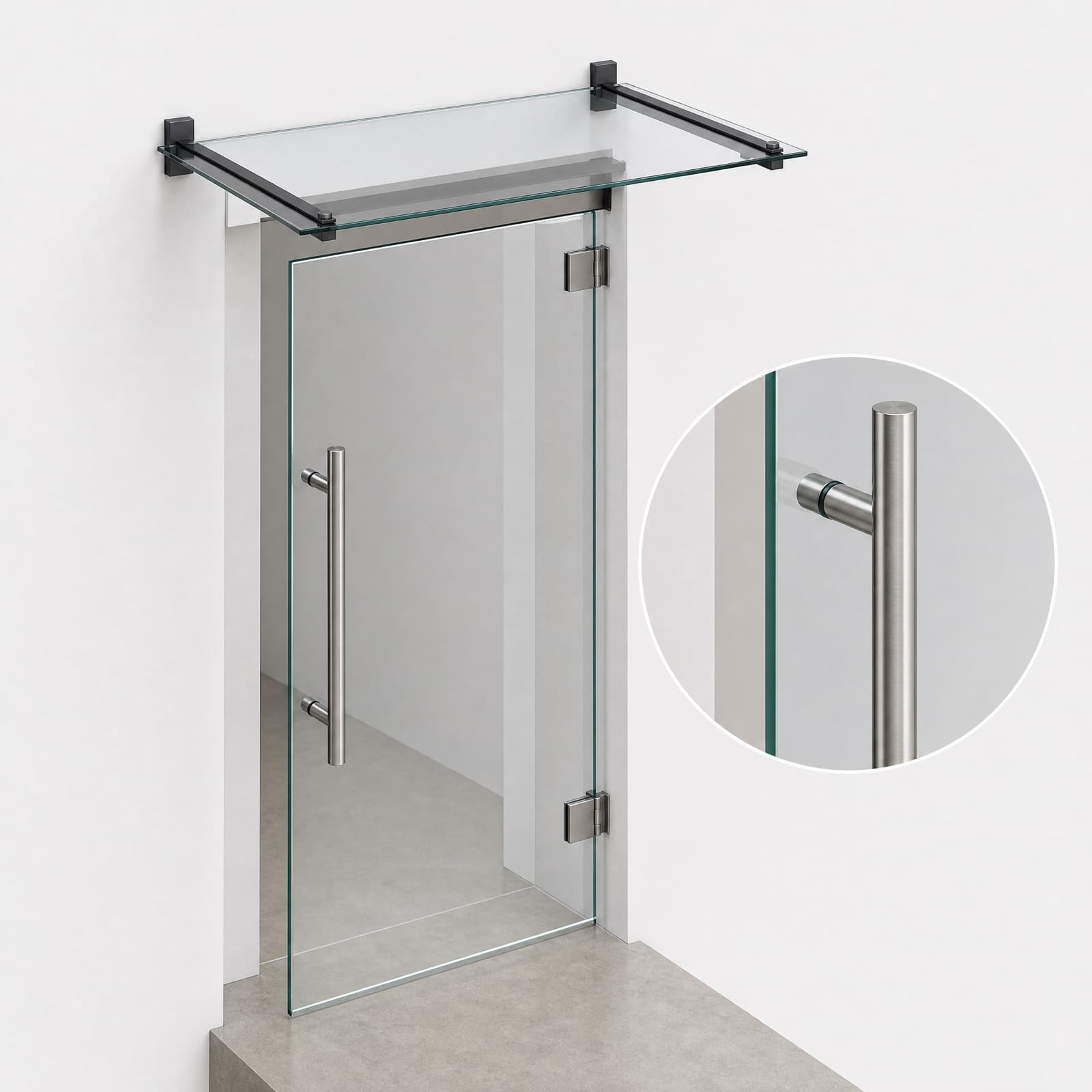
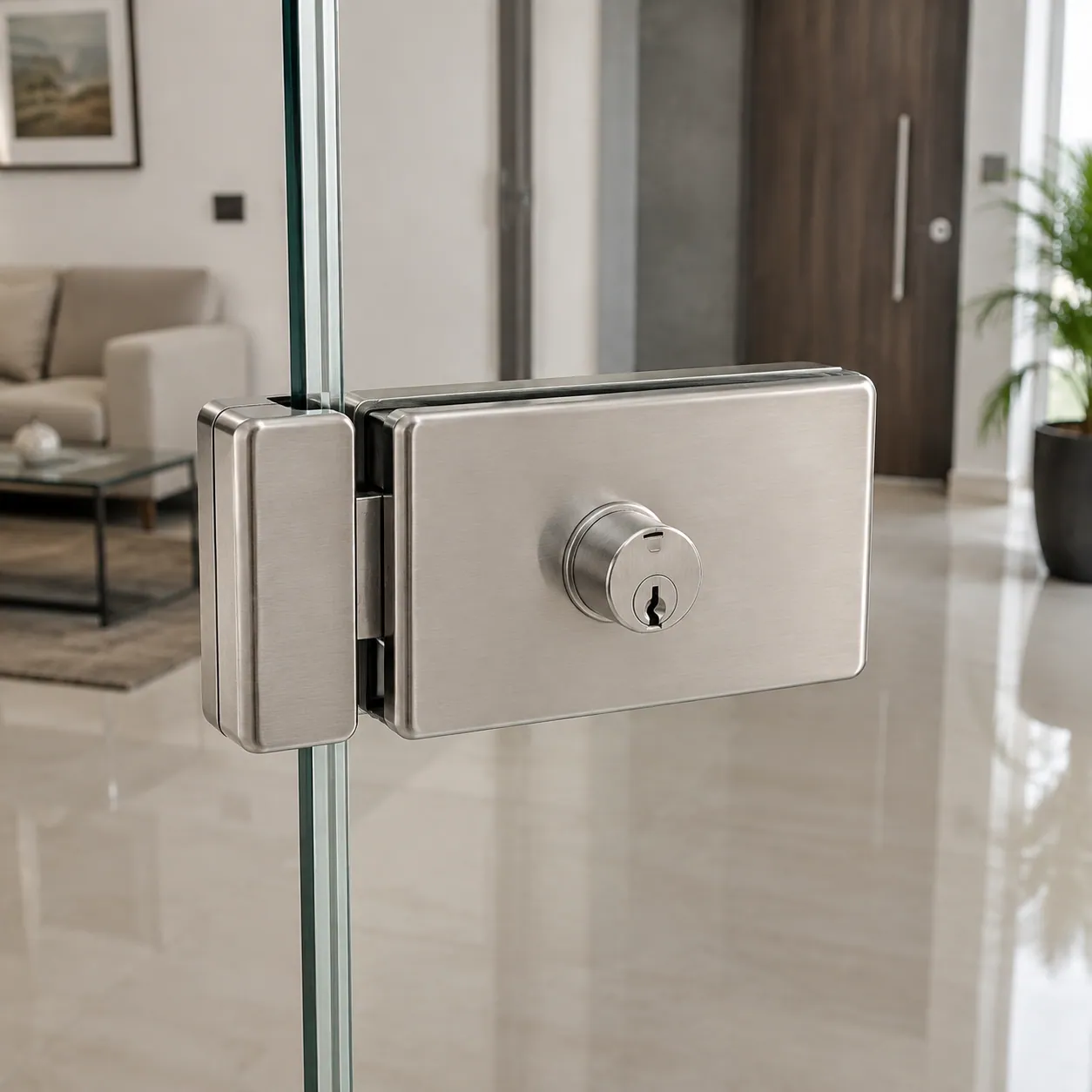
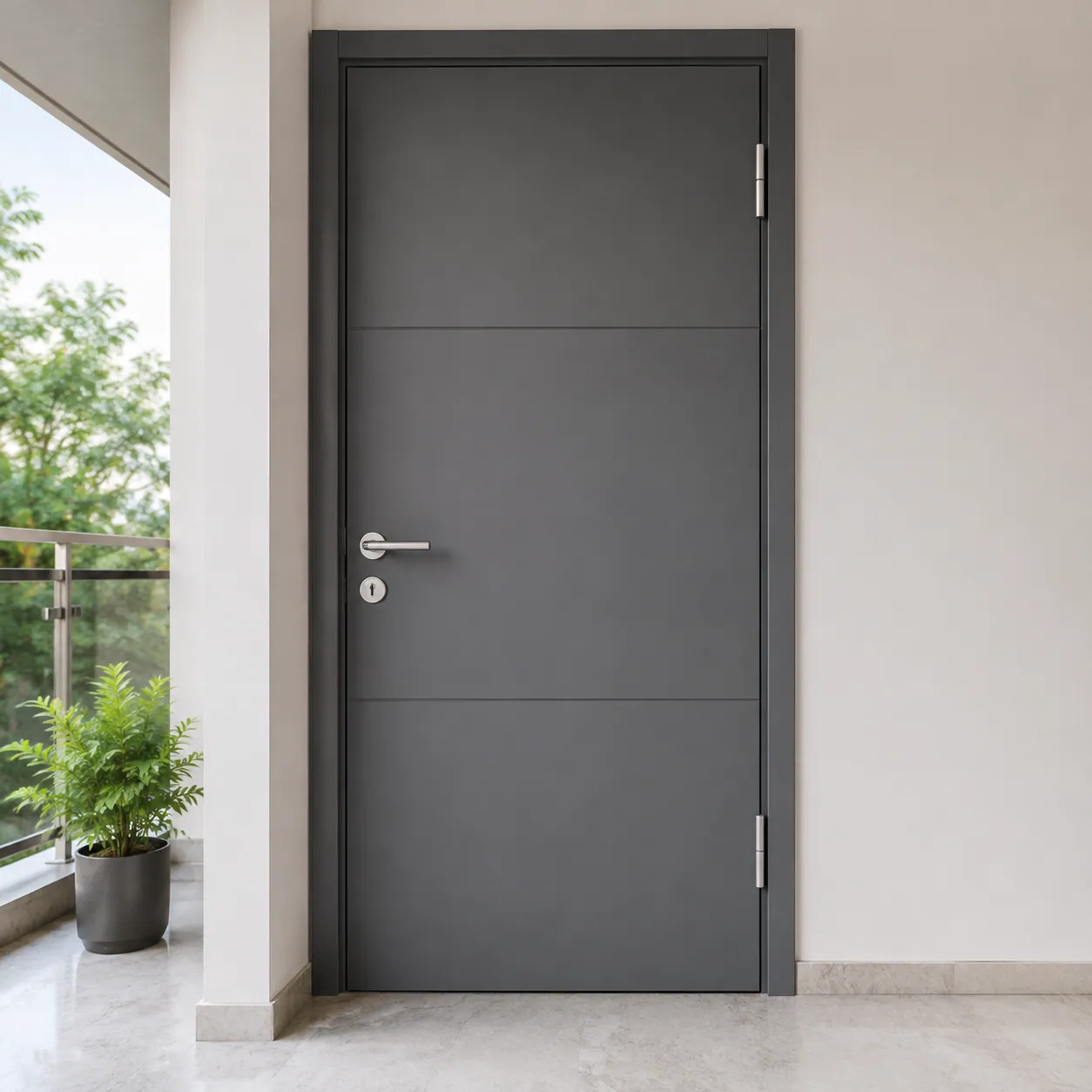
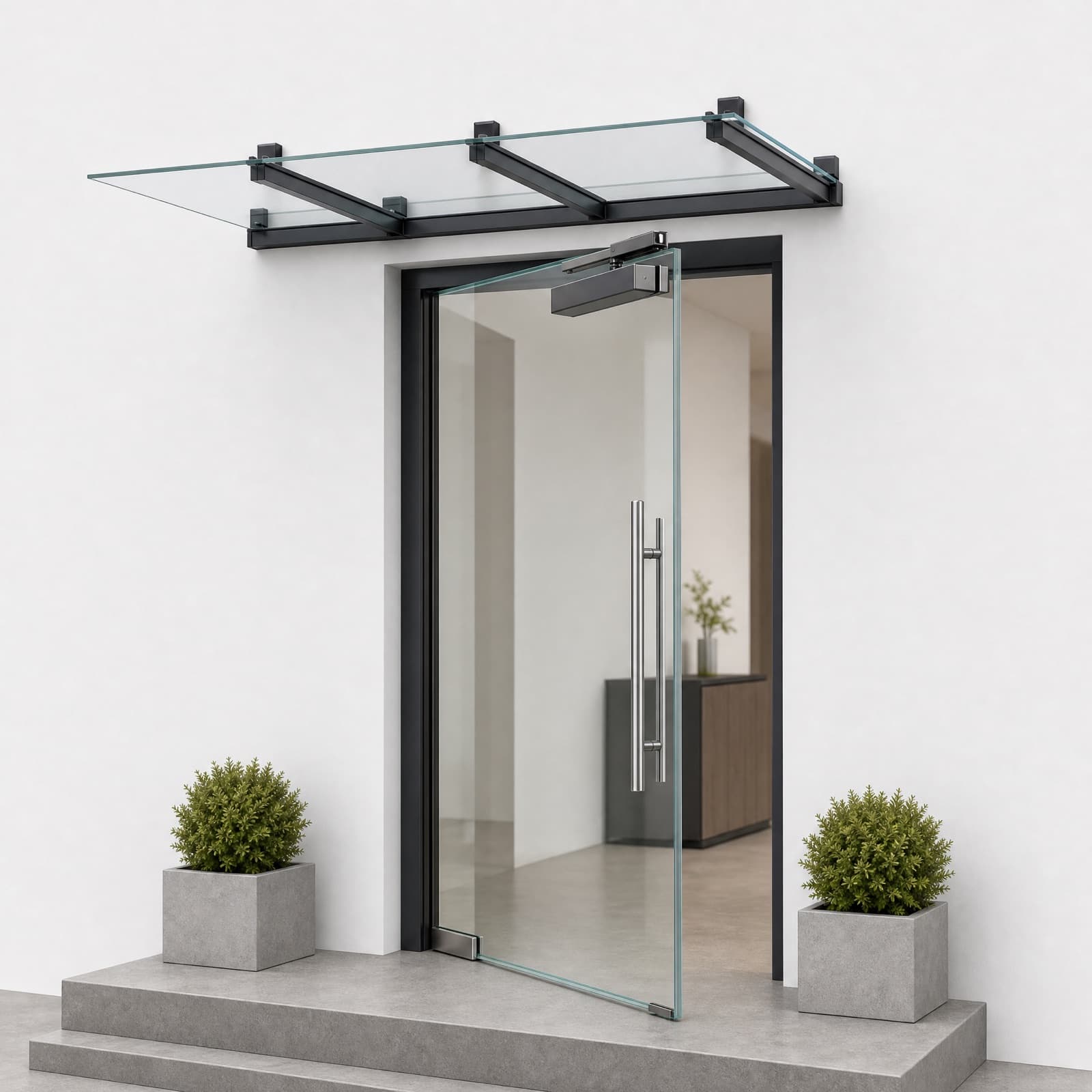
A glass entrance door that slams or will not latch
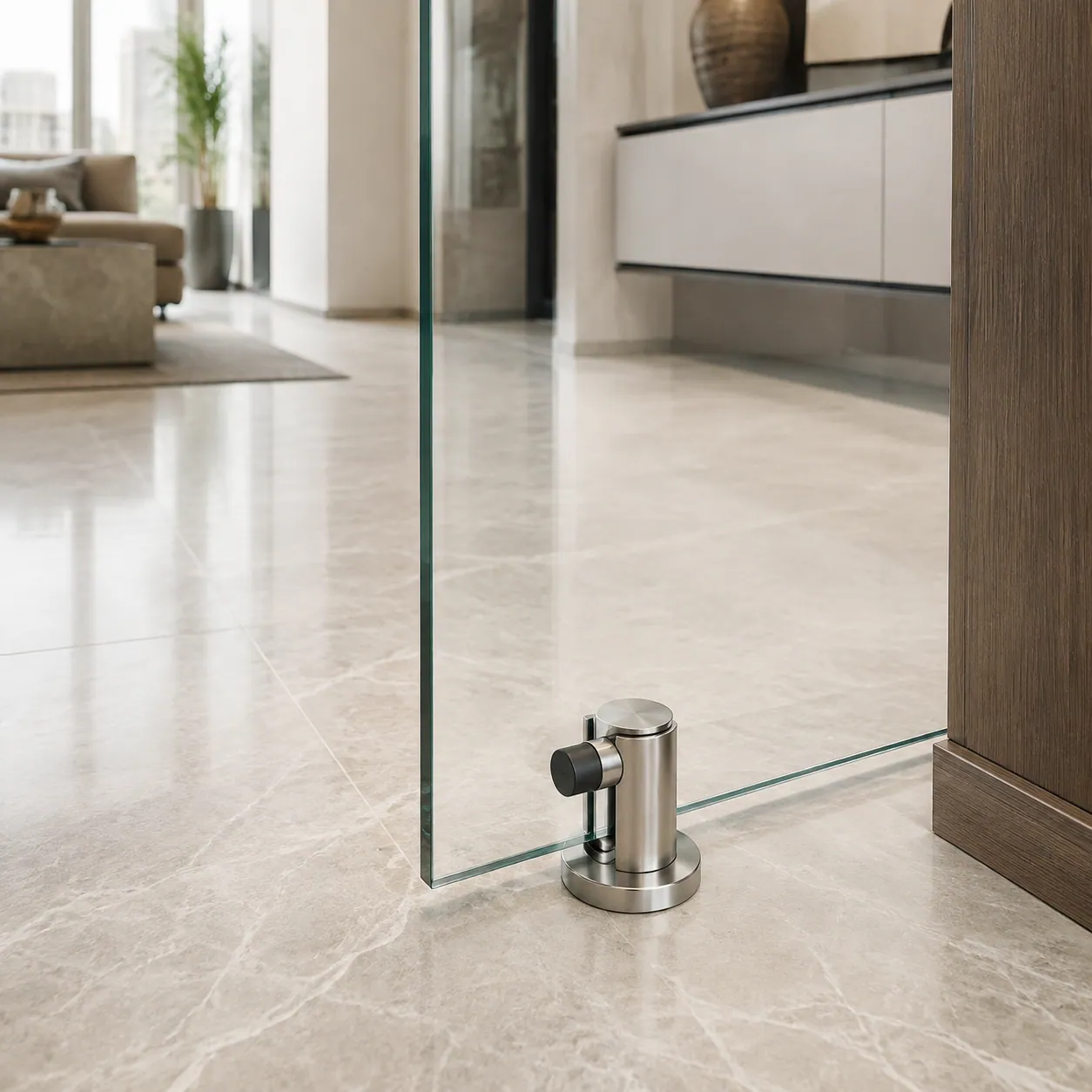
Explain whether the leaf scrapes, closes too quickly, stops before the latch, or has a loose handle. Note whether it opens one way or both ways.
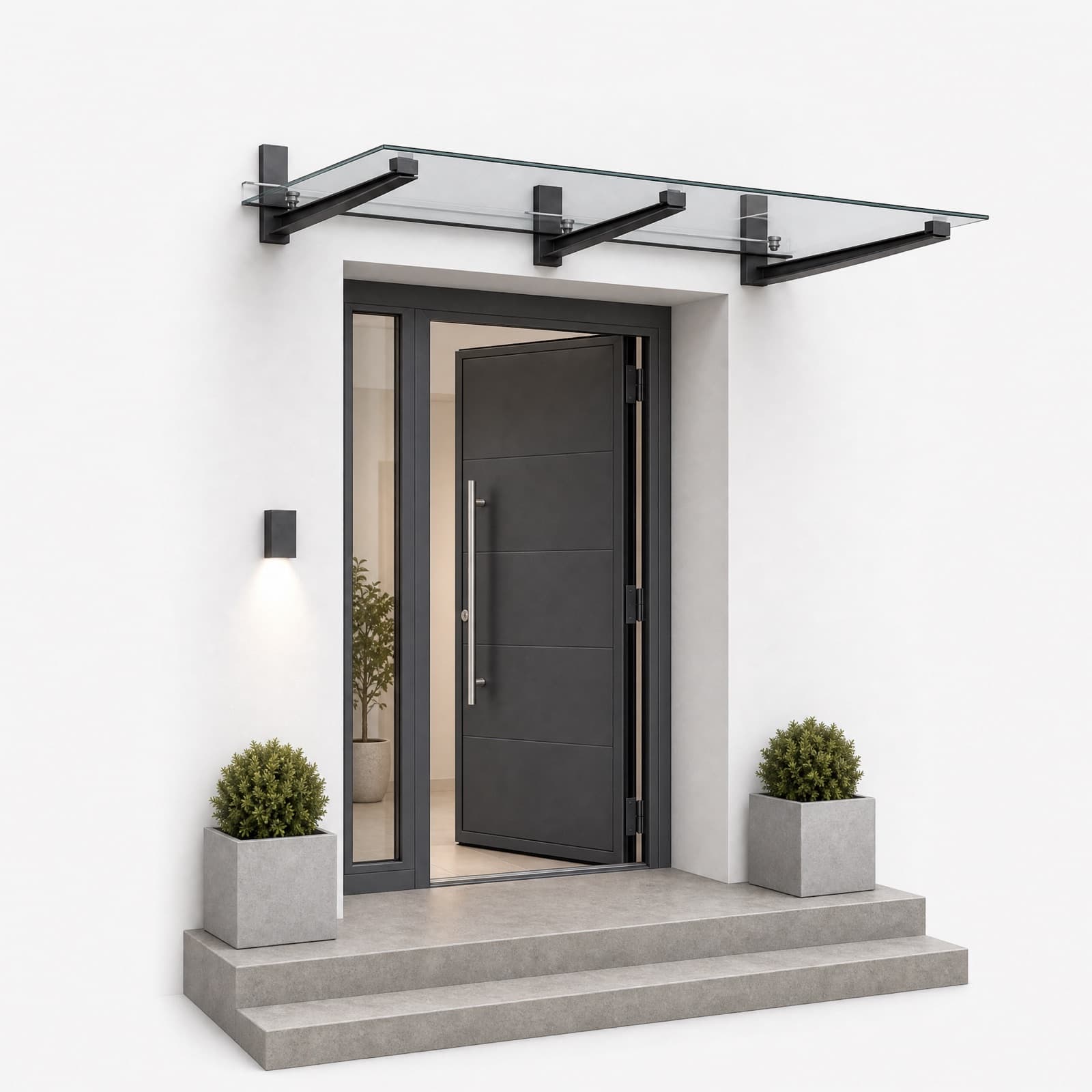
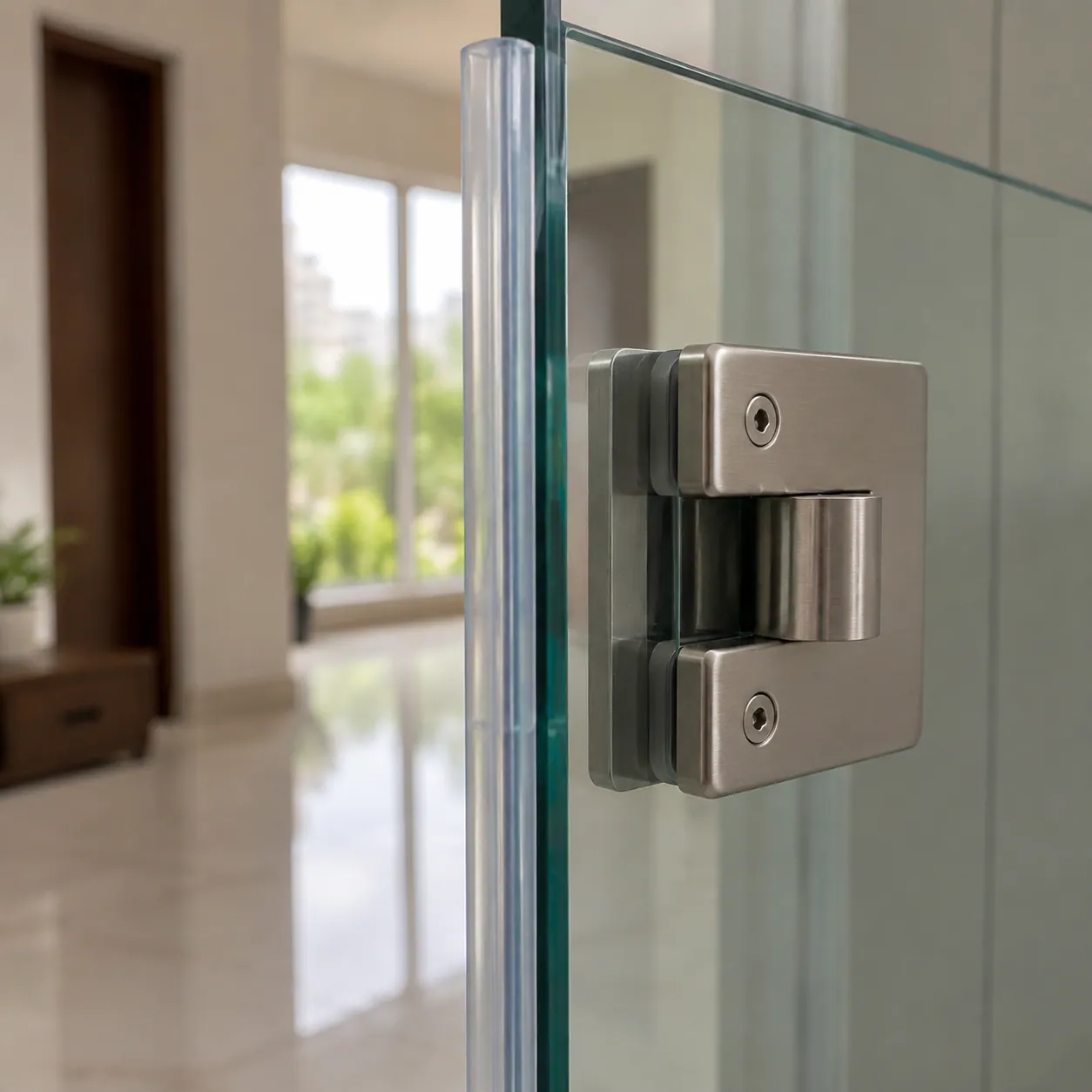
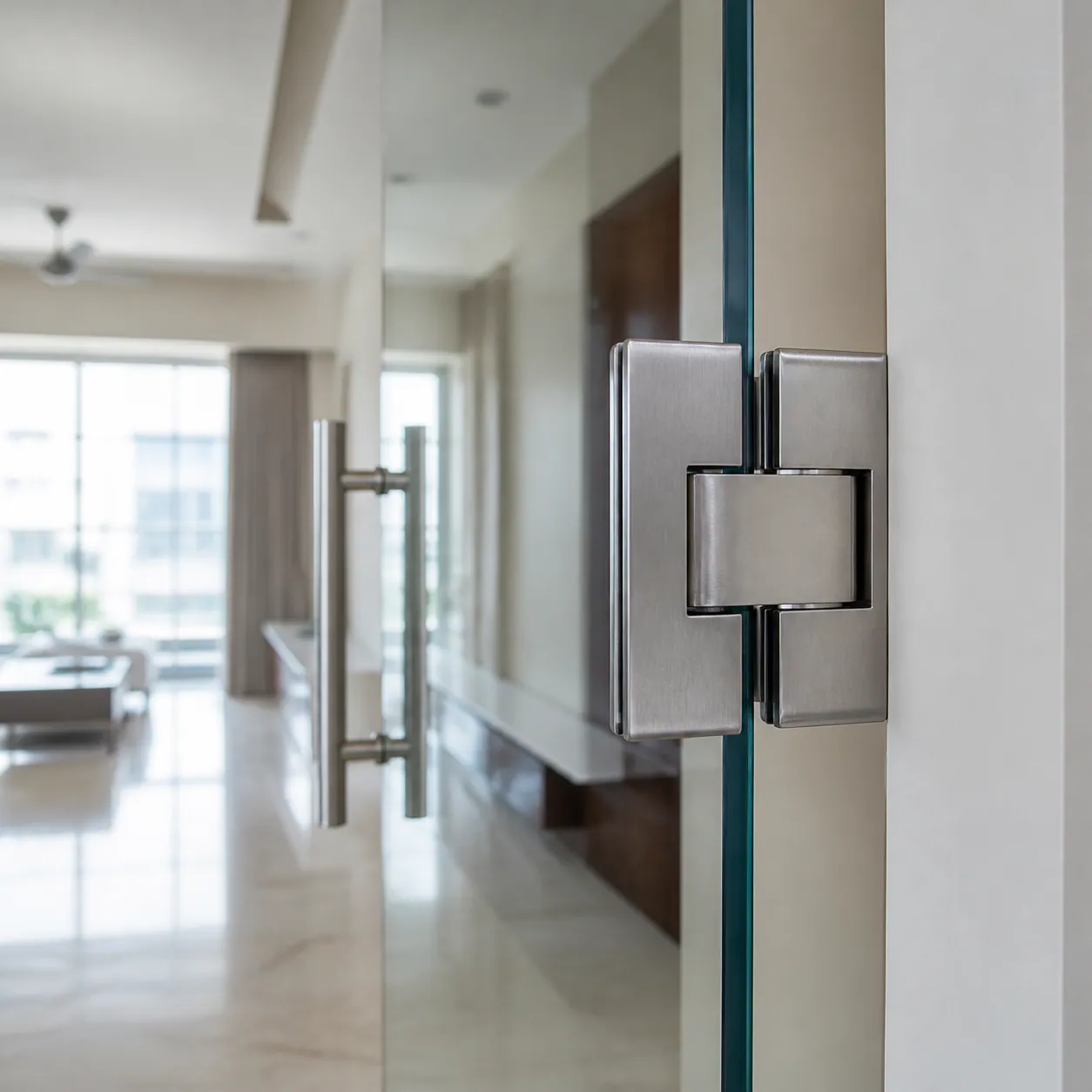
The technician checks alignment, hinges or pivots, closer and lock together. The closer must suit the door and its use. The hardware maker's model information helps identify a compatible part; a building name does not identify its door system.
Arrange an alternative entrance while the opening is worked on. If this is a fire door, escape door or access-controlled entrance, tell the manager before changing hardware. Those requirements need a specific assessment, not an ordinary door-repair assumption.
Relevant services: Glass Door Alignment · Glass Door Closer Replacement · Glass Door Lock Replacement
Replacing a broken pane or damaged glass panel
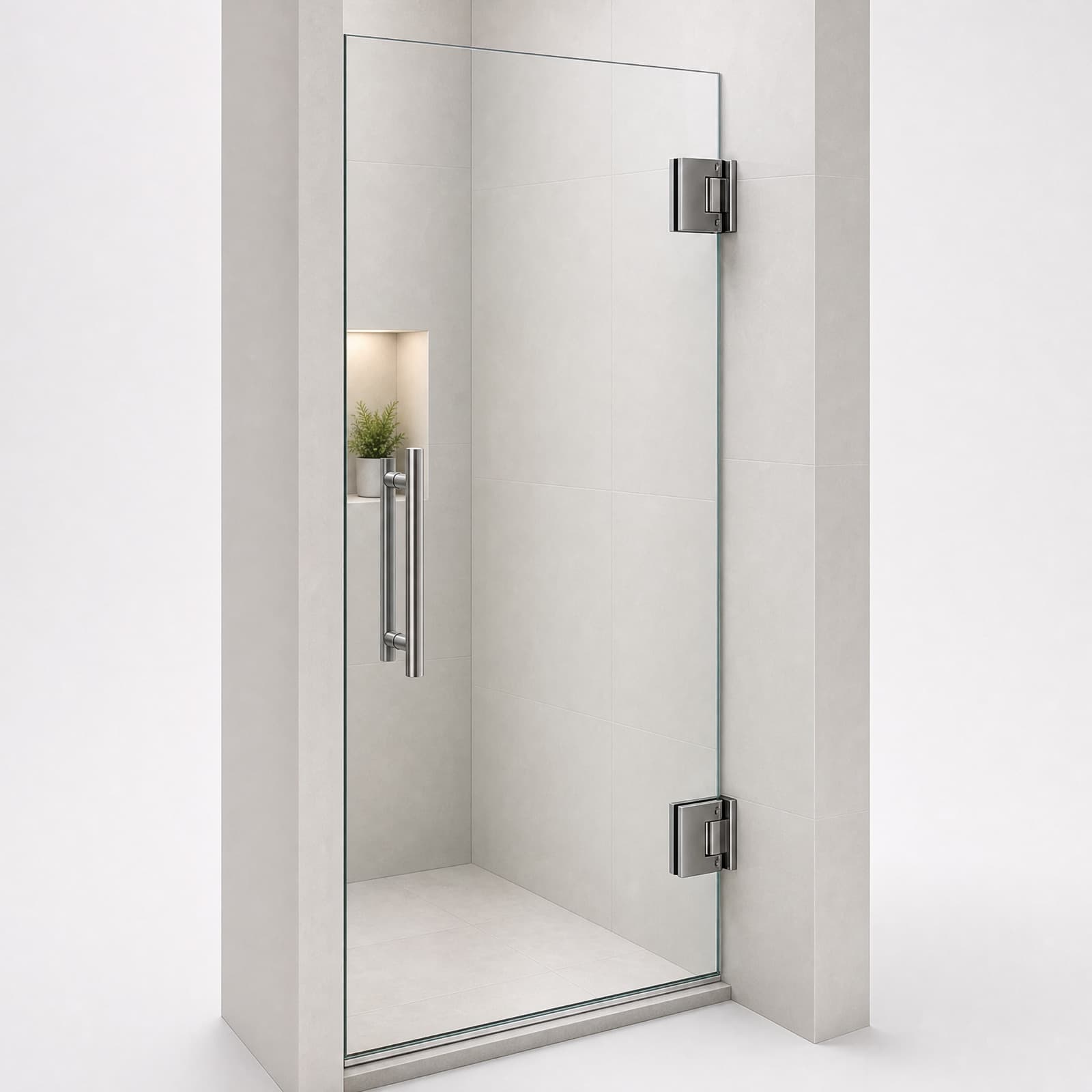
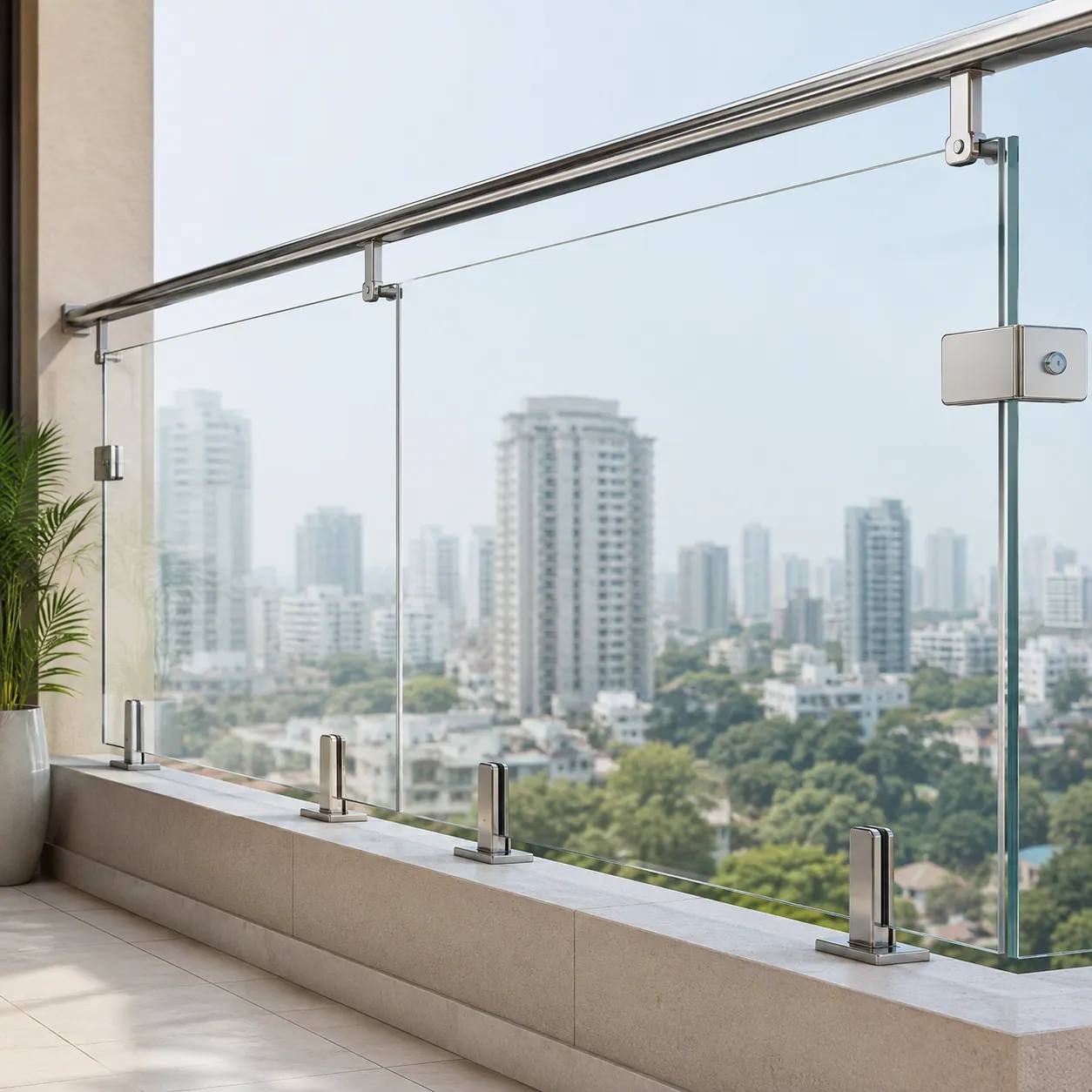
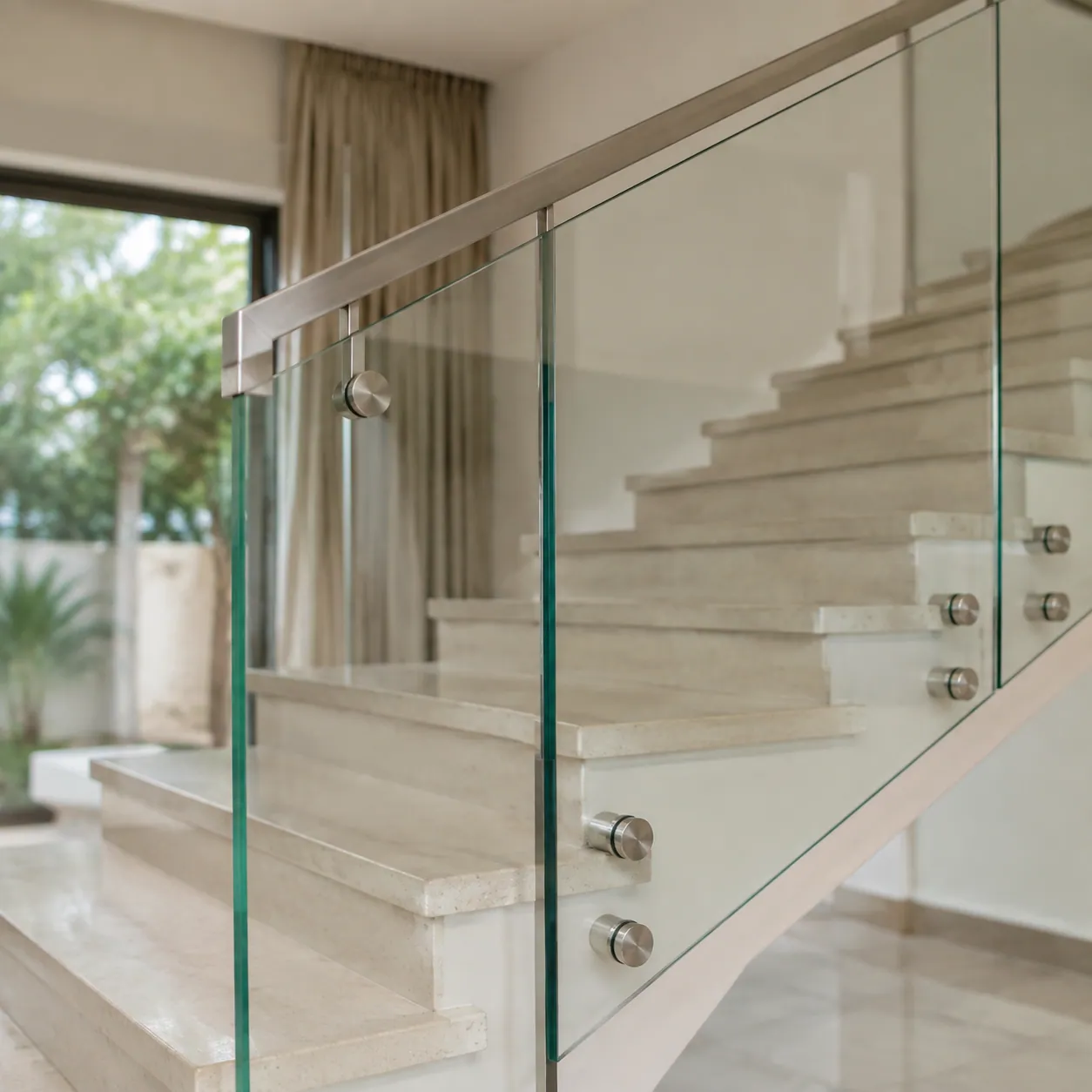
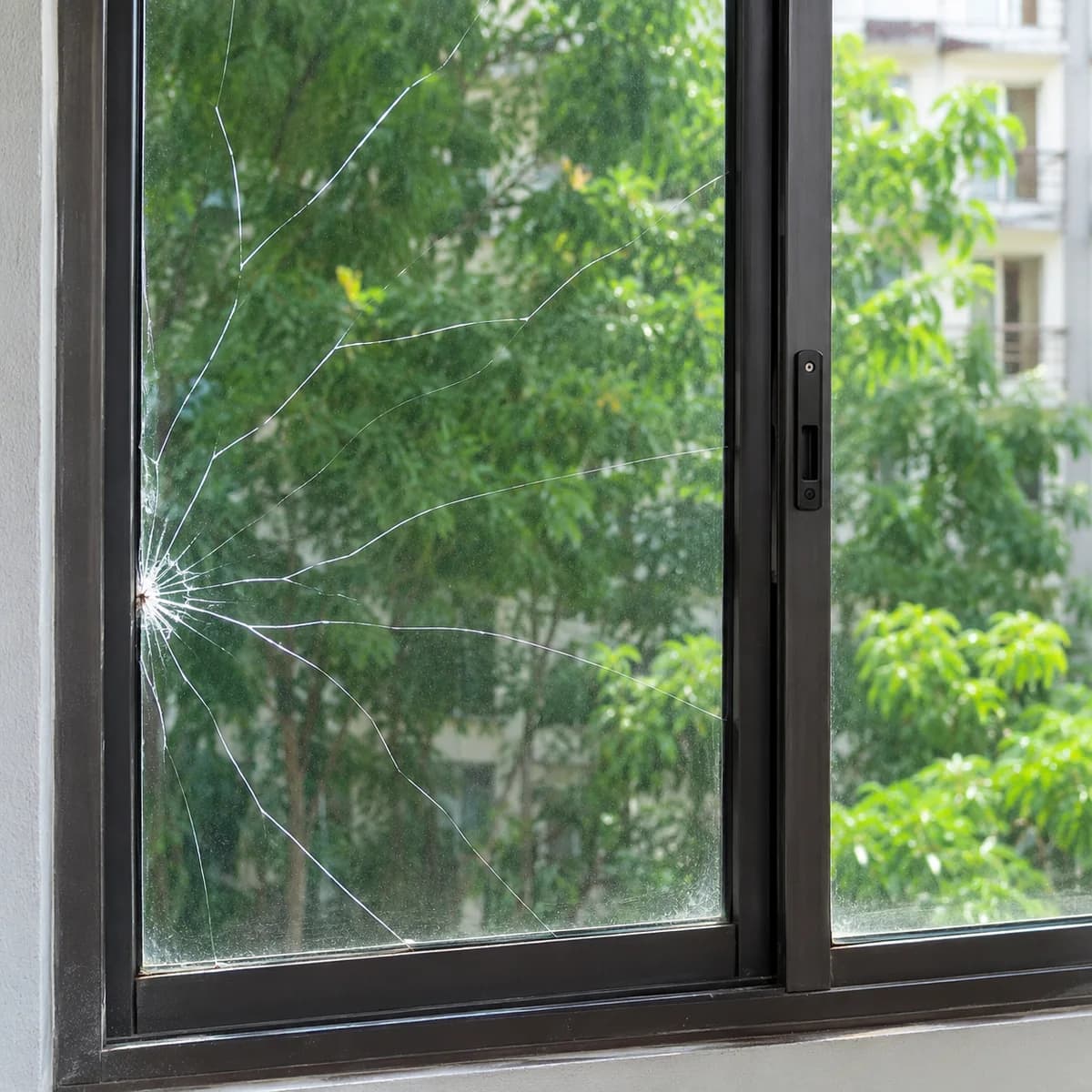
Identify the use first: window, door, shower, mirror or railing. Keep people away from damaged glass and describe the location without touching loose pieces.
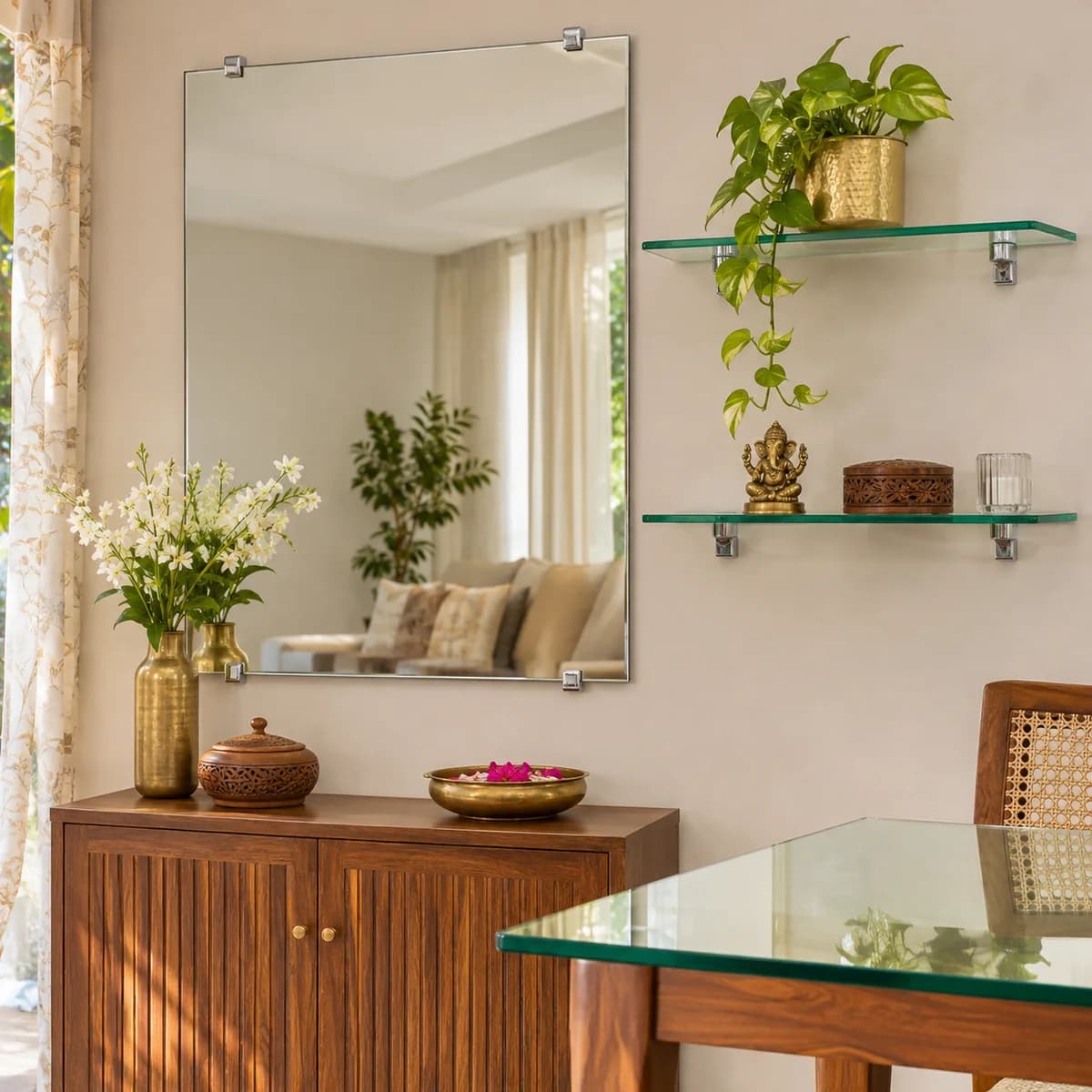
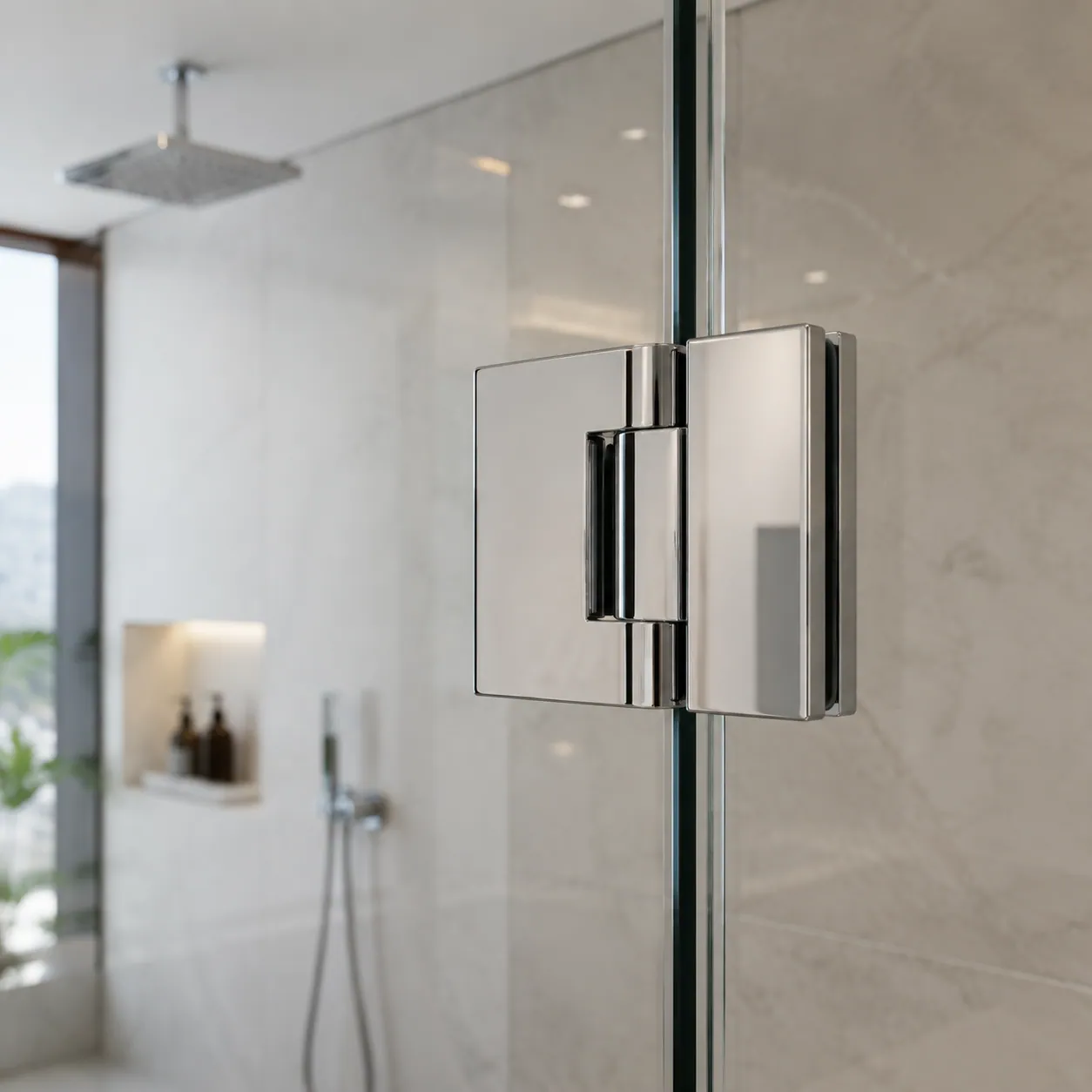
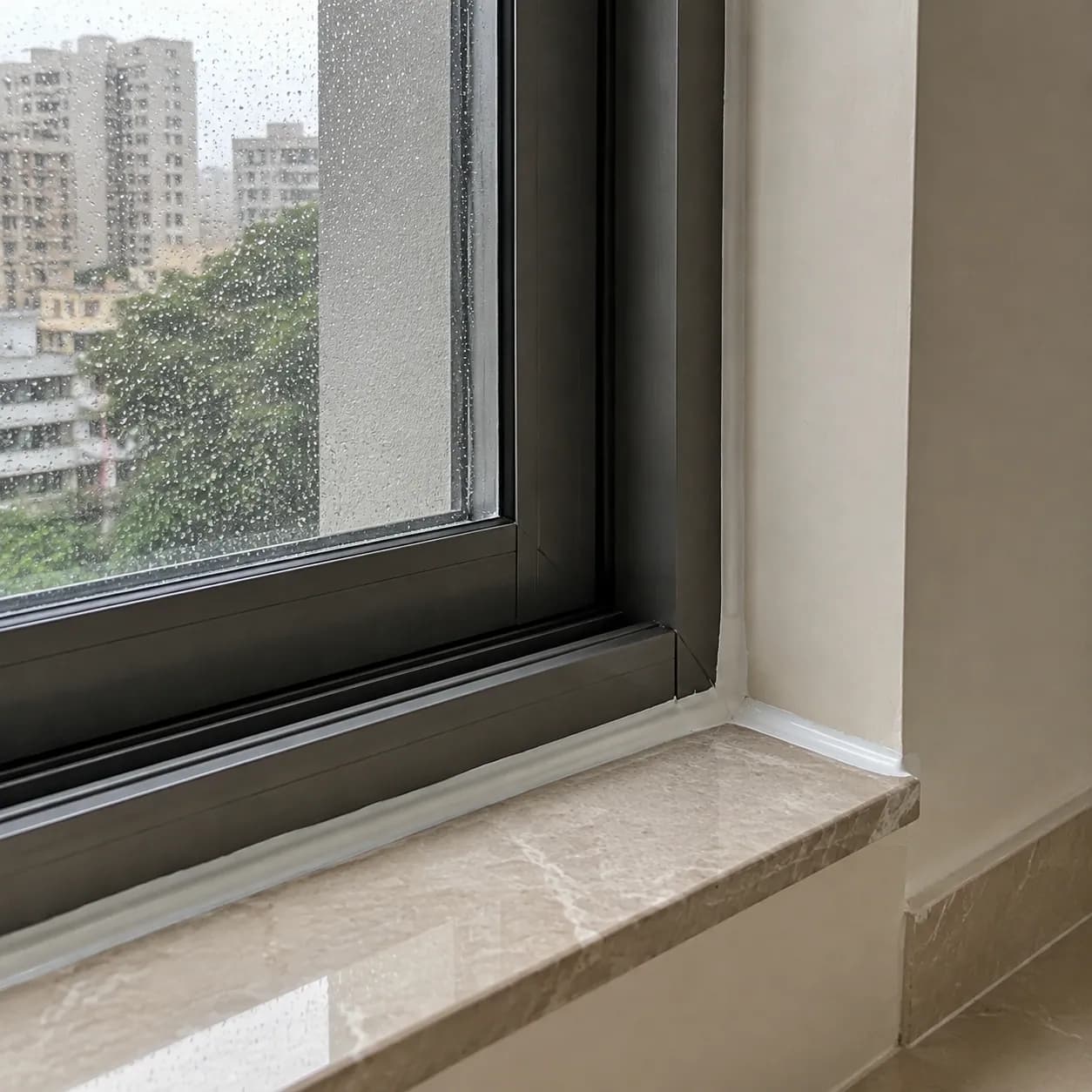
The replacement needs the correct dimensions, glass specification, edge finish and any holes or cut-outs. A visual match is not enough to establish safety or compatibility. The frame, clamps or supports also need checking before a new pane is fitted.
Tell us whether the opening is exposed to the outside and whether access is above ground level. Ask the quotation to separate making the area safe, removal, new material, installation and disposal. Manufacturing and access arrangements determine the replacement date.
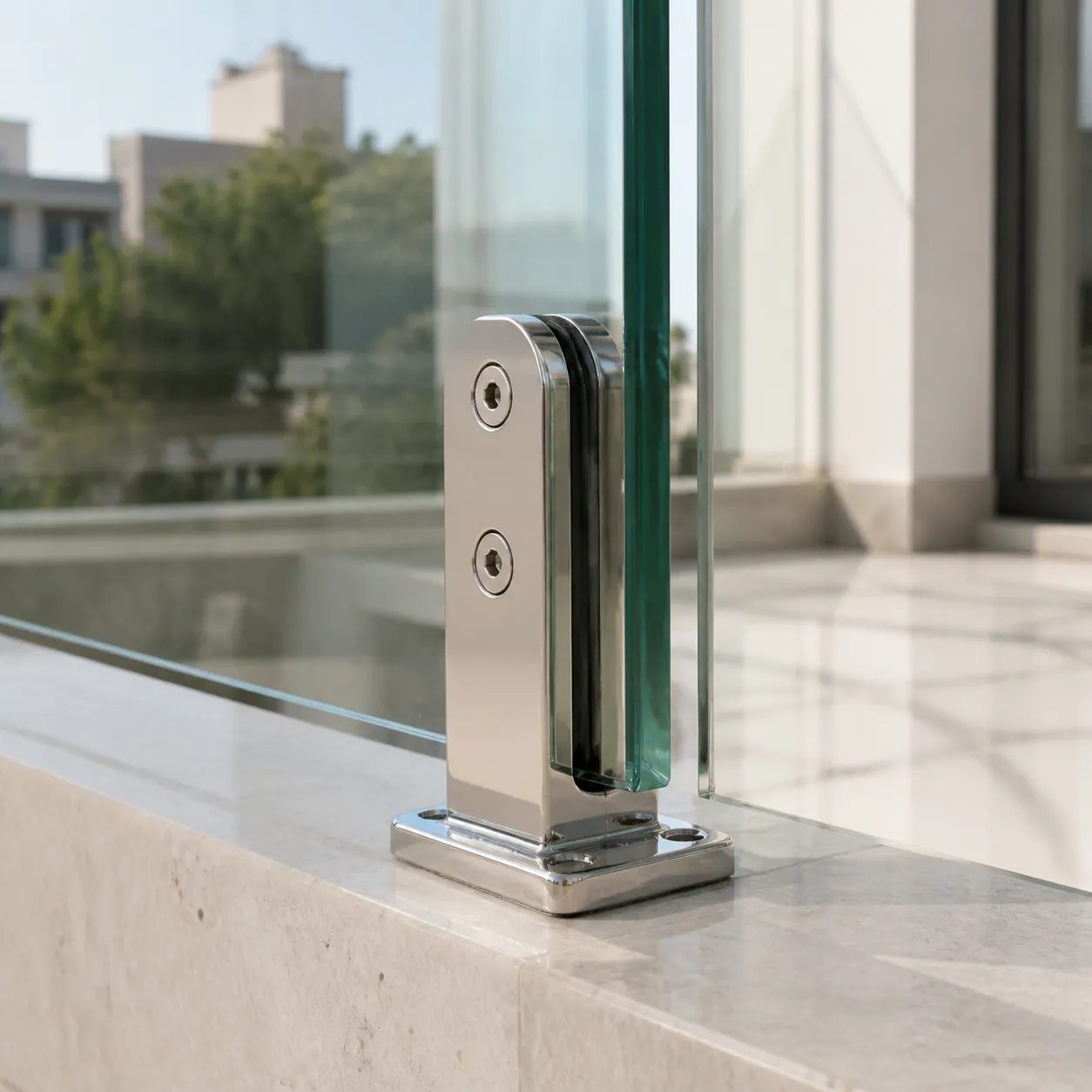
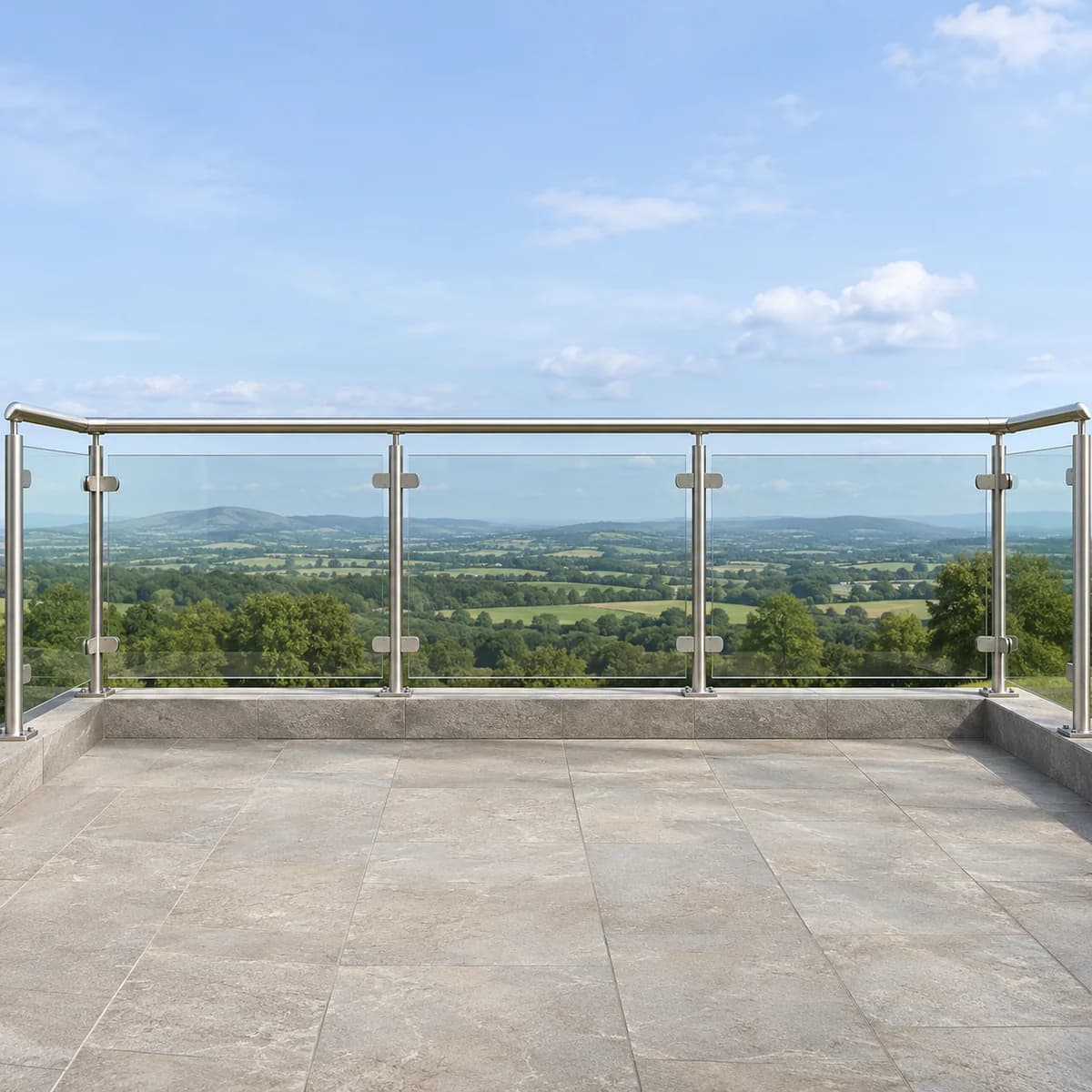
Relevant services: Broken Glass Replacement · Balcony Glass Replacement · Mirror & Custom Glass Installation
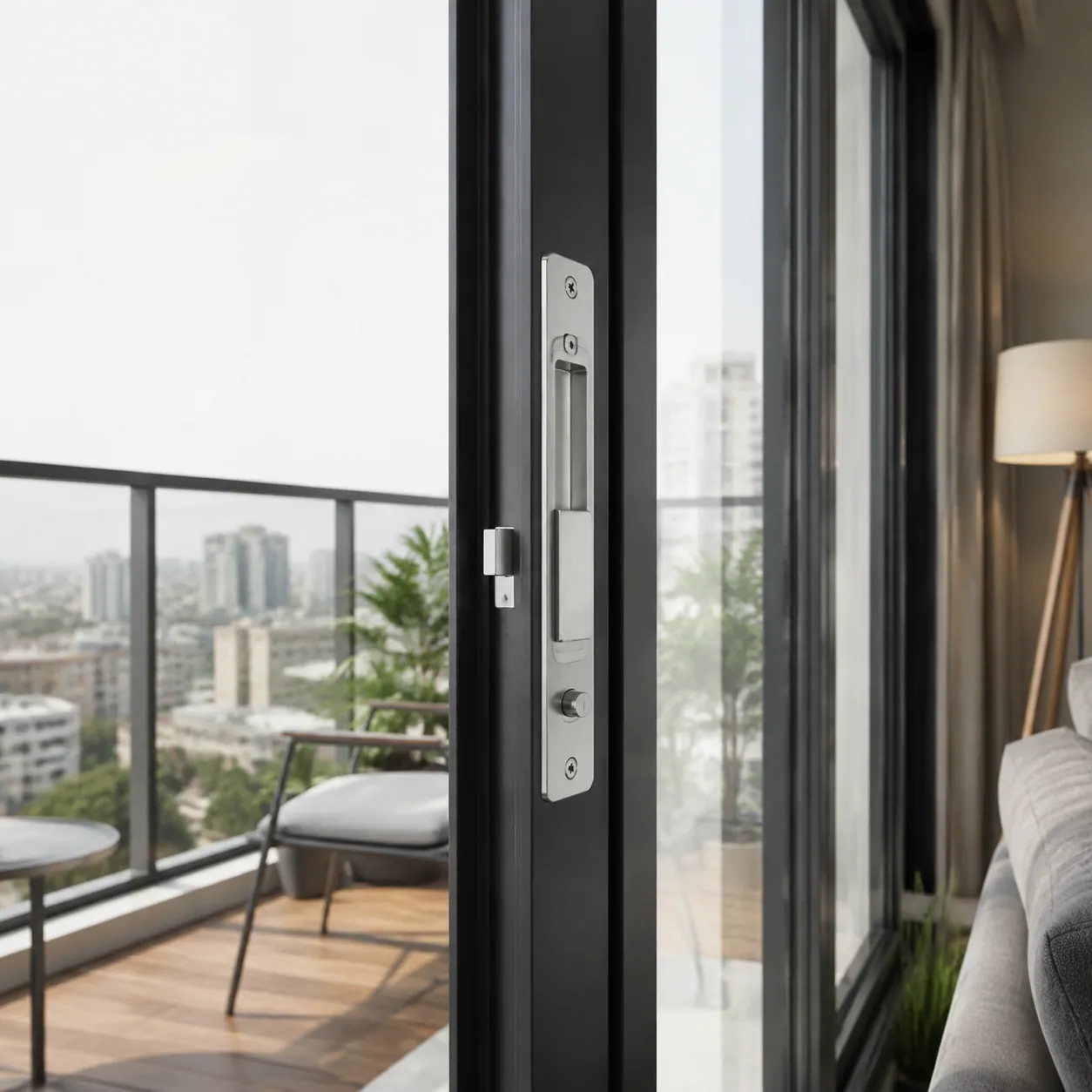
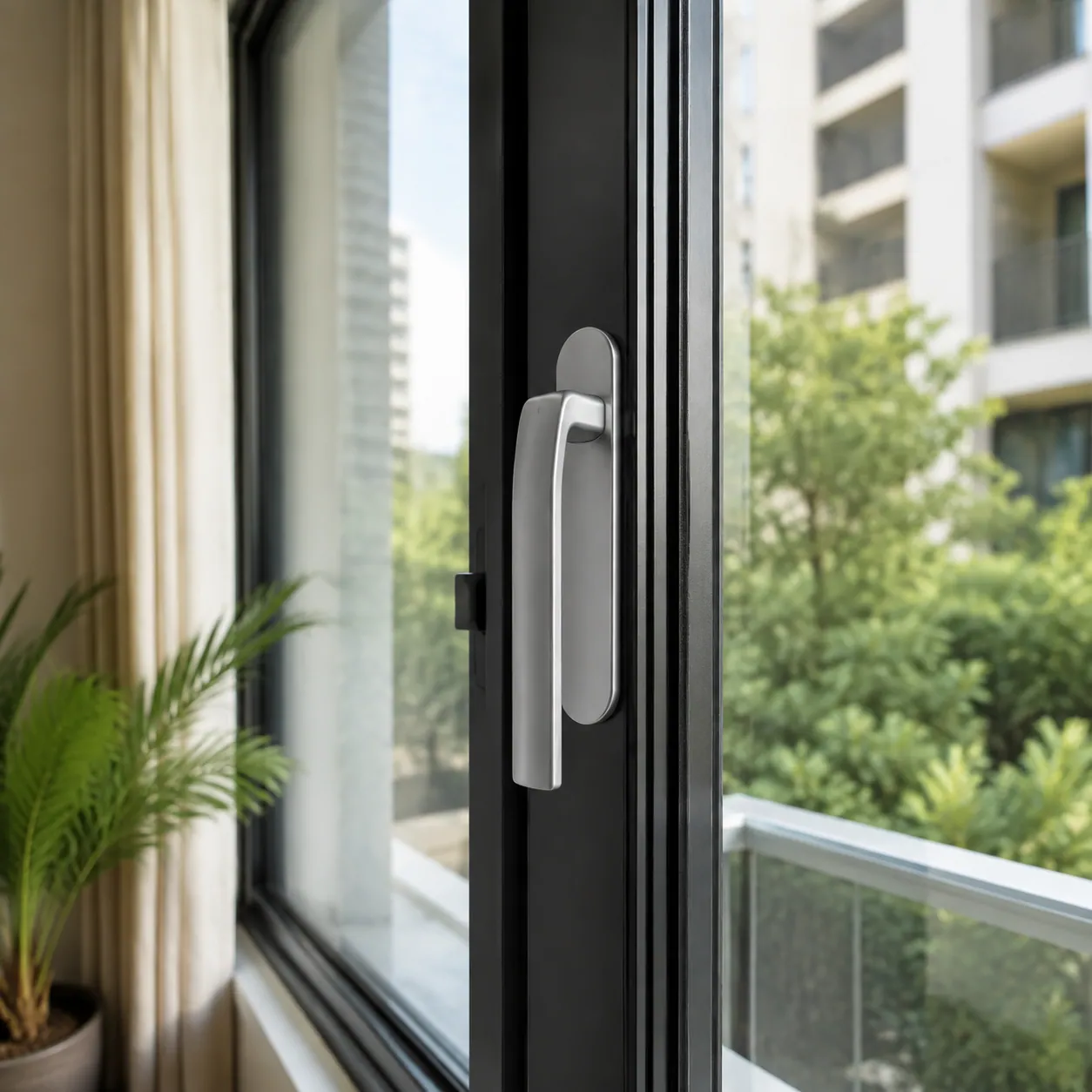
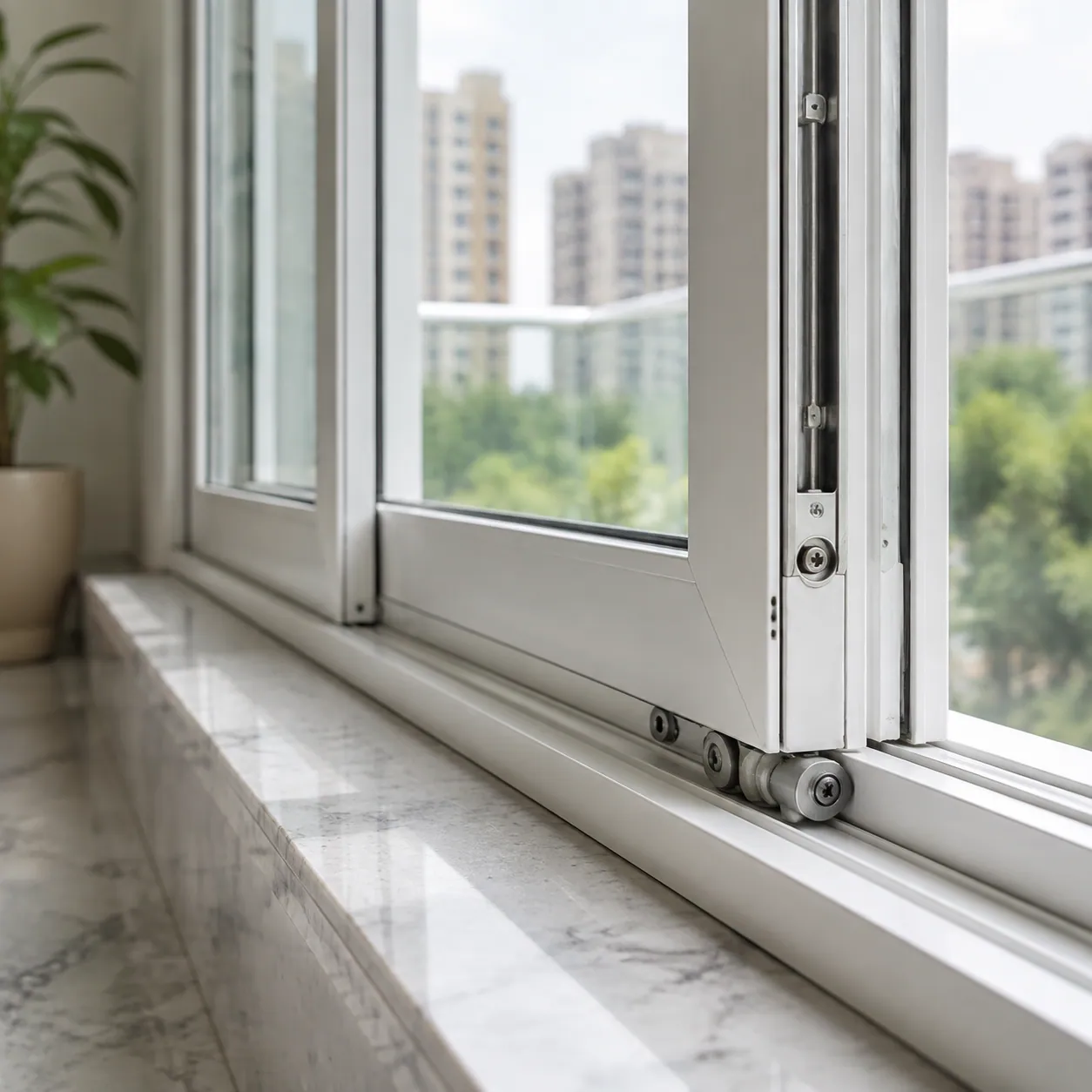
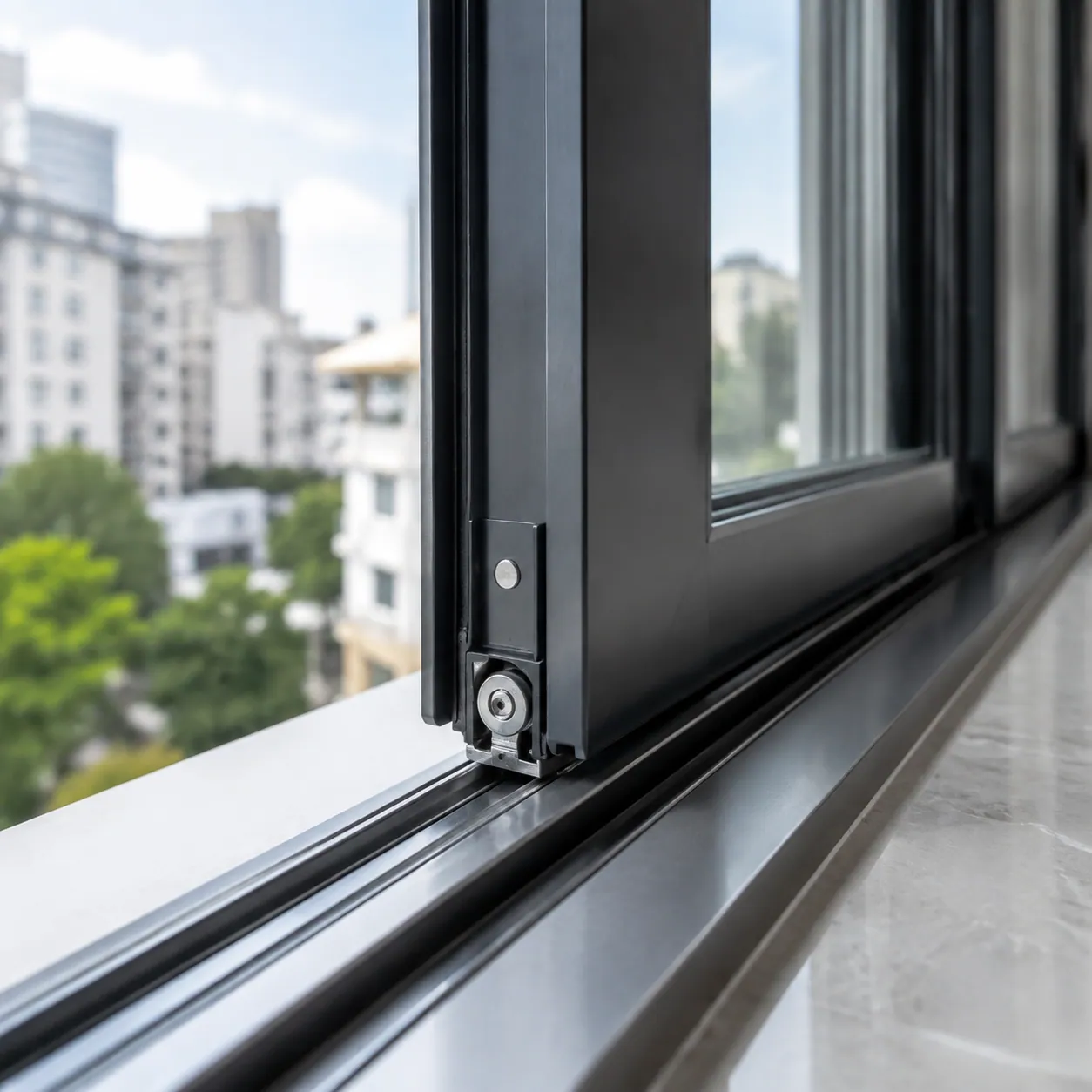
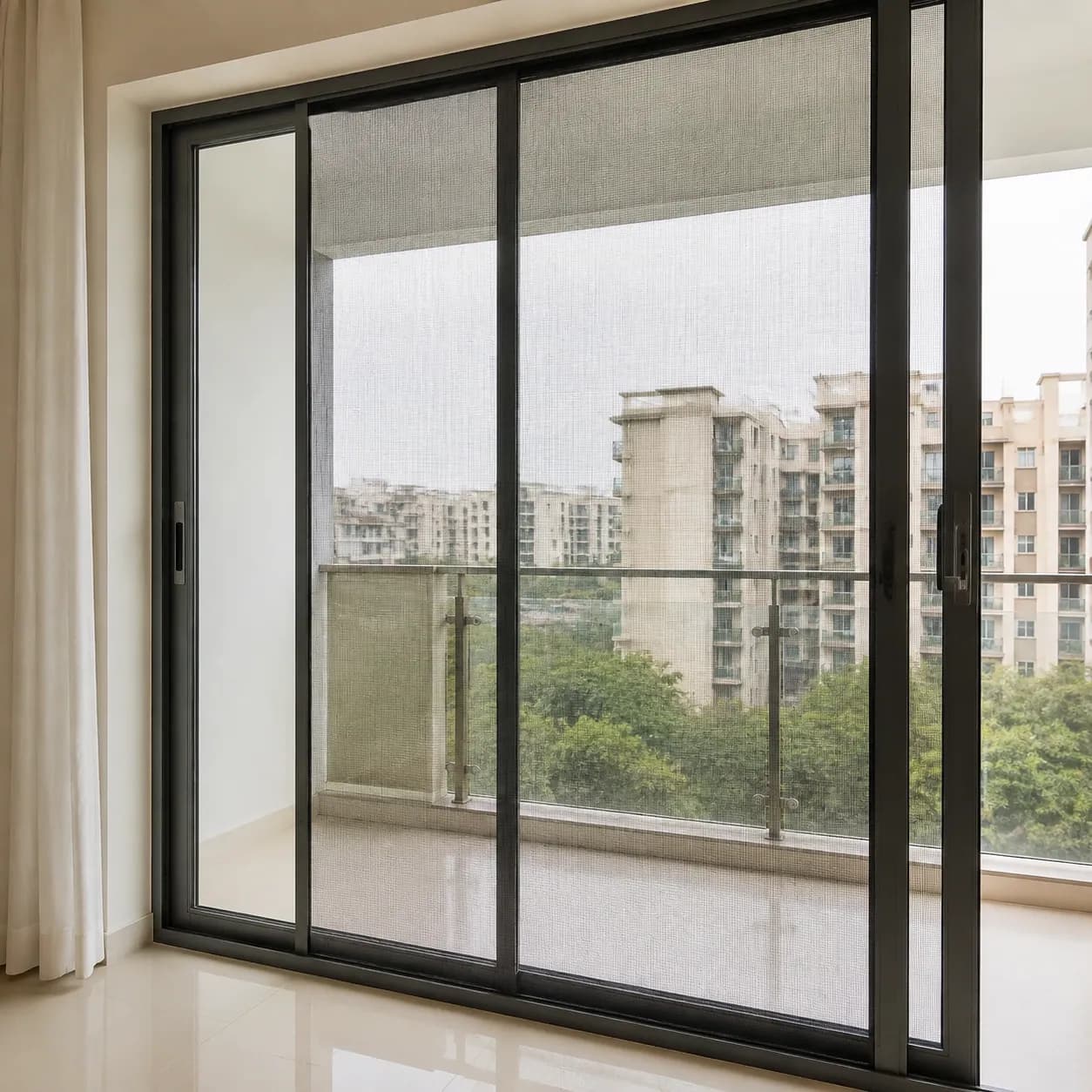
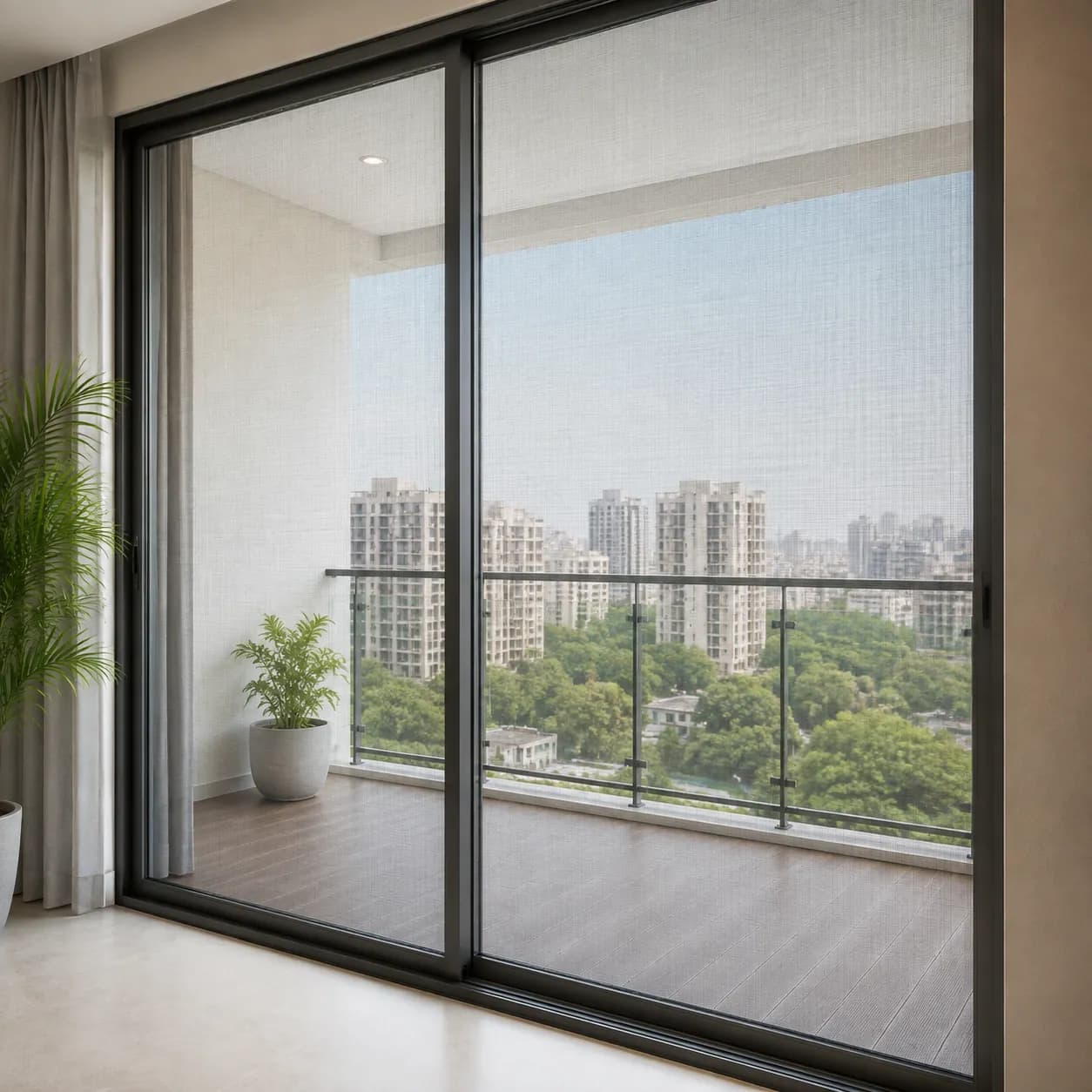
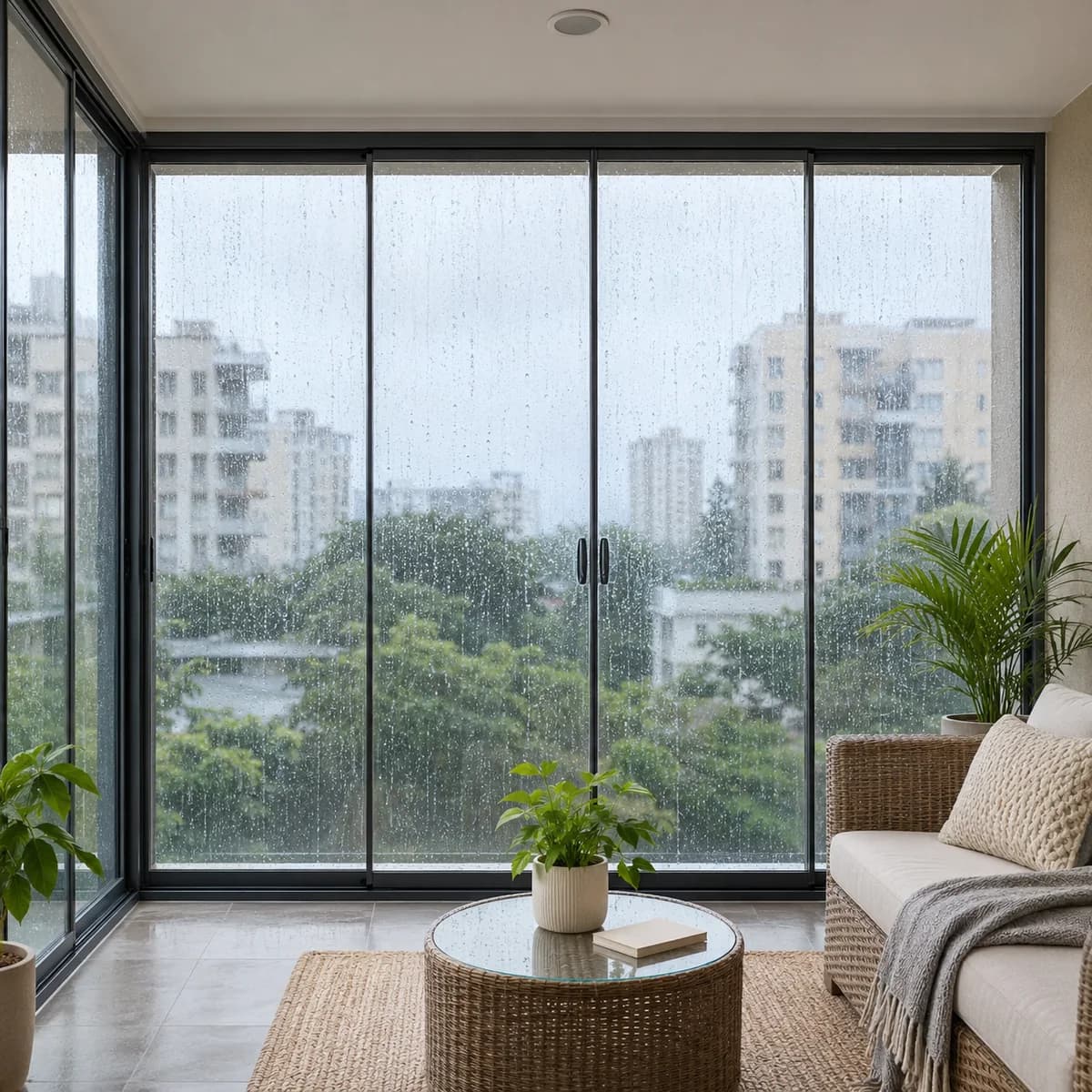
A sliding window or balcony door that drags
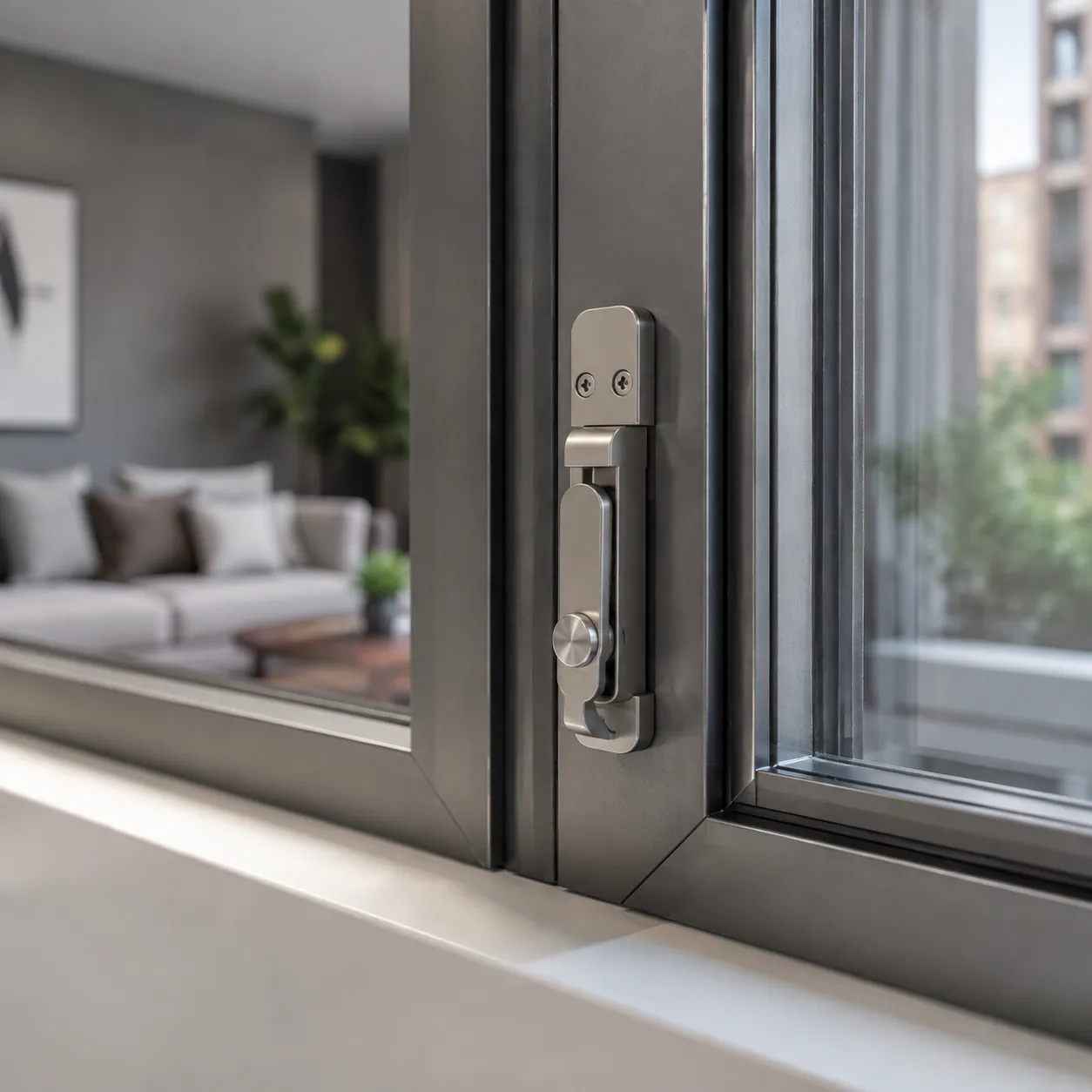
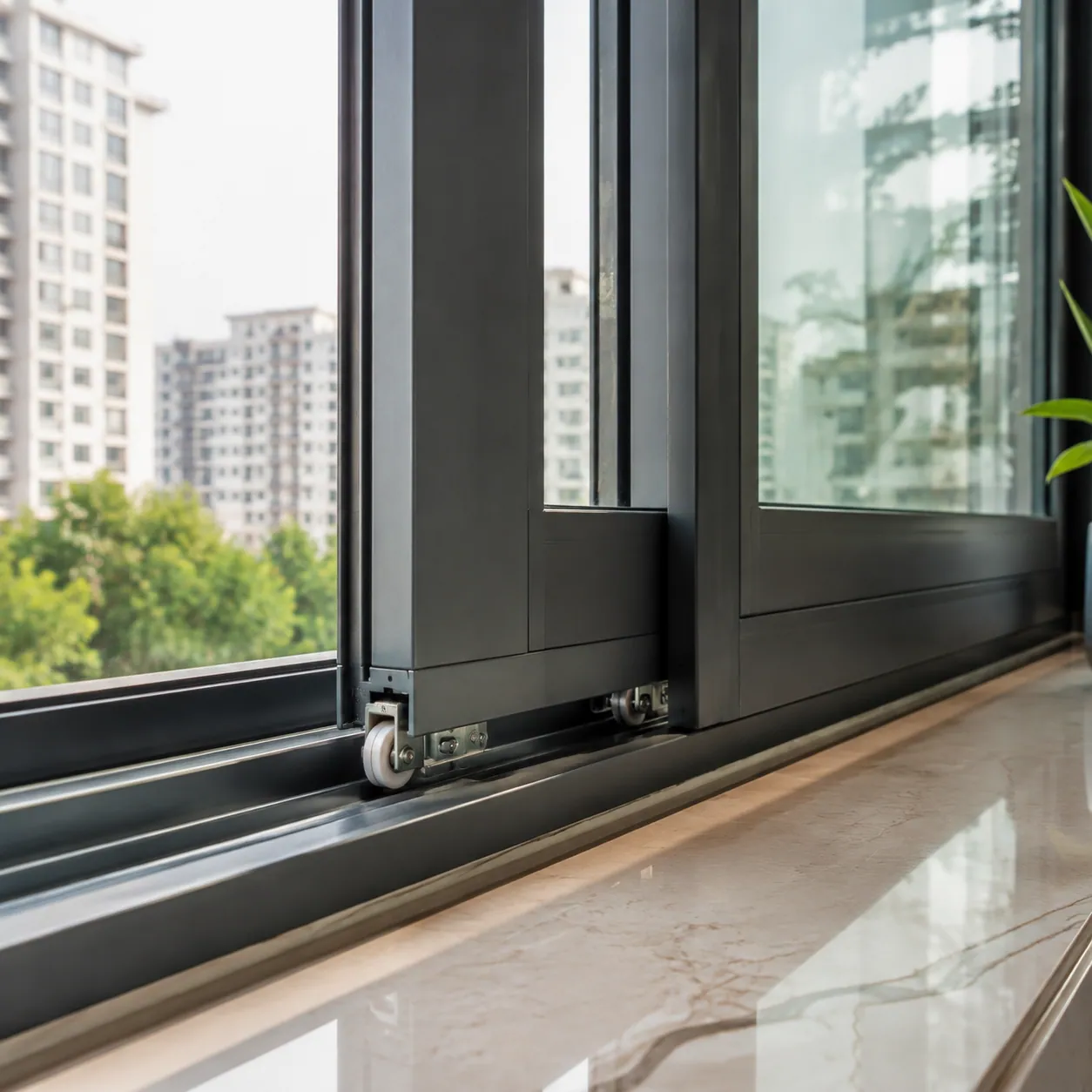
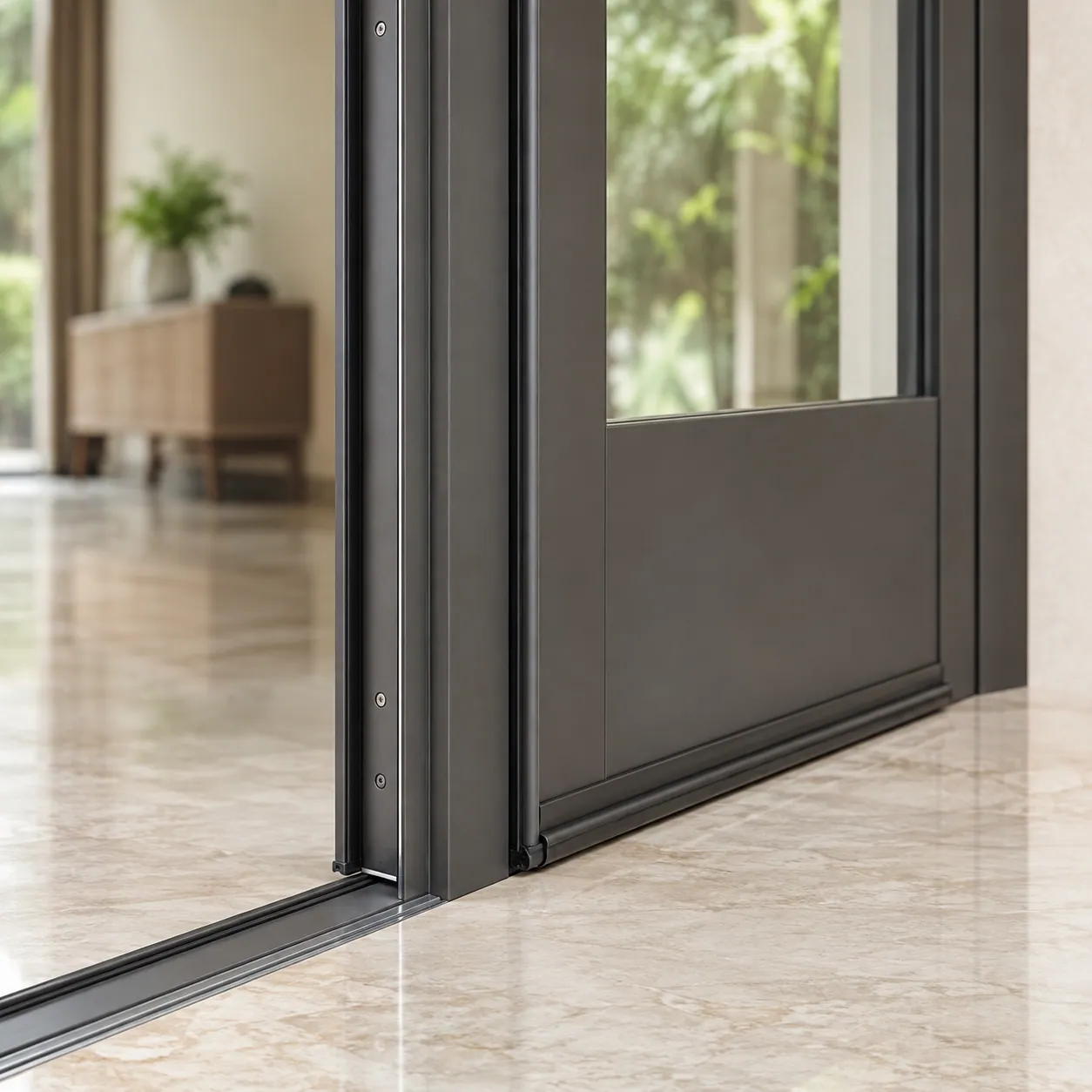
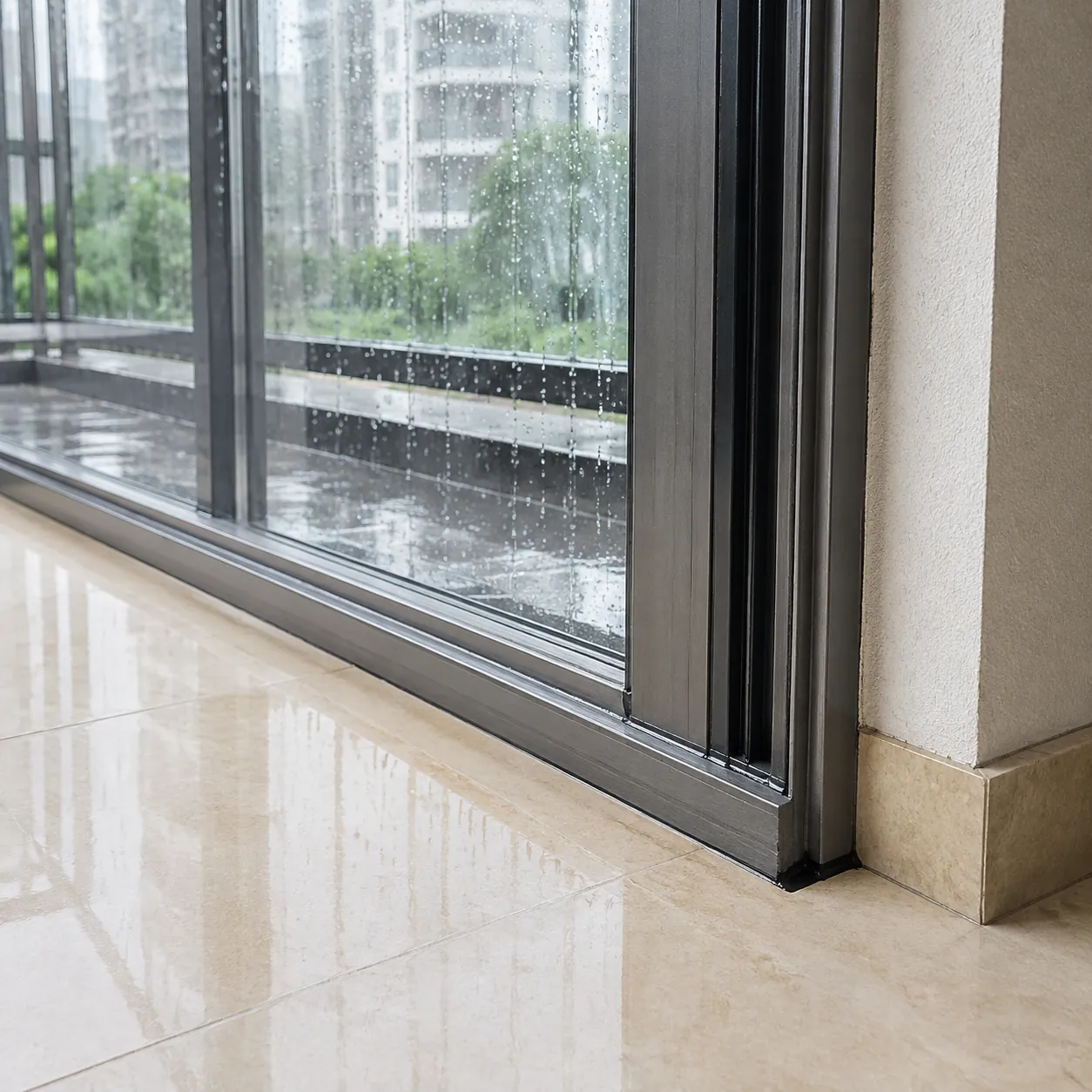
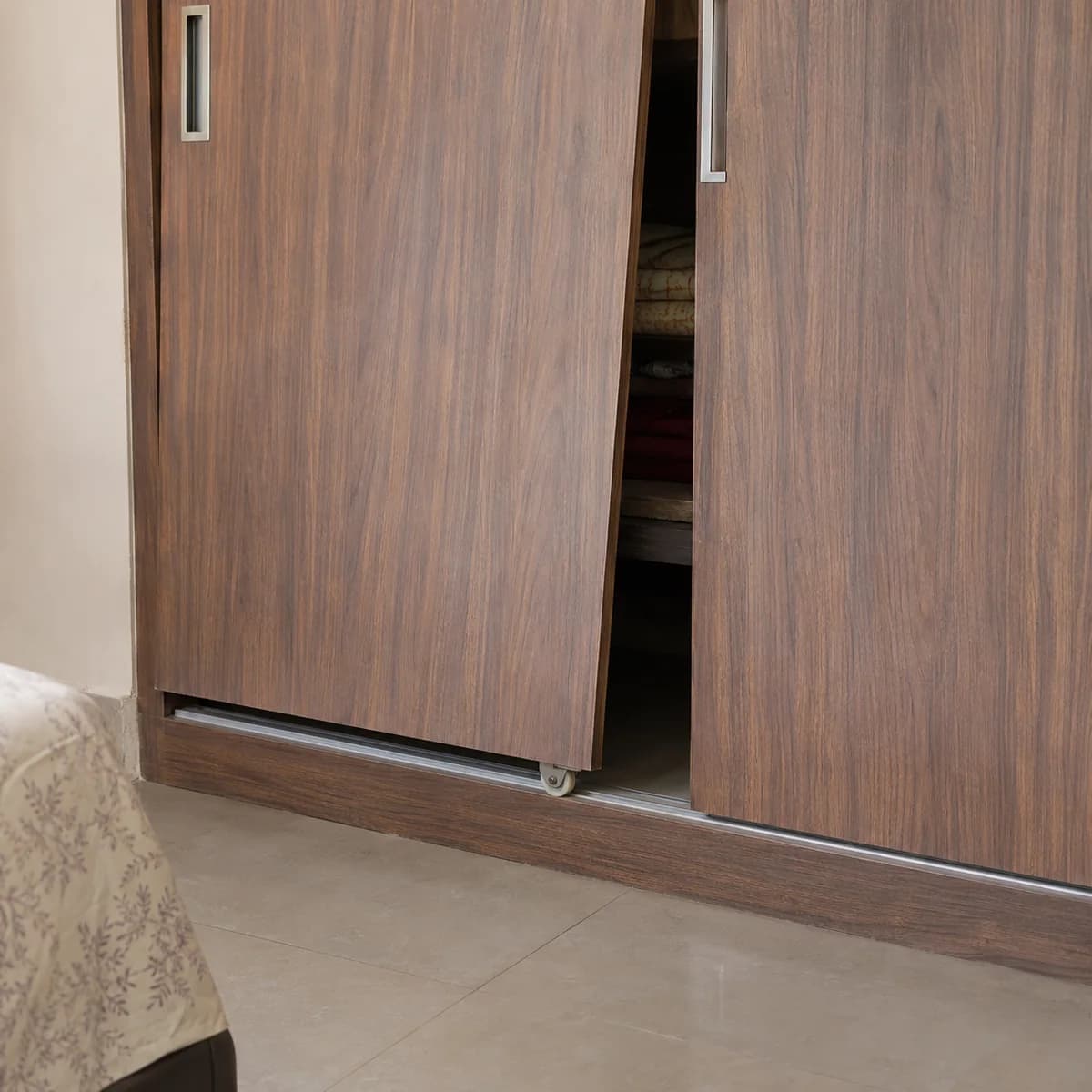
Tell us whether the shutter sticks all along the track, catches at one point, or moves freely but will not lock. These are different faults, even when they feel similar.
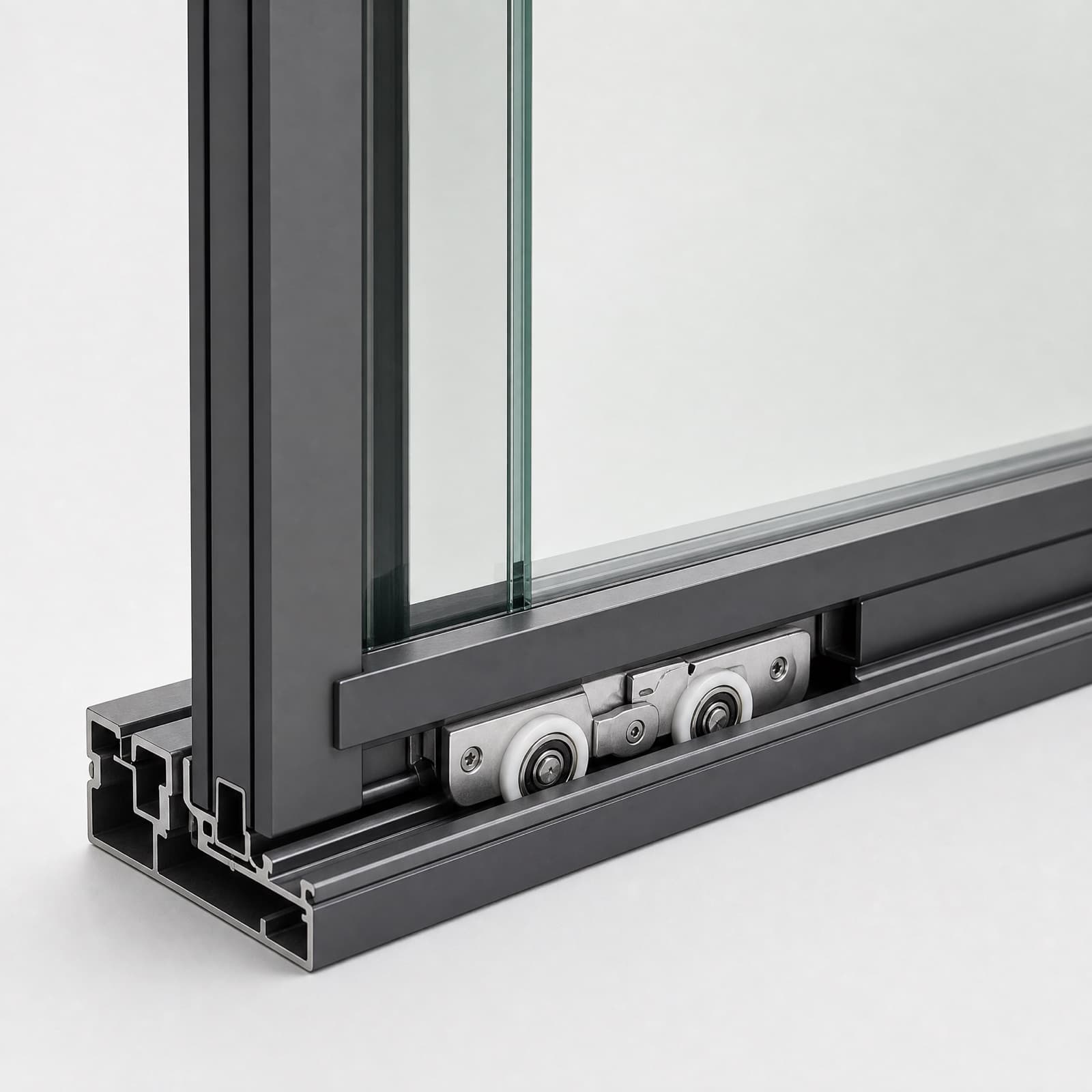
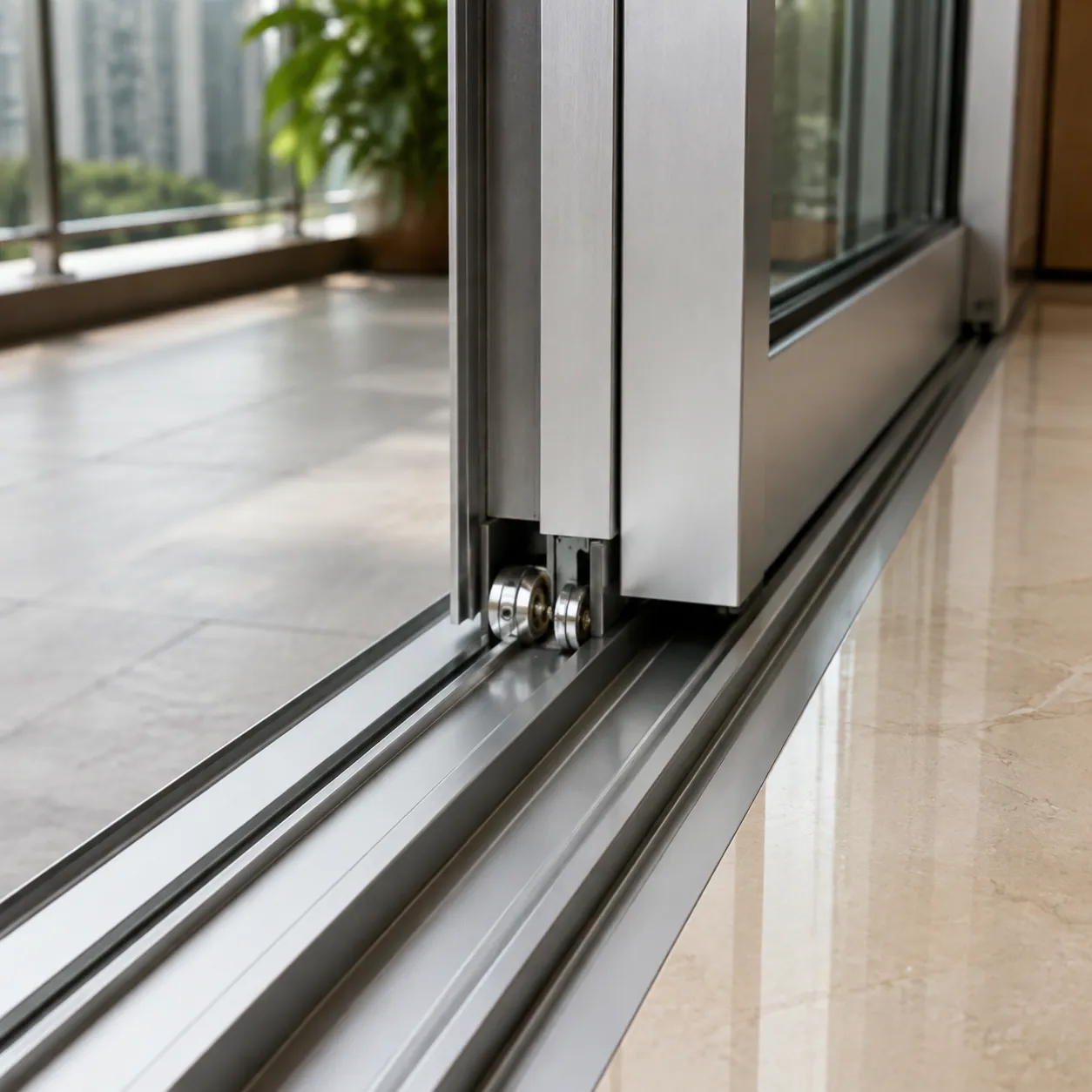
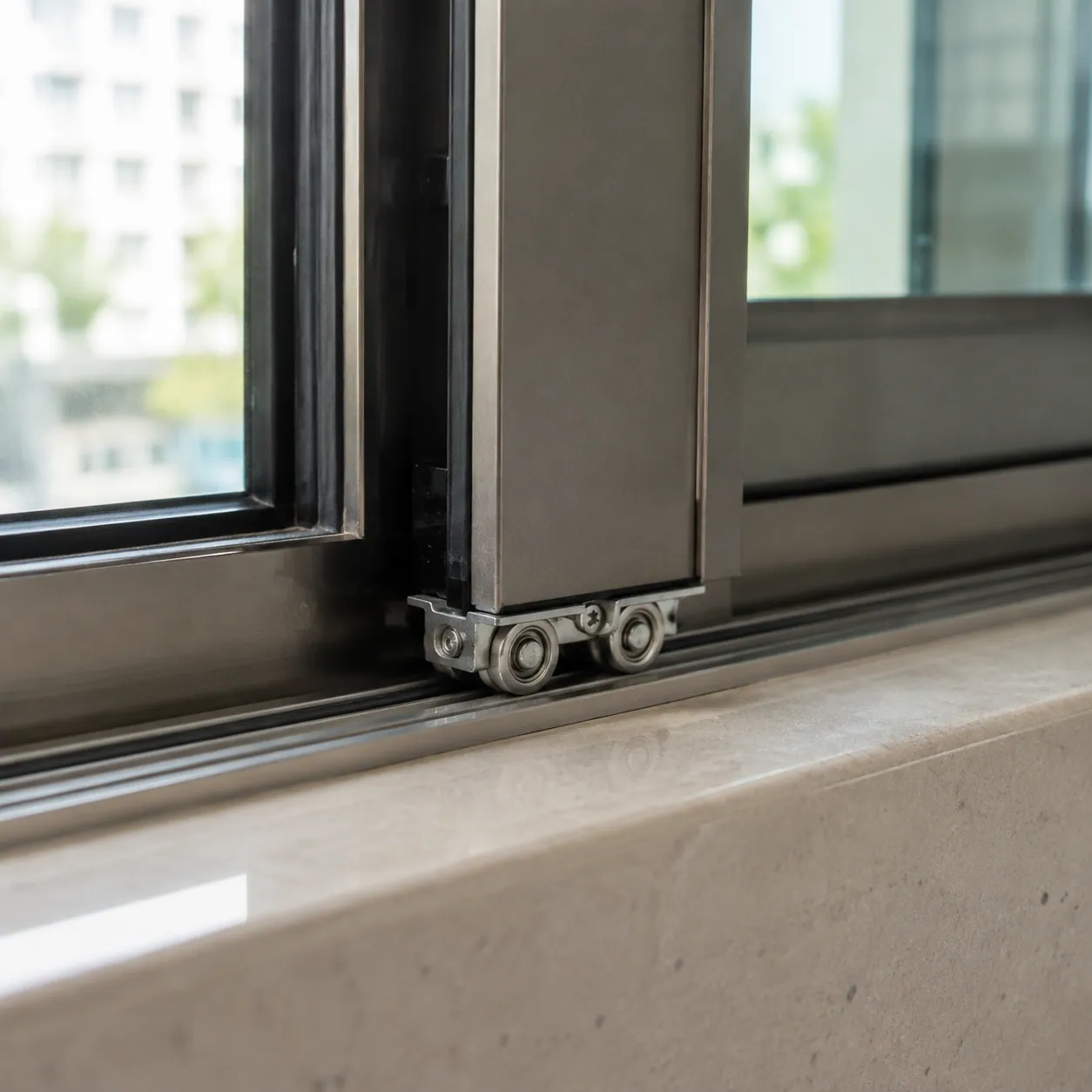
The visit checks the track, rollers, frame alignment and locking points. A worn roller may be replaceable while the frame stays. A bent track or damaged frame needs a separate repair decision. We identify the fitted part before quoting a replacement.
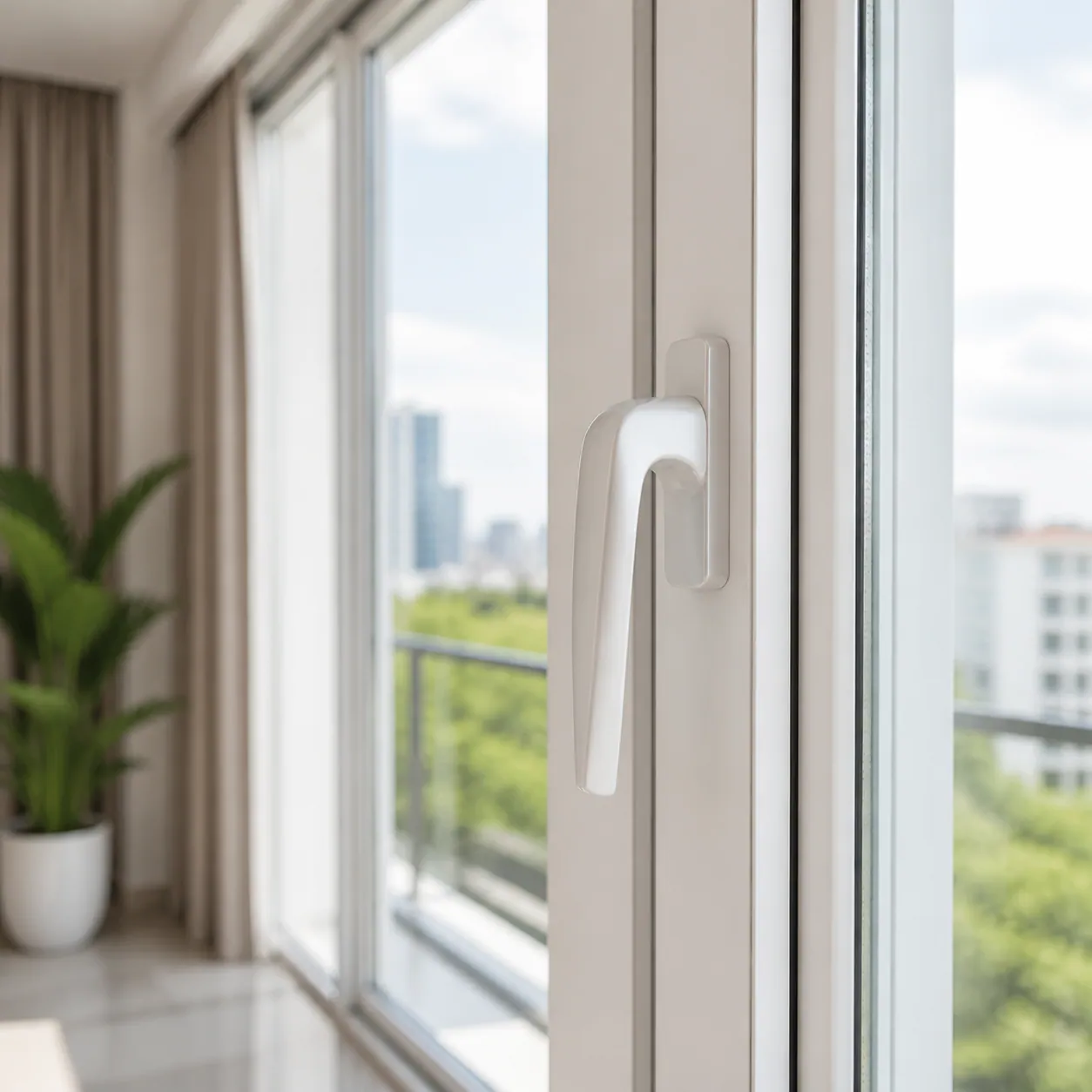
Note which shutter is affected and whether it is aluminium or uPVC, if known. Keep the window accessible. Do not lift a heavy shutter out to find the roller number.
Relevant services: Sliding Window Repair · Sliding Door Roller Replacement · Sliding Door Track Repair · uPVC Window Repair
Compare a complete scope, not just a starting rate
The catalogue shows starting prices in each service's unit. A per-piece rate and a per-square-foot rate describe different quantities. Ask the quote to state the measured quantity, material specification, fittings, finish, labour and GST separately. Identify removal, disposal, access equipment and making-good work explicitly.
For repairs, ask which existing parts will remain and which will be changed. For new glass, agree dimensions, holes, cut-outs, edge finish and hardware positions before production. If the scope changes after the visit, obtain the revised price before the additional work starts.
Check the finished work before handover
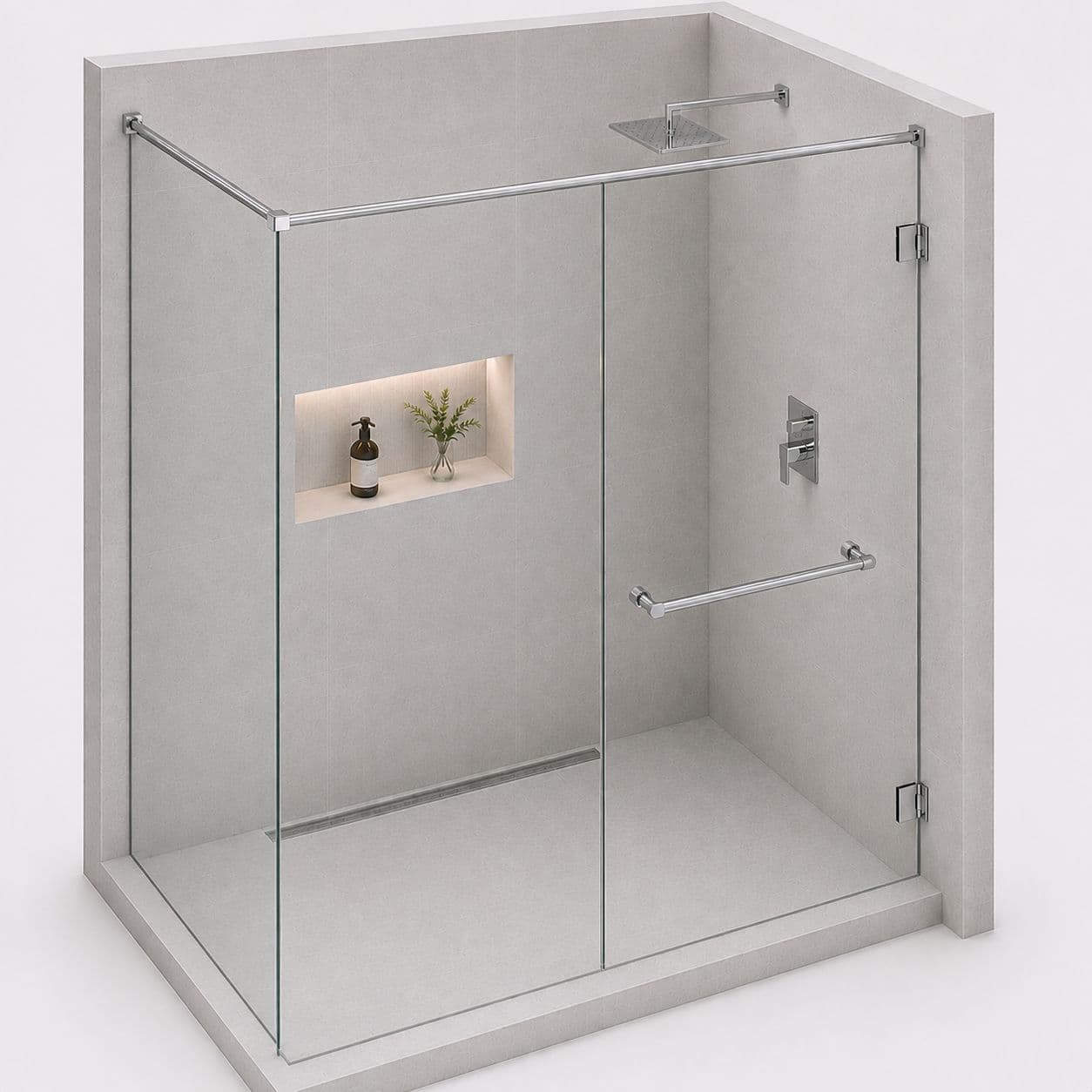
Operate the repaired door or window with the fitter present. Check movement, latching, handle operation and the finish around replaced parts. For a shower or sealing repair, agree the appropriate leak check and any curing time before use. Do not assume that a visual inspection proves a performance rating.
Keep the itemized invoice, the named product or fitting and the care instructions. Record any remaining work and the contact for follow-up. Do not attempt to adjust heavy glass panels or replace unfamiliar hardware yourself if the movement changes after fitting.
Technical reading behind these checks
These manufacturer guides explain glass and hardware considerations. They do not identify the products installed at this property.