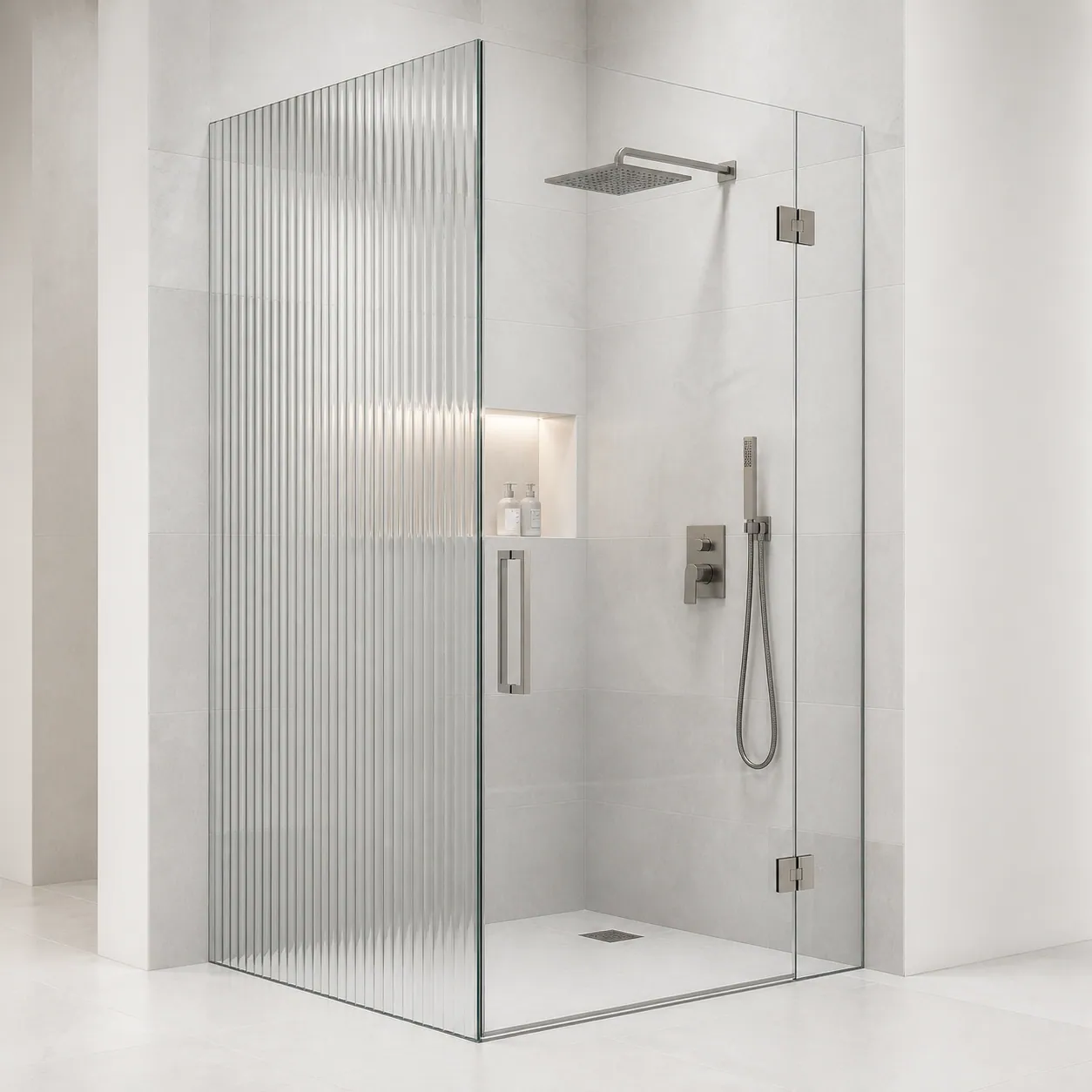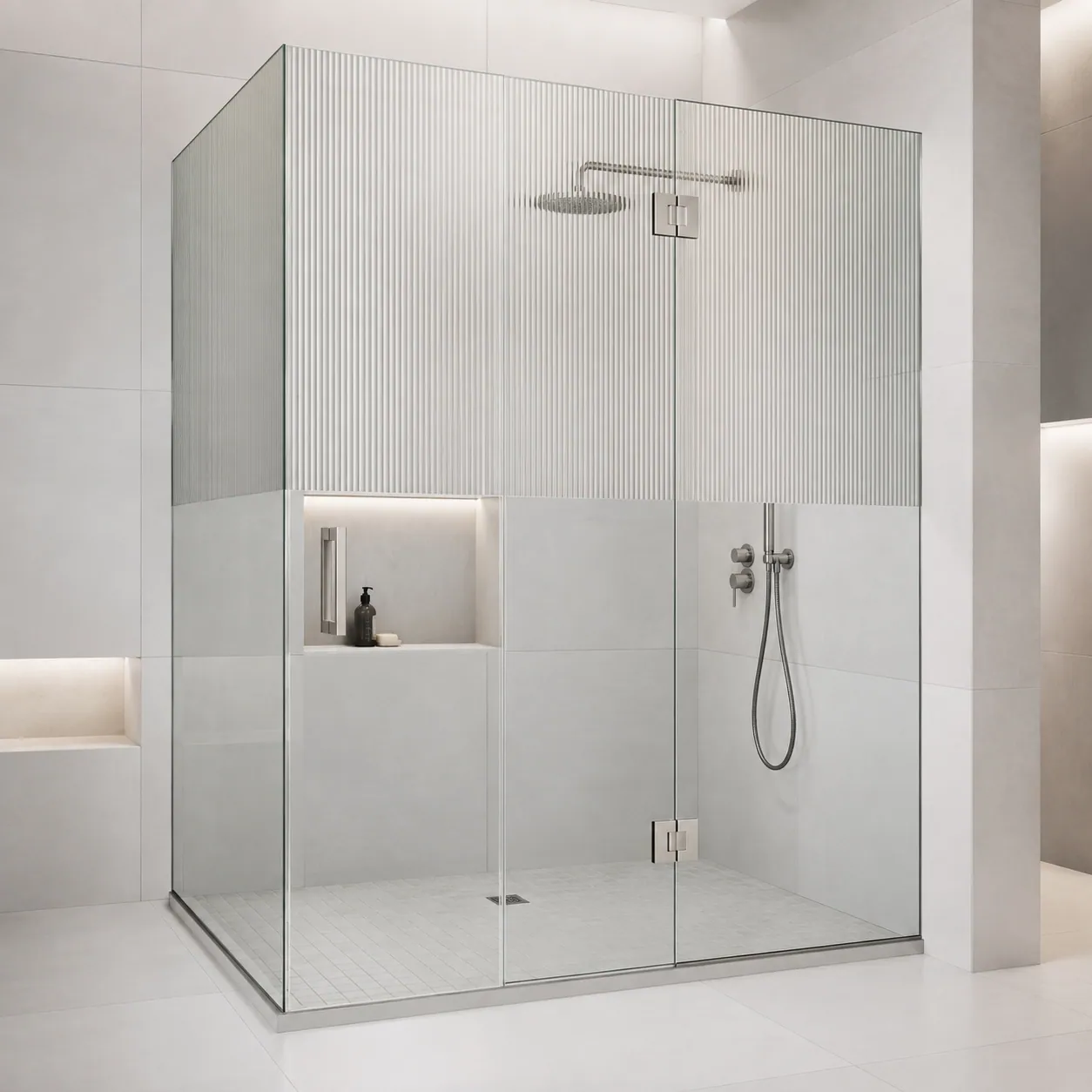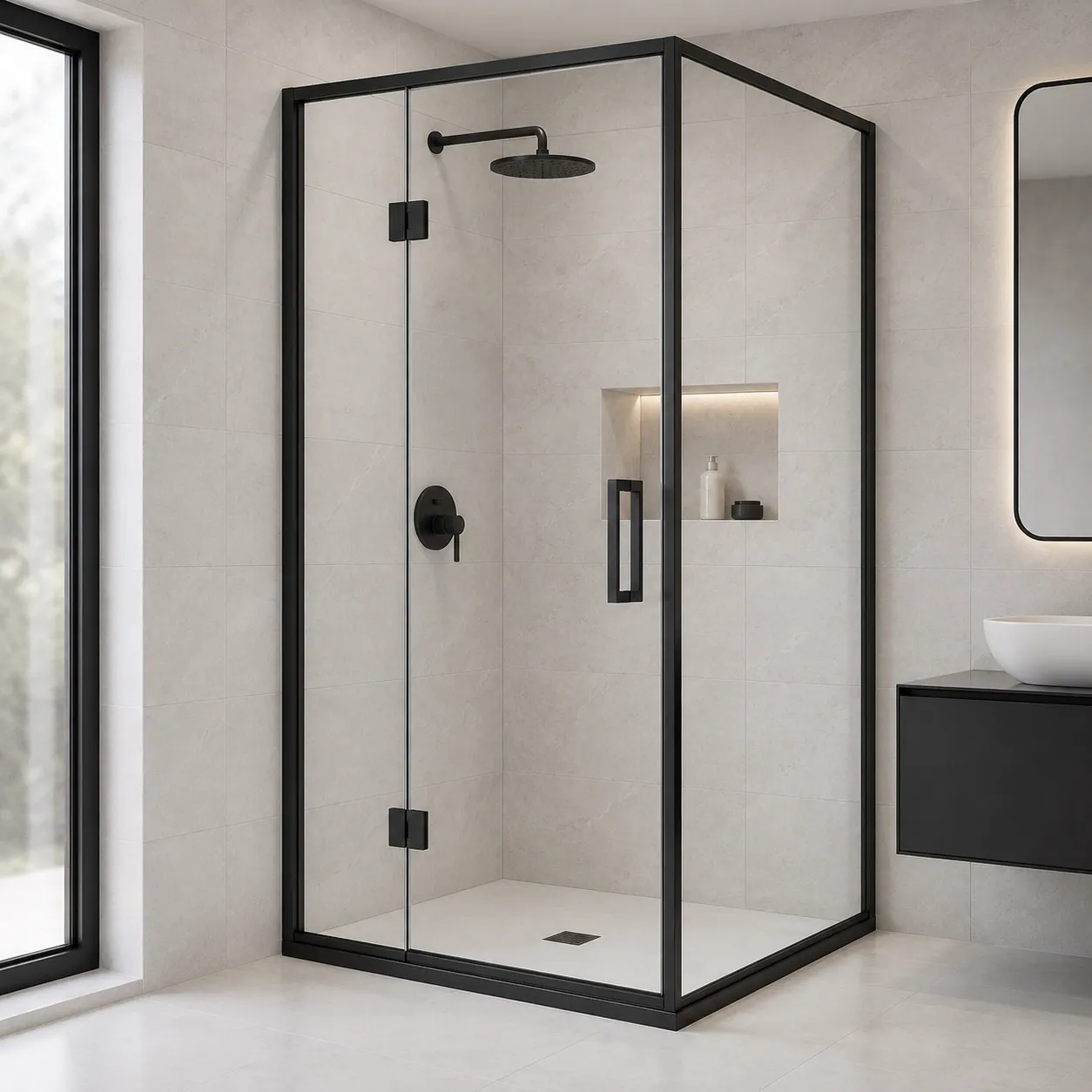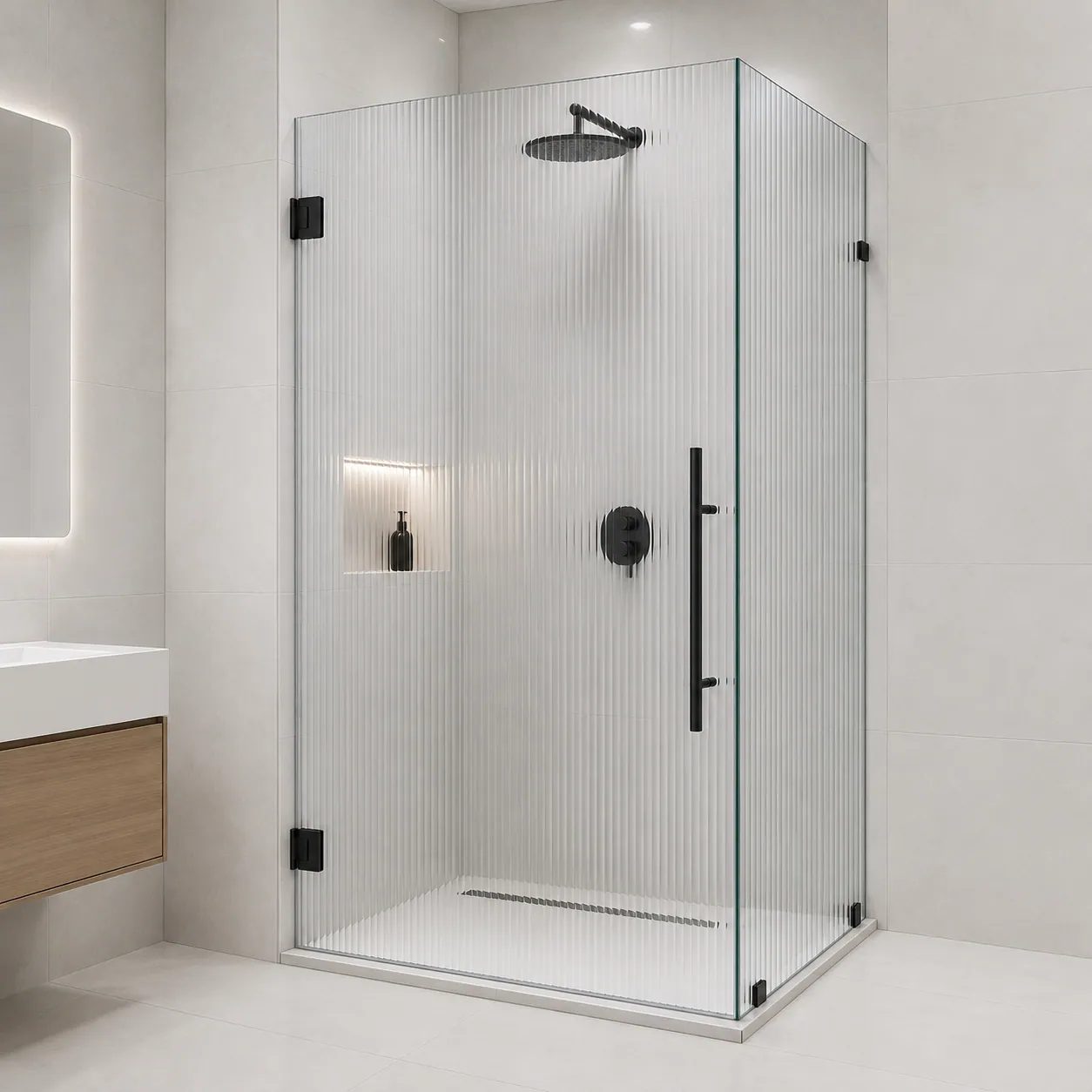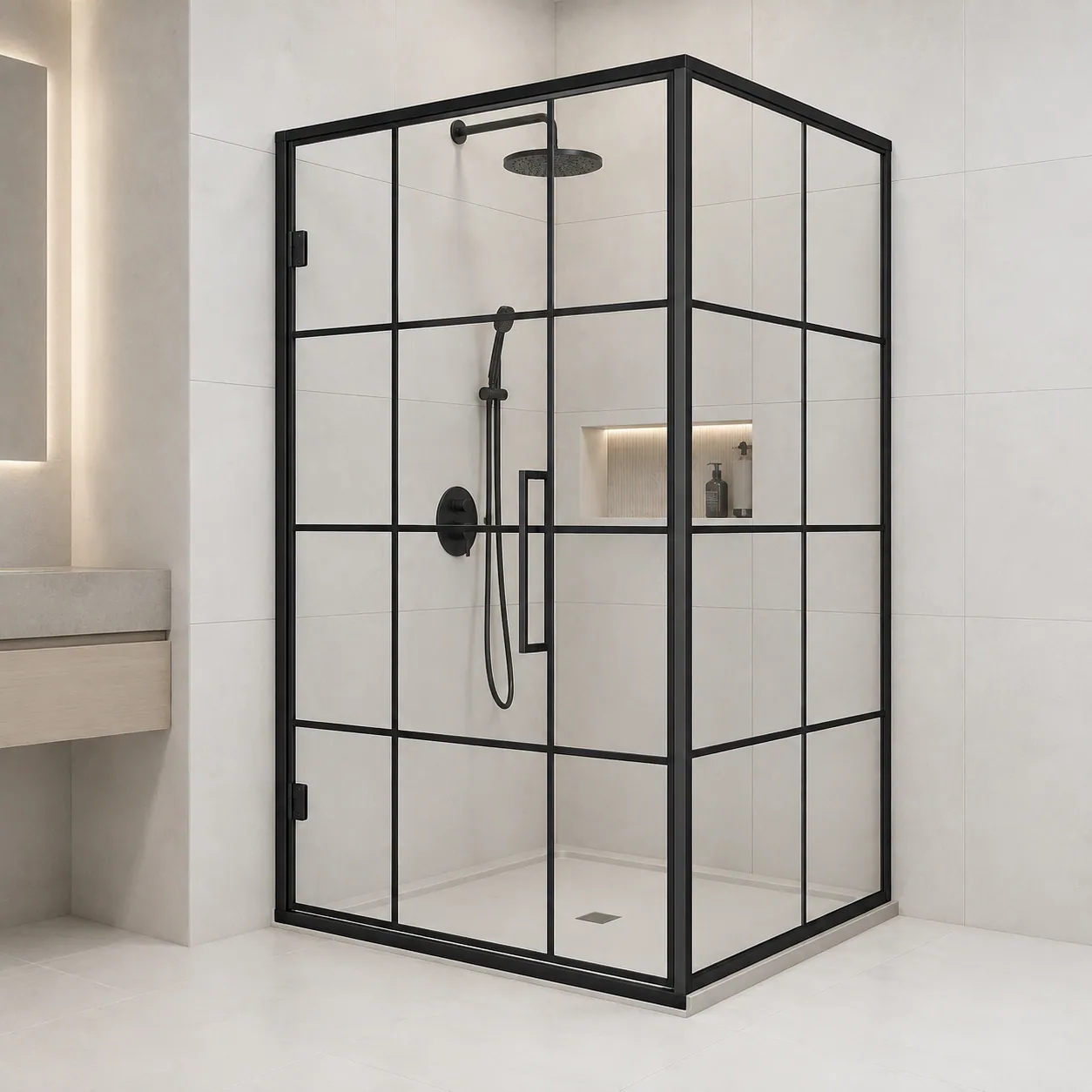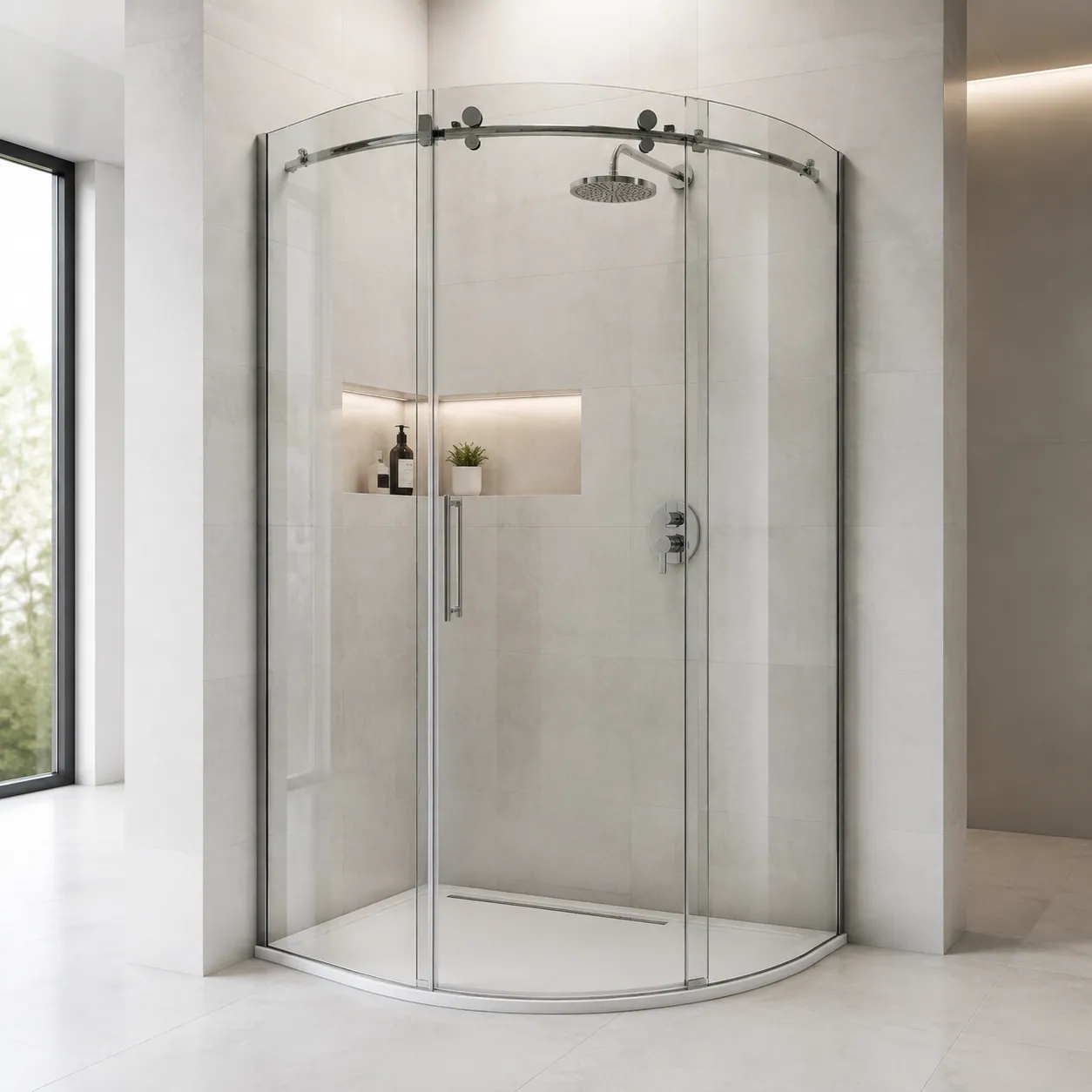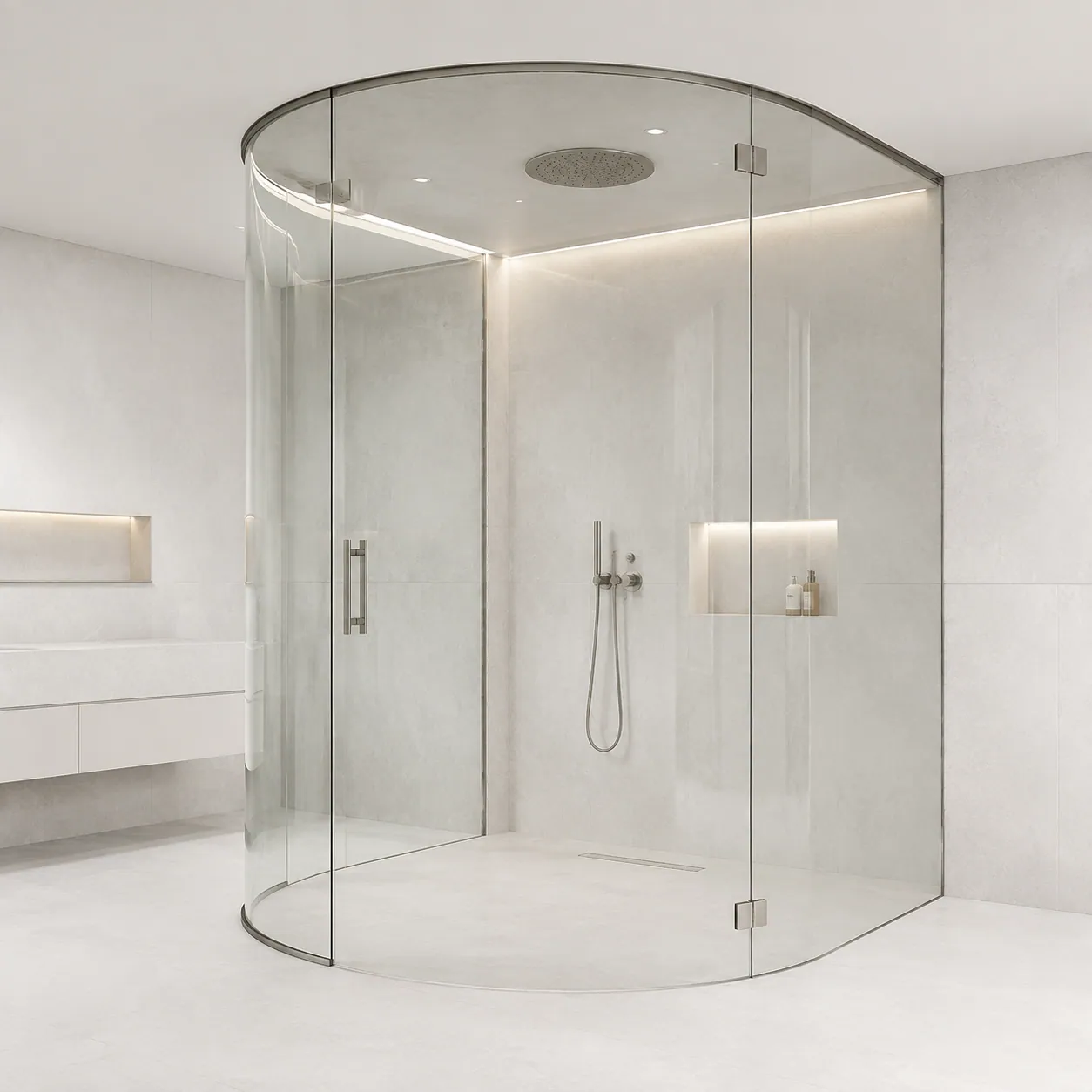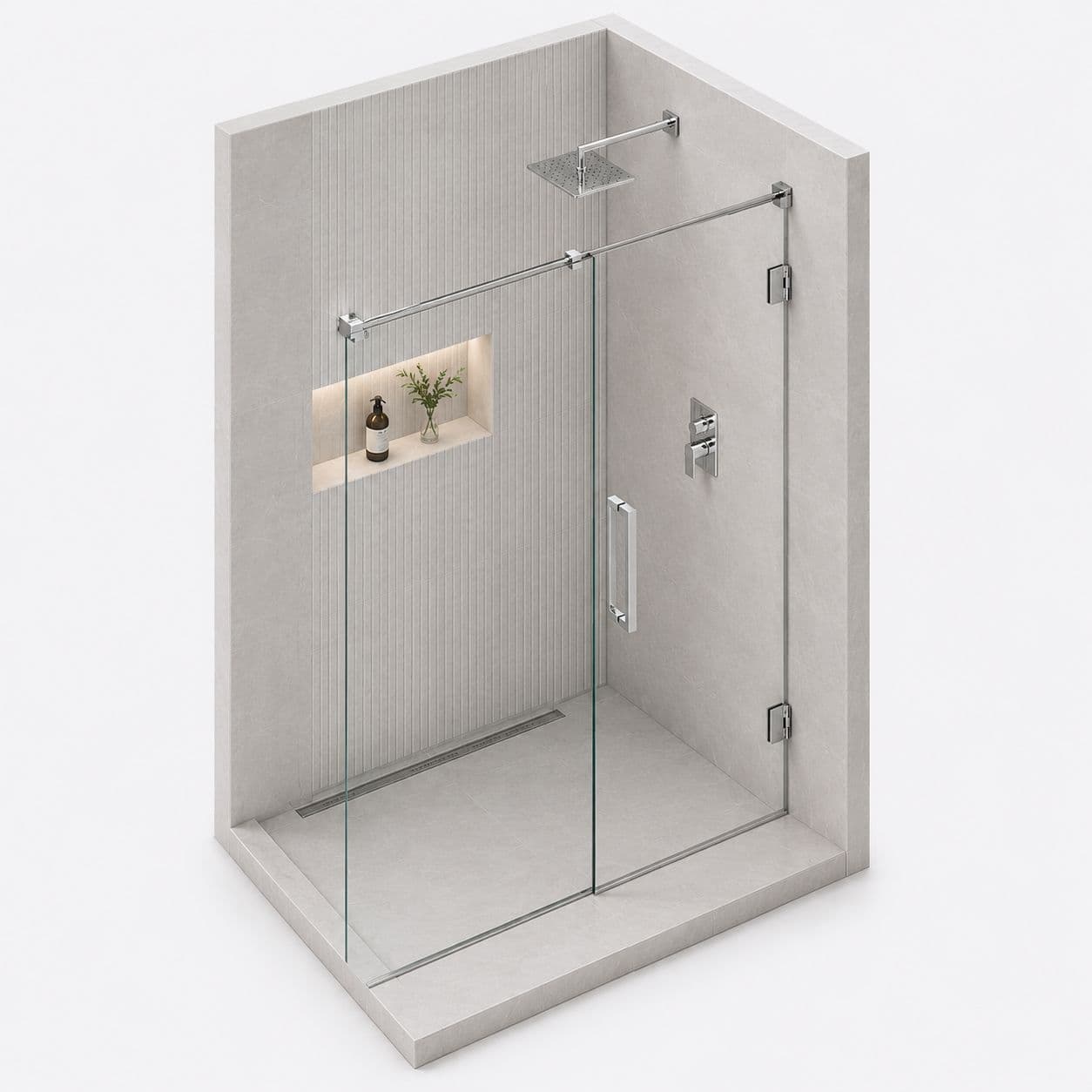
A good share of these flats are let, often on company leases with tenants changing every year or two. That changes the specification: the enclosure will be used by people who did not choose it, and it has to be quick to put right between tenancies without the owner flying in to supervise.
What actually breaks between tenancies
In our experience the glass almost never breaks. What goes is the handle, the bottom seal and the hinge adjustment, and all three because a door gets pushed rather than pulled or dragged when it starts to catch.
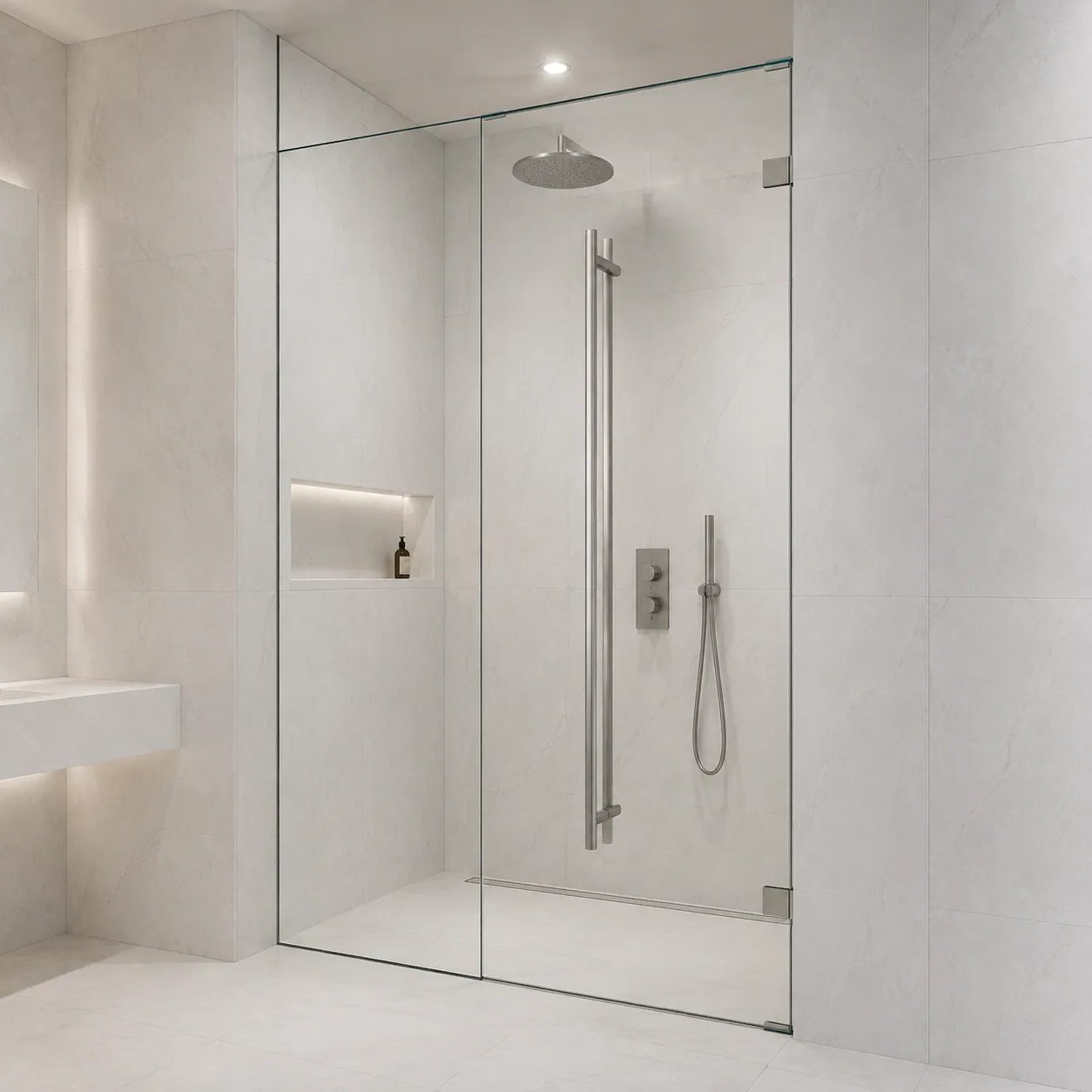
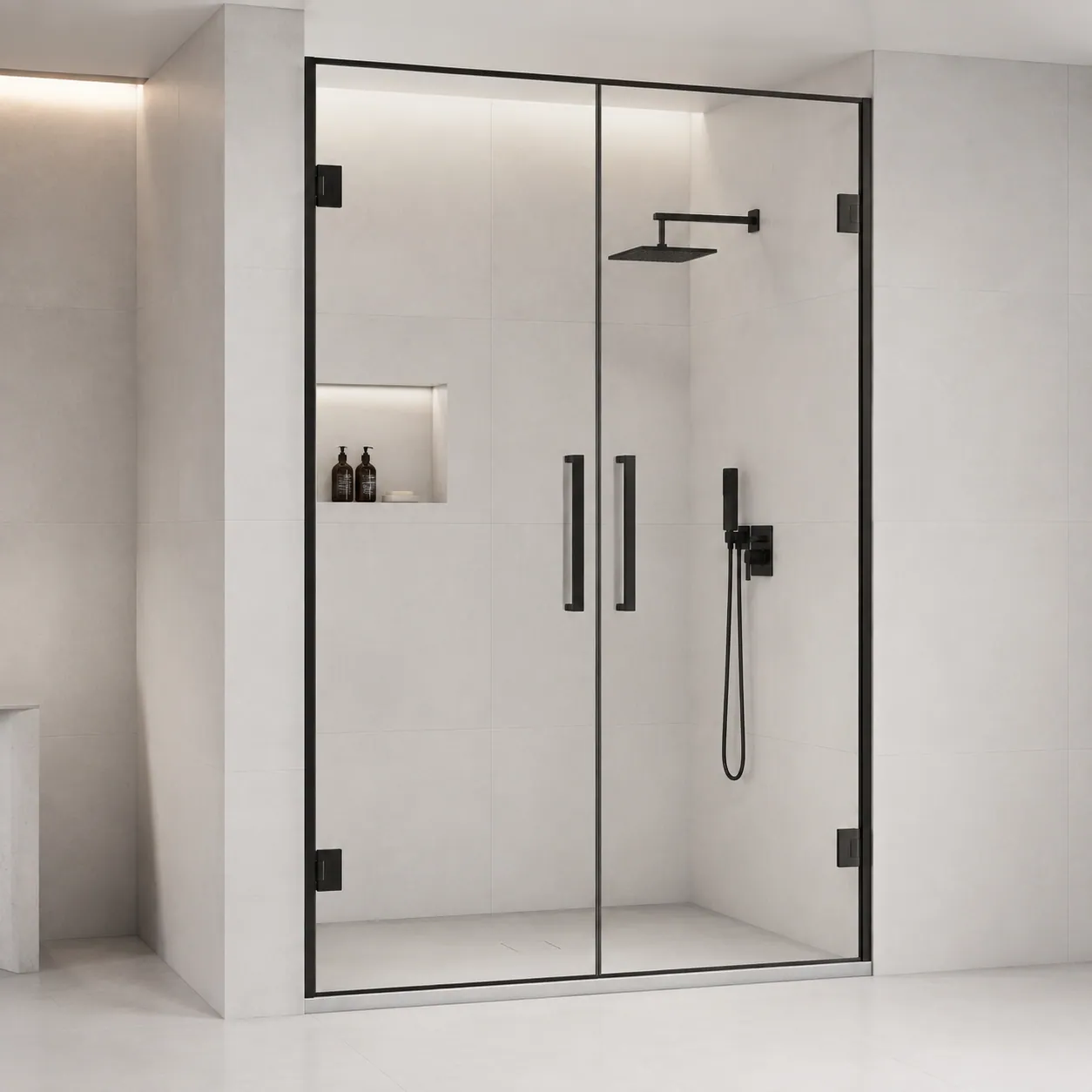
So the specification that matters is a handle bolted through rather than glued, a seal replaceable without removing the door, and hinges with enough adjustment to take up wear.
It costs a little more once and it is what stops a call-out at every changeover.
Fitting so a caretaker can maintain it
In a let flat the person who notices a fault is rarely the person who pays for it, so small faults get left until they become large ones.
The practical answer is standard, widely available hardware and nothing proprietary.
A seal, handle or catch that can be bought locally and changed in ten minutes is worth far more here than a better-looking part only we can supply. We fit accordingly and tell whoever manages the flat which items are the wear parts.
Doing it while the flat is empty
The changeover between tenancies is the cheapest moment to do a whole list at once, and the easiest flat to work in.
So the enclosure, the window that sticks, the torn mesh and the spotted mirror all belong to that window rather than to separate calls during a tenancy.
Done as one visit with parts brought in advance it is usually a morning. Done as four call-outs across a year it costs several times as much, and the flat shows worse to prospective tenants in between.
Approve the enclosure remotely without approving a guess
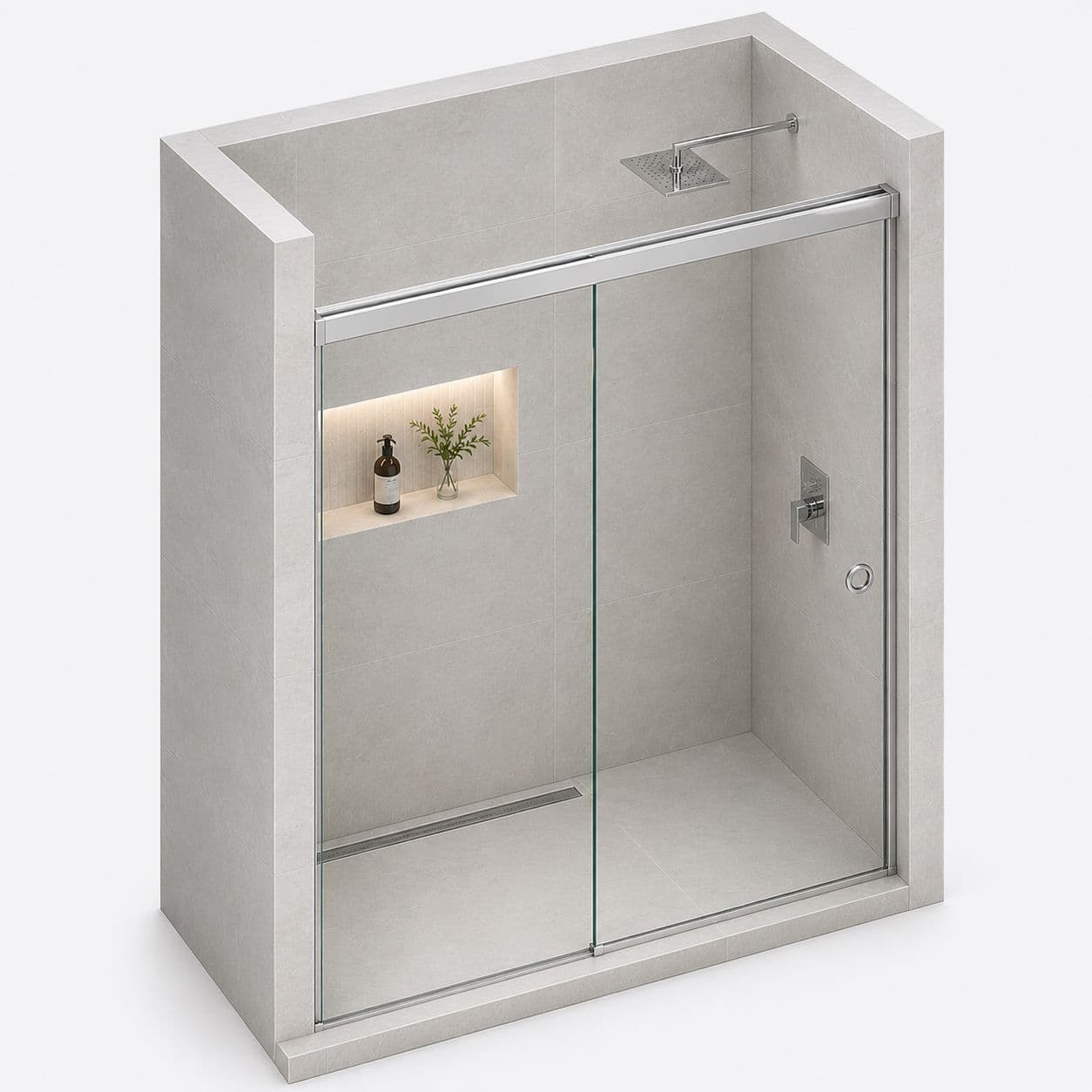
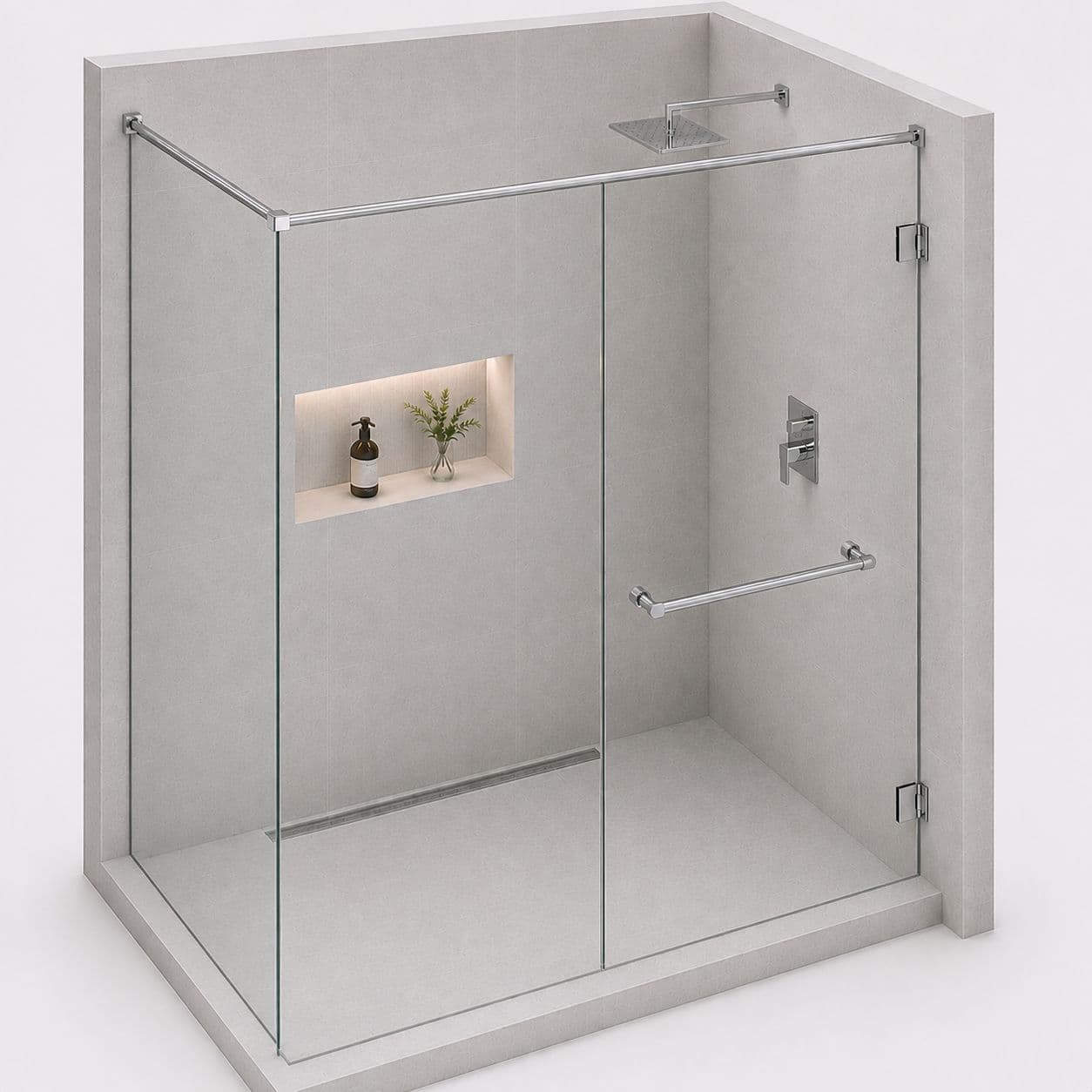
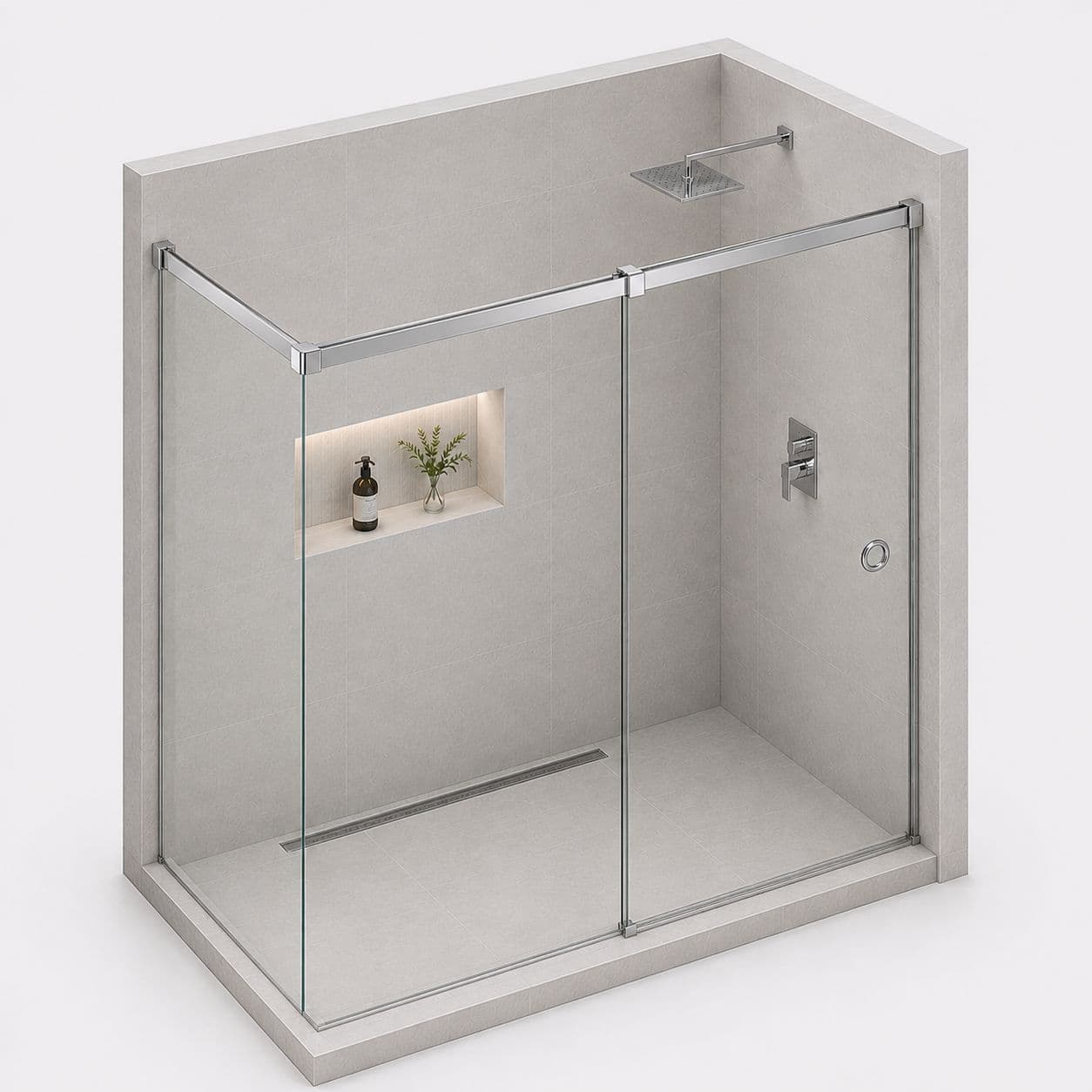
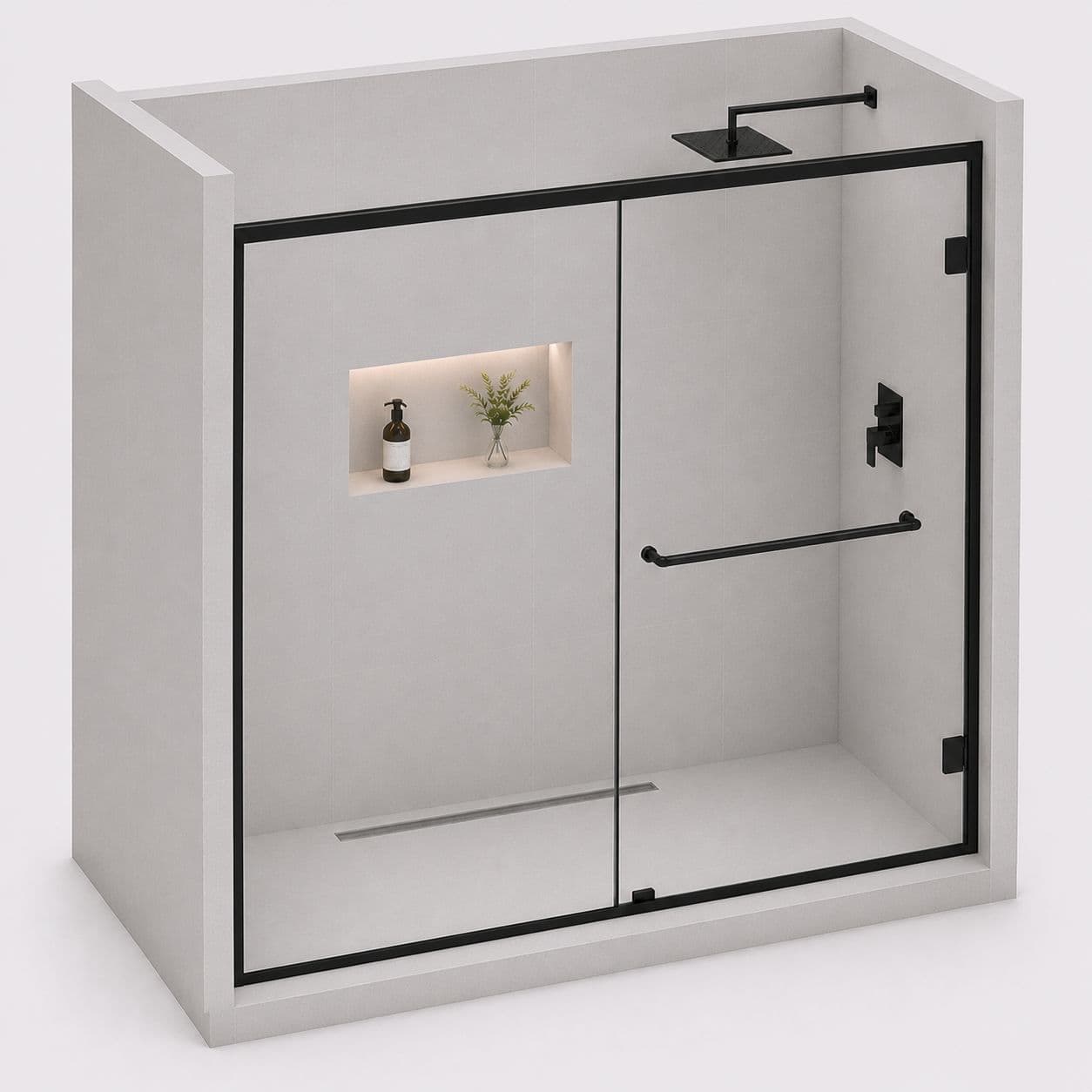
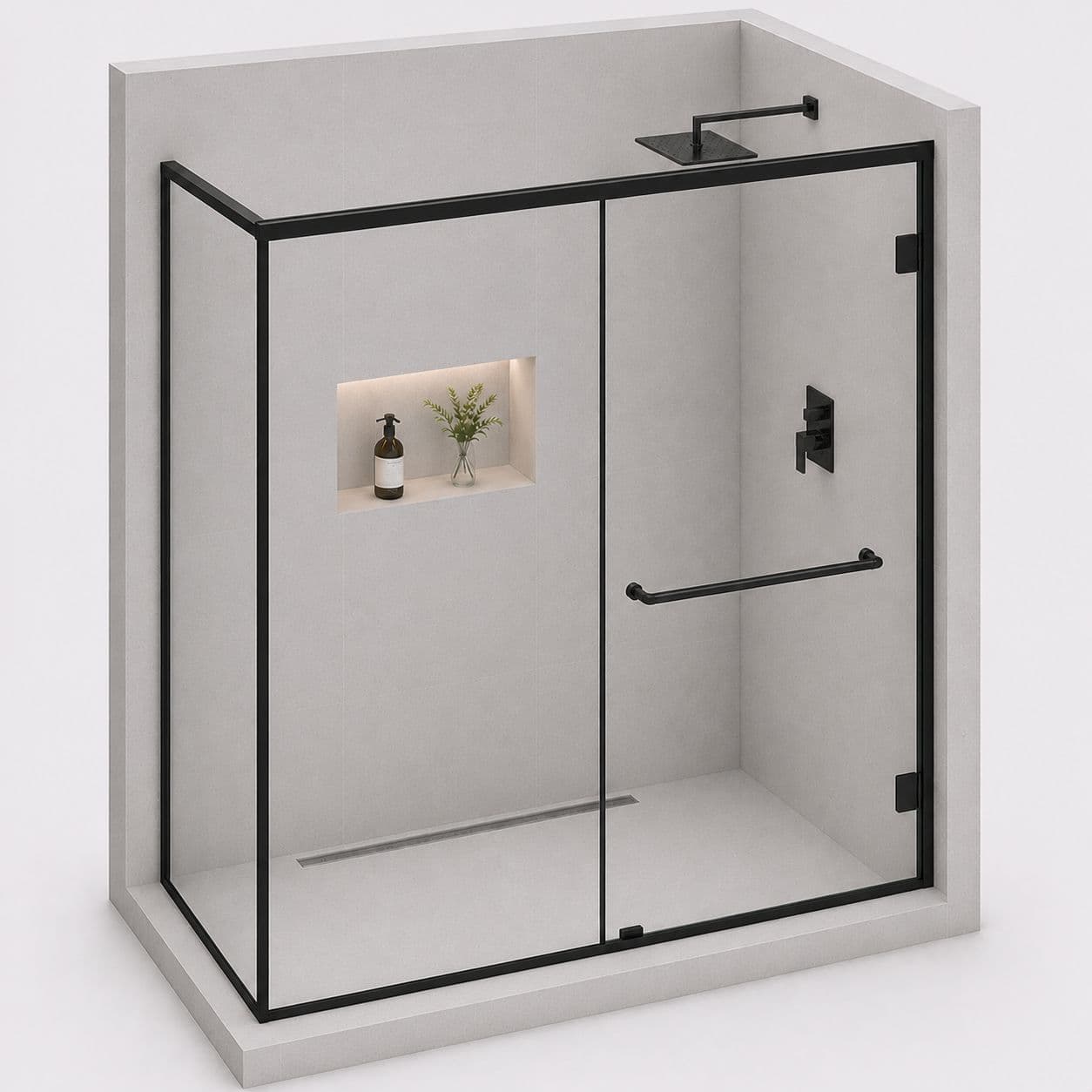
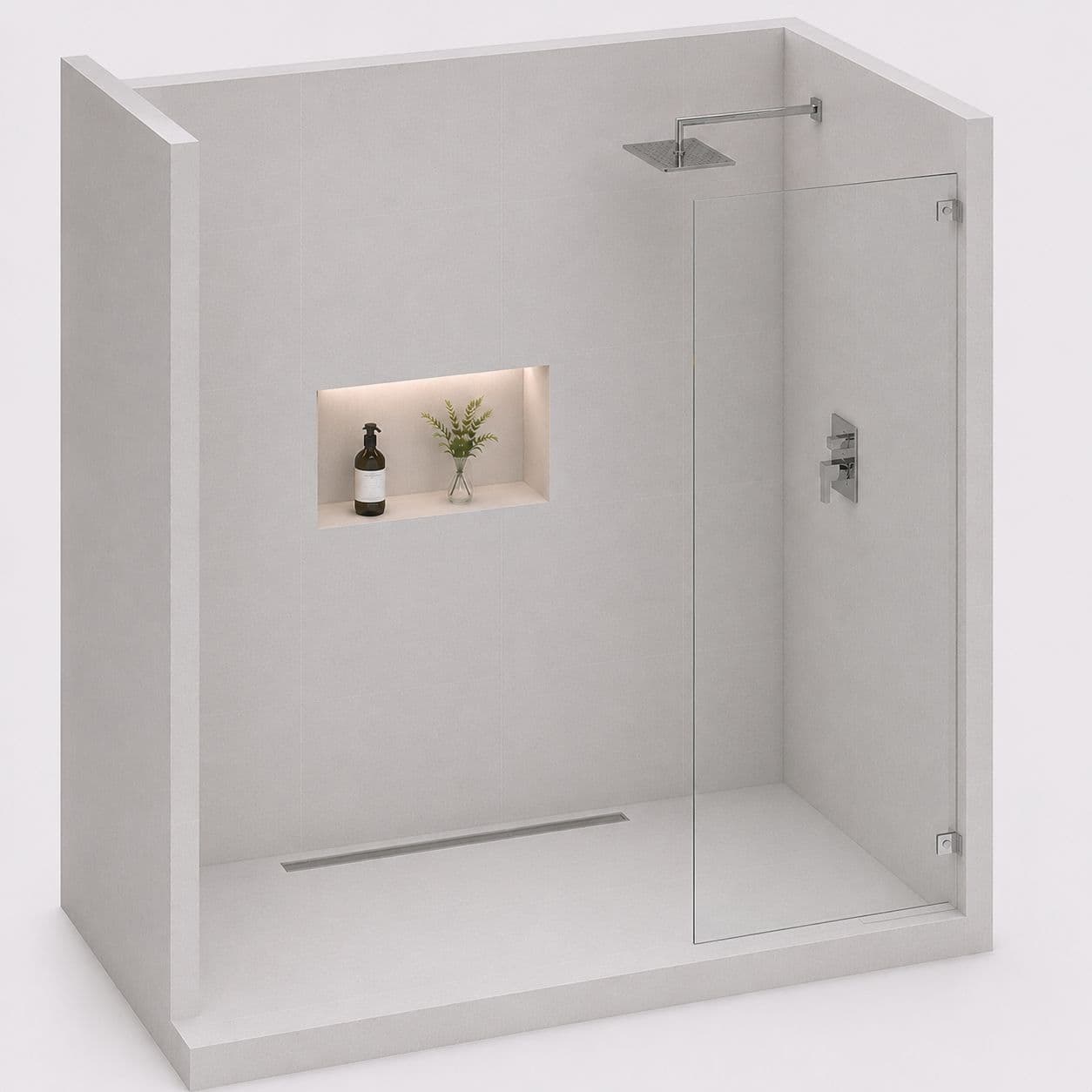
An owner who is away needs more than one wide bathroom photograph. We send a marked survey showing the measured opening, proposed fixed panel, moving door and entry clearance. A second image shows the floor fall and where water returns to the drain.
The quote then names the glass thickness, hardware finish, handle type and replaceable seals. Each choice sits beside its price. The owner approves that written scope before glass is ordered. The caretaker only needs to confirm access and the finished installation. This keeps design decisions with the person paying, without requiring a flight or an unrecorded phone instruction.
Use a changeover test another caretaker can repeat
After fitting, run water against every joint and open the door repeatedly. Check that it closes without lifting and that the seal returns water inside. Photograph the dry floor outside after the test.
We leave a short maintenance list for the next changeover. Clean channels without acid, replace split seals promptly and report scraping before hinges loosen. The list also names what should never be adjusted by force. A new caretaker can repeat the same inspection without knowing the original job. Small wear is then handled between tenants, before it damages tiles, hardware or the flat below.
Separate tenant damage from ordinary wear
A dated handover record protects both owner and tenant. It shows existing chips, seal condition, hinge alignment and whether water escaped before occupation. The same four checks are repeated when the tenancy ends.
A hardened seal or gradual hinge movement is ordinary wear. A bent handle, impact chip or missing fitting is a different event. The record does not decide liability, but it makes the condition visible. Repairs can then be priced from evidence instead of memory. That usually shortens approval and gets the bathroom ready before the next tenant arrives.
How the job works
- Tell us about the jobSend a few photos, rough sizes and what you need. Use WhatsApp or the form. For a repair, a short video of the door moving helps a lot.
- We call you back in about 2 minutesWe confirm what you need and a time to visit. Where we can, we give you a rough price on the call.
- We come and measureWe measure the opening and check the walls, floor and ceiling around it. Anything made to size is made to these measurements, so they must be right.
- You get a written priceIt lists each item, with GST as its own line. If anything about the job changes, we tell you before we go ahead.
- We fit itYou approve the price and pay the advance. Our own team fits the work, checks that every door and window opens and closes properly, and clears up. Most jobs are done in 3 to 4 days.