

Is this the right service for your job?
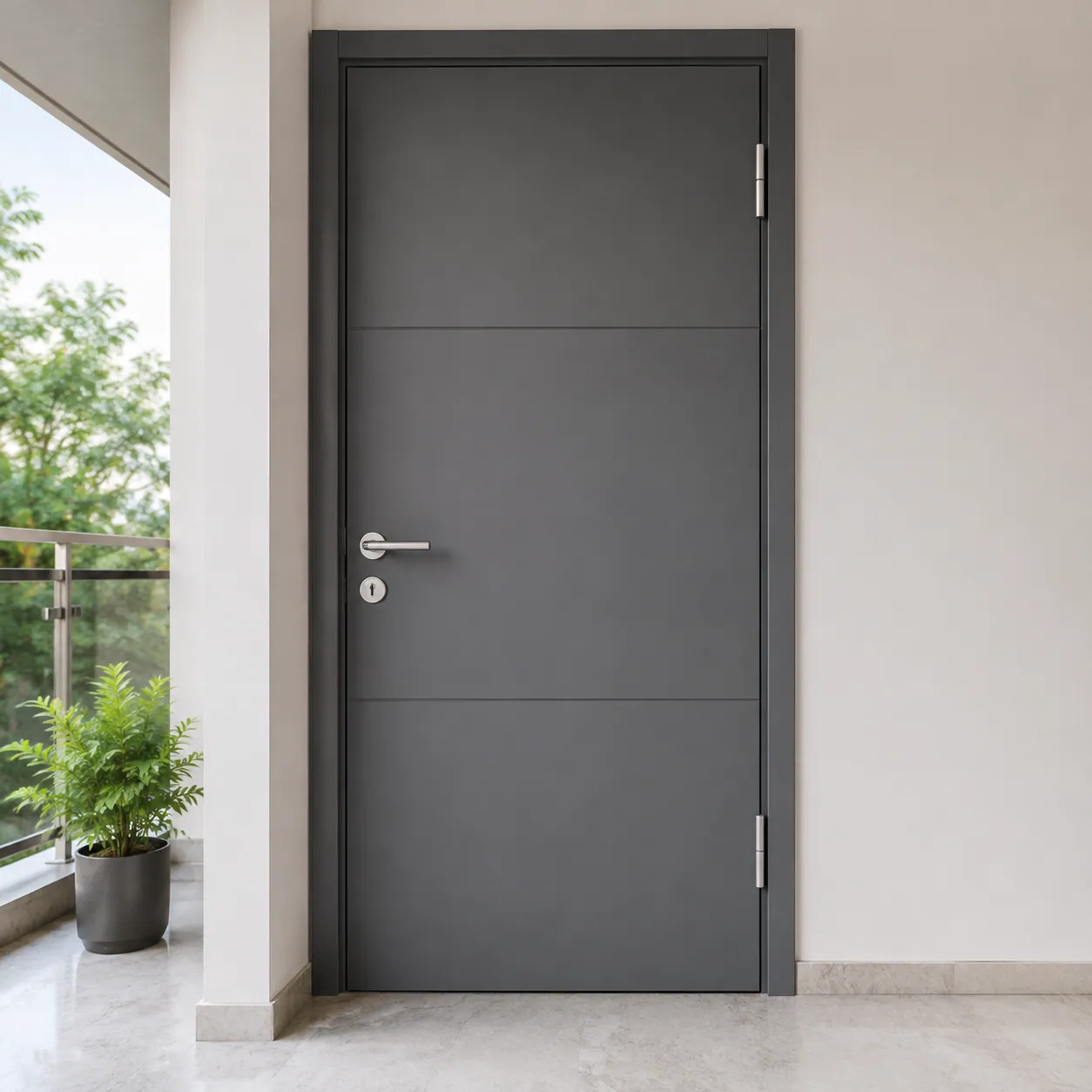
Choose this for wooden door hinges, locks, handles or alignment. Carpentry is outside this service.
- If the door works but gaps let dust or air through, see the Door Gap Sealing. It fits suitable strips or a sweep around the closing edges.
- If the problem is a sliding wardrobe shutter, see the Wardrobe Sliding Door Repair. It covers wardrobe rollers, channels and guides rather than hinged room doors.
The wooden door faults we take
Book us for a loose or noisy hinge, a lock or latch that misses, a handle that has failed, a closer that slams, or a door whose hardware needs resetting. These are fitting and alignment jobs.
If the timber itself is swollen, split, rotten or needs reshaping, you need a carpenter. We say that before booking when a photo makes it clear.
How we separate hardware from carpentry
We check whether the door is square in the frame and whether the hinge screws still bite. We then test the latch, lock and closer independently. A door can rub because a hinge is loose, which we repair, or because the timber has swollen, which we do not plane.
The distinction keeps the visit honest and prevents a hardware adjustment from being sold as a cure for damaged wood.
What the visit covers
The ₹1,710 visit includes inspection, hinge tightening or resetting, latch and strike adjustment, closer setting and up to two hours of work. Replacement hinges, locks, handles and closers are priced as parts.
We show you the part and its price before fitting. If the door needs a carpenter instead, we stop at the diagnosis.
The handover check
The door must swing without dropping, latch on the first close and lock without lifting or pushing it. A closer must shut the door firmly without slamming.
We repeat these checks with you because a repair is about the movement, not merely a new fitting on the door.
Loose hinges need sound timber behind them
A loose hinge is often a fixing problem rather than a failed hinge. The screws may have worked free, or the holes may no longer grip. We support the door before removing a hinge, then check the timber underneath. Sound timber can usually take a repaired fixing or a suitable longer screw.
Split, rotten or badly crushed timber needs a carpenter to rebuild that area first. Driving a larger screw into damaged wood only hides the weakness for a short time. We stop and show you the damaged section instead of leaving a heavy door on a doubtful fixing.
Latch, lock and strike plate are one system
The latch sits in the door. The strike plate is the metal opening on the frame. The lock only works smoothly when both meet at the correct height and depth. A dropped door makes a healthy latch scrape the plate, while a loose plate can make a sound lock feel unreliable.
We set the door square before moving the strike. Then we test the latch with a gentle close and the lock with the key. This order keeps the opening secure without creating an oversized hole in the frame.
Closer adjustment has a clear limit
A hydraulic closer normally has separate controls for the main swing and the final latching movement. We adjust both so the door closes firmly without slamming. Adjustment cannot replace lost oil. A leaking closer has failed internally and needs replacement.
The replacement must suit the door weight and the amount of daily use. A light residential unit on a busy entrance will fail early even when it is fitted correctly. We identify the duty needed and show you the part price before changing it.