

Is this the right service for your job?
Choose this when an existing uPVC door drags, leaks or has locking problems.
- If worn wheels are the confirmed fault on a sliding door, see the Sliding Door Roller Replacement. It replaces the matching rollers and sets the door height.
- If you need a new sliding door and frame, compare the uPVC Sliding Doors. It covers measuring and fitting the complete replacement.
What we repair on uPVC doors
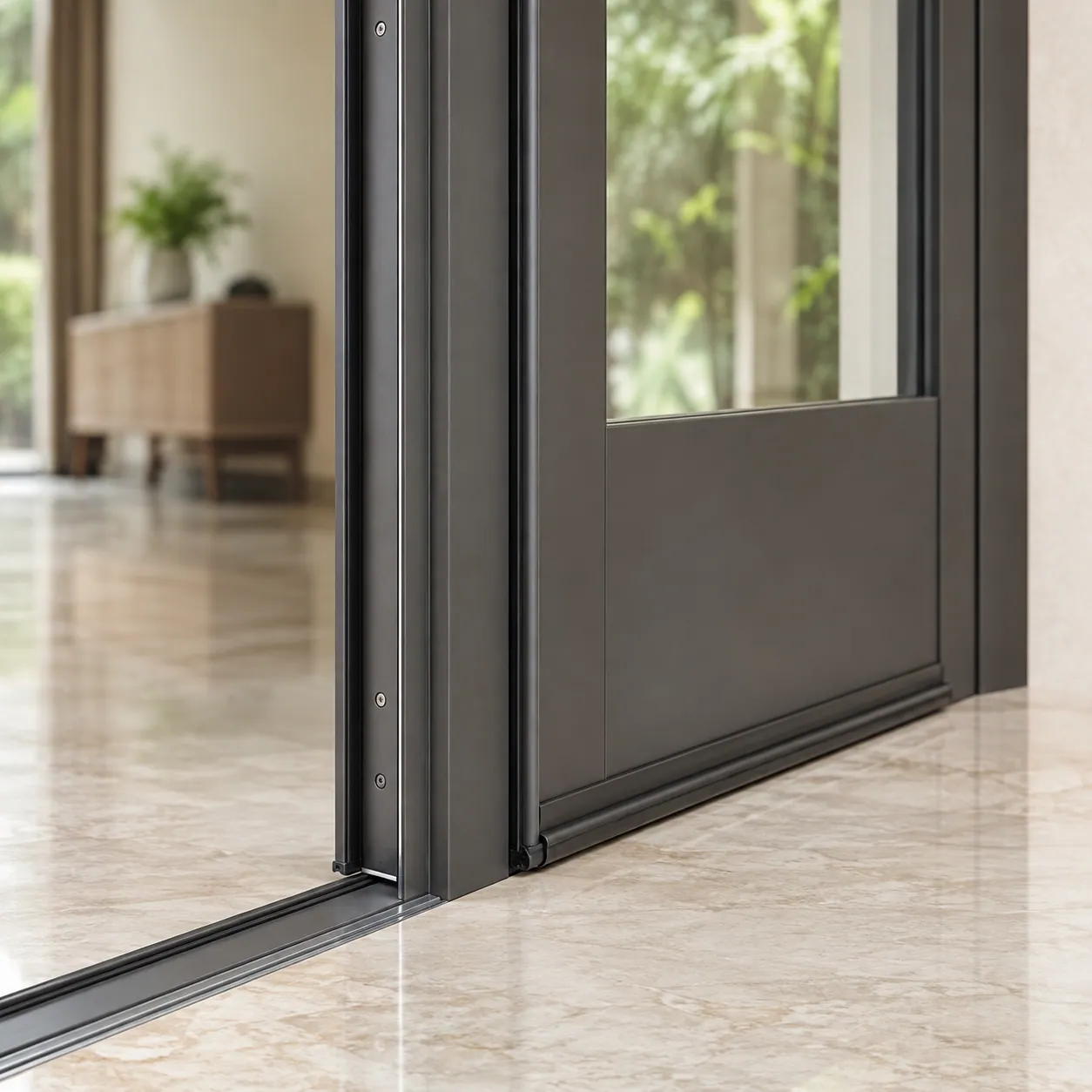
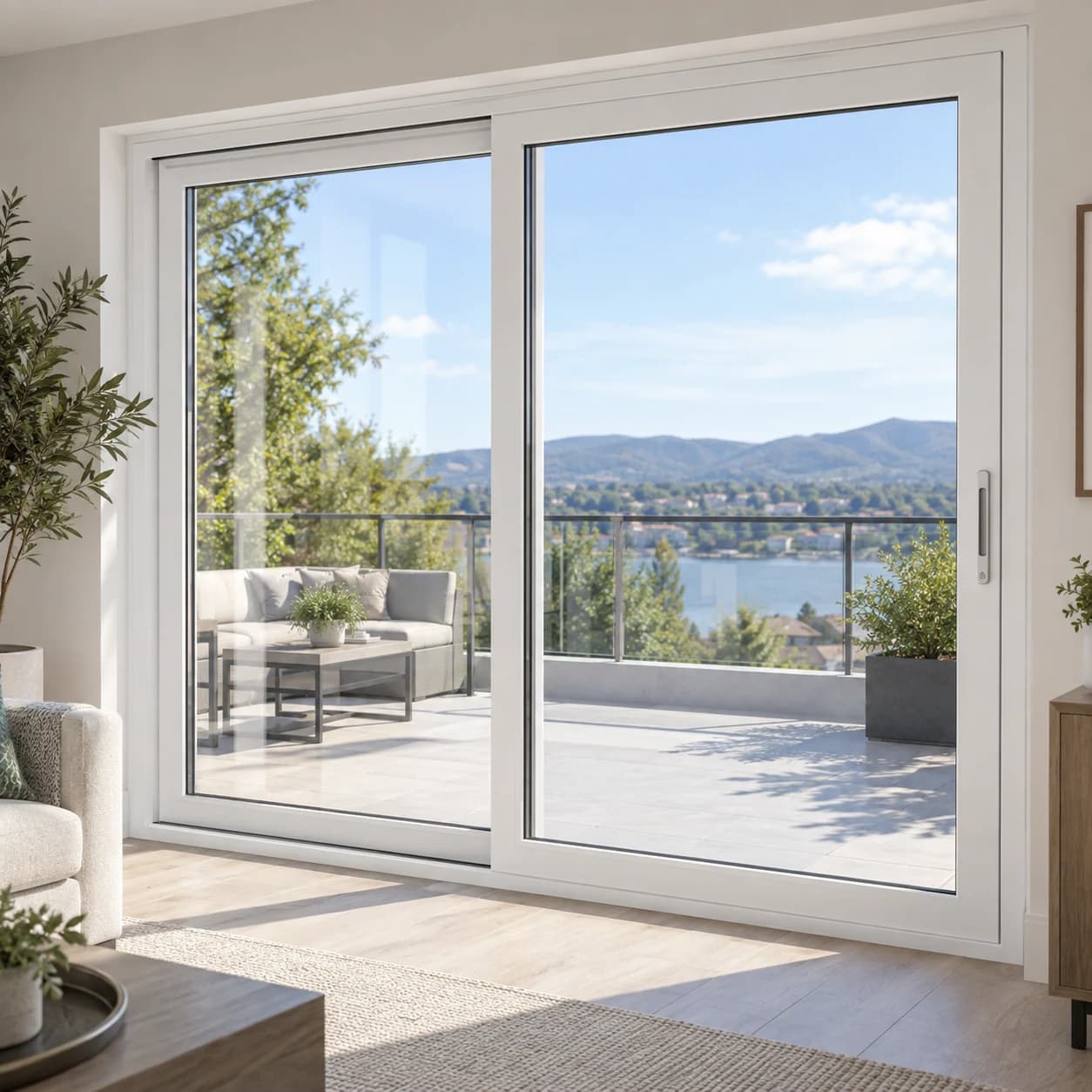
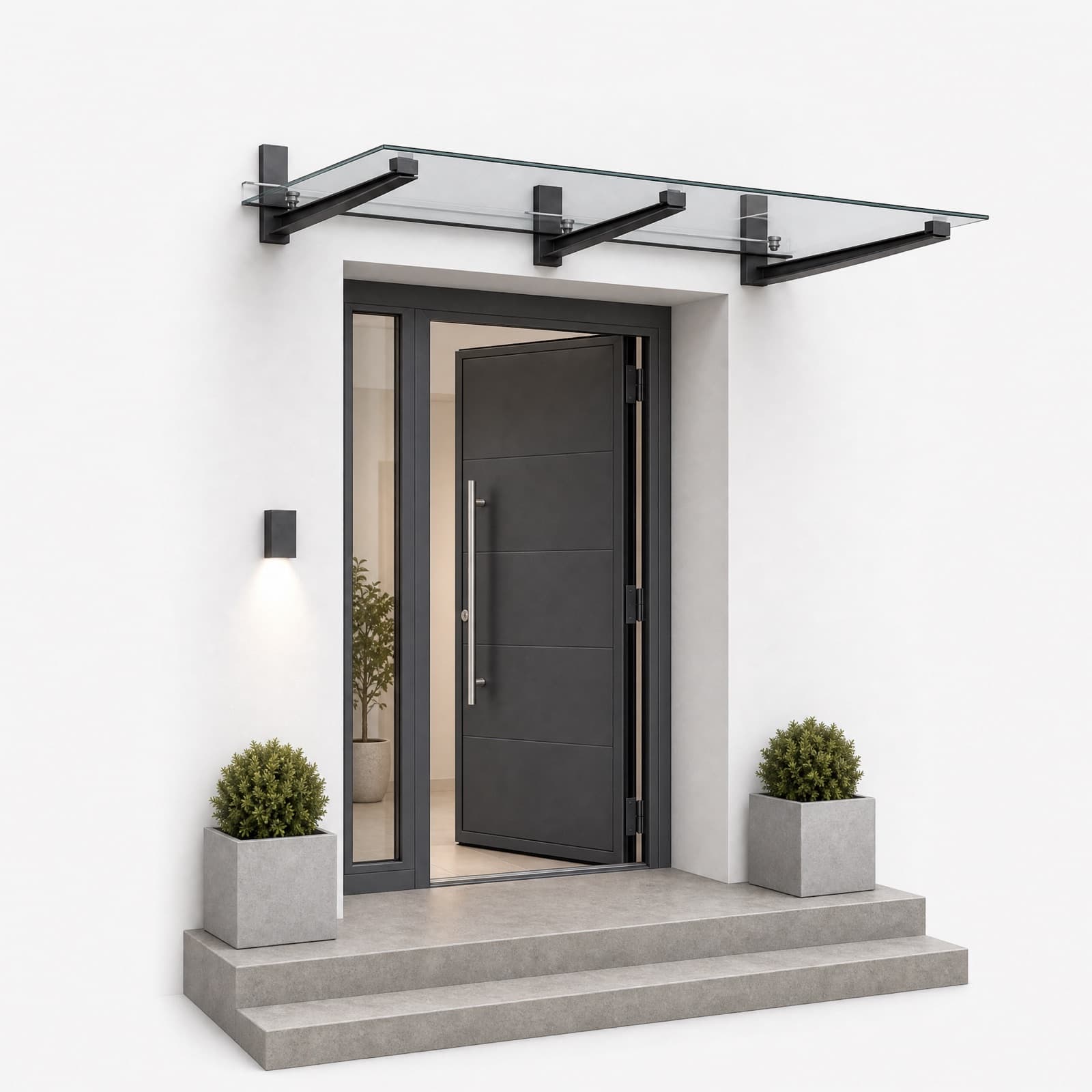
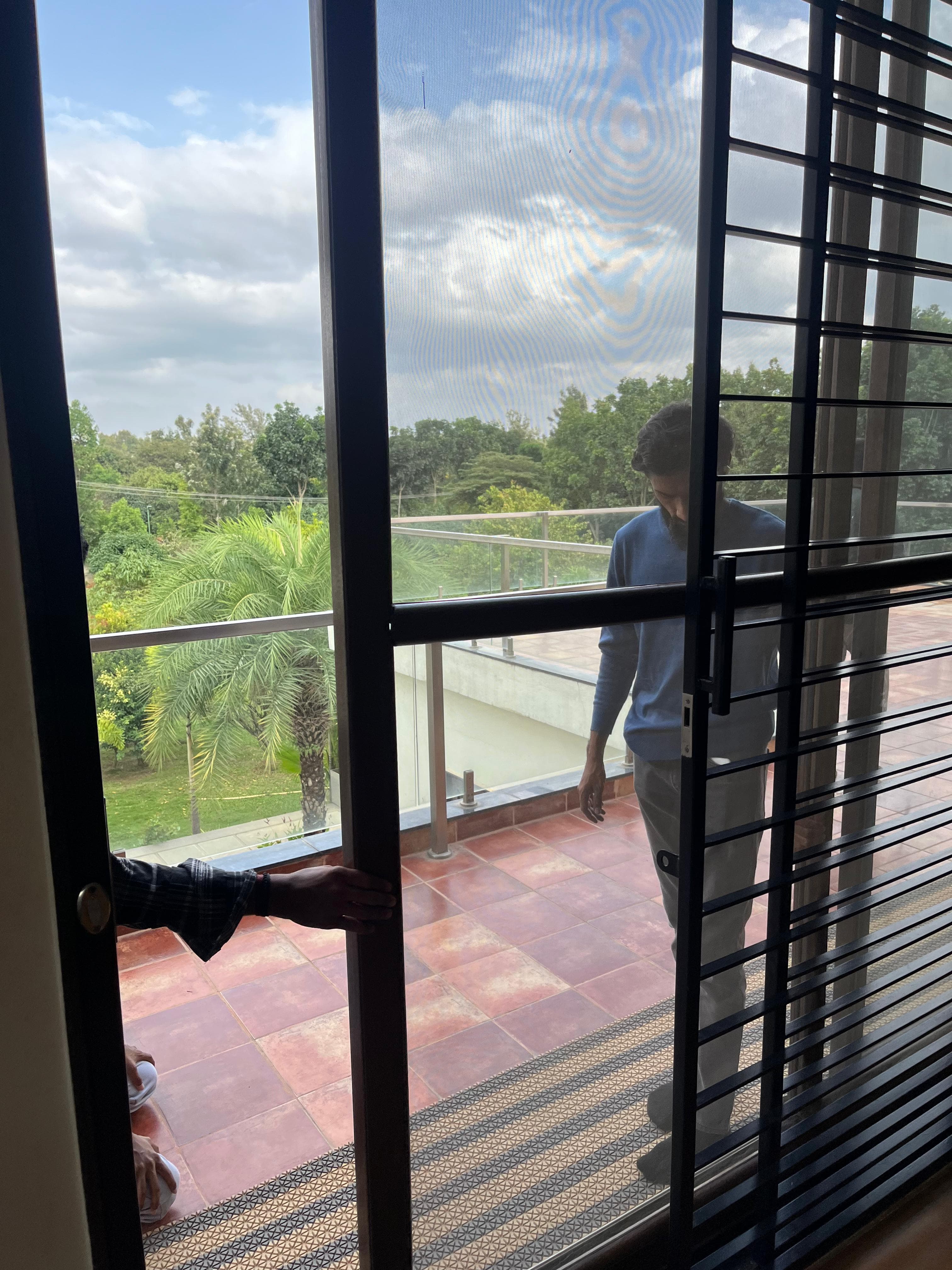
We work on sliding and hinged uPVC balcony, terrace and entrance doors. Common calls are for dragging shutters, handles that will not lift, locks that miss their keeps, water at the sill and gaps that let dust or noise through.
Send a short video before the visit if you can. It helps us see the movement, but the final diagnosis is made with the door open at your site.
Alignment comes before replacement parts
A heavy uPVC door can settle a few millimetres. That is enough to make every locking point land badly and the handle feel broken. We check the door square, set its hinges or rollers and adjust the keeps before deciding that a lock or handle needs replacement.
This order often saves a part and it prevents a new part being forced against the same bad alignment.
Visit price and parts
The ₹2,070 visit includes diagnosis, adjustment, freeing a stuck mechanism and up to two hours of work. Handles, roller assemblies, locking gears and replacement seals are separate parts.
You see the failed part and approve its price first. Uncommon imported hardware may need a measured return visit, and we confirm that date in writing.
How we test the finished door
The door must travel without dragging, meet its seals evenly and lock without force. Sliding doors are run end to end several times. Hinged doors are checked at every locking point.
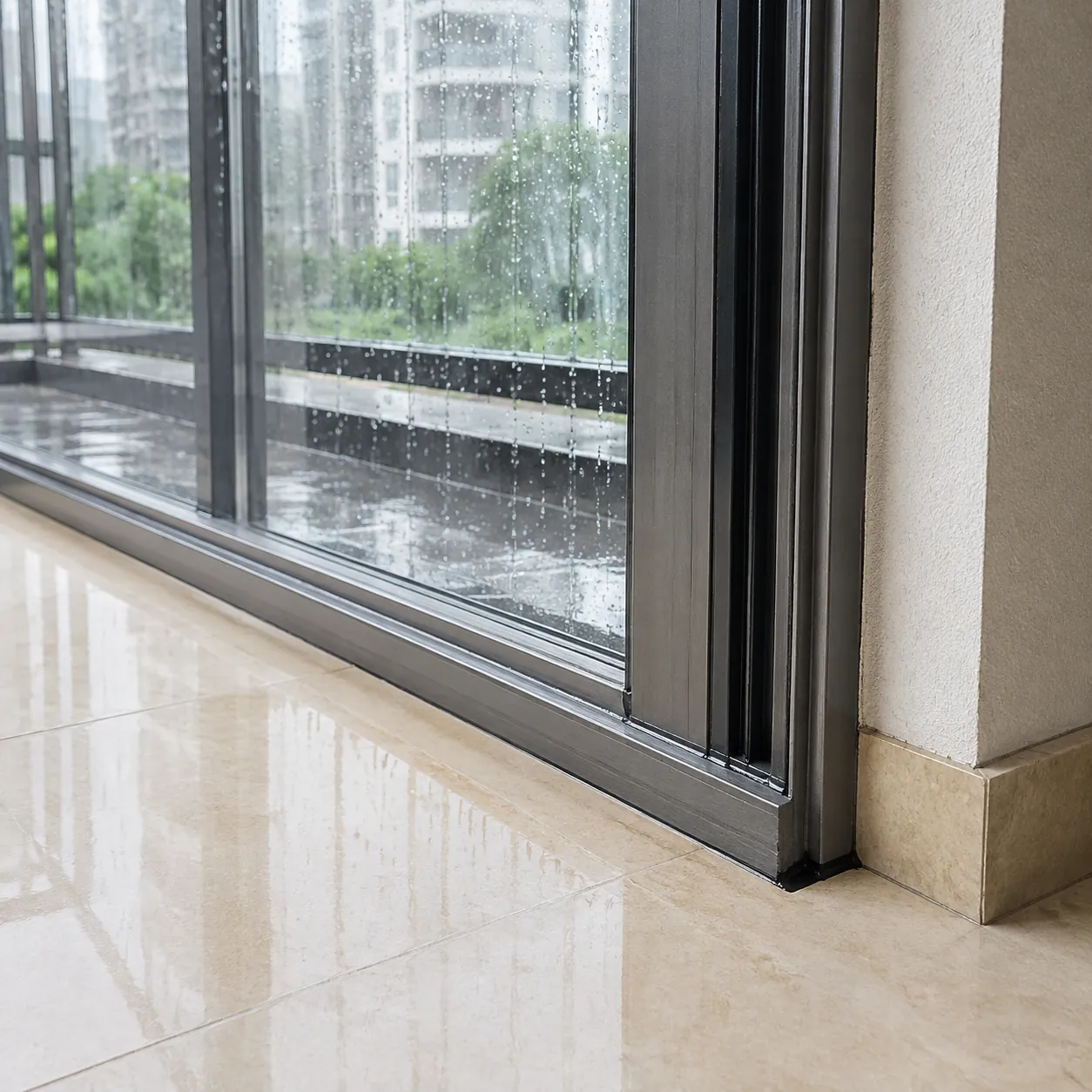
Where water was the complaint, we clear the sill drainage and check the outer frame joint rather than hiding the symptom under silicone.
Sliding and hinged uPVC doors fail differently
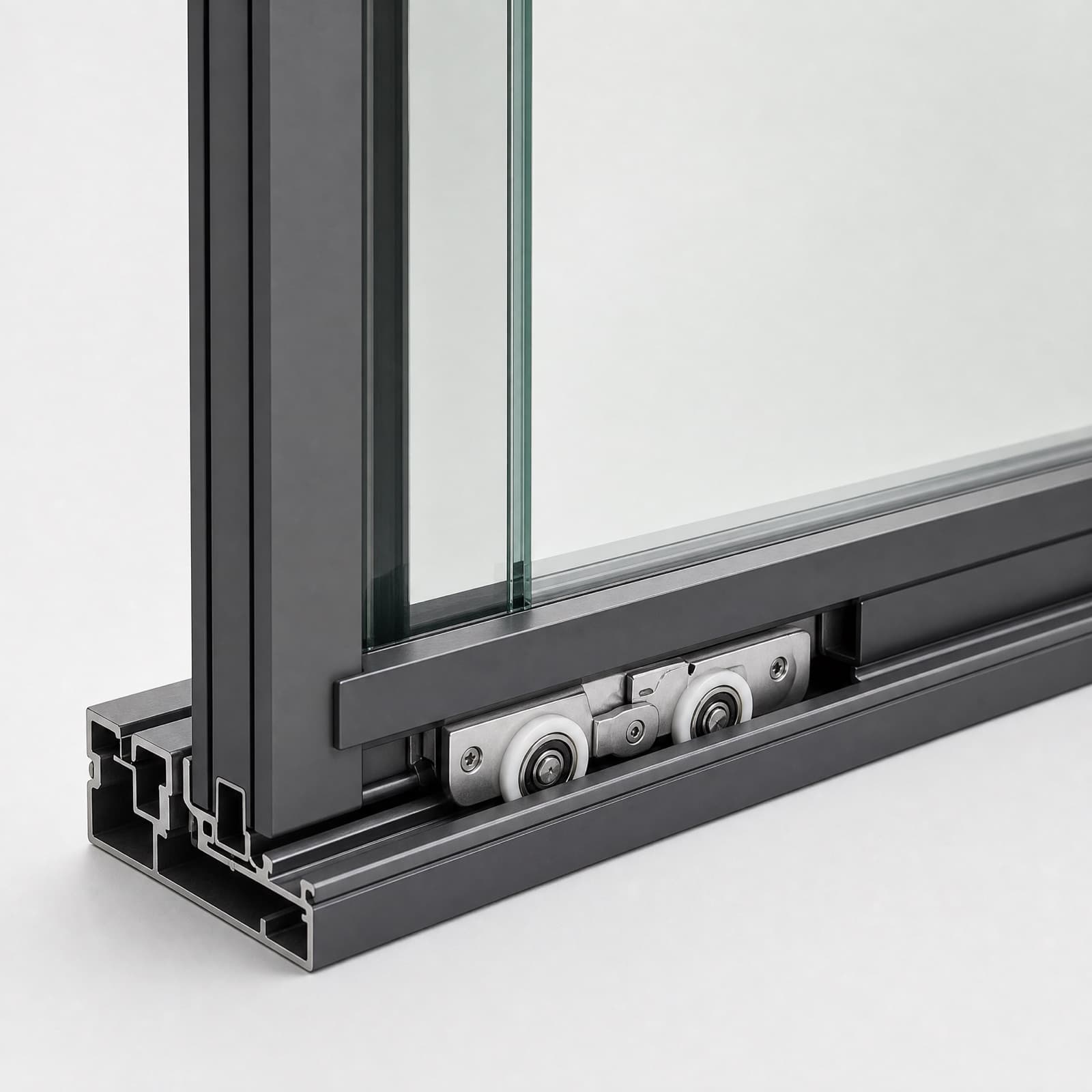
A sliding door carries its weight on rollers at the bottom. Dirt, water and worn bearings make it drag. A hinged door hangs from the side and usually drops at the handle corner as its hinges settle. Both faults can make the same handle feel stiff, but the adjustments are different.
We watch the complete movement before opening the hardware. A slider is checked for level, track damage and roller height. A hinged door is checked at each hinge and every locking point. This prevents a new lock being fitted to a door whose weight is still sitting in the wrong place.
Security depends on alignment as well as the lock
Many uPVC doors use a multi-point lock. Turning the handle moves hooks or rollers into several keeps around the frame. Those points only secure the door when the sash is square and each one enters fully. A door may appear locked while one or two points are missing their keeps.
After repair, we test the handle without lifting or pushing the door. We also check that every point engages and that the key turns without strain. If a keep has moved, we reset it. If the internal gear is damaged, we identify the matching length and backset before pricing the replacement.
When a complete door replacement is justified
Hardware repair is the right answer while the frame and sash remain sound. Replacement becomes sensible when the uPVC is cracked through a corner, the sash is badly twisted, or the outer frame has moved away from the wall and cannot hold its fixings. Severe impact damage can also break the welded joints.
We point out that structural fault before discussing replacement. A worn roller, failed handle, tired seal or dropped hinge does not justify throwing away the whole door.