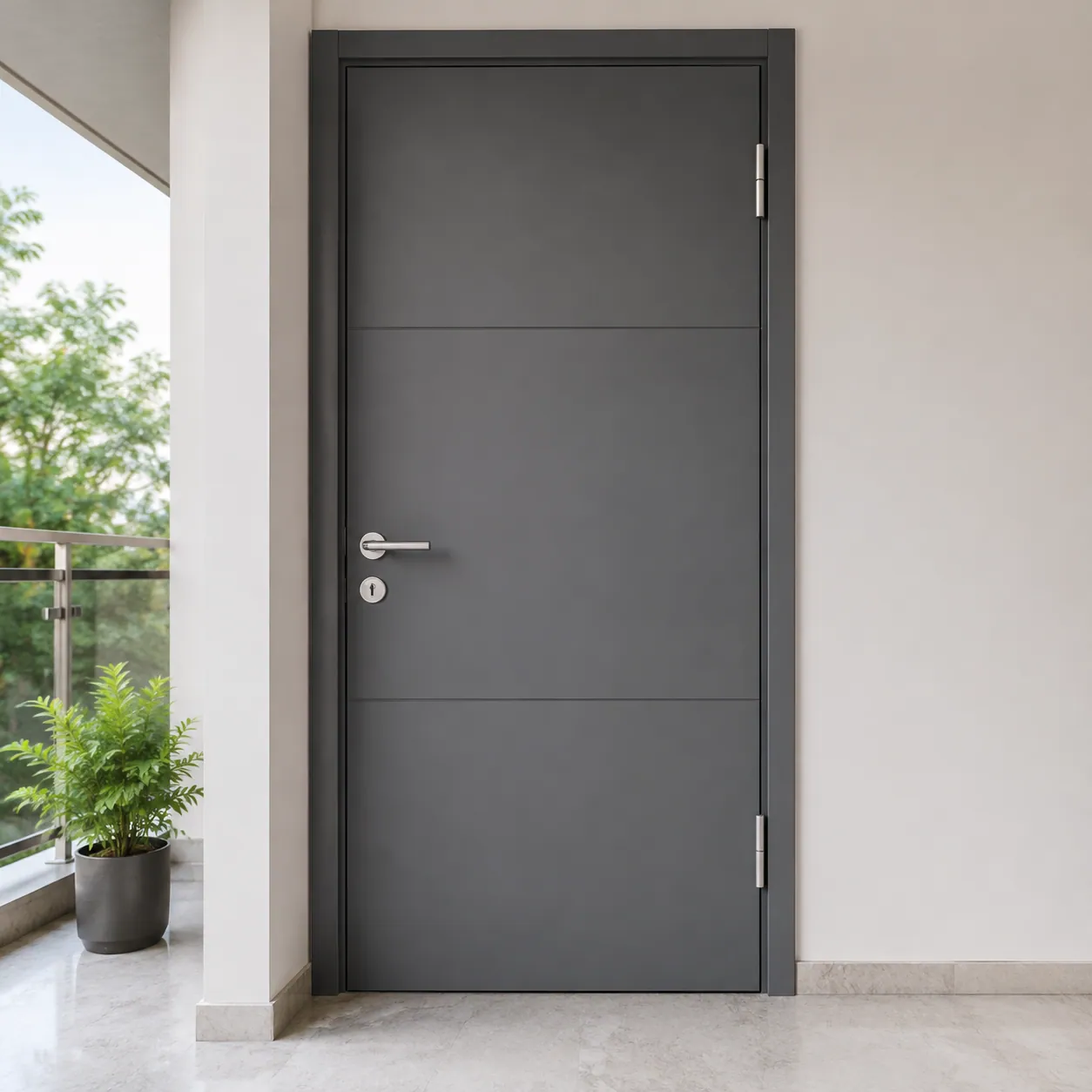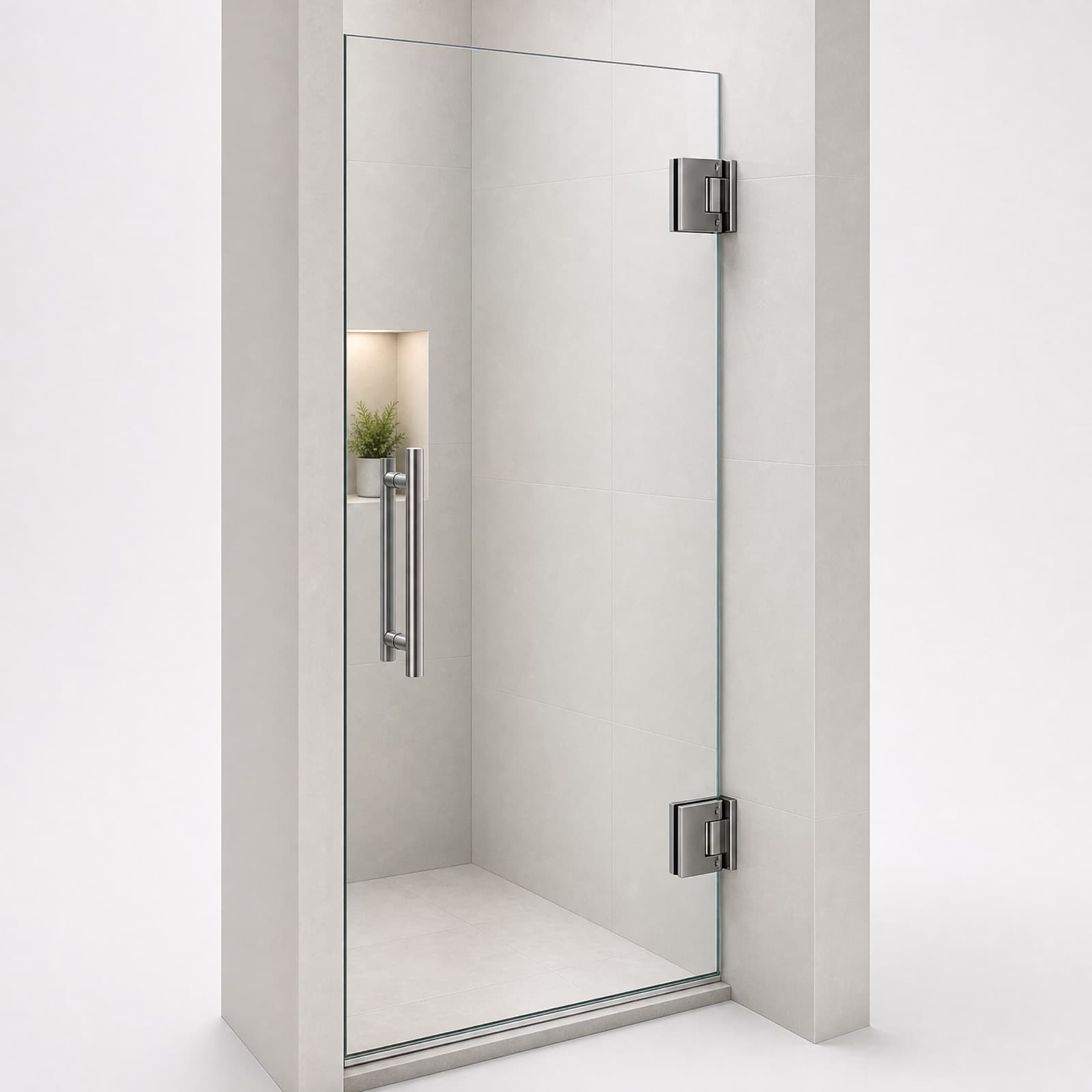
We stop doors leaking rainwater across Bengaluru. The doors that leak are the ones facing weather: balcony doors, terrace doors, utility doors, and the sliding doors that open onto them. In a driven Bengaluru storm, water arrives at the door's bottom line faster than most builders planned for, and it comes inside under the leaf, through the track, or past dead seals. The flooring inside swells, and every storm becomes a towel drill. We trace the entry, fix the drainage, and seal the line, from ₹1,900 per door.
The three entries at a leaking door
Under the leaf. The door's bottom gap faces a wet floor outside, and wind pressure pushes standing water through it in sheets. If the outside floor slopes toward the door, gravity helps the wrong side.
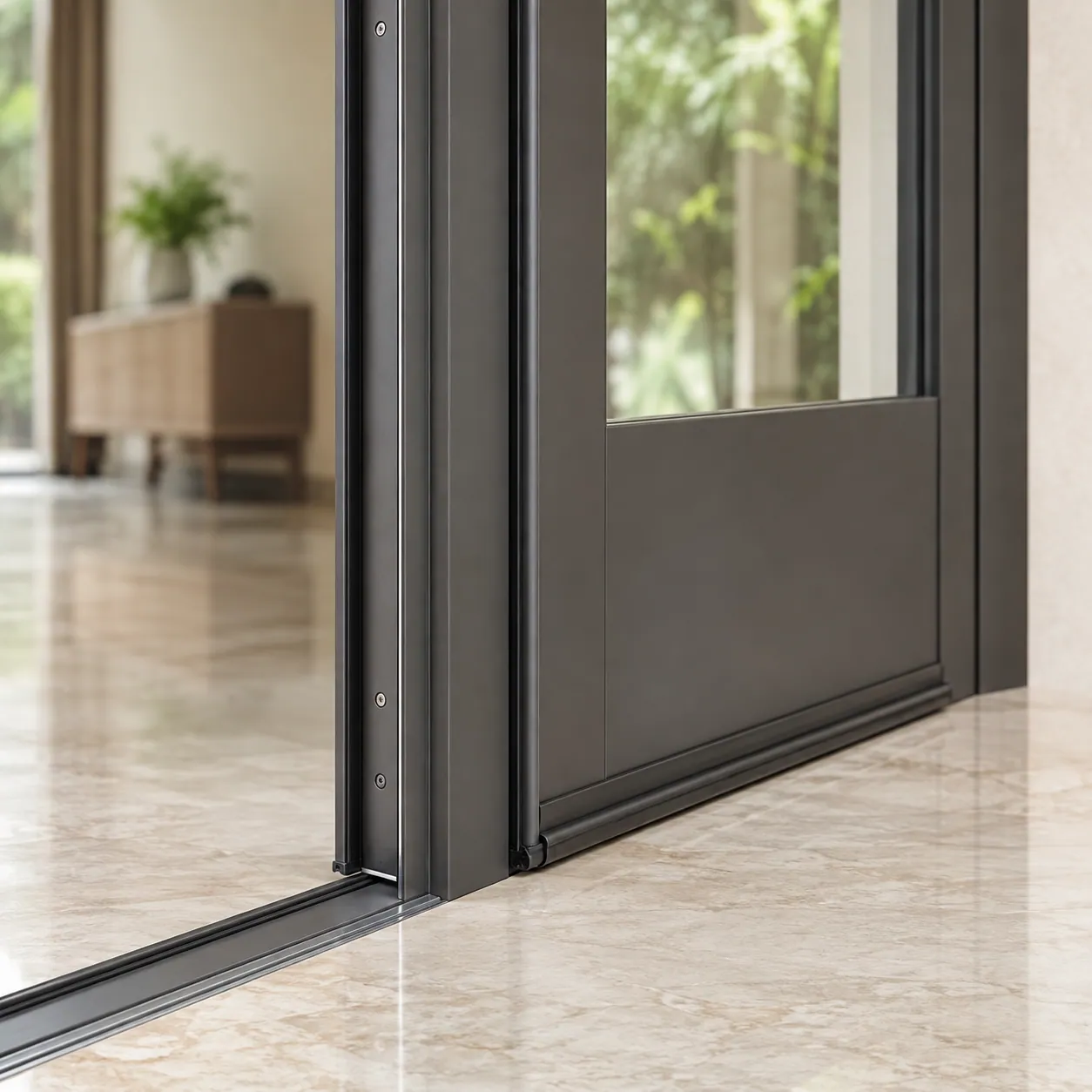
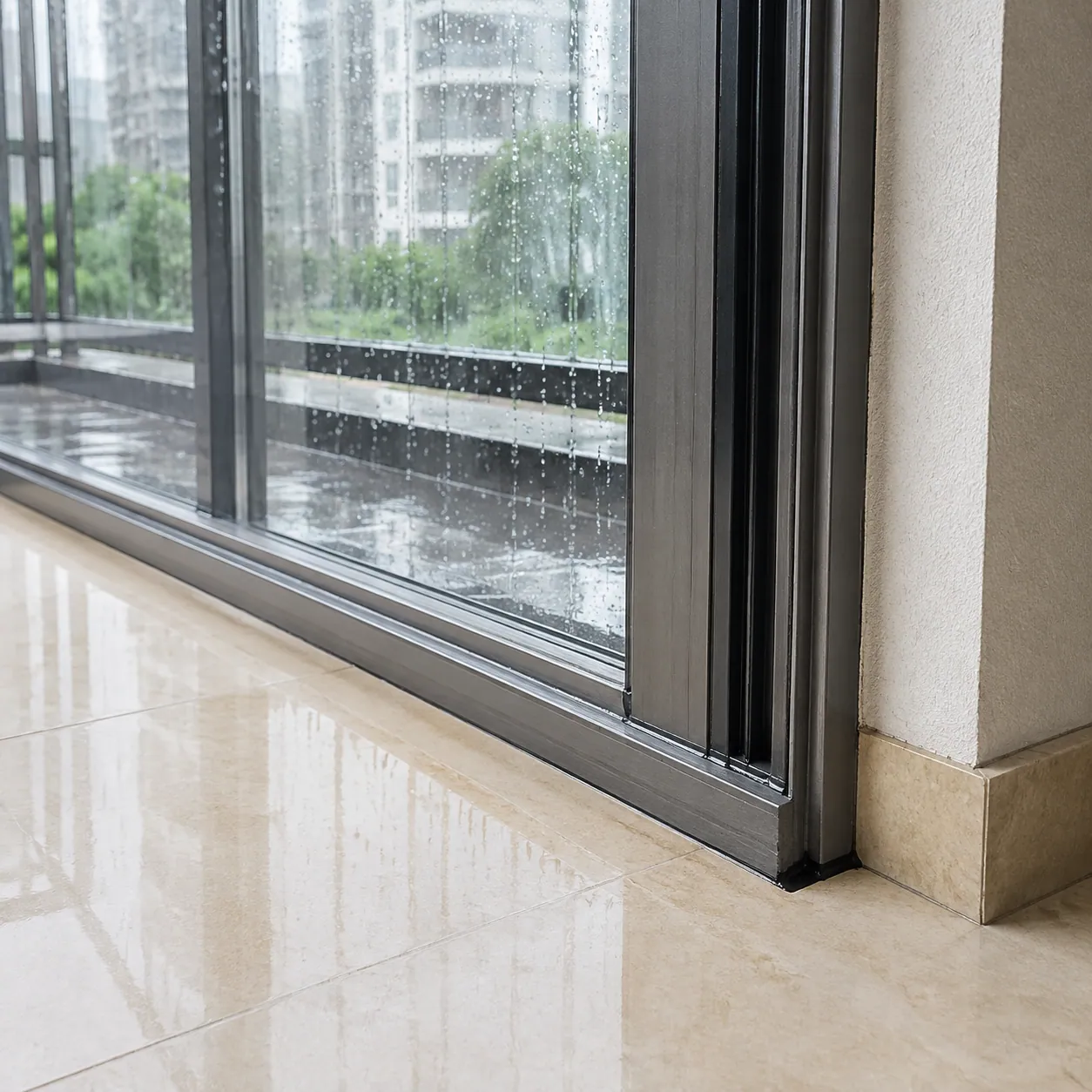
Through the track. Sliding door tracks collect rain exactly as window tracks do, and drain it through weep holes to the outside. Blocked holes fill the track until it overflows over its inner lip, which reads as a leak from nowhere.
Past the frame. The frame's joint to the floor and walls, and its own seals, age like any others, and driven rain finds the failures.
A leak can use more than one entry in the same storm, which is why guessing fails and tracing works.
Water management, not just water blocking
A weather door cannot be sealed like an aquarium, because it must still open. The design answer is management: keep most water away, drain what arrives, and seal against the remainder.
Keeping it away is the outside floor's job: slope, and a sill or water bar that breaks the sheet flow at the door line. Where a sill has been ground flat or was never fitted, we fit one.
Draining is the track's job on sliders. We clear and enlarge weep paths so the track sheds water outward faster than a storm fills it.
Sealing handles the rest: bottom sweeps rated for exterior use, side and head seals, and the frame line siliconed to the structure. Layered this way, each element does a manageable share, and the floor inside stays dry through a proper storm.
The visit, and the hose in the plan
We start outside, reading levels: where water lands, where it flows, where it stands. A spirit level on the outside floor near the threshold explains many leaks in one minute.
Then the hose, run deliberately at the door's outside face and floor, while watching inside. The entry declares itself: the wet line under the leaf, the track lip overflow, the frame corner darkening.
Then the fixes, matched to the entries found: sill fitted or built up, weep paths cleared and proven, exterior sweeps and seals fitted, frame line cut out and resealed with weather-grade material.
And the hose again at the end, harder and longer than any natural storm, while the floor inside stays dry. That second hose run is the handover.
Cost and timing
Tracing and repairing one leaking door starts at ₹1,900, covering the assessment, drainage work and sealing. A threshold sill or a drop seal, where the door needs the hardware, is priced as its part on top, agreed before fitting.
Book in dry weather if the leak is a known annual visitor: sealants want dry surfaces and cure time, and pre-monsoon is this job's natural season. Active leaks in the wet season are still very repairable in the dry gaps, and a door pouring water into a wooden-floored room should not wait for October.
Balcony doors on the same face of the building age together, so pairs are common bookings, and the visit stretches over both.