We repair windows that will not close or will not open across Bengaluru. A window like this is a fault a house quietly absorbs: the room gets warmer and staler, and everyone stops trying the latch. Windows jam for findable reasons. A track packed with grit, rollers seized after a monsoon, a swollen frame pressing the shutter, paint gluing a casement shut, or a latch broken inside its case. Forcing the glass is the one wrong answer. We find the reason, free the window, and fix what jammed it. The visit is ₹1,500, covering up to 90 minutes.
Never force a stuck window, and what to do instead
A jammed window tempts everyone to push harder, and the pushing hand is usually flat on the glass. Glass takes even pressure well and point pressure badly, and a pane flexing against a seized frame is how stuck windows become broken windows, sometimes into the hands doing the pushing.
Until the visit: stop using the glass as a handle. If you must try, work the frame edges only, gently, and stop at real resistance.
Tell us what the window did in its last weeks, whether it stiffened gradually or stopped overnight, and whether rain came before the jam. Gradual means wear. Overnight usually means something has shifted, swollen or broken, and the two get different first moves on the visit.
The usual suspects, window by window
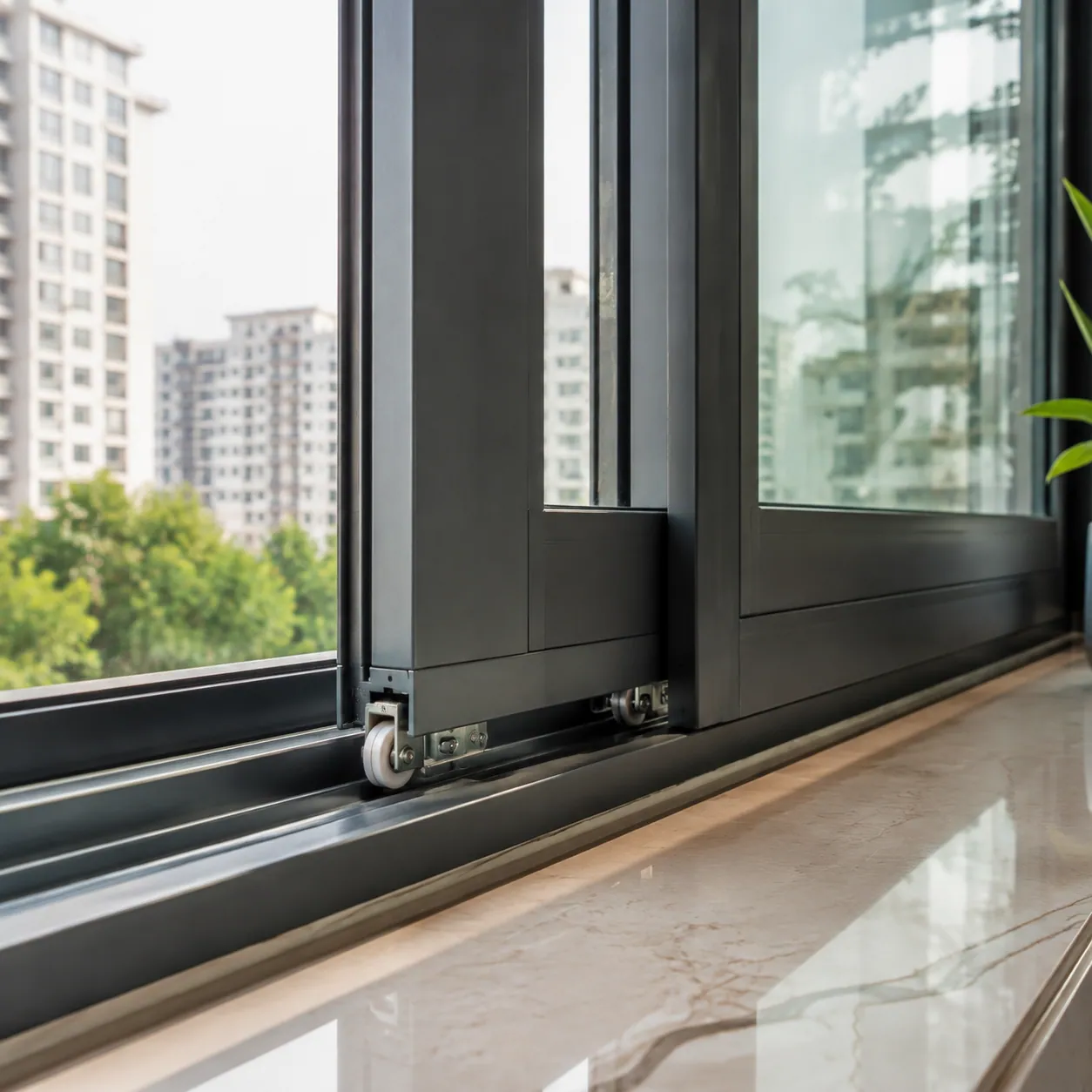
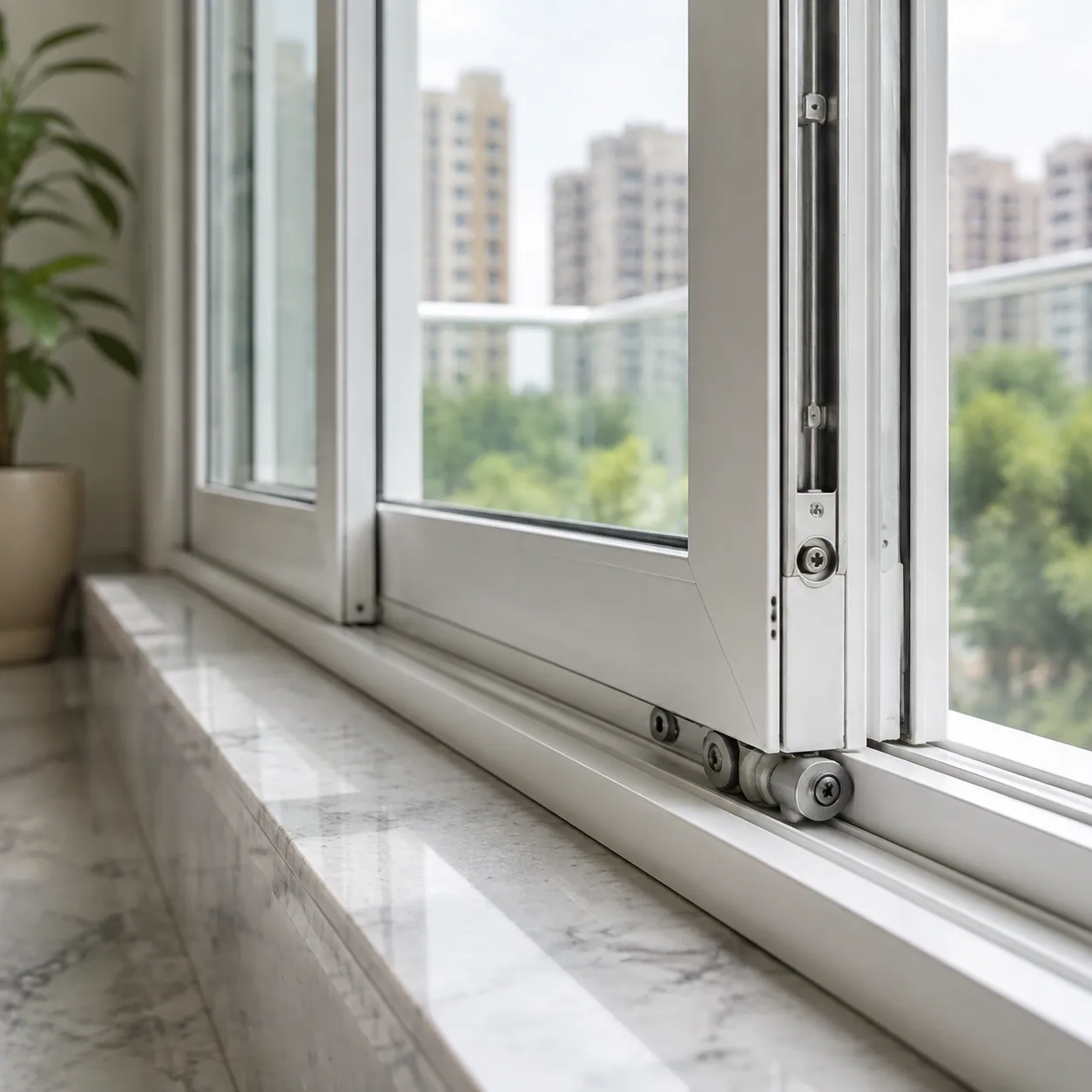
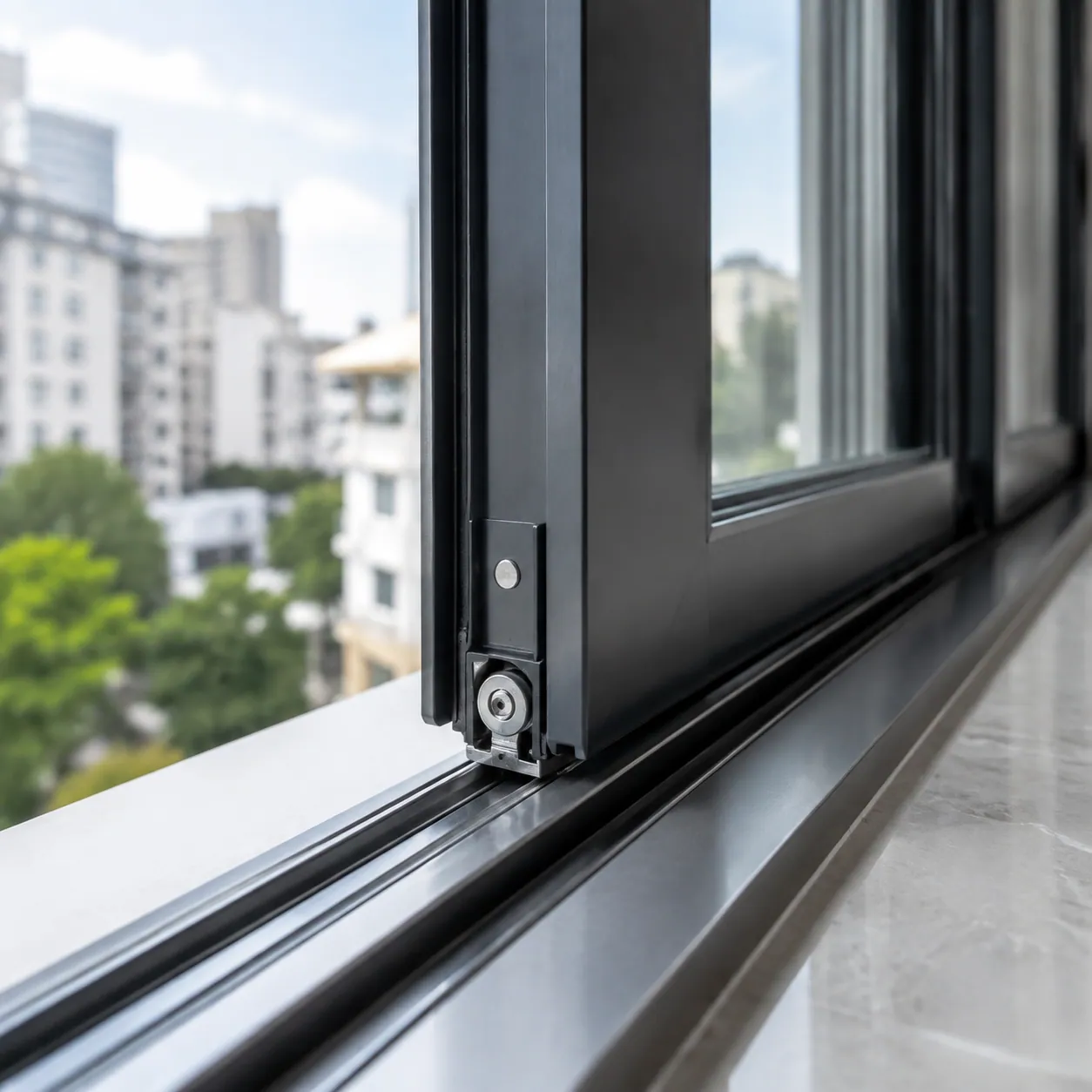
Sliding windows jam from below: a track so packed with grit the rollers plough instead of roll, or rollers seized outright after standing water. Both are freed and then properly repaired, not just shoved past the tight spot.
Casement windows jam at their edges: paint sealing the shutter to the frame after a repaint, hinges rusted solid, or a friction stay bent by a gust that flung the window wide.
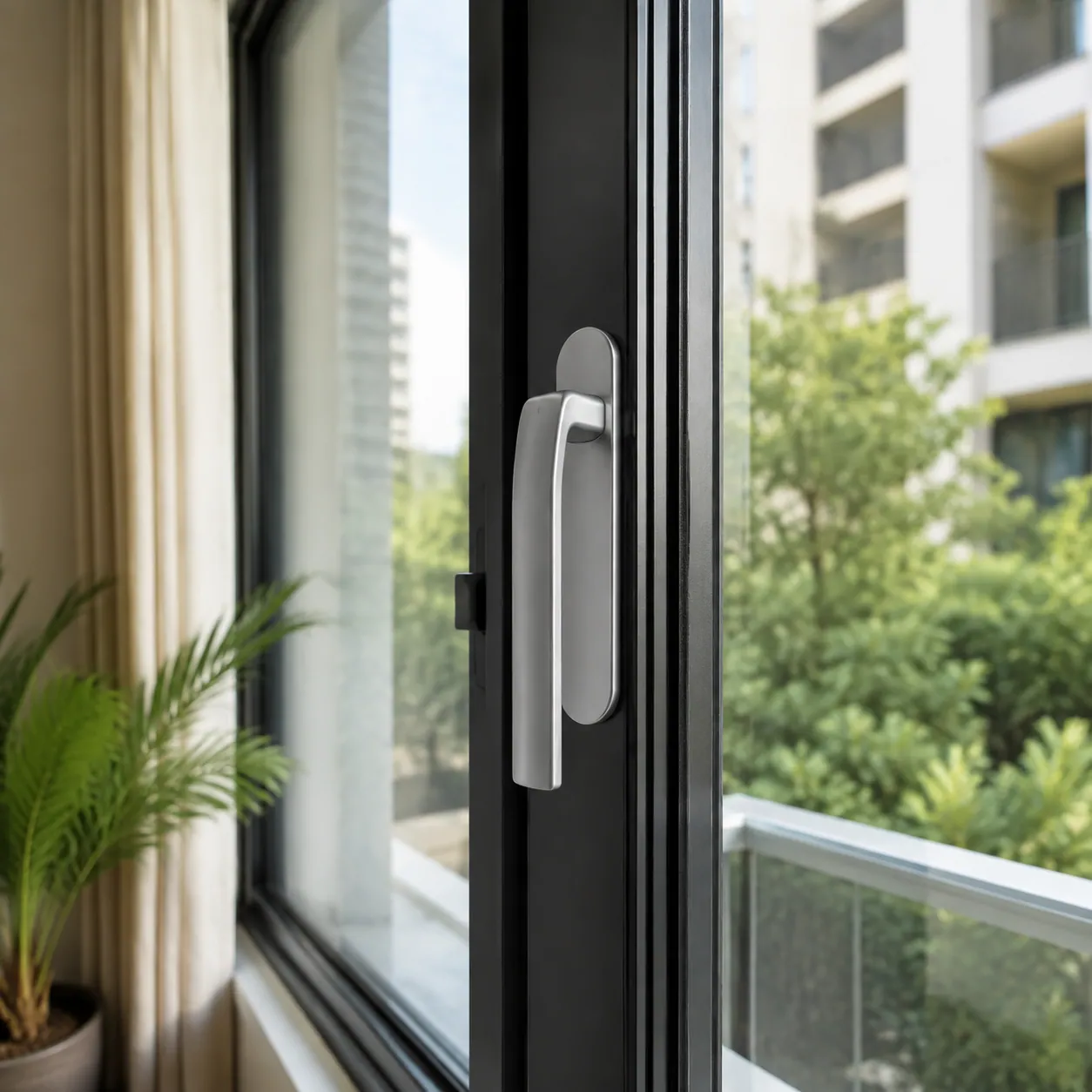
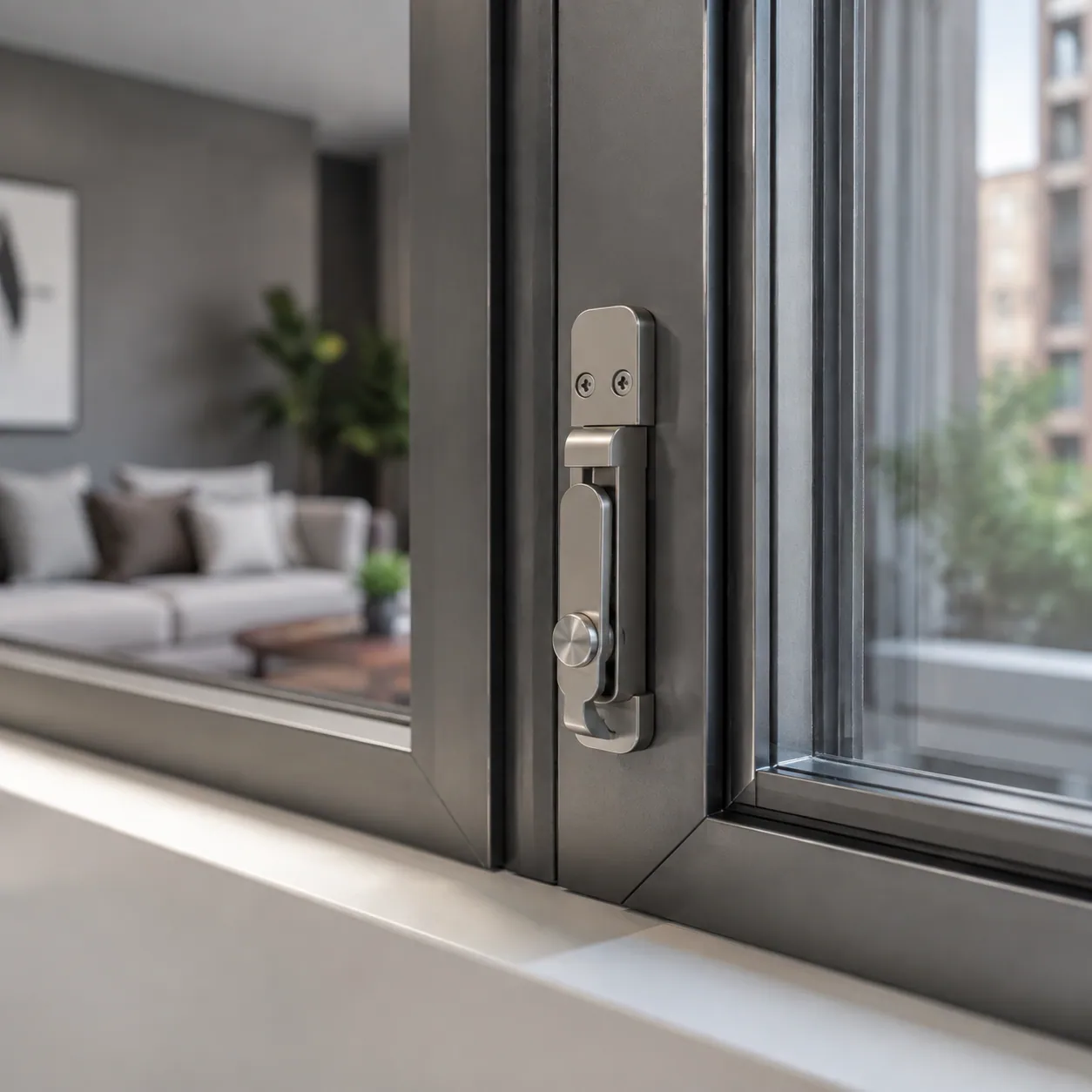
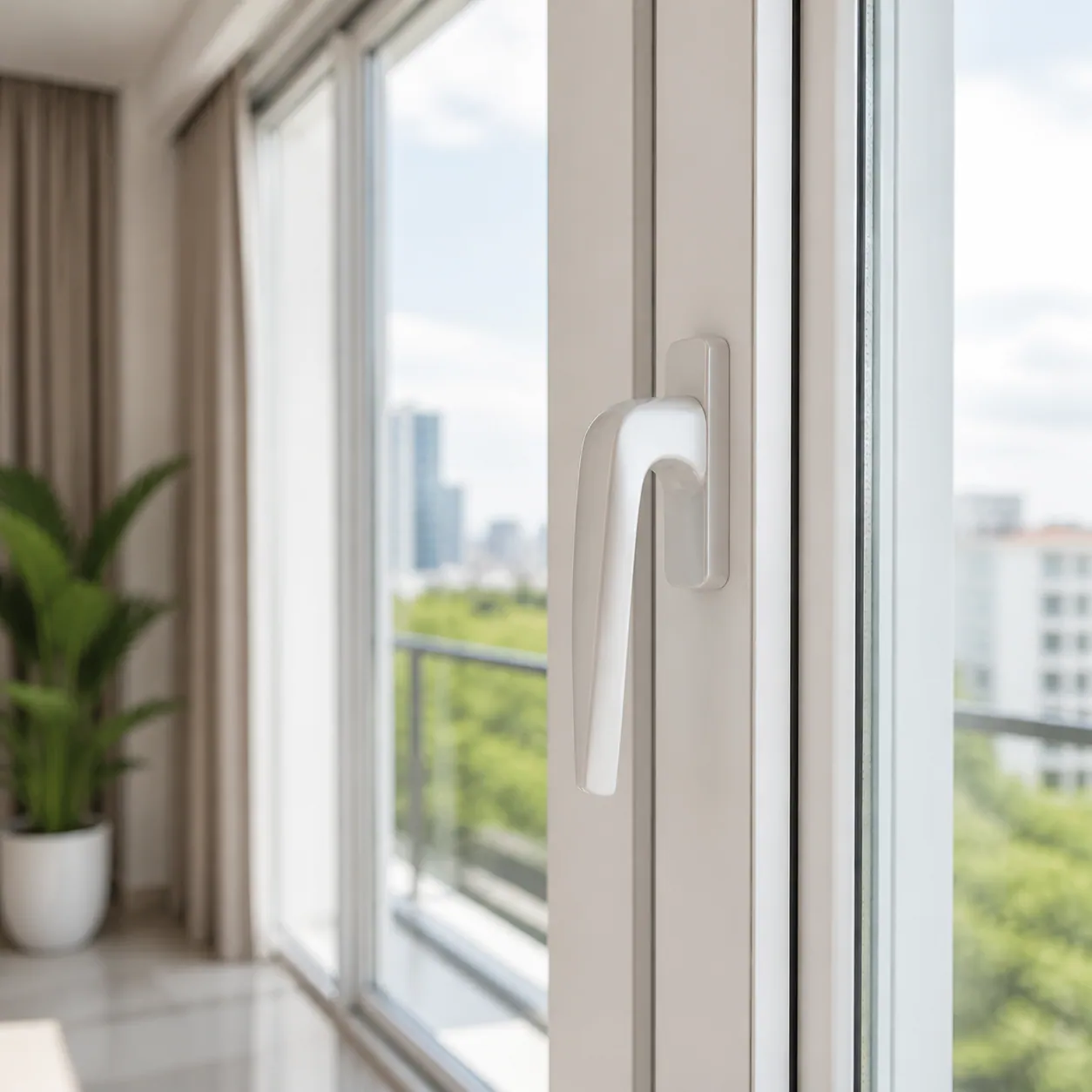
Any window can jam from a broken latch, where the catch stays engaged no matter what the handle does. That one is invisible from outside, and it is why a window that feels locked shut sometimes is exactly that.
Old aluminium sliders have one more: a shutter that jumped half out of its track and wedged. Those need easing back in a particular order, and force in the wrong order breaks the glass.
How a freeing visit runs
We identify the jam before applying any strength. Track and rollers inspected, edges sighted for paint bonds and swelling, latch worked directly if it is suspect. The window tells you where it is held if you look before you pull.
Then the freeing: the bond cut, the track cleared, the seized part released, the wedged shutter eased home. Done right, this is quiet, patient work.
Then the actual repair, because a freed window is not a fixed one. The track gets cleaned and dressed, dead rollers are replaced at their fixed price, a broken latch is changed, painted edges are eased and waxed so they cannot re-bond. The window ends the visit opening and closing sweetly, which is the standard a freed window should be held to.
The visit price, and what parts add
The visit is ₹1,500, covering travel and up to 90 minutes, and most stuck windows are freed and fixed well inside it.
Parts, when the jam was a died part, are at their usual fixed prices: window rollers per pair, a latch or handle each, and so on. You approve any part before it goes in.
A window that has been stuck for years sometimes hides a second fault behind the first, and the freed shutter reveals worn rollers or a bent guide. Everything found gets named and priced in the same visit, so the window is done properly once, rather than freed annually.