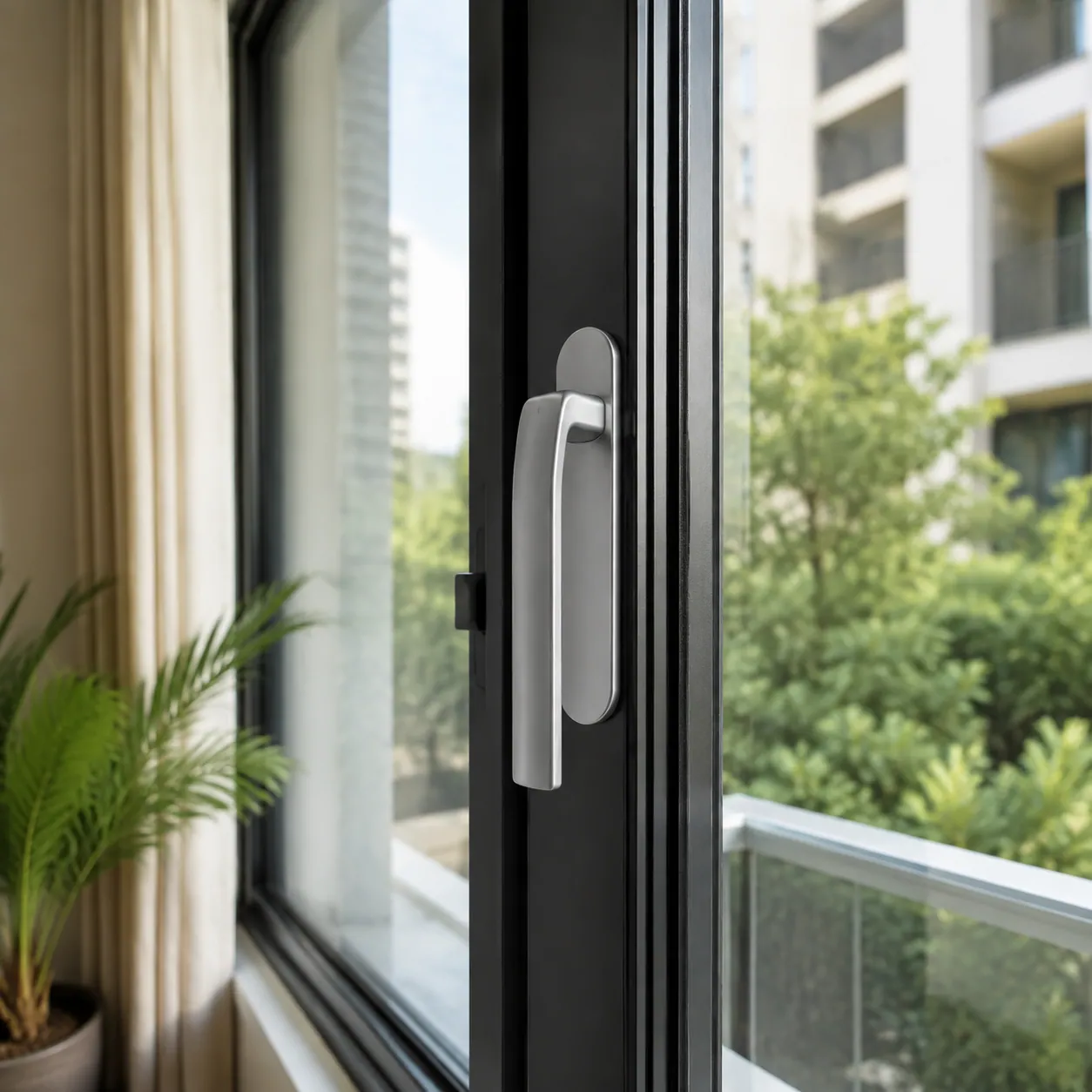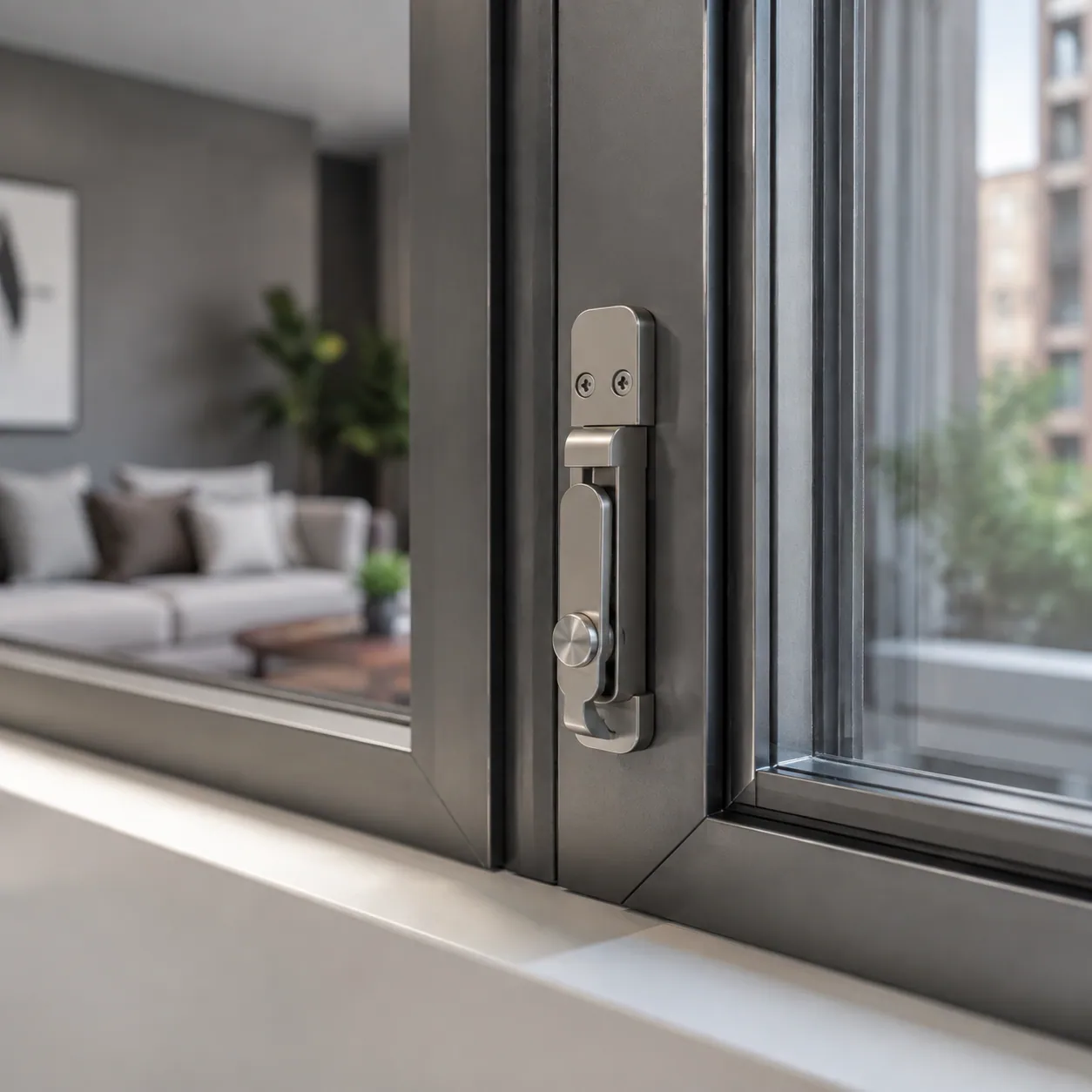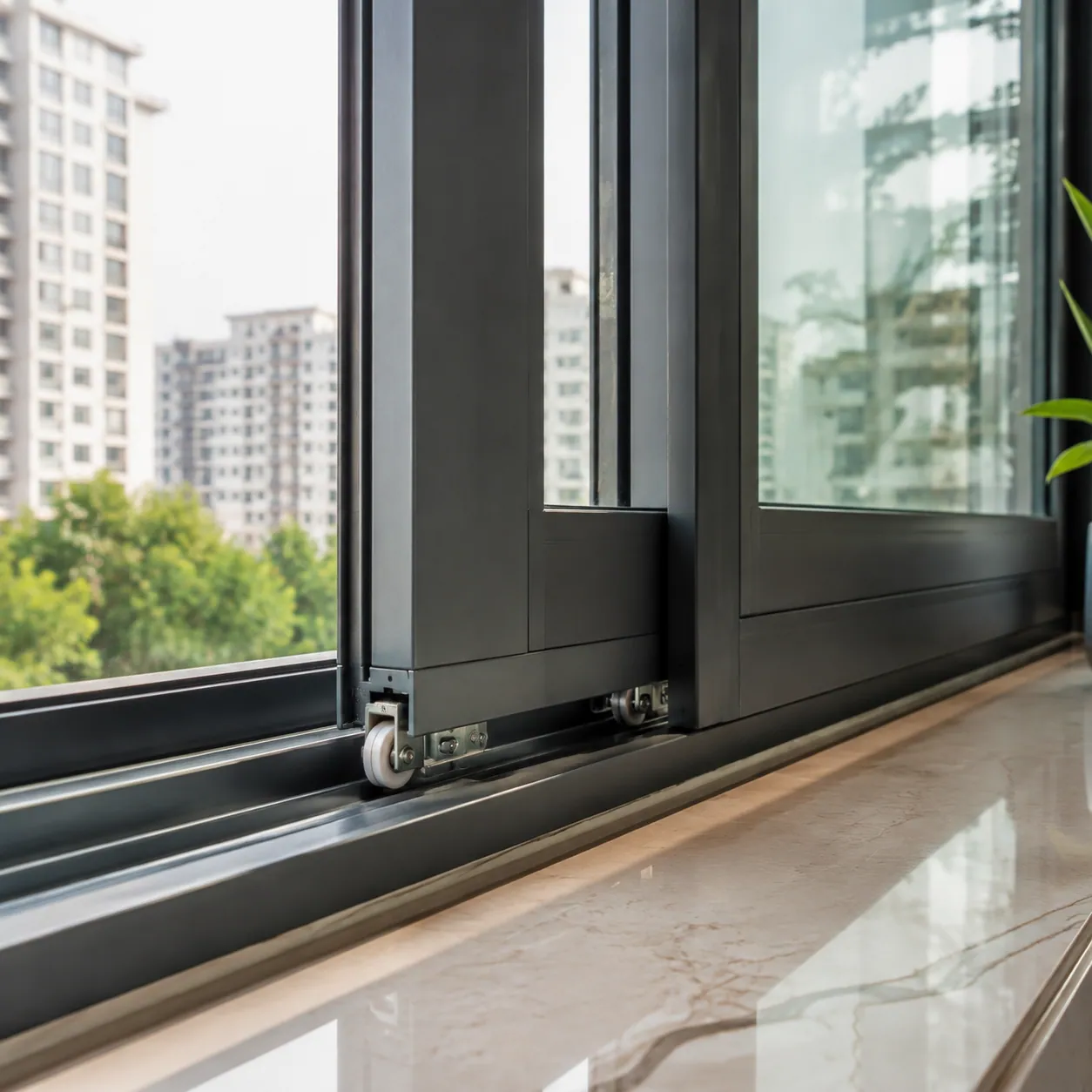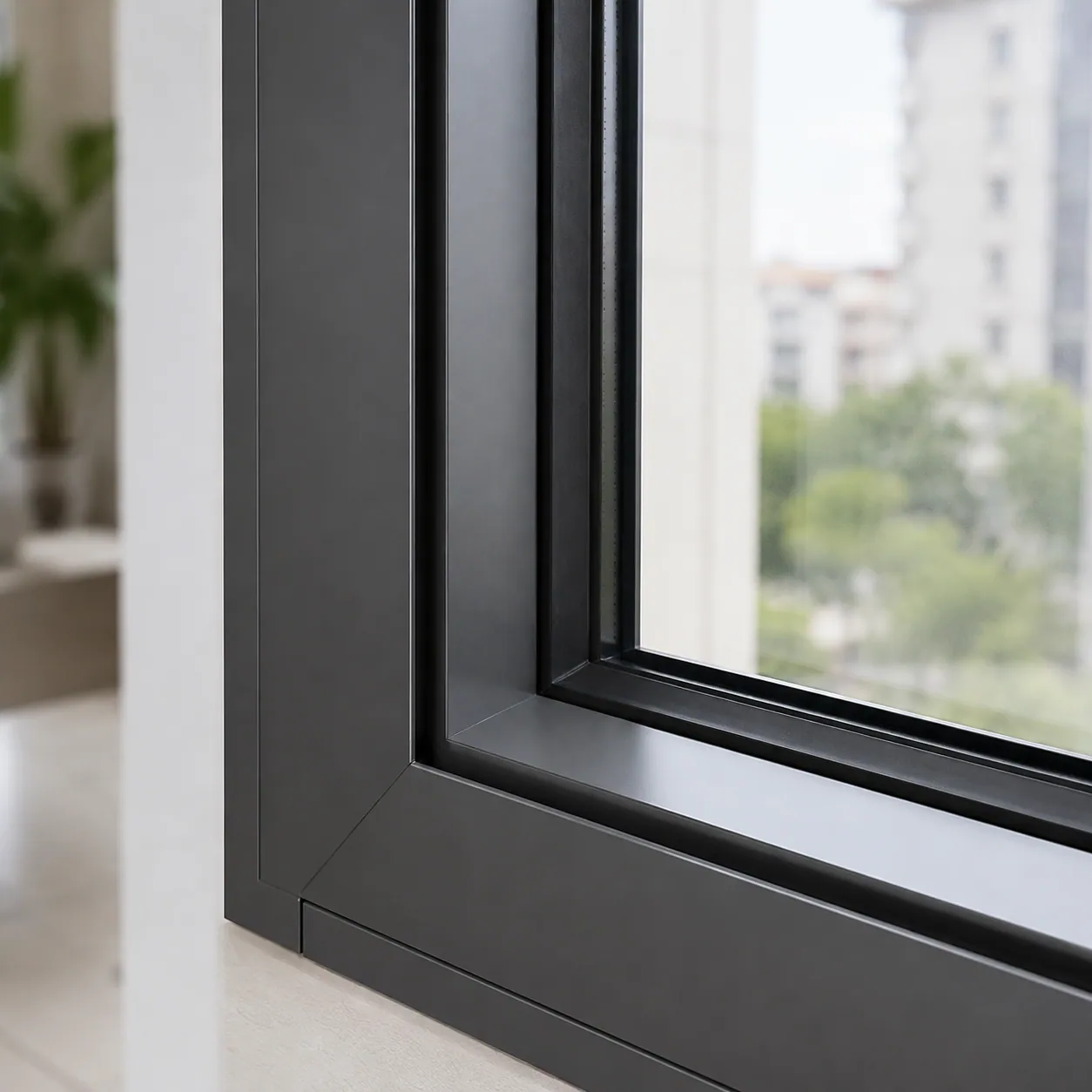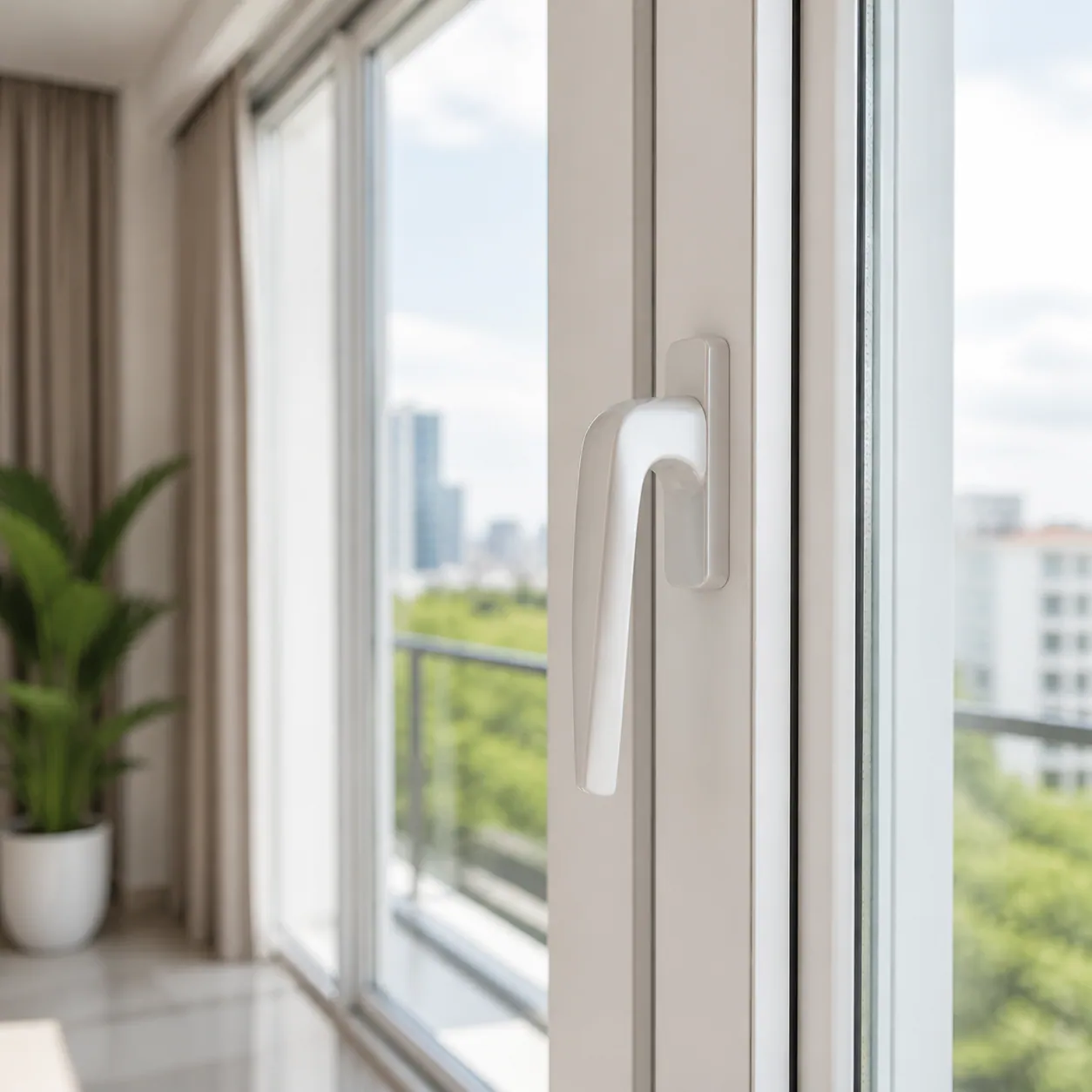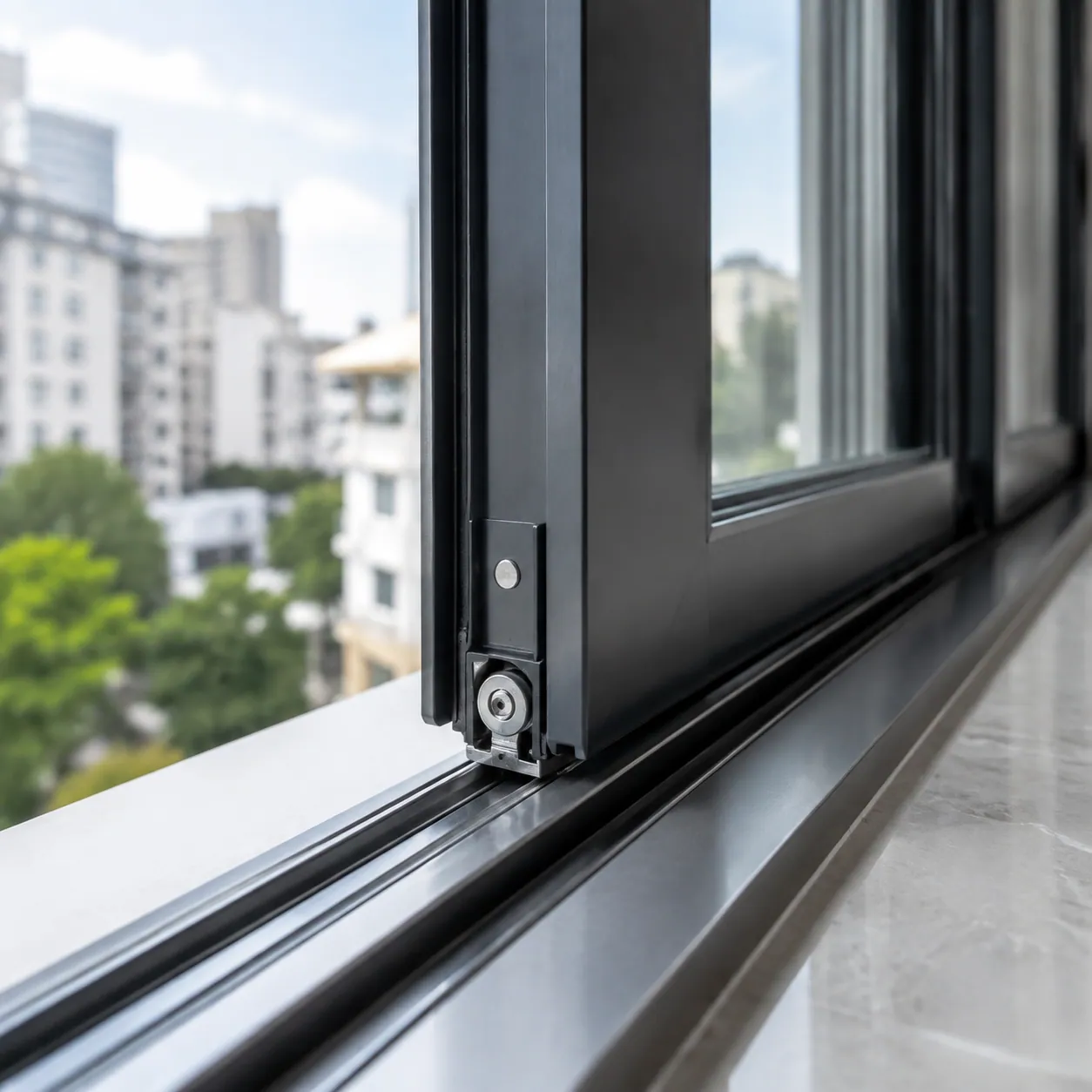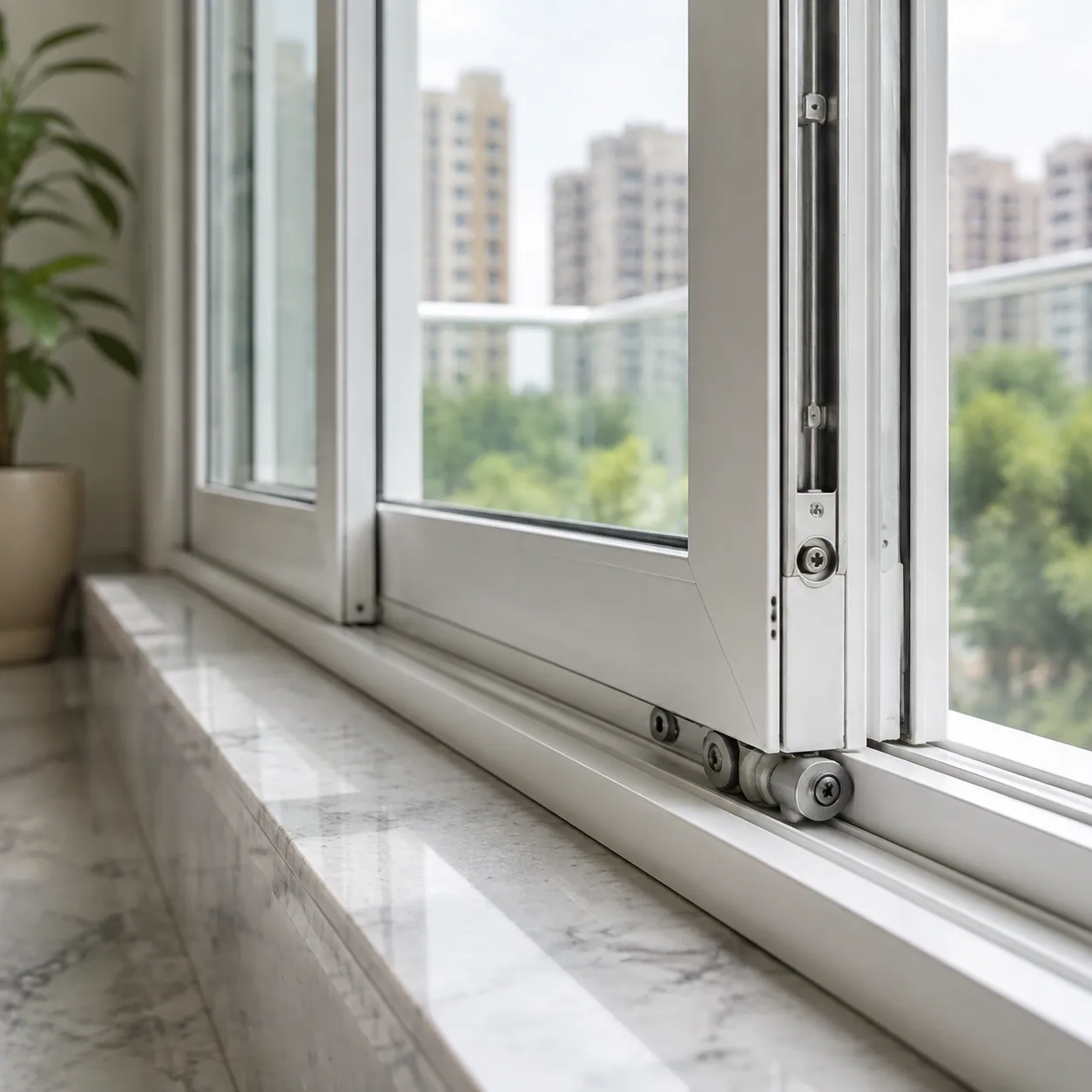
We replace uPVC window rollers across Bengaluru. uPVC sliding shutters are heavier than aluminium ones. The frames are thicker, and much of the glass is double-layered, so the rollers underneath work harder from day one. When they wear, the shutter drags, tips out of square, and stops meeting its seals, and the window loses the tightness that is uPVC's whole point. Rollers matched to your window's track profile, fitted and height-set, start at ₹1,100 a pair.
Why uPVC sliders are hard on their wheels
A typical uPVC sliding shutter weighs half as much again as its aluminium cousin, and with double glass, often double. All of that rides on two small tandem rollers.
The rollers are up to it when healthy: most uPVC systems use twin-wheel bogies with proper bearings. But dust and monsoon water reach them the same way they reach any window, and bearings under heavy load fail faster once grit is inside.
The extra weight also punishes delay. A heavy shutter dragging on dead rollers chews its track quickly, and it strains the interlock, the meeting rail that pulls the two shutters together. Roller wear on uPVC deserves earlier attention than most people give it.
What failing uPVC rollers do to the seal
uPVC windows earn their keep by sealing: brush and rubber seals all round, pressed tight when the window closes. That pressing depends on the shutter sitting at exactly the right height and angle.
Worn rollers drop the shutter a few millimetres, and the geometry goes. The interlock at the meeting rail stops engaging fully, the lock reaches its keeps at a strain, and daylight appears at a corner that used to be tight. The room gets dustier and louder while the window still technically works.
So a uPVC roller job is really a sealing job. New wheels are half of it. Setting their height until the shutter meets every seal evenly again is the half that brings the window back.
Matching rollers to a system, not just a size
uPVC systems each shaped their own track and bogie, more so than aluminium ever did. The roller that fits one brand's track can sit wrong in another's by a millimetre that matters.
We identify the system first, from the profile and the old bogie, and fit the pattern that belongs. We stock the common patterns used across Bengaluru's builds of the last twenty years, and source the rarer ones quickly.
The shutter comes out, new bogies go into the bottom rail, and the track is cleaned and its drains cleared, the same discipline as every slider we touch. Then the height screws are set: level shutter, full interlock engagement, lock landing without strain, seals kissed evenly all round.
Cost and the pair-by-pair logic
A pair of uPVC rollers, supplied, fitted and height-set, starts at ₹1,100. Heavier double-glazed shutters sometimes take the heavier-rated bogie, priced as the part.
A two-shutter window is usually two pairs. As with all our window work, extra shutters on the same visit stay at the per-pair rate, and the visit is the fixed cost worth spreading.
The end-of-job test on a uPVC slider is stricter than on aluminium: glide with one finger, yes, but also full seal contact and a lock that turns without force. That last turn of the handle is the real receipt for this repair.