

Is this the right service for your job?
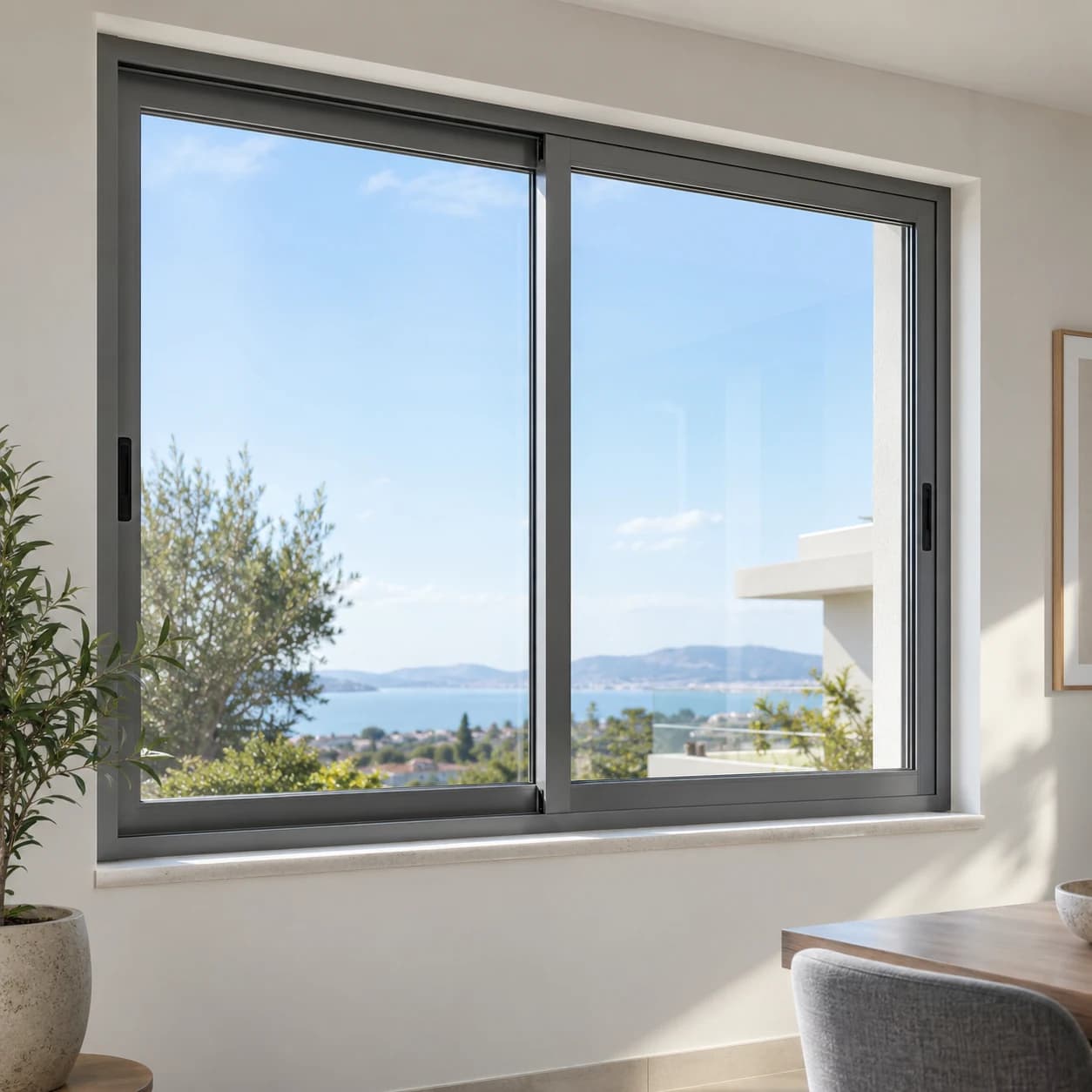
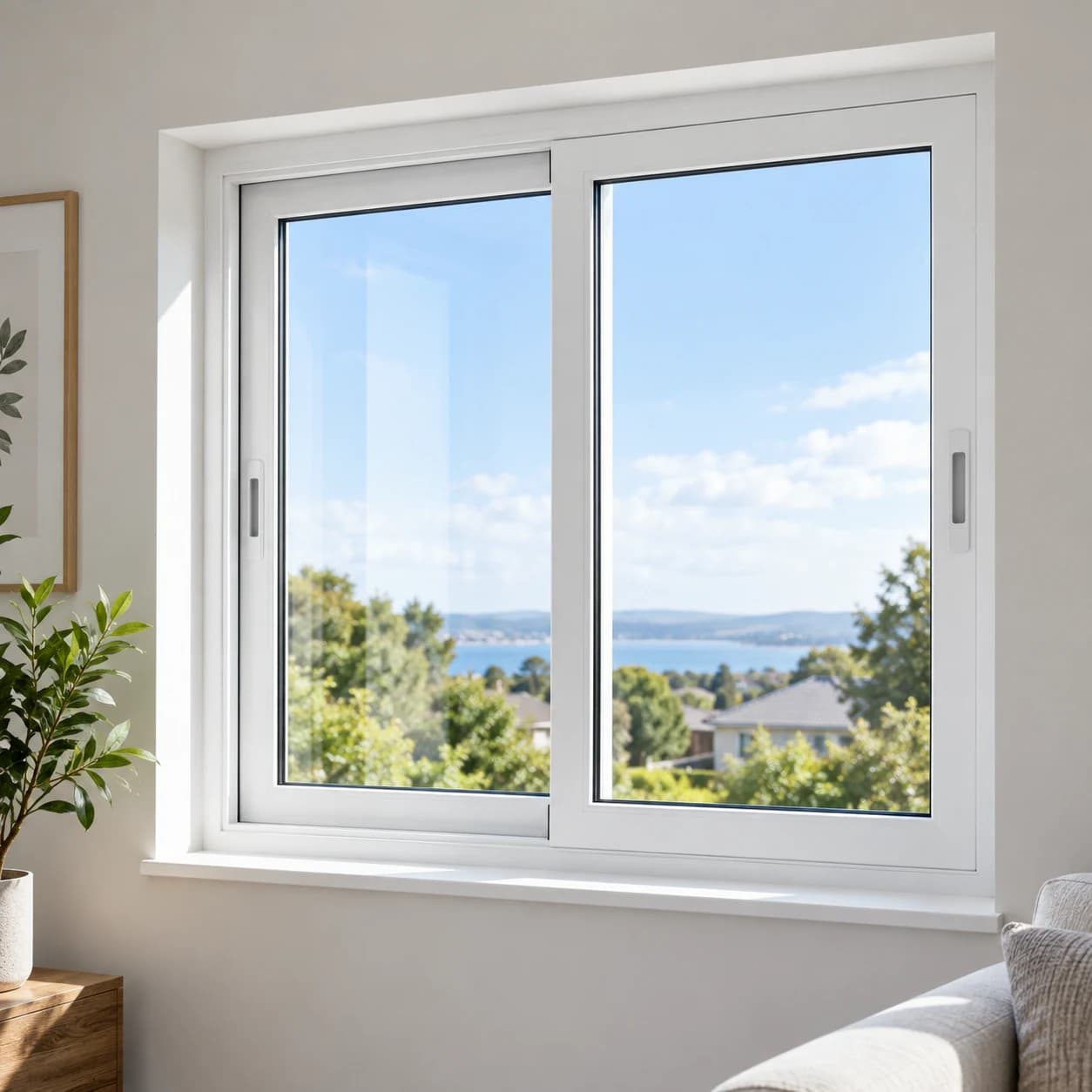
Choose this when a sliding window still moves but drags, rattles or sits unevenly.
- If worn wheels are confirmed on an aluminium window, see the Aluminium Window Roller Replacement. It replaces that roller pair and sets the shutter height.
- If worn wheels are confirmed on a uPVC window, see the uPVC Window Roller Replacement. It matches the roller units to that window's track and weight.
Reading a bad slide
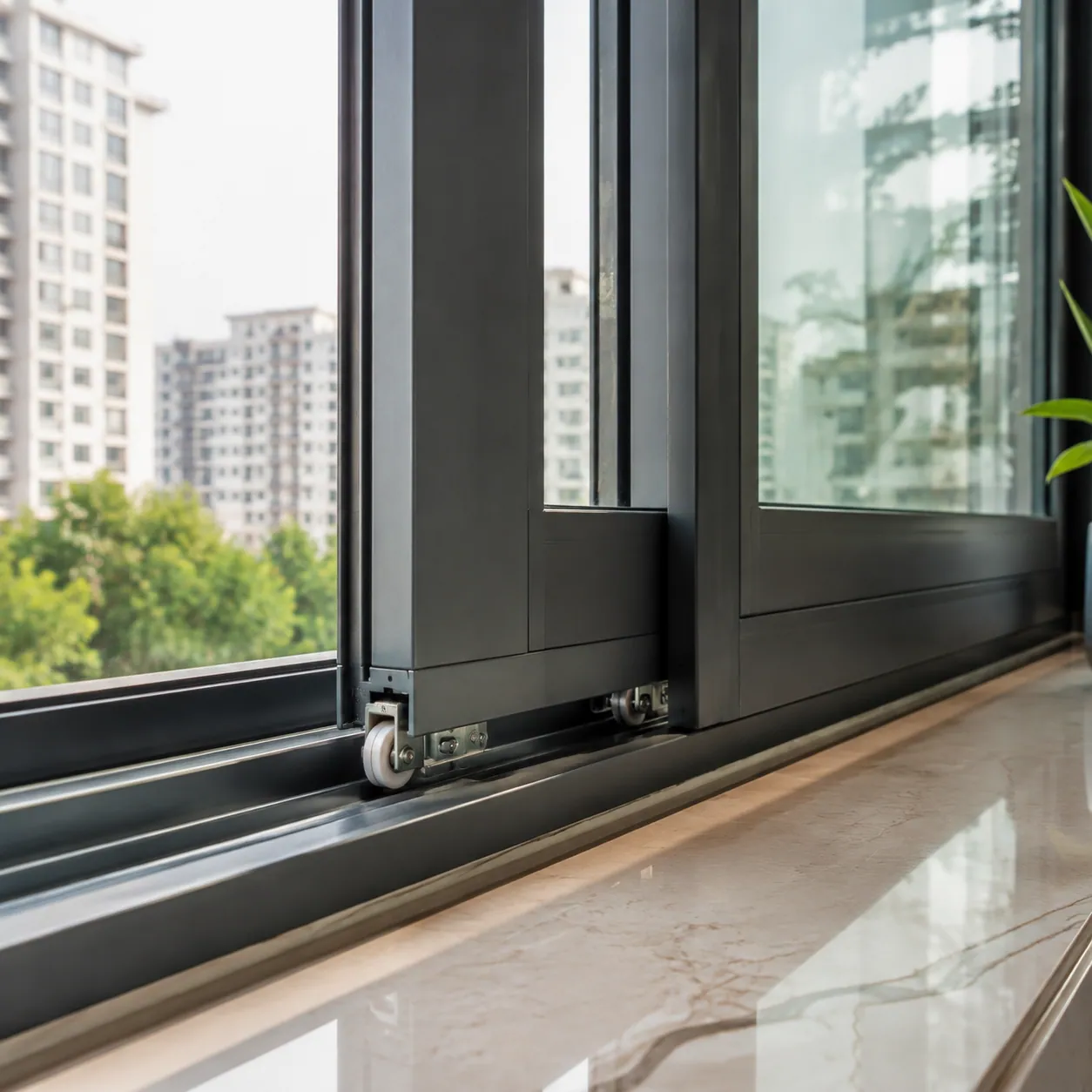
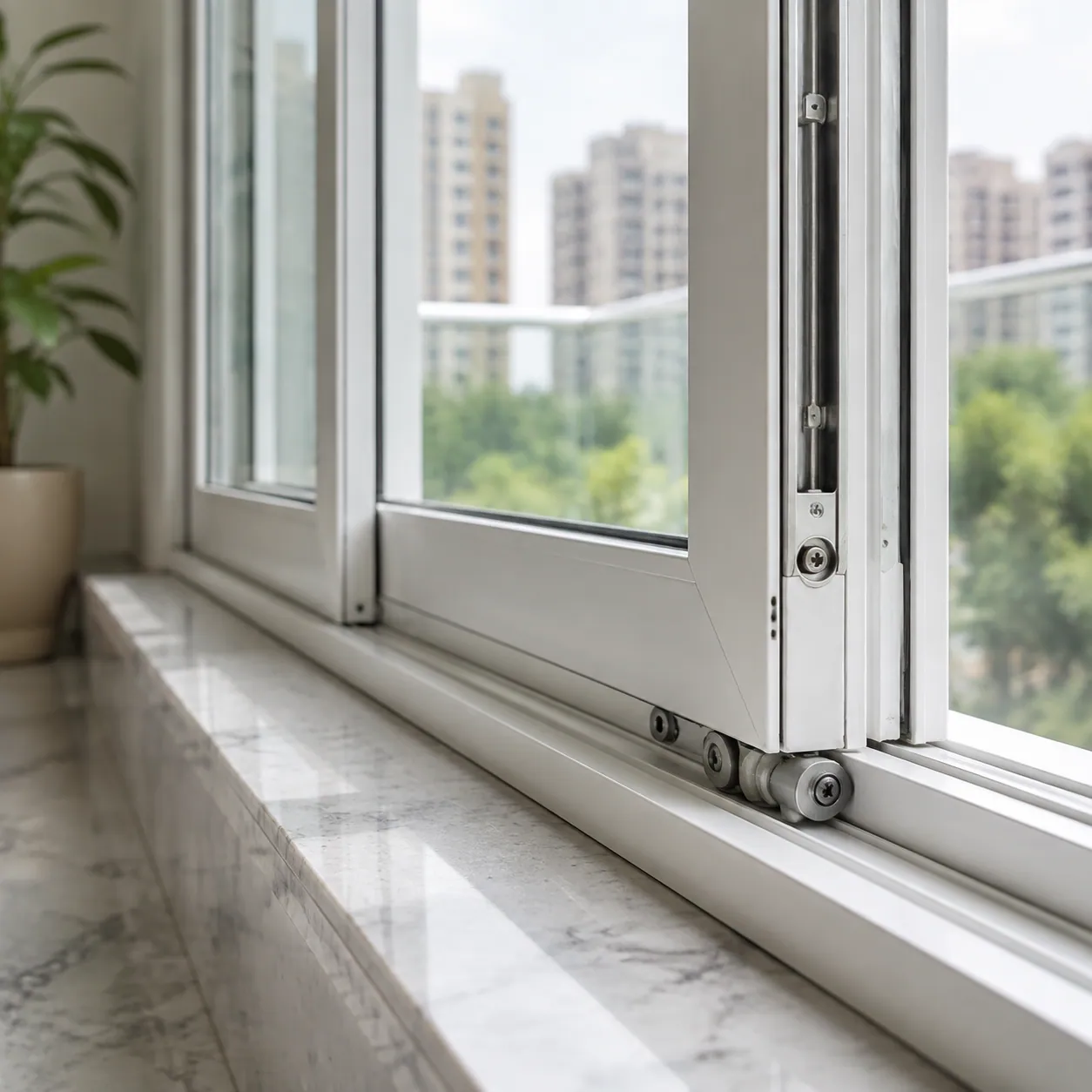
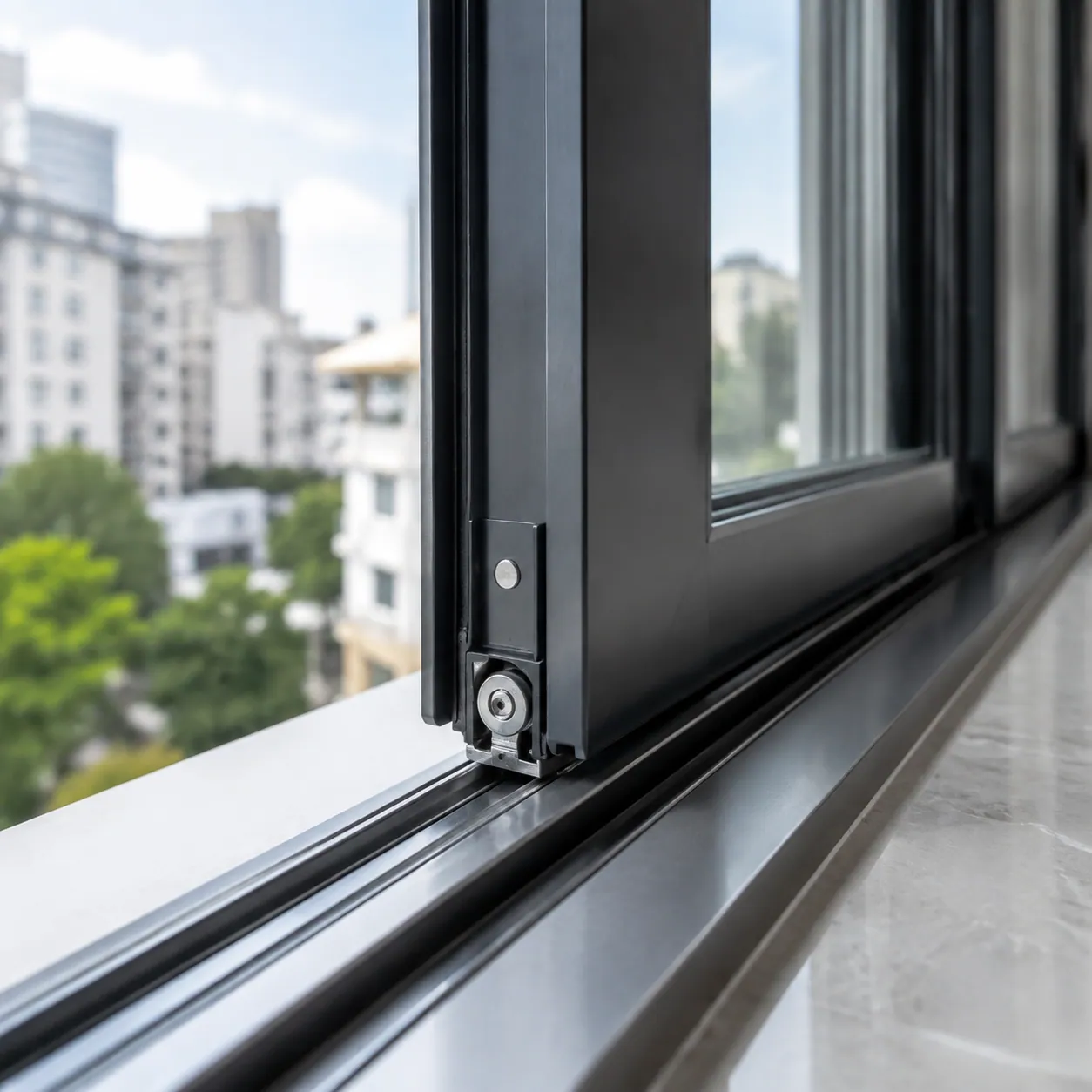
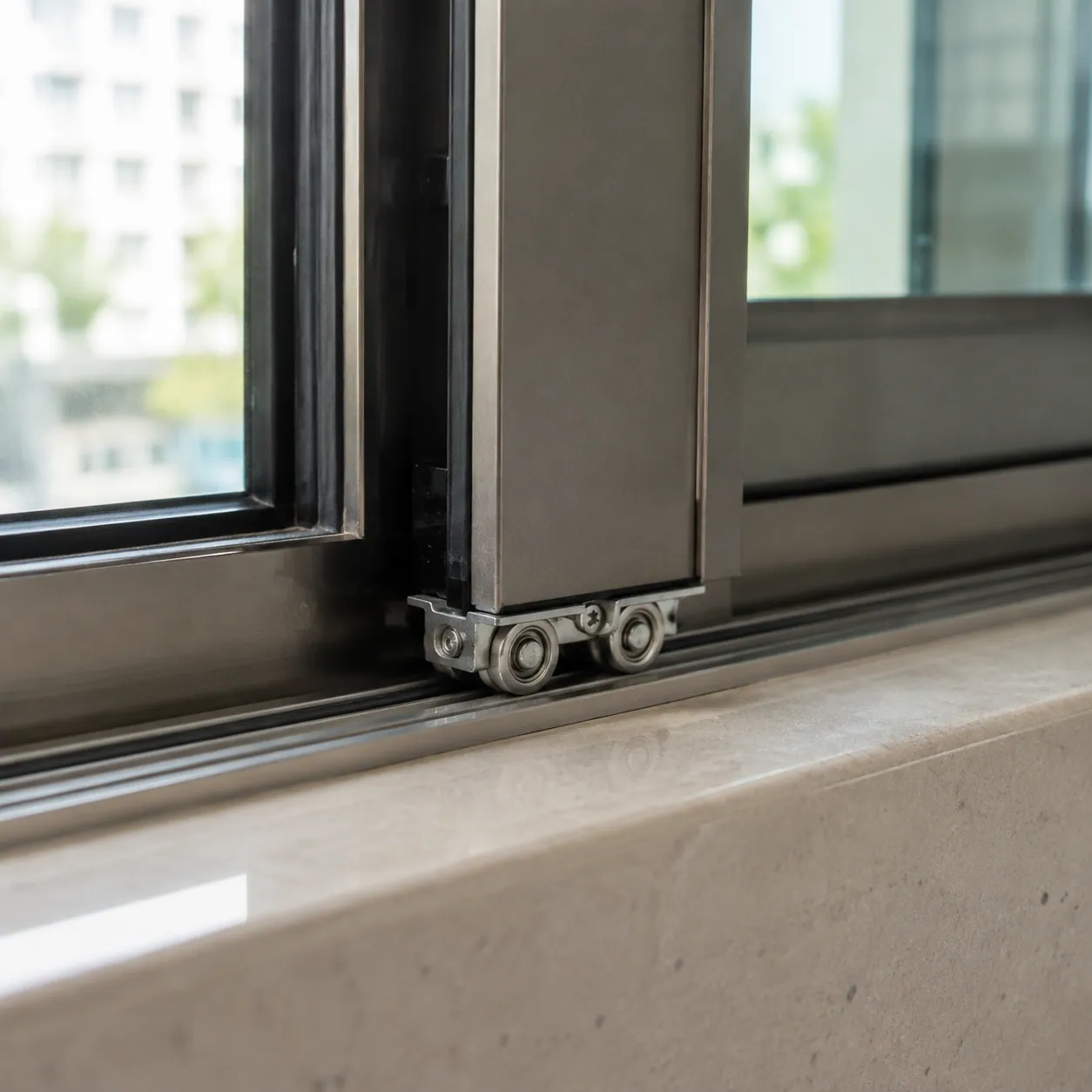
A sliding window has four things that decide how it moves: the rollers beneath it, the track they run on, the guides above, and the alignment of the whole shutter. Each fails with its own signature.
Judder, a rapid grip-and-release, is flat-spotted rollers turning like square wheels.
A catch at one repeatable spot is track damage, a dent or a ridge at that point.
Wandering, where the shutter drifts and scrapes a side, is worn guides letting it steer itself.
Heaviness through the whole travel, without judder, is a grit-packed track ploughing under the wheels.
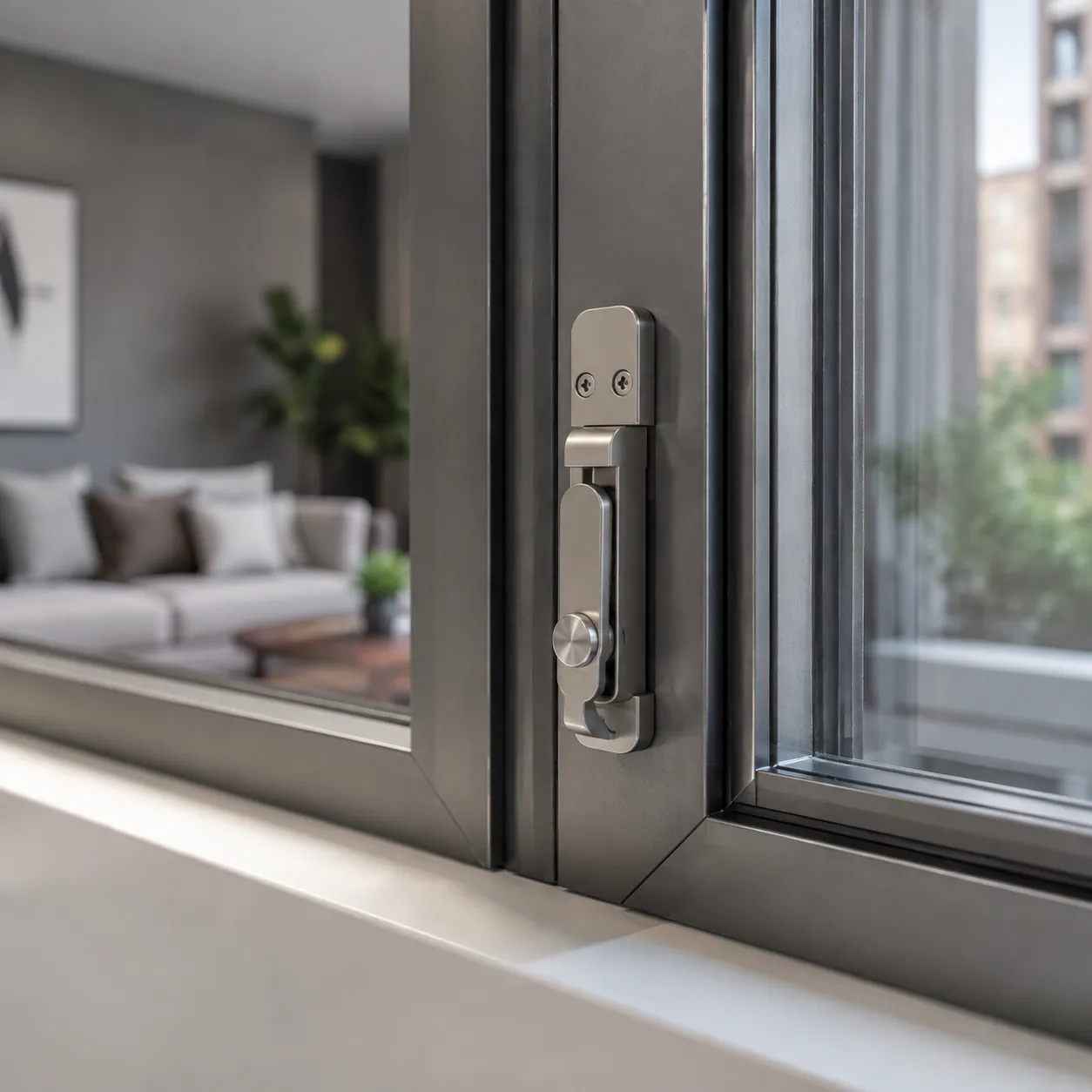
And a shutter that rocks noticeably when pushed has lost its top guidance and will eventually jump the frame. The symptom you describe on the phone usually names the repair before we arrive.
Why bad sliding gets expensive if ignored
A window sliding badly is a window grinding itself. Flat rollers score the track. A scored track chews the next set of rollers. A wandering shutter wears its own frame edges, and a rocking one strains the interlock and the latch at every use.
The repair grows accordingly. Caught at the judder stage, this is rollers and a clean. A year later it is rollers, track dressing and a guide rebuild. Two years on, the shutter is stuck, and freeing it is a job of its own before repair even starts.
Houses also adapt around bad windows, which is the hidden cost: the heavy window stops being opened, the room loses its breeze, and everyone forgets it was ever different. A single visit is often enough to bring it back.
The one-visit repair
Everything is checked in order, because sliding faults hunt in pairs. Rollers are spun by hand off the shutter, the track is sighted and felt end to end, the guides are checked for wear and grip, and the shutter's height and level are measured against the frame.
Then the fixes, cheapest first. The track cleaned and its drains cleared costs nothing beyond the visit. Dressing a rough length is visit work too. Rollers that fail the spin test are replaced at their per-pair price. Guides are reset or replaced. Finally the height adjusters are set so the shutter runs level and meets its latch without lifting.
The finish test is unglamorous and strict: the window run end to end twenty times, one-fingered, latching first time at every close.
What the sliding fix costs
The visit is ₹1,350, covering the diagnosis, the track work, guide resetting and alignment. Many badly sliding windows are cured by exactly that and no parts at all.
Where parts have genuinely worn, they are added at fixed prices, rollers per pair being the common one, and you approve each before it is fitted.
Two or three misbehaving windows share a visit well, and mixed bookings are normal: one juddering, one heavy, one wandering. Each gets its own diagnosis, and the visit price spreads across them, which is the economical way to bring a whole floor's windows back to gliding.