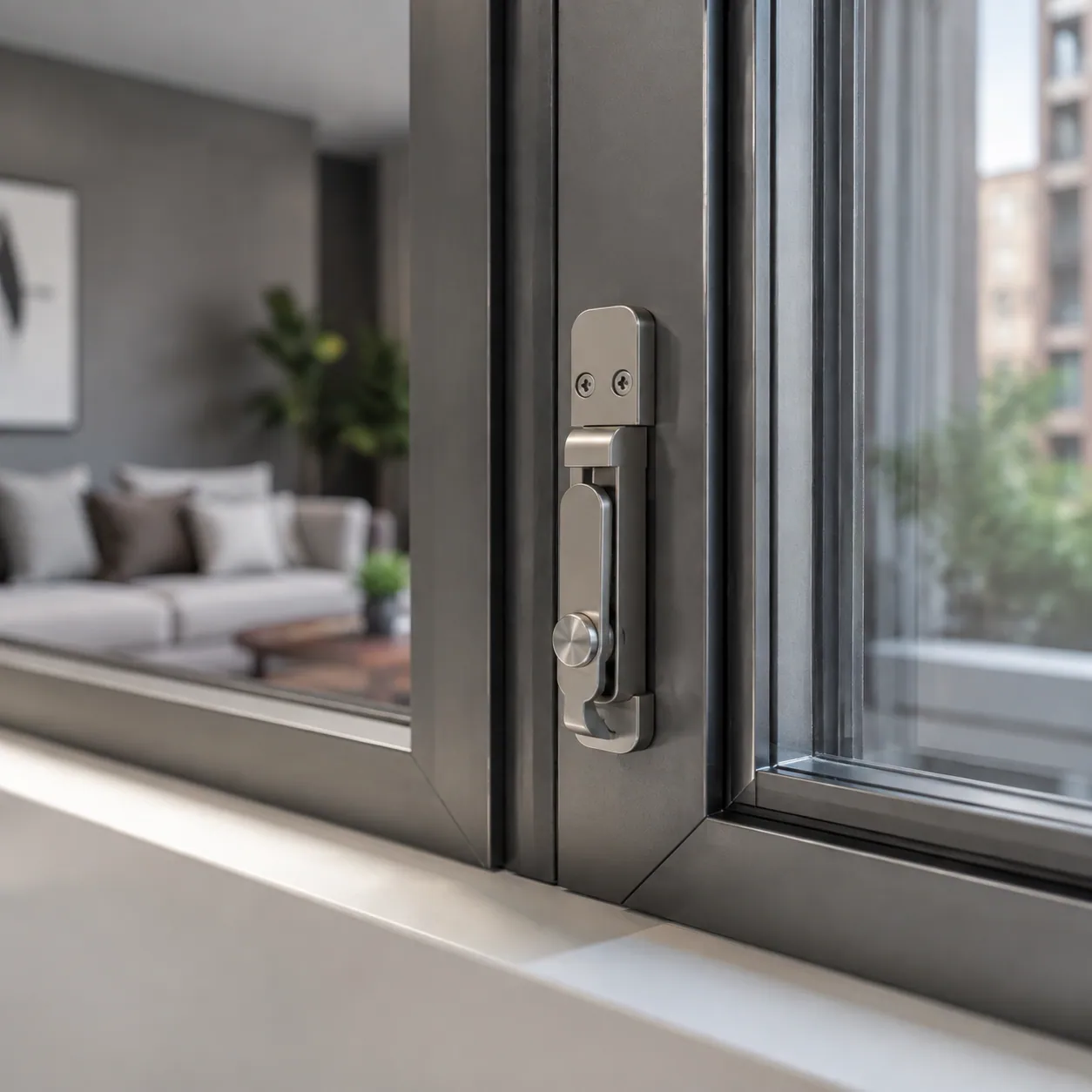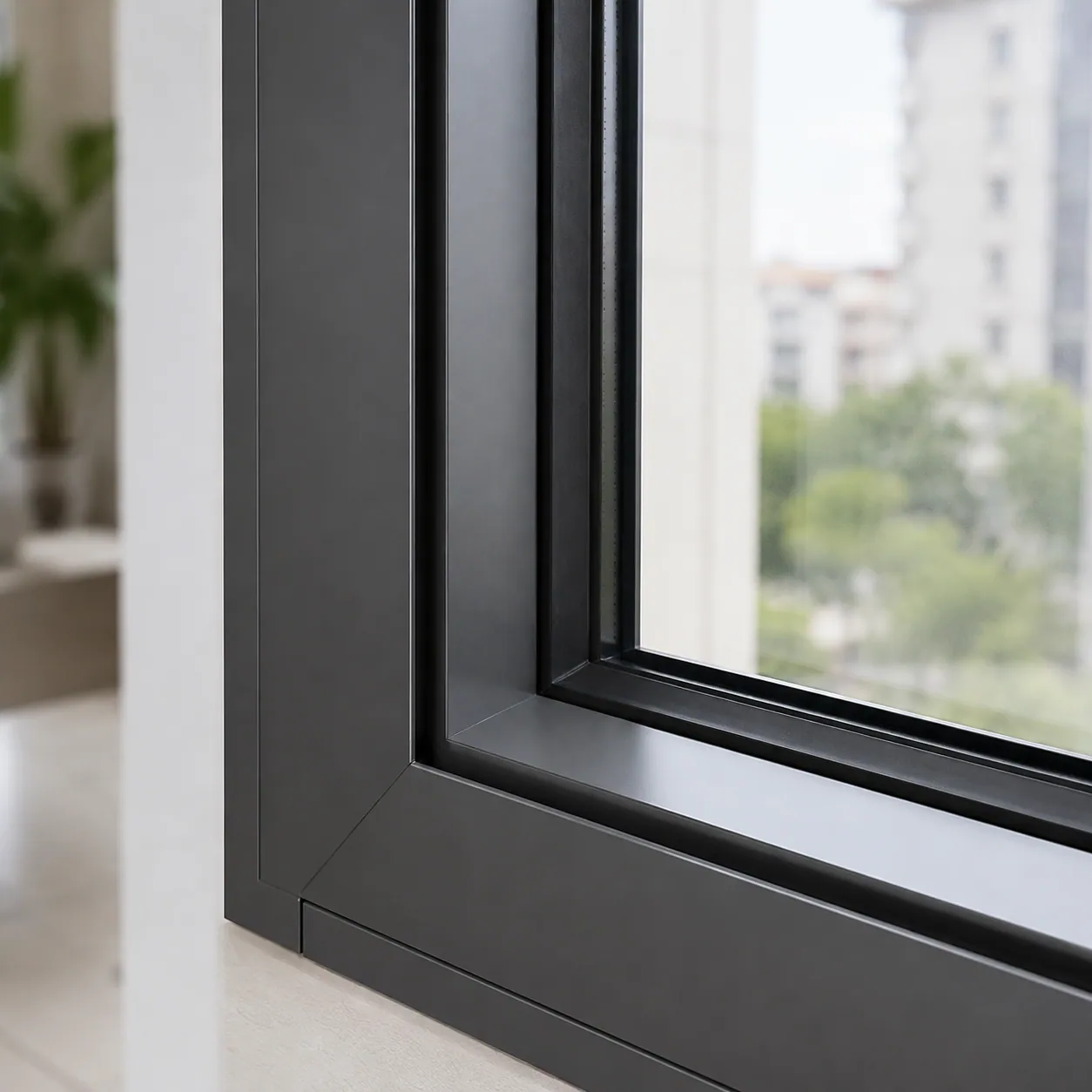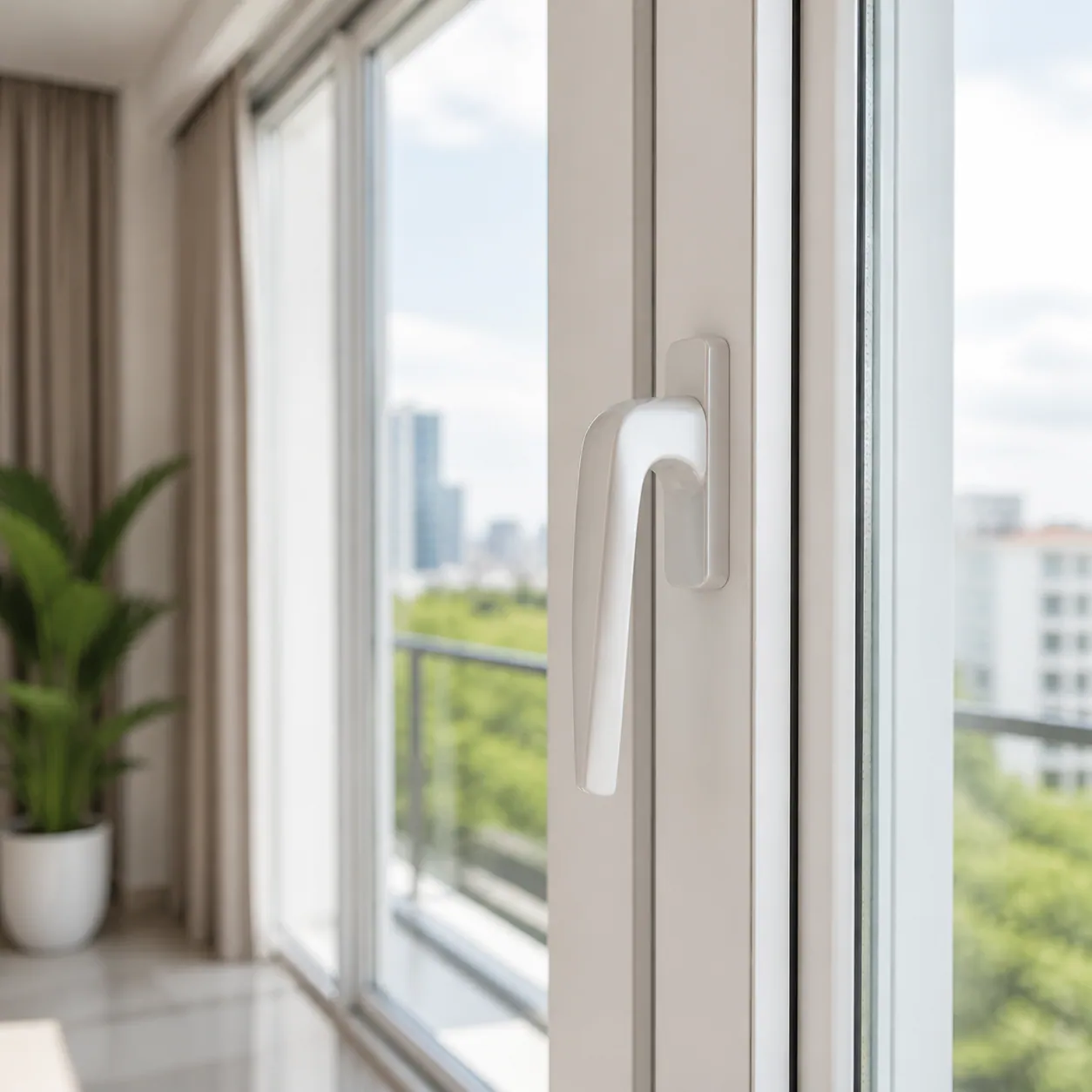
We replace uPVC window handles across Bengaluru. A uPVC window handle does more than a latch: its square spindle turns a gear inside the frame that bolts the shutter at several points. So when the handle fails, the whole window stops locking. The common failures are a handle that spins without resistance, one that jams at half turn, and one that has simply snapped in a hand. All three have clean fixes, and the right one depends on what is broken behind the handle. New handles start at ₹700, supplied and fitted.
How a uPVC handle actually works
Turn a uPVC handle and you are not moving a latch. The handle's square steel spindle reaches into the shutter and turns a geared strip, which slides bolts into keeps around the frame. One turn locks the window at two, three or more points at once.
That is why uPVC windows seal and secure so well, and why their handle problems confuse people. The handle is the visible tip of a mechanism, and a handle fault and a gear fault feel similar from outside.
The quick tell: a handle that turns with no resistance at all has usually sheared its spindle or its own gear teeth. A handle that stops hard partway is usually fighting a jammed gear or a dropped shutter, and forcing it is how spindles shear.
Handle fault or gear fault, and why it matters
A failed handle is a ₹700 class repair. A failed multi-point gear is a costlier part, and the two should never be confused in a quote.
On the visit we take the old handle off first, which is two screws under a cover plate, and work the gear directly with a spare spindle. If the gear runs sweetly, your problem was the handle, and that is all you pay for. If the gear itself is stiff or seized, you hear that with the window open in front of you, and the gear is priced as its own job.
Most calls end at the handle. uPVC handles are die-cast and their gearing is small, and ten years of daily turns is a normal life.
Spindle lengths, backset and other trip-ups
uPVC handles look interchangeable and mostly are, with two traps. The spindle length must suit your shutter's depth: too short and it will not reach the gear, too long and the handle will not sit flush. And the screw centres are standardised, but a few imported systems used their own.
We measure the old spindle and the screw centres before fitting, and we carry handles with adjustable and multiple spindle options, so nearly every window is finished on the first visit.
The new handle goes on with the shutter's alignment checked, because a dropped uPVC shutter makes even a new handle stiff. If hinges need packing to lift the shutter square, that is done as part of making the handle turn the way it should: one smooth motion, two fingers.
Cost, and locking handles for children's rooms
A standard uPVC handle, supplied and fitted, starts at ₹700. Key-locking versions, which bolt the handle itself until a key frees it, cost a little more and are the right choice for upper-floor children's rooms, because they stop a window being opened by a child entirely.
Each extra handle on the same visit is the same rate. A multi-point gear, on the visits that need one, is quoted openly as a separate part before any work continues.
Either way the test at the end is the same: handle turns smoothly through its full travel, every bolt lands in its keep, and the shutter pulls tight to its seal.